
TaylorMade Qi10 fairway review: the 3-wood the best players never replaced
It is the most-played fairway in the 53 bags we track — and it is two generations old. Scheffler and McIlroy both still carry one. Here's why that matters more than the release date.
By Jordan Hale · Equipment Writer
The verdict
Excellent
What's great
- Most-played fairway model in the 53 tour bags we track, two years after launch
- Exceptionally easy to launch from the deck; speed pocket rescues low strikes
- Holds its line on off-centre hits rather than leaking
Watch out
- The newer Qi35 fairway is current and often sells for less, so this is not the value play
- Not the head to buy if launching a fairway is your specific weakness — the Max version is
Bottom line — The forgiving 3-wood the best players in the world kept through two product cycles. Buy it on the head rather than the price, because for once the older model is not the cheaper one.
TaylorMade
TaylorMade Qi10 Fairway
ifrothgolf earns a commission on purchases made through these links, at no extra cost to you. It never changes what I recommend. Full disclosure.
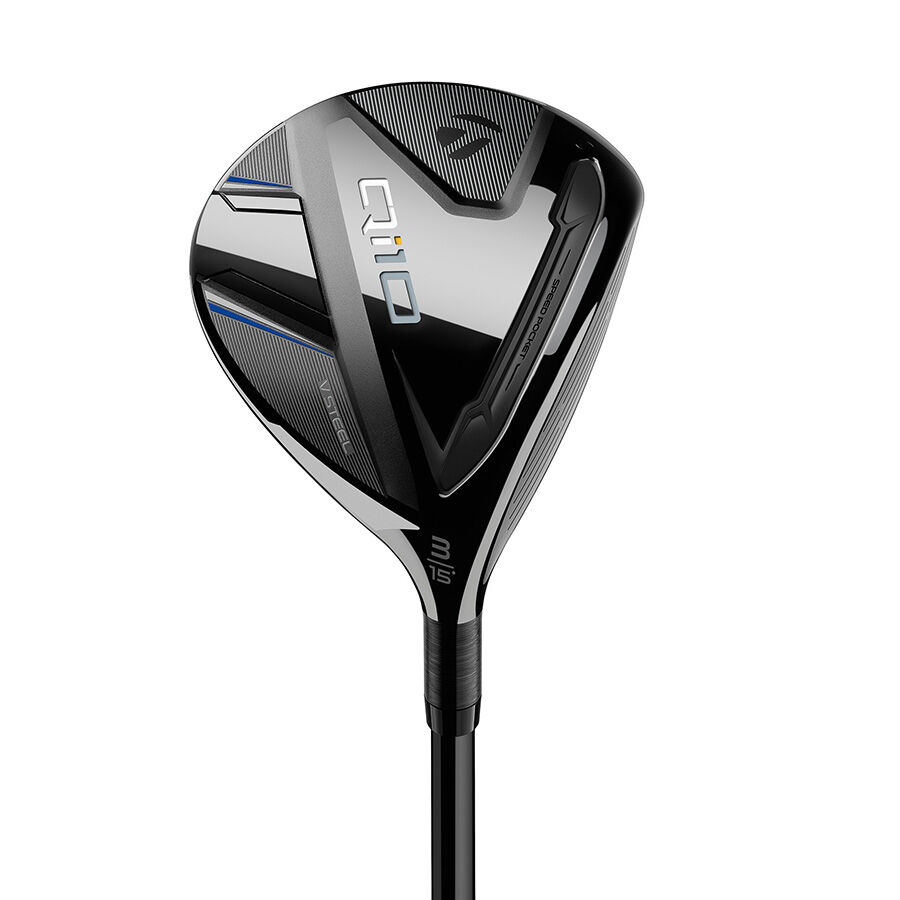
The TaylorMade Qi10 fairway is the easiest-launching, most forgiving flagship 3-wood of its generation, and the most-played fairway wood in the tour bags we track — by a distance. If you want a fairway you can hit off the deck without a perfect strike, this is the one I would buy. If you already own a recent forgiving fairway, you do not need it. What makes it interesting is not the technology, it is that the best players in the world had two chances to replace it and did not.
The number: eight bags, and nobody moved on
Of the 53 current tour setups we track, 8 carry a Qi10 fairway — more than any other fairway model. TaylorMade's newer Qi35 fairway appears in 2. The Qi10 launched in 2024. It is, in equipment-marketing terms, old.
The eight are Scottie Scheffler, Rory McIlroy, Hideki Matsuyama, J.J. Spaun, Keegan Bradley, Akshay Bhatia, Adam Scott and Dustin Johnson. Scheffler and McIlroy are the two most scrutinised bags in golf and both are TaylorMade staff, which means they get first access to every new head and no financial reason to keep an old one. They kept it anyway. Adam Scott carries two of them, at 5-wood and 9-wood.
Fairway woods are the slot where this happens most. A driver gets replaced because a fitter can show you two miles an hour; a 3-wood that launches off a tight lie gets kept because the player trusts it, and trust does not show up on a launch monitor. That is the honest reason this list looks the way it does. (This is the set of bags we maintain and re-verify against named sources, not a census, and setups change week to week.)
What the head actually does
We do not test clubs, so here is the consensus from the reviewers who put it on a launch monitor. The Qi10 was widely rated the most forgiving flagship fairway of its year: roughly 42g of mass stacked low and close to the face with a further 15g at the back, a face about 5% larger than the previous generation, and a speed pocket that lifts strikes found low on the face so they fly closer to a centre hit than they deserve to.
Testers consistently reported the same two things — that it is unusually easy to launch from the deck, and that it holds its start line on off-centre strikes rather than leaking. Those are the only two qualities that matter in a 3-wood for most golfers, because the shot you actually need it for is a long second from a lie that is not perfect.
The awkward part: the newer one is cheaper
Be clear-eyed about this. The Qi35 fairway is the current model and, at the time of writing, we have it in the catalogue at less than the Qi10's $450. So the usual last-year's-flagship logic — the one that works so well on drivers — does not apply here in the way you would expect.
That reframes the decision usefully. If you are choosing between them, you are not choosing the cheap option and the expensive option; you are choosing between two heads on their merits. The tour-bag count is the strongest single piece of evidence available to a buyer who cannot test both, and it points at the Qi10. Get both in a bay if you can and let the numbers decide, and treat model-year thinking as the marketing device it usually is.
Who should buy — and who should skip
Buy it if you want one fairway wood that works off the tee and the turf, and you are not a consistent enough striker to want a compact tour head. It suits the golfer who reaches for a 3-wood on tight par fours and needs it to get airborne from a fairway lie without a perfect strike.
Skip it if launching a fairway wood is your specific problem — the shallower, more lofted Max version of this head was built for exactly that and will do more for you. Skip it if your current fairway is recent and you get on with it, because this is the club category with the longest useful life in the bag and the tour bags above are the proof. And skip it if what you actually need is a 7-wood or a hybrid: the modern high-lofted fairway has quietly taken over the long-iron slot for a lot of players, and it is an easier club to hit than any 3-wood ever made.
At around $450 this is not a cheap club, and it is the one in the bag most often bought on brand rather than fit. Get the loft and shaft checked, and if the bay says the newer head suits you better, buy that instead. But on the evidence of who is still playing it two years on, the Qi10 is not a compromise.
Where to buy
8.8/10TaylorMade
TaylorMade Qi10 Fairway
The forgiving, high-launch fairway wood from TaylorMade's 10K-MOI Qi10 family.
ifrothgolf earns a commission on purchases made through these links, at no extra cost to you. It never changes what I recommend. Full disclosure.
Frequently asked
- What fairway wood does Scottie Scheffler use?
- A TaylorMade Qi10 3-wood. He is one of 8 players in the 53 tour bags we track carrying a Qi10 fairway, alongside Rory McIlroy, Hideki Matsuyama, J.J. Spaun, Keegan Bradley, Akshay Bhatia, Adam Scott and Dustin Johnson. This is the set of bags we maintain against named sources rather than a full census, and setups change week to week.
- Is the Qi10 fairway still worth buying in 2026?
- Yes, on the evidence of who still plays it. It is the most-played fairway model in the tour bags we track — 8 against 2 for the newer Qi35 — two years after launch. Fairway woods have the longest useful life of any club in the bag, so a two-year-old flagship is not the compromise it would be in a driver.
- Qi10 or Qi35 fairway?
- Unusually, this is not a price decision — the newer Qi35 currently lists for less than the Qi10 in our catalogue, so you are choosing on the head rather than the discount. The tour-bag split favours the Qi10 heavily, but the only reliable answer is hitting both on a launch monitor.
- Is the Qi10 fairway forgiving?
- It was widely rated the most forgiving flagship fairway of its generation. Around 42g of mass sits low and near the face with 15g more at the back, the face is about 5% larger than the previous model, and a speed pocket lifts strikes found low on the face. Reviewers consistently noted how easy it is to launch from the deck.
Read next
Review
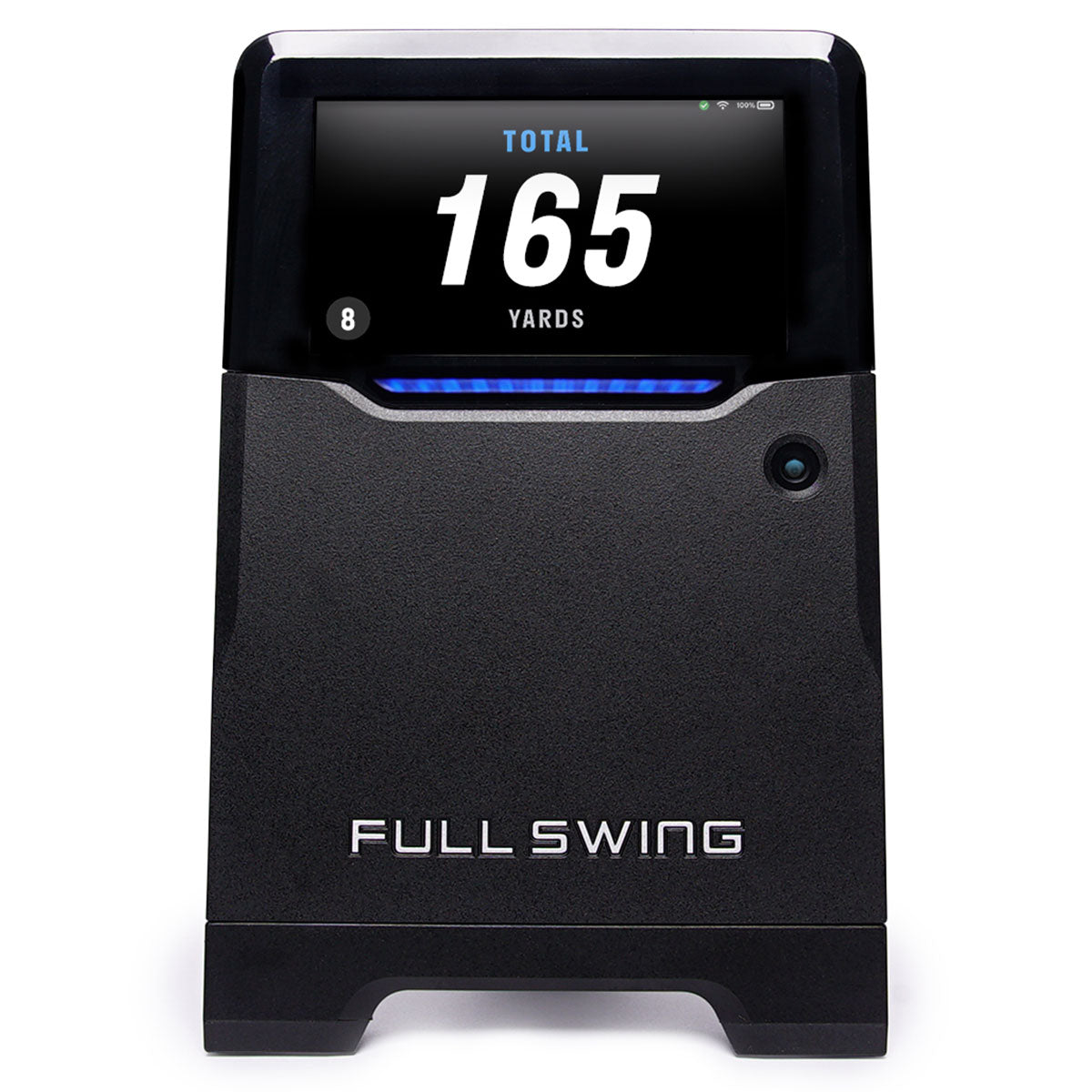
7.9/10Full Swing KIT review: the tape measure decides this, not Tiger
Tour pedigree, TGL on ESPN, and radar good enough to be checked against a Trackman outdoors. It also wants eighteen to twenty feet of room, which rules out most of the garages people buy it for.
Versus
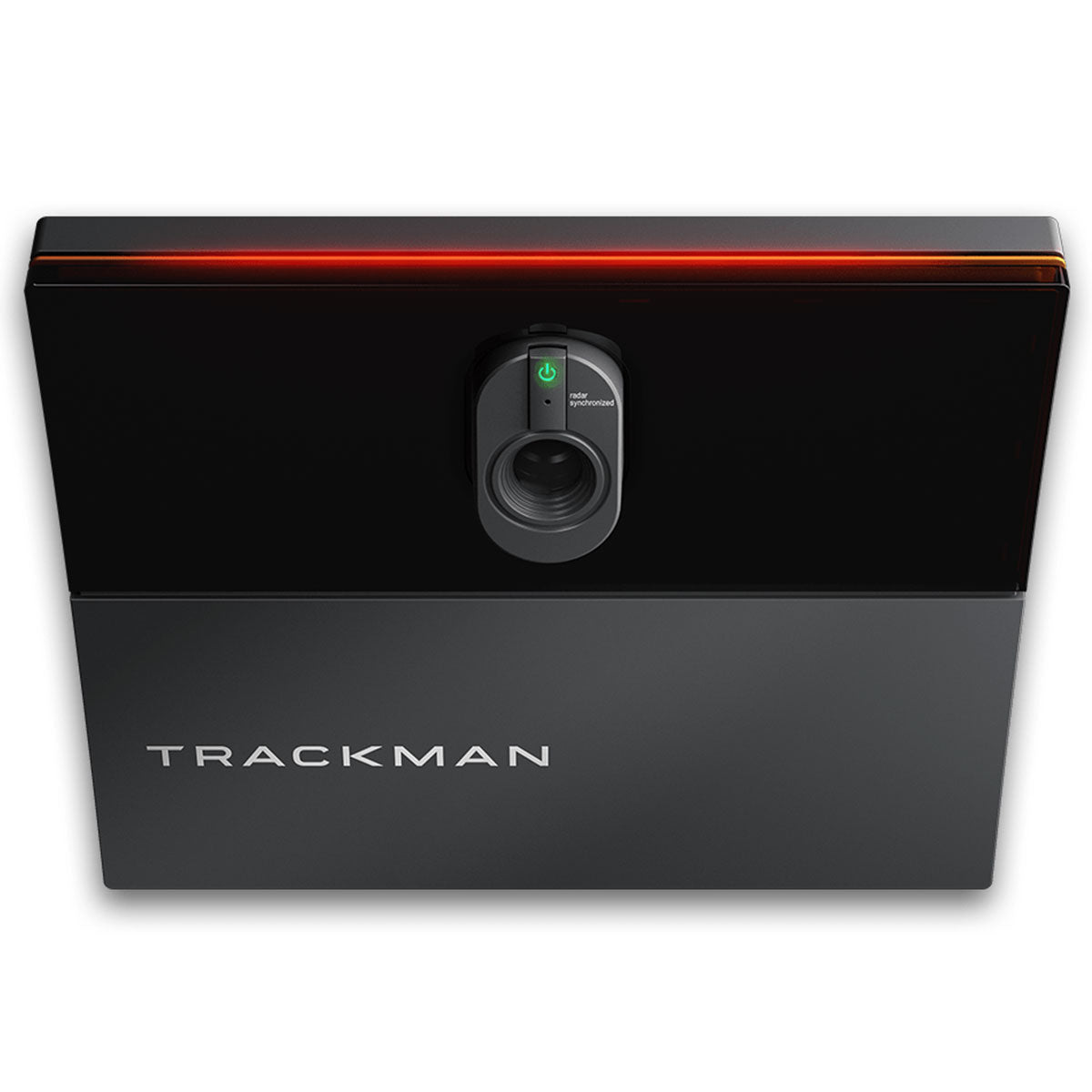
Trackman iO vs Uneekor EYE XO2: the year-one trap
Both mount overhead, both want ten feet of ceiling, and about $3,000 separates them on the shelf. Then Trackman's included first year runs out, and the gap starts growing by $1,100 a year.
Versus
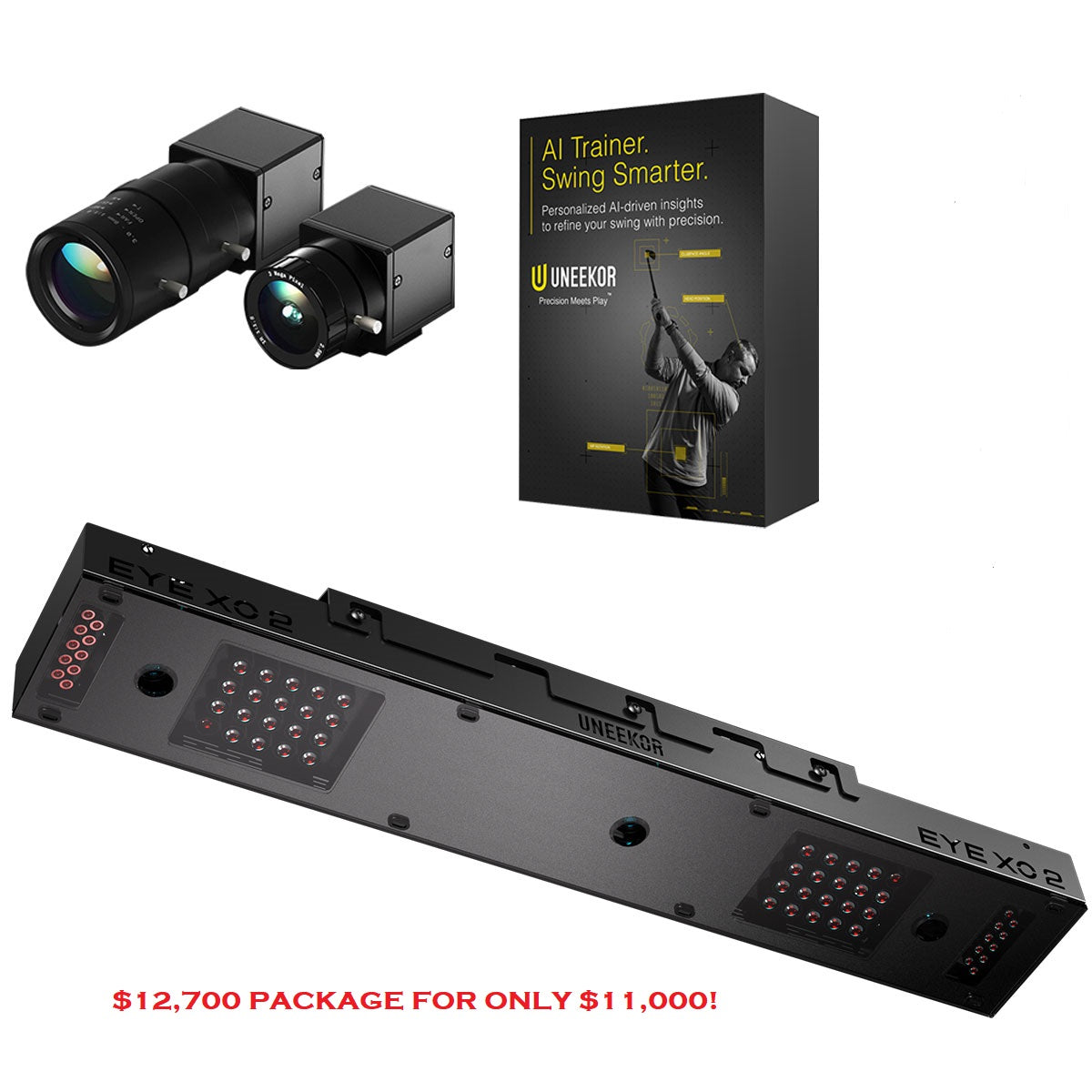
Uneekor EYE XO2 vs Foresight GC3: ceiling or floor?
About $4,000 separates them, but they're not really rivals — one lives in your ceiling forever, the other sits on the floor and travels. The cheaper one is also the one with no subscription.