
A slower swing isn't a problem — it's a spec sheet most golfers get wrong
If your driver speed is under 90 mph, almost everything golf marketing sells you is built for someone else. Four cheap, counterintuitive changes hand back the yards you thought you'd lost for good.
By Ross Hamilton · Staff Writer
 Explained
Here's the trap a moderate swinger falls into: they buy the same gear as the 120-mph bombers in the adverts, then wonder why the ball won't get airborne and falls out of the sky 30 yards short of the carry. If your driver swing is under roughly 90 mph — which covers most senior golfers and a huge slice of the recreational game — the equipment that actually helps you is almost the exact opposite of what's marketed. In priority order: a low-compression ball, the right shaft (lighter and softer than your ego wants), a high-launch forgiving head, and more loft than feels manly. Get those four right and you'll claw back real yards and stop launching weak, low knuckleballs into the breeze. Spend on anything else first and you're decorating a problem you never fixed.
Start with the ball — it's the cheapest yards in golf
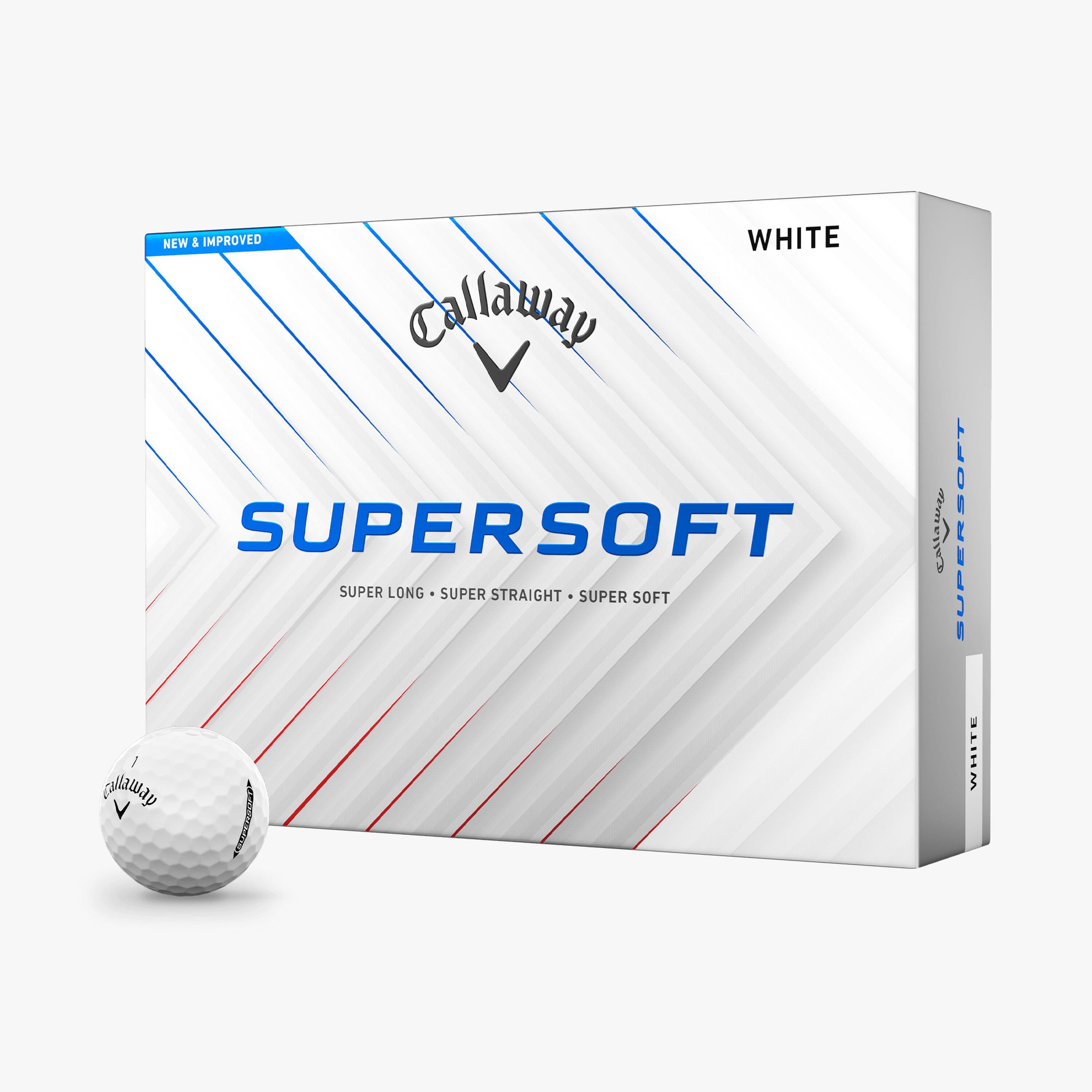
The single best-value upgrade for a slower swing isn't a club at all, it's the ball. Compression is the key number: it's a measure of how much a ball deforms at impact, and a slower swing simply can't squash a firm tour ball enough to get the energy back. Play a 90-compression Pro V1 at 80 mph and you leave distance on the tee. Drop to a genuinely low-compression ball like the Callaway Supersoft — around 38 compression, built so a moderate swing actually compresses it — and you get more ball speed, a higher launch and, helpfully, lower spin off the driver that takes the curve out of a slice. It feels soft, it goes straighter, and it costs a fraction of a premium ball. We lay out the full logic in golf ball compression explained and how to choose a golf ball. This is the first thing to change, full stop.
The shaft matters more than the head
Most amateurs — and especially slower swingers who were once quicker — play a shaft that's too stiff and too heavy, and it's quietly costing them. A shaft that's too stiff for your speed won't load and unload properly, so you lose the whip that launches the ball; a shaft that's too heavy slows your swing further still. For a moderate swing, lighter and softer is the move: a regular or senior (often badged 'A' or 'lite') flex in a lighter weight lets you swing faster and helps square the face. Graphite over steel in the irons, too — it's lighter and damps the sting of a thin strike. The rule of thumb: if your driver carry is under about 220 yards you almost certainly shouldn't be in a stiff shaft. Our guide to what shaft flex you actually need walks through how to self-diagnose, and a proper club fitting pays for itself fastest for exactly this golfer, because flex and weight are guesswork off the rack.
The driver head: high launch, high forgiveness, more loft
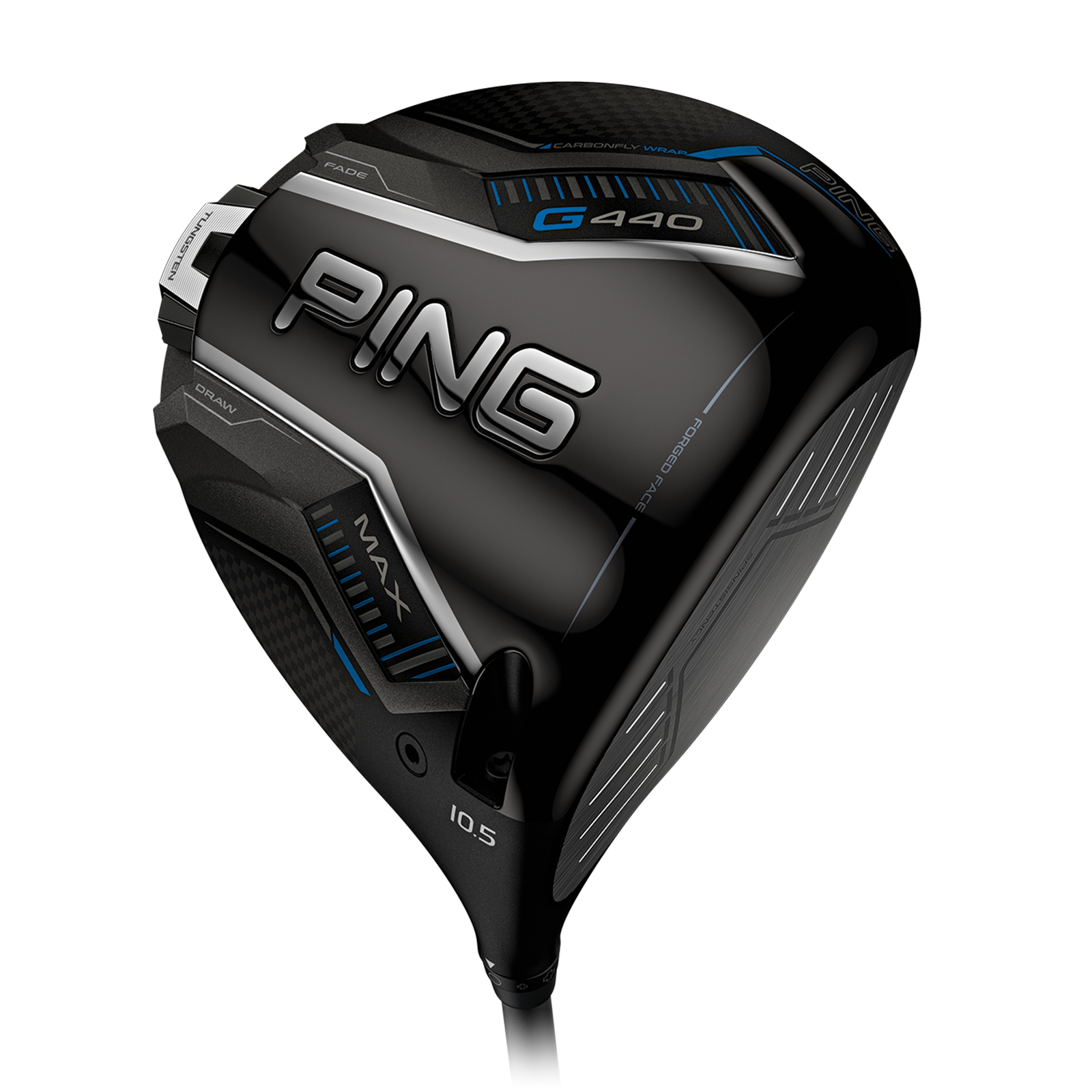
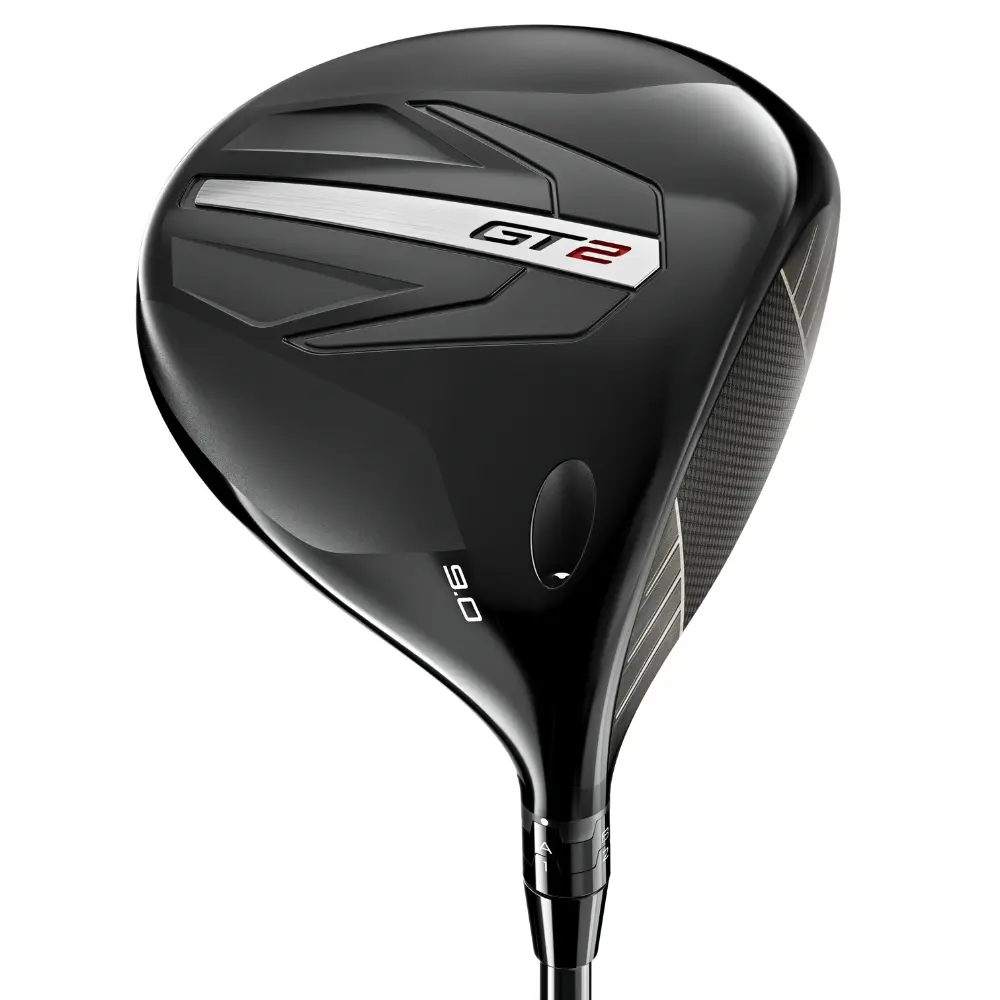
Now the club. A slower swing needs help getting the ball up and keeping it straight, which means the most forgiving, highest-MOI head you can find — not the low-spin 'players' driver the tour staff use. The Ping G440 Max is the easy default here: it's built for maximum forgiveness and a high, stable launch, so off-centre hits hold their line and the ball climbs without you forcing it. Read our full Ping G440 Max review for the detail. The Titleist GT2 is the other strong forgiving option if you prefer the feel. And take more loft than your ego wants: a slower swing needs 10.5° or even 12° to carry the ball properly, because you're not generating the spin and speed to hold a 9° face in the air. Loft is launch, and launch is carry distance for you. Buying last year's model of a forgiving head is the smart-money play — the forgiveness tech barely changes year to year.
Segment it: what to prioritise by where you're losing shots
Spend in the order your game is bleeding strokes. If you're losing distance and topping or thinning drives, fix the ball and the shaft first — that's the cheapest, biggest gain. If you're hitting it reasonably but it won't get airborne or carry bunkers, you need loft and launch: the driver head and possibly higher-lofted fairway woods and a hybrid to replace long irons you can no longer hit. If your misses are wild left and right, forgiveness (high-MOI head, the straighter low-spin ball) is the lever. And if your hands ache or you flinch on cold mornings, lighter graphite shafts and a good glove do more for your scoring than any 'distance' gimmick. Match the fix to the symptom rather than buying the thing with the loudest marketing.
What's a waste of your money
Plenty of gear aimed at slower swingers is selling hope, not help. Skip 'distance' balls marketed on hardness — firmer is the wrong direction for you; you want low compression, which is a different thing. Skip the low-spin 'tour' driver heads entirely; they're designed to take spin off a fast swing that produces too much, and on a slower swing they just kill your launch. Be sceptical of weighted training clubs and speed-stick systems sold as a fountain of youth — they can add a few mph with consistent work, but they won't transform a swing on their own, and the ball-and-shaft changes above are far more reliable yards. And don't pay for an every-year driver upgrade: the gains for a moderate swing are a rounding error. As we argue in you don't need a new driver, the optimisation that helps you is fit and setup, not the calendar.
The honest summary
A slower swing isn't a problem to be embarrassed about — it's just a spec sheet to build around. Put a low-compression ball in play, get into a lighter and softer shaft, choose the most forgiving high-launch head you can and give it more loft than feels manly, and you'll hit it higher, straighter and meaningfully further than the stiff-shaft, firm-ball setup most golfers stubbornly cling to. The full driver picture is in our best drivers guide and the drivers hub; the value-ball field is in best value golf balls. Build for your speed, not someone else's.
Products mentioned in this article
PING
PING G440 Max Driver
High-launch, high-MOI head that flies on its own — the easy default for a moderate swing.
Callaway
Callaway Supersoft Golf Balls (Dozen)
Ultra-low compression (~38) a slower swing can actually squash — straighter, longer for free.
Titleist
Titleist GT2 Driver
Easy to launch and very forgiving — the kind of head that hands slower swings free height and carry.
This model is no longer the current model. The current version is Titleist GTS2 Driver. Remaining stock is often discounted, so this can still be the better buy — check both prices.
Srixon
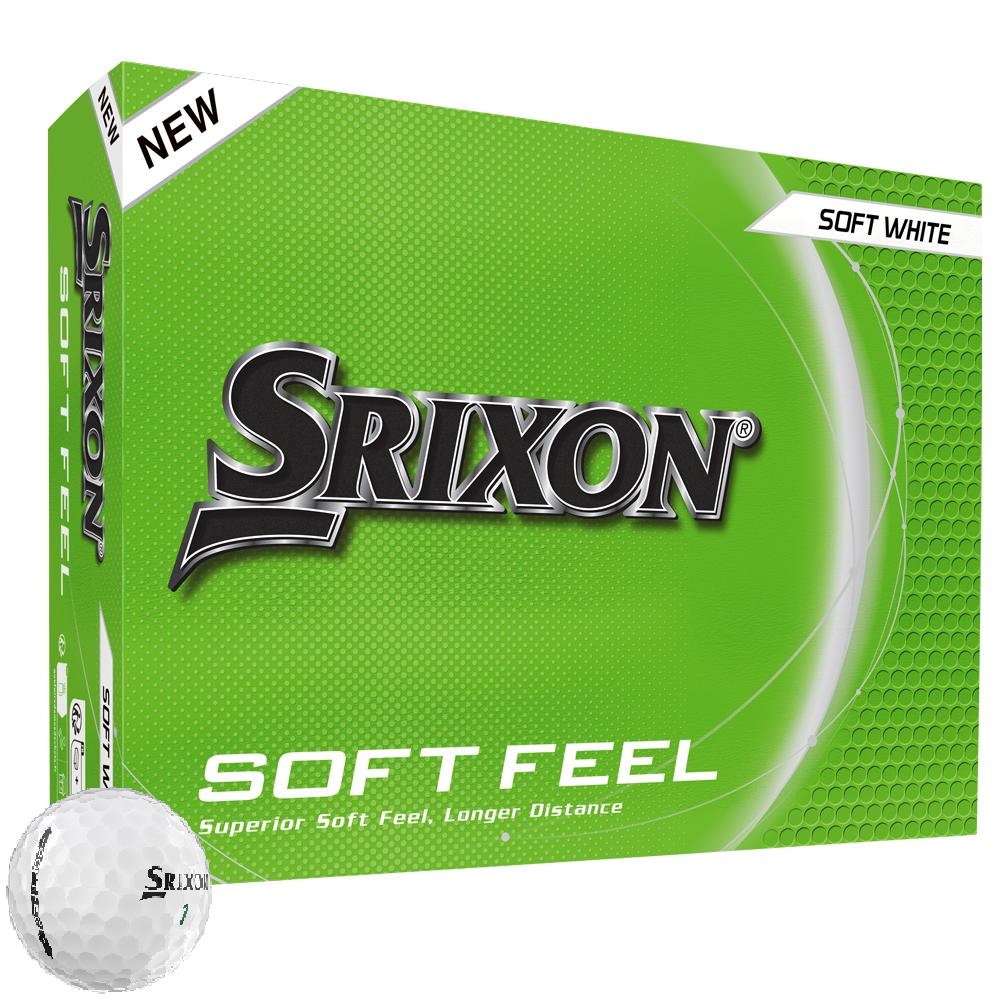
Srixon Soft Feel Golf Balls (Dozen)
A low-compression ball that compresses at slower speeds, for a touch more distance and a softer feel.
ifrothgolf earns a commission on purchases made through these links, at no extra cost to you. It never changes what I recommend. Full disclosure.
Frequently asked
- What golf ball is best for a slow swing speed?
- A genuinely low-compression ball such as the Callaway Supersoft (around 38 compression). A slower swing can't compress a firm tour ball enough to get the energy back, so a soft, low-compression ball gives you more ball speed, higher launch and lower driver spin — straighter and longer for far less money.
- Should a slower swinger use a stiff or regular shaft?
- Almost always regular or softer. If your driver carry is under about 220 yards you're very likely too stiff. A lighter, softer shaft (regular, or senior/'A' flex) loads and unloads better, letting you swing faster and launch the ball higher. Graphite over steel in the irons helps too.
- How much driver loft should I have with a slow swing?
- More than you probably want — 10.5° to 12° is right for most moderate swings. You don't generate enough speed or spin to keep a low-lofted face in the air, so extra loft directly buys you carry distance. Loft is your friend here, not a sign of weakness.
- Do swing-speed training aids actually work?
- Speed-stick systems can add a few mph with consistent, structured work, but they won't transform your game on their own and many golfers overestimate the gain. Changing your ball and shaft delivers more reliable yards with no effort — fix the gear first, then train speed if you enjoy it.
Read next
Versus
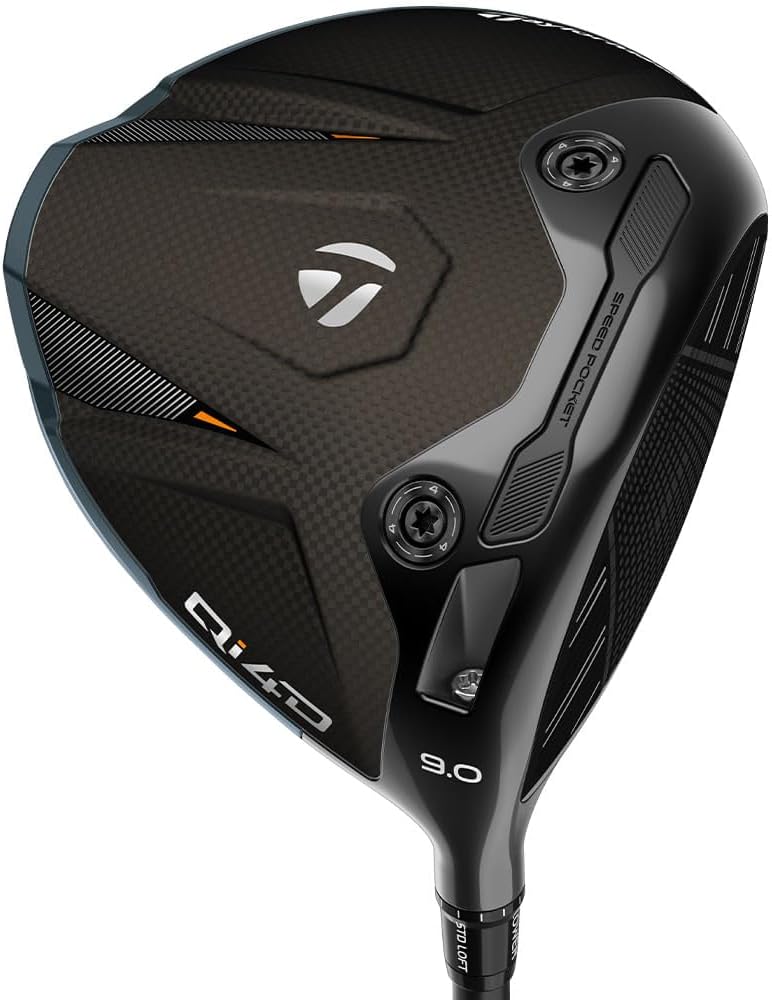
TaylorMade Qi4D vs PING G440 Max: the 2026 driver decision most golfers get backwards
Two of the year's biggest drivers, cross-shopped in every fitting bay — and most players walk in chasing the wrong thing. One wins the robot test outright; the other quietly saves more rounds. Here's which head actually belongs in your bag, and why the answer probably isn't the one you'd guess.
Opinion
What the 'longest driver of 2026' number won't tell you
Every year a chart crowns one driver the longest, and every year thousands of golfers buy the wrong club because of it.
Opinion
The most overrated gear in golf (and what to buy instead)
Golf is spectacularly good at selling you the wrong thing. Here's where the money quietly leaks out of your bag — and the unglamorous stuff that actually drops shots.