
What is a mini driver — and do you actually need one?
Suddenly they're everywhere on tour. Here's what a mini driver really is, who it genuinely helps, and why most amateurs are better served by a club they already understand.
By Ross Hamilton · Staff Writer
 Explained
A mini driver is a smaller-headed driver — usually around 275–340cc against a full driver's 460cc — built on a shorter shaft, so it sits between your driver and your 3-wood for tee shots you need to find the fairway. The honest answer for most golfers: you probably don't need one. It's a control-and-gapping tool for a specific problem, not a distance upgrade, and the players it helps most are the ones whose driver is genuinely uncontrollable off the tee. If that's not you, a fitted, forgiving driver — or a strong 3-wood — solves the same problem with a club you already trust.
What a mini driver actually is
Think of it as a driver that gave up some size and length for control. The smaller head and shorter shaft (often 43.5–44.5in versus a driver's 45.5in-plus) make it easier to centre and easier to steer, at the cost of a few yards and a little forgiveness. Most are designed to be hit off a low tee or even off the deck, which is why people describe them as a driver/3-wood hybrid. The trade is simple: you give up some top-end distance to hit more fairways.
There's real physics behind why the shorter shaft helps. A driver's length is the single biggest contributor to clubhead speed — and to dispersion. Lop an inch and a half off the shaft and you lose a little speed, but you gain a lot of control, because a shorter lever is easier to deliver squarely and your strike tightens towards the centre of the face. That centre-strike is where distance actually lives, as we lay out in what actually adds driver distance. For a player who catches a 460cc driver out of the heel half the time, a mini's smaller, shorter, more centrable head can genuinely play longer in the real world even though it's 'slower' on paper — because a flush mini beats a sky-marked driver every single time.
Why they're suddenly everywhere
Tour usage has exploded — at one recent event nearly a third of the field had a mini driver in the bag, up from a handful a year earlier — and that's pulled the category into the mainstream. Titleist's GTS300 mini and TaylorMade's Qi mini (the spiritual successor to the BRNR) are the names driving the conversation in 2026. But here's the part the hype skips: tour pros adopt a mini to replace a 3-wood they were already hitting too close to their driver, with swing speeds north of 115 mph and dispersion patterns most amateurs will never own. A 120 mph swinger genuinely needs a controllable club that flies 285 instead of a driver that flies 320 into trouble. A 90 mph amateur has no such gap — their driver and 3-wood are already 30-plus yards apart. A trend on tour isn't automatically a need for your bag, and copying a pro's club selection is the same mistake as copying their X-stiff shaft.
Who a mini driver genuinely helps
There is a real use case, and it's worth being honest about it. The mini fits the player whose driver is a two-way miss they can't trust on tight holes, but whose 3-wood leaves too much club into the green. If you're routinely laying back off the tee with a 3-wood because the driver scares you, yet you're then hitting hybrid or long-iron approaches you can't hold, a mini fills that gap: more control and confidence than the driver, more carry than the 3-wood. It also suits stronger, faster swingers — think 105 mph and up — who want a second, more workable long-game option they can flight down into the wind or shape off a tight tee box. If you're nodding along to that specific description, it's a club worth a fitting. If you're reaching for reasons it might suit you, that's usually a sign it doesn't.
The honest catch: it's not free distance
The biggest misconception is that a mini driver is a 'safer driver' that gives up nothing. It isn't. You're trading away both top-end distance and forgiveness — the smaller head has a lower MOI, so off-centre hits twist more and bleed more ball speed than they would on a max-forgiveness 460cc head. That's the exact opposite of what most amateurs need. The average club golfer's problem isn't that their driver is too long off the tee; it's that they don't find the centre of the face often enough and lose the ball sideways. A mini, with its tighter sweet spot, can actually punish those misses harder than a forgiving full driver would. Adding a mini to paper over an ill-fitting, uncontrollable driver is solving the wrong problem with a less forgiving club — and quietly eating one of the fourteen slots in your bag that a more useful club could occupy.
What most golfers should buy instead
For the broad majority, the honest fix is a forgiving driver set up to be kept in play — not a third long club to gap. A properly fitted PING G440 Max, the forgiveness benchmark of 2026, or a high-launching, stable Titleist GT2 does more for your scorecard than a mini you've bought to dodge a driver you were never fitted for. Most golfers who think they want a mini have actually never had their driver fitted: wrong shaft, wrong loft, too long, set up to fade when they slice. Fix that first — a fitting, as we argue in is a club fitting worth it, routinely finds more usable yards and tighter dispersion than swapping clubs ever will, and the right shaft flex alone can transform a club you already own. Get your driver dialled in; if you still have a genuine gap between it and your 3-wood after that, then — and only then — has a mini earned its slot. The full field of forgiving heads is in our best drivers guide.
Products mentioned in this article
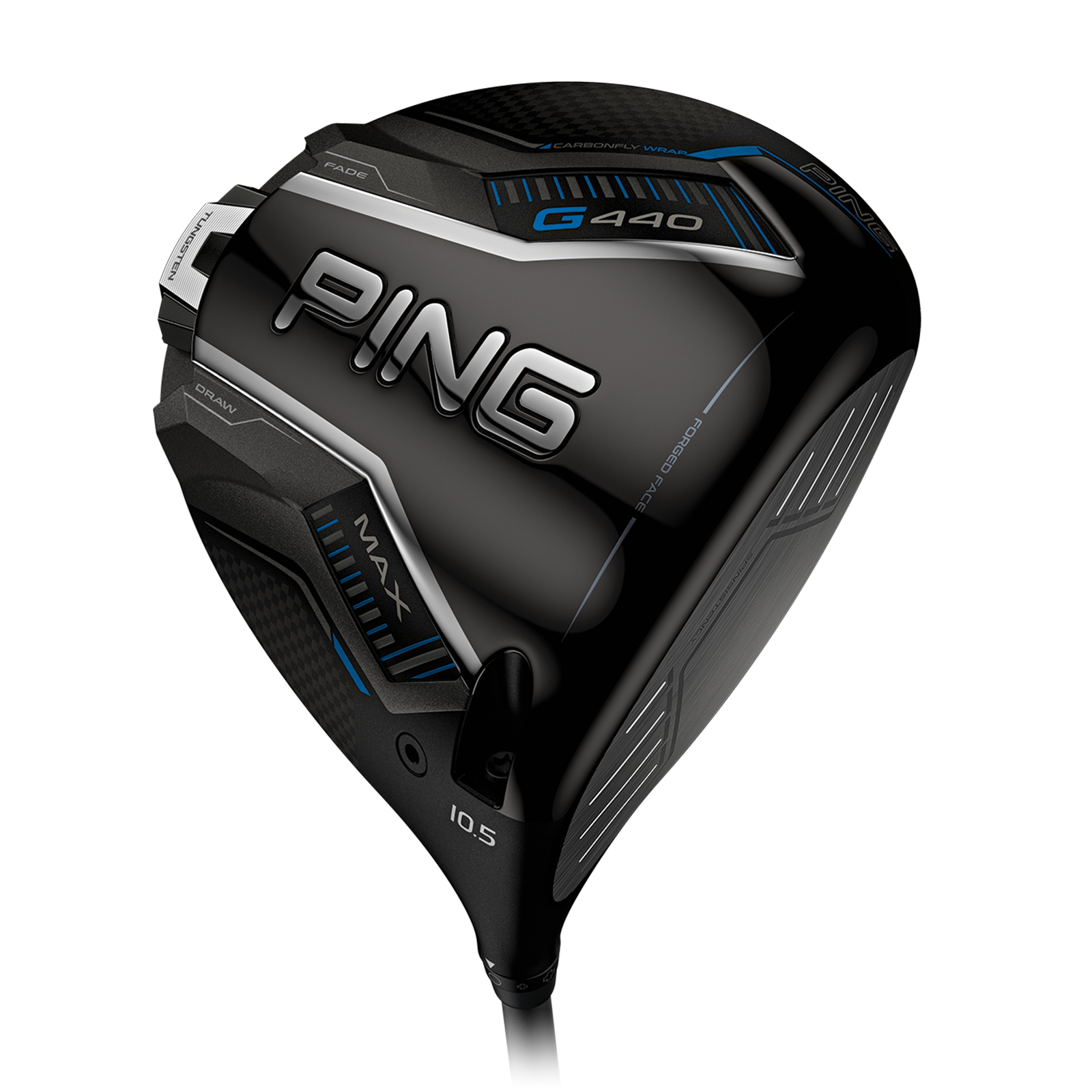
PING
PING G440 Max Driver
The real fix for most who think they want a mini: a forgiving driver you can keep in play, fitted properly.
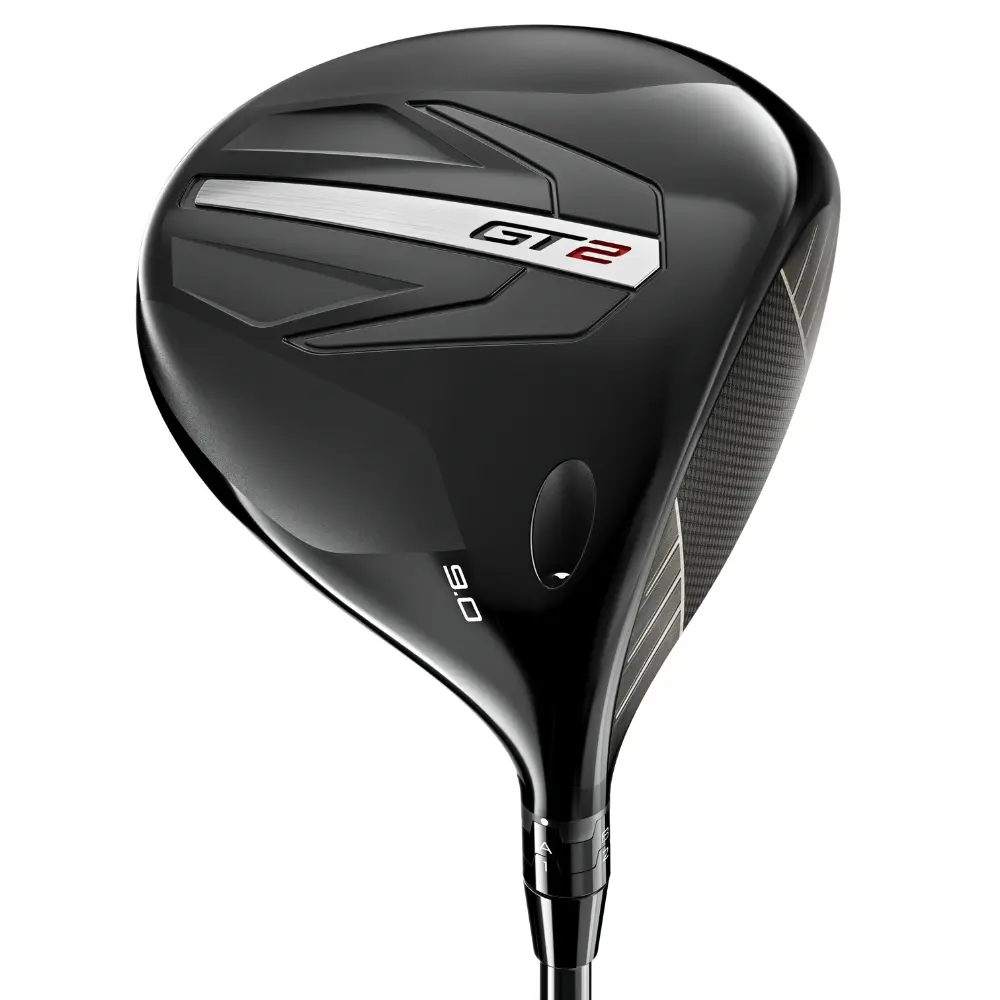
Titleist
Titleist GT2 Driver
High-launch and stable — the safe, fit-it-and-forget-it tee club for the slice-prone. Superseded by the Titleist GTS2 in June 2026; still sold, and cheaper for it.
This model is no longer the current model. The current version is Titleist GTS2 Driver. Remaining stock is often discounted, so this can still be the better buy — check both prices.
ifrothgolf earns a commission on purchases made through these links, at no extra cost to you. It never changes what I recommend. Full disclosure.
Frequently asked
- What is a mini driver in golf?
- A smaller-headed driver, typically around 275–340cc on a shorter shaft, designed to sit between your driver and 3-wood. It trades a little distance and forgiveness for more control off the tee, and many are built to be hit off a low tee or the deck.
- Mini driver vs 3-wood — what's the difference?
- A mini driver generally has a bigger head, more loft options and is built mainly for tee shots, giving more forgiveness and a touch more distance than a 3-wood. A 3-wood is more versatile from the fairway. If your 3-wood off the tee is too short and your driver too wild, a mini fills that gap.
- Do I need a mini driver?
- Most amateurs don't. It helps players whose driver is genuinely uncontrollable off the tee but whose 3-wood leaves too much in. If that's not you, a fitted, forgiving driver — or a strong 3-wood — solves the same problem with a club you already know.
- Are mini drivers legal and conforming?
- Yes. Mainstream mini drivers from the major brands are built to conform to the same equipment rules as a standard driver, so they're legal for competition.
- Does a mini driver give up forgiveness?
- Yes — and it's the part the marketing glosses over. A smaller head has a lower MOI, so off-centre hits twist more and lose more ball speed than they would on a max-forgiveness 460cc driver. If your main issue is finding the centre of the face, a mini can punish your misses harder, not less.
Read next
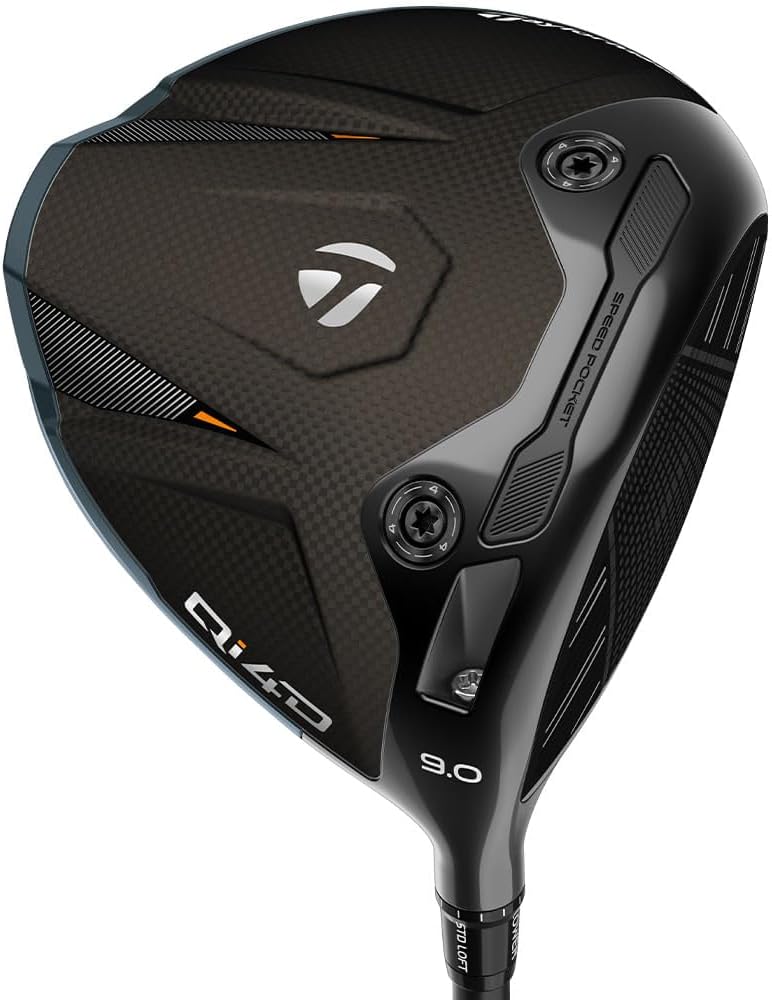
Versus
TaylorMade Qi4D vs PING G440 Max: the 2026 driver decision most golfers get backwards
Two of the year's biggest drivers, cross-shopped in every fitting bay — and most players walk in chasing the wrong thing. One wins the robot test outright; the other quietly saves more rounds. Here's which head actually belongs in your bag, and why the answer probably isn't the one you'd guess.
Opinion
What the 'longest driver of 2026' number won't tell you
Every year a chart crowns one driver the longest, and every year thousands of golfers buy the wrong club because of it.
Opinion
The most overrated gear in golf (and what to buy instead)
Golf is spectacularly good at selling you the wrong thing. Here's where the money quietly leaks out of your bag — and the unglamorous stuff that actually drops shots.