
Titleist GT2 vs Ping G440 Max: speed against the miss you actually hit
Two of the most-fitted drivers in golf, and the choice between them comes down to a question most golfers answer dishonestly.
By Jordan Hale · Equipment Writer
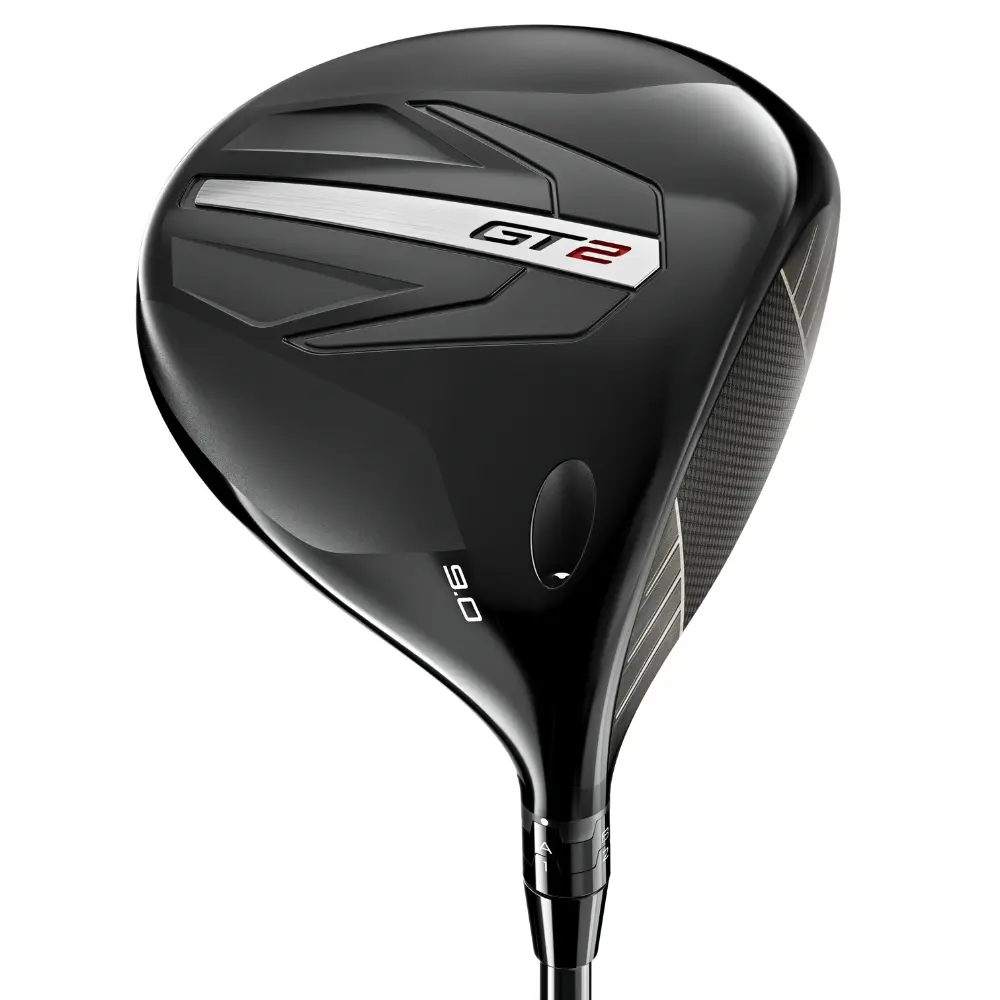
Titleist
Titleist GT2 Driver
Buy if you want speed with adjustability and you'll get fitted properly
This model is no longer the current model. The current version is Titleist GTS2 Driver. Remaining stock is often discounted, so this can still be the better buy — check both prices.
ifrothgolf earns a commission on purchases made through these links, at no extra cost to you. It never changes what I recommend. Full disclosure.
Part of our guide toBest Golf Drivers 2026The GT2 and the G440 Max are on almost every driver shortlist for a good reason: both are excellent, both are forgiving, and both will be in the fitting bay when you go. They're also built around subtly different priorities, and the fitting will expose which one suits you within about fifteen shots.
The question underneath is simple and uncomfortable: do you want your good drives better, or your bad drives less bad?
The Titleist case
The GT2 is the forgiving model in a family whose reputation is built on speed and adjustability. Titleist's fitting operation is among the deepest in golf, the hosel and weighting options are extensive, and the head is fast without being demanding.
It rewards a golfer who is going to be measured properly and whose misses are reasonably repeatable. Get the shaft and loft right and it's as complete a driver as exists.
It's also — and this matters — a driver that gives you information. Strike feedback is more honest than the Ping's, which is a feature if you're working on something and a liability if you'd rather not know.
The Ping case
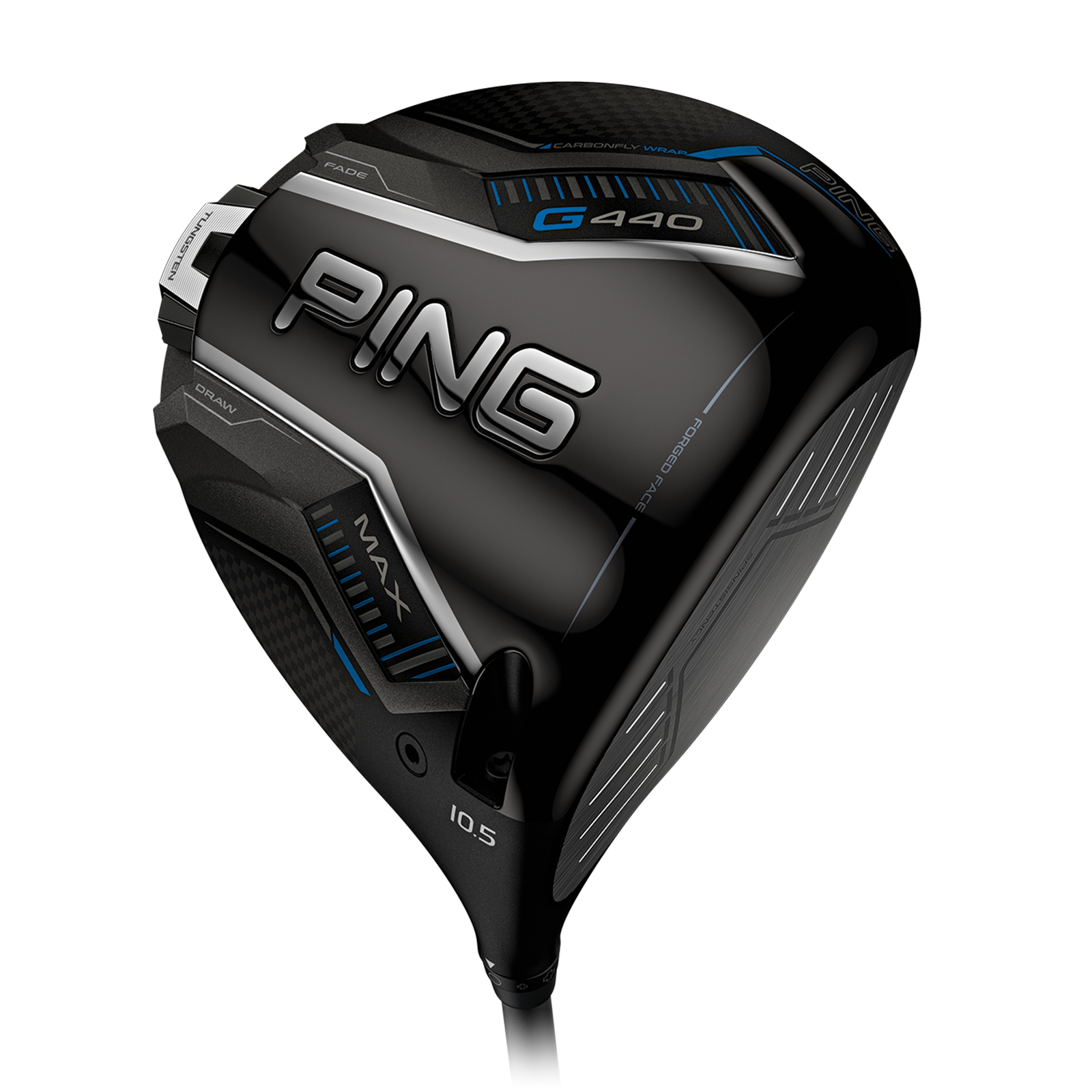
The G440 Max is the most straightforwardly forgiving driver here and Ping has been making the best version of this club for over a decade. High MOI, movable weighting for draw, neutral or fade bias, and a head that holds ball speed on strikes towards the heel and toe better than most.
The relevant point isn't that it's more forgiving on paper — it's what forgiveness means in a round. Every golfer's score is set by their worst drives, not their best. A driver that turns a lost ball into a playable one in the rough is worth several shots a round; one that adds four yards to a good drive is worth approximately none.
Ping also tends to be the easier club to hit well on the first swing, which is a real advantage for golfers who don't practise much.
Where the honest self-assessment comes in
Almost everyone in a fitting bay is optimising for their good shots. You hit fifteen drives, look at the longest one, and buy the club that produced it.
That's the wrong number. Ask the fitter for the dispersion — the spread of where the balls finished — and for the carry on your three worst strikes rather than your best. The driver that keeps your bad ones in play is the one that lowers your score, and it is very often not the one with the biggest single number on the screen.
This is also why data from a single session misleads. Fifteen shots off a mat, warm, with no trees, is not the environment your driver has to survive.
Which to buy
Take the GT2 if you're a consistent striker who will genuinely get fitted and likes feedback. The adjustability and the fitting depth reward being measured, and if your misses are small the extra speed is real.
Take the G440 Max if your misses are big or your driving is the weak part of your game. Straightforwardly. If you lose balls off the tee, forgiveness is worth more to your score than anything else on the spec sheet.
Take whichever wins on dispersion, if they're close. When two drivers are within a few yards on carry, the one with the tighter spread is the better club for you, full stop.
**Hit the Qi4D in the same session.** It's the third club that belongs on this shortlist, and fitting sessions are cheap relative to the purchase.
The shaft is doing more than the head
Worth saying plainly in any driver comparison: the difference between these two heads is smaller than the difference between the right and wrong shaft in either of them.
Shaft weight, flex profile and length change your delivery far more than a head design does, and length in particular is the lever golfers most often get wrong — many are playing a driver longer than they can control because that's how it comes off the rack, and losing more to dispersion than they gain in speed.
So if a fitting session forces a choice between spending on the head or the shaft, spend on the shaft. A well-shafted version of the one you like less will outperform a badly-shafted version of the one you like more, and it isn't close.
Don't buy either in August
A practical note on timing. Both of these are current models, which means both are approaching the point in the cycle where the next generation is announced and this one drops in price.
If you are not in a hurry, the same fitted club is materially cheaper a few months from now, and the performance difference between consecutive driver generations is smaller than any manufacturer would like you to believe. The exception is if your current driver is genuinely costing you shots — a season of bad driving is worth more than a discount. But buying a flagship at full price in the last third of its cycle is the most avoidable premium in golf equipment.
The verdict
There's no wrong answer here — these are two of the best drivers made, and a fitted version of either will beat an unfitted version of the other every time. That's the actual finding, and it's worth more than the comparison.
But if you want a rule: the golfer who practises and strikes it reasonably should take the Titleist and use the adjustability. The golfer whose driving is genuinely costing them should take the Ping and stop trying to be the other golfer. Most of us are the second one and buy like we're the first.
Frequently asked
- Is the Ping G440 Max more forgiving than the Titleist GT2?
- Generally yes — it's the more straightforwardly forgiving head, with high MOI and movable weighting that holds ball speed better on heel and toe strikes. The GT2 counters with deeper adjustability and more honest strike feedback, which suits a consistent striker being properly fitted.
- What should I actually look at during a driver fitting?
- Dispersion and your worst strikes, not your longest drive. Ask the fitter for the spread of where balls finished and the carry on your three poorest hits. Your score is determined by the drives that cost you, so the club that keeps those in play is the one to buy.
- Does driver adjustability actually matter?
- It matters if you'll use it — during a fitting to dial in loft and bias, and occasionally afterwards if your swing changes. If the club will be set once and never touched, you're paying for a feature you've declined, and a simpler forgiving head may serve you better.
- How much difference does a fitted driver make?
- More than the difference between two well-reviewed drivers. A fitted version of either of these will outperform an unfitted version of the other, which is why the fitting matters more than the badge you choose.
Read next
Versus
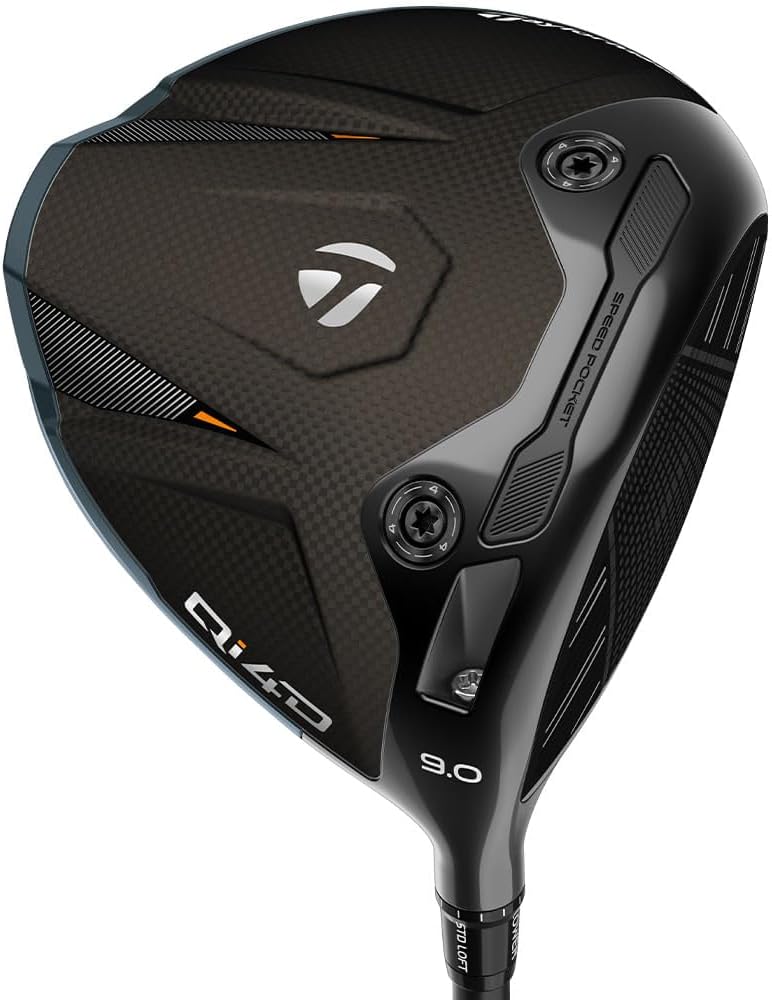
TaylorMade Qi4D vs PING G440 Max: the 2026 driver decision most golfers get backwards
Two of the year's biggest drivers, cross-shopped in every fitting bay — and most players walk in chasing the wrong thing. One wins the robot test outright; the other quietly saves more rounds. Here's which head actually belongs in your bag, and why the answer probably isn't the one you'd guess.
Opinion
What the 'longest driver of 2026' number won't tell you
Every year a chart crowns one driver the longest, and every year thousands of golfers buy the wrong club because of it.
Opinion
The most overrated gear in golf (and what to buy instead)
Golf is spectacularly good at selling you the wrong thing. Here's where the money quietly leaks out of your bag — and the unglamorous stuff that actually drops shots.