
Steel vs graphite iron shafts: which one is actually for you
The old 'steel for good players, graphite for everyone else' rule is dead. Here's the honest way to choose.
By Jordan Hale · Equipment Writer
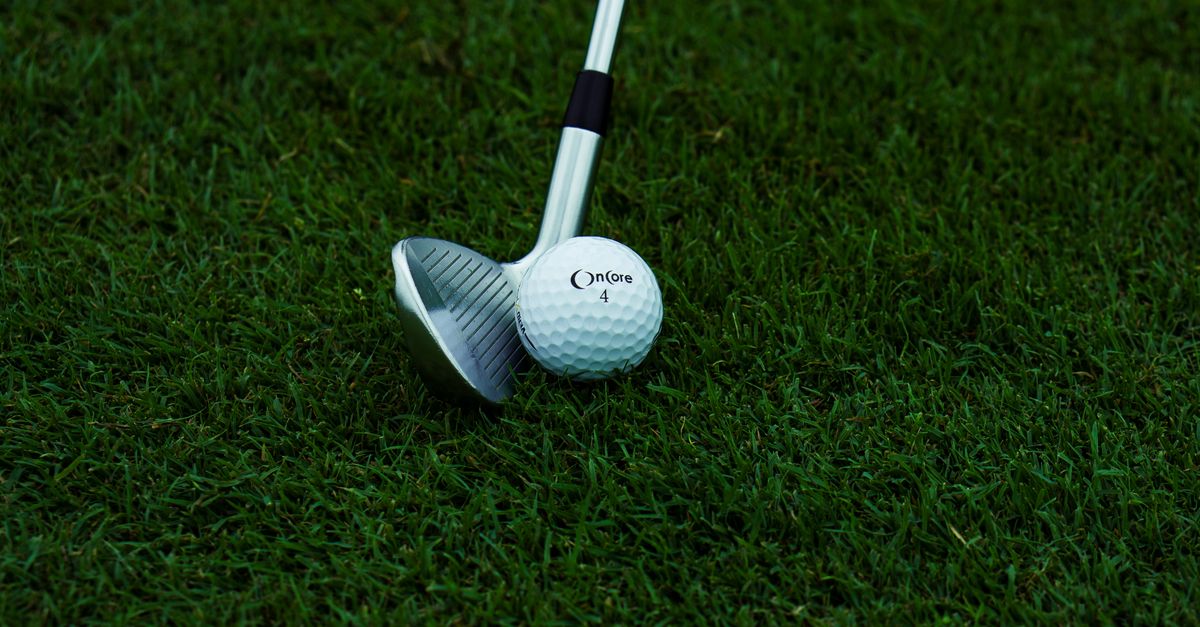 Explained
Choose steel if you have the swing speed and want the tightest dispersion, most feedback and lowest price; choose graphite if you want a little extra speed, smoother feel, or your hands, elbows or back ache after a bucket. The old 'steel for good players, graphite for everyone else' rule is dead — modern graphite is precise and played on tour. The real choice is your body and your swing, not your ego. Here's how to make it properly.
The difference comes down to weight and damping
The two big variables are weight and vibration. A typical steel iron shaft weighs somewhere in the region of 95–130 grams; a graphite iron shaft often lives nearer 60–90g, though premium graphite can be built heavier to order. That weight gap is the whole story. Lighter graphite lets you swing fractionally faster for the same effort, which is where the modest extra speed comes from. Steel's extra mass gives many stronger players a more stable, easier-to-time feel and transmits more raw information through the ball at impact. The second variable is damping: graphite's construction absorbs more of the high-frequency vibration that travels up the shaft on a strike, which is exactly why it's kinder to sore joints. Neither is 'better' in the abstract — they're different tools for different bodies.
When steel wins
Steel is the pick if you have the speed and want the tightest dispersion and the most direct feedback through the ball. The extra weight that some golfers find a chore is precisely what stronger, faster swingers use to control tempo and stop the club getting away from them at the top. It's also the cheaper option and the default fit on most stock iron sets, not because it's a compromise but because it suits the majority of able-bodied players. If your joints are healthy, your speed is there, and you value knowing exactly where on the face you caught it, steel is rarely the wrong answer.
When graphite wins
Choose graphite to add a little clubhead speed, smooth out harshness, or — crucially — if your hands, elbows or back feel it after a range session. The vibration damping is real and measurable, and protecting your joints is what keeps you playing pain-free for years rather than nursing a flared-up elbow every spring. Slower swingers, seniors and anyone returning from injury are the obvious candidates, but plenty of mid-speed players simply prefer the softer, smoother sensation. Modern graphite iron shafts are consistent and tightly toleranced enough that you give up very little dispersion to gain that comfort and speed — the precision penalty that made the old rule true has largely been engineered out.
The mistake almost everyone makes
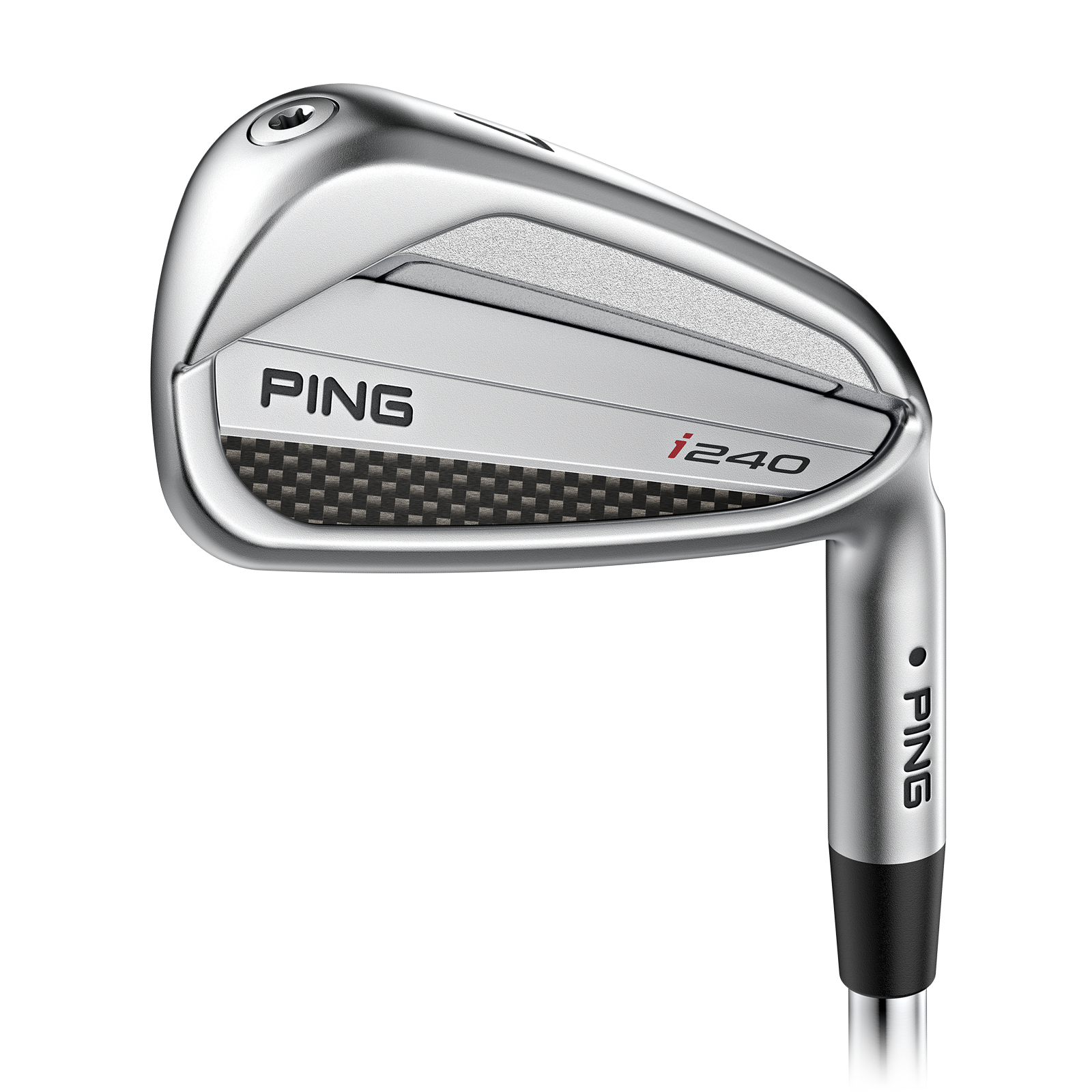
Fixating on the head and ignoring the shaft entirely. The same PING i240 plays like a completely different iron in the wrong flex or weight — too stiff and you lose launch and feel, too soft and your dispersion blows out. A value set like the Takomo 101 MkII is a cheap place to experiment with a graphite upgrade without committing marquee-brand money, which is part of the DTC value argument. The point that gets lost in the steel-versus-graphite debate is that weight and flex matter more than the material label itself: a properly fit graphite shaft will routinely outperform an ill-fit steel one for the same golfer, and vice versa. Choosing the category is the easy 20% of the decision; getting the spec right is the 80% that actually changes your scores.
What about price and consistency?
Two practical points often tip the decision. First, cost: steel is cheaper, frequently the no-upcharge stock option, while a quality graphite iron shaft can add a meaningful premium across a full set. That's not a reason to avoid graphite if your body needs it — joint health is worth paying for — but it's a fair reason for an able-bodied, faster swinger to default to steel and spend the saving elsewhere. Second, the old knock on graphite was consistency: a worry that two shafts in a set wouldn't behave identically. Modern manufacturing has largely closed that gap, with tightly toleranced premium graphite now played at the highest level, but it's still worth buying from a reputable shaft maker rather than the cheapest unbranded option, because that's where the genuine corner-cutting hides. The category isn't the risk; a bad example of either material is.
A quick word on a mixed set
You don't have to pick one material for the whole bag. A common, sensible build is graphite in the longer irons — where the extra speed and easy launch help most, and where a low-MOI long iron is hardest to hit — and steel in the shorter scoring irons, where you want maximum feedback and control. A good fitter will happily build this, and for some players it's the genuine best-of-both answer rather than a compromise. The point, as always, is to let your delivery and your body dictate the spec rather than a tidy one-size rule.
How to choose
Get fit, hit both back to back on a launch monitor, and pick on feel and dispersion numbers — not on what you imagine a 'real golfer' plays. Pay attention to how your body feels after a long session, not just the carry figures, because comfort is what determines whether you'll still be playing in ten years. Try the same head — a PING i240, say — in both materials so the only thing changing is the shaft, and trust the cluster of strikes rather than a single hot one. Our best irons & wedges guide assumes you've sorted the shaft first, and what shaft flex you need covers the flex half of the decision, which matters at least as much as the material.
Products mentioned in this article
Frequently asked
- Are graphite iron shafts only for slow swingers?
- No — that's the outdated rule. Modern graphite iron shafts are precise, consistent and played on tour. They suit anyone wanting a little extra speed, smoother feel, or relief for aching hands, elbows or back, regardless of ability.
- Is steel or graphite better for feedback?
- Steel gives the most direct feedback through the ball and is heavier, which many stronger swingers find easier to time. Graphite damps vibration more, which is exactly why it's kinder to sore joints.
- Does the shaft matter more than the iron head?
- The wrong flex or weight makes even a great head play poorly, so the shaft is at least as important. A properly fit graphite shaft can outperform an ill-fit steel one for the same golfer. Always get fit for weight and flex before fixating on which iron model to buy.
- How much lighter is graphite than steel?
- Typically a fair amount: steel iron shafts usually run around 95–130 grams, while graphite often sits nearer 60–90g, though it can be built heavier. That lower weight is what allows the small gain in swing speed and the smoother feel.
- Should seniors switch to graphite iron shafts?
- Often yes — the lighter weight helps maintain swing speed and the extra vibration damping is easier on hands, elbows and back. But it's not automatic; get fit and hit both, because a comfortable, well-fitted shaft of either material beats the wrong one.
Read next
Review
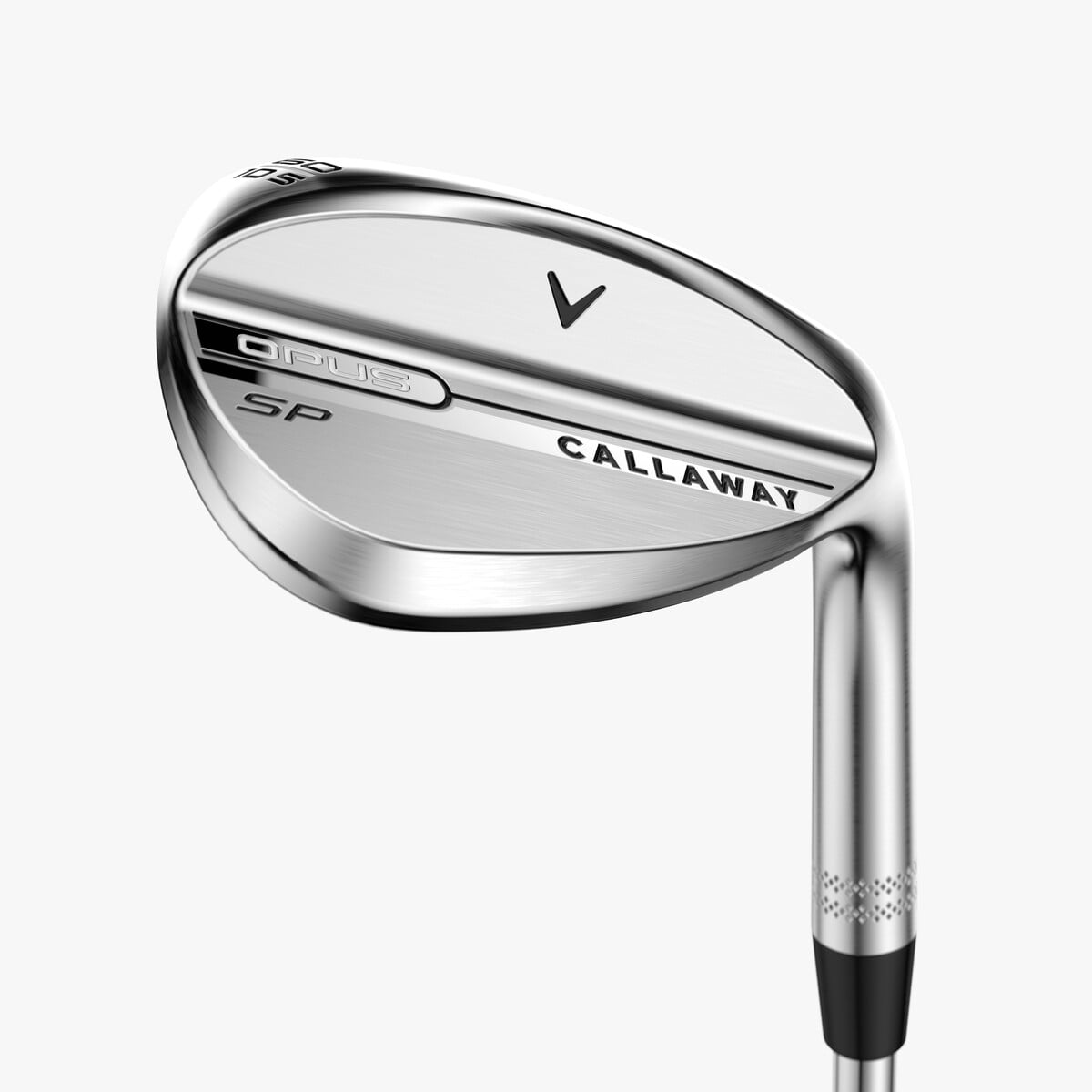
8.4/10Callaway Opus SP review: the wedge in four tour bags while everyone buys Vokey
Callaway's Spin Pocket wedge lands a lower, spinnier flight for about the same money as a Vokey. It is the one I would buy for firm turf and full shots, and the wrong call if your short game lives in soft sand.
Explained
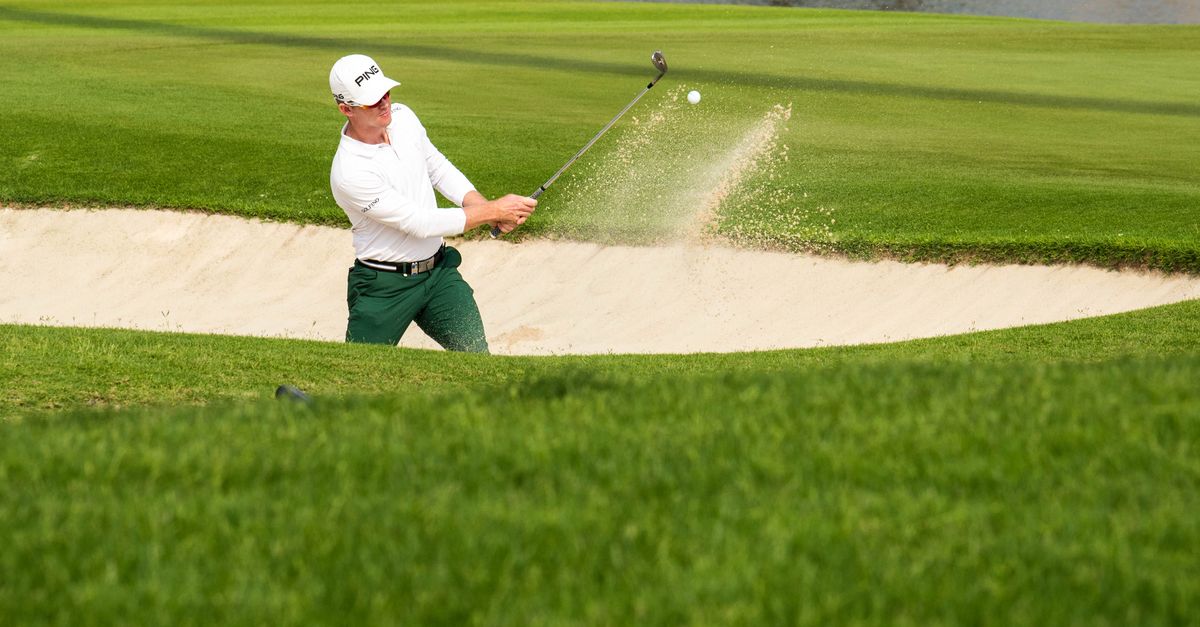
Wedge bounce and grind, explained
The two numbers that decide whether your wedge digs, glides or skips — in plain English, with how to pick yours.

Review
8.8/10Takomo 101 MKII review: the irons quietly embarrassing the big brands
Half the price of a name-brand set, and good enough that you'll feel a bit silly for not trying them sooner. The direct-to-consumer irons reviewed.