
Direct-to-consumer irons are the smartest buy in golf right now
You're paying a brand tax on irons and the independent data has finally called the bluff. Here's the case for buying DTC — and the one catch to manage.
By Dan Mercer · Editor
 Opinion
Direct-to-consumer irons are the smartest buy in golf right now, and this is no longer just a value argument — the independent testing has caught up with it. The performance gap between a DTC set like the Takomo 101 MkII at around $650 and a marquee set north of $1,350 has, for practical purposes, vanished. You're paying a brand tax. Here's why it exists, what the data says, and the single catch that decides whether DTC is right for you.
Where your money actually goes
A large chunk of a marquee iron's price covers things that never touch the ball: tour-pro contracts, retail margin for the shop, distributor markup, and the marketing budget that puts the brand on Sunday telly. DTC brands — Takomo, Sub70, Caley and the rest — sell straight from the same kinds of Far East forging houses the big names use, skip every middleman between the forge and your bag, and pass the saving on. Same forging methods, far less overhead, roughly half the price. The Takomo 101 MkII recently won MyGolfSpy's 2026 Best Game-Improvement Iron award, which is the clearest possible signal that this isn't a corner-cutting model — it's the same kind of club without the tax. That's the entire business, and it works.
The performance gap has basically vanished
The community consensus, backed by independent robot and player testing, is now blunt: in blind tests most golfers can't tell a quality DTC iron from a big-brand one, and the launch, spin and forgiveness numbers sit within normal manufacturing tolerances of each other. That makes sense once you understand that the things which actually move ball speed and forgiveness — face thickness, perimeter weighting, the height of the moment of inertia — are engineering decisions any competent forging house can execute, not patented magic the marquee brands alone possess. We put two head-to-head in Takomo vs PING and reviewed the 101 MkII in full — the forging and feel are genuinely good, not 'good for the price'. On performance alone the premium is very hard to justify.
Why the brand tax persisted this long
If the metal's the same, why did golfers keep paying double for so long? Partly habit, partly fear. Irons are a big, infrequent purchase you keep for years, so the instinct is to play it safe with a name you trust rather than an upstart you've never hit — and the marquee brands have spent decades and fortunes making sure their name is the one in your head. There was also a genuine era, not that long ago, when budget irons really were worse: softer faces, looser tolerances, agricultural finishes. That's the reputation DTC has had to outrun, and the testing data of the last few years is the evidence that it finally has. The 2026 award going to a sub-$650 set isn't a fluke; it's the market catching up to a reality the early adopters already knew.
The real catch: fitting
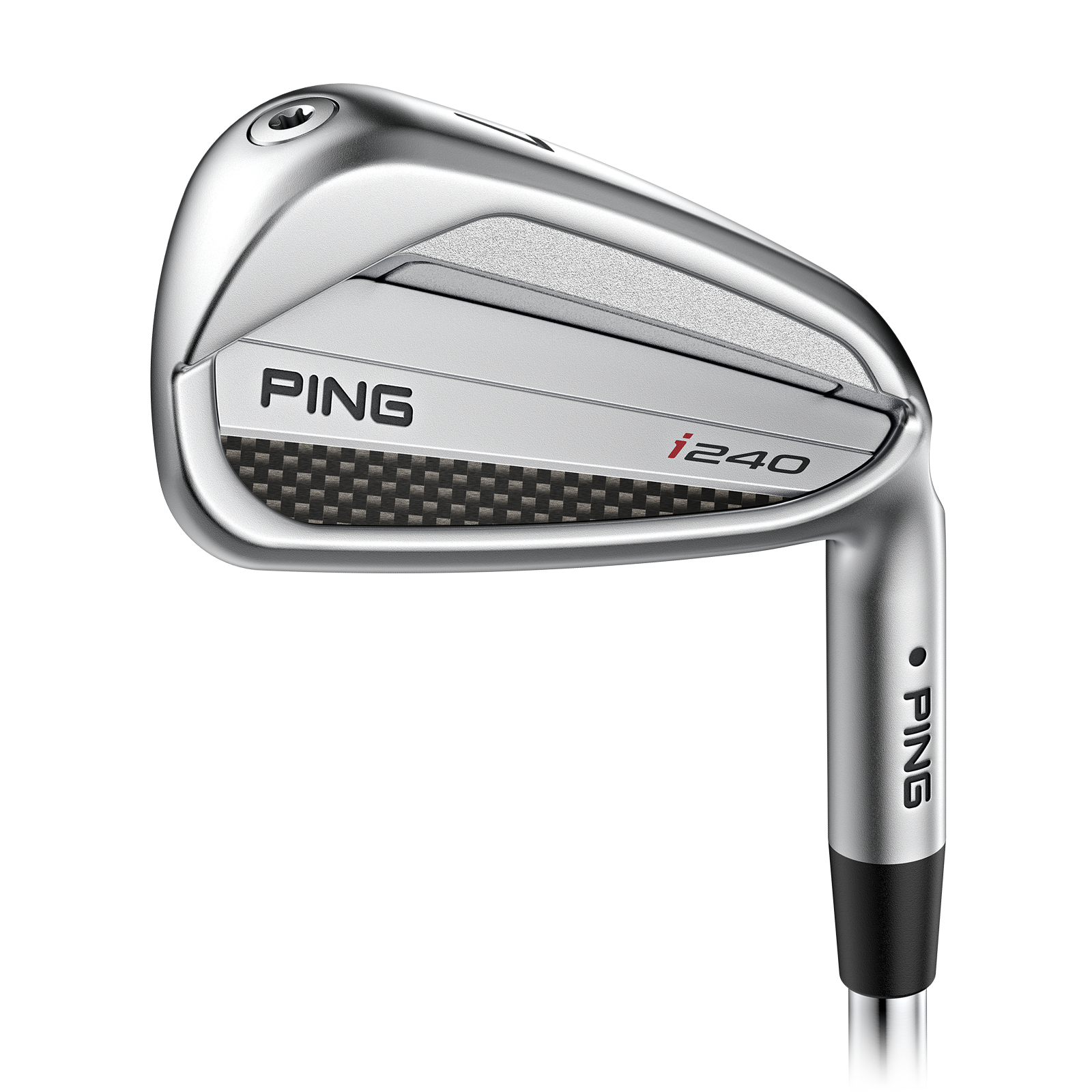
Here's the honest downside, and it's a genuine one: you usually buy DTC on spec, not from a hands-on fitting bay — and lie angle and length matter more on irons than on any other club in the bag. A lie angle a couple of degrees off can push an otherwise pure strike several yards offline, which is more than enough to wipe out the difference between any two iron heads you're choosing between. The fix is simple: know your numbers first. Get fitted somewhere — even a paid session you don't buy from — or demo a fitted set like the PING i240 to learn your specs, then order DTC built to those exact numbers. The other minor catch is that resale value is negligible, but that's irrelevant if you keep your irons for the years you should rather than flipping them every season.
Who should still buy a big brand
Two golfers, and only two. First, those who genuinely need the in-person fitting net and the try-before-you-buy reassurance — beginners, anyone unsure of their specs, or players who simply want an expert getting it right in the bay while they watch. Second, those for whom resale value or comprehensive warranty support genuinely matters. Everyone else — which is most of you — is paying for a logo and a tour contract you'll never use. Take the difference, which can run to several hundred pounds, and spend it on a fitting, a block of lessons or a launch monitor — anything that actually lowers your scores — and play irons that cost what irons should.
How to buy DTC without getting burned
Done carelessly, DTC can go wrong — not because the clubs are bad, but because you removed the safety net and didn't replace it. So replace it deliberately. Pay for a fitting first and walk out with your lie angle, length, shaft weight and flex written down, then order to those exact numbers; a brand like Takomo builds to spec, so use that. Mind the gapping too: many DTC distance irons run strong lofts, so check the pitching-wedge loft and plan whether you need an extra gap wedge before you commit. And buy the iron you actually need rather than the longest one — distance irons flatter the launch monitor, but control and predictable gapping into greens lower scores. Do those three things and the only thing you've given up versus a marquee set is the badge. See the field across both routes in our irons & wedges guide.
Products mentioned in this article
Frequently asked
- Are direct-to-consumer irons as good as Ping or TaylorMade?
- On performance, effectively yes for most golfers — blind tests and robot data show the gap has largely closed. The big brands still win on in-person fitting, warranty and resale, not on the metal.
- What's the catch with buying DTC irons?
- You usually buy on spec rather than a hands-on fitting, and lie angle and length are critical on irons. Get fitted (or demo a big-brand set) to learn your numbers, then order DTC built to them.
- Do DTC irons hold their resale value?
- No — resale is poor. But that only matters if you flip clubs often. If you keep irons for years, as most golfers should, it's a non-issue against the upfront saving.
- Why are direct-to-consumer irons so much cheaper?
- They cut out the costs that never touch the ball: tour contracts, retail margin, distributor markup and big marketing budgets. Selling straight from the same kinds of forging houses the big names use, they pass roughly half the price on. It's a leaner model, not a cheaper club.
Read next
Review
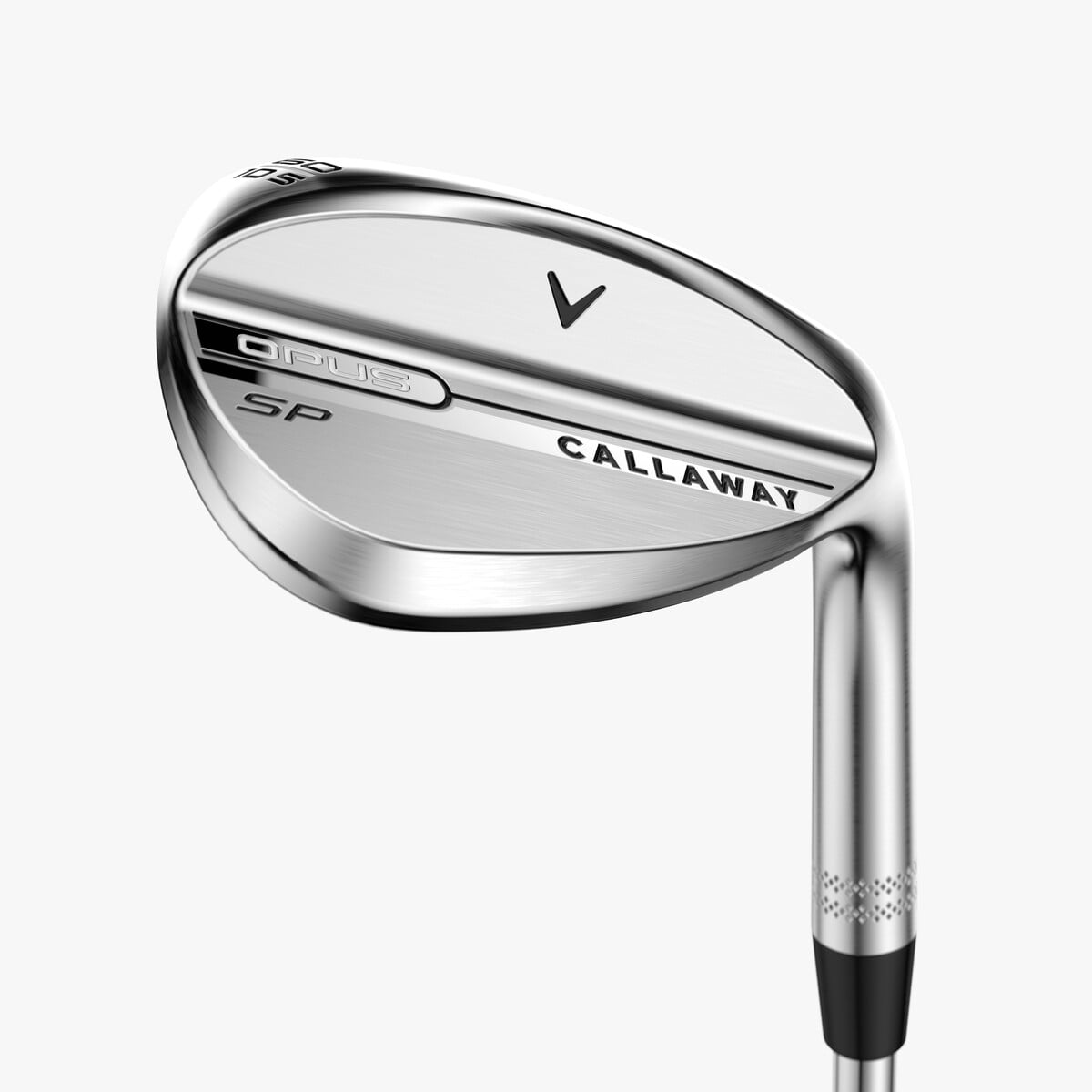
8.4/10Callaway Opus SP review: the wedge in four tour bags while everyone buys Vokey
Callaway's Spin Pocket wedge lands a lower, spinnier flight for about the same money as a Vokey. It is the one I would buy for firm turf and full shots, and the wrong call if your short game lives in soft sand.
Explained
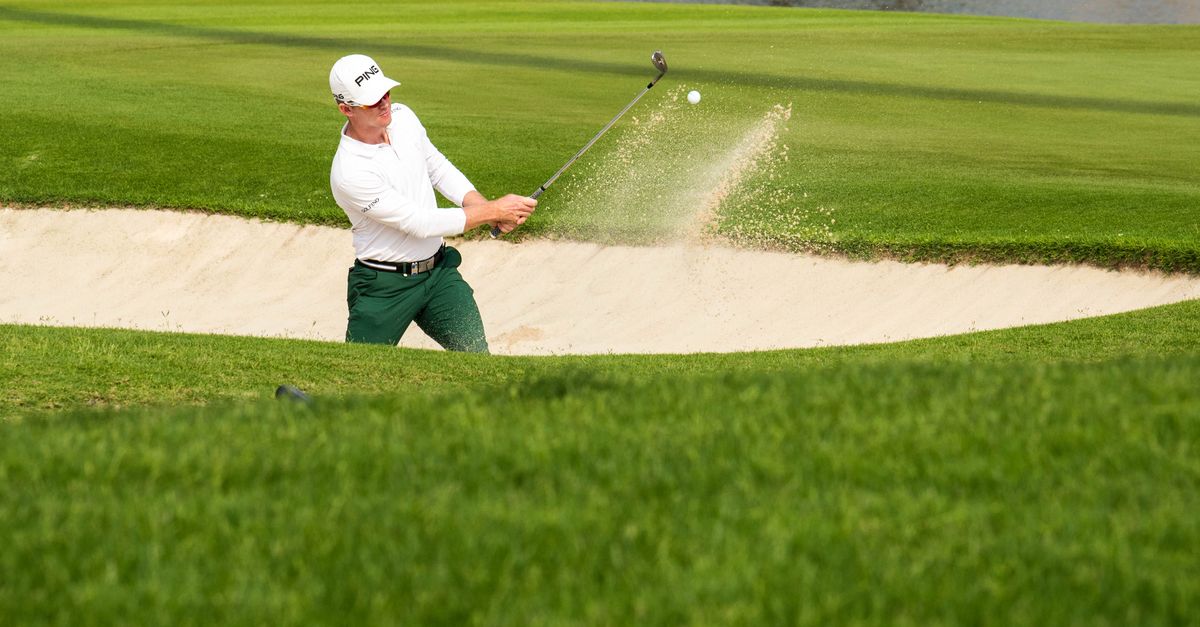
Wedge bounce and grind, explained
The two numbers that decide whether your wedge digs, glides or skips — in plain English, with how to pick yours.
Review
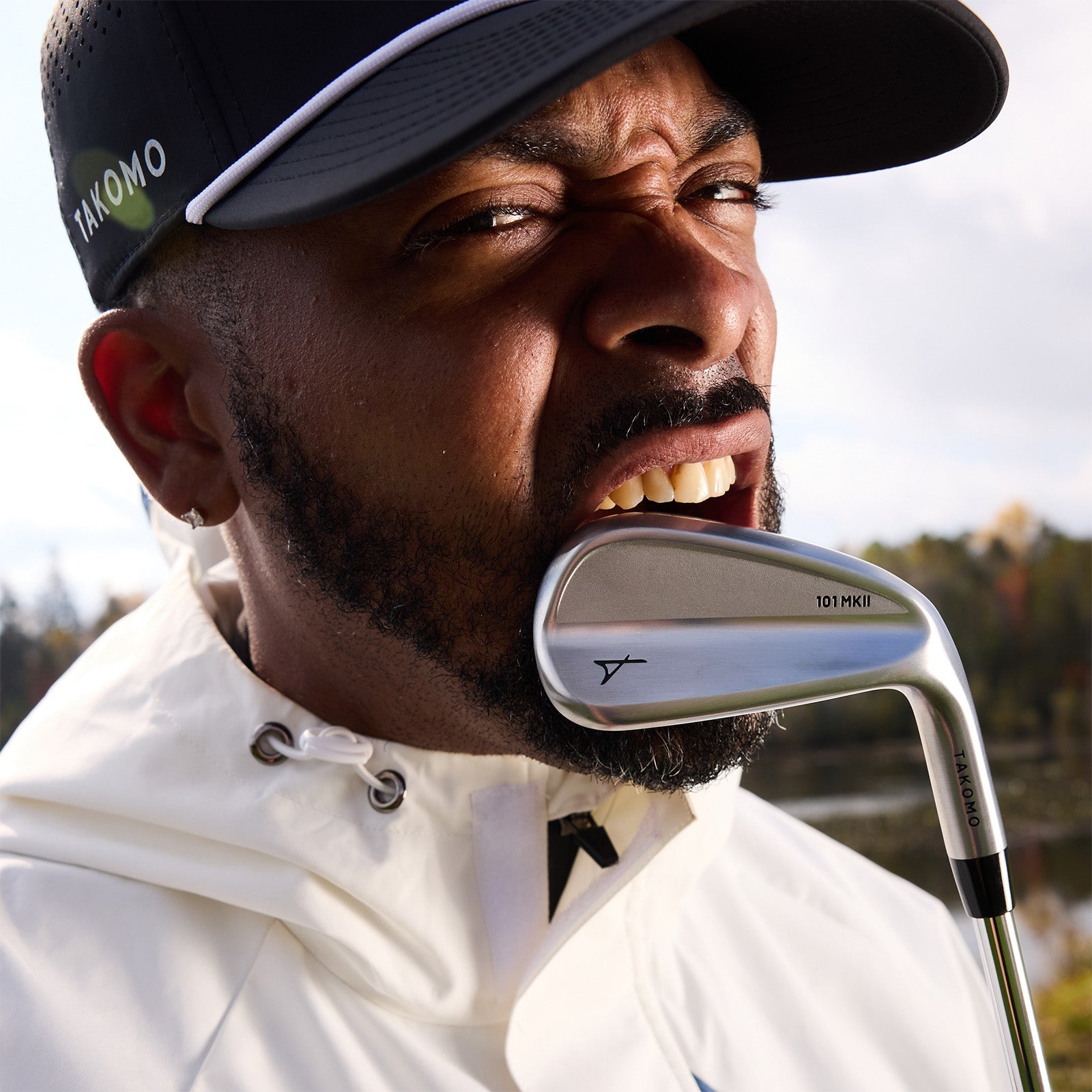
8.8/10Takomo 101 MKII review: the irons quietly embarrassing the big brands
Half the price of a name-brand set, and good enough that you'll feel a bit silly for not trying them sooner. The direct-to-consumer irons reviewed.