
Your 60-degree wedge is costing you shots
The club you grab to look like a tour pro is quietly wrecking your short game. For most golfers it should rarely leave the bag.
By Jordan Hale · Equipment Writer
 Opinion
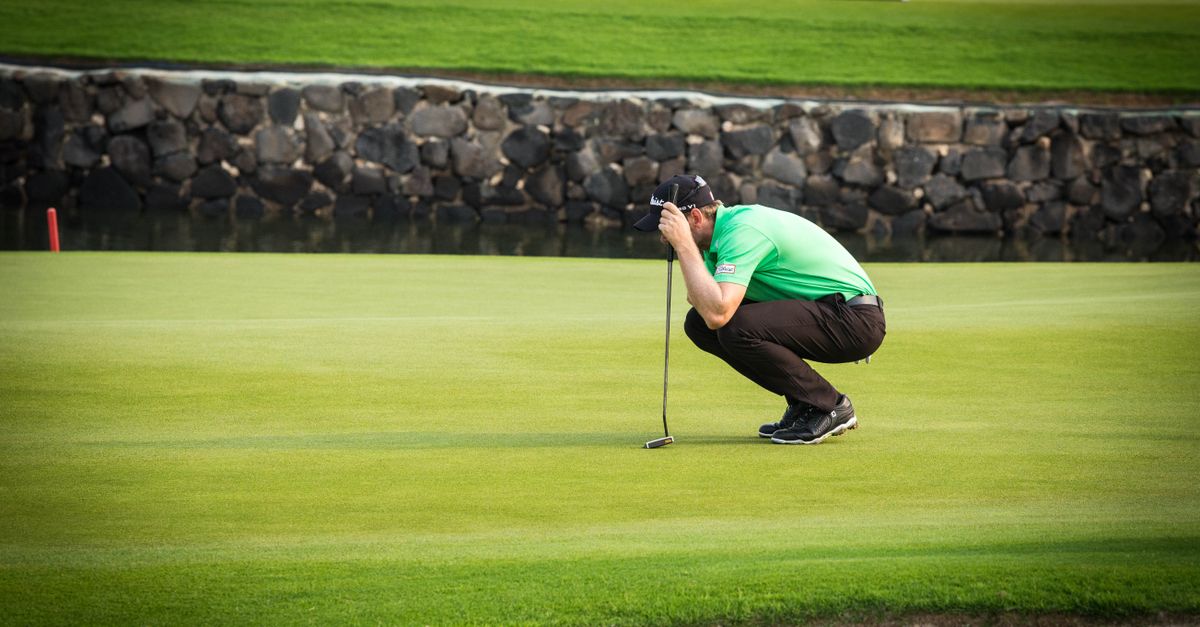
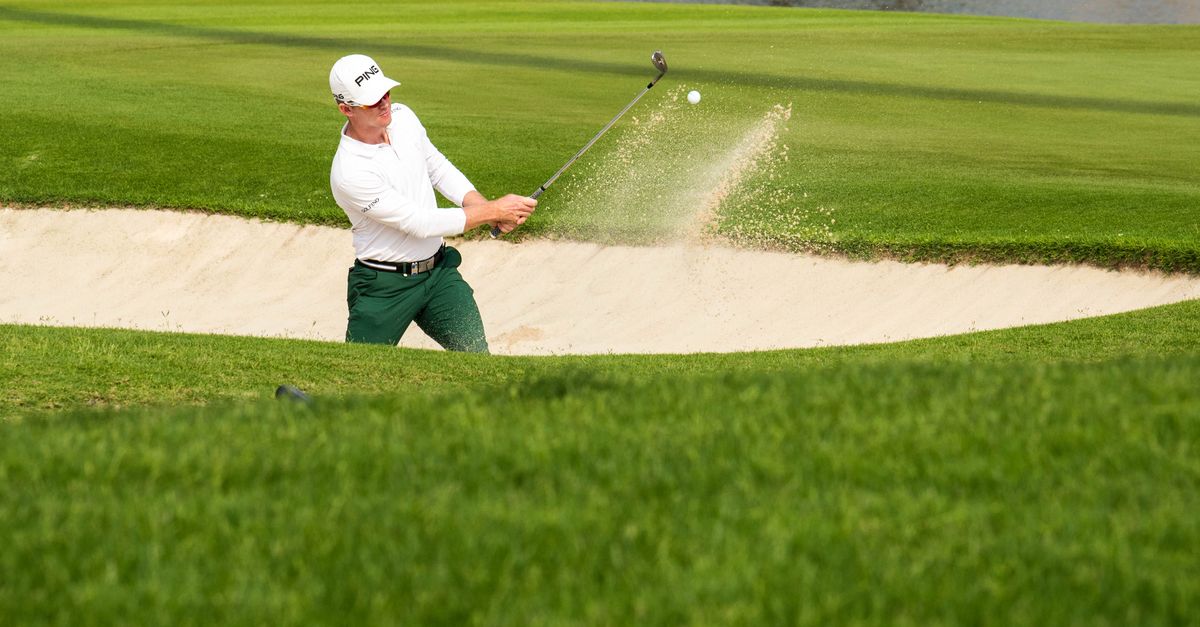
For most greenside shots, a 54–56° wedge played low and rolling is far easier to get close than a flop with your 60 — and your up-and-downs will climb if you make the switch. The high, soft flop is the hardest, lowest-margin shot in golf, the one even tour pros avoid unless they're genuinely forced into it. Reaching for the 60 to look the part is quietly wrecking your short game, one chunked or bladed chip at a time. This is the unpopular truth your playing partners won't tell you: that club is doing you more harm than good.
The physics simply aren't on your side
Loft is the enemy of margin. More loft means a smaller effective hitting area on the face, less tolerance for a fat or thin strike, and — the killer — a longer, faster swing to carry the same short distance, because so much of the energy goes up rather than forward. A 60° wedge from 20 yards asks for a near-full, accelerating swing where a 54° asks for a gentle, controlled one. That longer, faster swing is exactly how you blade one across the green or chunk it two feet in front of you: there's simply more swing to get wrong, and less face to get it right with. The lower-lofted wedge does the opposite — it forgives the slightly heavy or thin strike because the ball comes out lower and rolling, so a small mishit becomes a slightly long or short shot rather than a disaster.
Why amateurs over-loft in the first place
It's worth being honest about how we got here, because the 60° in your bag wasn't an accident. Golfers buy lob wedges because they watch the best players on the planet hit spinning, one-hop-and-stop flops on TV and want to do the same. But that shot works for a tour pro because they practise it for hours, strike the ball with professional consistency, and — crucially — often play firm, fast greens where they need the height to stop the ball. The average amateur has none of those advantages: inconsistent contact, far less practice, and often softer greens that hold a running shot just fine. The 60° is a club built for a problem most amateurs don't have, deployed by players who can't reliably execute the only shot it's good at. That's a bad trade, and it shows up directly in your short-game stats.
Play the shot that's hard to mess up
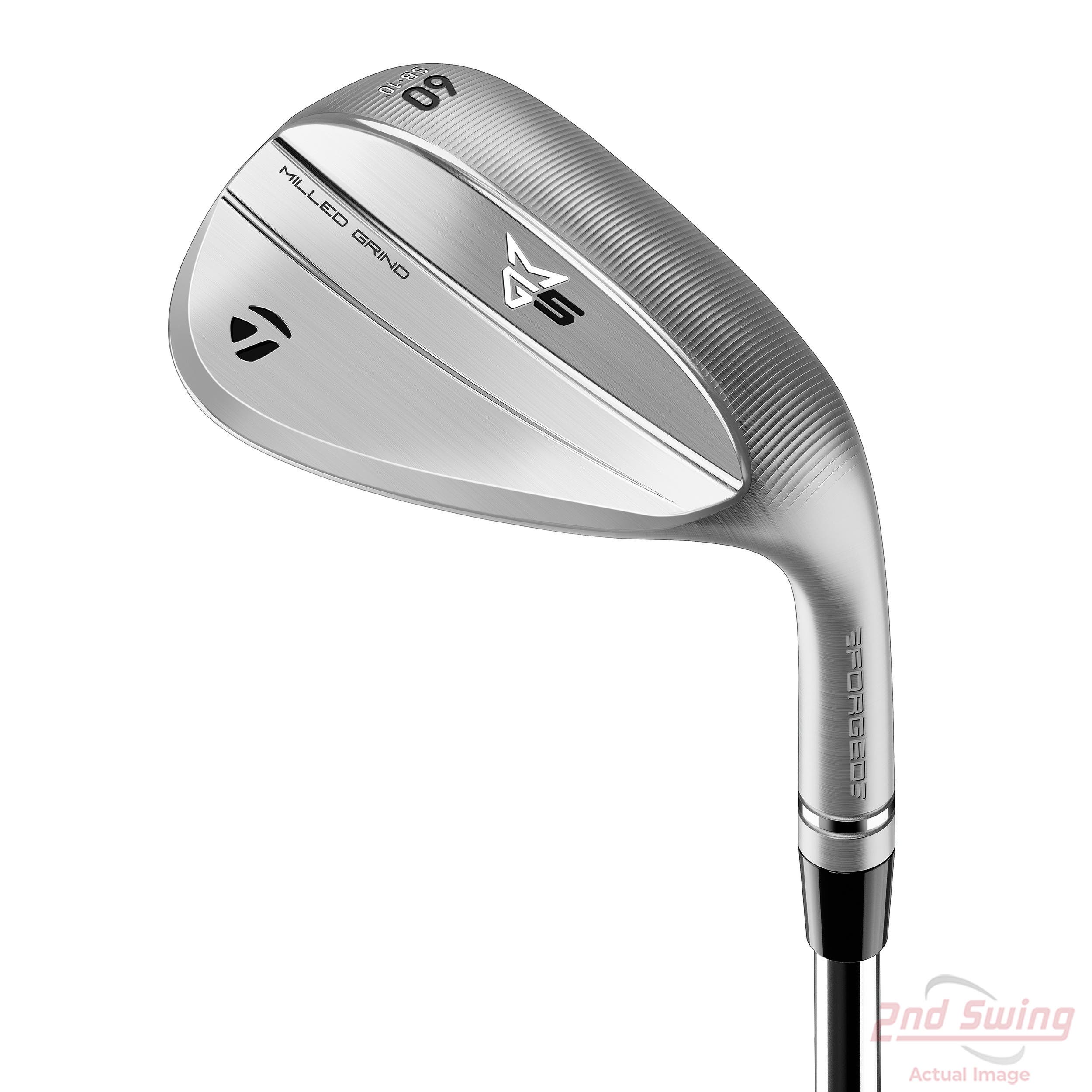
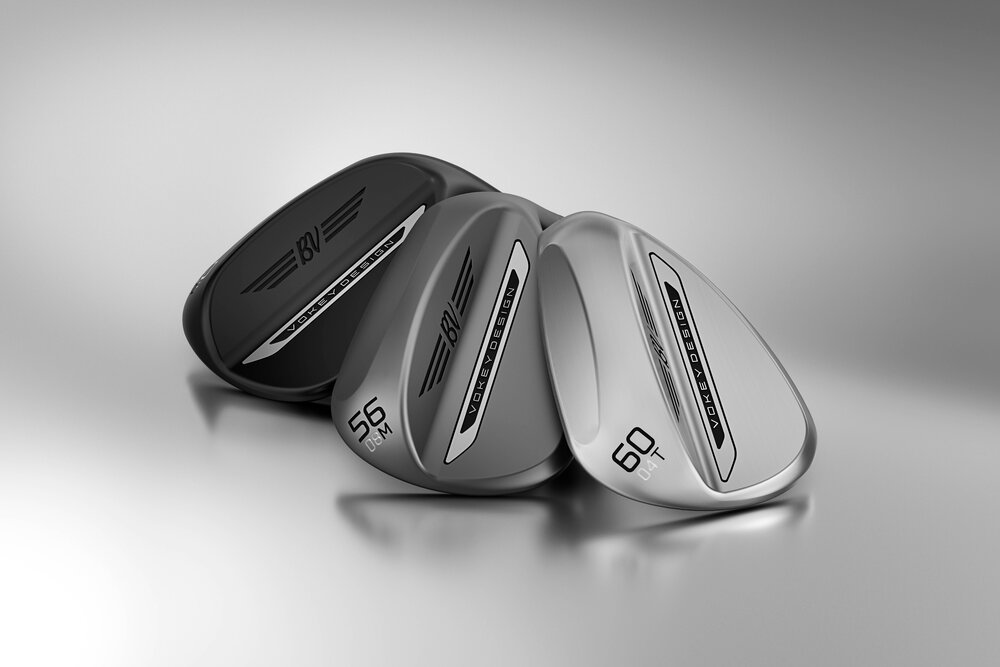
The fix is almost embarrassingly simple. Take less loft, move the ball back in your stance, lean the shaft slightly forward, swing with the tempo of a long putt, and get the ball rolling along the ground like a putt as soon as it sensibly can. Three nervy, high-variance options around the green collapse into one repeatable, low-variance one. The ball spends less time in the air where bad things happen and more time on the ground where it behaves predictably. A TaylorMade MG5 or Vokey SM11 in 54–56° should be your default club for nearly everything around the green, with the 60 reserved strictly for the genuine 'I have a bunker between me and a tight pin and I have to fly it and stop it' moments — which, if you're honest, come up two or three times a round at most.
When the 60 actually earns its place
This isn't a blanket ban — there are real situations where the lob wedge is the right answer, and pretending otherwise is its own kind of dishonesty. You need genuine loft when you must carry a hazard or a steep bank with very little green to work with, when you're short-sided to a tight pin on a fast, firm green that won't hold a running shot, or when you're in deep greenside rough that demands a steep, high-exit strike. The point isn't that the 60° is a bad club; it's that it should be the exception you reach for when the situation forces it, not the default you grab out of habit for a routine chip you could roll close in your sleep. Keep it for the shots only it can play, and your scoring picture changes.
Get the bounce and grind right too
Even when you do default to the 54–56°, loft is only half the story. The wrong sole turns the right loft into a digger or a skuller depending on your turf and attack angle — too little bounce on soft turf and the leading edge digs and chunks; too much on a tight lie and it skips into the ball for a skull. Get fit for it so the club matches how you actually deliver it. We break the whole setup down in how many wedges do you need and wedge bounce and grind explained; together they cover the lofts, gaps and grinds worth dialling in.
Try it for three rounds
Don't take our word for it — test it. For three full rounds, take the 60 out of your hands for every greenside shot that isn't genuinely forced, default to the 54–56° played low and rolling, and keep a simple count of your up-and-downs. Almost everyone who tries this sees the number climb, because they've swapped the hardest shot in golf for one of the easiest and stopped feeding their short game to a club built for someone else's game. The best irons & wedges guide covers the lofts and grinds worth getting fit for.
Products mentioned in this article
ifrothgolf earns a commission on purchases made through these links, at no extra cost to you. It never changes what I recommend. Full disclosure.
Frequently asked
- Should I use a 60-degree wedge around the green?
- Only when you genuinely have to fly the ball and stop it fast — over a bunker to a tight pin, short-sided on a firm green, or out of deep rough. For most greenside shots a 54–56° played low and rolling is far higher-percentage; the 60° has the least margin for error, and even pros avoid it when they can.
- What wedge should I use for most chip shots?
- A 54–56° as your default. Move the ball back, lean the shaft slightly forward, use a putting-style tempo, and let it release along the ground like a putt. It's far easier to judge and far harder to mishit than a lofted flop with a 60°.
- Why is the flop shot so hard?
- High loft shrinks the effective hitting area and demands a longer, faster swing to carry the same short distance, leaving tiny margins for fat or thin contact. That's why a small error with a 60° becomes a bladed shot across the green or a chunk two feet in front of you.
- So should I take the 60-degree out of my bag entirely?
- Not necessarily — keep it for the shots only it can play, like carrying a hazard to a tight pin or escaping deep rough. The mistake isn't owning a 60°; it's making it your default for routine chips you could roll close with less loft. Demote it to a specialist, don't bin it.
Read next
Review
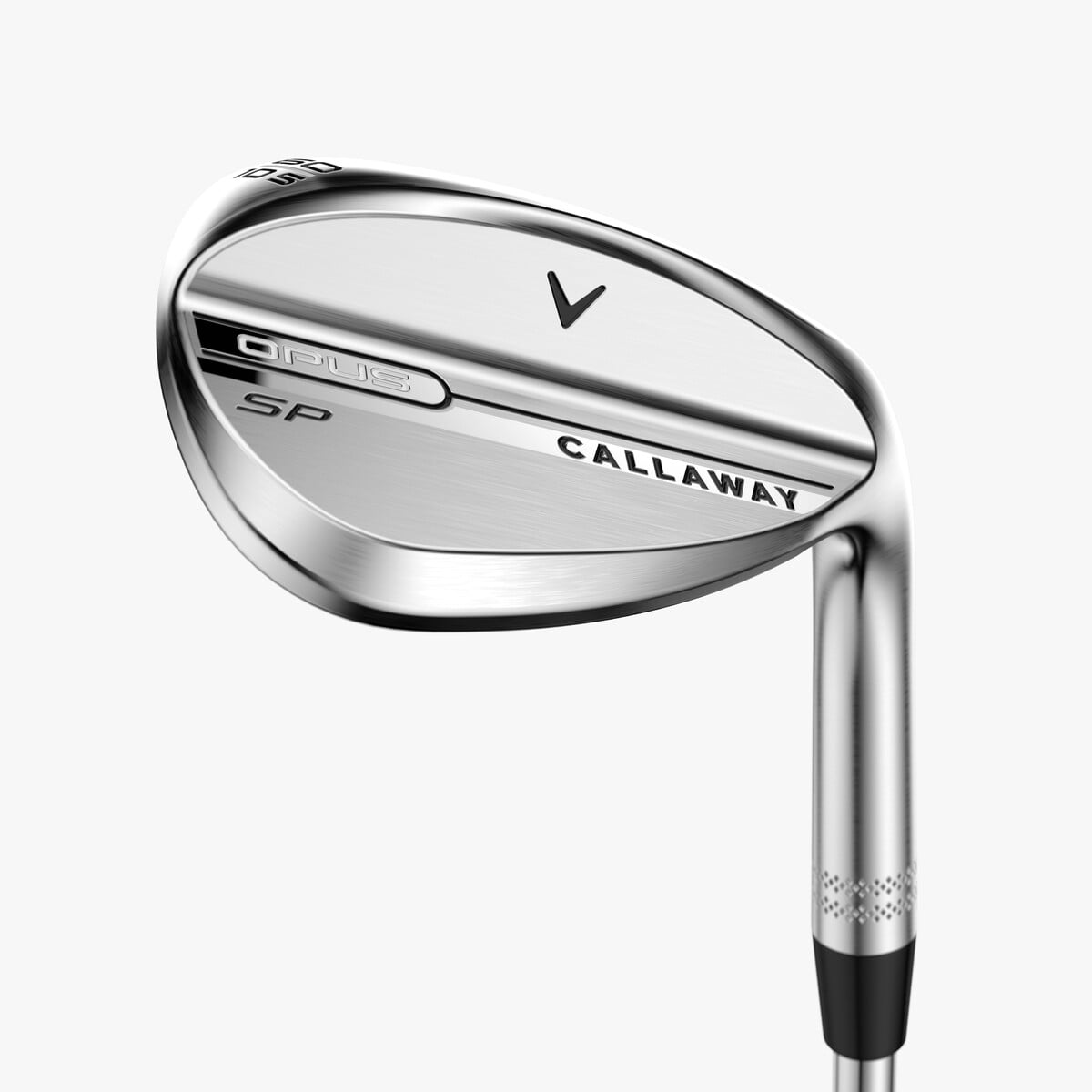
8.4/10Callaway Opus SP review: the wedge in four tour bags while everyone buys Vokey
Callaway's Spin Pocket wedge lands a lower, spinnier flight for about the same money as a Vokey. It is the one I would buy for firm turf and full shots, and the wrong call if your short game lives in soft sand.
Explained
Wedge bounce and grind, explained
The two numbers that decide whether your wedge digs, glides or skips — in plain English, with how to pick yours.
Review
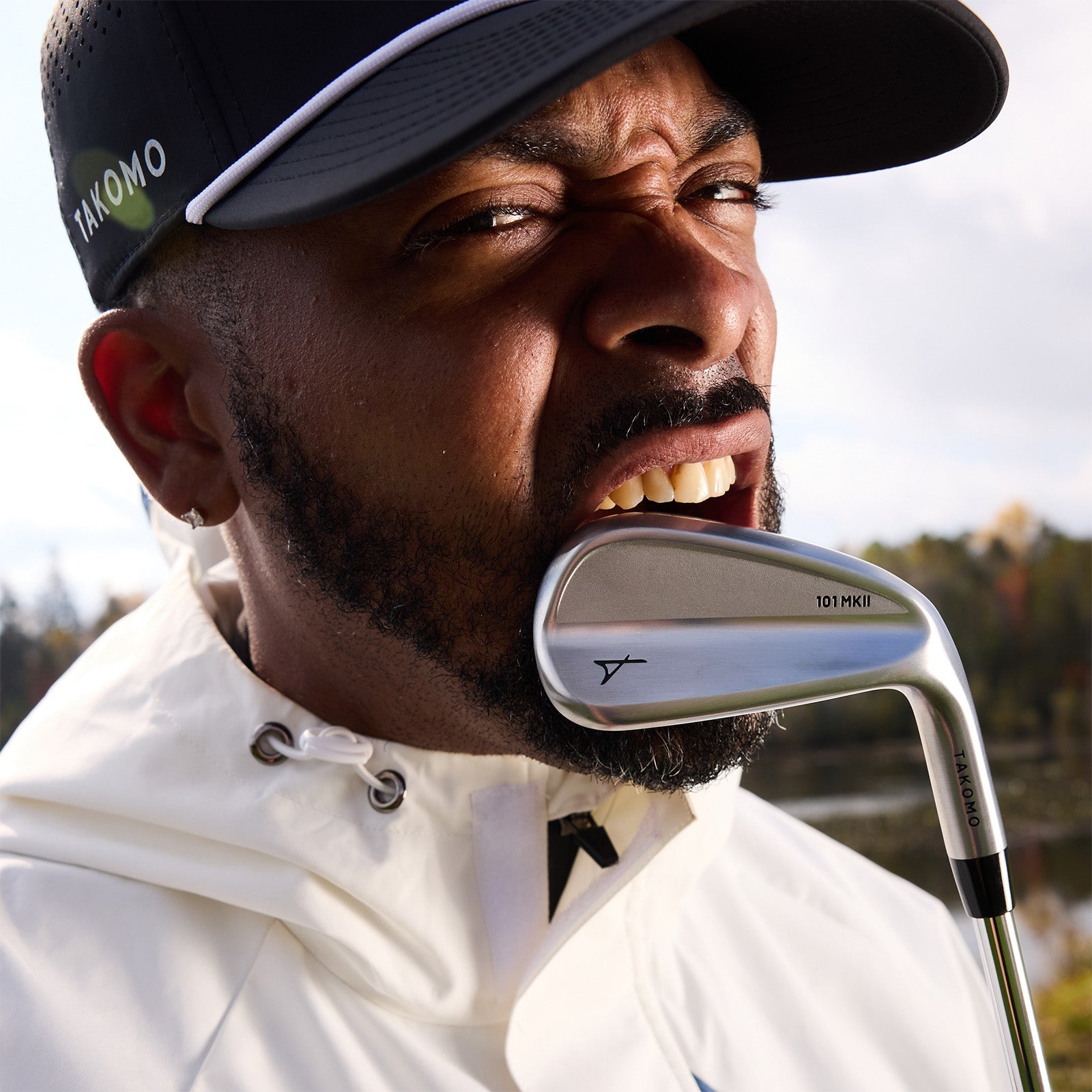
8.8/10Takomo 101 MKII review: the irons quietly embarrassing the big brands
Half the price of a name-brand set, and good enough that you'll feel a bit silly for not trying them sooner. The direct-to-consumer irons reviewed.