Cleveland RTZ review: in 11 of the 80 tour bags we track, and marked down now that RTZ 2 is out
Eight tour pros in our records carry RTZ as their entire wedge set, Ryan Fox won the Open with it, and Cleveland has just cut the price because RTZ 2 went on sale on 4 September. The new one changes the grinds, not the steel, which makes the old one the buy for most golfers.
By Ben Marsden · Reviews Editor
The verdict
Excellent
What's great
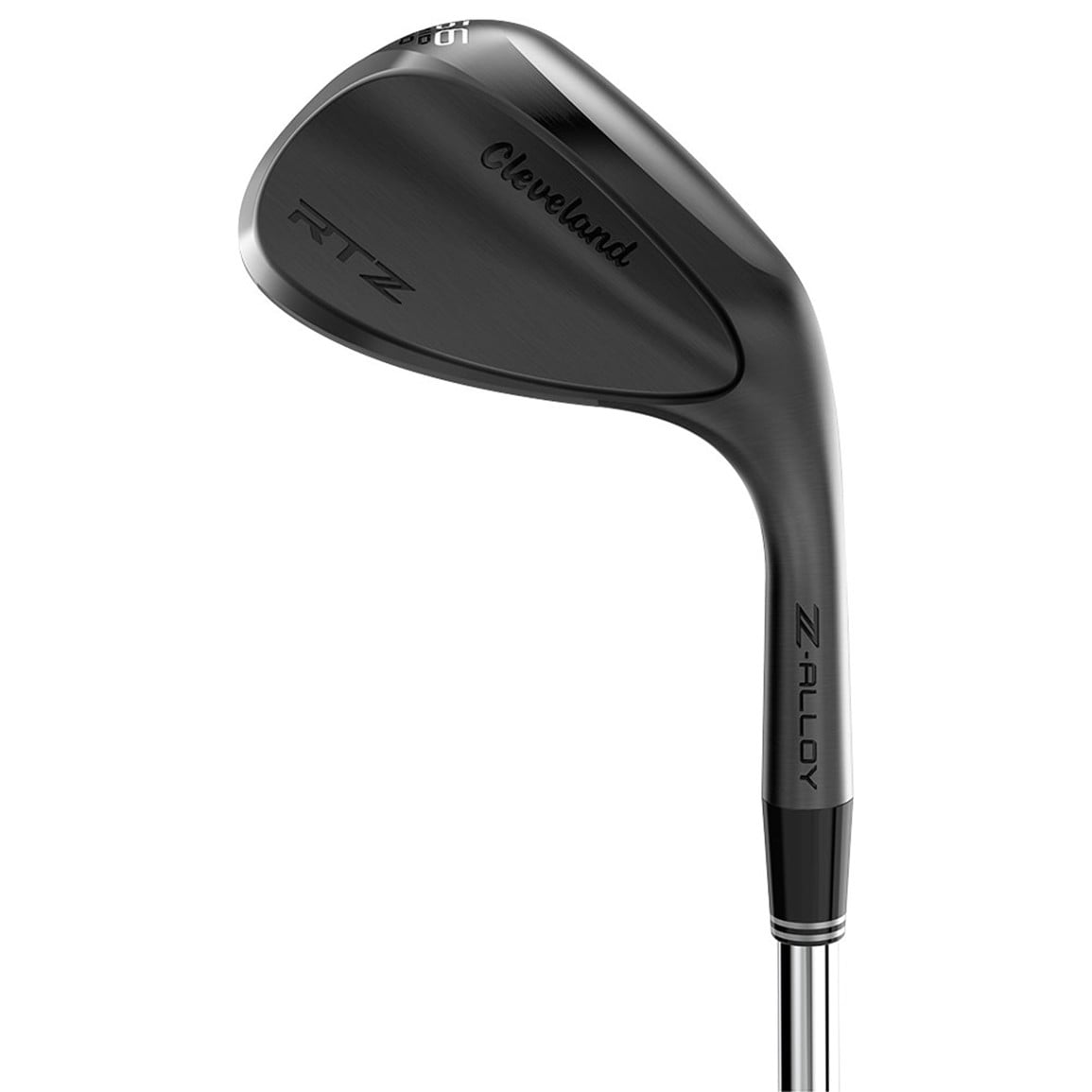
- Cleveland's own Z-Alloy steel, a ZipCore hosel and HydraZip wet-weather face, now sold below the price of the successor that kept all three
- Real tour depth: eight of the bags we track run it as the whole wedge set, including Ryan Fox's Open-winning bag at Royal Birkdale
- The ADAPT grind gives full-face grooves and a high toe to anyone who opens the face around the green
Watch out
- No 588 grind: Cleveland brought that back for RTZ 2 only, and it is the one aimed at moderate and shallow swings
- Left-handers lose seven of the twenty configurations, including ADAPT at 54 and 58 degrees and everything above 60
- A marked-down outgoing model sells through, so the exact loft and grind you want may not be there in the spring
Bottom line — The wedge I would buy at the money this winter. Pay up for RTZ 2 only if you want the 588 grind; skip both if you need a Vokey-style grind for an unusual strike.
Cleveland
Cleveland RTZ
ifrothgolf earns a commission on purchases made through these links, at no extra cost to you. It never changes what I recommend. Full disclosure.
Cleveland cut the price of the RTZ on its own US store this autumn, from $180 a wedge to $150, and the reason is the most ordinary one in golf: the RTZ 2 went on sale on 4 September at $200. That makes this an odd moment to review a wedge and a good one. The Cleveland RTZ is in 11 of the 80 tour bags we track, eight of them as the entire wedge set, and the successor changes the grinds rather than the head. For most golfers buying three wedges this winter, the original at its new price is the better spend.
What the RTZ is
Cleveland launched the RTZ on 17 January 2025, and the headline was a material rather than a shape. Z-Alloy is a steel Cleveland developed itself, softer and less dense than the 8620 carbon steel most forged-feel wedges use. Cleveland's figure is that the RTZ is 10 per cent softer than the RTX 6 ZipCore it replaced, measured on a Vickers hardness test in its own lab. That is a brand number, not an independent one, but it is a measurement of the metal rather than an adjective about feel, which is more than most wedge launches offer.
Around that sits technology Cleveland had already proved. ZipCore swaps heavy material in the heel and hosel for a low-density core, which moves the centre of gravity toward where the ball is struck and adds stability. HydraZip is a face blast plus laser-milled lines aimed at spin in the wet, set differently by loft group. UltiZip grooves are sharper and deeper so grass and water have somewhere to go. If you play through a British winter, HydraZip is the most relevant line on that list; it is a design brief built around a damp lie, which is where most of us hit our wedges from November to March.
The fitting menu runs from 46 to 64 degrees across four grinds and twenty configurations. MID is the 10-degree all-rounder from 46 to 60. FULL carries 12 degrees of bounce for soft sand and steep swings. LOW has 6 degrees and heel, toe and trailing-edge relief for firm turf and shallow swings. ADAPT, new with this generation, has 8 degrees, a higher toe and the line's only full-face grooves, built for players who open the face. Stock shaft is a True Temper Dynamic Gold Spinner Tour Issue at 128 grams. One detail worth knowing: on Cleveland's US store the raw Tour Rack finish, the one the tour players use, was cut to the same price as the satin heads.
The tour count, and how to read it
Across the bags we maintain, the RTZ turns up in 11 of 80 tour bags: 8 of 42 on the PGA Tour, 3 of 26 on the LPGA and none of the 12 LIV bags. Eight run it as the whole wedge set: Shane Lowry, Sepp Straka, Keegan Bradley, Ryan Fox, Nico Echavarría, Carlota Ciganda, Miyu Yamashita and Hannah Green. Fox won the Open at Royal Birkdale in July with three of them. Three more mix one in: Justin Rose's 60-degree RTZ prototype sits beside Vokey SM10s, Maverick McNealy's 60 sits beside TaylorMade MG4s, and J.J. Spaun has a single RTZ at 54 between older RTX 6 heads. I left out Hideki Matsuyama's RTX4 Forged prototypes and Dustin Johnson's RTX ZipCores, because neither is an RTZ. These are bags we maintain and re-verify against named sources, not a census, and bags change week to week.
Read it carefully. Srixon and Cleveland are sold by the same company, Dunlop, off the same website, and most of the eight full-set bags belong to players paid by one or both brands. Those are staff bags, not eight free choices. The rows that tell you more are the mixed ones. Rose and McNealy play another brand's scoring wedges and still put an RTZ in the lob-wedge slot, the club where feel around the green matters most and where a pro has the least reason to accept anything he does not like.
One more caveat. RTZ 2 went on sale in September and most WITB sources simply write RTZ, so a few of these players may already have the new head in play. The sources we could read do not split the generations, and we have not guessed.
What RTZ 2 changes, and what it doesn't
RTZ 2 keeps Z-Alloy, HydraZip and UltiZip, and the back design carries over too. The changes are in the sole and the hosel. Roger Cleveland reworked every grind, and the 588 grind returns: 8 degrees of bounce, more in the toe and less in the heel, from 54 to 60 degrees, aimed at moderate and shallow swings. ZipCore iQ tunes the hosel core separately for each loft and grind instead of using one core throughout. Golfalot's reviewer found little to separate the two heads beyond the new grinds, and gave the newer one a positive score on exactly that basis.
So the decision is simple. If a fitter has put you in the 588, or you want the per-loft core tuning, buy RTZ 2 and pay the difference. If MID, FULL, LOW or ADAPT already suits your swing, the old head is the same steel and the same face for a quarter less.
Against the Vokey SM11 and the Opus SP
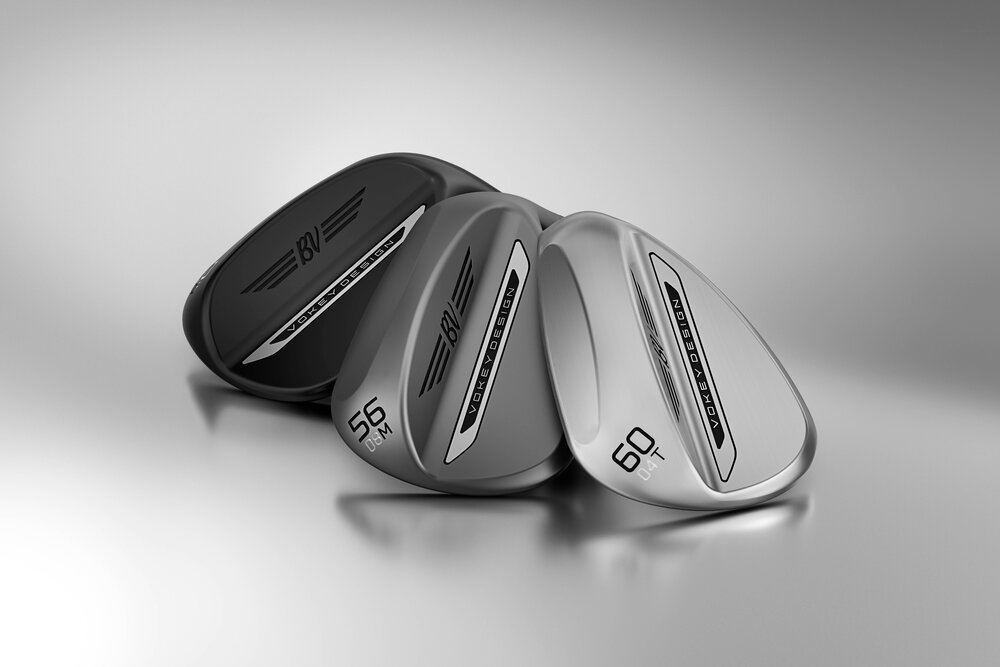
The Titleist Vokey SM11 launched in February with six grinds across 27 configurations from 44 to 60 degrees, and that grind menu is the real reason to pay its price. If your strike is unusual or your turf is extreme, Vokey's fitting matrix is wider than Cleveland's four grinds, and a good fitter will find you something the RTZ does not make. Vokey still leads the tour wedge count by a distance. What the SM11 does not offer is a reason to pay more if you sit in the middle of the bell curve, which is where most club golfers sit.
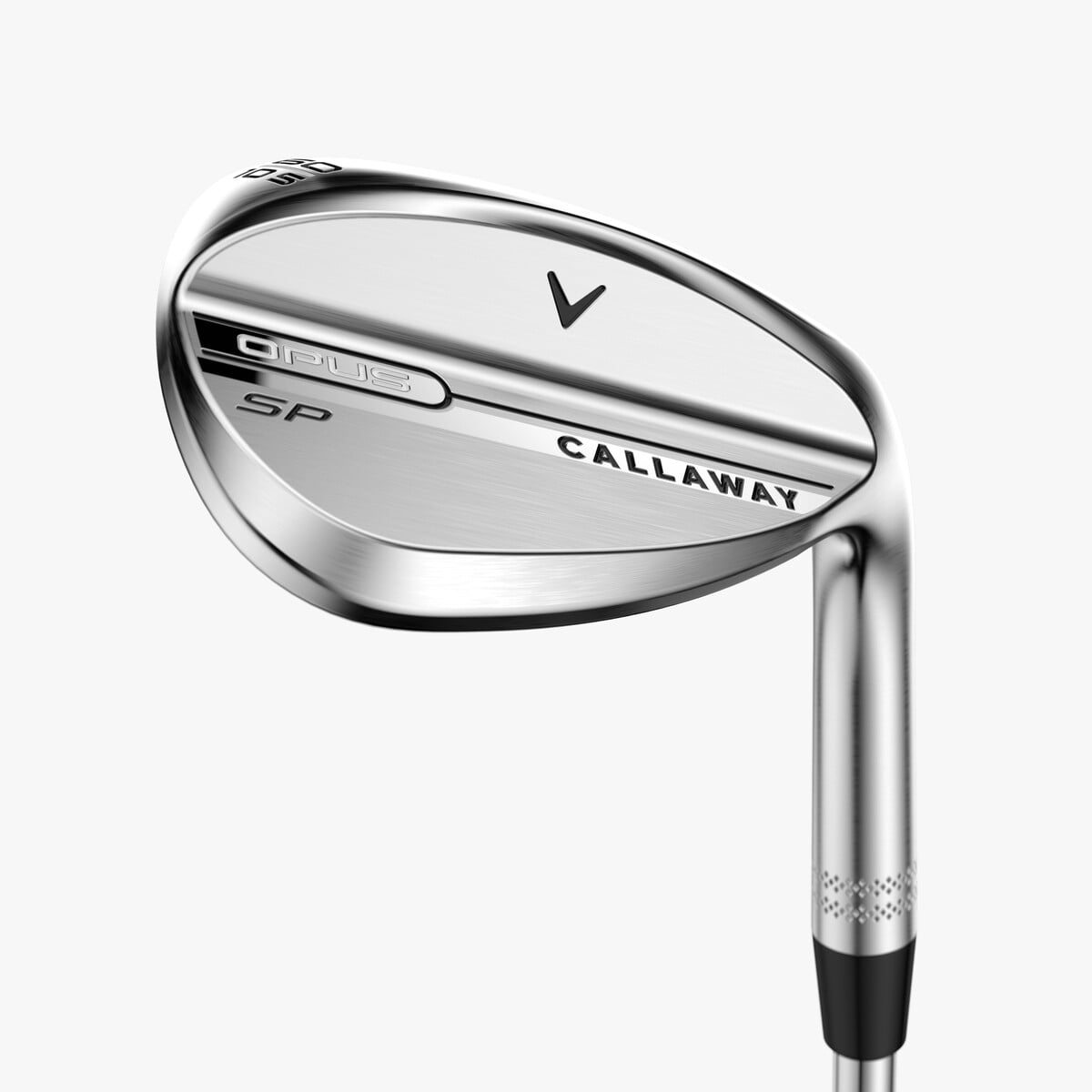
The Callaway Opus SP is the other credible alternative and a different idea. Its two-piece Spin Pocket construction raises the centre of gravity for a lower, more penetrating flight on full shots, which suits firm summer turf and players who flight their wedges. Our Opus SP review covers it in detail. In a wet winter on soft ground I would rather have the RTZ's wet-weather face than the Opus's lower flight.
Who should buy it, and who should skip it
Buy it if you know your lofts and want three or four matching wedges this winter. The saving compounds across a set, and the how many wedges you need maths usually lands on three or four. Buy it if you play in the wet, because HydraZip is built for that. Buy it if you open the face around the green, because ADAPT gives you full-face grooves for not much money.
Skip it if you are left-handed and want ADAPT. Cleveland makes the 54 and 58 ADAPT, the 58 and 60 FULL, the 46 MID, the 62 LOW and the 64 ADAPT for right-handers only, which is seven of the twenty configurations. Skip it if you want the 588. And do not wait too long if you want it, because a marked-down outgoing model sells through, and the loft and grind you want may be gone by the time the ground firms up.
The bottom line
This is the wedge I would buy at the money. Cleveland has made the case for the old head itself: a successor that keeps the steel, the face and the grooves, changes the grinds, and costs a third more on its own store. If your grind is already in the original line, the new one is paying for something you do not need. The best irons and wedges guide has the alternatives if you want a different shape.
Products mentioned in this article
Cleveland
Cleveland RTZ
This model is no longer the current model. Remaining stock is often discounted, so it can still be the better buy — just know you're buying the outgoing model.
ifrothgolf earns a commission on purchases made through these links, at no extra cost to you. It never changes what I recommend. Full disclosure.
Frequently asked
- How many tour pros use Cleveland RTZ wedges?
- The RTZ is in 11 of the 80 tour bags iFroth Golf tracks: 8 of 42 PGA Tour bags, 3 of 26 LPGA bags and none of the 12 LIV bags. Eight players carry it as their entire wedge set: Shane Lowry, Sepp Straka, Keegan Bradley, Ryan Fox, Nico Echavarria, Carlota Ciganda, Miyu Yamashita and Hannah Green. Justin Rose, Maverick McNealy and J.J. Spaun each mix a single RTZ with other wedges. Most of the full-set players are Srixon or Cleveland staff. These are bags we maintain against named sources, not a census.
- What is the difference between the Cleveland RTZ and RTZ 2?
- RTZ 2 went on sale on 4 September 2026. It keeps the Z-Alloy steel, HydraZip face treatment and UltiZip grooves. What changes is the sole and the hosel: every grind was reworked with Roger Cleveland, the 588 grind returns with 8 degrees of bounce from 54 to 60 degrees, and ZipCore iQ tunes the hosel core separately for each loft and grind. On Cleveland's US store the original RTZ now costs about a quarter less than RTZ 2.
- What lofts and grinds does the Cleveland RTZ come in?
- Twenty configurations from 46 to 64 degrees across four grinds. MID has 10 degrees of bounce from 46 to 60. FULL has 12 degrees from 54 to 60. LOW has 6 degrees from 58 to 62. ADAPT has 8 degrees, full-face grooves and a higher toe at 54 to 60 and 64 degrees. Seven configurations are right-handed only: 46 MID, 54 ADAPT, 58 ADAPT, 58 FULL, 60 FULL, 62 LOW and 64 ADAPT, so left-handers have a smaller menu.
- Is Z-Alloy really softer than other wedge steel?
- Cleveland says Z-Alloy is softer and less dense than 8620 carbon steel, and that the RTZ is 10 per cent softer than the RTX 6 ZipCore it replaced, based on a Vickers hardness test in Cleveland's own lab. That is the brand's measurement rather than an independent one. Cleveland also says the raw Tour Rack version resists rust better than earlier raw wedges, so the grooves last longer.
Read next
Review
8.4/10Callaway Opus SP review: the wedge in four tour bags while everyone buys Vokey
Callaway's Spin Pocket wedge lands a lower, spinnier flight for about the same money as a Vokey. It is the one I would buy for firm turf and full shots, and the wrong call if your short game lives in soft sand.
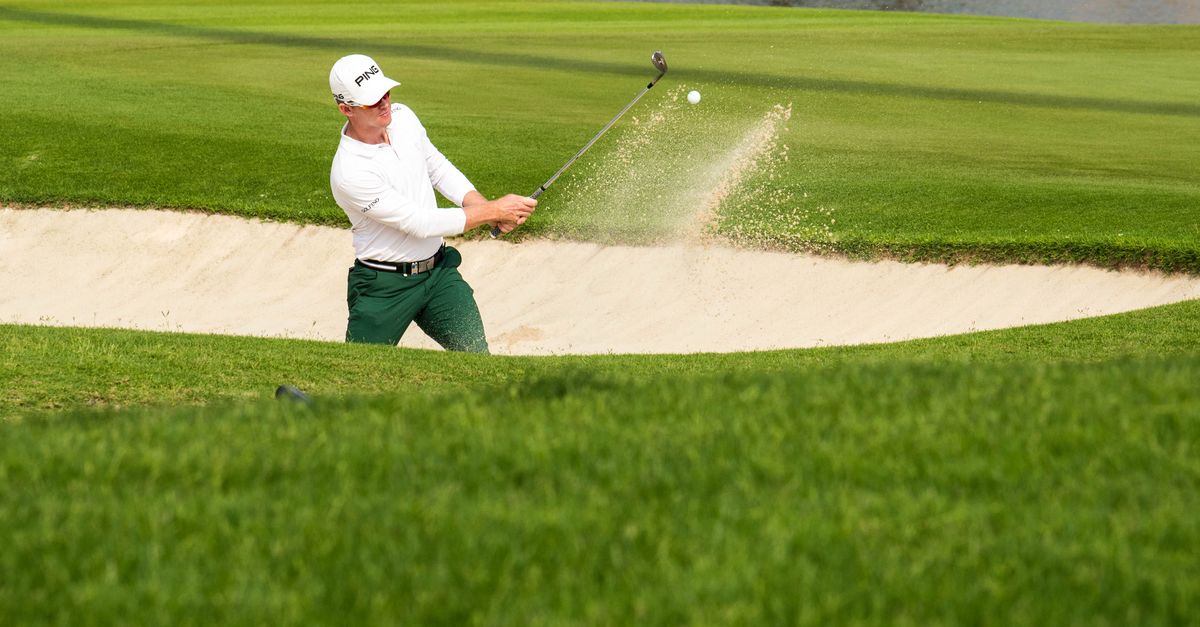
Explained
Wedge bounce and grind, explained
The two numbers that decide whether your wedge digs, glides or skips — in plain English, with how to pick yours.
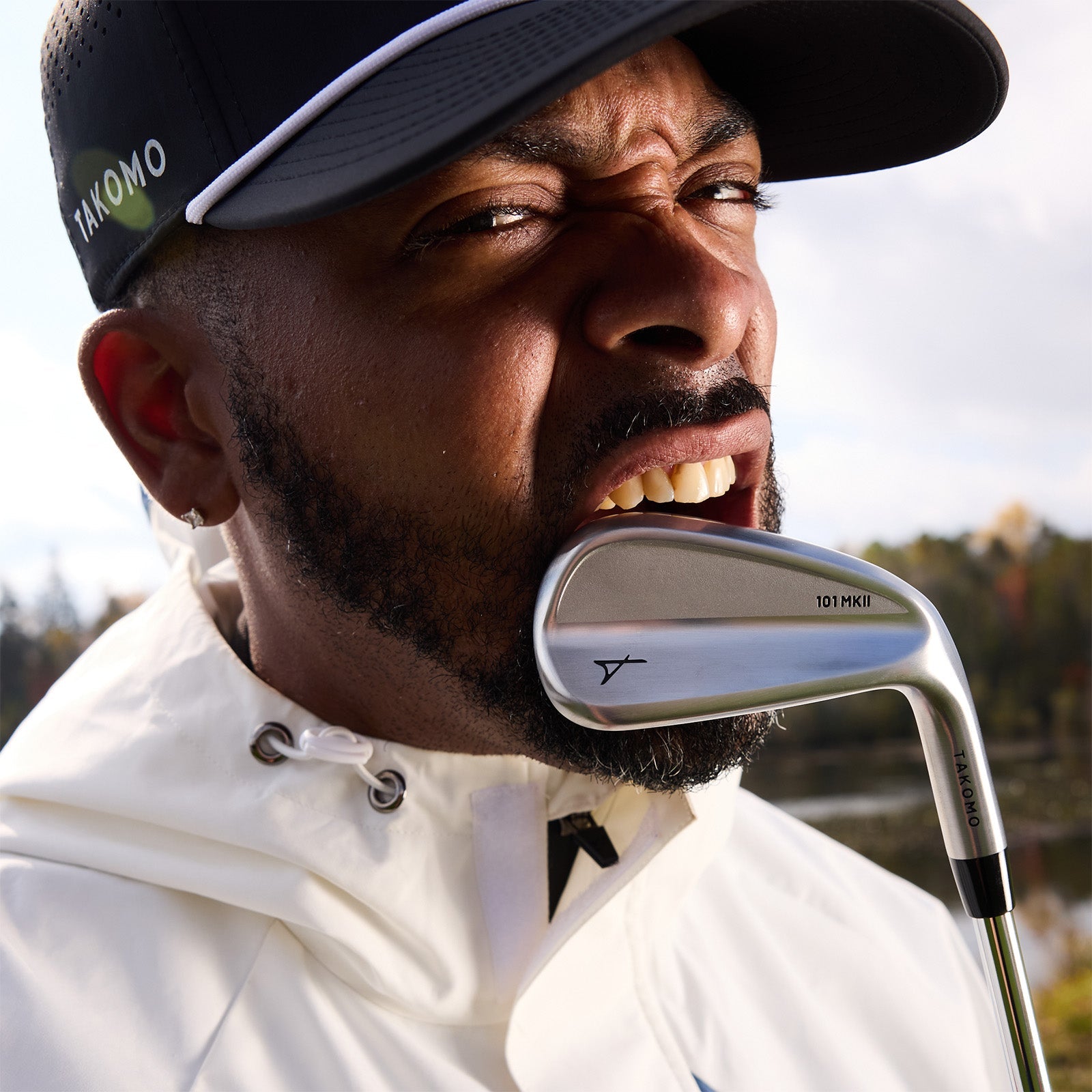
Review
8.8/10Takomo 101 MKII review: the irons quietly embarrassing the big brands
Half the price of a name-brand set, and good enough that you'll feel a bit silly for not trying them sooner. The direct-to-consumer irons reviewed.