
Wedge Spin Rate Is the Worst Number to Buy a Wedge On
A 20-wedge spin test separated third place from tenth by about 200 RPM, and put two brands most golfers have never heard of above the entire major-brand field. Here is what to shop on instead.
By Ross Hamilton · Staff Writer
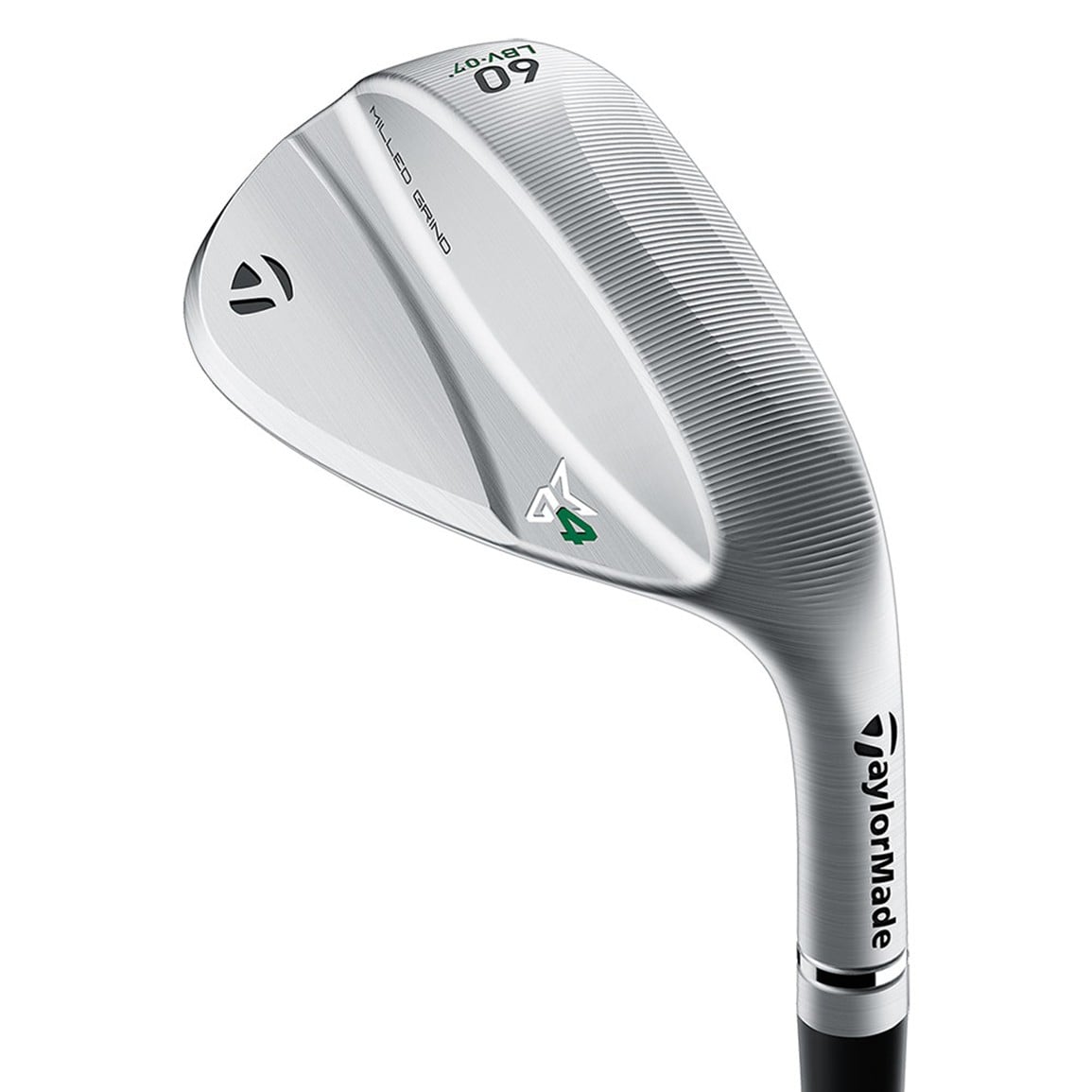
TaylorMade
TaylorMade Milled Grind 4 Wedge
ifrothgolf earns a commission on purchases made through these links, at no extra cost to you. It never changes what I recommend. Full disclosure.
Two hundred RPM. That is the entire spread between third place and tenth in the most careful wedge spin test published this year, and once you sit with that figure the habit of choosing a wedge on its spin number stops making sense. Buy on grind, bounce and groove condition instead. Spin rate is real, it is measurable, and it is very nearly the least useful thing on the spec sheet.
The test is worth describing properly, because the methodology is better than most. Today's Golfer put 20 wedges at a matched 52 degrees through a Foresight GC Quad indoors at Keele Golf Centre, all struck by test pro Neil Wain with a Titleist Pro V1x, with significant mishits rejected rather than averaged in. That is about as clean a comparison as anyone publishes: same loft, same ball, same striker, same room, no wind, no turf variance.
Two brands you cannot name beat everybody
The top of the table is the first surprise. Vega's VWX led at 8,974 RPM, with the Ram Tour Grind second at 8,402. Neither brand has a tour truck, a Super Bowl budget or a shelf in your local pro shop. Then the field you do recognise arrives in a heap: the TaylorMade Milled Grind 4 third at 8,003, the Mizuno S23 fourth at 7,987, the Tour Edge Exotics Wingman fifth at 7,982, the Ping S159 sixth at 7,974, the Cleveland RTX 6 ZipCore seventh at 7,911, the Sub 70 286 Forged Raw eighth at 7,820, the Cleveland CBX 4 ninth at 7,800 and the Bettinardi HLX 5.0 tenth at 7,797.
Read those eight numbers again. Third to tenth is 206 RPM. Eight wedges from eight different design philosophies, some milled, some cast, some raw, some boutique, and they land inside a window narrower than the difference between your good swings and your slightly-thin ones. If a pro hitting matched lofts indoors off a perfect lie cannot separate them by a meaningful margin, you are not going to separate them on the ninth fairway at four in the afternoon.
The award-winning wedge was not the spin winner
Here is the part the marketing will never put on a shelf-talker. The same outlet that produced that spin table named the Mizuno Pro T-1 its best wedge of 2026 in late June, and it did so on all-round performance rather than on topping the spin chart. The wedge that won the award and the wedge that won the spin test were not the same club. That is not an inconsistency; it is the whole point. Nobody who works with wedges for a living ranks them by RPM, because RPM is downstream of the things that actually vary between golfers.
Only two of the wedges we would genuinely put in front of a reader appear in that published top ten. The TaylorMade Milled Grind 4 was third, which is the highest any major manufacturer finished, and it earns that with a fully milled face and a raw finish option that rusts in service rather than degrading. If you are the sort of player who resents a shiny chrome face at address, the raw MG4 is a genuinely satisfying club to own.
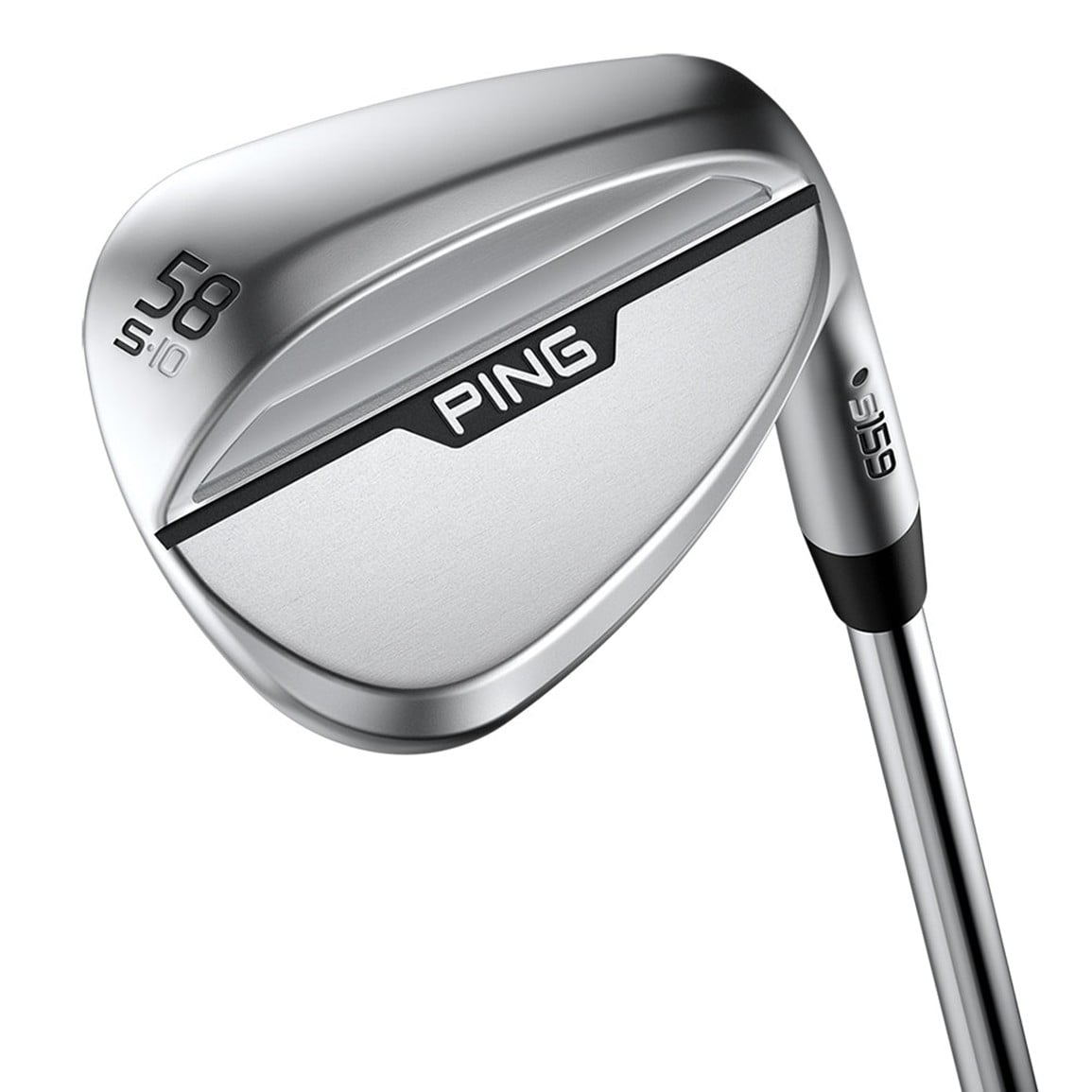
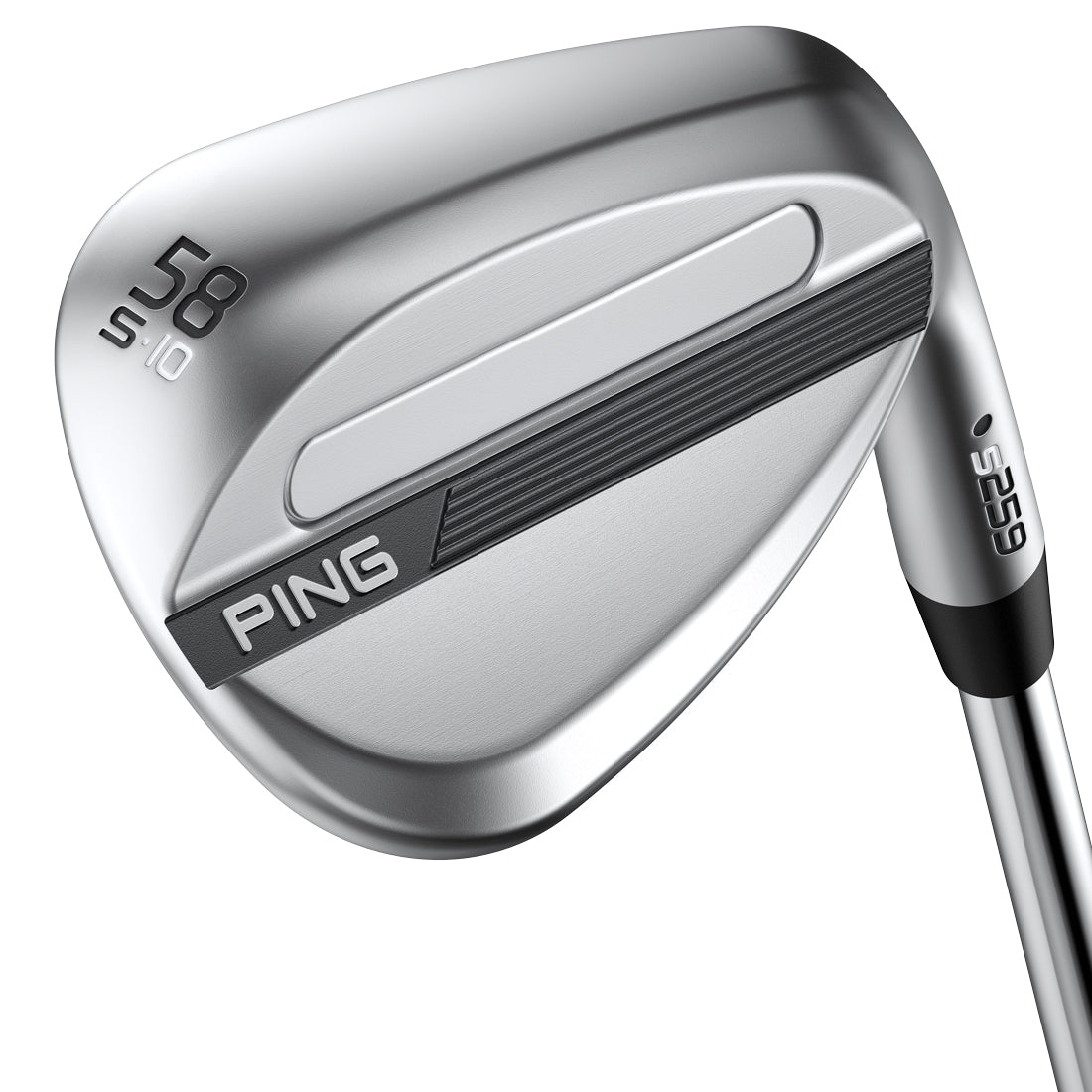
The Ping S159 was sixth, 29 RPM behind the TaylorMade. Twenty-nine. You could not detect that difference across a season. What you can detect, immediately, is the S159's actual selling point: 25 loft-and-grind combinations across six grinds, including the half-moon H grind for players who like to open the face and the low-bounce B grind for firm, tight turf. That is a fitting matrix, not a spin claim, and it is the reason the club is all over tour bags.
Callaway's Opus, Ping's newer S259 and Cleveland's RTZ do not appear anywhere in that top ten. We are entirely relaxed about that, because it would be incoherent to spend an article arguing that spin rank is near-meaningless and then treat absence from a spin rank as a black mark.
What actually changes your short game: sole, not face
Grind and bounce are the specs that decide whether a wedge works for you, and unlike spin they vary enormously between golfers. A steep attack angle into soft, lush turf wants more bounce and a wider sole or the leading edge digs. A shallow sweeper on firm links turf wants less bounce and heel-and-toe relief or the club bounces off the ground and you thin it. Get that pairing wrong and no amount of groove technology saves you; get it right and a mid-priced wedge outperforms a boutique spin champion in your hands.
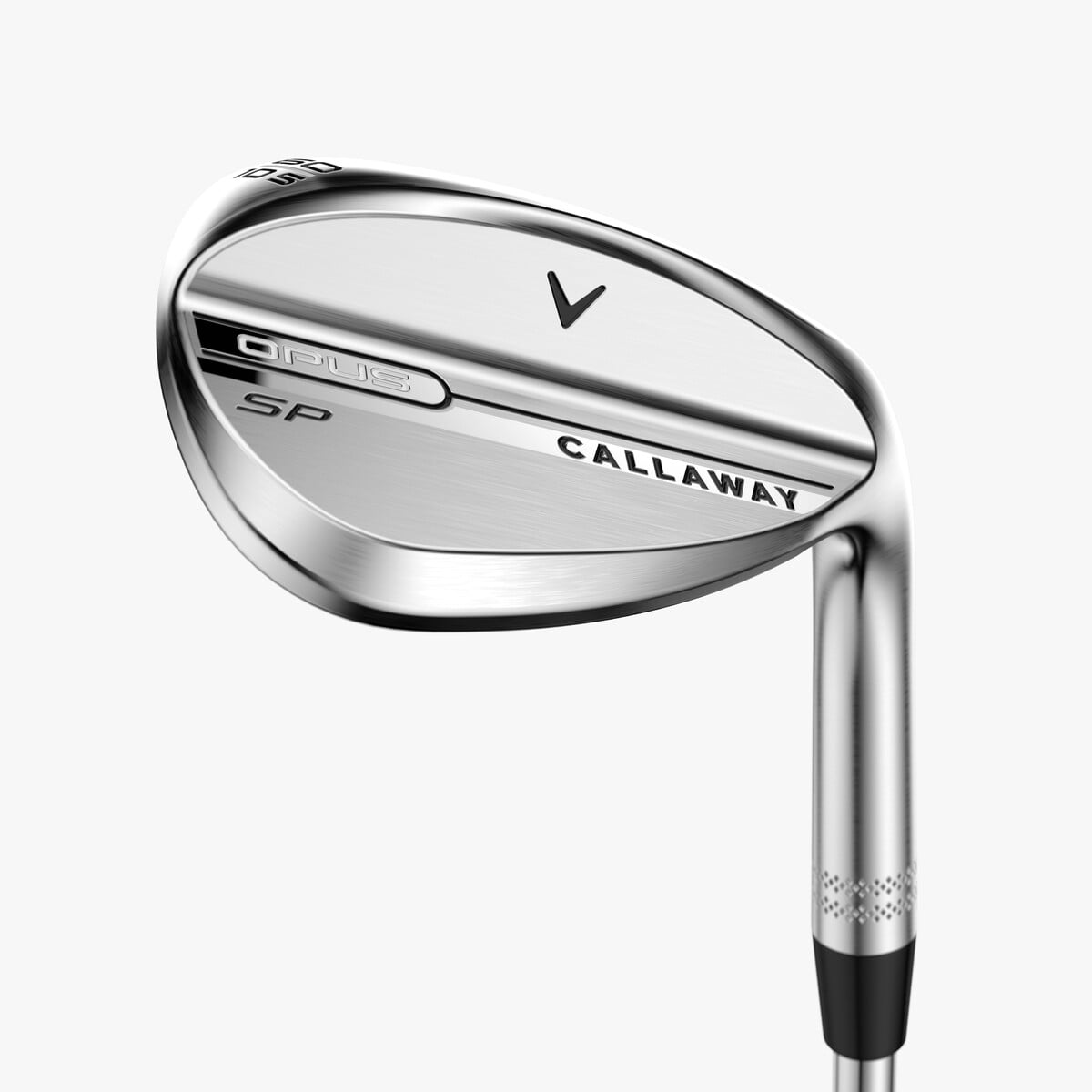
The Callaway Opus is the clearest illustration. Its Spin Gen Face was built around tightly spaced grooves, offset micro-grooves and a new face blast specifically to hold on from wet grass and rough, which is where amateur spin actually collapses. Four grinds, S, W, C and the tour-favoured T, cover most turf types. That combination matters far more than where it would have finished in a dry indoor 52-degree shootout.
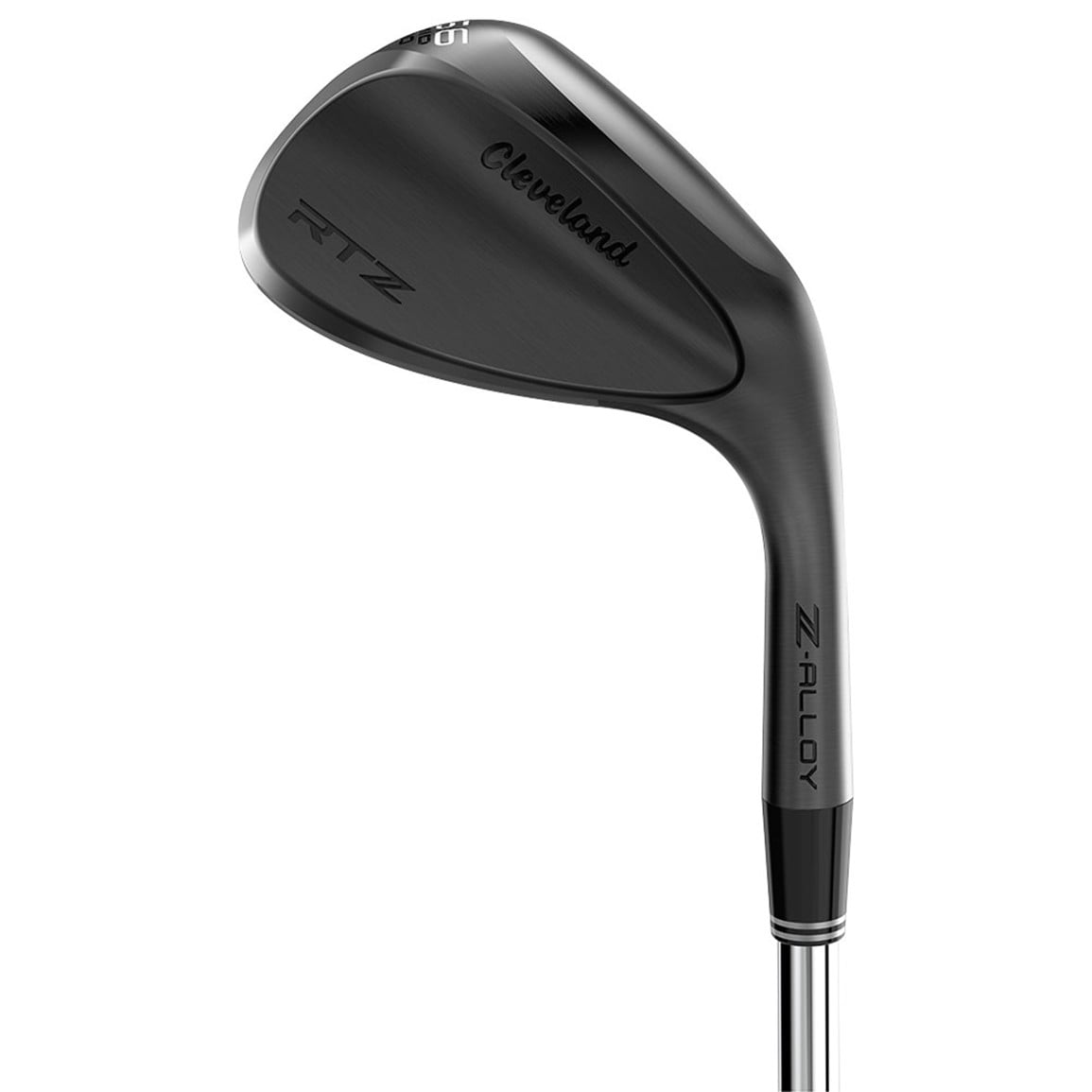
The Cleveland RTZ takes the same view from the other direction: UltiZip grooves plus a rough face treatment, aimed squarely at keeping grip when conditions are against you. If you play somewhere that is damp for six months of the year, that is a more relevant design brief than any headline RPM figure.
Your grooves are the variable that is actually costing you spin
Here is the beat nobody selling a new model wants to lead with, and it is the single most important paragraph on this page. The spin difference between the best and the eighth-best wedge in that test is a rounding error. The spin difference between a fresh wedge and the two-year-old 56 you have been hitting off mats all winter is not. Grooves wear. Edges round off. The face blast polishes smooth in the impact zone. That is a real, large, measurable loss, and it dwarfs every model-to-model difference in the table above.
Which reframes the buying decision entirely. You are not upgrading to gain 200 RPM over a rival brand. You are replacing a worn tool to recover the several thousand RPM you have quietly lost. Run a fingernail across the grooves in the middle of the face and then out near the toe where you rarely make contact. If the centre feels noticeably smoother, that is your answer, and the model you replace it with matters far less than the fact you replaced it.
The Ping S259 is a good example of what a sensible modern wedge generation looks like when a brand is not chasing a chart. Launched in January 2026, it builds on the S159 with tightly spaced MicroMax grooves in the 54 to 62 degree lofts for greenside bite, and a 20-degree sidewall in the 46 to 52 degree lofts to maximise groove volume for full shots. Six grinds, chrome or raw. Refinement, not revolution, which is the honest state of wedge design.
How to actually buy a wedge
Start with gapping, not with a model. Work out the lofts you need from the bottom of your iron set down, so you are not left with a 15-yard hole between your pitching wedge and your first specialist wedge. Then choose bounce and grind against your turf and your attack angle, ideally with someone watching you hit from a real lie. Then, and only then, pick a brand and finish you like looking at. Then commit to replacing your most-used wedge on wear, not on model year.
Two more variables sit above spin rank and cost nothing. The ball you play changes greenside spin more than a model change does, and a urethane cover is doing more work than any groove pattern. And a clean, dry face spins dramatically more than a face with grass and moisture in the grooves, which is the strongest argument in golf for actually using the towel on your bag. Our irons and wedges guide walks the full ladder if you are rebuilding the scoring end of the bag, and there is more short-game gear thinking on our wedges hub.
Who should ignore all of this
If you are a high handicapper who chunks or thins more than half your greenside shots, spin is not your problem and no wedge on this page fixes it. You want more bounce, a wider sole and a lesson, in that order. If you play twice a year, your existing wedge is fine. And if you already have a properly fitted wedge with healthy grooves, upgrading to move a couple of hundred RPM in a lab is the definition of spending money to stand still. The people who should buy are the ones whose grooves are gone, whose gapping has a hole in it, or who have never had a grind matched to the ground they actually play on.
Products mentioned in this article
TaylorMade
TaylorMade Milled Grind 4 Wedge
Third on the published spin table, and the raw face holds its bite as it rusts.
Ping
Ping S159 Wedges
Sixth on that table but the real reason to buy it is 25 loft-and-grind combinations.
Callaway
Callaway Opus Wedge
Four grinds and a face blast built for spin out of wet grass, not off a mat.
ifrothgolf earns a commission on purchases made through these links, at no extra cost to you. It never changes what I recommend. Full disclosure.
Frequently asked
- Does a higher-spinning wedge really hold more greens?
- Up to a point, but the differences between current wedges are far too small to see on a golf course. In the Today's Golfer 52-degree test, third place to tenth place covered about 200 RPM, which is less than the variation between your own swings. What genuinely changes whether a shot stops is the lie, the ball, how clean the face is and whether the grind lets you deliver the club properly.
- How do I know when my wedges are worn out?
- Run a fingernail across the grooves in the middle of the face, then across the grooves near the toe where you almost never make contact. If the centre feels noticeably smoother and the groove edges feel rounded rather than sharp, the face has worn and you are losing real spin. Wedges hit off mats and practice bunkers wear much faster than the rest of your set, so the most-used one usually needs replacing first.
- Is a raw or rusty wedge face better for spin?
- A raw face does not spin more than a chrome one when both are new. The argument for raw is durability of feel and appearance over time: the surface rusts rather than polishing to a shine, and many players prefer the glare-free look at address. Treat it as a preference and a wear characteristic rather than a performance claim.
- Do all my wedges need to be the same model?
- No. Plenty of tour players mix brands and models through the scoring clubs because different lofts ask for different sole shapes. What should be consistent is the loft gapping and, ideally, a broadly similar look at address so you are not recalibrating your eye between clubs. Match the grind to the job each wedge does rather than matching the badge.
Read next
Review
8.4/10Callaway Opus SP review: the wedge in four tour bags while everyone buys Vokey
Callaway's Spin Pocket wedge lands a lower, spinnier flight for about the same money as a Vokey. It is the one I would buy for firm turf and full shots, and the wrong call if your short game lives in soft sand.
Explained
Wedge bounce and grind, explained
The two numbers that decide whether your wedge digs, glides or skips — in plain English, with how to pick yours.
Review
8.8/10Takomo 101 MKII review: the irons quietly embarrassing the big brands
Half the price of a name-brand set, and good enough that you'll feel a bit silly for not trying them sooner. The direct-to-consumer irons reviewed.