
43 of the 50 tour bags we track stop at exactly 60 degrees. Tour Edge's new wedge line stops there too
There is a 64-degree wedge on the rack in most golf shops. Across the tour bags we maintain, the highest club is a 60 in the overwhelming majority, the three that go higher do it by a degree and a half at most, and nothing in the set carries a 62, 64 or 66.
By Ross Hamilton · Staff Writer
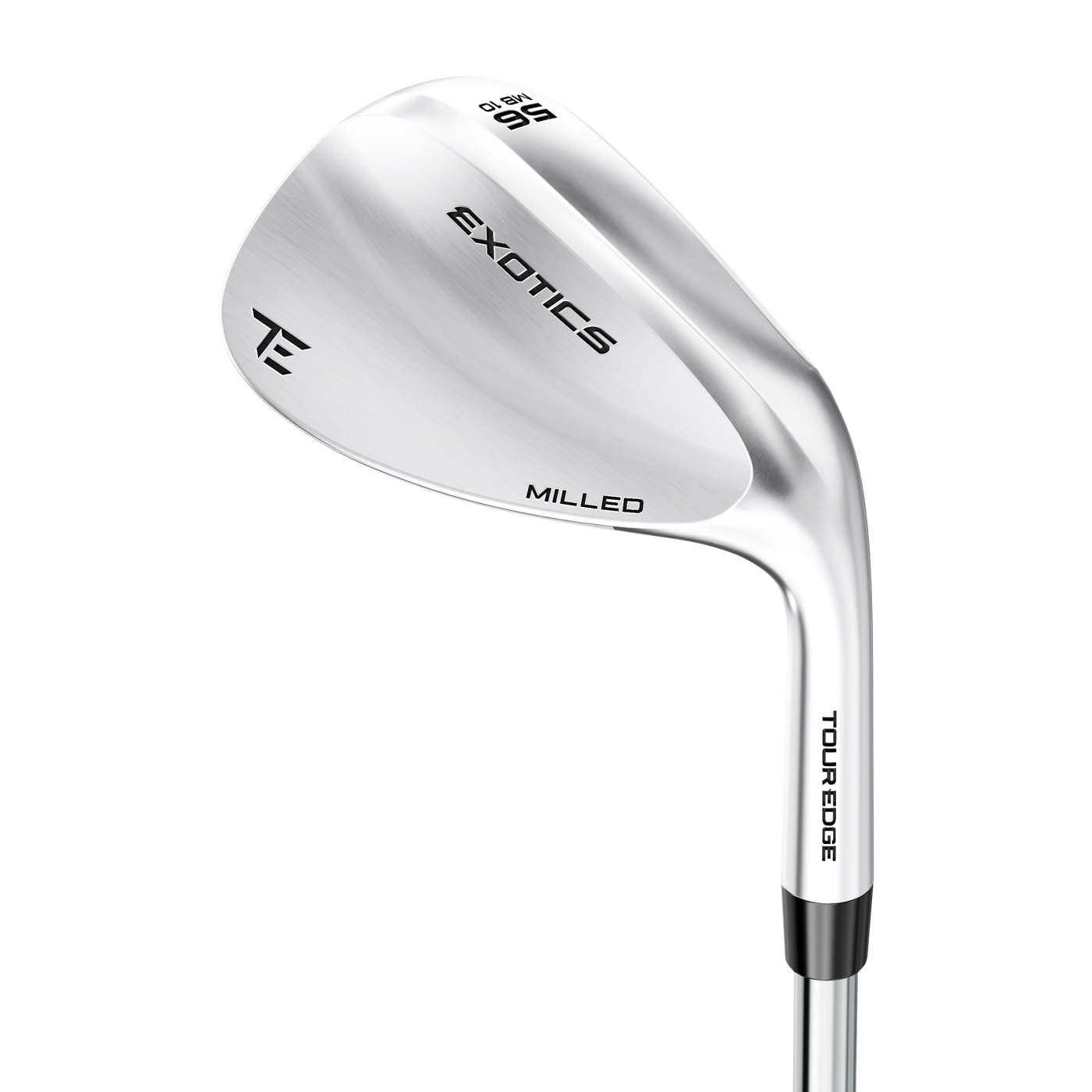
Tour Edge
Tour Edge Exotics Milled Wedge
Stand in front of the wedge display in most golf shops and you will find lofts printed up to 64, sometimes 66. They are stocked because they sell, and they sell because they look like the club that produces the shot everyone has watched on television.
We maintain a set of tour bags and re-verify them against named sources, and we went looking for those lofts in them. They are not there.
Of the 50 bags where a lob-wedge loft can be read cleanly, 43 top out at exactly 60 degrees. Only three go higher, and none of them by more than a degree and a half. Not one bag in the set carries a 62, a 64 or a 66.
The caveat, stated up front
This is the set of 53 bags we maintain, not a census of professional golf, and bags move week to week — a count taken next month will differ at the edges. Of the 53, 51 state at least one readable wedge loft. Two are excluded because their wedge rows name a model but no loft at all: Keegan Bradley and Grant Horvat. One more, Tom Kim, could not be resolved cleanly and was left out rather than guessed at. That leaves the 50 bags in every number on this page.
The three exceptions are bends, not different clubs
Matt Fitzpatrick's top wedge measures 61.5 degrees, which is a 60 that has been bent rather than a club anyone sells. Justin Thomas and Jordan Spieth are both at 60.5. That is the entire population above 60 across the set, and a degree and a half is inside the range a good club technician moves a wedge for turf conditions or a personal preference on leading-edge height.
Put differently: the gap between what the rack offers and what the best players in the world use is not a matter of degree. There is a hard ceiling at 60 and then there is nothing.
Four bags stop at 58
The movement in the data goes the other way. Lydia Ko, Rose Zhang and Jeeno Thitikul on the LPGA all stop at 58, as does Rick Shiels among the creators we track. Three of those four are players whose short games are their reputation, and the club they have decided against is the one amateurs buy first.
That is not a coincidence and it is not a swing-speed argument. Loft costs you margin. A more lofted face has a smaller effective hitting area, less tolerance for a heavy or thin strike, and it demands a longer, faster swing to move the ball a short distance. Professionals who play into firm greens for a living have concluded that the last two degrees are not worth the error bar. We made the technique case for that a while ago in your 60-degree wedge is costing you shots; this is the same conclusion arrived at from the bags rather than from the physics.
Tour Edge just built a whole line to that ceiling
Which brings us to the peg. Tour Edge announced the Exotics Milled Wedge on 1 September, at retail from 14 September, at $120. There are 17 loft-and-bounce configurations in the line. Every one of them sits between 50 and 60 degrees.
The interesting part is what they did with the space instead. Rather than extending the loft range upward, the line spends its variety on bounce: three named profiles, Low, Mid and High, instead of the alphabet of grind letters you normally need a fitter to decode. The sole is a three-part TriGrind design — chamfered leading edge so the club stops digging at turf entry, a flatter sole with minimal camber for consistent contact, and heavy trailing-edge relief so the face opens up properly around the greens. The faces carry CNC-milled SuperSpin grooves, and the stock build is a KBS Hi-Rev 2.0 115g shaft with a Golf Pride Tour Velvet 360 Black grip, which are real components rather than house-brand filler at this money. Left-handers get 52, 56 and 60 in the Mid Bounce profile.
This is a specification sheet rather than a verdict, and a wedge lives or dies on turf interaction you have to feel. But the shape of the decision is the point: a brand launching a wedge line in 2026 looked at the loft range and decided the useful variable above 56 degrees is how the sole meets the ground, not how much loft is stamped on the hosel. The bag data says they are reading the same room the tour is.
The rack still sells above 60, and there are reasons
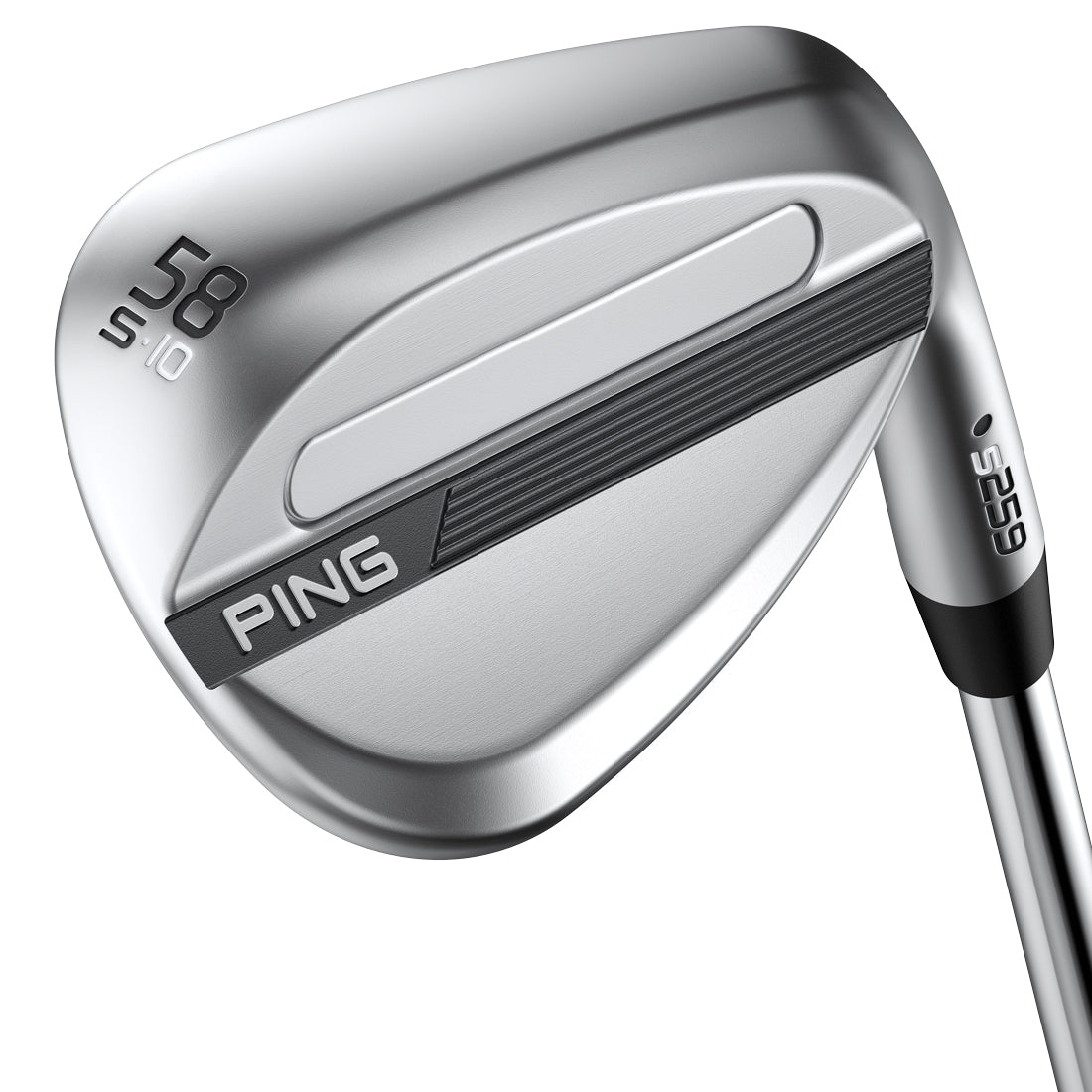
None of this makes a 62 an unreasonable club to build. PING's S259 runs from 46 all the way to 62 across six grinds, and the higher lofts get the tightly-spaced MicroMax groove pattern specifically to hold spin on greenside shots. There are golfers for whom that top end genuinely works: very steep attack angles, soft greens with no run-out, or a bag whose sand wedge already sits at 58.
What the data says is narrower than a ban. It says that among players who can call in any head they want, get fitted individually for every slot, and have no financial reason to prefer one loft over another, essentially nobody chooses to go above 60 — and the four who lead the short-game conversations in our set have gone the other way to 58. If you are buying a 64 because it is what good players use, the premise is wrong. If you are buying it because you play soft, elevated greens and you have practised the shot, carry on.
What to buy instead of the extra loft
The money that would have gone on a fourth wedge with a bigger number on it is better spent on the two variables that actually change outcomes: bounce, and groove condition.
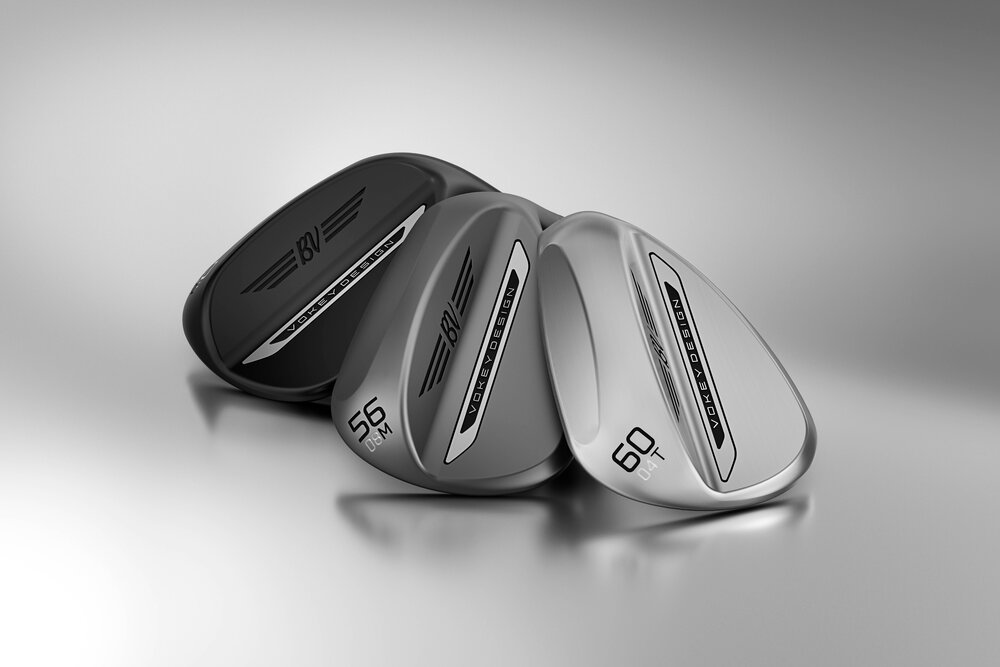
For bounce and fitting breadth, the Titleist Vokey SM11 is still the reference, with 27 loft-and-bounce combinations across six grinds and a standardised centre of gravity so changing grind no longer changes your launch. Note where the matrix ends: 44 to 60 degrees, and Titleist sells more tour wedges than anyone.
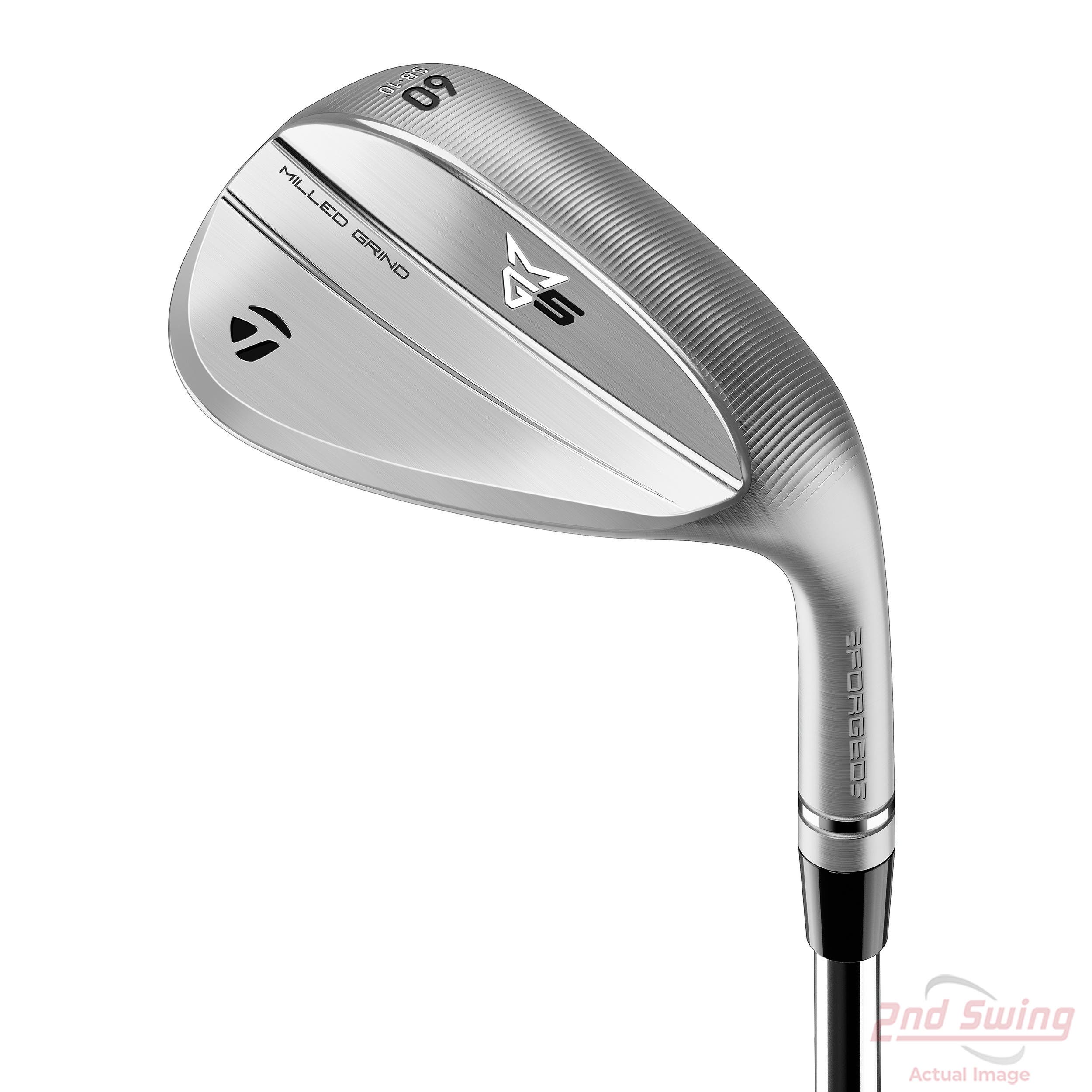
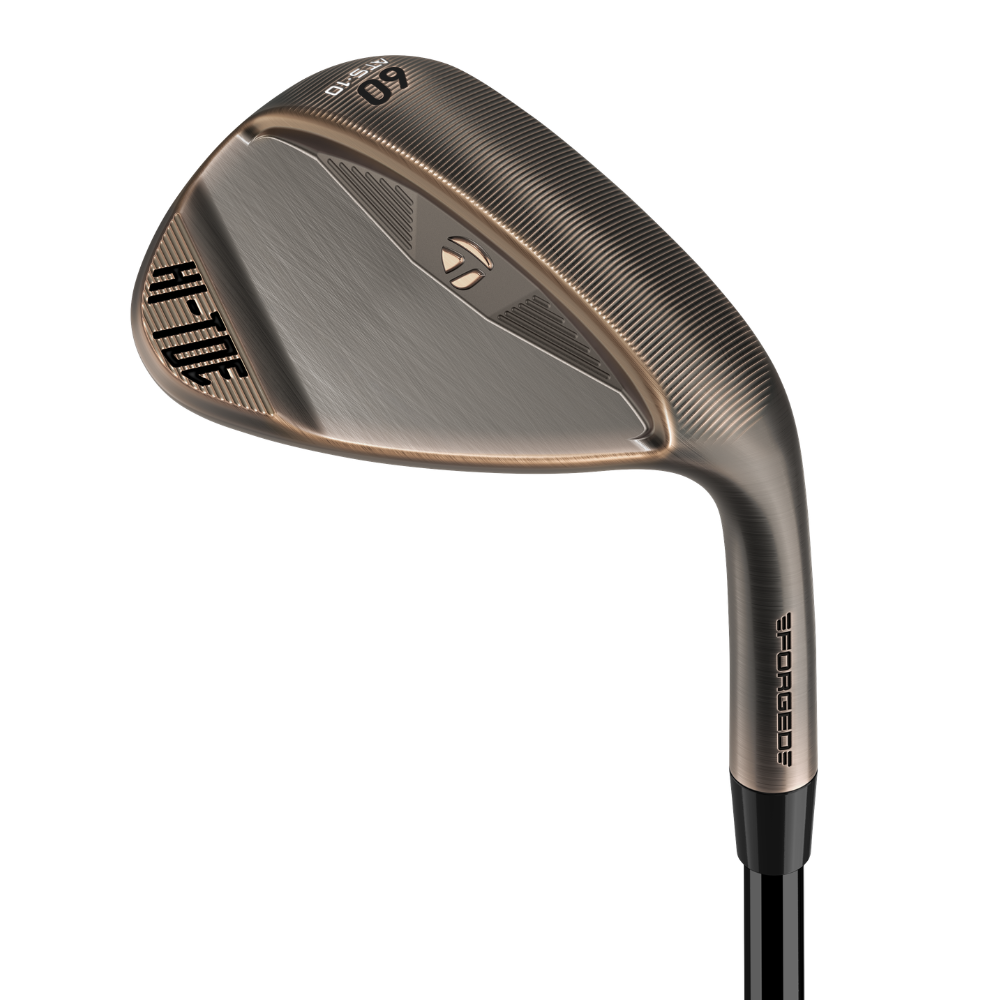
For groove condition, the honest reason to buy any new wedge is that the old one has stopped gripping, and the TaylorMade MG5 is the current answer if wet turf is your problem — a fully forged head with a raw face and laser-etched channelling that TaylorMade claims holds around 13 percent more spin in the wet than the MG4. And if what you actually want from a lob wedge is the ability to lay the face wide open without running out of grooves, that is a shape problem rather than a loft problem, which is what the Hi-Toe 5 exists to solve, in five sole grinds and with grooves across the whole face.
The one-line version
Sixty degrees is not a compromise the professionals settle for. On the evidence of the bags we maintain, it is the ceiling they have chosen, and the newest wedge line on the market has been built to it deliberately. Spend the decision on bounce.
Products mentioned in this article
Tour Edge
Tour Edge Exotics Milled Wedge
Three named bounce profiles across 17 configurations, and the whole line stops at 60.
Titleist
Titleist Vokey SM11 Wedge
The tour's most-played wedge, and the matrix runs 44 to 60 degrees with nothing above it.
PING
PING S259 Wedge
The one on this list that will sell you a 62, in six grinds — buy it for the grind range, not the loft.
TaylorMade
TaylorMade MG5 Wedge
Forged, raw-faced and built around wet-weather spin retention, in six grinds.
TaylorMade
TaylorMade Hi-Toe 5 Wedge
The full-face answer if what you want from a lob wedge is an open face, rather than more loft.
ifrothgolf earns a commission on purchases made through these links, at no extra cost to you. It never changes what I recommend. Full disclosure.
Frequently asked
- How many tour players carry a 64-degree wedge?
- None of the 50 tour bags we maintain and can read a lob-wedge loft in carries a 64. The same is true of 62 and 66. Forty-three of the 50 top out at exactly 60 degrees, and the three that go higher do so by a degree and a half at most.
- What is the highest lofted wedge on tour?
- In our set it is Matt Fitzpatrick at 61.5 degrees, which is a 60-degree head that has been bent rather than a club sold at that loft. Justin Thomas and Jordan Spieth are next at 60.5. Everyone else in the set stops at 60 or below.
- Should an amateur carry a 60-degree wedge?
- Only if you practise the shots it is for. More loft means a smaller effective hitting area and a longer, faster swing to move the ball a short distance, which is where chunked and bladed chips come from. Four bags in our set stop at 58, including three LPGA players, which is a reasonable ceiling for most club golfers too.
- Does the Tour Edge Exotics Milled Wedge come in 64 degrees?
- No. The line runs 17 loft-and-bounce configurations from 50 to 60 degrees, in three named bounce profiles — Low, Mid and High. Left-handed options are 52, 56 and 60 in the Mid Bounce profile. It reaches retail on 14 September 2026.
Read next
Review
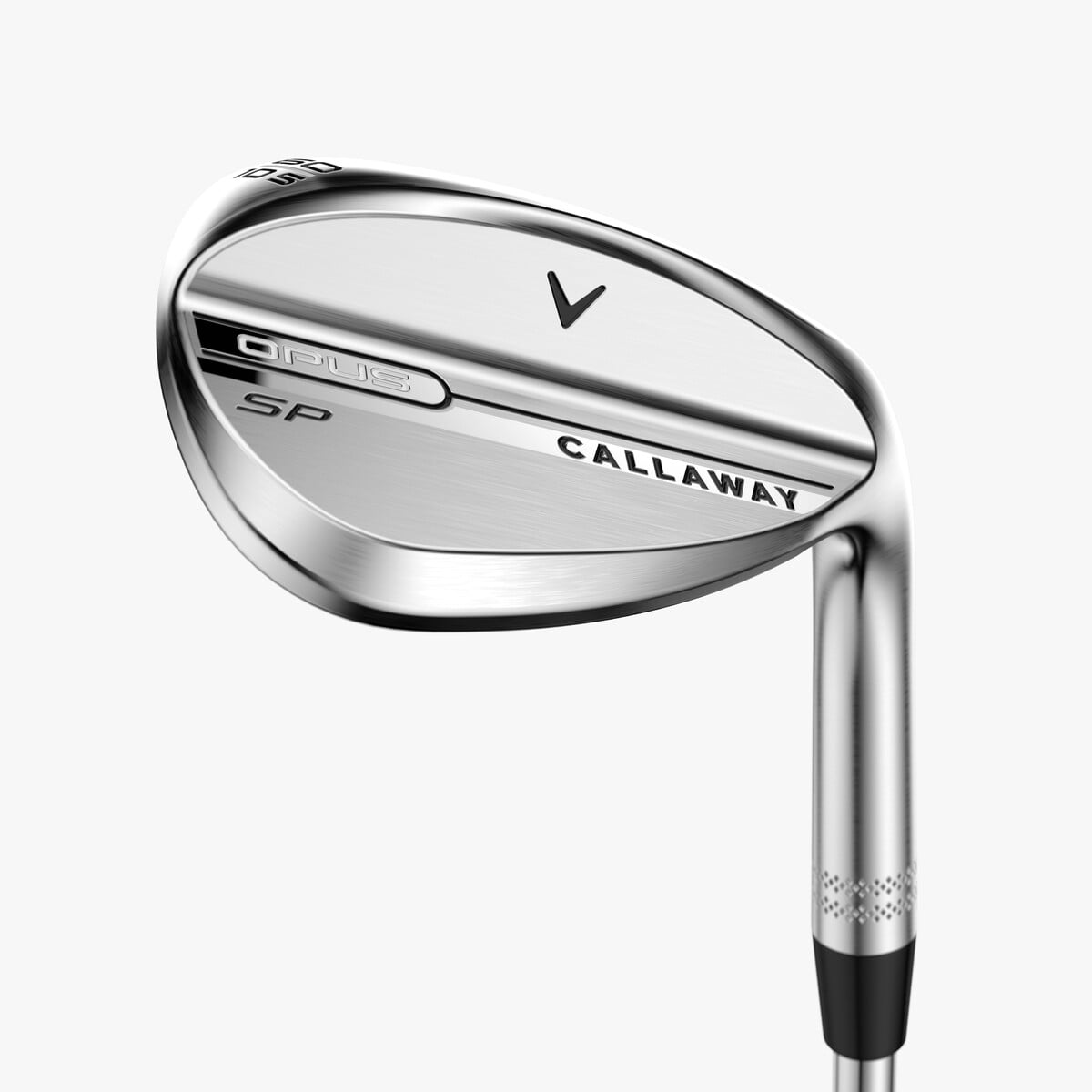
8.4/10Callaway Opus SP review: the wedge in four tour bags while everyone buys Vokey
Callaway's Spin Pocket wedge lands a lower, spinnier flight for about the same money as a Vokey. It is the one I would buy for firm turf and full shots, and the wrong call if your short game lives in soft sand.
Explained
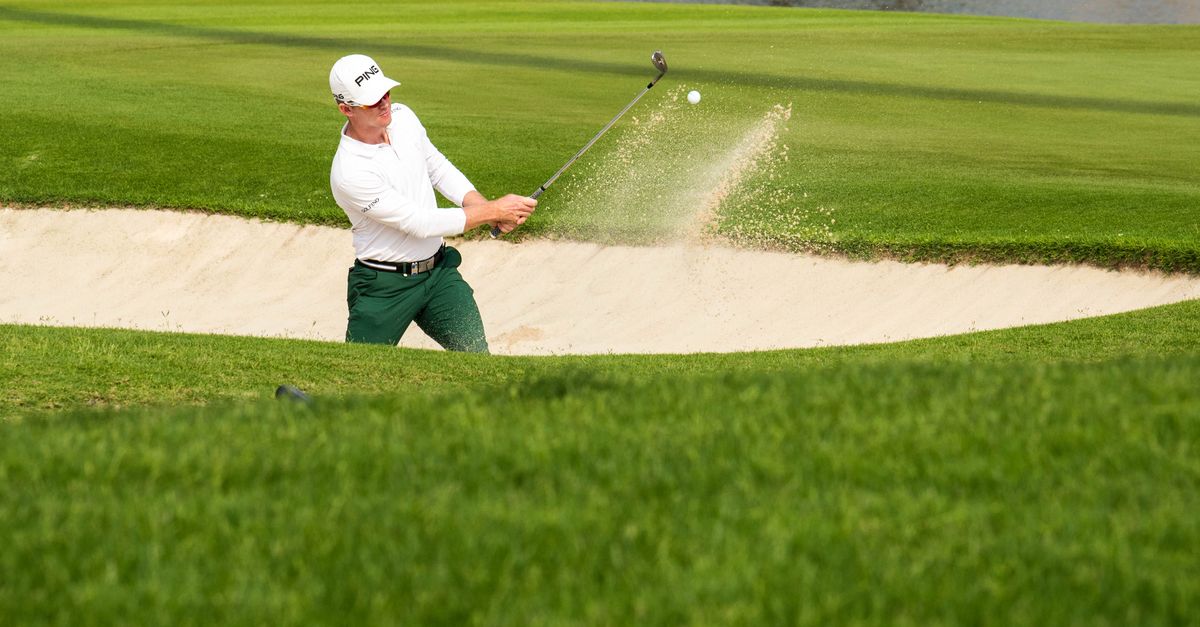
Wedge bounce and grind, explained
The two numbers that decide whether your wedge digs, glides or skips — in plain English, with how to pick yours.
Review
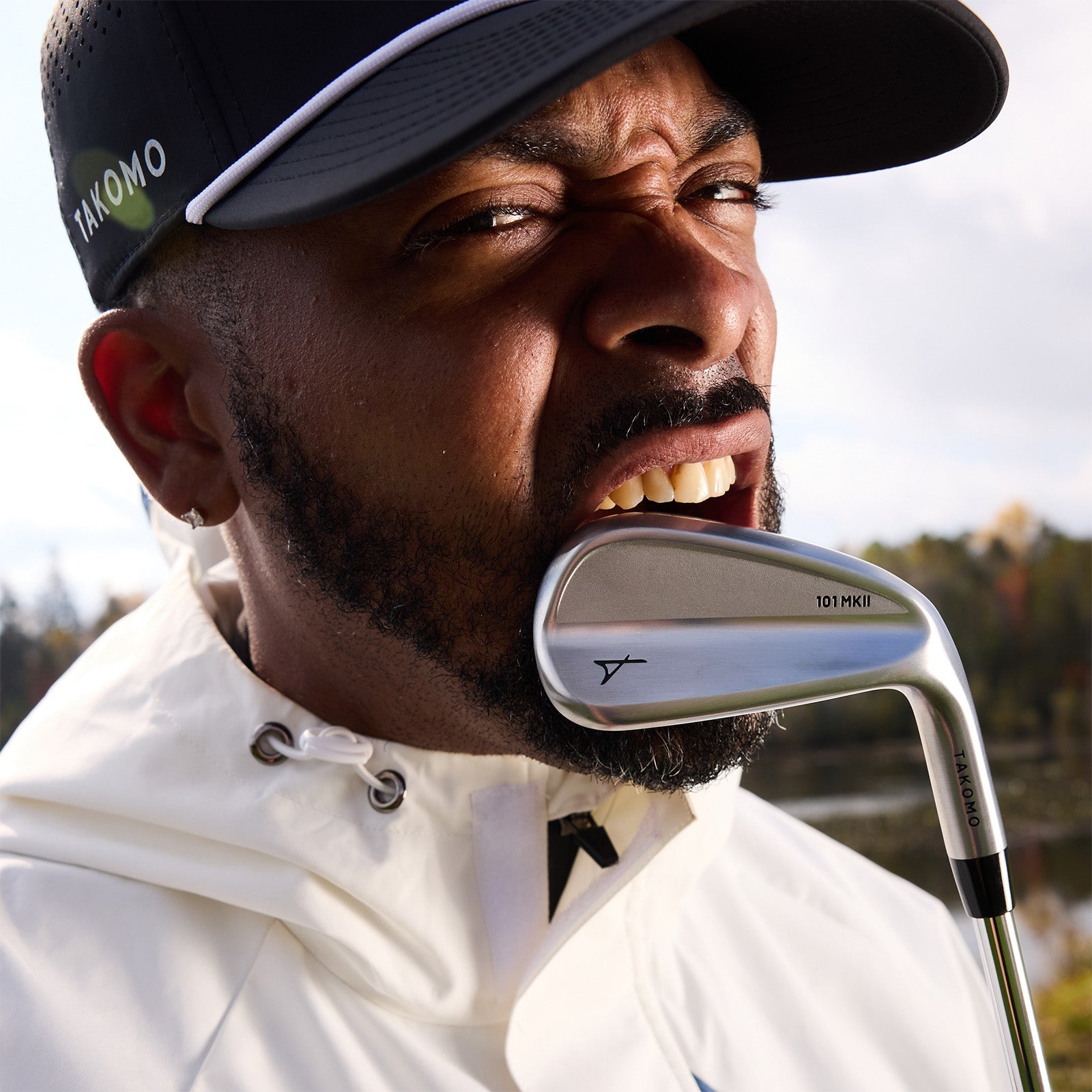
8.8/10Takomo 101 MKII review: the irons quietly embarrassing the big brands
Half the price of a name-brand set, and good enough that you'll feel a bit silly for not trying them sooner. The direct-to-consumer irons reviewed.