
Tour Edge Exotics Milled Wedge review: three bounce letters instead of the grind alphabet
On sale today, at roughly half what a Vokey costs, with a milled face and a KBS shaft. The clever part is not the price. It is that the whole line is sold on three bounce profiles rather than a wall of grind letters nobody can decode.
By Ben Marsden · Reviews Editor
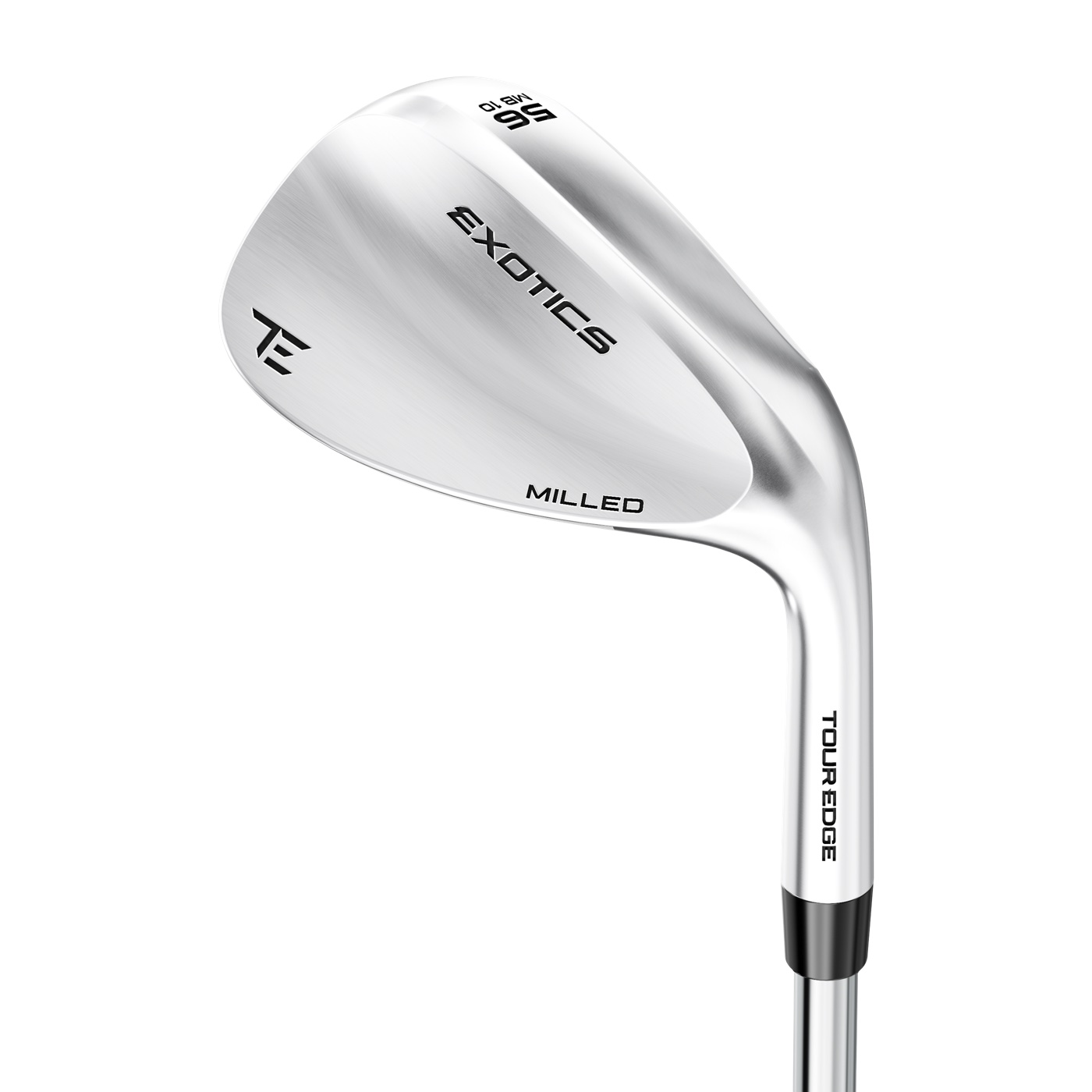
The verdict
Very good
What's great
- Bounce is sold in plain language: Low, Mid and High profiles across 17 loft-and-bounce configurations from 50 to 60 degrees
- TriGrind Sole is specified properly rather than vaguely — chamfered leading edge, flatter low-camber sole, heavy trailing-edge relief
- Real components at the price: CNC-milled SuperSpin grooves, a stock KBS Hi-Rev 2.0 115g shaft and a Golf Pride Tour Velvet 360 Black grip
Watch out
- This is a launch assessment of the design and the value. Turf interaction is the one thing a specification sheet cannot settle, and a wedge is decided by turf interaction
- Left-handers get three lofts — 52, 56 and 60 — in Mid Bounce only, so a left-handed player with a steep or shallow delivery has no profile to choose
- One stock shaft against fitting racks at Titleist and Ping that carry several, which is where the money you saved starts to matter
Bottom line — The best-value wedge proposition on the wall today, and Mid Bounce is the one I would order if my strike is ordinary. If you dig hard, sweep hard or play unusual turf, the saving is not worth losing a grind that fits.
Tour Edge
Tour Edge Exotics Milled Wedge
Stand in front of a wedge rack and read the soles. F. S. M. K. L. W. D. Every brand runs its own alphabet, every letter means something slightly different depending on whose sole it is stamped on, and the number that governs whether the club digs or skids sits in tiny type next to a loft. Most golfers can recite their lofts to the degree and could not tell you a single bounce figure in the bag.
The Tour Edge Exotics Milled Wedge goes on sale today, and its most interesting decision is not a material or a groove. It is that the whole line is arranged around three words.
Say it plainly first: this is a launch assessment
The wedge was announced on 1 September and reaches retail on 14 September. What follows is built from Tour Edge's specification sheet and the trade coverage that ran alongside the announcement. I have not hit it, and nobody outside a fitting bay has hit it for long enough to tell you anything binding. A wedge lives or dies on turf interaction — how the sole enters, whether the leading edge grabs, what happens when you lay the face open on a tight lie — and that is precisely the thing a specification sheet cannot settle. So the score below is a score on the proposition: the design, the build and the money. Not on a test.
Low, Mid, High — and 17 ways to buy them
The Exotics Milled Wedge runs three named bounce profiles: Low Bounce, Mid Bounce and High Bounce, badged LB, MB and HB. Across those three profiles there are 17 loft-and-bounce configurations from 50 to 60 degrees. Left-handed players get 52, 56 and 60, all in Mid Bounce.
That is a smaller matrix than the market leader offers, and it is deliberately legible. Compare the shopping experience. The Titleist Vokey SM11 carries six grinds across twenty-seven loft-and-bounce combinations, which is the widest fitting range in golf and the honest reason it sits in so many bags. It is also completely opaque to a golfer standing on their own in a shop, because the letters do not describe what the sole does. They are names.
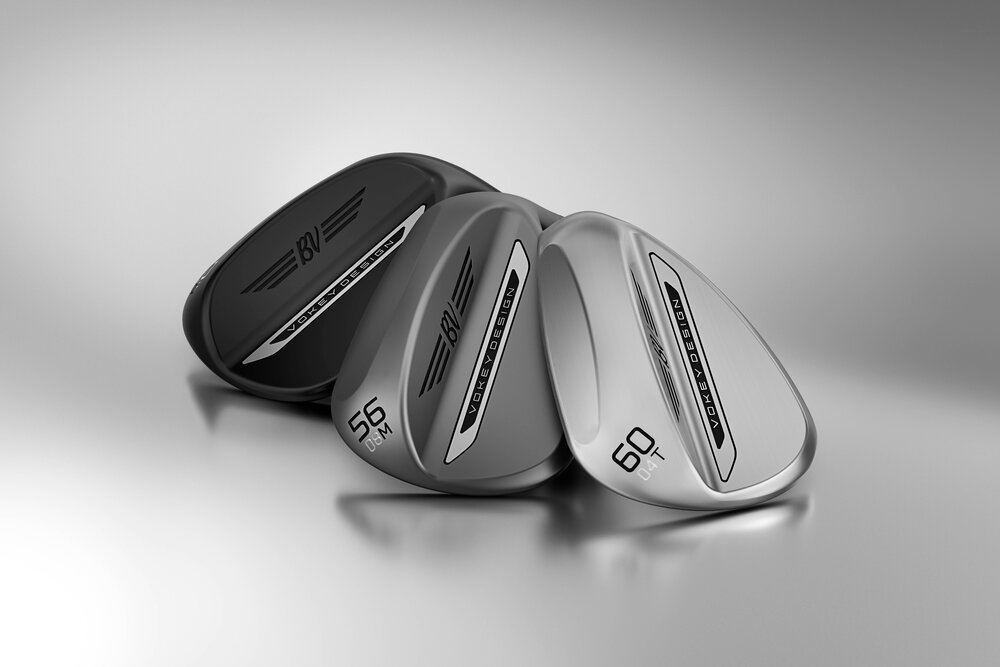
Tour Edge's three words describe what the sole does. More bounce means the club skids rather than burrows; less bounce lets the leading edge sit closer to the ground on firm lies. A golfer who has read nothing about wedges can look at LB, MB and HB and get to roughly the right shelf on their own. That is a real improvement in how the category is sold, and it costs the buyer nothing.
The catch is that legibility is not the same as coverage. Three profiles cannot serve every delivery, and if yours is unusual, the alphabet you find annoying exists because somebody needed that specific sole.
What the TriGrind Sole claims to do
The sole is a three-part design. A chamfered leading edge, meant to stop the club digging as it enters the turf. A flatter sole with minimal camber, meant to keep contact consistent from square. And heavy trailing-edge relief, meant to let the face be opened around the greens without the leading edge lifting away from the ball.
Those three elements are the standard levers in modern sole design, and the reason to note them is that Tour Edge has specified all three rather than one. Plenty of wedges at this money quote a bounce number and stop. If you want the physics underneath any of it, our bounce and grind explainer is the piece to read first — it is the fastest way to work out which of the three profiles is yours before you spend anything.
The faces carry CNC-milled SuperSpin grooves. Milling a face rather than casting or stamping it is a cost decision as much as a performance one, and finding it on a wedge at this price is unusual.
The build is the surprise, not the price
At around $120 the Exotics Milled Wedge undercuts the wall it will sit next to by a wide margin. A Vokey SM11 is about $225 and the Ping S159 around $225, so you are roughly halving the outlay per wedge, and a golfer replacing three of them is saving real money rather than pocket change.
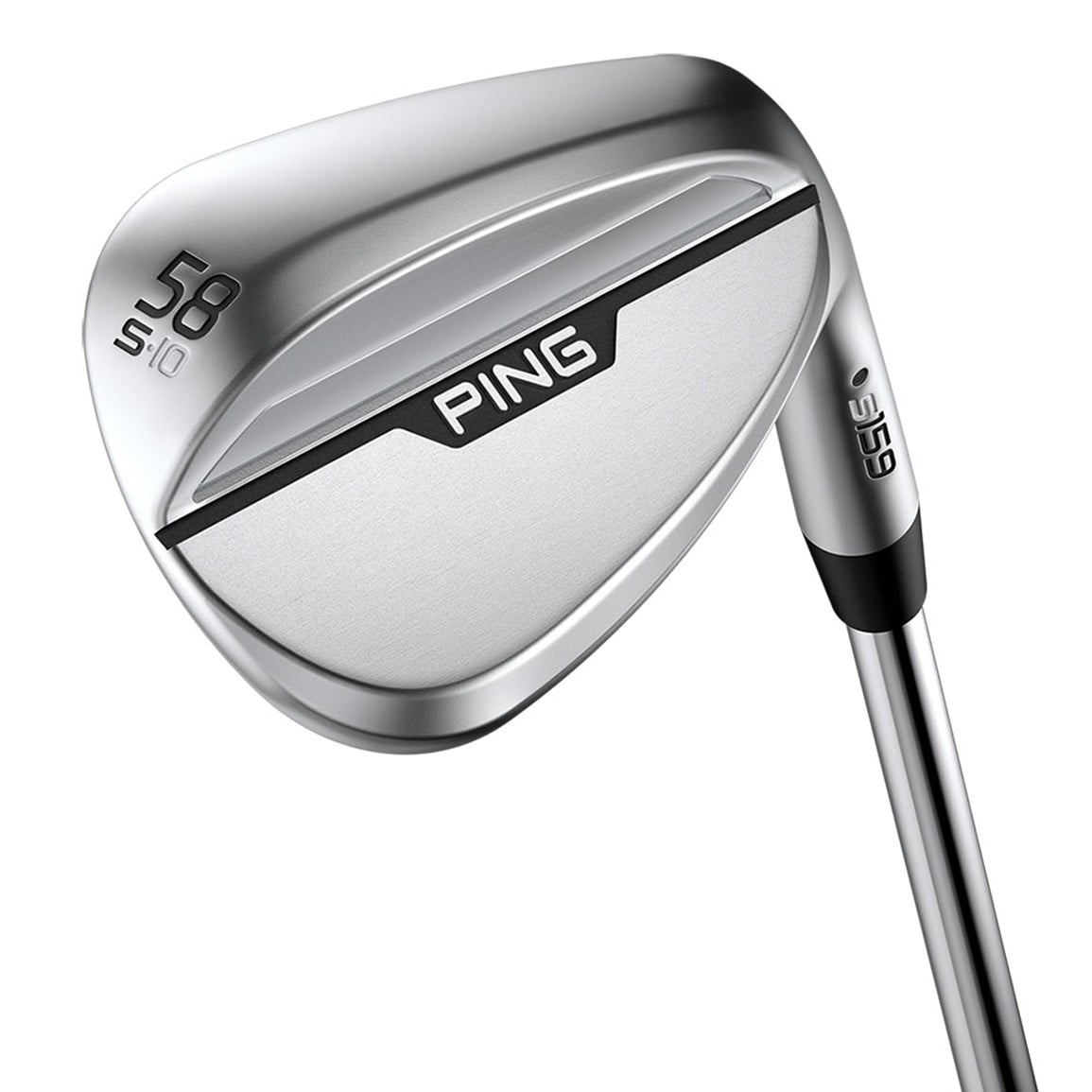
What makes it worth writing about is where the cost was not cut. The stock shaft is a KBS Hi-Rev 2.0 at 115 grams — a named wedge shaft with a genuine following, not a house-brand stick with a sticker on it. The grip is a Golf Pride Tour Velvet 360 Black. Those two components are what usually disappear first at the value end of a category, replaced by parts that make the club feel cheap the moment you pick it up. Keeping them, alongside a milled face, is the whole argument for this club.
Who should buy it, and who should not
Buy it if your strike is ordinary, your turf is normal parkland and your current wedges are worn. That is a much larger group than the wedge industry likes to admit, and for that golfer the Mid Bounce is the order. Buy it too if you are building a set of three from scratch, because the saving compounds and you get a consistent sole across all of them instead of a rack-bought accident.
Do not buy it if you have been fitted and know you need something specific — a very wide sole for soft sand, a heavily relieved low-bounce for hardpan and open-faced work. Three profiles will not have your answer, and the correct grind in any brand beats the wrong grind in a cheaper one every time.
Do not buy it left-handed if your delivery is not neutral. Three lofts in one bounce profile is not a fitting range, and a left-handed digger is better served elsewhere.
And if you were hoping for a 62 or a 64 to sit above the set, this line stops at 60. So, as it turns out, does almost everybody who plays for a living — our count of where the lob wedge stops in the bags we track has the numbers, and 60 being the ceiling here is a normal decision rather than a gap in the line.
Write your lofts down before you order anything
The thing that will improve your wedge play more than this club, or the Vokey, or any other wedge on the wall, is knowing what is already in the bag. Modern iron sets have crept strong, so the pitching wedge at the top of your set is probably a lower number than you assume, and the gap above your first specialist wedge is probably wider than you think.
Write the actual lofts down. Space what follows four to six degrees apart. Then pick a bounce profile that matches how you deliver the club, and only then argue about badges. Tour Edge has made that last step easier than the rest of the market has, which is a decent reason to look at the club and a poor reason to skip the first two.
Products mentioned in this article
Frequently asked
- When does the Tour Edge Exotics Milled Wedge go on sale and what does it cost?
- It was announced on 1 September 2026 and reaches retail on 14 September 2026. It lands at roughly half the price of a Titleist Vokey SM11 or a Ping S159, which is the single most striking thing about it given the milled face and the named stock shaft.
- What bounce options does the Exotics Milled Wedge come in?
- Three named profiles: Low Bounce, Mid Bounce and High Bounce, badged LB, MB and HB. Between them they cover 17 loft-and-bounce configurations from 50 to 60 degrees. Left-handed players get 52, 56 and 60 degrees in Mid Bounce only.
- What is the TriGrind Sole?
- Tour Edge's three-part sole design. A chamfered leading edge to reduce digging at turf entry, a flatter sole with minimal camber for consistent contact from square, and heavy trailing-edge relief so the face can be opened around the greens.
- What shaft and grip does it come with as standard?
- A KBS Hi-Rev 2.0 shaft at 115 grams and a Golf Pride Tour Velvet 360 Black grip. Both are recognised aftermarket components rather than house-brand parts, which is unusual at this price.
Read next
Review
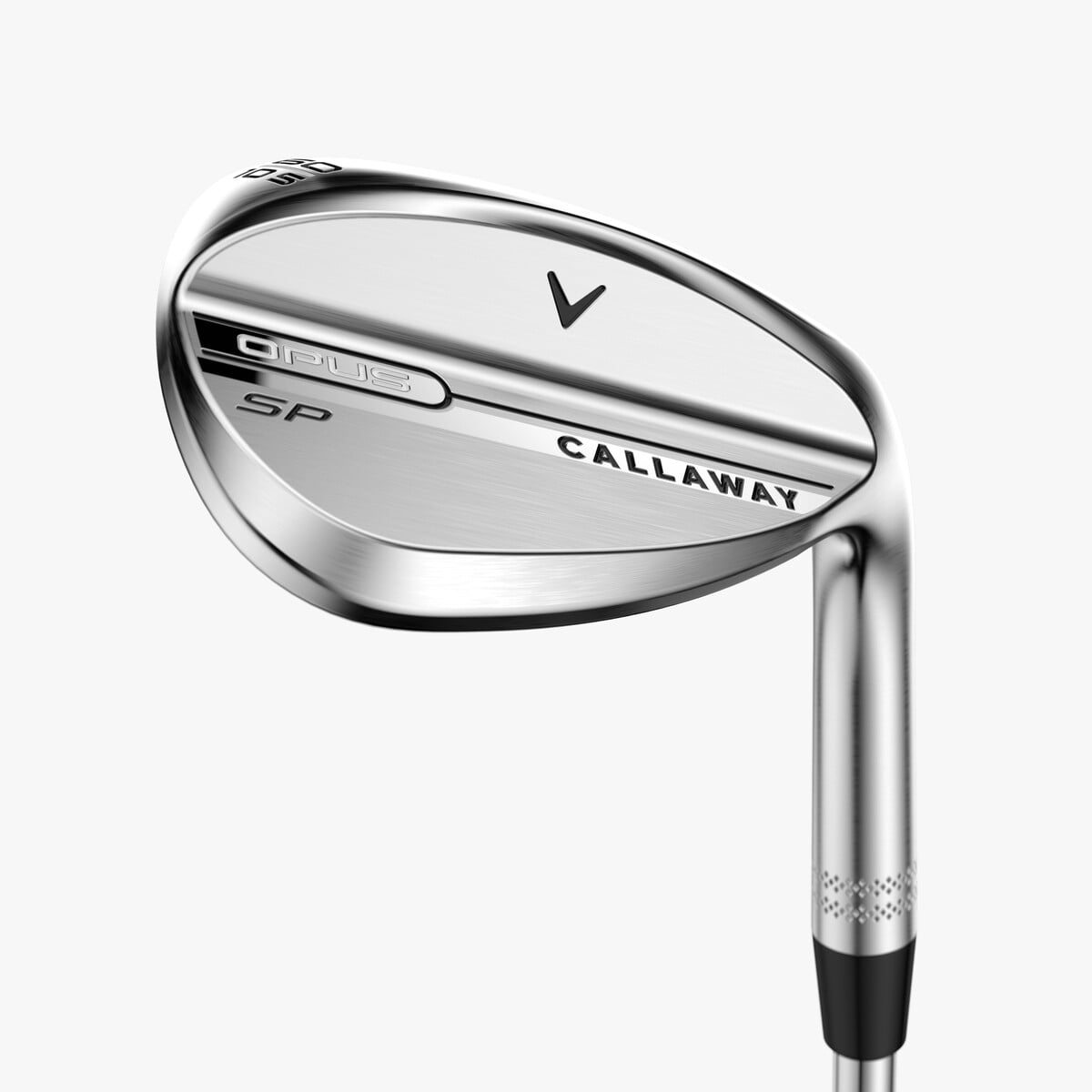
8.4/10Callaway Opus SP review: the wedge in four tour bags while everyone buys Vokey
Callaway's Spin Pocket wedge lands a lower, spinnier flight for about the same money as a Vokey. It is the one I would buy for firm turf and full shots, and the wrong call if your short game lives in soft sand.
Explained
Wedge bounce and grind, explained
The two numbers that decide whether your wedge digs, glides or skips — in plain English, with how to pick yours.
Review
8.8/10Takomo 101 MKII review: the irons quietly embarrassing the big brands
Half the price of a name-brand set, and good enough that you'll feel a bit silly for not trying them sooner. The direct-to-consumer irons reviewed.