
Players' distance irons won on feel, not distance: the hollow head stopped clicking
The category nobody would admit to owning is now the one the whole iron market bends toward. Not because the clubs got longer. Because they stopped sounding like a letterbox.
By Ben Marsden · Reviews Editor
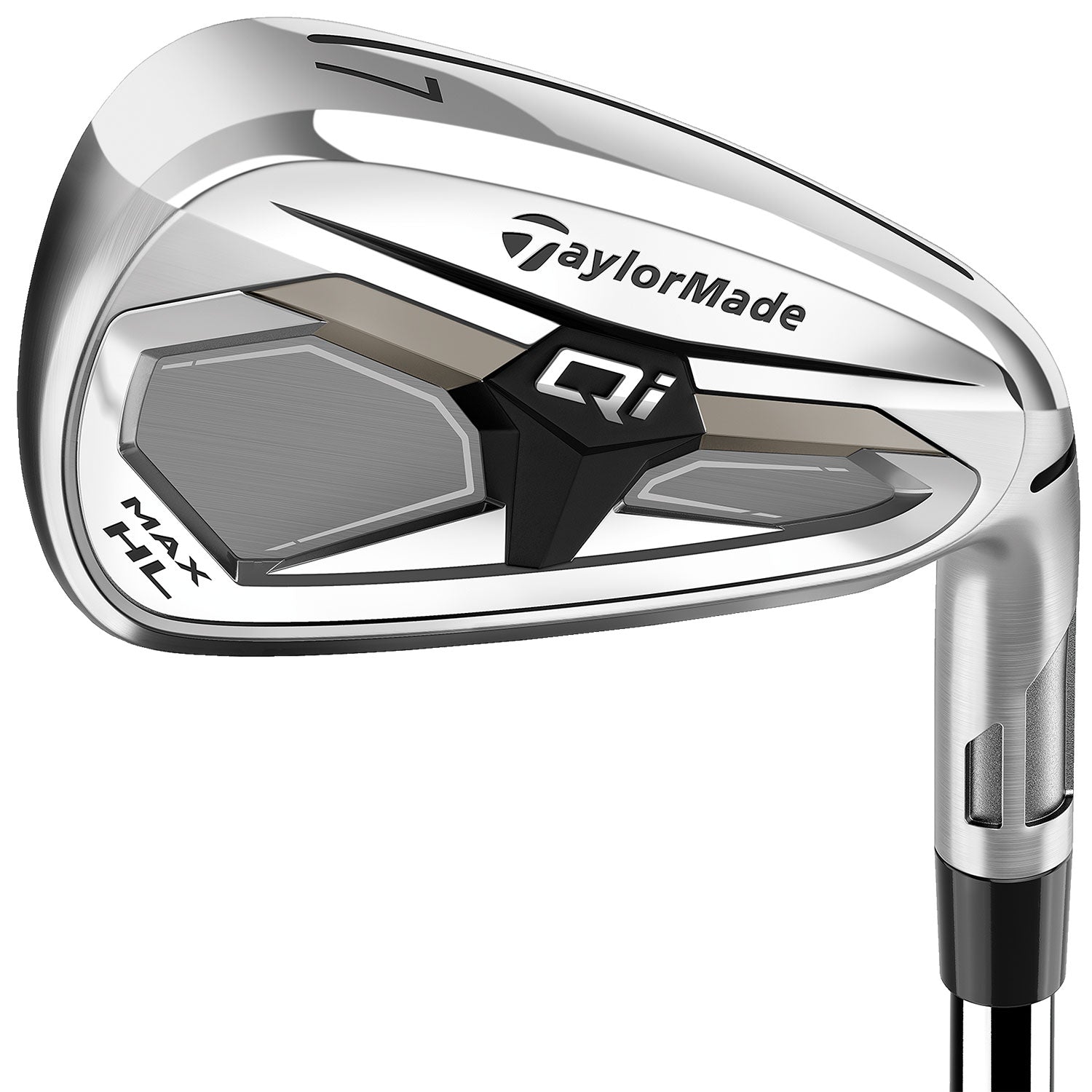
TaylorMade
TaylorMade Qi Max HL Irons
ifrothgolf earns a commission on purchases made through these links, at no extra cost to you. It never changes what I recommend. Full disclosure.
Stand behind the hitting bay at a decent fitting studio on a Saturday and count what actually goes out of the door. It is not blades. It has not been blades for years. It is a mid-sized head with a slightly thin sole line, a face that behaves like it is getting away with something, and a loft a couple of degrees stronger than the number stamped on the bottom. The players' distance iron. The compromise that nobody would admit to owning has become the category the entire iron market now bends toward.
The interesting part is why. It is not distance. Distance was never the objection. Every golfer who resisted these clubs knew perfectly well they went further, and resisted them anyway, because they felt like something. Not like an iron. Like a component.
What was actually wrong with the category
Three specific things, and it is worth naming them properly rather than waving at nostalgia. First, hollow bodies clicked. A thin face over an empty chamber rings, and the ring arrives at your hands a fraction after impact, so a good strike and a slightly heeled one reported back with roughly the same information. Second, the sound was wrong in a way that made the club feel cheap regardless of what it cost, a hard tick rather than a thud. Third, and most damaging, blended sets changed personality in the middle of the bag. A hollow-bodied 6-iron and a cast, solid 8-iron are two different clubs wearing the same badge, and the golfer found the seam exactly where it hurt, on a half wedge or a knocked-down 8 into wind.
None of that is a distance problem. It is a feedback problem. An iron that will not tell you where you struck it is a worse tool for improving than an iron that goes three yards shorter and tells you the truth. That was the honest case against the category and it held for a long time.
What changed
Manufacturers stopped treating feel as a by-product and started engineering it. Internal damping filled the chambers that used to ring. Forged faces went onto cast or stainless bodies so the thing you actually contact behaves like a forging. Tungsten stopped being a lump in the toe and became suspended, placed mass that moves the centre of gravity without making the head sound hollow. And set construction went progressive, so the transition between constructions happens gradually across several clubs rather than as a cliff at the 7-iron.
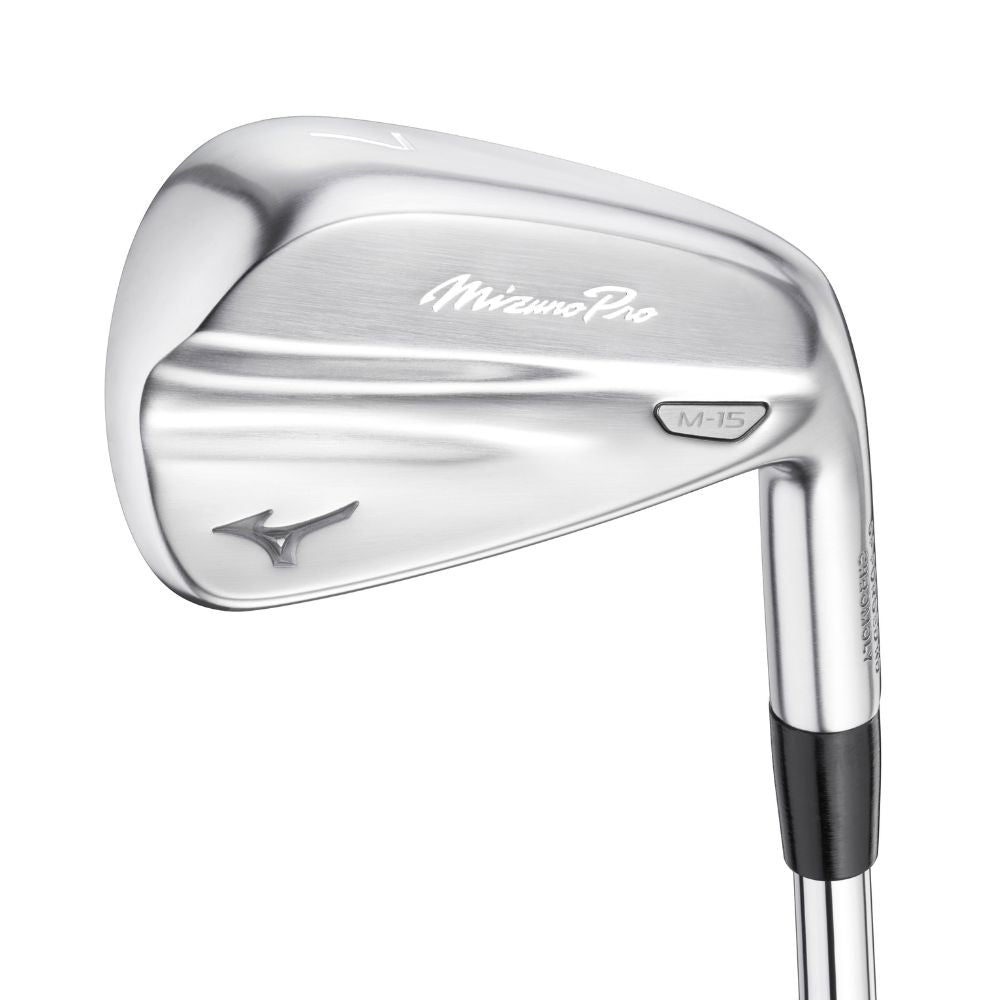
The Mizuno Pro M-15 is the tidiest single data point here, not because it is the only one but because of the language people use about it. It finished runner-up in MyGolfSpy's 2026 Most Wanted players' distance test and made Golf Digest's Hot List, which tells you it performs. More telling is that reviewers keep reaching for the vocabulary they normally reserve for a Mizuno blade. When the category's critics start describing a hollow-body iron the way they describe a muscleback, the last objection has gone.
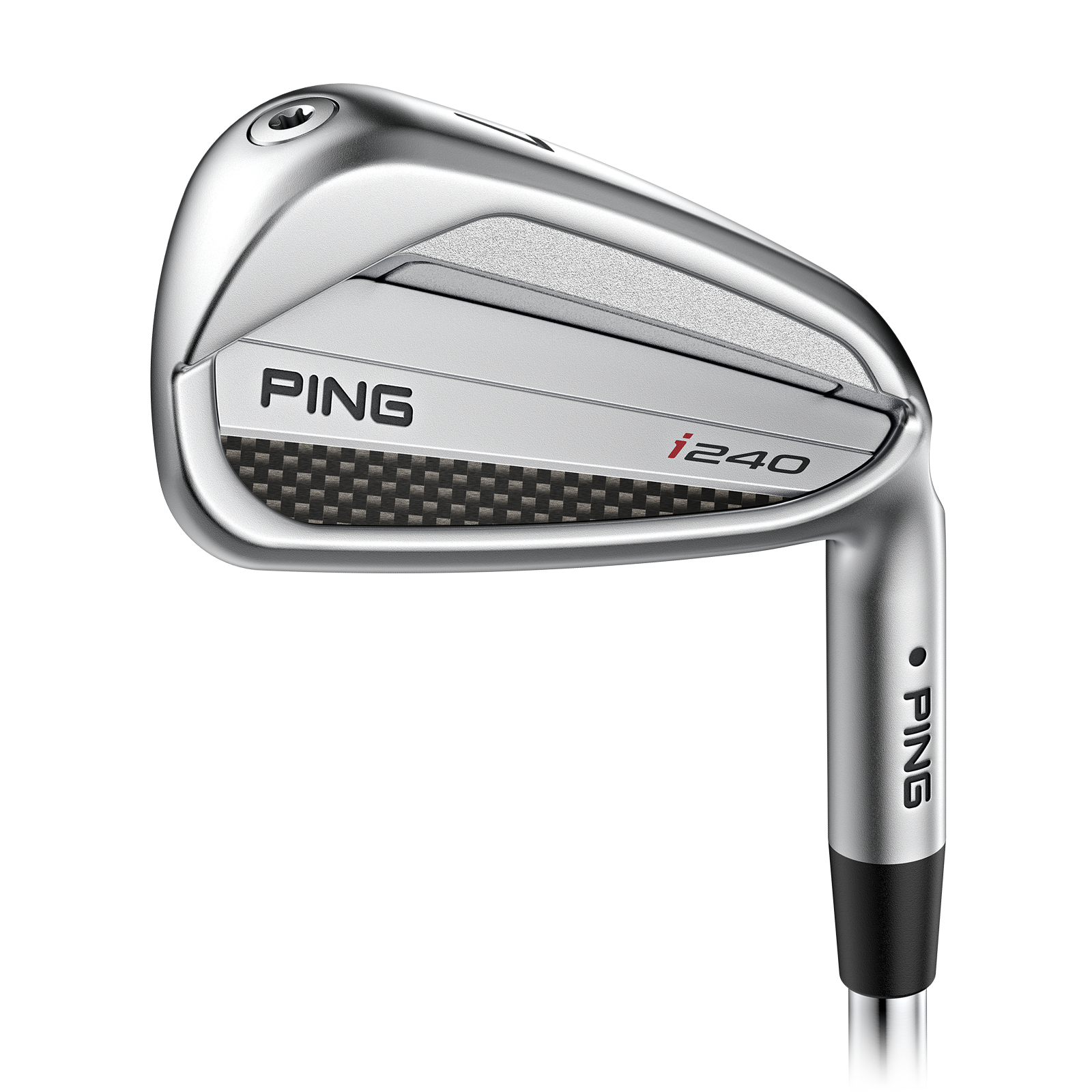
It is not one club, though, and that is the point. PING's i240 holds the honest middle, a cast players' cavity with fewer, wider grooves for spin out of the rough and a lighter multi-material badge, offered in Standard, Power Spec and Retro Spec lofts so you can buy the performance without buying the loft war. It is one of the most consistent irons anybody makes for its head size.
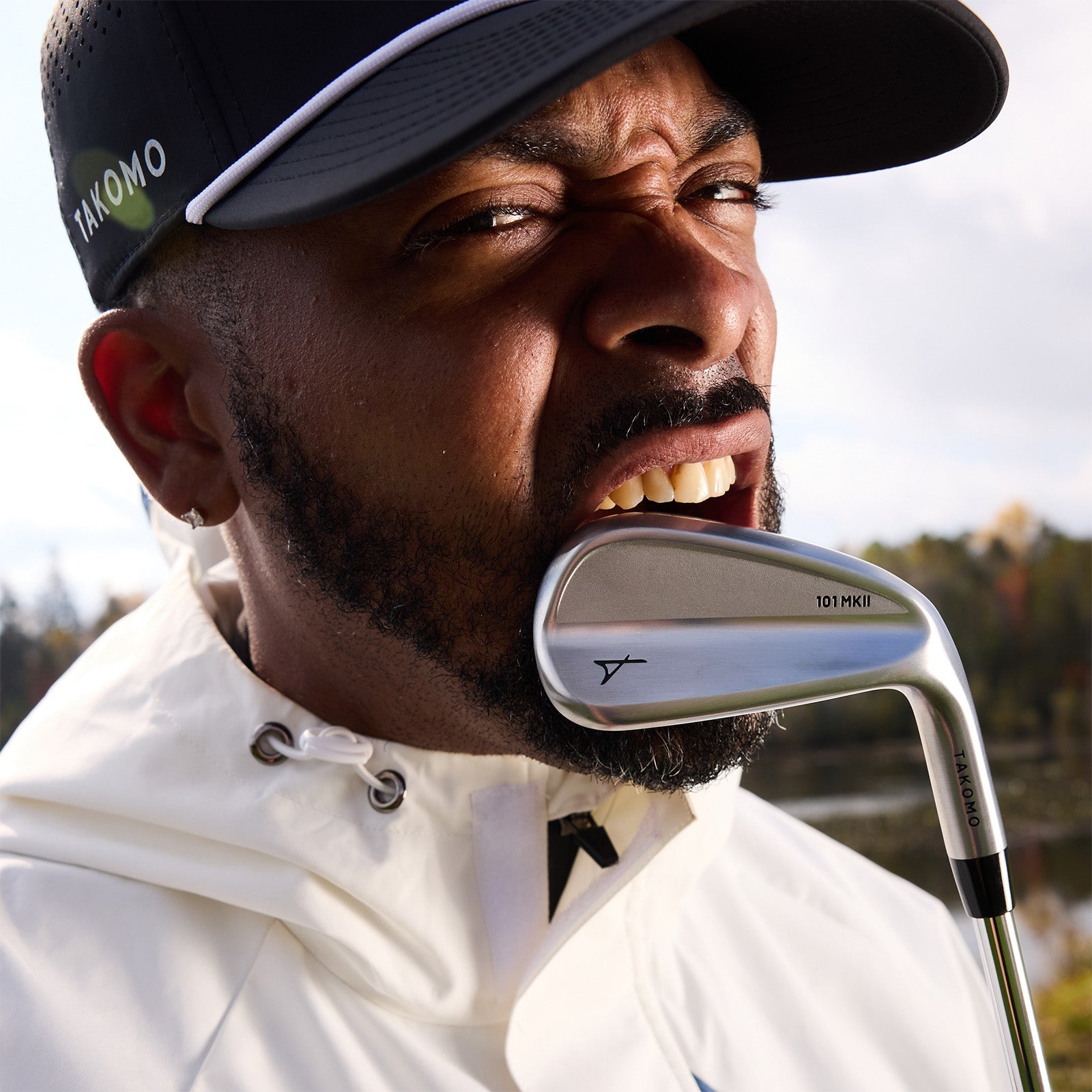
And the technology has already trickled all the way down. The Takomo 101 MKII is a game-improvement iron with a variable-thickness face and a genuinely premium finish at around $650 direct, and it won MyGolfSpy's 2026 Best Game-Improvement Iron. Ten years ago the words 'value' and 'feels good' did not appear in the same iron review. They do now, which is how you know a category-wide change happened rather than one clever release.
The cost of insisting on an iron you cannot strike
Here is the part that annoys people. The Titleist T100 is a superb golf club. It is in the bags of Jordan Spieth and Justin Thomas, it is dual forged, it is the modern standard for a compact players' iron, and if I could strike it properly I would want to own it. Wanting is not the same as being served by it.
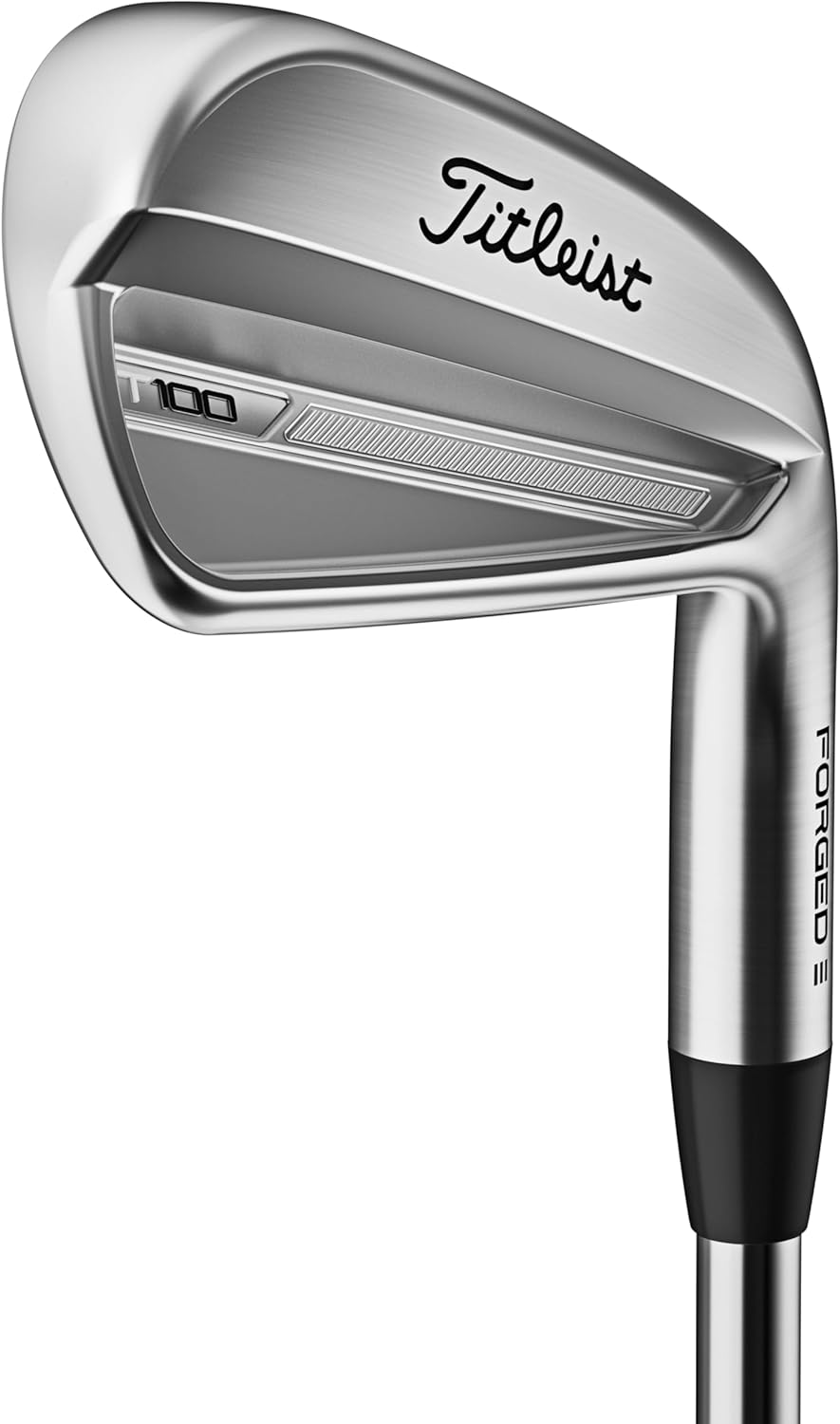
What a tour iron costs the wrong owner is not sideways yards, which is the myth. It is height and stopping power on the long end of the set. Your 5-iron and 6-iron come out lower, land flatter, and release through the back of greens you thought you had held, and you file that under bad luck rather than equipment. That is a scoring cost that never announces itself. We have made this argument at length in blades vs cavity-back irons and rather less politely in you're not good enough for blades, and the players' distance iron is now the answer that ends it, because the old escape route from a tour iron used to be a club that felt like a tin.
The far end of the same thinking is a club like the TaylorMade Qi Max HL, where the whole design brief is high launch, weaker lofts and ultralight components so a slower swing can get the ball up and hold a green. It is a different customer, but it is the same insight, which is that the ball has to land steeply before anything else you do matters.
Who should not move
Two groups, and both are real. The first is the genuinely good ball-striker who shapes shots deliberately and who needs turf interaction more than height. If you work the ball both ways on purpose, if you can hit a low one when the wind demands it, and if your sole grind matters to you, a players' distance iron takes away control you actually use. Extra ball speed you did not ask for is not a gift when your gaps are already tuned.
The second group is anyone whose gapping is already a mess. Strong lofts make that worse, not better, and the failure mode is specific: a 7-iron that suddenly flies as far as your old 6, a pitching wedge stranded 20 yards from your gap wedge, and a scoring zone full of half swings you never practise. If you cannot currently say what your pitching wedge loft is, fix the top of the wedge set before you touch the irons. Our blades explainer covers the related trap of buying a set for the top of the bag and living with it at the bottom.
What I would do with the money
I would buy in the category and I would spend a chunk of the budget on the fitting rather than the badge, because the one thing that has not changed is that a well-fitted set of the second-best iron beats a badly-fitted set of the best one every single time. The players' distance iron is no longer the compromise you make. It is the default, and the tour iron is now the specialist purchase it probably always should have been.
Products mentioned in this article
TaylorMade
TaylorMade Qi Max HL Irons
The far end of the same idea: weaker lofts and ultralight build for golfers who cannot get the ball up.
Titleist
Titleist T100 Irons
The tour benchmark the whole category is measured against, and still the right club for a small group.
PING
PING i240 Irons
The honest middle: a compact cavity that keeps workability without asking for a tour strike.
Takomo
Takomo 101 MKII Irons
Proof the technology trickled down, direct-to-consumer, at roughly half the price of the majors.
ifrothgolf earns a commission on purchases made through these links, at no extra cost to you. It never changes what I recommend. Full disclosure.
Frequently asked
- What is a players' distance iron?
- A players' distance iron is a compact-looking iron built with distance technology inside it, usually a thin or forged face, a hollow or partly hollow body and internal tungsten weighting. It looks close to a players' iron at address but launches higher and forgives a miss far better.
- Do players' distance irons still feel harsh?
- Far less than they used to. Internal damping, forged face inserts and suspended tungsten have removed most of the hollow click that defined the early clubs, and the better modern sets are now described in the same terms reviewers use about forged players' irons.
- Should a good ball-striker switch to players' distance irons?
- Not necessarily. If you shape shots deliberately, rely on a specific sole grind and control your trajectory on purpose, a tour iron still gives you more control. The switch makes most sense for golfers who struggle to launch their long irons high enough to hold greens.
- Do strong lofts cause gapping problems?
- They can. Stronger lofts push each iron further, which compresses the gaps at the bottom of the bag and often leaves a large hole between the pitching wedge and the next wedge. Anyone changing sets should map wedge lofts at the same time rather than afterwards.
Read next
Review
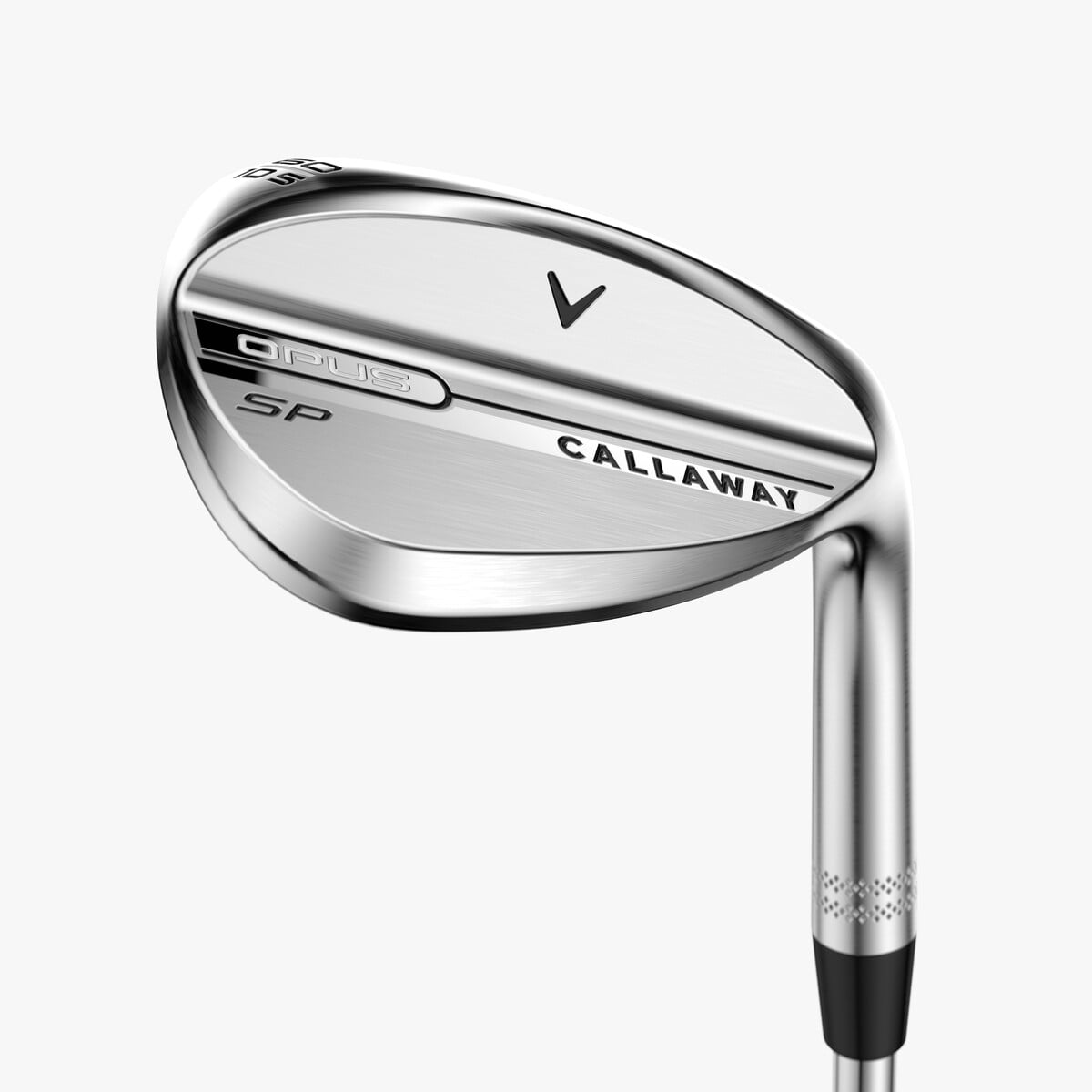
8.4/10Callaway Opus SP review: the wedge in four tour bags while everyone buys Vokey
Callaway's Spin Pocket wedge lands a lower, spinnier flight for about the same money as a Vokey. It is the one I would buy for firm turf and full shots, and the wrong call if your short game lives in soft sand.

Explained
Wedge bounce and grind, explained
The two numbers that decide whether your wedge digs, glides or skips — in plain English, with how to pick yours.
Review
8.8/10Takomo 101 MKII review: the irons quietly embarrassing the big brands
Half the price of a name-brand set, and good enough that you'll feel a bit silly for not trying them sooner. The direct-to-consumer irons reviewed.