
Should You Play Blades? The Honest Answer, and Why the Usual One Is Wrong
Almost certainly not — but not because you are not a good enough ball striker. The real cost of a blade is where your misses finish, and it is not sideways.
By Ross Hamilton · Staff Writer
TaylorMade
TaylorMade P7MB
Almost certainly not. And the reason has nothing to do with whether you are good enough. Put a blade and a modern cavity-back side by side and a properly struck 7-iron goes to more or less the same place; the gap on a flushed shot is small enough to vanish inside normal shot-to-shot variation. What a blade takes away is distance retention when you miss the middle. Because thin and low strikes bleed ball speed rather than direction, that penalty arrives as a shot which comes up short. Front bunker. Short-sided. Fifteen feet of green you never reached. That is a scoring tax, not a style one.
So the received wisdom is half right and mostly useless. 'Blades are less forgiving, so you need to be a good ball striker' tells nobody anything actionable about their own game, because no golfer has an honest read on where they are good. The question that actually decides it is narrower: how much of your scoring leans on long irons, and how tight is your strike pattern rather than your best swing? A single-figure player who catches it out of a coin-sized area will barely register the difference. A single-figure player whose contact wanders from low-toe to high-heel will lose two or three greens a round and never work out why.
The miss is short, not wild
This is the part the forgiveness conversation keeps fumbling. Perimeter weighting and a broader sole do not stop you hitting a bad shot. They protect ball speed and launch when you do, which is why a cavity-back mishit still scrambles onto the front edge and a blade mishit pitches into the bank in front of it. Blade players end up living with a distance band rather than a number: their 7-iron is a range of yardages depending on how cleanly they caught it. If your gapping is already loose, adding another variable to it is a poor trade. Worth checking your real carry gaps before you spend anything, because almost everyone is quoting a best-ever number rather than an average.
The second half of the tax lives at the top of the set. A bladed 4-iron asks for speed, a shallow angle of attack and centre contact all at once, and it punishes the absence of any of them with a low, spinny shot that lands like a dart with no engine. That is precisely why tour bags almost never contain a full run of musclebacks any more. Look at how the manufacturers themselves build these sets and the answer is sitting there in plain sight.
The real thing: two proper musclebacks
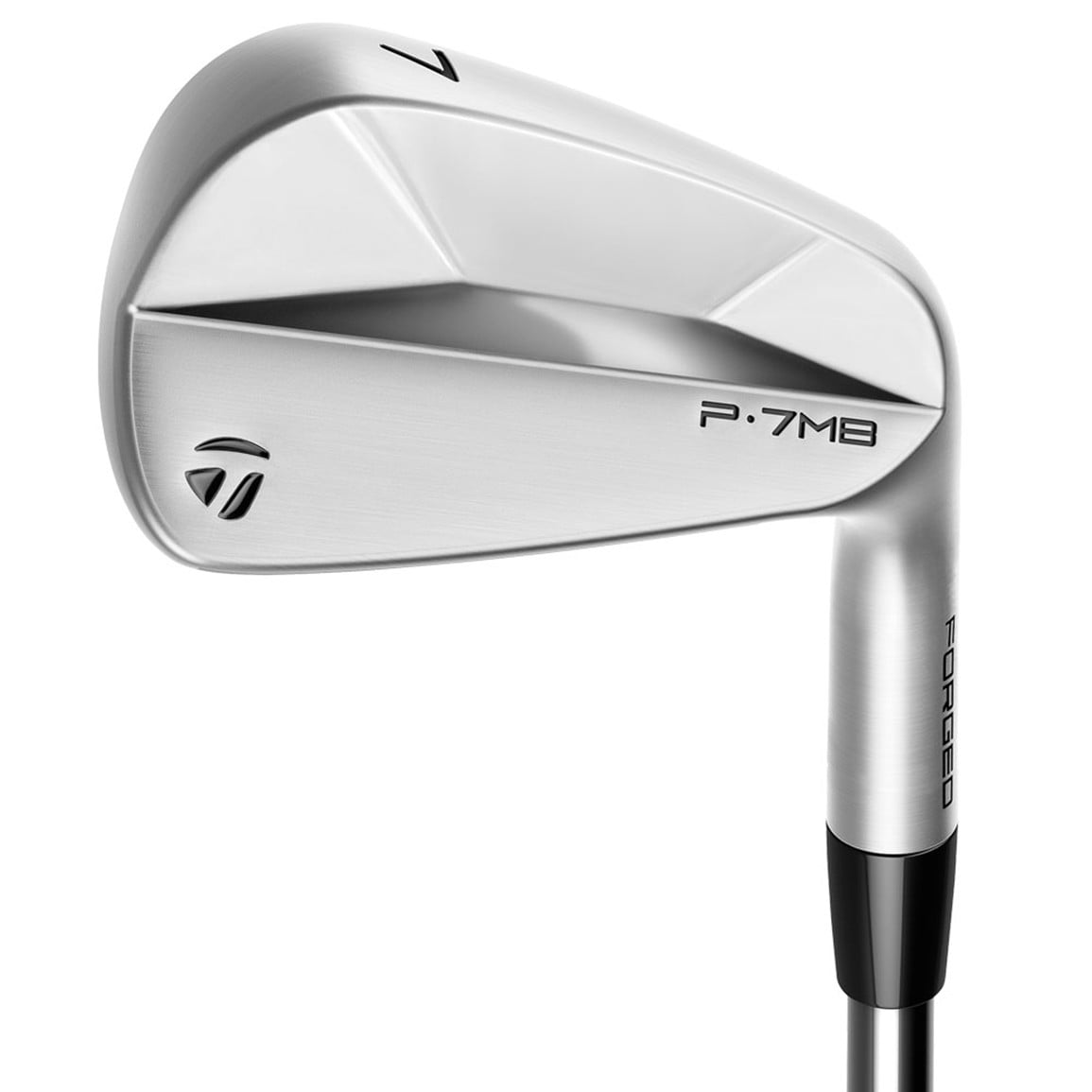
The TaylorMade P7MB is the reference point for the category. It is milled grain-flow forged from soft carbon steel with a classic muscle-back profile, a thin topline and minimal offset, and feel plus feedback is the whole proposition. What is telling is the way TaylorMade sells it on tour: the blades run through the scoring end of the set and the hollow-body P770 covers the long iron. The manufacturer does not expect even elite players to want a bladed 4-iron. Neither should you.
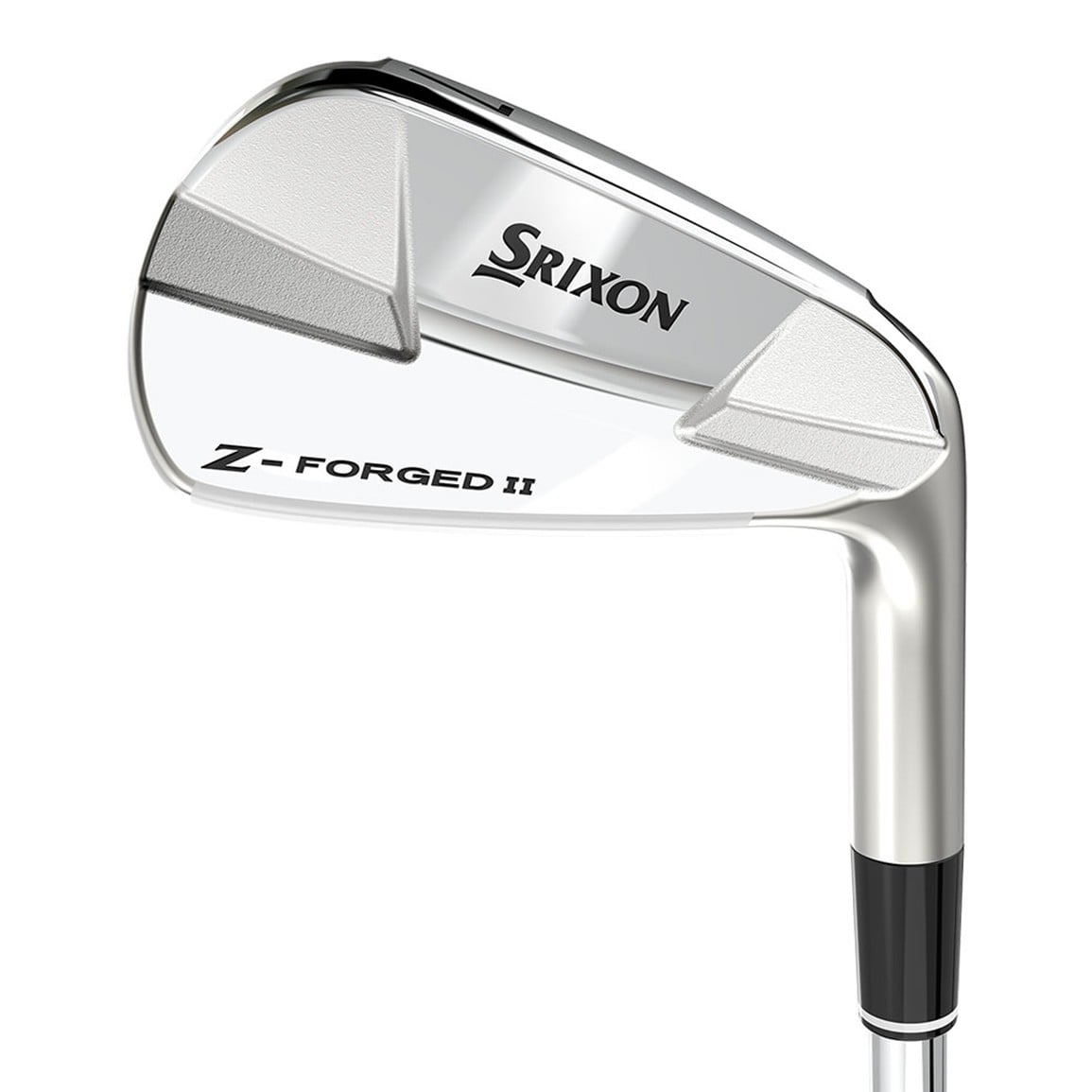
The Srixon Z-Forged II is the other honest muscleback here, forged from soft 1020 carbon steel with Tour Cut grooves and a laser-milled face, and it is the club blade romantics actually mean when they talk about buttery feel. Srixon's own positioning is refreshingly blunt about the entry requirement: this is a specialist iron for consistent centre-face contact. Take them at their word rather than treating it as a challenge.
The middle ground quietly ate the blade's lunch
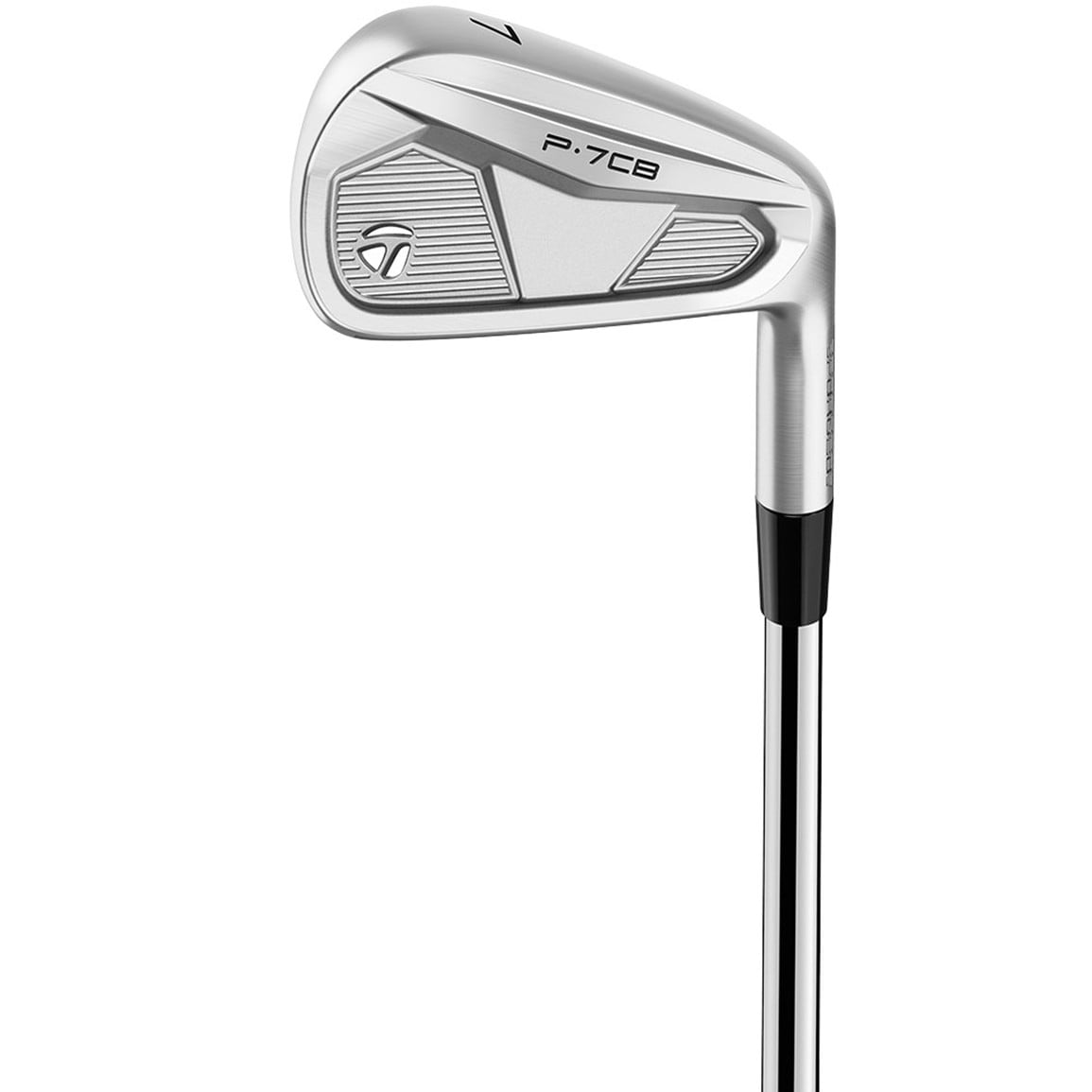
The genuinely interesting development of the last few generations is not blade technology, because there barely is any. It is that one-piece forged compact cavities have got so good at delivering the look, the turf feel and most of the workability while charging far less for a mishit. The TaylorMade P7CB is the clean example: forged in a single piece from 1025 carbon steel, so the feel argument survives intact, with a compact head, thin topline and minimal offset, and a cavity that buys a modest amount of stability over a muscleback. It also blends with the P7 blades, which matters in a moment.
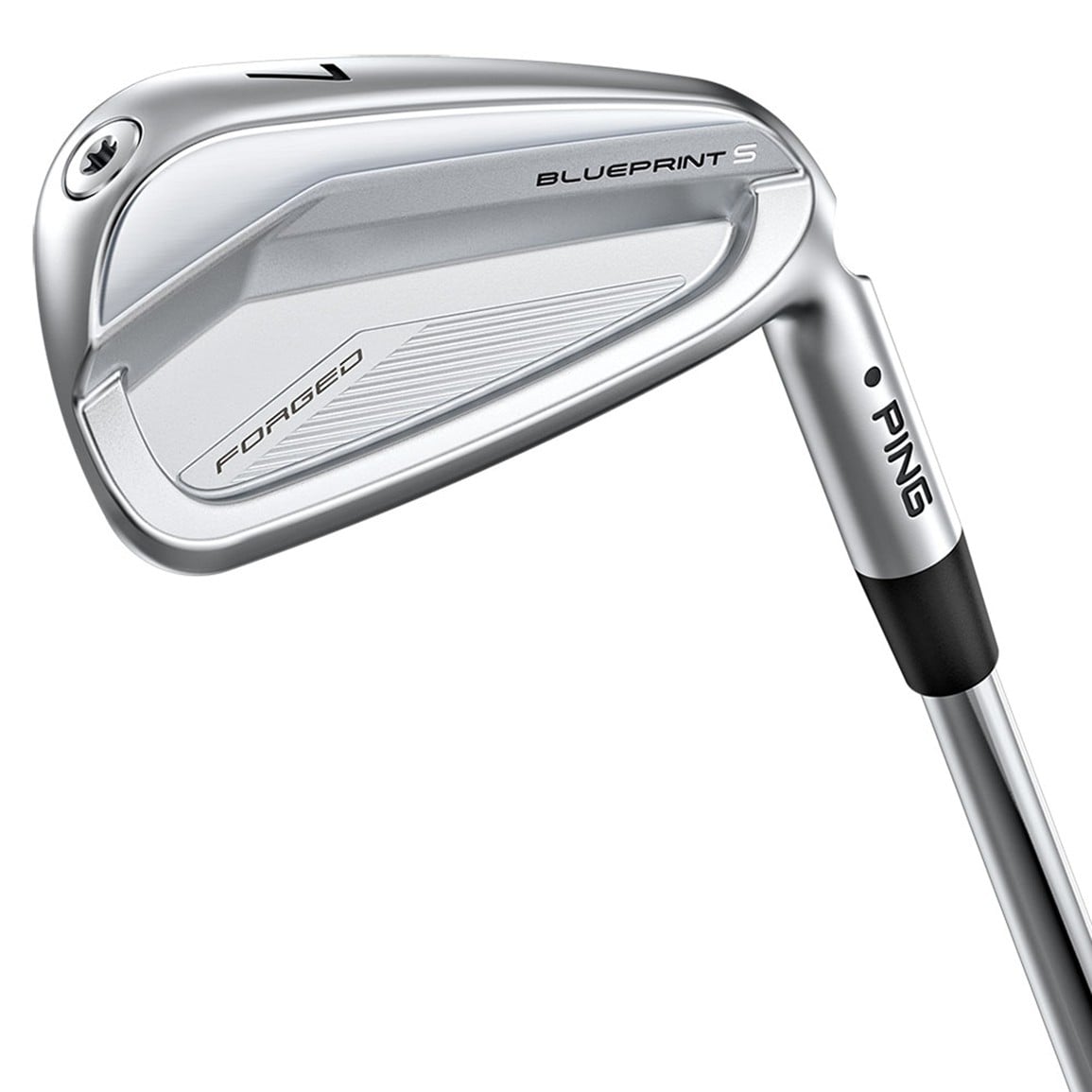
The PING Blueprint S pushes the idea hardest. It keeps the compact shaping of PING's Blueprint blade but uses high-density tungsten in the toe and the shaft tip to raise stability and move the centre of gravity where PING wants it through the set, landing somewhere between a pure blade and a players-distance iron. If you want the address picture of a blade and are honest that your strike is not tour-tight, this is the closest thing on this page to a free lunch.
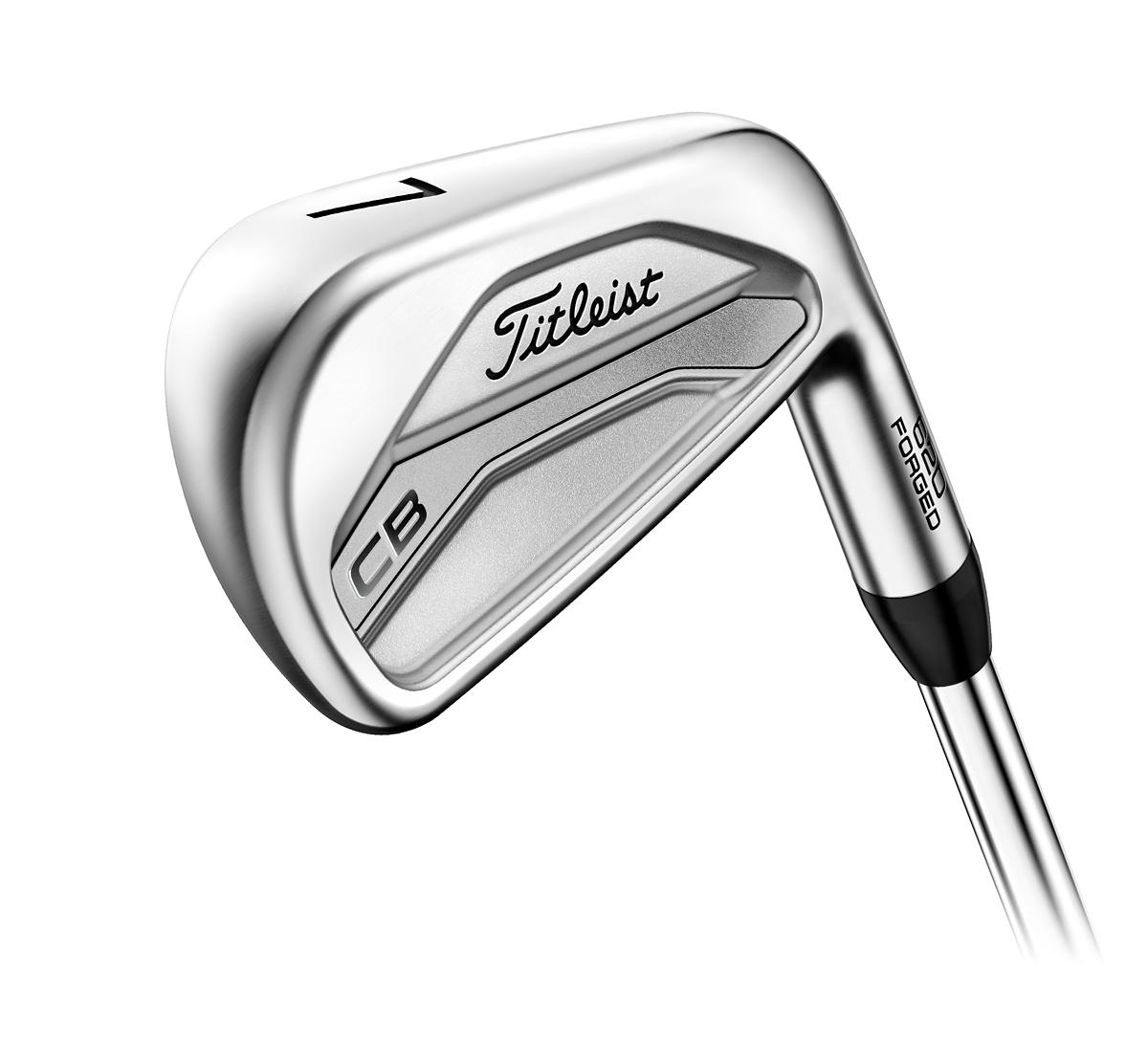
The Titleist 620 CB is the traditionalist's version of the same compromise: forged 1025 carbon steel, compact head, minimal offset, with tungsten in the long irons for a slightly higher and more stable flight. Note that Titleist designed it to be blended with the 620 MB blade rather than to replace it. That is not an accident, and it points at the actual answer for most people asking this question.
Buy blades from the 8-iron down, and stop there
Here is the position we would defend. The feel argument for a blade is real, but it is real in the clubs where you are trying to control a number and a flight, and it is close to worthless where you are trying to get a long shot airborne and keep it online. Combo sets have become the default on tour for exactly that reason: control shapes in the short irons, more speed and easier launch in the long ones. So if you want blades because you want to feel the ball, buy them in the 8-iron through pitching wedge, put a compact cavity or a players-distance iron in the 4 through 7, and you have kept everything worth having and paid for almost none of it. Most of the good sets are engineered to be mixed this way, and any decent fitter will build it without blinking.
Who should genuinely consider them, and who should walk away
Consider a full blade set if you are a low single-figure or better player, your miss is a shape rather than a strike location, your greens are receptive enough that a slightly short approach is not automatically a bogey, and you actively use feedback to self-diagnose during a round. That is a small group, and it does not overlap perfectly with 'good golfer' either; plenty of scratch players are consistent scorers with inconsistent contact.
Walk away if your handicap is the reason you want them, if your long irons are load-bearing in your scoring, if you play firm links turf or wet parkland where strike quality swings wildly week to week, or if you have ever bought a club to look like a better player. That last one is the real market for musclebacks and everybody in the industry knows it. The rest of our thinking on where irons and wedges actually earn their money sits in our irons and wedges guide.
One last honesty note. Nobody can promise you a strike pattern from a spec sheet. If you are seriously weighing this up, hit the blade and the compact cavity back to back on a monitor and look at the dispersion of the bad ones, not the flight of the good ones. The good ones will both look lovely. That is the trap.
Products mentioned in this article
TaylorMade
TaylorMade P7MB
The reference muscleback — grain-flow forged, and even TaylorMade combos it with a hollow long iron.
Srixon
Srixon Z-Forged II Irons
The honest blade: soft 1020 carbon steel, and a specialist club for centre-face strikers.
TaylorMade
TaylorMade P7CB
One-piece forged cavity — keeps the feel argument intact with a little more margin.
Ping
Ping Blueprint S
Blade shaping, tungsten-tuned stability — the closest thing to a free lunch here.
Frequently asked
- Do blades actually go shorter than cavity-back irons?
- Not on a centre strike, where the difference is small enough to disappear inside normal shot-to-shot variation. The gap opens up on mishits, because a cavity-back protects ball speed and launch when you catch it thin or low and a muscleback does not. That is why blade misses tend to finish short of the green rather than wide of it.
- What handicap do you need to play blades?
- Handicap is the wrong test. What matters is how tightly grouped your strike location is and how much of your scoring depends on long irons. Plenty of low handicappers score well with inconsistent contact, and they are better served by a compact cavity than by a full blade set.
- Are combo sets worth it, or are they just a tour affectation?
- They are the sensible default. Blades in the scoring irons give you the feel and control that argument is really about, while a compact cavity or players-distance iron in the long irons keeps launch and stability where you need them. Most modern players irons are designed to blend, and a fitter can build the split for you.
- Do blades let you shape shots that cavity-backs cannot?
- Slightly, and mostly through shaping and offset rather than magic. A compact head with minimal offset makes it easier to see and hit a controlled draw or fade, but a good compact cavity gives up very little here. If workability is your only reason for wanting blades, a players cavity gets you most of the way.
Read next
Review
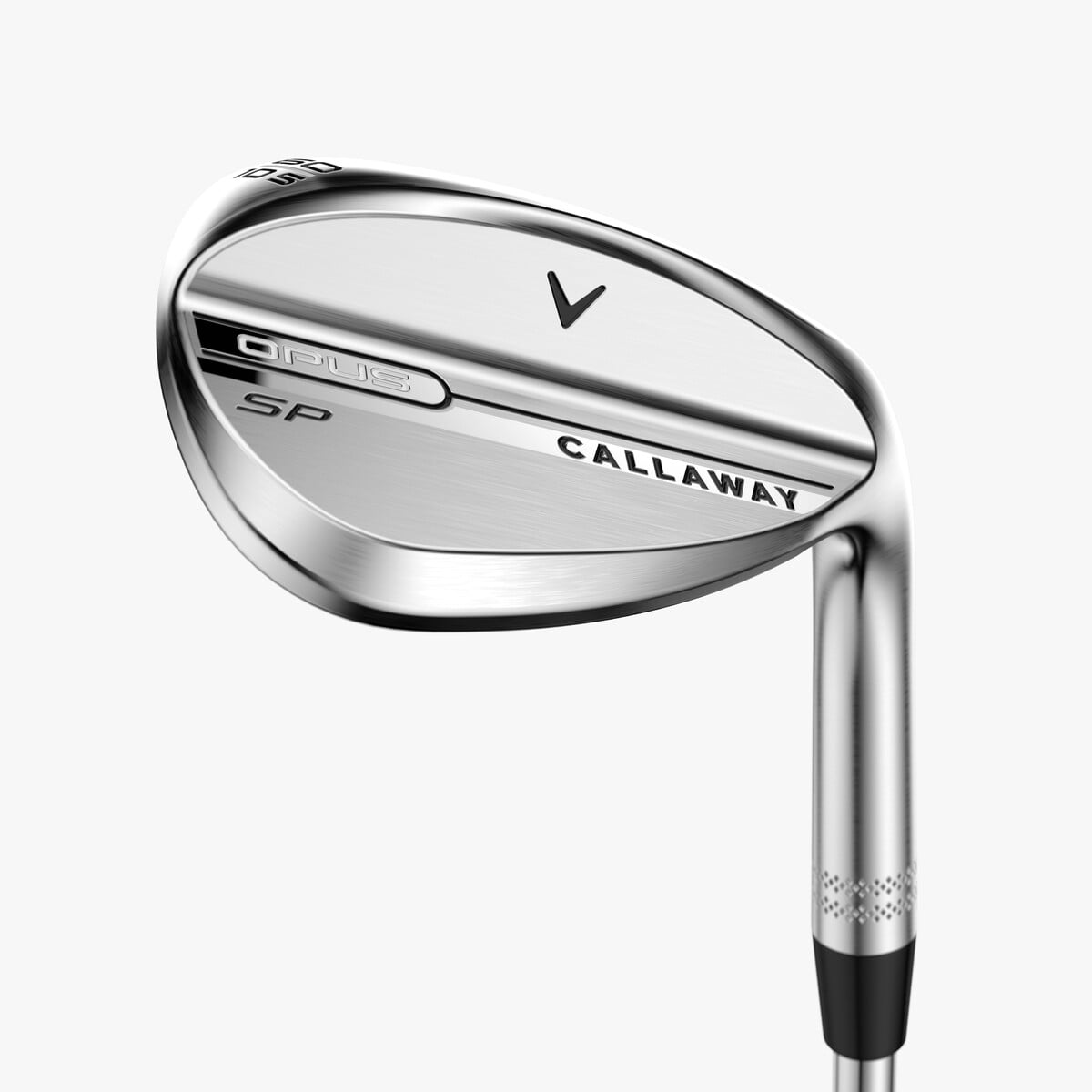
8.4/10Callaway Opus SP review: the wedge in four tour bags while everyone buys Vokey
Callaway's Spin Pocket wedge lands a lower, spinnier flight for about the same money as a Vokey. It is the one I would buy for firm turf and full shots, and the wrong call if your short game lives in soft sand.
Explained
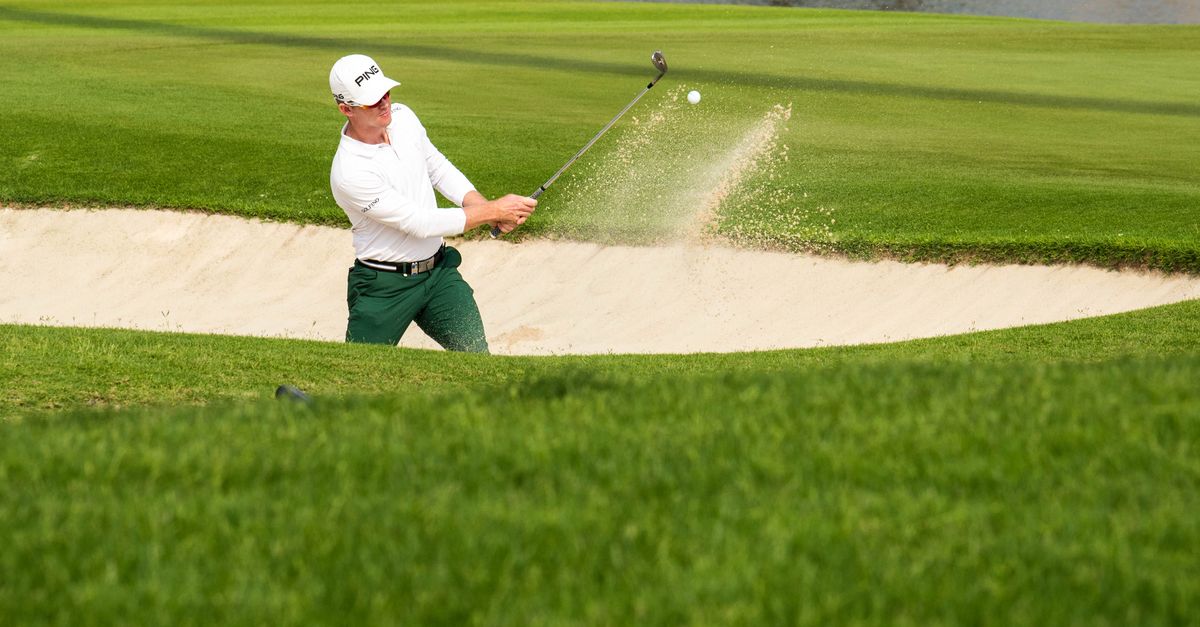
Wedge bounce and grind, explained
The two numbers that decide whether your wedge digs, glides or skips — in plain English, with how to pick yours.
Review
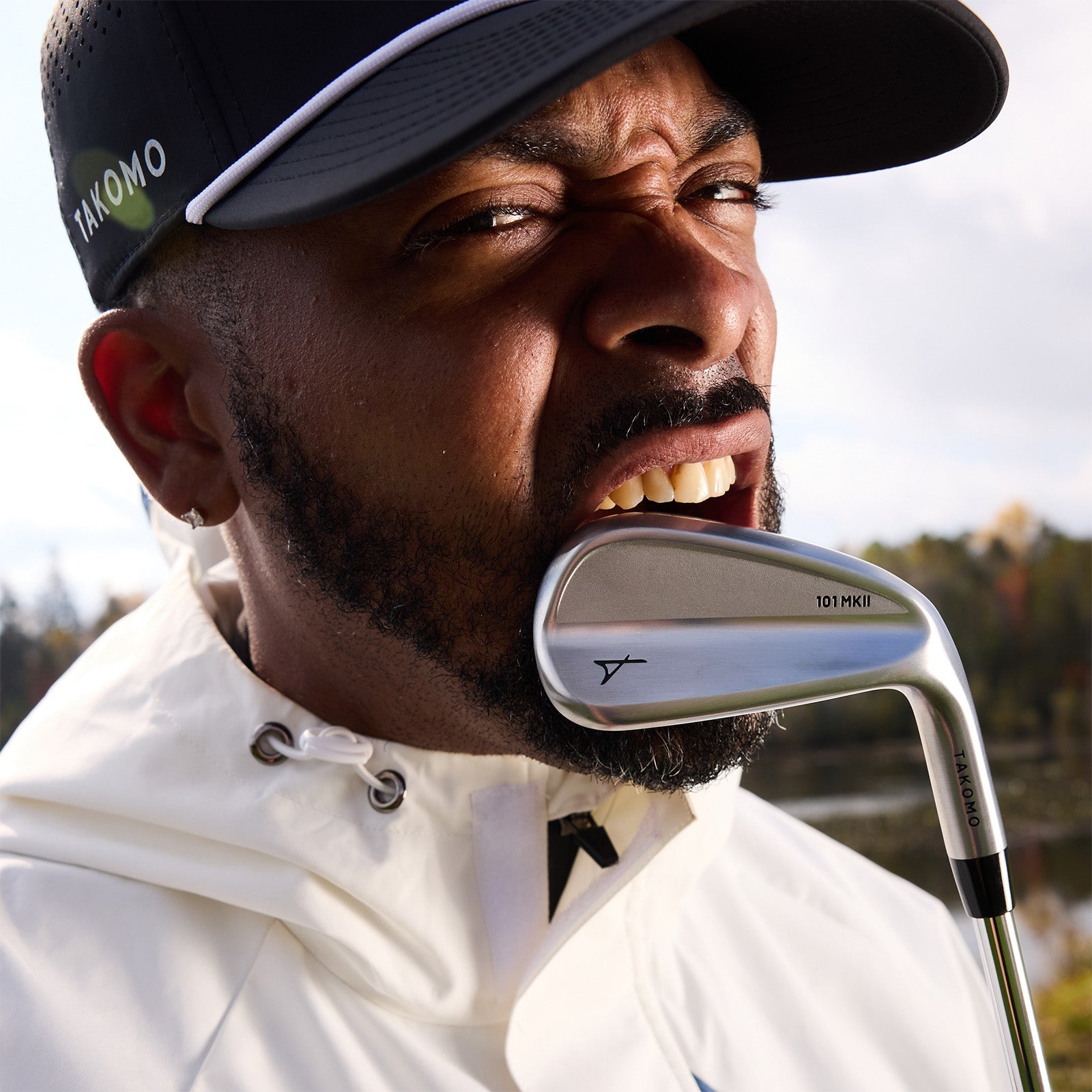
8.8/10Takomo 101 MKII review: the irons quietly embarrassing the big brands
Half the price of a name-brand set, and good enough that you'll feel a bit silly for not trying them sooner. The direct-to-consumer irons reviewed.