
Mizuno Pro M-15 vs Takomo 101 MKII: the expensive set's gain is in the mid irons, the cheap one's is in the long
These two sets have never been judged against each other, because MyGolfSpy did not put them in the same category. That line, not the gap between the prices, is the decision in front of you.
By Jordan Hale · Equipment Writer
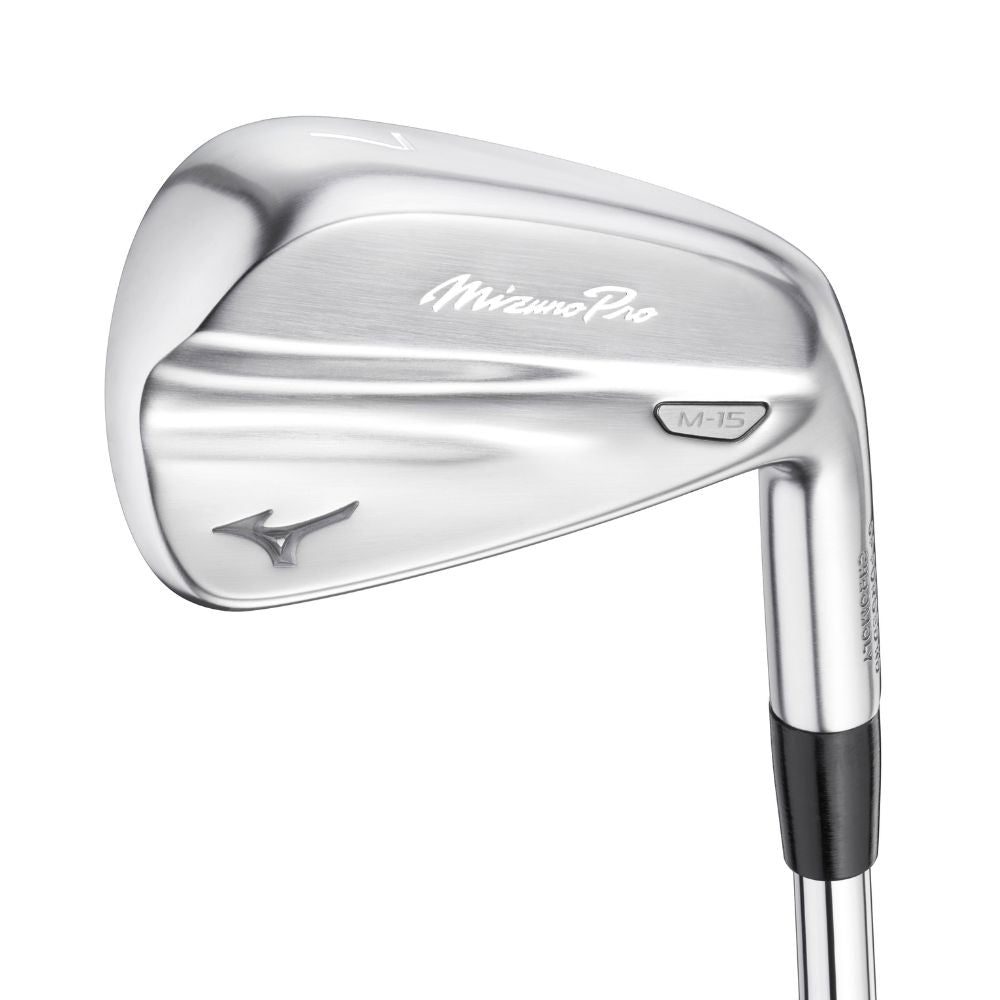
Mizuno
Mizuno Pro M-15 Irons
The players' distance set, sold per club, whose measured gain lands in the middle of the bag.
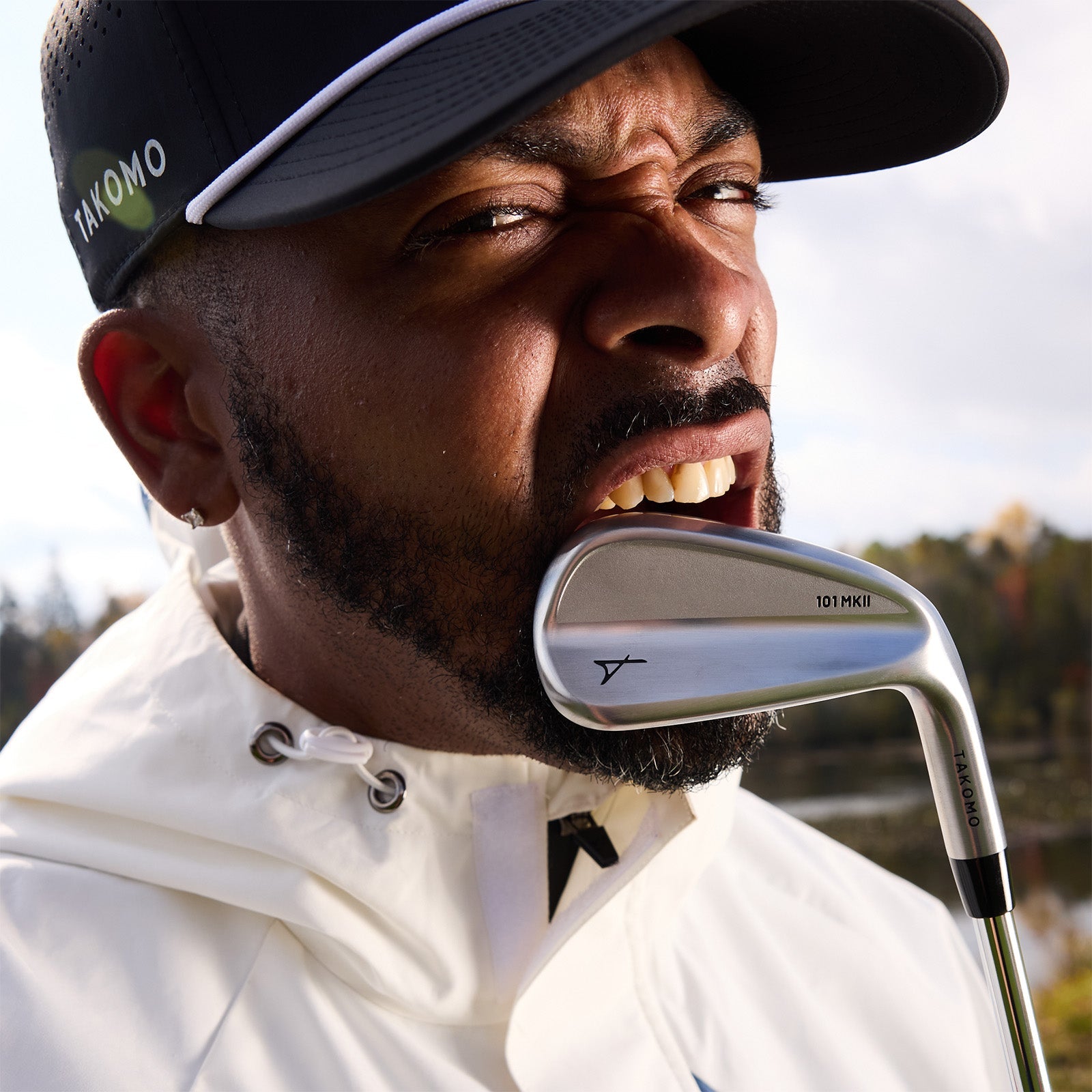
Takomo
Takomo 101 MKII Irons
The direct-to-consumer game-improvement set whose speed technology is aimed at the clubs above the 7-iron.
ifrothgolf earns a commission on purchases made through these links, at no extra cost to you. It never changes what I recommend. Full disclosure.
Part of our guide toBest Irons & Wedges 2026Short answer. Buy the Mizuno Pro M-15 if the clubs letting you down are in the middle of the bag — a 7-iron that comes off low and runs through the back of greens — and you want that fixed inside a compact head. Buy the Takomo 101 MKII if the club you cannot hit is the 5-iron. The money is the least interesting thing about this pairing, and it is the only thing anybody talks about.
They were never in the same test
Start with the fact that stops this being a value comparison. In MyGolfSpy's 2026 testing the M-15 finished runner-up in Most Wanted players' distance; the 101 MKII won Best Game-Improvement Iron. Different categories, different fields, different questions. The M-15 also made Golf Digest's 2026 Hot List. Neither result tells you anything about the other set, because the two were never on the same list.
That matters because the price gap invites a story that is not true — premium against budget, real thing against copy. They are two different clubs for two different faults, and the cheaper one is not a compromised version of the dearer one.
What the Mizuno is
Through the 4 to 8 irons the M-15 is a hollow body: a Grain Flow Forged 4135 Chromoly face on a stainless back piece, with tungsten suspended inside the head — 51g in the long irons, a shade over 50g in the mid irons — behind a multi-thickness face Mizuno calls the Contoured Ellipse. It is the more forgiving half of the Modern Series, sitting alongside the tour-shaped M-13 rather than replacing it.
The useful part of that description is the word progressive. The set does not turn into a different club at the 7-iron the way some players' distance irons do, and it holds its line on a toe strike far better than the shape suggests it should. It is sold per club, which is a pricing decision with consequences we will come back to.
What the Takomo is
The 101 MKII is a game-improvement iron sold direct from the brand at around $650 for a seven-piece set running 5-iron to gap wedge. The engineering headline is a variable-thickness face in the long irons, there to produce ball speed and an easy high flight in the clubs most golfers lose height with. The MKII part is mostly cosmetic — a two-tone finish that makes it look like a club costing several times more.
Two catches, both well documented and neither a secret. It is online-only, so there is no bay, no fitter and no hitting it before you buy. And the lofts are strong, so the gap wedge that comes in the box is not a bonus, it is the first club in a wedge plan you now have to think about.
The speed is at opposite ends of the set
Here is the thing nobody says out loud about these two, and it is the reason this comparison is worth having at all.
Testers who have put the M-15 on a launch monitor keep reporting the same pattern: the carry gain shows up in the mid irons more than the long ones. It is not the biggest long-iron jump in its category and Mizuno has never claimed it was. The Takomo is the mirror image — its variable-thickness face is specifically a long-iron feature, because the brand knows exactly which club its buyer cannot hit.
So if your problem is a 5-iron that comes up short and inconsistent, the expensive set is engineered somewhere else and the cheap one is aimed straight at you. If your problem is a mid iron that will not hold a green, the reverse is true, and the Takomo's strong lofts will make that slightly worse before they make it better. That is an odd shape for a decision to take, and it is completely invisible if you shop on price.
What seven clubs means in each case
Both sets can be described as seven clubs and the descriptions mean different things. The Takomo seven-piece is a fixed run from the 5-iron to the gap wedge. The M-15 is sold per club through a custom builder, so a seven-club set is a decision about where it starts and where it stops — roughly $1,500 at the time of writing, and easy to spend more.
Per club, that is more than twice the money whichever currency you are reading this in. Worth saying plainly, and then worth setting aside, because a set of irons you cannot hit is not cheap at any figure.
The join is where the arithmetic gets real. Takomo hands you a gap wedge with the set and strong lofts above it, so your specialist wedges start lower than you expect. The M-15 lets you choose the top of the set, which is a genuine advantage if you already know your long irons are going to be woods. Neither of those is a spec-sheet line, and both of them change what you end up carrying.
Feel, where the verdicts split
One caveat on the Mizuno that buyers of this brand in particular should know. The published verdicts on M-15 feel do not agree: Golf Digest's panel described a soft, satisfying strike, Plugged In Golf found it loud and hard away from centre, and Golfmagic preferred the M-13. A hollow body is a hollow body, and if buttery is the reason the word Mizuno is on your shortlist, hit the M-13 alongside it before you order. That is not a knock on the M-15's numbers, which nobody disputes — it is a warning that you may be buying the brand for a quality this particular model has traded away.
The Takomo raises no such argument, and not because it is cheap. Direct-to-consumer brands buy from the same kinds of forging houses the household names use, and reviewers land consistently on soft and responsive rather than clicky. That is the least controversial part of the whole set. If you want the longer version of how the word forged has stopped meaning anything useful on a spec sheet, we went through the five constructions here.
Who should buy the Takomo
The golfer whose long irons come up short rather than crooked, who has enough speed to load a thin face, and who does not have a fitter they trust within an hour's drive. Order it, then pay a local builder for a loft and lie check and a gapping session with whatever wedges you already own. That is the buy, and it is a very good one. One qualification: if your flight is genuinely weak and low rather than short, a high-launch game-improvement set is a better answer than a fast face, and we argued that one out against the TaylorMade Qi Max HL.
Who should buy the Mizuno
The golfer whose strike is decent and whose problem sits in the middle of the bag: mid irons that come out flat, run out and cannot be stopped on a firm autumn green. You want a compact head, you want the miss covered without announcing it, and you are buying through a fitting anyway. The per-club pricing is then a feature rather than an insult, because you can stop the set at the 5 and put something easier above it.
Who should skip both
If your strike location still moves around the face from week to week, neither set is the purchase. A fitted, wider-soled set and a winter of coaching will score better than either of these and cost less than one of them. And if you are drawn to the Takomo purely because of the price, the money is the last thing that should decide an iron set and the first thing that usually does.
Whichever way you go, the irons and wedges guide has the rest of the shortlist, and the single highest-value thing you can do before ordering either is to find out which end of your own set is actually broken.
Frequently asked
- Is the Mizuno Pro M-15 or the Takomo 101 MKII more forgiving?
- The Takomo 101 MKII is the more forgiving head overall — it is a game-improvement iron and won MyGolfSpy's 2026 award in that category. The Mizuno Pro M-15 is a players' distance iron, so it is forgiving relative to a tour iron rather than relative to a game-improvement set. The more useful distinction is where each one helps: the Takomo's speed technology is in the long irons, while the M-15's measured carry gain tends to show up in the mid irons.
- How much do Mizuno Pro M-15 and Takomo 101 MKII irons cost?
- The Takomo 101 MKII is sold direct as a seven-piece set running 5-iron to gap wedge, at around $650. The Mizuno Pro M-15 is sold per club through a custom builder, so the total depends on where you start and stop the set. Per club it is more than twice the Takomo in either the UK or the US.
- Can you get fitted for Takomo irons?
- Not in a shop. Takomo sells direct to consumer and online only, so there is no fitting bay and no chance to hit the club before ordering. The practical workaround is to order the set, then pay a local fitter for a loft and lie check and a gapping session once it arrives, which also sorts out the wedge plan the set's strong lofts create.
- Should I buy the Mizuno Pro M-15 or the M-13?
- The M-13 is the tour-shaped model and the M-15 is the more forgiving one, so most good golfers are better served by the M-15 on performance. The exception is feel. Published reviews disagree about the M-15, with some panels calling it soft and others calling it loud and hard away from centre, and at least one preferring the M-13. If soft feel is the reason you buy Mizuno, hit both before ordering.
Read next
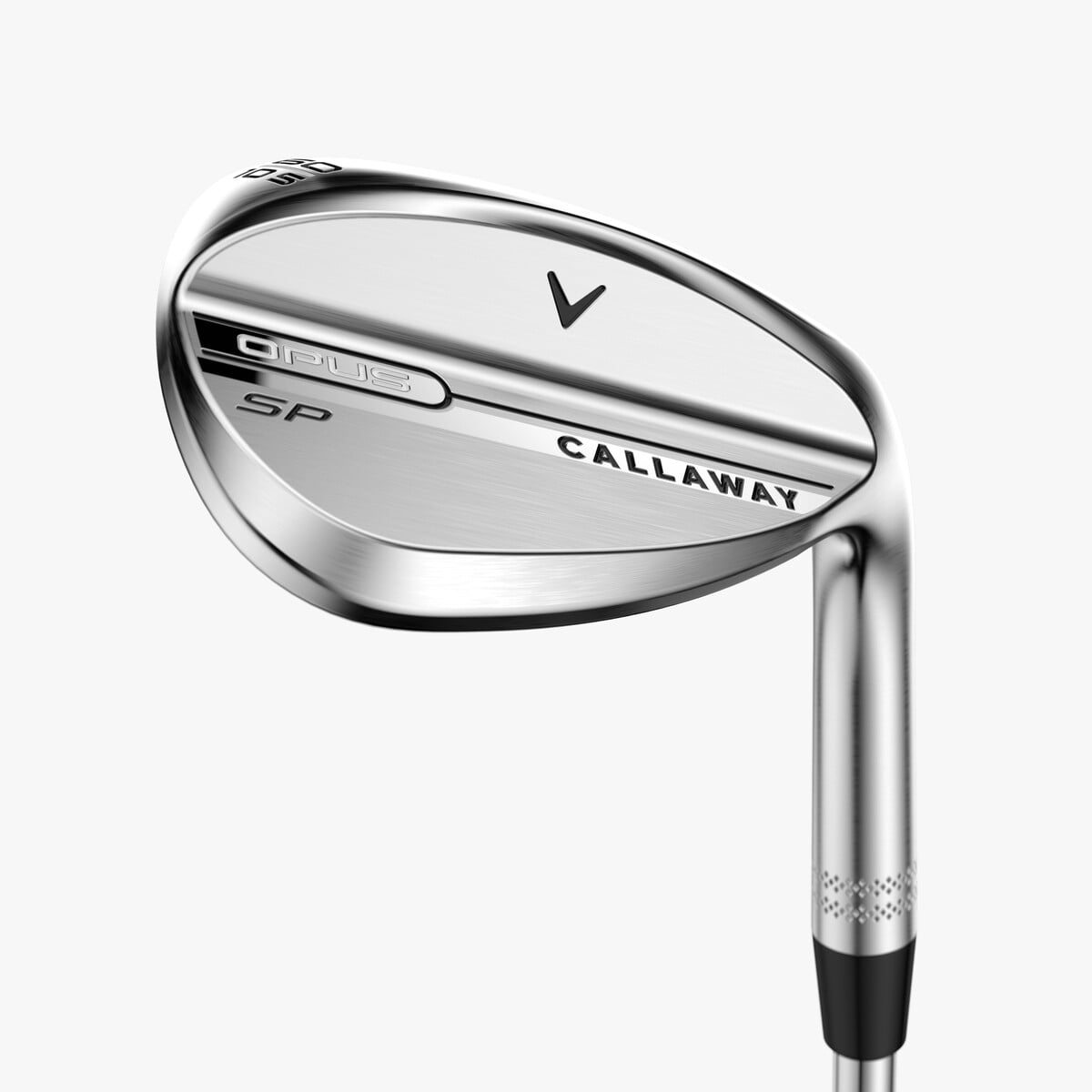
Review
8.4/10Callaway Opus SP review: the wedge in four tour bags while everyone buys Vokey
Callaway's Spin Pocket wedge lands a lower, spinnier flight for about the same money as a Vokey. It is the one I would buy for firm turf and full shots, and the wrong call if your short game lives in soft sand.
Explained
Wedge bounce and grind, explained
The two numbers that decide whether your wedge digs, glides or skips — in plain English, with how to pick yours.
Review
8.8/10Takomo 101 MKII review: the irons quietly embarrassing the big brands
Half the price of a name-brand set, and good enough that you'll feel a bit silly for not trying them sooner. The direct-to-consumer irons reviewed.