
The word forged now covers five ways of building an iron, including one printed from metal powder
Forged, cast, multi-material, hollow-bodied with a forged face, and now printed from powder with a lattice inside. The word on the box has quietly stopped predicting anything about how the club plays.
By Jordan Hale · Equipment Writer
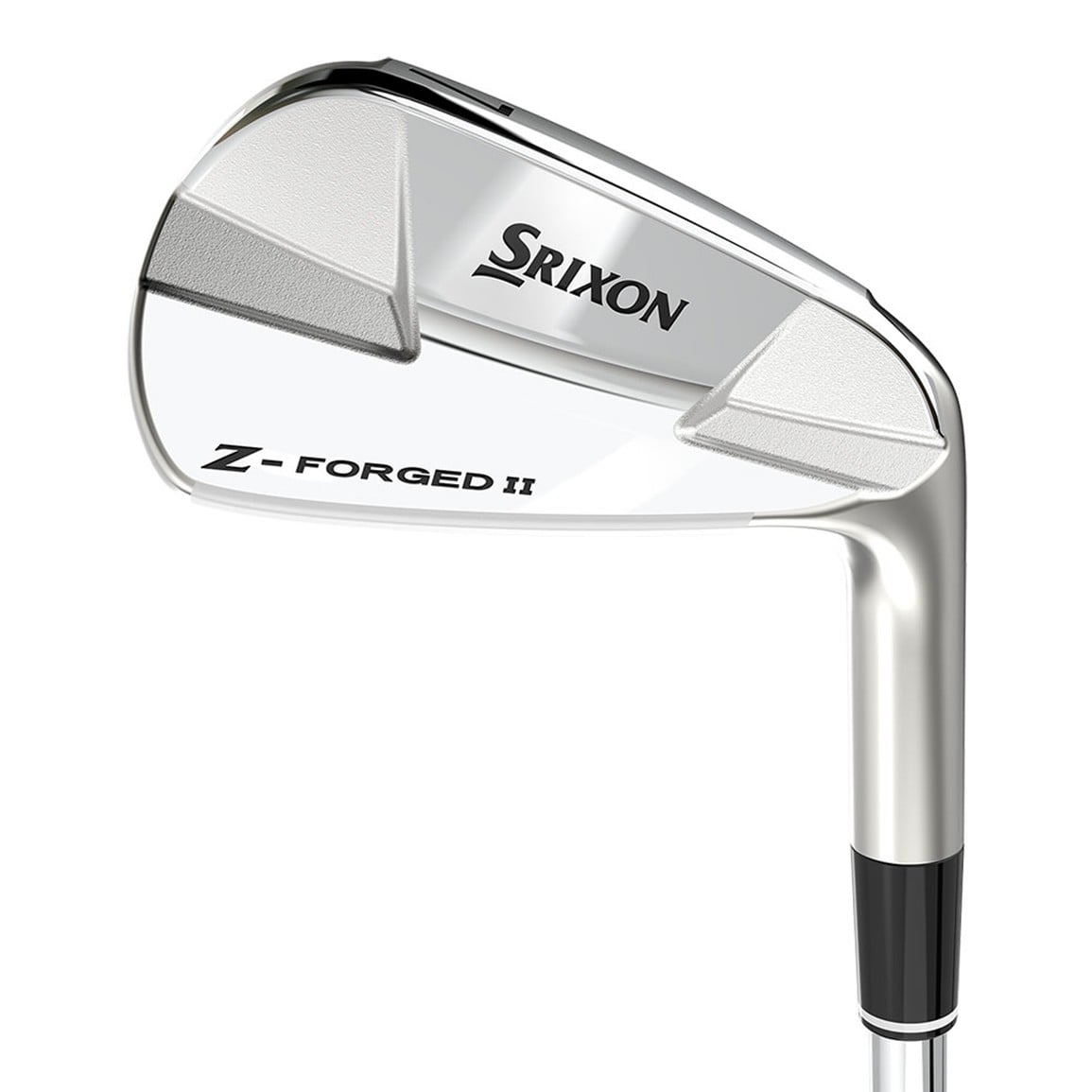
Srixon
Srixon Z-Forged II Irons
Stand in front of an iron wall in any decent shop and count how many sets carry the word forged somewhere on the badge, the box or the shaft label. It will be most of them. Then ask what any two of those clubs actually have in common as objects, and the answer is: very little, and less every year.
One will be a single piece of soft carbon steel. One will be a forged body with tungsten pinned inside it. One will be a hollow shell with a forged face welded onto a cast back and polymer injected into the gap. And on the same wall, unlabelled by any of this vocabulary, there is now an iron that was neither forged nor cast, because it was printed out of metal powder.
The word survived. What it describes did not.
What forging actually is
A forged iron starts as a solid billet of soft carbon steel, usually a 1020 or 1025 grade. It is heated and struck repeatedly under enormous pressure until it takes the rough shape of a clubhead, then milled, ground and finished. The process compresses the grain structure of the steel, and the finished head is one continuous piece of the same metal from the topline to the sole.
The Srixon Z-Forged II is the clean example. Soft 1020 carbon steel, muscleback profile, thin topline, minimal offset, laser-milled face. There is nothing inside it because there is no inside. What you feel at impact is that piece of steel and nothing else, which is the honest reason blade players talk about feedback: a solid head transmits the location of the strike up the shaft without anything in the way to soften it.
That is the club the word was invented to describe. Hold on to it, because it is about to stop being representative.
Casting is not the cheap option, and hasn't been for thirty years
Casting means melting the metal and pouring it into a mould. Because you are pouring rather than hammering, you can produce shapes forging physically cannot make: undercut cavities, hollow perimeters, thin sections in places a press could never reach. That freedom is the reason casting exists, not cost.
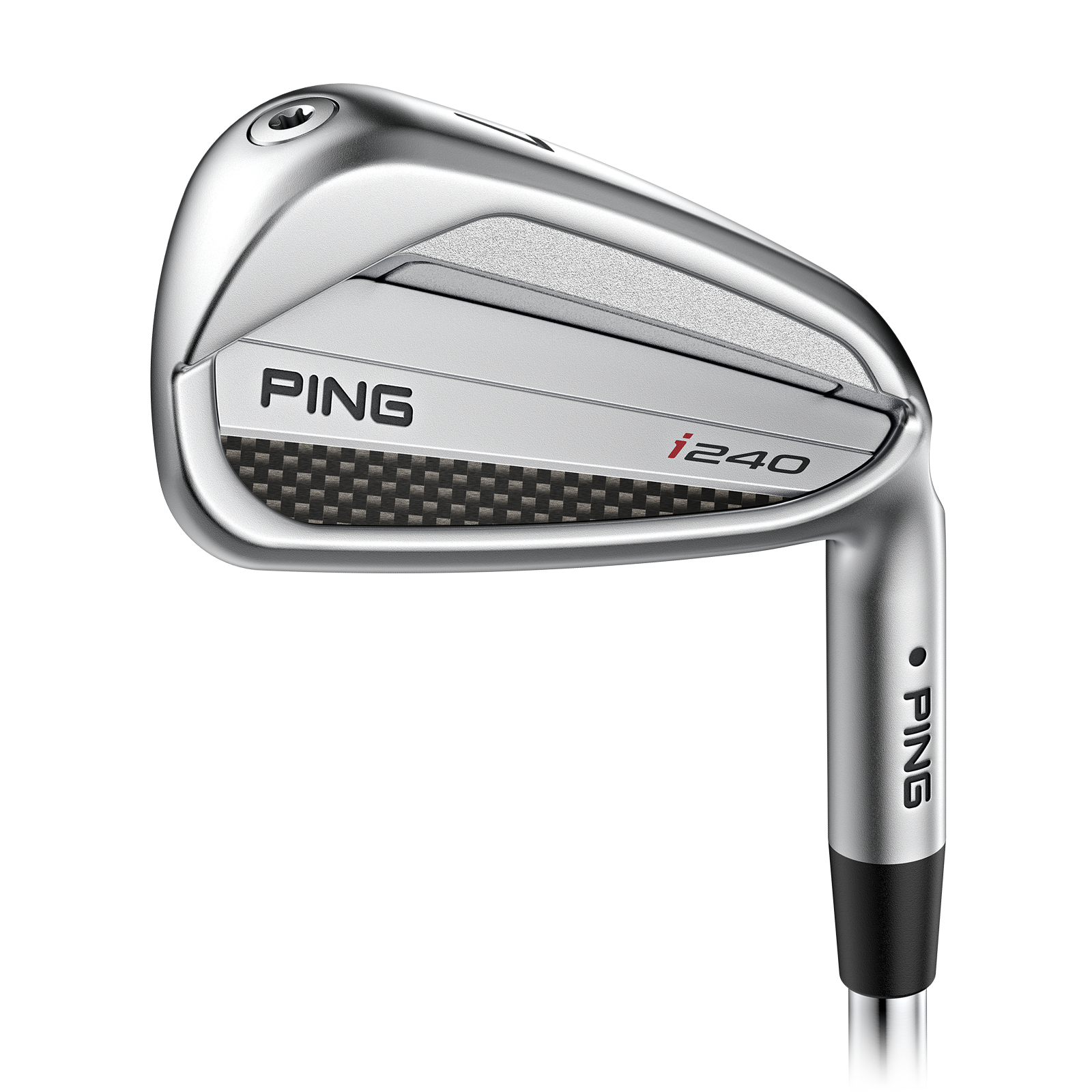
The evidence is on tour. The PING i240 is a cast 431 stainless players' iron, successor to the much-loved i230, with tour-requested wider and fewer grooves and a lighter multi-material badge that frees weight for stability. It is a premium club at around $1,350 for a steel set, it is played by very good golfers, and nobody who hits one describes it as feeling like a casting. Ping has built its entire iron reputation on cast heads.
The counter-argument you will hear is that cast heads feel harder. GOLFTEC's own write-up of the question concluded that the sensation of softness comes largely from the geometry of the head rather than from how the metal was formed, and that blind comparisons do not hold up nearly as well as golfers expect them to. That is not a fringe position any more. It is close to the consensus among people who test clubs for a living.
The multi-material era, where forged became a component
Here is where the word starts doing work the metallurgy is not.
The Titleist T100 is described as dual forged, and it is, but it also carries tungsten weighting in the long irons for stability. The tungsten is not forged. It is a denser metal added to a forged body to move mass where the forging could not put it.
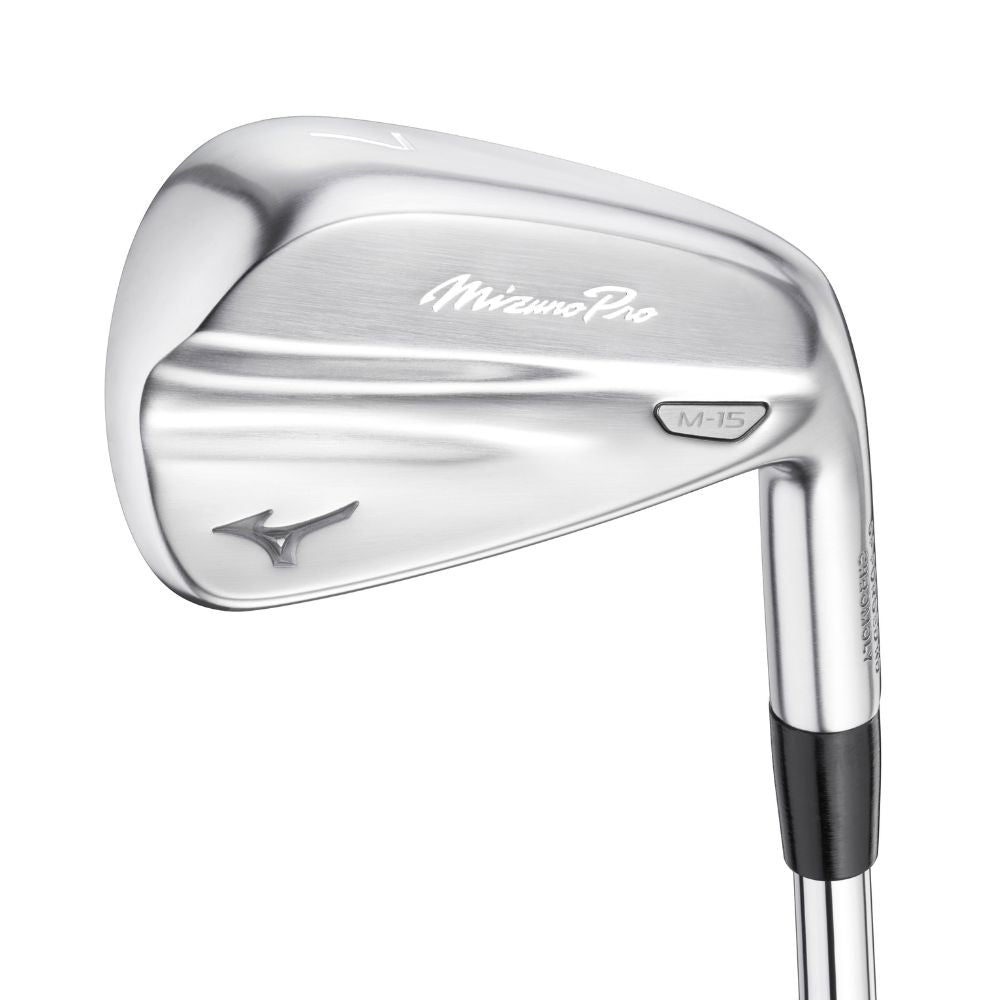
The Mizuno Pro M-15 goes further. Through the 4 to 8 irons it is a hollow-body club with a Grain Flow Forged 4135 Chromoly face on a stainless steel back piece, with tungsten weighting suspended inside the head, 51g in the long irons and a shade over 50g in the mid irons. Mizuno's Grain Flow Forging is the most storied forging process in golf and it is genuinely applied here. It is applied to the face. The back of the club is not forged, the interior is hollow, and the tungsten is neither.
The TaylorMade P770 is the same idea stated even more plainly: a forged hollow body with SpeedFoam Air injected inside it and a Thru-Slot Speed Pocket cut into the sole. Forged, hollow, and filled with polymer. All three are true at once, and only the first one makes the badge.
None of this is deception. Every one of these clubs is better at its job than a one-piece forging of the same shape would be, which is exactly why the industry went this way. The problem is only that the word on the box now describes one component of a five-part assembly, and the golfer reading it is still hearing the Srixon.
The reviewers cannot agree either, and that is the real evidence
If forging reliably produced a particular feel, professional reviewers hitting the same club would broadly converge on it. On the M-15 they did the opposite. Golf Digest's 2026 Hot List panel reported a soft, satisfying strike. Plugged In Golf found it loud and hard away from centre. Golfmagic thought the tour-shaped M-13 the better feeling of the two.
Three sets of experienced testers, one club with a forged face, three different verdicts. That disagreement is more useful to a buyer than any of the individual verdicts, and it is the strongest available argument that feel is a property of the whole assembly, not of the process that made one part of it.
And now the head is printed
The Cobra 3DP MB is the club that finishes the argument off. It is not forged and it is not cast. The head is 3D printed in one piece by direct metal laser sintering, which builds it up from metal powder a layer at a time, and that method allows something neither of the older processes can do: an internal lattice inside a shape with no cavity.
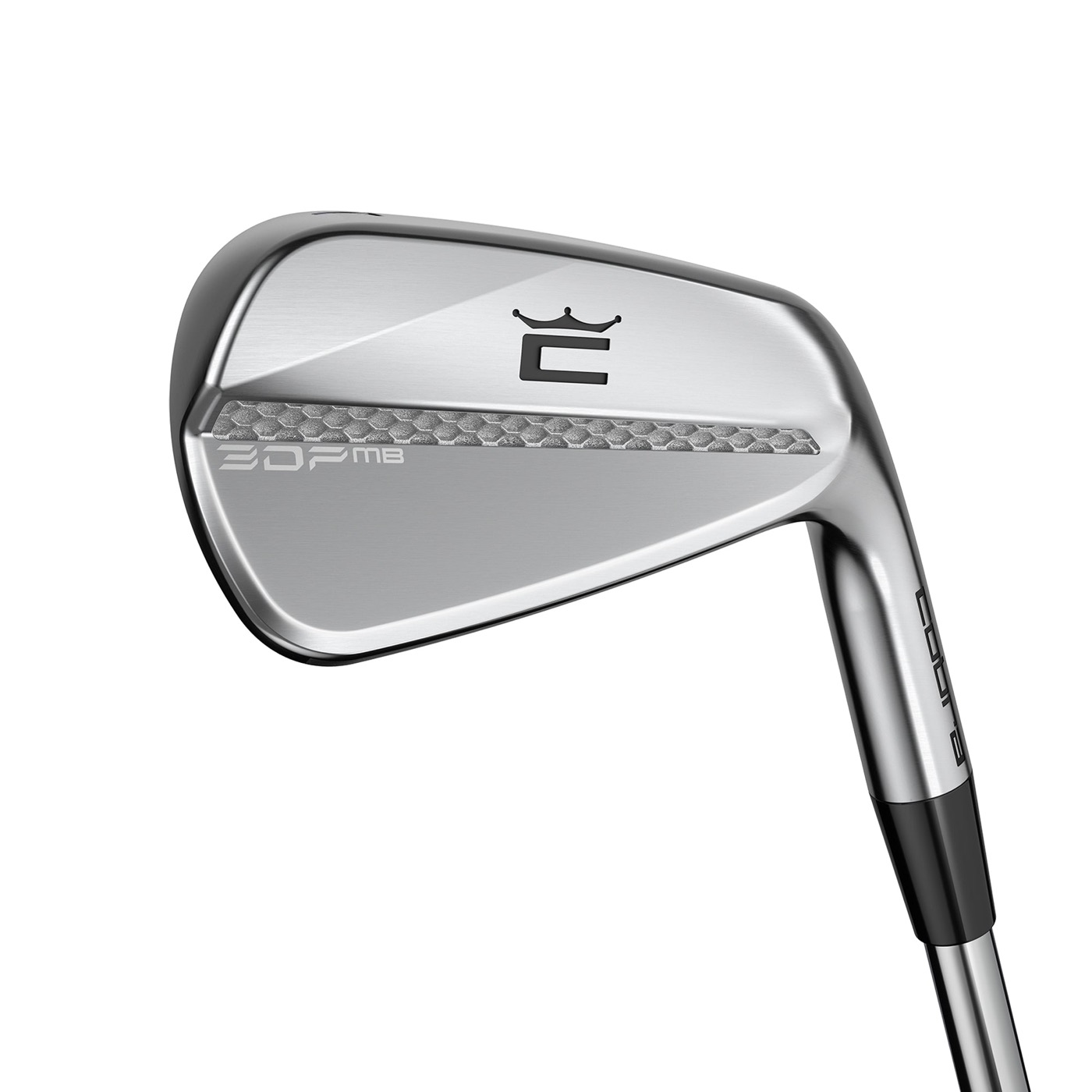
Read what the lattice is for, because it is the punchline. It holds the face up, and it tunes the sound of the strike. Feel, in a printed iron, is a deliberate design output with a target, engineered by choosing a lattice geometry. And because the lattice weighs almost nothing next to the solid steel it replaces, Cobra freed up 54.3g of tungsten to place low in the head, 32.6g in the toe and 21.7g in the heel, inside a silhouette that still looks like a muscleback from address.
The honest caveats are large. It is $2,800 for six clubs, which Golf Monthly called prohibitive in an otherwise admiring review, and it is a distance-control iron rather than a distance one. But as a statement about where iron manufacturing is going, it is unambiguous. When the sound of impact is a tuned parameter, the process word has finished as a proxy for anything.
So how much should the word move you?
Close to nothing, is my answer, with one exception.
Weight these four things instead, in this order. First, the category: blade, players' iron, players' distance or game improvement. That single choice determines more about how the club behaves than every material decision underneath it, and we have set out the blade and cavity-back split and why the players' distance iron won elsewhere. Second, the loft, because strong lofts in a hollow head are how distance claims are manufactured and they arrive with a gapping bill at the bottom of the bag. Third, the shaft. Fourth, whether you were fitted.
Notice that the manufacturing process is not on that list. If two clubs are in the same category, at the same lofts, with the same shaft, and one says forged, the word is worth roughly nothing to your scores. Our head-to-head of the T100 and the i240 is exactly that experiment run in public: one forged, one cast, both excellent, and the process is not what separates them.
Where forged still means what you think
The exception is the one-piece muscleback. When there is no hollow cavity, no polymer, no welded face and no tungsten, the word is describing the entire club rather than a component of it, and everything blade players say about feedback becomes literally true. A solid lump of soft carbon steel really does tell you where you hit it, because there is nothing in the head to intercept the message.
That is a specific club for a specific golfer, and it is a small slice of the market. If you are shopping for anything wider than that, treat forged the way you would treat any other word on a box that has been asked to sell six different things at once. Read the construction line underneath it instead. It will tell you what the club is actually made of, and increasingly that answer is: several things, on purpose.
Products mentioned in this article
Srixon
Srixon Z-Forged II Irons
A one-piece 1020 carbon steel muscleback, which is the only club here where the word means what golfers think it means.
PING
PING i240 Irons
Cast 431 stainless, played by good golfers, and the cleanest evidence that cast is not the cheap option.
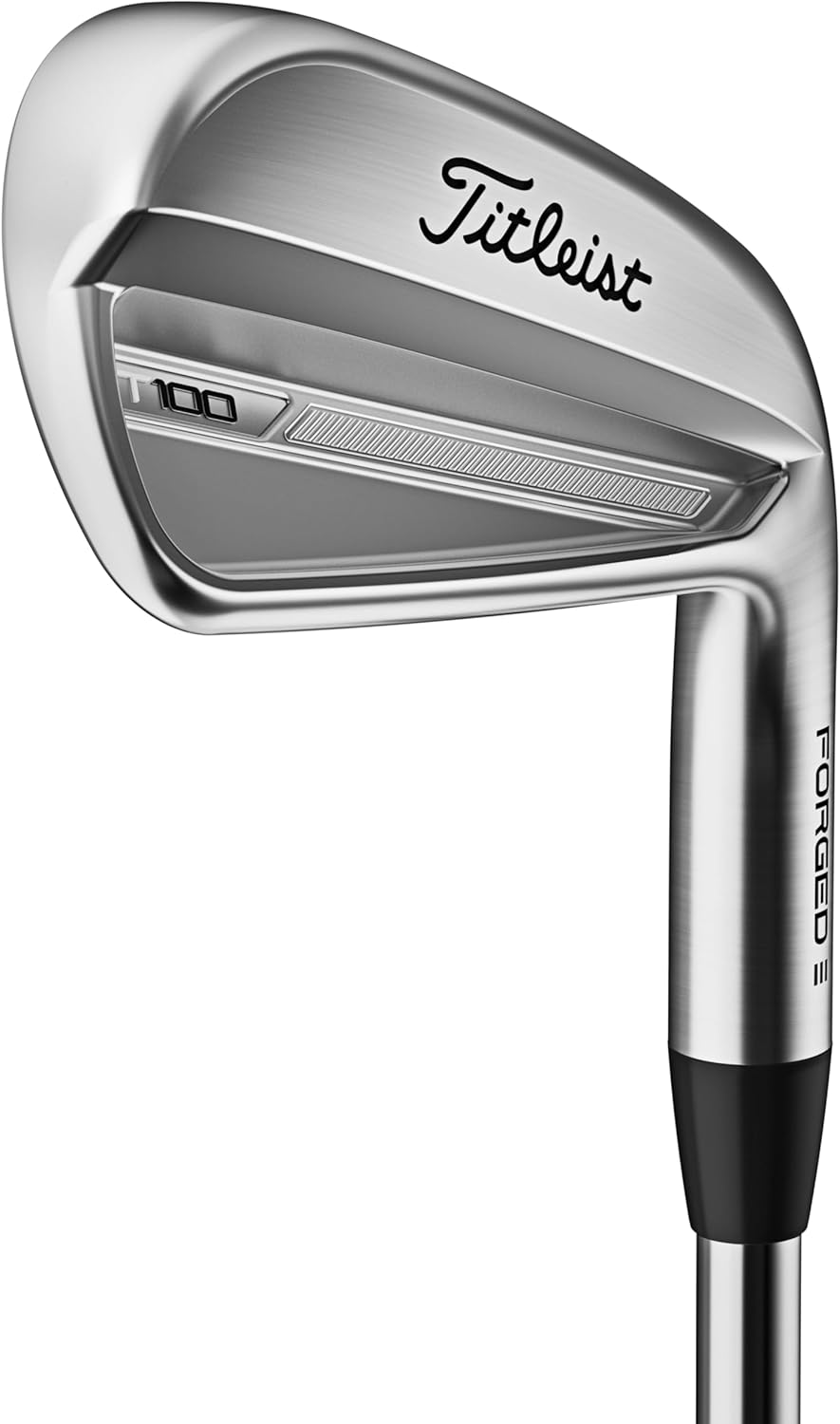
Titleist
Titleist T100 Irons
Dual forged with tungsten added, so the word describes the body and not the whole club.
Mizuno
Mizuno Pro M-15 Irons
A forged chromoly face on a stainless back, and the club whose feel the published reviews openly disagree about.
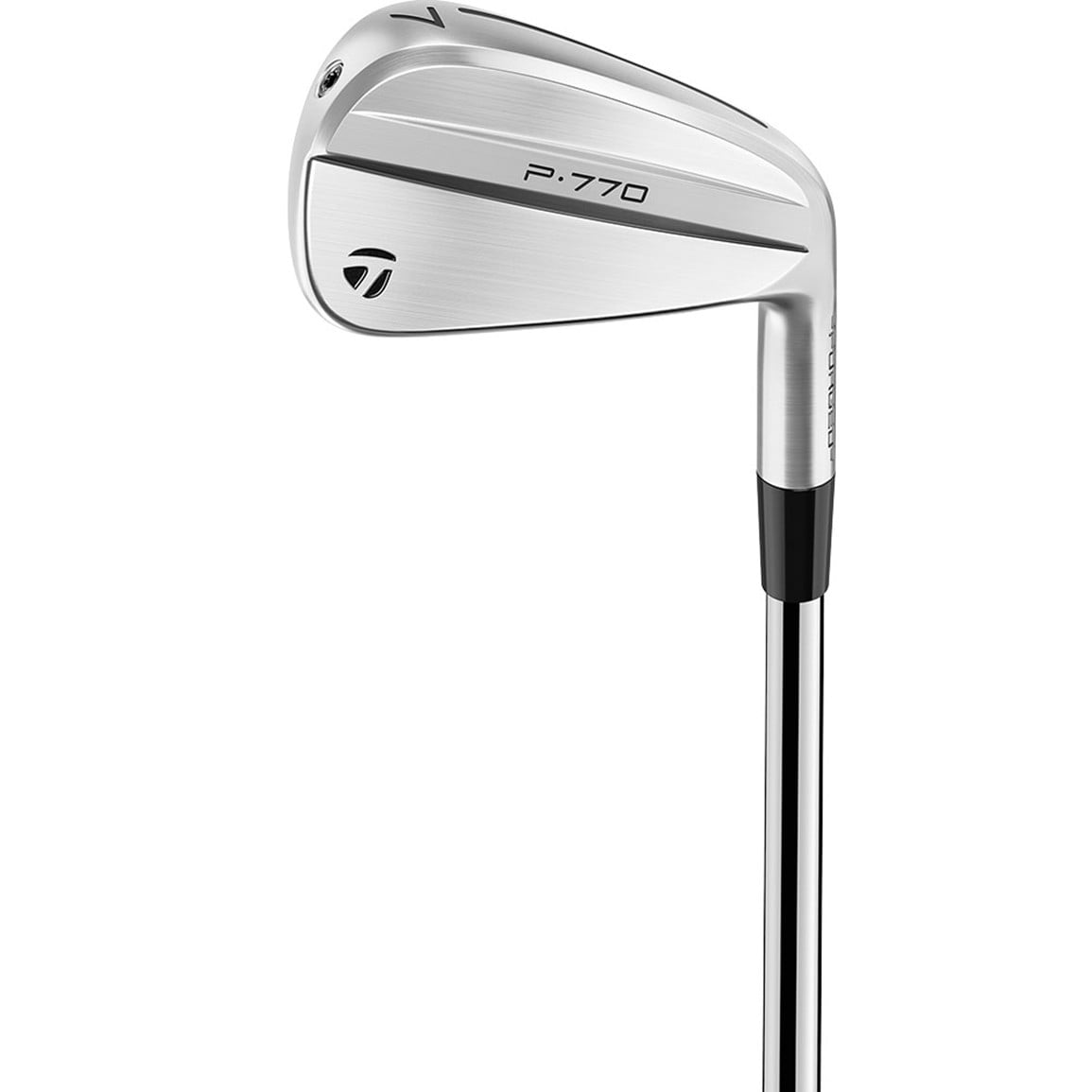
TaylorMade
TaylorMade P770
Forged, hollow, and filled with polymer, which is three facts the word forged does not cover.
Cobra
Cobra 3DP MB Irons
Neither forged nor cast: a printed head with an internal lattice tuned to control the sound of the strike.
ifrothgolf earns a commission on purchases made through these links, at no extra cost to you. It never changes what I recommend. Full disclosure.
Frequently asked
- Do forged irons actually feel softer than cast irons?
- Not reliably. GOLFTEC's review of the question concluded that perceived softness comes mostly from head geometry rather than the forming process, and blind comparisons routinely fail to separate the two. Three outlets testing the forged-faced Mizuno Pro M-15 in 2026 reached three different verdicts on its feel, which is the clearest illustration available.
- Are cast irons worse than forged irons?
- No. Casting allows shapes forging physically cannot produce, including undercut cavities and thin perimeter sections, which is why it is used for premium players' irons. The PING i240 is cast 431 stainless, costs around $1,350 for a steel set and is played by low handicappers.
- What does a hollow-body iron with a forged face mean?
- It means the face is forged and welded onto a separately made body, with the interior left hollow or filled with polymer and often loaded with tungsten. The Mizuno Pro M-15 uses a Grain Flow Forged chromoly face on a stainless back with around 50g to 51g of suspended tungsten. The TaylorMade P770 is a forged hollow body with SpeedFoam Air inside it. The word forged is accurate in both cases but applies to one part.
- What is a 3D-printed iron and does it perform differently?
- The head is built up from metal powder a layer at a time by direct metal laser sintering rather than being forged or cast. The Cobra 3DP MB uses that method to put an internal lattice inside a muscleback shape, which supports the face, tunes impact sound and frees up 54.3g of tungsten for the toe and heel. It is a distance-control iron rather than a longer one, and it costs $2,800 for six clubs.
Read next
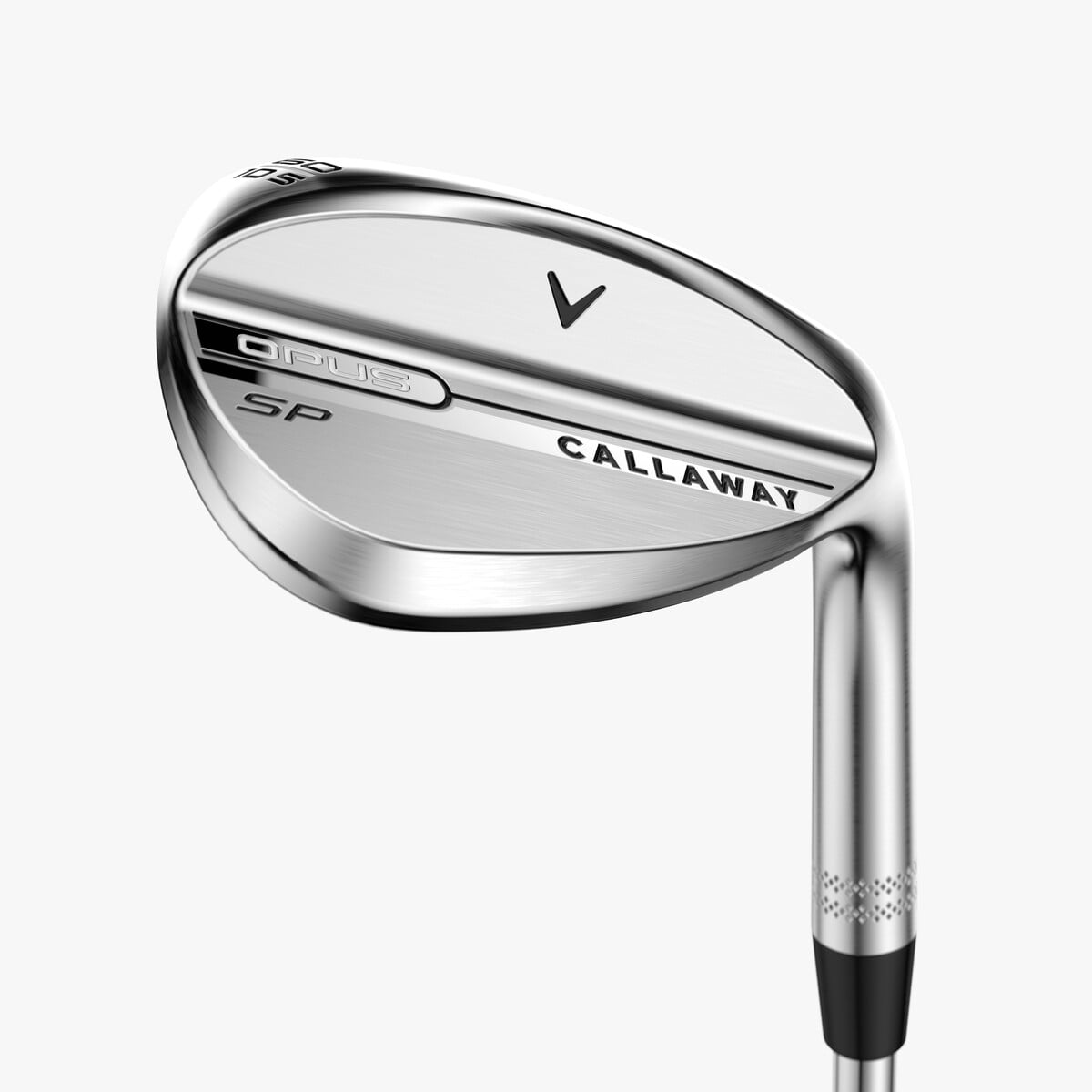
Review
8.4/10Callaway Opus SP review: the wedge in four tour bags while everyone buys Vokey
Callaway's Spin Pocket wedge lands a lower, spinnier flight for about the same money as a Vokey. It is the one I would buy for firm turf and full shots, and the wrong call if your short game lives in soft sand.
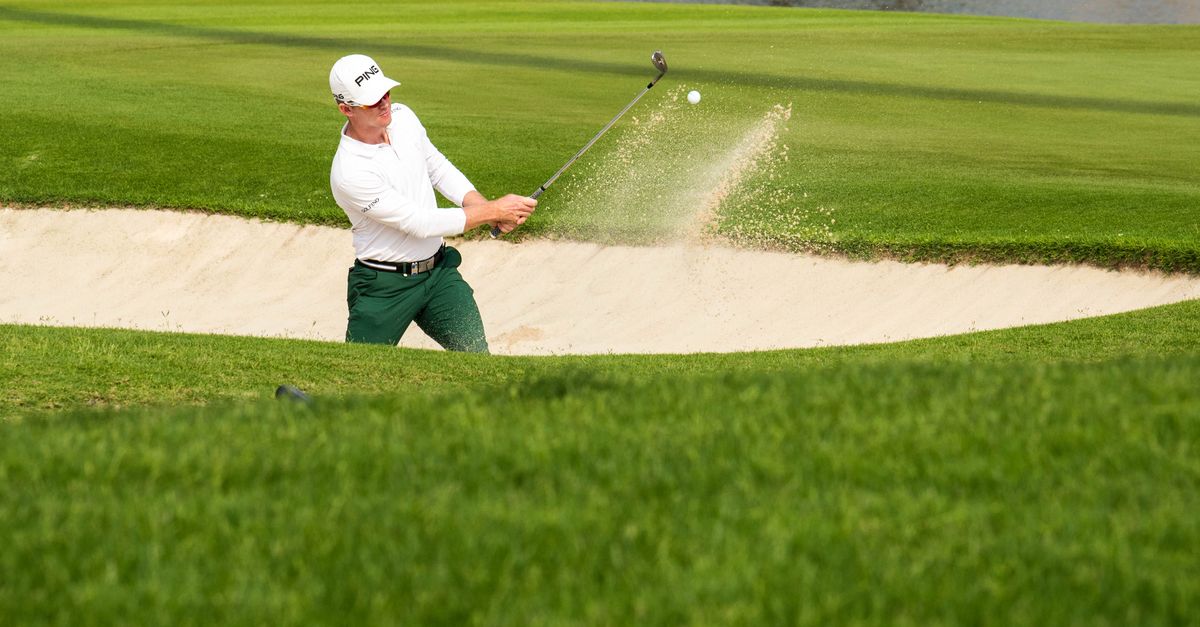
Explained
Wedge bounce and grind, explained
The two numbers that decide whether your wedge digs, glides or skips — in plain English, with how to pick yours.
Review
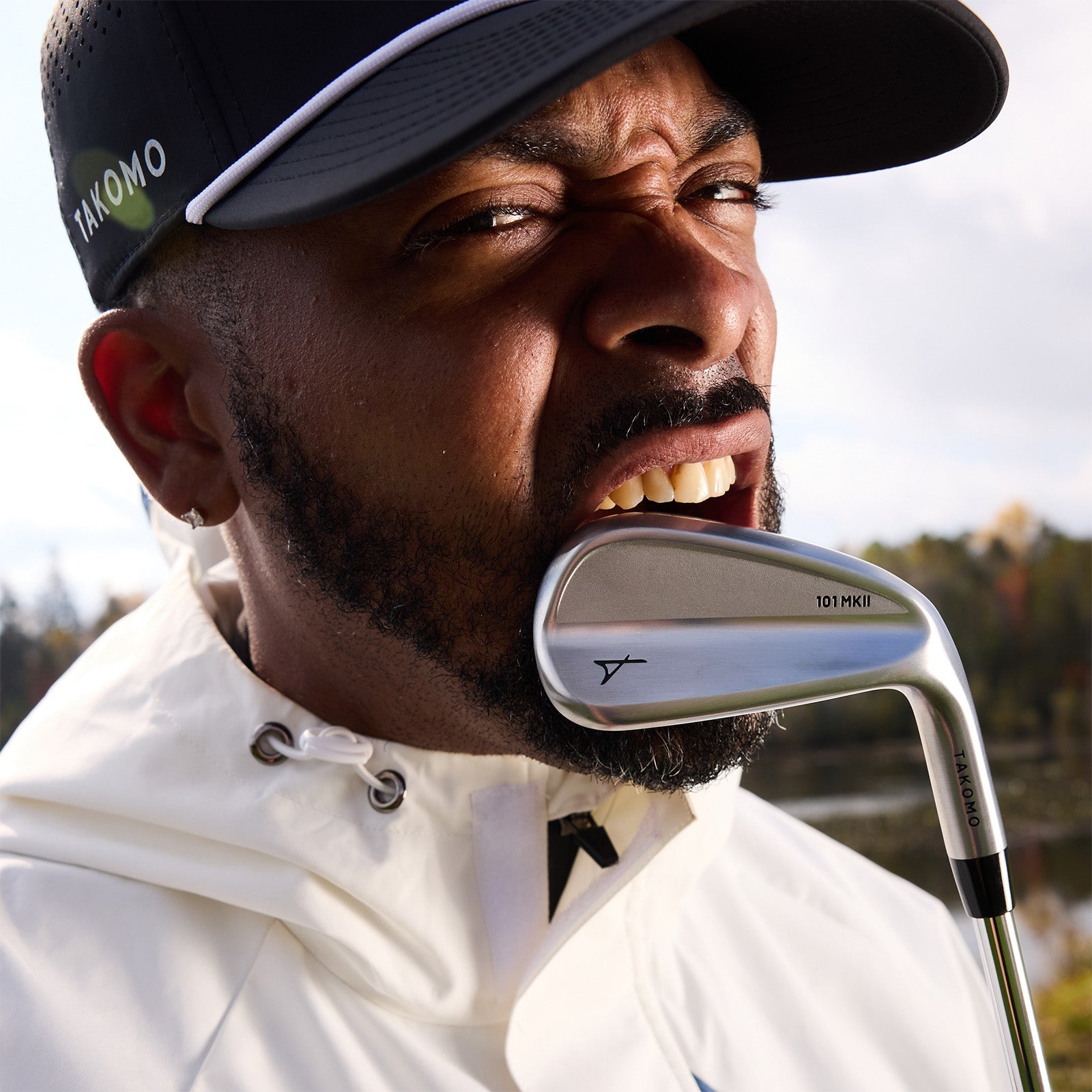
8.8/10Takomo 101 MKII review: the irons quietly embarrassing the big brands
Half the price of a name-brand set, and good enough that you'll feel a bit silly for not trying them sooner. The direct-to-consumer irons reviewed.