
Titleist T100 vs Ping i240: two players' irons, and one of them is lying to you about your handicap
Both are beautiful, both are fitted, both are aimed at the same golfer on paper. The difference shows up on the strikes you'd rather not talk about.
By Jordan Hale · Equipment Writer
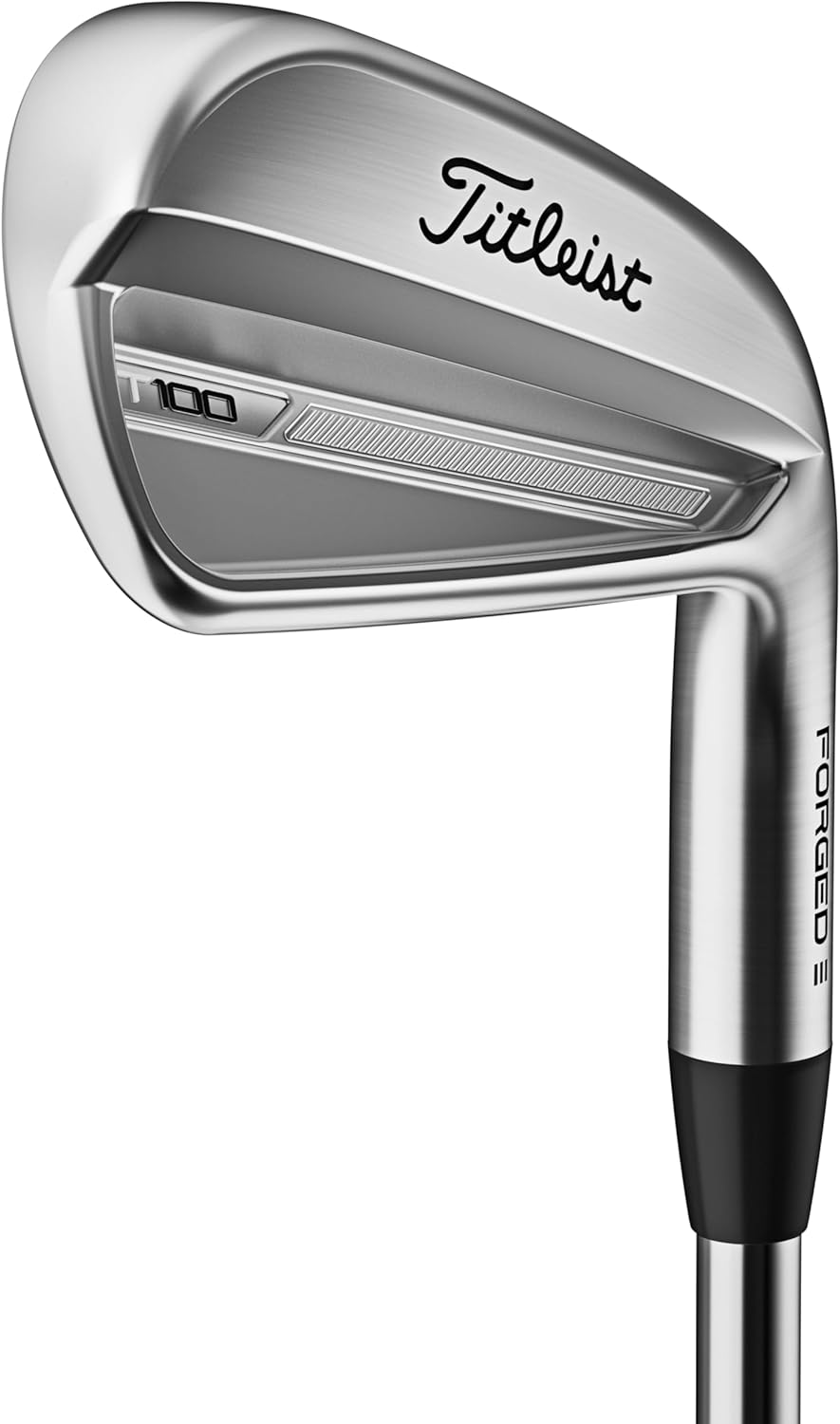
Titleist
Titleist T100 Irons
Buy if you strike it consistently and want the ball to do what you tell it
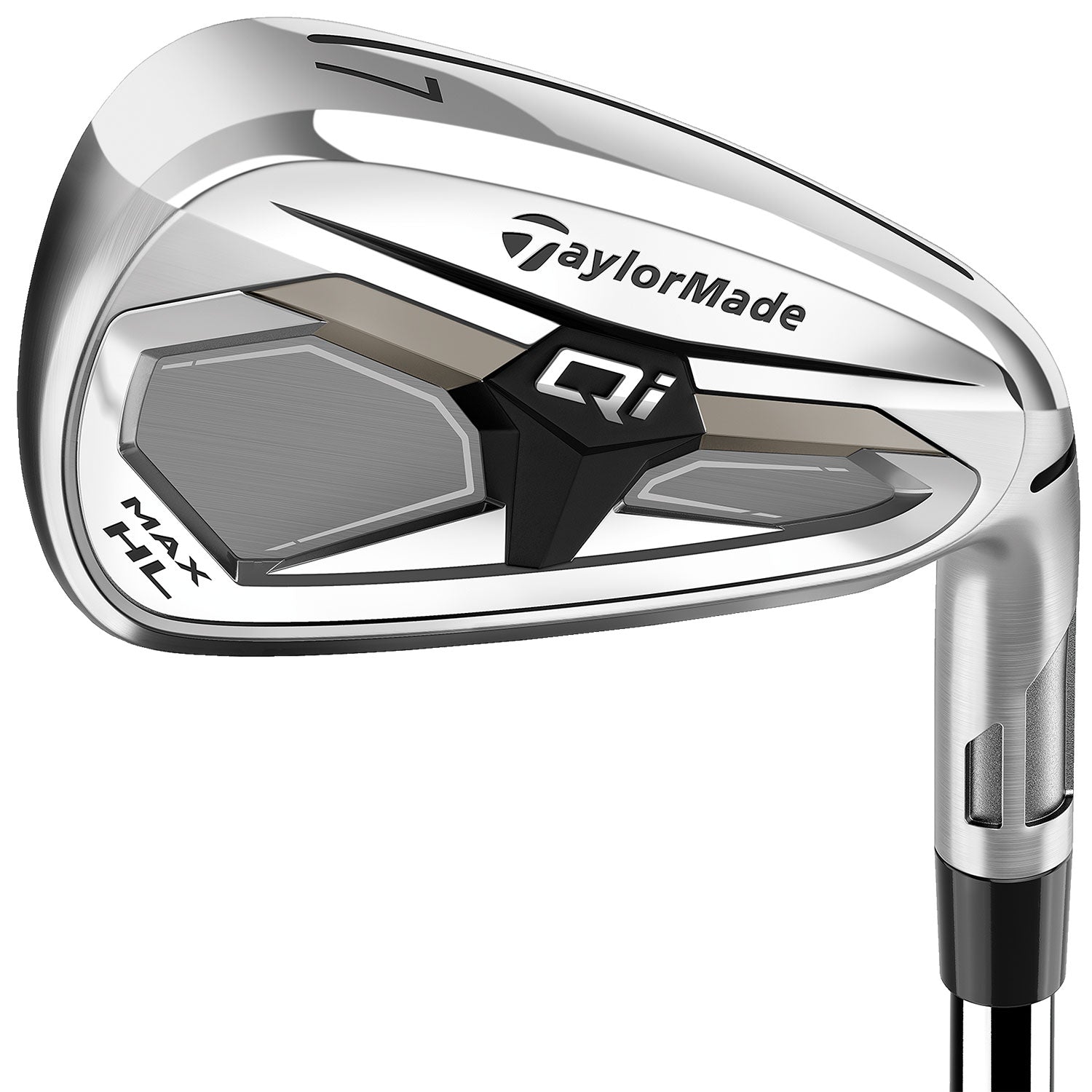
TaylorMade
TaylorMade Qi Max HL Irons
Buy if the honest answer is that neither of these is forgiving enough
ifrothgolf earns a commission on purchases made through these links, at no extra cost to you. It never changes what I recommend. Full disclosure.
The T100 and the i240 sit in the same aisle of the same shops and get cross-shopped constantly. Both are forged or forged-feeling players' irons, both are sold through proper fitting, both are compact enough to look serious at address, and both are excellent.
The marketing separates them on feel and shaping. That's not where the real difference is. The real difference is what happens on the shots where you don't catch it out of the middle, and how honest each club is about it.
The T100 case
Titleist's T100 is the tour iron of the two. It's the more compact head, the thinner topline, the more workable shape, and it is the one you'll see in professional bags — across the 53 tour bags we maintain and date-stamp, the T-series is a genuine presence in a way the i-series isn't.
What that buys you is control. A more compact head with a centre of gravity closer to the face is more responsive to what you do with it: you can move the ball, you can flight it down, and crucially you can feel precisely where on the face you struck it. For a golfer who's working on something, that information is the product.
It also gives you consistency of distance in a way forgiving irons don't. Game-improvement heads preserve ball speed on mishits, which sounds purely good until you realise it means your poor strikes fly nearly as far as your good ones — and a shot that flies the green is often worse than one that comes up short. The T100 keeps your yardages honest.
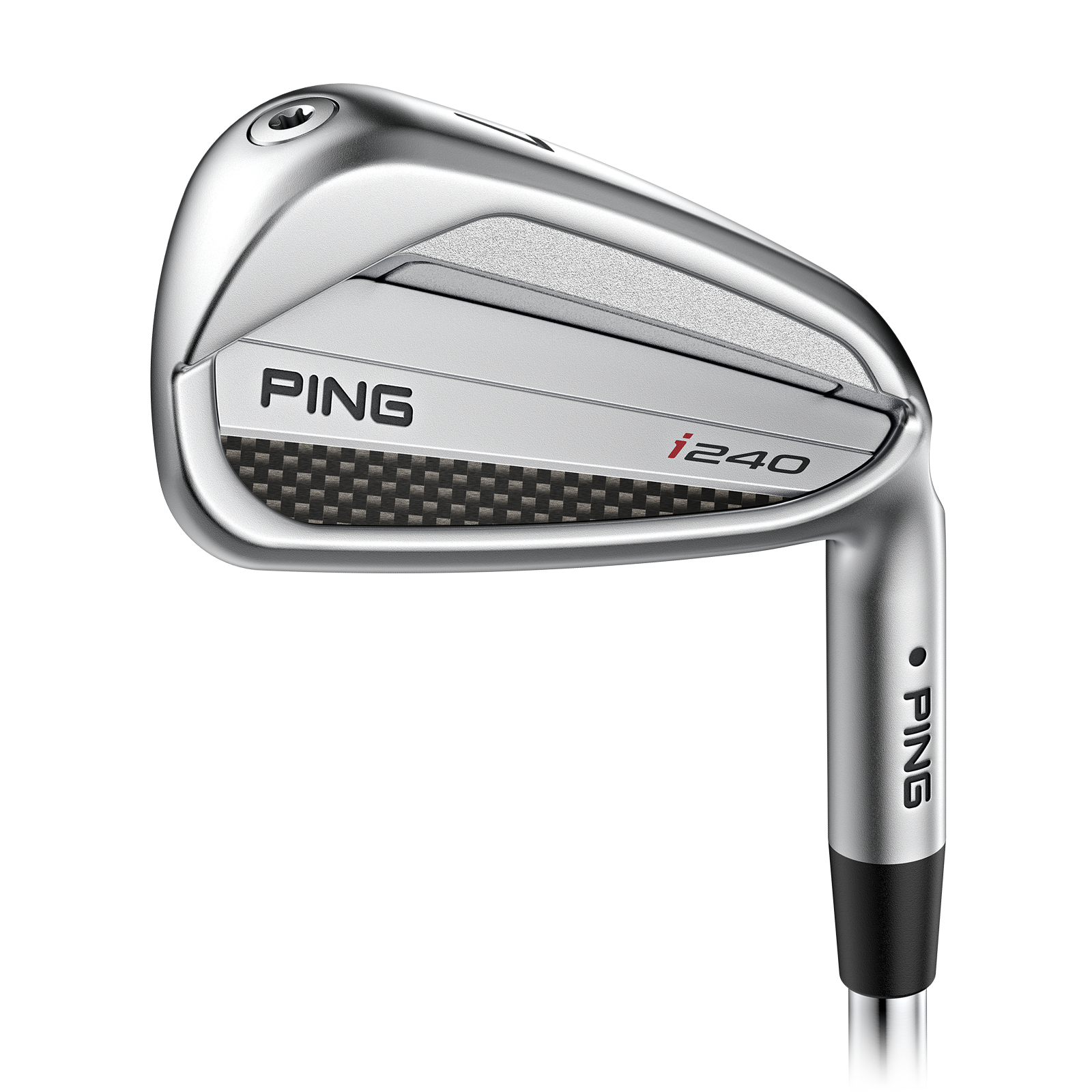
The Ping case
The i240 is doing something subtly different. It's still a players' iron — it is not a shovel, the topline is thin enough, the head is compact enough — but Ping has engineered in more perimeter weighting and a slightly deeper cavity than the Titleist.
The effect is a wider margin. Strikes towards the toe and low on the face hold their speed and their line better than they will with a T100. You give up a little of the shaping ability and a little of the feedback, and you get back a set that punishes you less on the days when your timing isn't there.
Ping's other advantage is the fitting system itself. Colour-coded lie angles, an enormous shaft matrix and one of the deepest fitting networks in golf mean that if you go and get measured, the chances of walking out with the right spec are as high as anywhere in the industry. Lie angle in particular is not a detail — get it wrong and every iron shot starts offline, invisibly, forever.
The question that actually separates them
Forget which looks better at address. Ask this instead: on a normal round, how many of your iron shots come out of the middle?
Not your best round. A normal one, in wind, on the sixth hole after a bad drive.
If the honest answer is most of them, the T100 is the better club for you, and the feedback and workability are genuine assets you'll use. If the honest answer is somewhere between a third and half — which is where a lot of single-figure golfers actually live — the i240 will produce lower scores, because the shots that cost you are the mishits and it protects them better.
This is the question golfers answer aspirationally, and it is the single most common way good players end up in irons that flatter them less than they think. Playing a tour iron badly is not the same as playing a tour iron.
Where the honest third option comes in
There's a version of this conversation that ends with neither. If your iron shots are landing short and running through greens, or if your longest reliable iron is a 7, the gap between these two is irrelevant — both are players' irons and neither will launch for you.
That golfer needs something like the Qi Max HL, and will score better with it than with a fitted set of either club here. There's no shame attached; descent angle is physics, not character. The fitting will tell you within a dozen shots which conversation you're actually in.
What to do in the fitting bay
Ask for the dispersion, not the average. Two sets can produce identical average distances with completely different spreads, and the spread is what shows up on your card.
Ask specifically about your mishits. Get the fitter to show you carry distance on your three worst strikes with each set. That comparison decides this more cleanly than anything else, and almost nobody asks for it.
Hit the long irons, not the 7. Everyone tests a 7-iron and everyone can hit a 7-iron. The 4 and 5 are where these two sets genuinely diverge and where your set will actually let you down.
Get the lie angle measured either way. It matters more than the badge and it's the single biggest thing an unfitted golfer is leaving on the table.
The verdict
The T100 is the better iron and the i240 is the better iron for more golfers. That's not a fudge — it's the whole point of the players'-iron category, which exists on a spectrum rather than as a single standard.
Take the Titleist if you strike it consistently, want to shape shots and value knowing exactly what you did. Take the Ping if you want most of that with a wider margin on the days it isn't working, or if the fitting network is what's going to get you into the right spec. And if the fitter's numbers say your mishits are costing you two clubs, listen to them rather than to the shape at address — that's the conversation worth having, and it's the one this comparison usually distracts people from.
Frequently asked
- Is the Titleist T100 or Ping i240 more forgiving?
- The i240. Ping engineers more perimeter weighting and a slightly deeper cavity into it, so strikes towards the toe or low on the face hold speed and line better. The T100 is the more compact, more workable head and gives up some of that margin in exchange for control and feedback.
- Are players' irons worth it for a mid-handicapper?
- It depends on strike consistency rather than handicap. If most of your iron shots find the middle, a players' iron rewards you with control and honest yardages. If a large share are mishits, a more forgiving set will lower your scores, and there's no performance argument for the compact head.
- What should I ask for during an iron fitting?
- Dispersion rather than average distance, carry numbers on your three worst strikes with each set, and testing with the long irons rather than the 7 — that's where sets genuinely diverge. Also insist on having your lie angle measured, whichever brand you choose.
- Do mishits really fly further with forgiving irons?
- Yes, and it cuts both ways. Game-improvement heads preserve ball speed on off-centre strikes, which helps a poor shot reach the green but also means a bad strike can fly a green you were trying to hold. Compact players' irons drop off more sharply, which keeps your club distances predictable.
Read next
Review
7.9/10Full Swing KIT review: the tape measure decides this, not Tiger
Tour pedigree, TGL on ESPN, and radar good enough to be checked against a Trackman outdoors. It also wants eighteen to twenty feet of room, which rules out most of the garages people buy it for.
Versus
Trackman iO vs Uneekor EYE XO2: the year-one trap
Both mount overhead, both want ten feet of ceiling, and about $3,000 separates them on the shelf. Then Trackman's included first year runs out, and the gap starts growing by $1,100 a year.
Versus
Uneekor EYE XO2 vs Foresight GC3: ceiling or floor?
About $4,000 separates them, but they're not really rivals — one lives in your ceiling forever, the other sits on the floor and travels. The cheaper one is also the one with no subscription.