
Half the price, or the ball flight you have been missing
One of these iron sets costs roughly half what the other does. That is not the reason to choose between them, and treating it as the reason is how golfers end up with the wrong set.
By Jordan Hale · Equipment Writer
Takomo
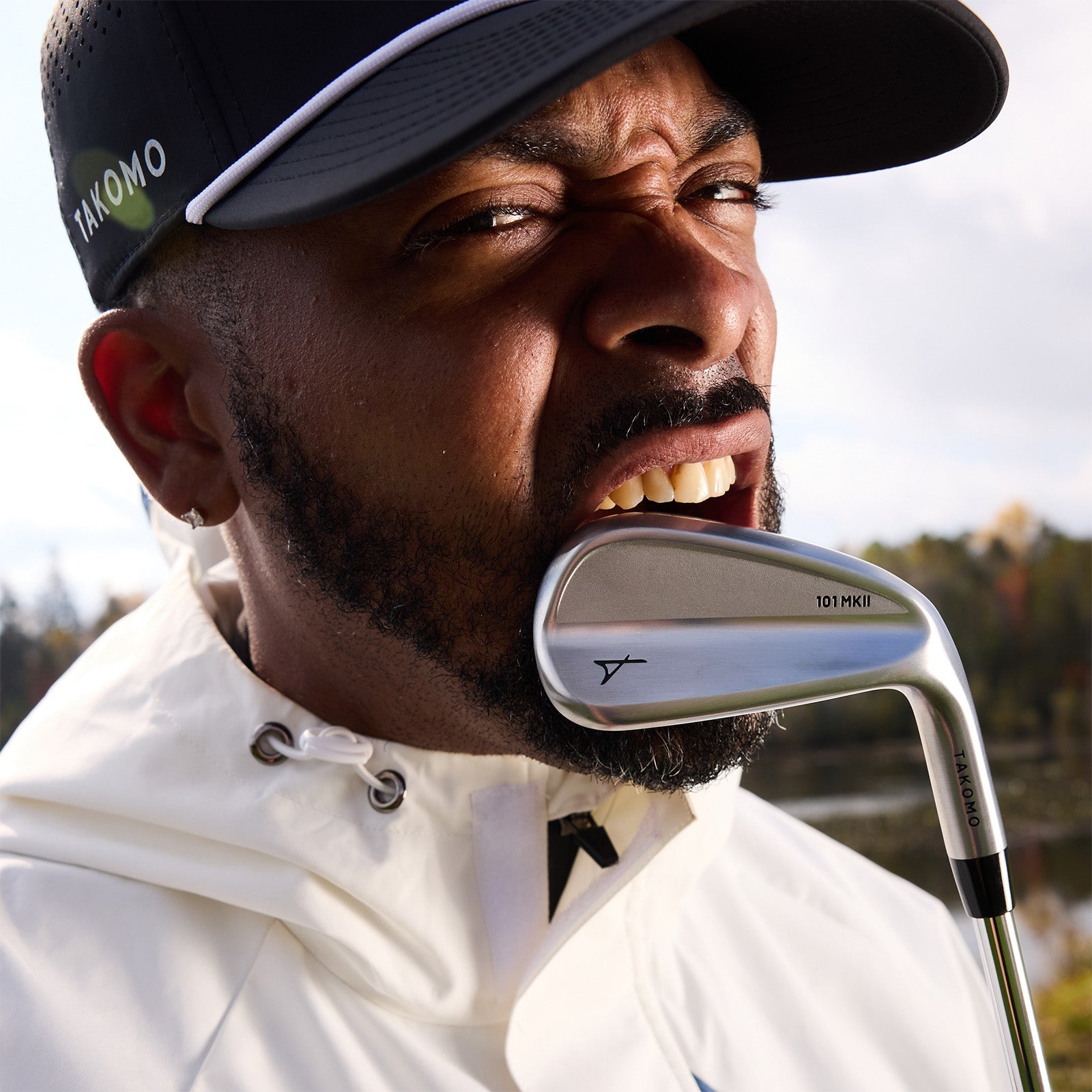
Takomo 101 MKII Irons
The forgiveness-per-pound pick, if your ball flight is already high enough.
TaylorMade
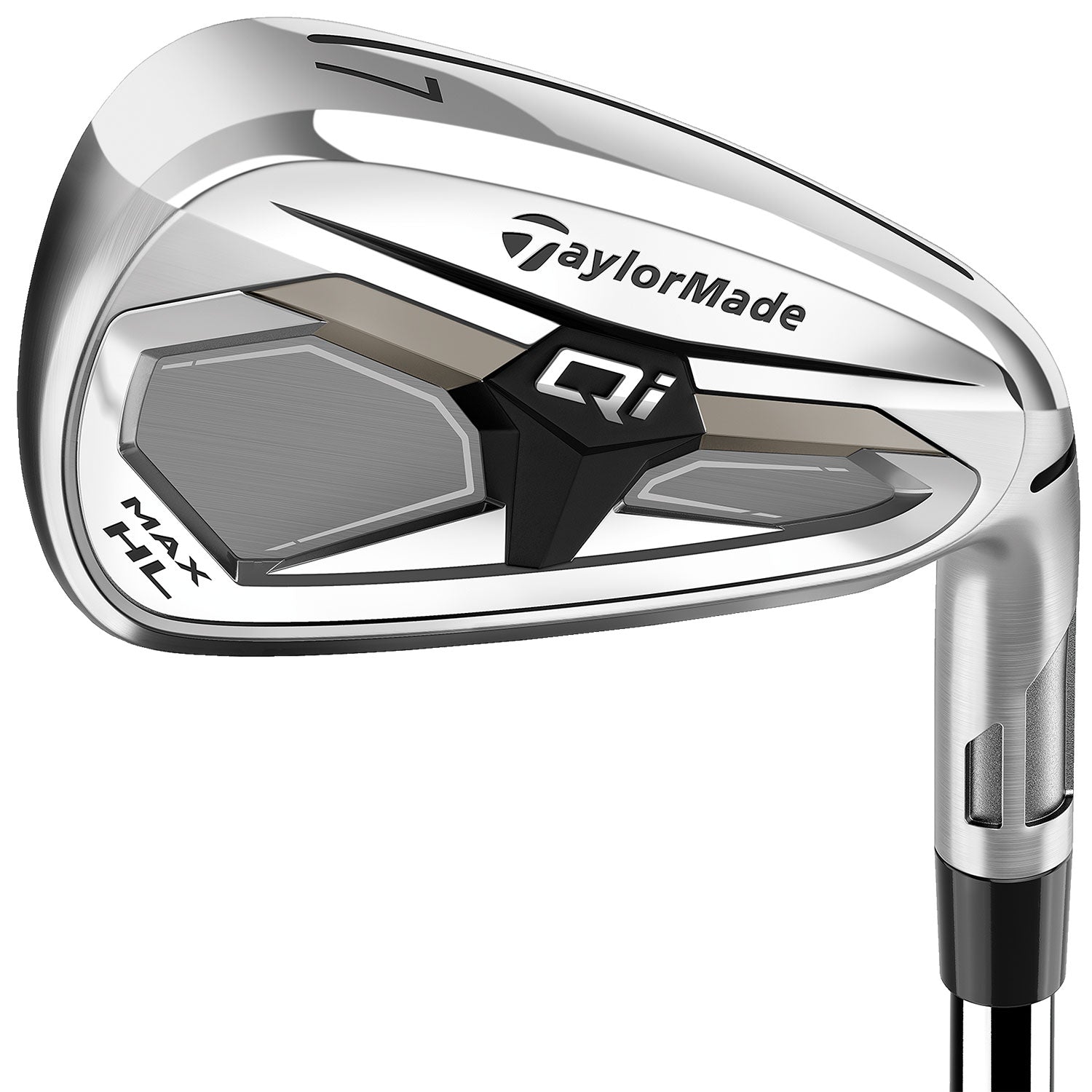
TaylorMade Qi Max HL Irons
The pick if your miss is a low, weak flight that will not hold a green.
ifrothgolf earns a commission on purchases made through these links, at no extra cost to you. It never changes what I recommend. Full disclosure.
Side by side
| Specification | TakomoTakomo 101 MKII Irons | TaylorMadeTaylorMade Qi Max HL Irons |
|---|---|---|
| Club type | iron set | iron set |
| Forgiveness tier | game-improvement | game-improvement |
| Set composition | 5-iron through gap wedge (7-piece set) | 7-piece steel set |
| Target player | max forgiveness and distance per pound | slower swings that fight a low, weak ball flight |
Specs as published by each manufacturer. Rows in grey are where the two match.
Buy the Takomo 101 MKII if what you want is forgiveness per pound. Buy the TaylorMade Qi Max HL if what you actually need is height. That is the comparison in two sentences, and it is why two sets separated by close to double the money keep landing on the same shortlist. They are not competing on the same axis, and most golfers only need one of the two things on the table.
The Takomo is the direct-to-consumer value story in its purest form: a seven-piece set, 5-iron through gap wedge, at around $650 bought direct, with a variable-thickness face in the long irons for ball speed and an easy high flight, and MyGolfSpy's 2026 Best Game-Improvement Iron award behind it. The TaylorMade is a different kind of product entirely. HL stands for High Launch, and the whole build serves that single job: weakened lofts, ultralight components, a low and deep centre of gravity in the long irons, and Cap Back construction behind the face. Seven steel-shafted clubs run to roughly $1,400. We have written each up on its own terms, in the Takomo 101 MKII review and the Qi Max HL review. What follows is only the choice between them.
What the money is buying in each case
The Takomo price is not a discount, a clearance or a compromise on materials, and the broader case for that is in our piece on direct-to-consumer irons. The short version is that a brand selling straight to you carries no retail margin, no tour payroll and no shelf-space war, and the saving lands in the box rather than in the marketing. What you are buying from TaylorMade at the higher number is not simply a better head. It is a specific launch and descent profile that has been engineered, tested and iterated for a golfer who cannot generate the speed to create it themselves, plus the retail and fitting infrastructure to get it into your hands set up correctly. One of those is a discountable cost. The other is not, and that distinction is the whole piece.
Loft strength, and the hole it leaves at the bottom of the bag
This is where a straight face-to-face comparison of numbers falls apart. The Takomo set runs strong lofts, which is normal for the game-improvement category and is a large part of how a distance claim gets made. The Qi Max HL deliberately goes the other way and weakens them, which is the point rather than a shortcoming. So comparing what a 7-iron does between these two sets is close to meaningless. Compare the gaps and the descent instead.
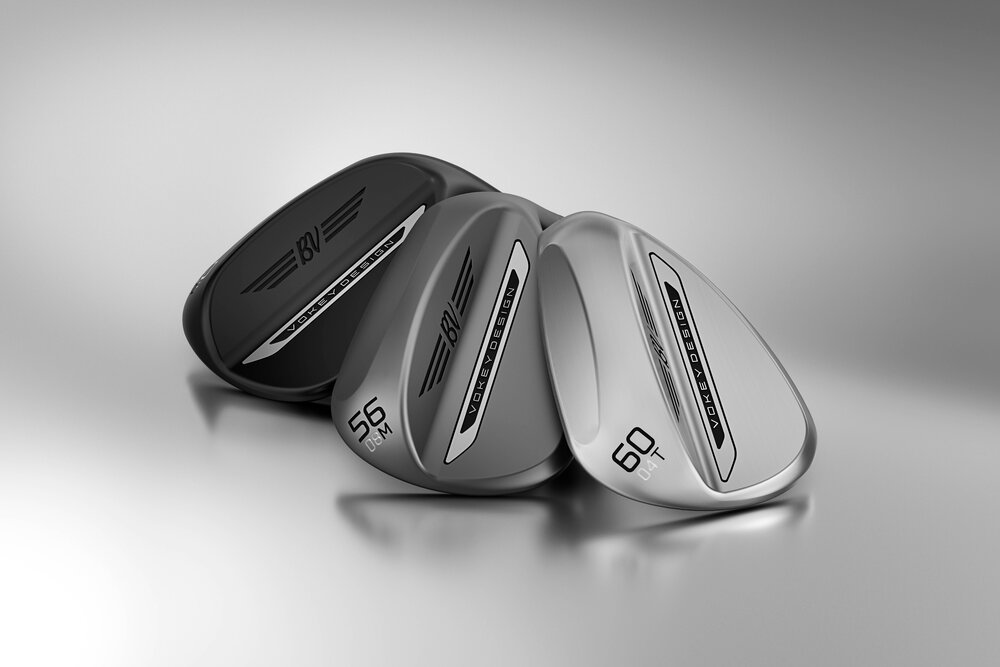
The practical consequence is the same in both cases and almost nobody plans for it. The Takomo set arrives 5-iron through gap wedge, so the top of the bag is tidy, and the planning job sits underneath it: the distance between that strong-lofted gap wedge and whatever sand wedge you already own. Left alone, that turns into a forty-yard hole in the exact scoring zone the irons were bought to help with. Budget for one specialist wedge on top of the set price, and buy it to fit the gap rather than to match the badge. A Titleist Vokey SM11 at around $225 is the obvious way to close it, and it is a better use of the money than upgrading the iron heads.
The Qi Max HL has the mirror-image version of the problem. Weaker lofts mean each number goes shorter than the set you are replacing, which reads as a loss on a launch monitor and is not one, but it does mean your existing wedge set-up will suddenly gap differently at the bottom. Sort that at the same time or the new irons will feel worse than they are for a season.
Launch and peak height: the bit a cheaper head cannot discount
Both sets launch the ball high. They get there by different routes, and the difference matters more than the price. The Takomo raises flight through a thin, fast, variable-thickness long-iron face, which is forgiveness-driven launch: the ball comes off quickly and climbs because the face is efficient and the head is stable. That works beautifully for a golfer with enough speed to load a thin face in the first place. The Qi Max HL raises flight through loft, mass placement and total weight, which is launch that does not require speed. If your problem is a low, weak, running ball flight that lands flat and skids through greens, that is the specific problem TaylorMade has engineered against, and no amount of value engineering elsewhere substitutes for it.
The honesty test runs the other way too. If you already flight a mid-iron properly and hold greens, then everything the HL construction does is a cost rather than a benefit. Weaker lofts and ultralight components in the hands of a golfer with speed produce a ball that climbs too much, ballooning into wind and losing yardage the set was supposed to protect. That golfer should not be looking at a high-launch model at all, at any price.
Fitting access is a real line item, not a footnote
Takomo is online-only, and pretending that costs nothing would be dishonest. There is no shop, no bay and no hands-on fitting, so you are ordering on your own numbers and a size chart, and lie angle and length are decisions you make rather than measurements someone takes. Our Takomo against PING piece works through how much that gap actually costs against an institution with a fitting network. The Qi Max HL sits at the other end of that spectrum, available through effectively every fitter in the country, and with a high-launch model the fit genuinely is the product: shaft weight, length and lie are what convert the design intent into your ball flight.
There is a catch worth naming, though, because it flips the argument for a lot of readers. If you were never going to book a fitting anyway, Takomo's disadvantage is theoretical and you should not pay for infrastructure you will not use. If you were, the fitting is the more valuable half of the purchase and the TaylorMade route is the coherent one.
Resale, and the four-year sum
Big-brand irons have a deeper second-hand market, and a used set of TaylorMade game-improvement irons will find a buyer more easily than a used direct-to-consumer set. That is real. It is also less decisive than it sounds, because what you feel in four years is the cash you lose, not the percentage. A set bought at roughly half the price can shed a much larger share of its value and still leave you further ahead in money. Resale is a reason to prefer a big brand when the purchase prices are close. These two are not close.
Which one to buy
By handicap: if you are 12 and above, your flight is fine and you want maximum forgiveness for the money, the Takomo 101 MKII wins and it is not particularly close. It is the better set of irons per pound spent in this comparison, and the award behind it is independent rather than paid. Below 12, with speed and a decent strike, neither of these is really your set and you should be looking at a players-distance model instead.
By swing speed: the Qi Max HL wins outright for anyone at the slower end of the range, and the rough marker is carry rather than a number on a monitor. If your 7-iron carry sits nearer 130 yards than 160, and firm greens reject your approaches rather than holding them, then the high-launch build is doing something for you that a cheaper head cannot, and the extra money is buying a result rather than a badge. Pay it, get fitted, and sort your wedge gaps on the same afternoon.
Frequently asked
- Is the Takomo 101 MKII as forgiving as the TaylorMade Qi Max HL?
- For off-centre strikes, the two are closely matched. Both are built around a stable head and a thin, flexing face. The difference is not forgiveness, it is launch: the Takomo gets height from face speed, the Qi Max HL gets it from weaker lofts and lighter components, which is what helps a slower swing specifically.
- Do I need a new wedge if I buy the Takomo 101 MKII?
- Usually yes, and it should be in your budget from the start. The set runs 5-iron through gap wedge with strong lofts, so the distance between that gap wedge and a standard sand wedge is often larger than golfers expect. One specialist wedge chosen to fit the gap solves it.
- Can I get fitted for Takomo irons?
- Not in a shop. Takomo sells direct and online only, so you choose length, lie and shaft from their specifications rather than having them measured. If you value a hands-on fitting, that is a genuine cost of buying direct and it counts against the set.
- Will the Qi Max HL make me lose distance?
- Each numbered club will carry shorter than a strong-lofted set, because the lofts are deliberately weaker. What matters is total distance and whether the ball stops. For a golfer with a low, weak flight the higher launch and steeper descent usually gains carry and holds greens. For a golfer with speed, it is a loss.
Read next
Review
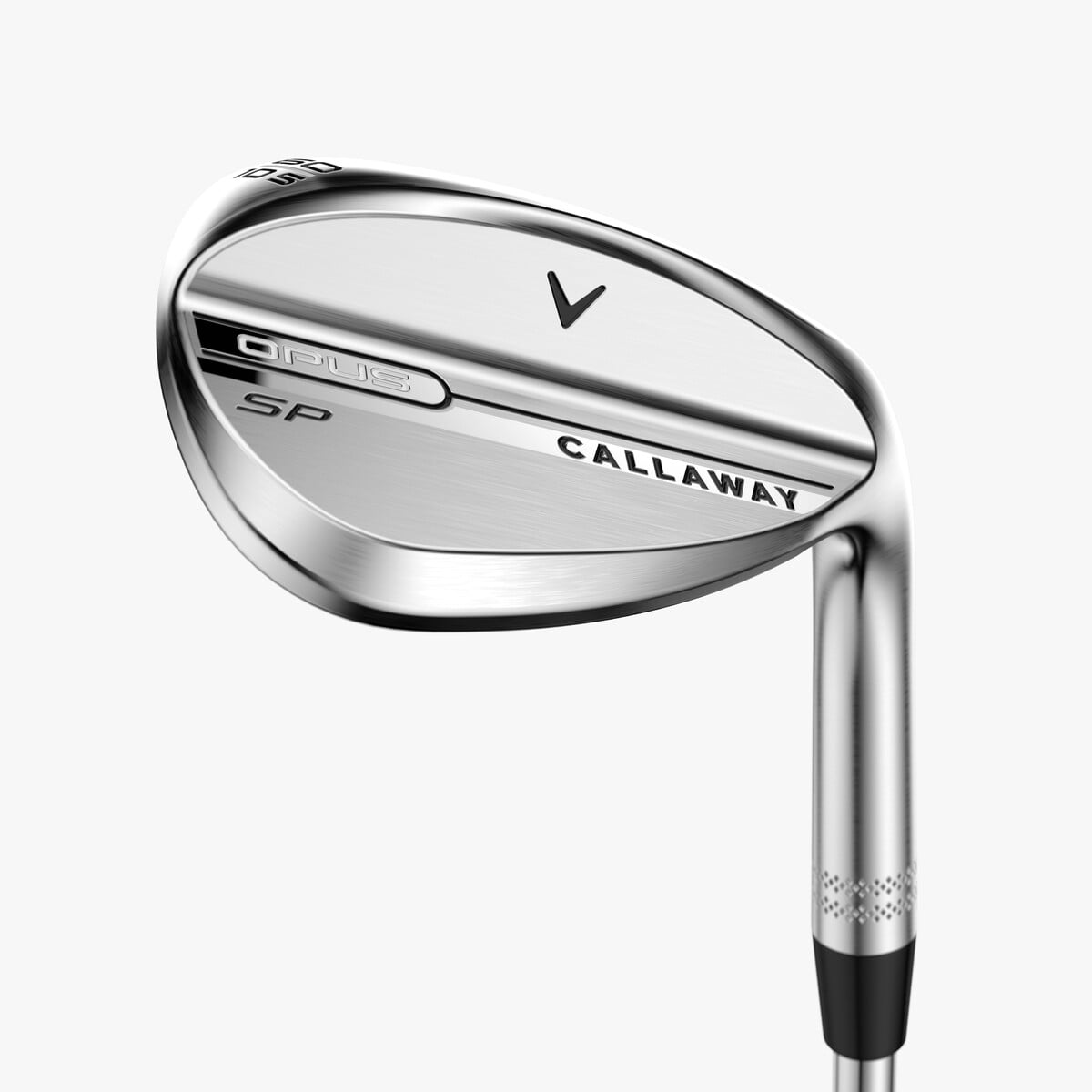
8.4/10Callaway Opus SP review: the wedge in four tour bags while everyone buys Vokey
Callaway's Spin Pocket wedge lands a lower, spinnier flight for about the same money as a Vokey. It is the one I would buy for firm turf and full shots, and the wrong call if your short game lives in soft sand.
Explained
Wedge bounce and grind, explained
The two numbers that decide whether your wedge digs, glides or skips — in plain English, with how to pick yours.
Review
8.8/10Takomo 101 MKII review: the irons quietly embarrassing the big brands
Half the price of a name-brand set, and good enough that you'll feel a bit silly for not trying them sooner. The direct-to-consumer irons reviewed.