
McLaren Golf Series 1 review: a metal-injection-moulded blade for the player who was buying a blade anyway
The supercar company's first golf club is a muscle-back made by metal injection moulding, sold by the head and backed by Justin Rose. Take the badge off and there is a serious iron underneath. It is still a blade.
By Ben Marsden · Reviews Editor
The verdict
Very good
What's great
- A real engineering idea: metal injection moulding lets McLaren put tungsten, silicone and a weight-saving mesh inside a traditional blade shape
- Progressive CG and offset through the set, a flat sole for shaping, and lofts a tour player would recognise
- Sold through fitters with loft, lie and length adjustment, which is how a blade should be bought
Watch out
- Forgiving for a blade is still a blade: nothing here helps a player who misses the middle
- Priced by the head, so a full set is a four-figure purchase, and a debut brand has no resale or replacement-head history yet
Bottom line — A well-built, interesting blade for low-handicap ball-strikers who get fitted and like the idea; nobody should buy it for the badge, and anyone above single figures should buy a forgiving players' iron instead.
McLaren Golf
McLaren Golf Series 1 Irons
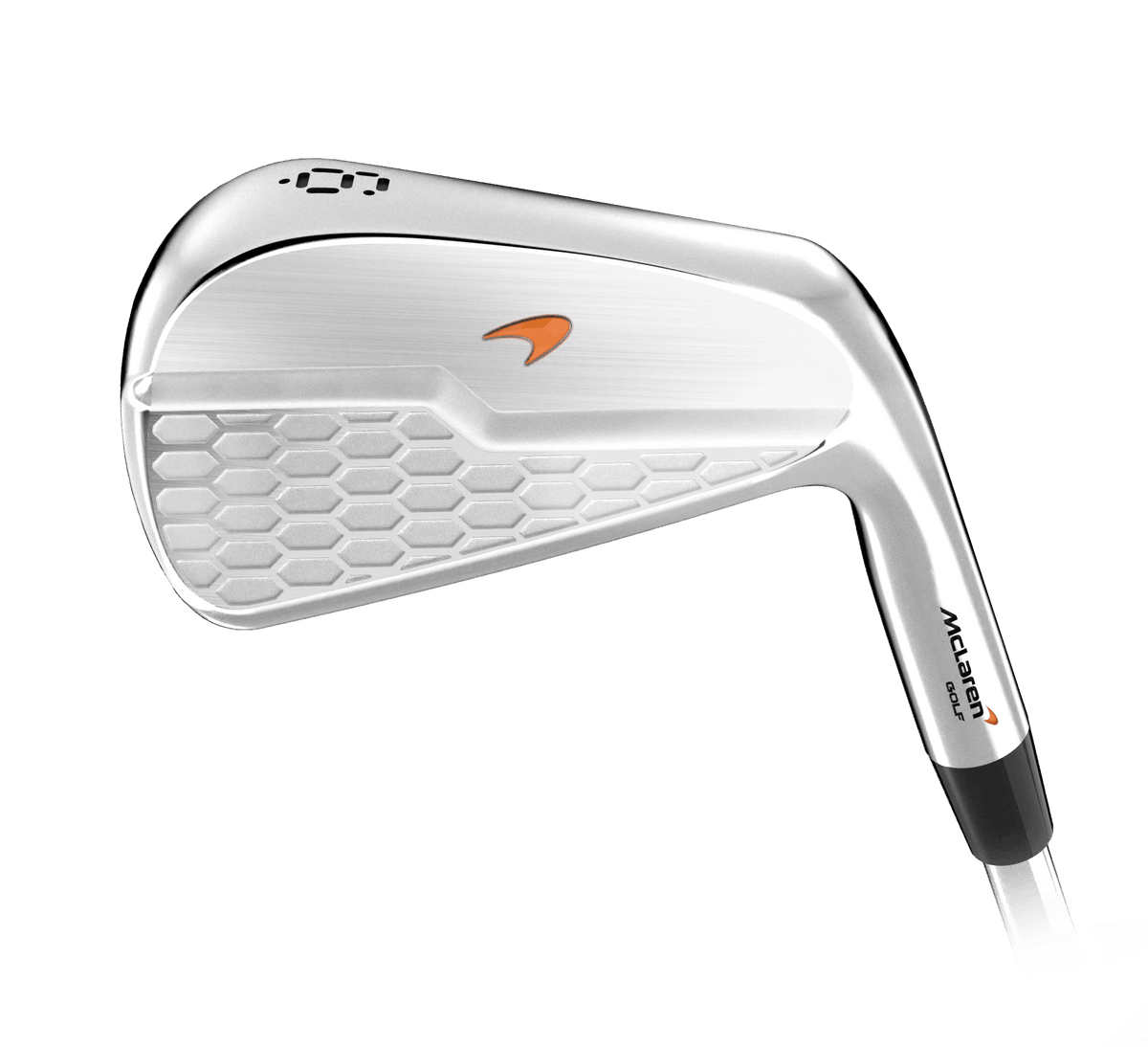
The logo on the back is the first thing anyone sees: the orange McLaren speedmark, set into polished steel above a honeycomb pattern that looks lifted from a car's underbody. It is a striking object. The question a review has to answer is what is left once you stop looking at it.
The McLaren Golf Series 1 is the car company's debut golf club, a muscle-back blade aimed at better players and tour professionals, and it arrives with more credibility than a licensing exercise usually does. Justin Rose retired his long-serving Miura blades for McLaren irons in April. The question for everyone else is narrower than whether Rose can play them. It is who a blade from a supercar brand is actually for.
Who McLaren Golf is
McLaren Golf was announced in March 2026 and launched its first two irons on 29 April, on sale from 30 April in North America, Europe and South Korea. The chief executive is Neil Howie, who spent more than 25 years in senior roles at Callaway, which tells you this is a golf company wearing a car badge rather than the reverse. Rose, Ian Poulter and Michelle Wie West are ambassadors and, according to launch coverage, investors too.
There are two models. The Series 1 is the blade. The Series 3 is a players-distance iron with carbon fibre elements, and it is the one the brand put first: reporting since launch, including MyGolfSpy's, has the Series 1 arriving months behind its April date, with blade stock landing only at the end of September. That is a sensible commercial order, since blades are a small slice of the iron market, and it is worth knowing if you tried to order in the summer and gave up.
How it is made, which is the interesting part
The Series 1 is not forged. It is made by metal injection moulding, or MIM: a fine metal powder is mixed with a binder, injected into a mould under heat and pressure, and then the binder is removed and the part is sintered into solid steel. McLaren uses a proprietary steel blend and says the process gives it detailed control over material structure, weight distribution and internal geometry. Launch coverage called it a process rarely used at scale in golf because of its complexity and cost. It is not new to golf, Cobra has used MIM in production clubs for years, but it is unusual in a blade.
What MIM buys is the ability to build things inside a head that a forging cannot easily hold. The Series 1 carries internal tungsten weighting, a silicone dampening system for feel, and McLaren's Structural Mesh, the honeycomb pattern on the back, which GOLF.com reports removes around two to three grams from non-critical areas. That saved mass goes to the perimeter for stability and to tune the centre of gravity, which moves progressively from low to high and from heel to toe through the set. Offset steps up through the long irons, by nearly a millimetre between the 8 and 7 and by 1.2mm between the 6 and 5, and the sole is flat to keep shot-shaping options open.
If that sounds familiar, it should. Cobra's 3DP MB is the same idea built a different way, a printed blade that frees mass for tungsten in a shape with nowhere to hide it, and we went through what that does and does not buy in Cobra 3DP MB vs Srixon Z-Forged II. The short version applies here too. If you care about the word on the hosel, what forged actually means is worth five minutes before you decide it matters.
Forgiving for a blade is still a blade
McLaren's pitch is that the Series 1 challenges the idea that blades lack forgiveness. Fair enough, as far as it goes. Moving tungsten and saved mass to the edges of a muscle-back raises its stability compared with a solid block of steel, and a progressive CG should make the long irons easier to launch than a traditional set.
But be clear about the scale of that. The lofts are classic blade lofts: 34 degrees in the 7-iron, 46 in the pitching wedge. There is no distance engine, no hollow body and no wide sole. A strike off the toe will still come up short and feel like it. The forgiveness claim is relative to other blades, and the relative bit is doing the heavy lifting, exactly as it was with the Cobra.
Rose's own set says the same thing. Launch coverage described him blending the two models, Series 3 in the longer irons and Series 1 below, which is the combo set nearly every tour player with a blade ends up building. If a 45-year-old major champion wants help at the top of the set, so do you. His current bag is on Justin Rose's WITB.
The price is per head
McLaren sells the Series 1 one club at a time, from the 3-iron to the pitching wedge, at the same per-head price as the Series 3. A standard 4-to-PW set is seven heads, so this is a four-figure purchase before you choose a premium shaft. The good news is that it is sold the right way: through select custom-fitting accounts (in the US that includes Club Champion and True Spec) and direct, with loft and lie adjustable by two degrees either way and length by an inch and a half.
The thing the price does not include is history. A debut brand has no track record on how the finish wears, how quickly replacement heads arrive, or what the irons are worth in three years. None of that is a reason not to buy. It is a reason to buy only once you have hit them against what you already own.
Who it is for, and who should skip it
Buy the Series 1 if you are a low-handicap player who strikes it from the middle, you were going to buy a blade anyway, and after a fitting you prefer how this one looks, sounds and flies. In that case the engineering is real, the build is serious and the badge is a bonus rather than the reason. I would also understand the buyer who simply loves the object. That is a legitimate reason to spend money, as long as you know that is what you are buying.
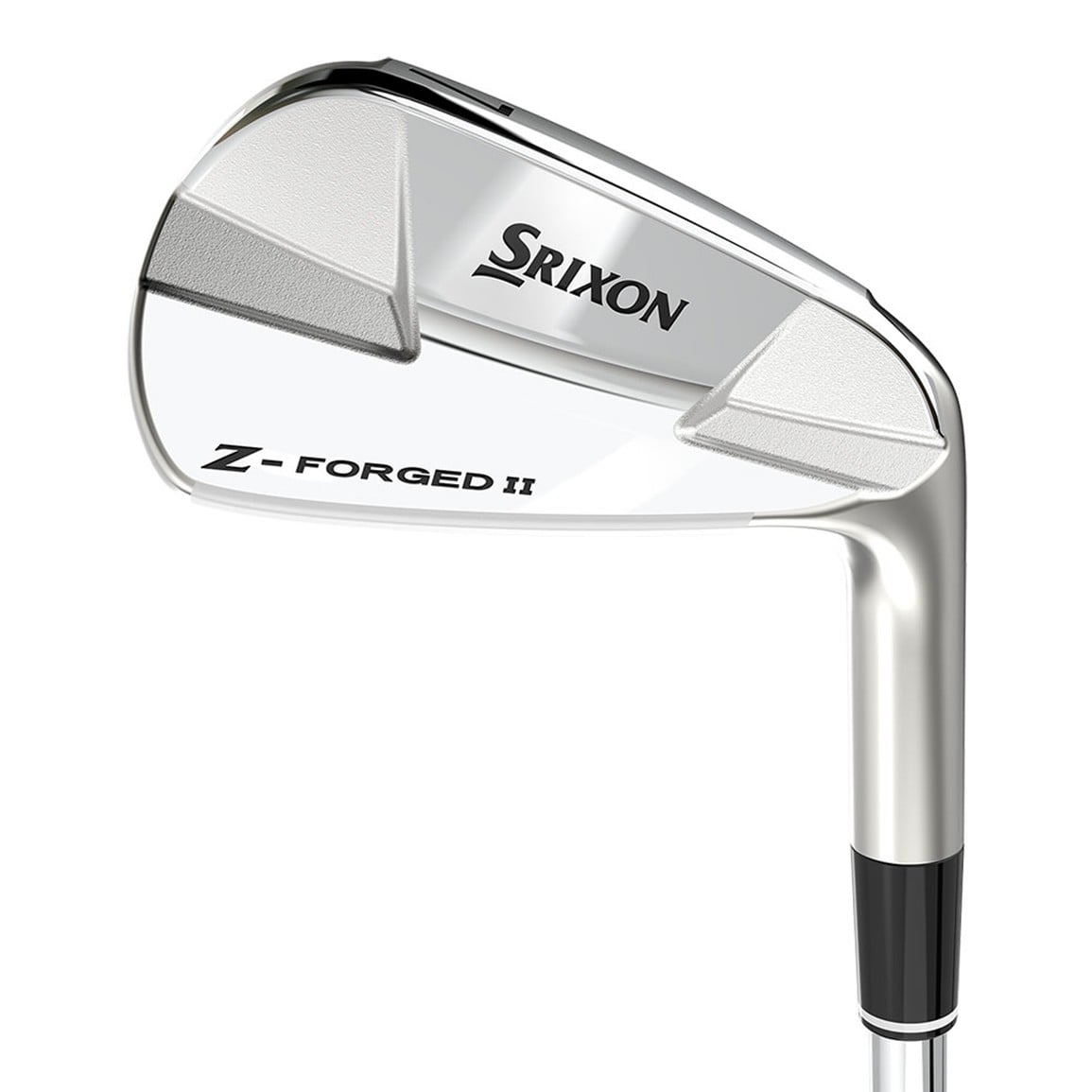
If you want a traditional forged muscle-back with nothing clever inside it, the Srixon Z-Forged II is soft 1020 carbon steel, a compact shape and a set price from an established iron maker.
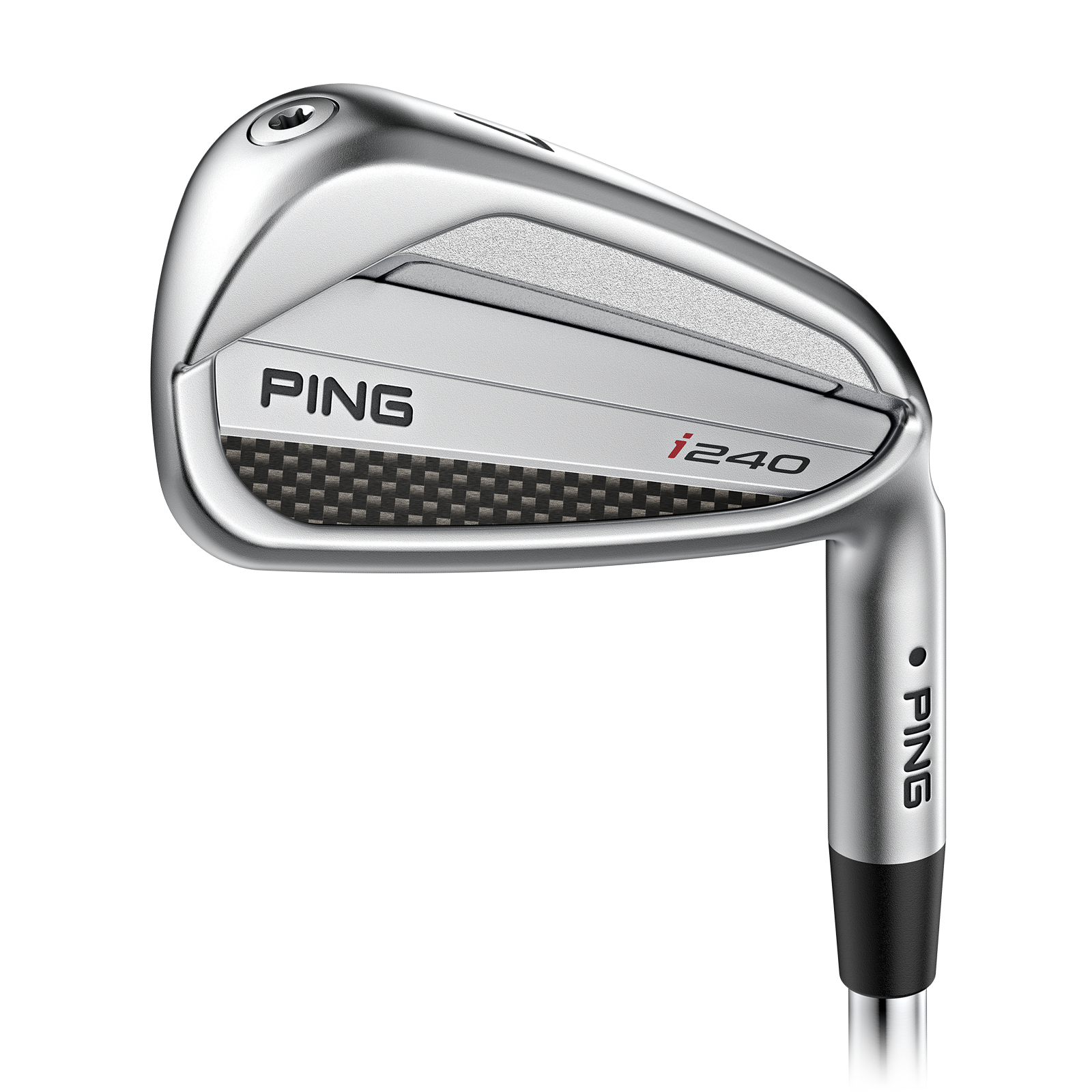
And if you are above single figures, skip blades altogether, McLaren's included. The Ping i240 gives you a players' look with a real margin for error underneath, and that margin is worth more to your scores than any amount of tungsten in a muscle-back. We made that case at length in you're not good enough for blades.
The verdict
The Series 1 is a better debut than the cynic in me expected. It is a thought-through blade built by people who have made irons before, using a manufacturing process that does something specific, and it is sold through fitters rather than off a showroom shelf.
It is also a blade, and a blade suits a small group of golfers no matter whose name is on the back. If you are in that group, it deserves a place in your fitting. If you are not, the most expensive mistake you can make here is letting a car brand talk you into the hardest irons in golf. The wider field is in our irons and wedges guide.
Where to buy
7.6/10McLaren Golf
McLaren Golf Series 1 Irons
McLaren Golf's debut blade — a muscle-back for better players and tour pros.
Frequently asked
- Are McLaren Golf Series 1 irons forged?
- No. They are made by metal injection moulding, in which a fine metal powder and binder are injected into a mould and then sintered into solid steel. McLaren uses a proprietary steel blend and says the process lets it control internal weighting and geometry more precisely, including internal tungsten and a silicone dampening system.
- Who plays McLaren Golf irons on tour?
- Justin Rose switched from his Miura blades to McLaren irons in April 2026. Launch coverage described him blending Series 3 heads in the longer irons with Series 1 below. Ian Poulter and Michelle Wie West are also ambassadors and investors in the brand.
- How are McLaren Series 1 irons sold?
- Per club rather than as a fixed set, from the 3-iron to the pitching wedge, through select custom-fitting retailers and McLaren Golf's own site. Loft and lie can be adjusted by two degrees either way and length by an inch and a half. Stock of the Series 1 arrived later than the Series 3, at the end of September 2026.
- Are McLaren Series 1 irons forgiving?
- Only relative to other blades. The tungsten weighting and Structural Mesh add stability to a muscle-back shape, but the lofts are traditional and there is no hollow body or wide sole. Golfers above single figures will score better with a forgiving players' iron such as the Ping i240.
Read next
Review
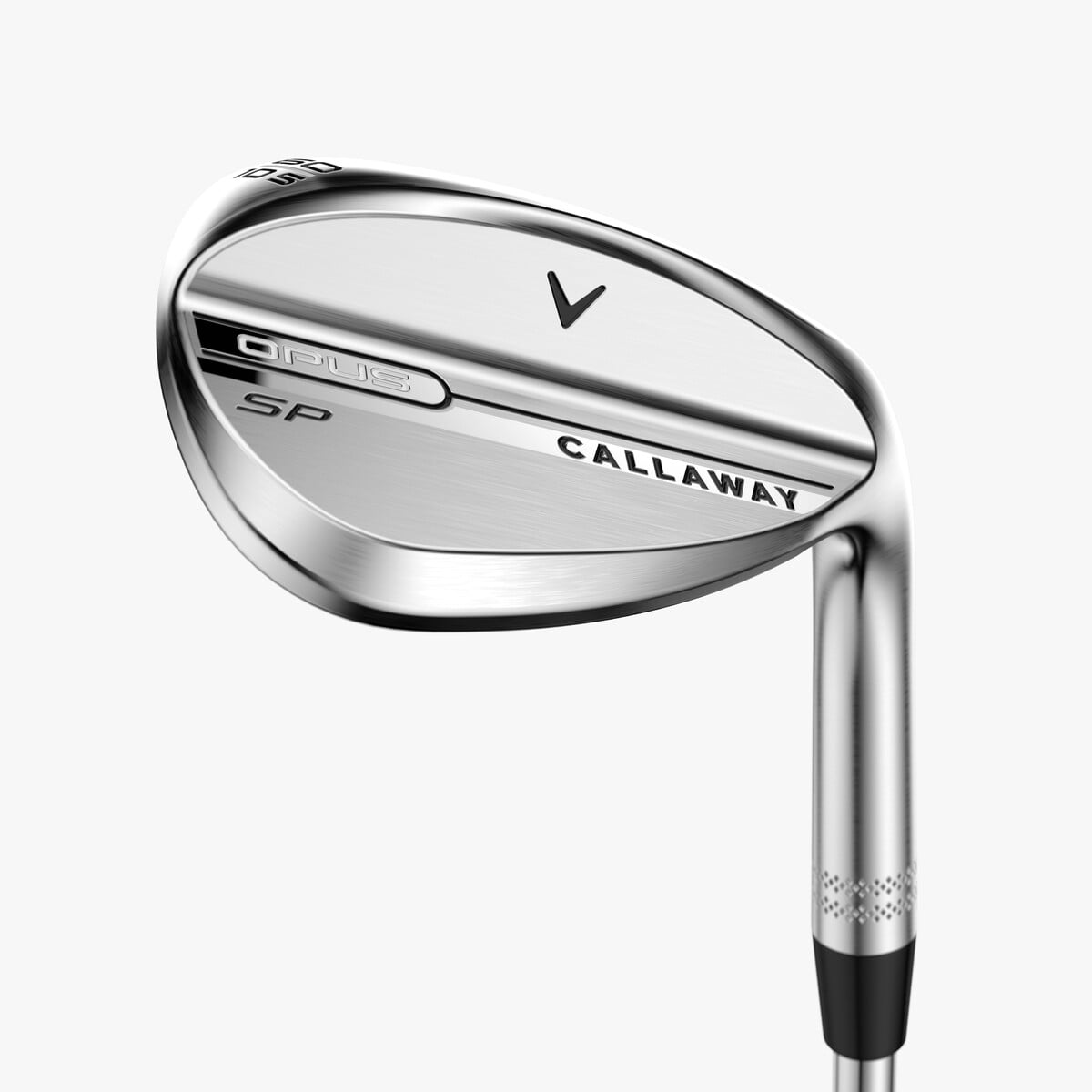
8.4/10Callaway Opus SP review: the wedge in four tour bags while everyone buys Vokey
Callaway's Spin Pocket wedge lands a lower, spinnier flight for about the same money as a Vokey. It is the one I would buy for firm turf and full shots, and the wrong call if your short game lives in soft sand.

Explained
Wedge bounce and grind, explained
The two numbers that decide whether your wedge digs, glides or skips — in plain English, with how to pick yours.

Review
8.8/10Takomo 101 MKII review: the irons quietly embarrassing the big brands
Half the price of a name-brand set, and good enough that you'll feel a bit silly for not trying them sooner. The direct-to-consumer irons reviewed.