
Medinah is 7,564 yards for one week: the transferable part of a Presidents Cup bag is the gapping, not the head
Twenty-four players arrive in Illinois on 24 September with bags assembled for one golf course, one format and one week. The industry sells the heads out of those bags. The part worth copying cannot be put in a box.
By Ben Marsden · Reviews Editor
TaylorMade
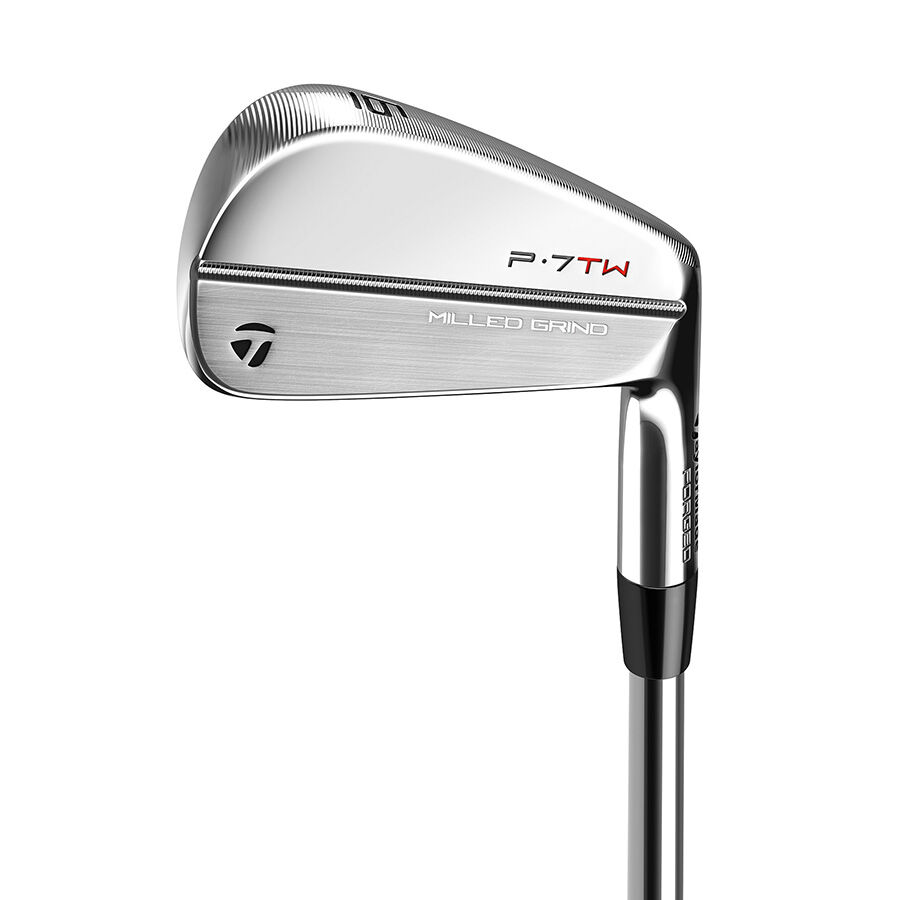
TaylorMade P7TW
The most instructive part of a team week happens on the Tuesday, at the back of the range, out of shot. A manufacturer's truck is parked up. A player who has carried the same fourteen clubs since July is stood over a launch monitor deciding whether to change the club at the top of his set, because the golf course he plays on Thursday is not the one he played last month. Somebody bends a lie angle. By Friday afternoon one of those fourteen may already be out again.
That is what a Presidents Cup bag is. Not a shopping list. A build, for one venue and one format, with a date on it.
A course build, and this course in particular
The 16th Presidents Cup runs from 24 to 27 September at Medinah Country Club in Illinois, Brandt Snedeker captaining the United States and Geoff Ogilvy the International side. Both twelve-man rosters were finalised on 1 September, giving everyone three weeks to prepare equipment for one piece of ground.
The ground is worth knowing about. Course No. 3 was redesigned in 2024 by OCM, the practice whose O is Ogilvy himself, and the official card reads 7,564 yards at par 72. It is long, it is wider than it was, and the trees have given way in places to long fescue. A course shaped like that asks one particular question of a bag, and it is about the long clubs: what do you hit from 210 yards, and will it stop.
Fifteen of the twenty-four players have a bag in the 53-bag file we maintain and re-verify against named sources, which is not a census of this event and certainly not of professional golf. Most of those entries were last checked in high summer, and a team week is exactly when a bag changes. We counted what those fifteen sets contain in the Medinah gear preview. This piece is about what the count cannot tell you: what any of it is worth to the person watching.
Foursomes is the proof that a tour bag is negotiable
Match play changes the brief before a club is chosen, and foursomes changes it hardest. In alternate shot the side plays one ball, so a pair who normally play different balls have to agree on one before they walk to the first tee. One of the two spends a whole session hitting something he did not pick.
Sit with that for a second, because it is the cleanest demonstration available of what a tour bag is. A situational object, renegotiated by a partner, a captain, a wind forecast and a golf course. There is no version of that which is also a product recommendation.
The format does more than the ball, too. In match play you can lose a hole badly and lose nothing else, so a player can afford a club that is brilliant at one shot and useless at another. Over 72 holes of stroke play that club is a liability. Same player, same month, different fourteen.
What gets sold off the back of all this
The industry has one reliable way to convert a week like this into revenue, and that is to sell you the head, because the head is the only part of a tour bag that photographs well and fits in a box.
The TaylorMade P7TW is the purest example on the market: a fully forged 1025 carbon steel muscleback with milled tungsten weighting and minimal offset, designed around Tiger Woods' personal preferences and available to anyone with the money. A superb piece of manufacturing, and I am not sneering at it.
The TaylorMade RORS Proto is the same move as a limited release: a grain-flow forged muscle-back shaped to Rory McIlroy's preferences, sole grind included.

Both are honest products. What is not honest is the implication hanging around them, which is that the head is the transferable part of an elite player's bag. It is the least transferable part. The parts that travel are lie angle, shaft weight and profile, playing length, loft bending across the set, and the gap map those numbers produce. Not one of those appears in an advert, because none of them can be merchandised. You cannot put a lie angle in a display case, so the marketing sells the only bit it can sell and a whole category of purchase gets built around the variable that matters least. That is an industry design decision and it is worth naming as one.
The gapping is the part that transfers
Here is the useful thing to take from watching this week, and it is free. Look at the top of those bags. Over the past few seasons the most consistent equipment change in professional golf has not been a new driver, it has been the quiet retirement of the long iron. High-lofted fairway woods and utility clubs took its place, for a reason that applies as much to a club golfer as to Adam Scott: a ball that lands steeply holds a green, and a ball that arrives flat does not.
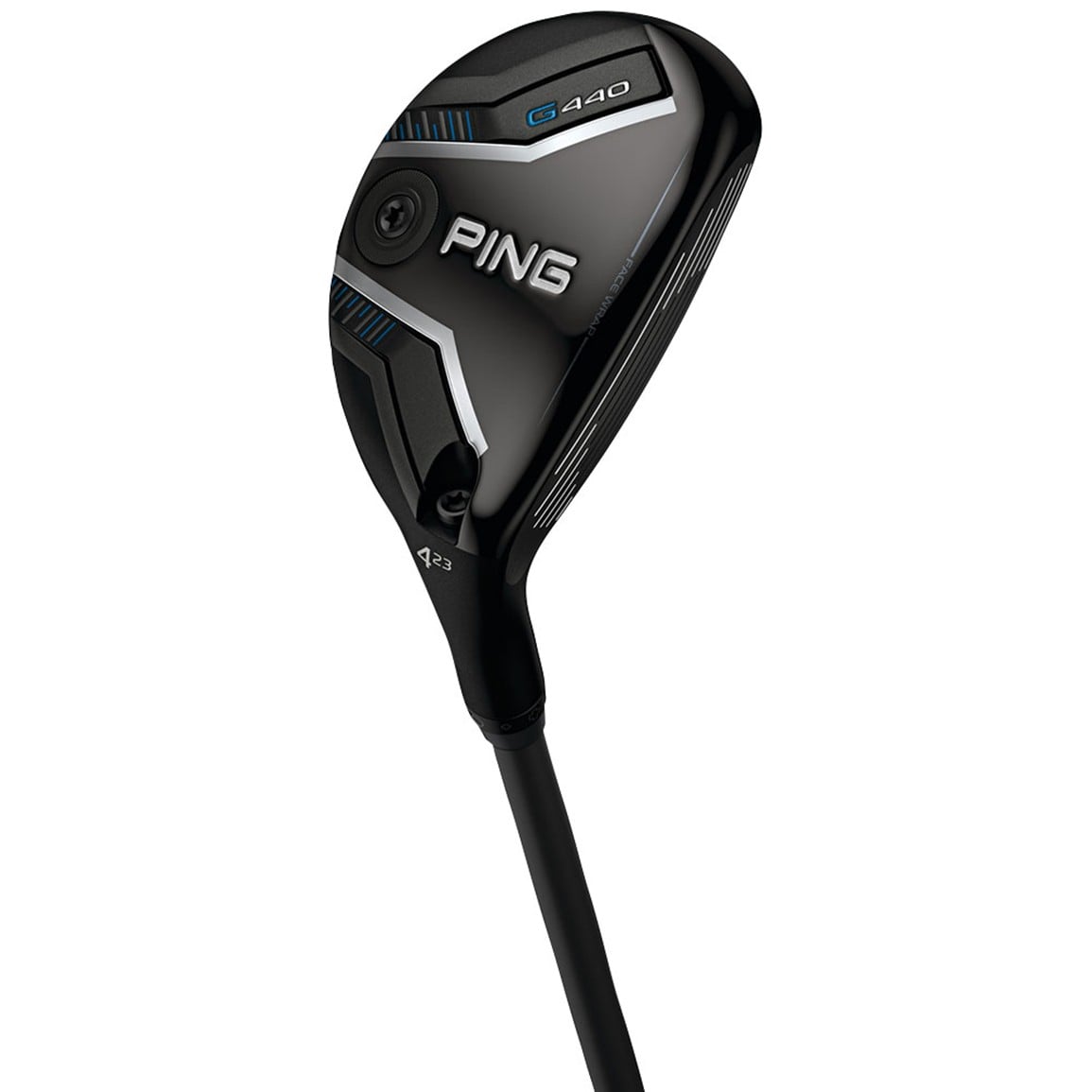
The club golfer's version of that is not expensive. The Ping G440 Hybrid is a high-launch long-iron replacement with a maraging steel face and, more importantly, an adjustable hosel. That is not a gimmick at the top of the bag. It is how you set a gap rather than accept one.
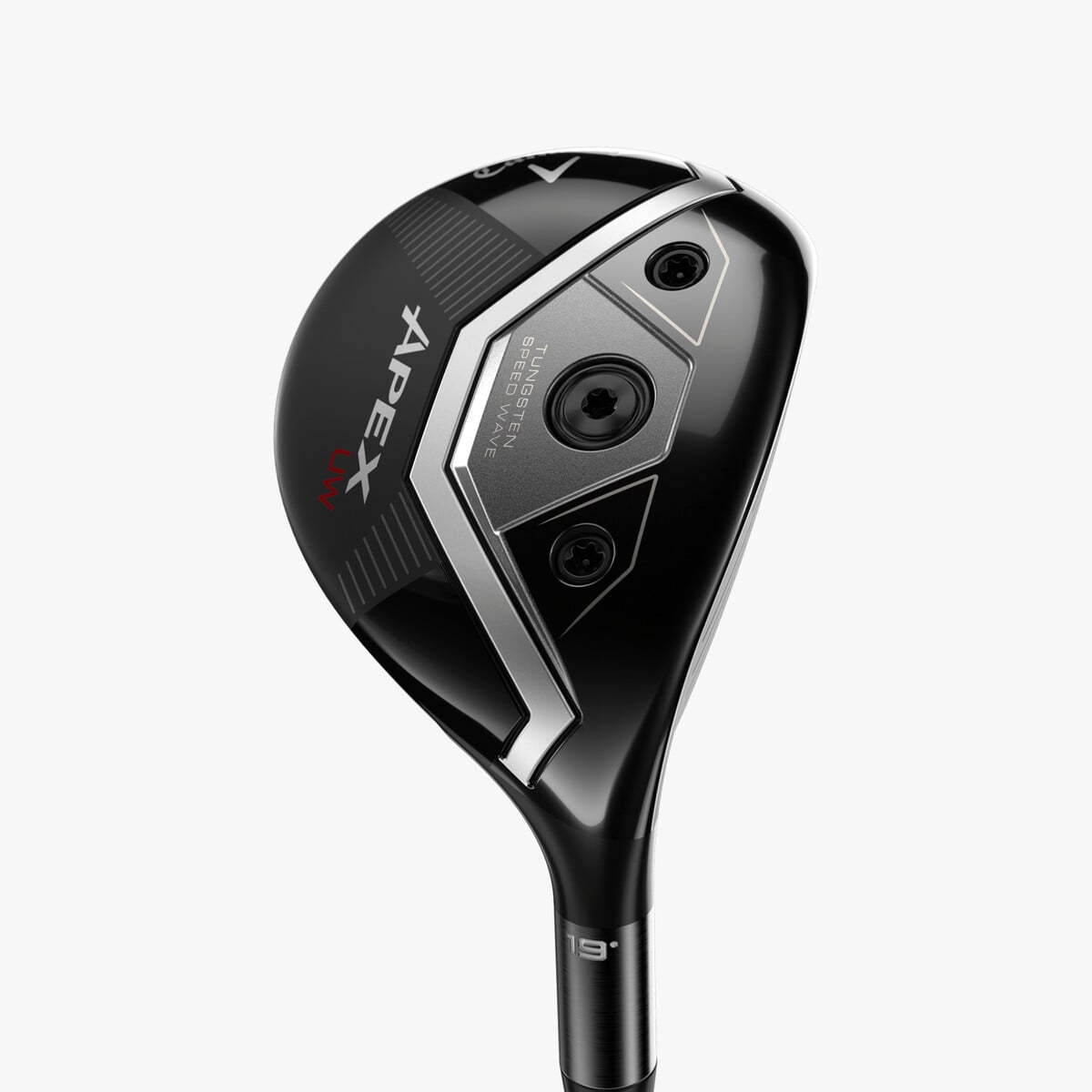
The Callaway Apex UW takes it a step further, a utility wood between a fairway wood and a driving iron with a carbon crown and a tungsten weight low and forward, offered at 17, 19, 21 and 23 degrees. Four lofts is the tell: a manufacturer treating the top of the bag as a distance range to be covered rather than a club to be sold.
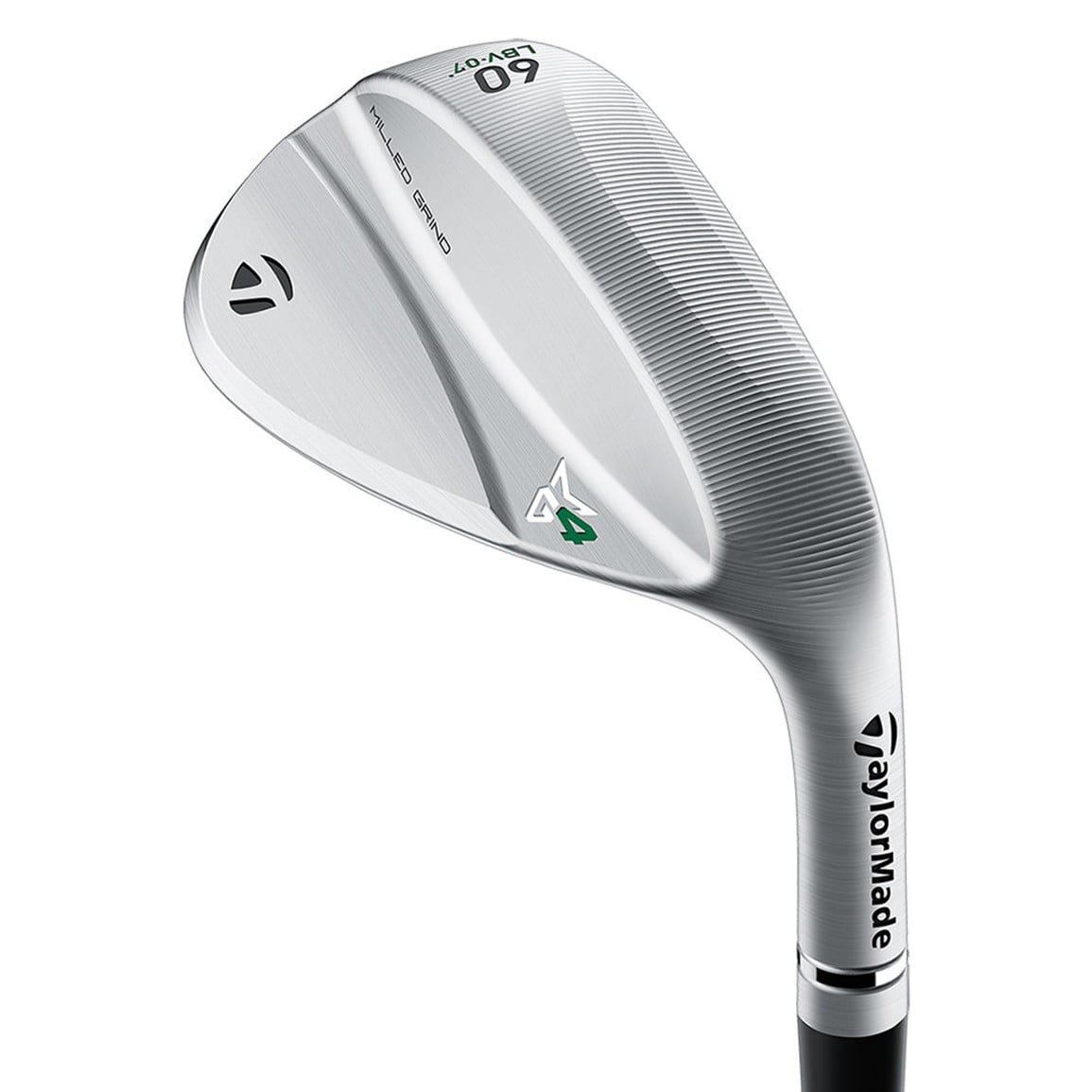
The same discipline applies at the other end, where amateurs lose more shots and pay less attention. A wedge like the TaylorMade Milled Grind 4 is dependable and fittable, but the loft you order should come off a list of your own carry distances rather than off a convention. A pitching wedge from a strong-lofted set followed by a traditional 56 leaves a hole you will find on every par 5.
Course fit means your course, not theirs
The other transferable idea is the one Medinah demonstrates by being so specific. Those bags were built against a set of numbers: this length, these greens, this month.
You can do the same thing in twenty minutes and it costs nothing. Write down the second-shot yardage of every par 4 and par 5 on the course you play most, from the tees you actually play, then list your fourteen clubs and the distance each one genuinely carries, measured rather than remembered. Lay the two lists side by side. The gaps will not be where you expected, and that document is a better fitting brief than any brand's website will give you.
Most club golfers who do this find the same two things: a hole somewhere between 190 and 220 yards where nothing in the bag is reliable, and two clubs at the bottom of the set that go the same distance. Neither is solved by a new badge. Both are solved by a gap map and a loft wrench.
The purchase the marketing is built to produce
So who is wasting money? Not the golfer who bought a tour player's irons because they are beautiful. A club you enjoy looking at is worth real money to you, and nobody gets to price that but you.
The waste is one specific purchase, the one the advertising is engineered to produce: a tour head, off the peg, in the stock shaft, unbent, bought by somebody who has never had a lie angle checked. That combination sells thousands of times every autumn and it is the only configuration in which the head genuinely cannot help. A two-degree lie error moves an iron shot further offline than any difference between two forged blades, and it costs about a sleeve of balls to fix.
Two more the industry does well out of. The tour-issue shaft upcharge, a real product for a small number of players and a badge for everybody else. And the 3-iron, still sold to golfers whose 5-iron is already the club they hope they do not have to hit. We made a related argument in the Most Wanted winner with no rack space, and on collapsed brand loyalty in eight in ten golfers now mix brands.
What I would do with the money
A fitting with a gapping session in it, before any head. If the budget only stretches to one thing this autumn, that is the one, and it is the single purchase in golf nobody tells me they regret.
Then watch the week for what it is good at. The shots, the nerve, two players in foursomes working out whose ball they are hitting. Wonderful television, and a poor catalogue.
Products mentioned in this article
TaylorMade
TaylorMade P7TW
The purest example of the thing being sold: a forged muscleback built to one player's personal specification, on a retail rack.
TaylorMade
TaylorMade RORS Proto Irons
The same idea as a limited release, and the same warning label applies to both.
Ping
Ping G440 Hybrid
The transferable version of a tour long-game fix, with an adjustable hosel so the gap can actually be set.
Callaway
Callaway Apex UW
Four lofts between a fairway wood and a driving iron, which is the top of the bag treated as a gap rather than a club.
TaylorMade
TaylorMade Milled Grind 4 Wedge
The bottom half of the same argument, and the half that costs club golfers more shots.
ifrothgolf earns a commission on purchases made through these links, at no extra cost to you. It never changes what I recommend. Full disclosure.
Frequently asked
- Why do professionals change clubs before a team event like the Presidents Cup?
- Because the bag is built for a specific golf course and format rather than for a season. Medinah's Course No. 3 plays 7,564 yards at par 72 after its 2024 redesign, which puts unusual weight on the long clubs, and match play also lets a player carry something that is excellent at one shot and poor at others in a way stroke play does not.
- Do both players in foursomes have to use the same golf ball?
- Yes. In foursomes the side plays a single ball in alternate shots, so partners agree on one ball model before the match. That means one of the two is usually playing something other than their normal choice for the session.
- Is it worth buying the same irons a tour player uses?
- Only if they suit you after a fitting. The head is the least transferable part of a professional's bag. Lie angle, shaft weight and profile, playing length and loft bending are what make that set work for that player, and none of those transfer with the head when you buy it off a rack.
- What is the easiest gapping check a club golfer can do?
- Write down the second-shot yardage of every par 4 and par 5 on the course you play most, from the tees you actually use, then list your fourteen clubs with their measured carry distances next to it. Gaps larger than about fifteen yards and overlaps smaller than about eight are the two things to fix, usually at the top of the bag and across the wedges.
Read next
Review
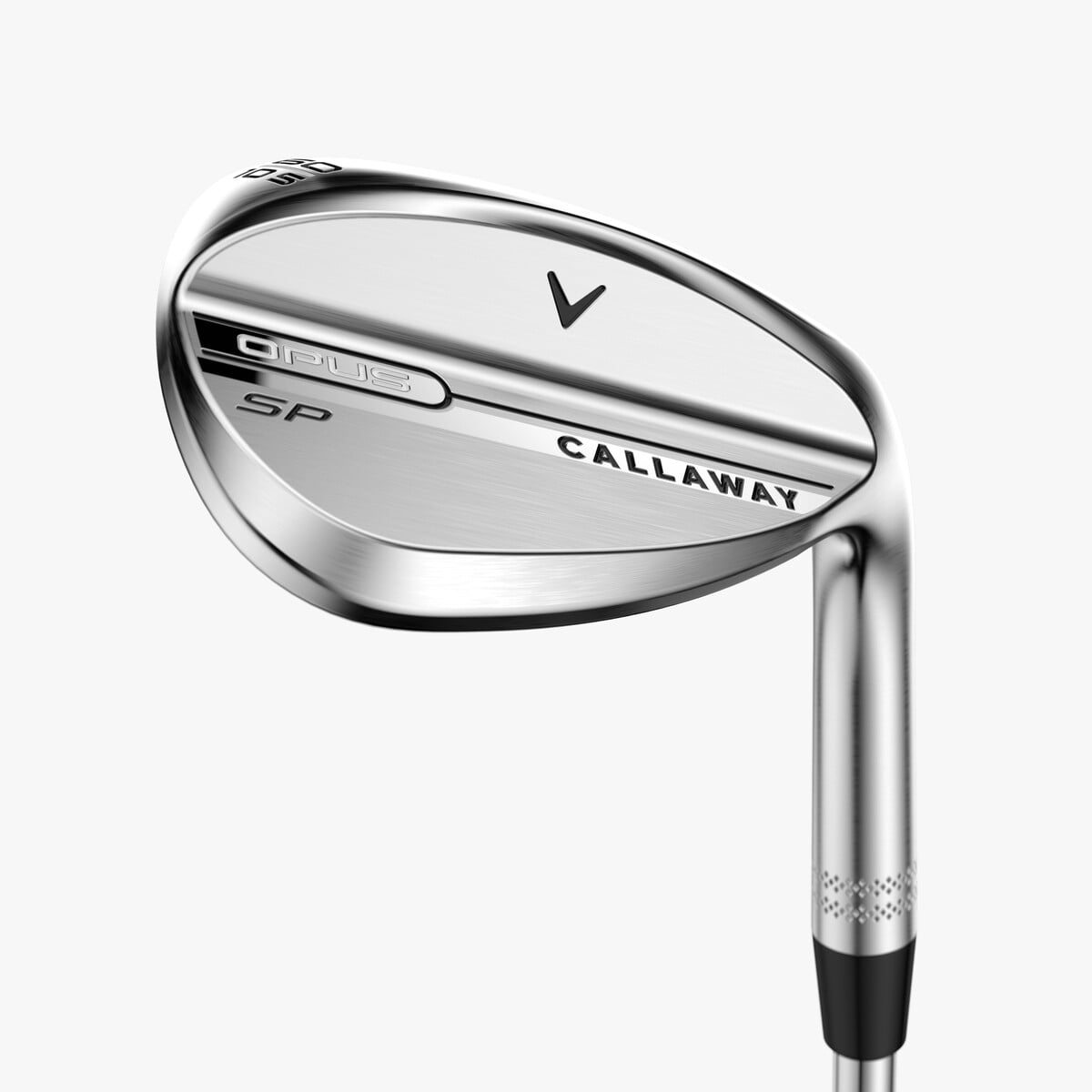
8.4/10Callaway Opus SP review: the wedge in four tour bags while everyone buys Vokey
Callaway's Spin Pocket wedge lands a lower, spinnier flight for about the same money as a Vokey. It is the one I would buy for firm turf and full shots, and the wrong call if your short game lives in soft sand.
Explained
Wedge bounce and grind, explained
The two numbers that decide whether your wedge digs, glides or skips — in plain English, with how to pick yours.
Review
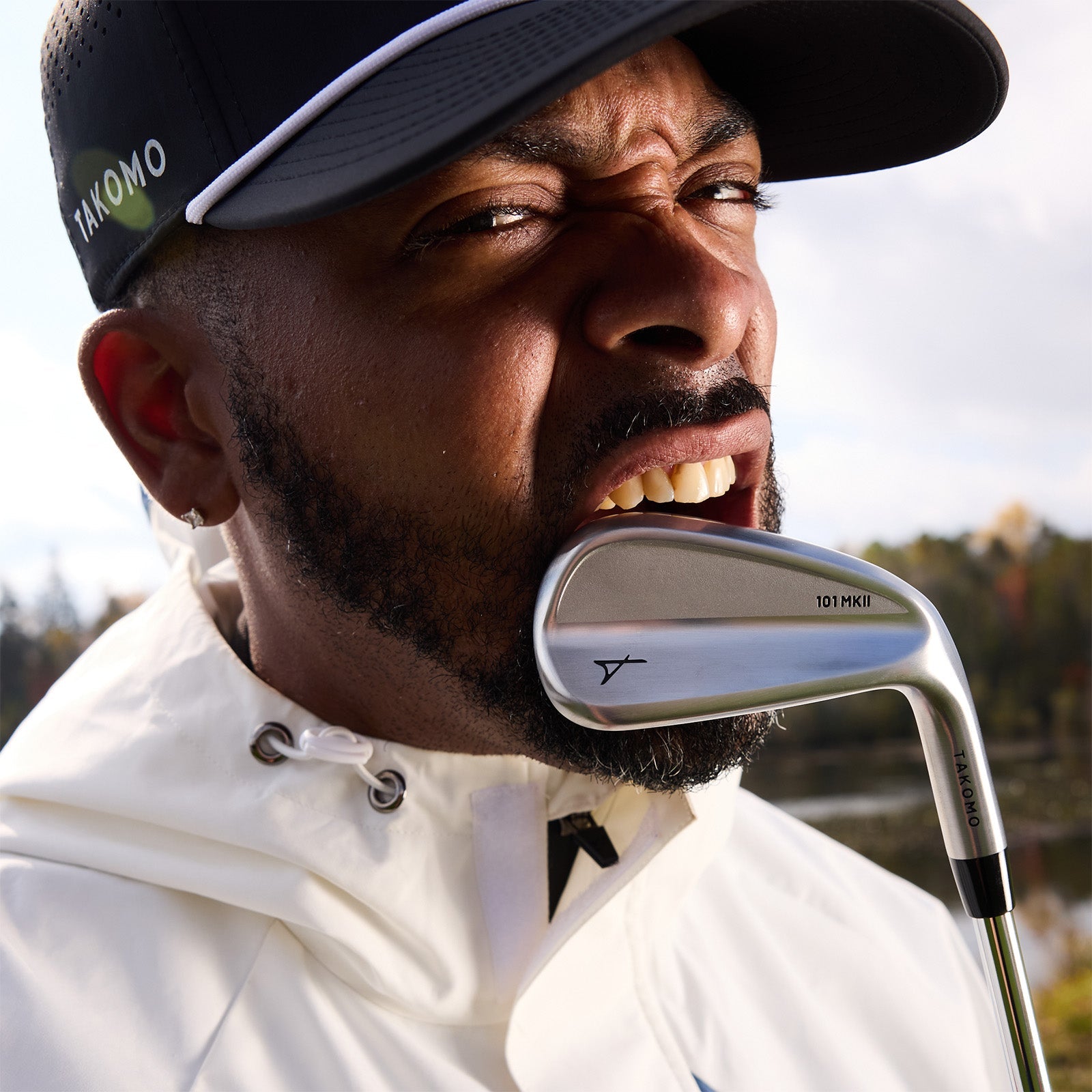
8.8/10Takomo 101 MKII review: the irons quietly embarrassing the big brands
Half the price of a name-brand set, and good enough that you'll feel a bit silly for not trying them sooner. The direct-to-consumer irons reviewed.