
Tour Edge won MyGolfSpy's 2026 Most Wanted iron test. Our 400-plus product catalogue had zero Tour Edge in it
The Hot Launch Max D took the accuracy crown in super game-improvement irons and finished top three for distance and forgiveness. Tour Edge buys no tour staff bags, gets almost no rack space and does not run the ad pages, which is why it took an independent test for anyone to look at it. Us included.
By Ben Marsden · Reviews Editor
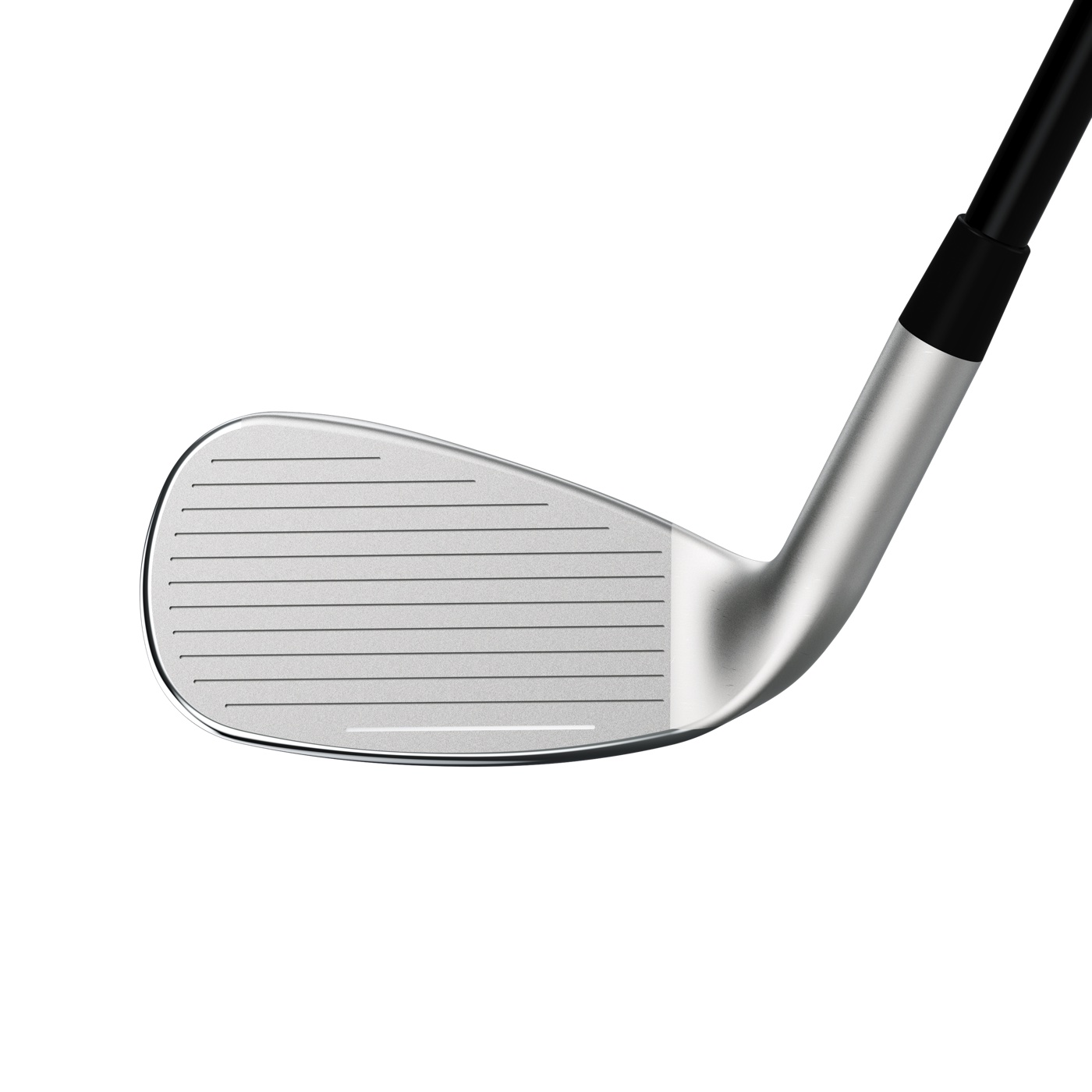
Tour Edge
Tour Edge Hot Launch Max D Ironwoods
Stand in front of the iron rack at a decent pro shop and count the badges. Four, usually. Five if the shop is generous. The same four you saw on Sunday afternoon under a leaderboard, the same four in the magazine you flicked through in the waiting room, the same four the fitter has heads for in the drawer behind him. That rack is not a survey of the iron market. It is a survey of who paid to be in the room.
Tour Edge is not on it. The brand has just won MyGolfSpy's 2026 Most Wanted title in super game-improvement irons with the Hot Launch Max D Ironwoods — best in test for accuracy, top three for both distance and forgiveness — and my honest reaction was not "good for them". It was to go and check our own catalogue, because I could not remember ever writing the words Tour Edge on this site.
The admission, because it is the whole point
Until this week our catalogue ran to more than 400 products from over a hundred brands. Not one of them was Tour Edge. Not a driver, not a hybrid, not a wedge. A brand that has been making golf clubs for decades, that sells a full line, and that has now won a category outright in the most-quoted independent iron test in the game, and we had a zero next to its name.
I am not going to dress that up as an editorial position. It is a blind spot, and the mechanism behind it is boring and instructive: we build a catalogue out of what retailers stock, what people search for, and what turns up in the coverage everyone else is producing. Every one of those inputs is downstream of the same thing — who has distribution and who buys attention. Run that loop for long enough and you end up with a very well-researched opinion about four brands.
Which is exactly what a golfer's shortlist is.
A shortlist is a distribution map, not a performance ranking
Ask most golfers how they chose their irons and you will get a story about fit and feel. Ask how the three sets they tried got onto the list in the first place and the story stops. They got there because a tour player has them in the bag, because the shop had heads to hit, because the brand's name was already in the reader's head before the reader had a question.
We published a piece earlier this year on how thoroughly brand loyalty has collapsed — eight in ten golfers now mix brands across a set. I stand by it, and it is also only half a story, because mixing is not the same as considering. Golfers now happily play one badge in the driver and another in the irons. They are still choosing from the same four badges. Loyalty died; familiarity did not.
Tour Edge has no route through that. It does not buy tour staff bags. It gets almost no rack space. It does not run the ad pages. Strip all of that away and what is left is one door: put the club in an independent test and win. That is precisely what happened, and it is the only thing that has made me, a person whose job is knowing the iron market, type the brand's name into our own product file.
The fair case for buying the club you have heard of
Now the part the contrarian version of this piece would skip, because there are three good reasons to buy the mainstream set and none of them are stupidity.
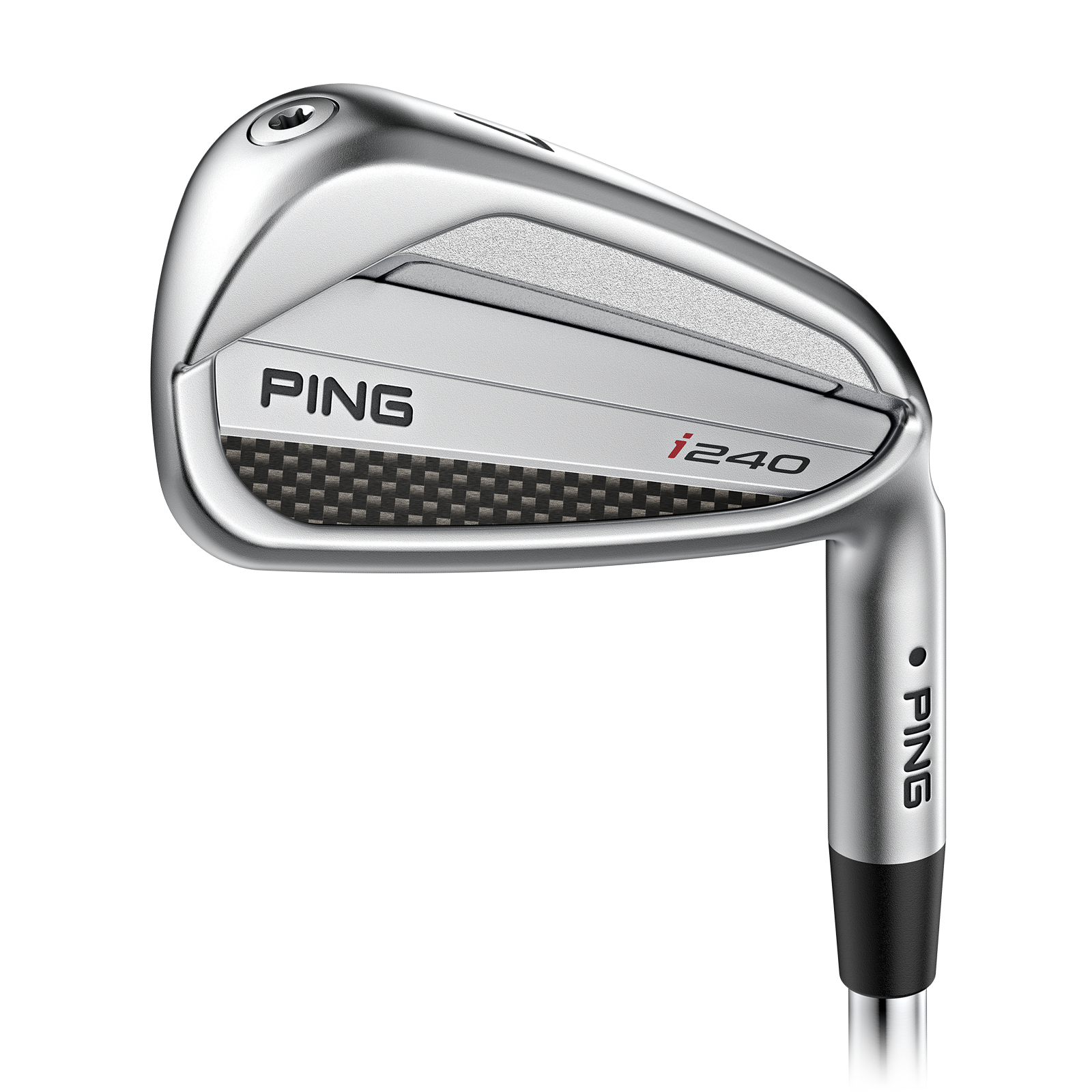
Fitting access is the big one. If you walk into a bay and ask for a lie angle two degrees upright and a soft-stepped shaft, PING i240s will be built to it and delivered, because the fitter has the matrix, the heads and the relationship. A brand with thin distribution can be fitted, but you are more likely to be ordering to numbers taken on someone else's heads. For irons specifically — the clubs where lie angle quietly decides where the ball goes — that is a real, not imagined, advantage. We ran the Max D against the rack's answer on exactly those terms in Hot Launch Max D vs Qi Max HL. This piece is about something earlier than that decision: why only one of the two was ever on the list.
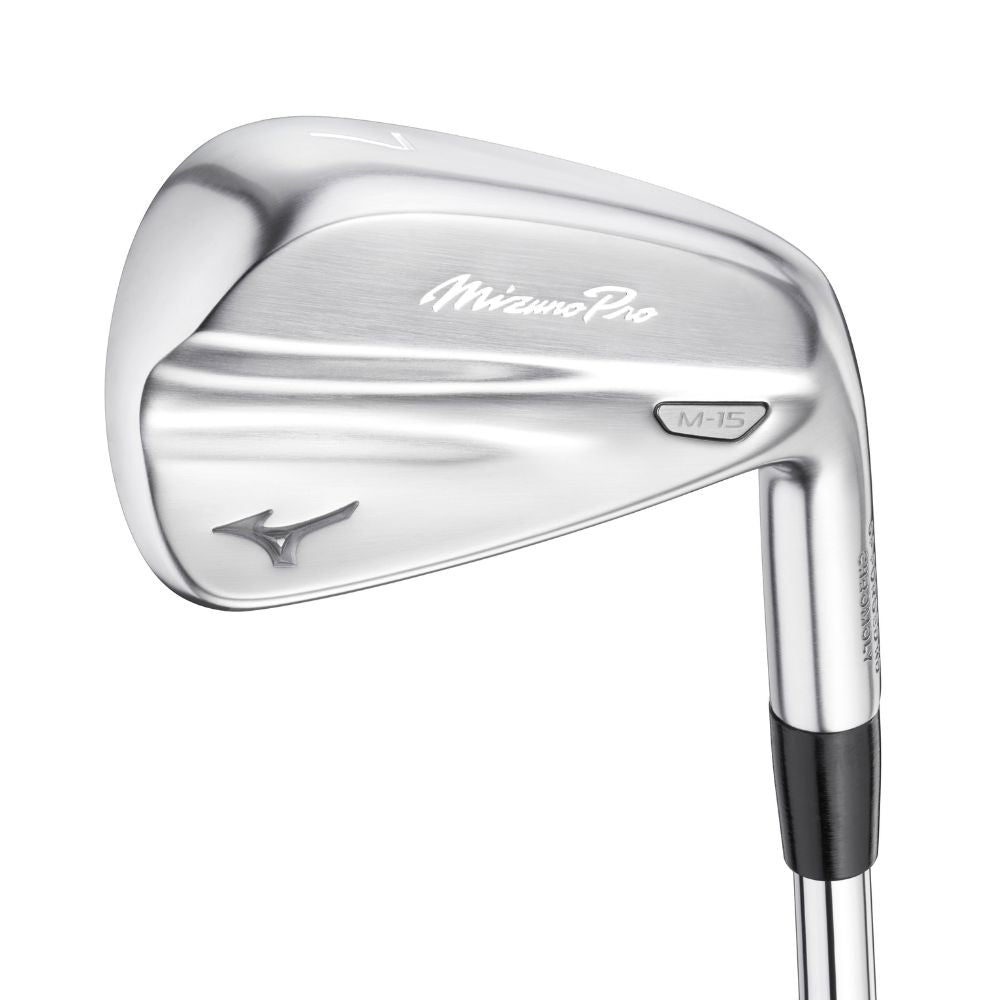
Resale is the second. Irons are the set people trade. A badge everyone recognises comes back to you at trade-in; a badge the shop has to explain does not. If you change irons every couple of seasons, the Mizuno Pro M-15 type of purchase holds a chunk of its money in a way a value brand cannot, and that difference is worth counting against the sticker price rather than ignoring.
Third, and the one I would not compromise on: you can hit the familiar club before you own it. Demo day, fitting bay, a mate's bag on the range. That matters more than usual here, because the Max D's real downside is visible in the photographs. It is an ironwood — a hollow body that sits thick behind the ball, with an offset head and a wide sole. If you cannot get past looking down at that, no test result on earth will fix it, and I would not buy a set of irons I had not seen in person at address.
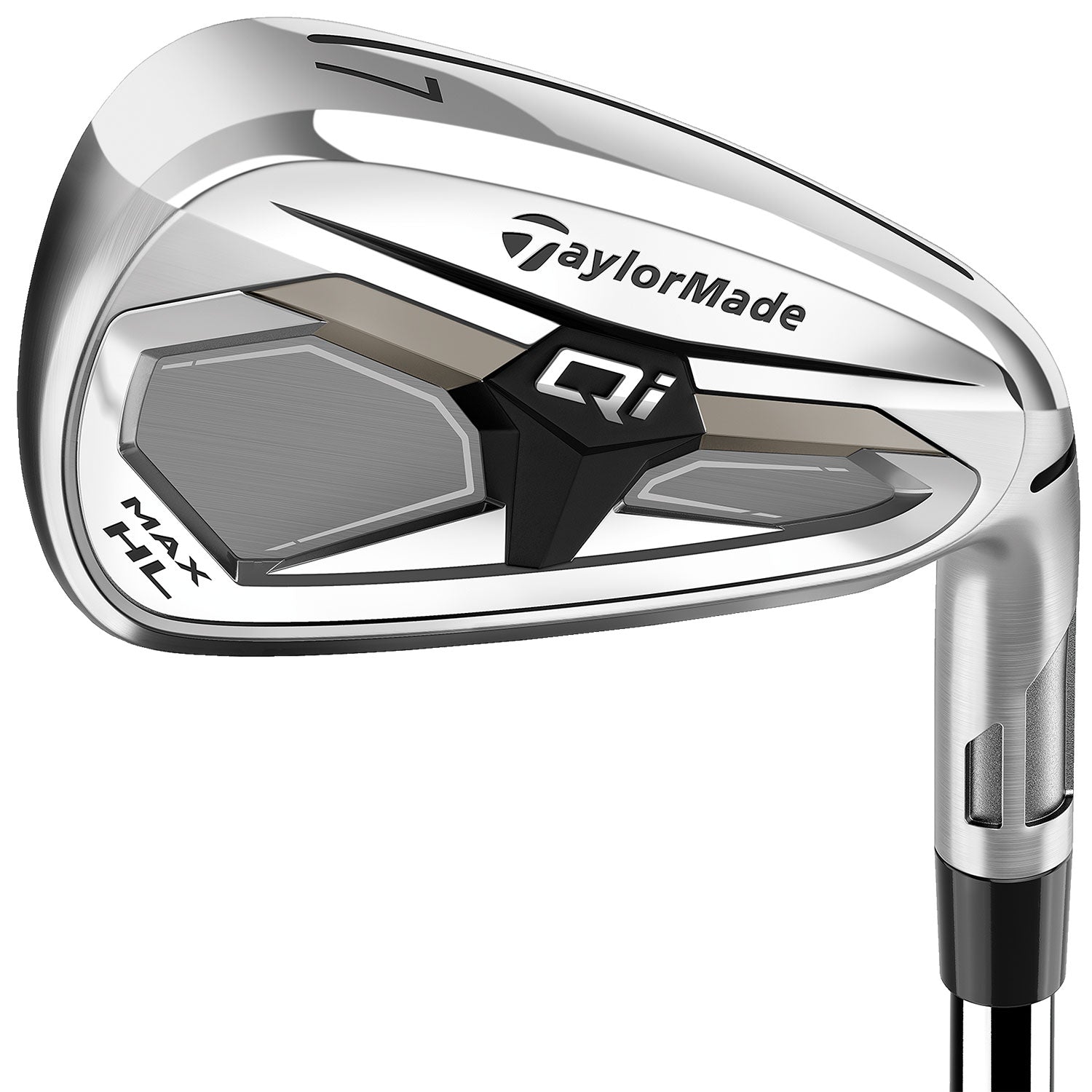
The mainstream shelf also has right answers on it. If your miss is a low, weak flight that skids through greens, the TaylorMade Qi Max HL is built for exactly that and no amount of category-winning forgiveness elsewhere substitutes for the launch profile you actually need.
What a test win is worth, and what it is not
A Most Wanted title is not a fitting. It is a field of clubs measured against each other under the same conditions, in a category — super game-improvement — that already tells you who the club is for. Winning accuracy in that field says something real: it says that when this head is asked to cope with a strike off the toe or a lie in the semi, it holds its line better than the rest of a field of clubs designed to do the same job. It does not say the set is right for a nine handicapper who wants a thinner topline, and Tour Edge is not claiming it does.
What the win does is buy the brand a place on the list. That is the entire function of independent testing in a market this dominated by distribution, and it is the reason the tests matter more here than in almost any other consumer category.
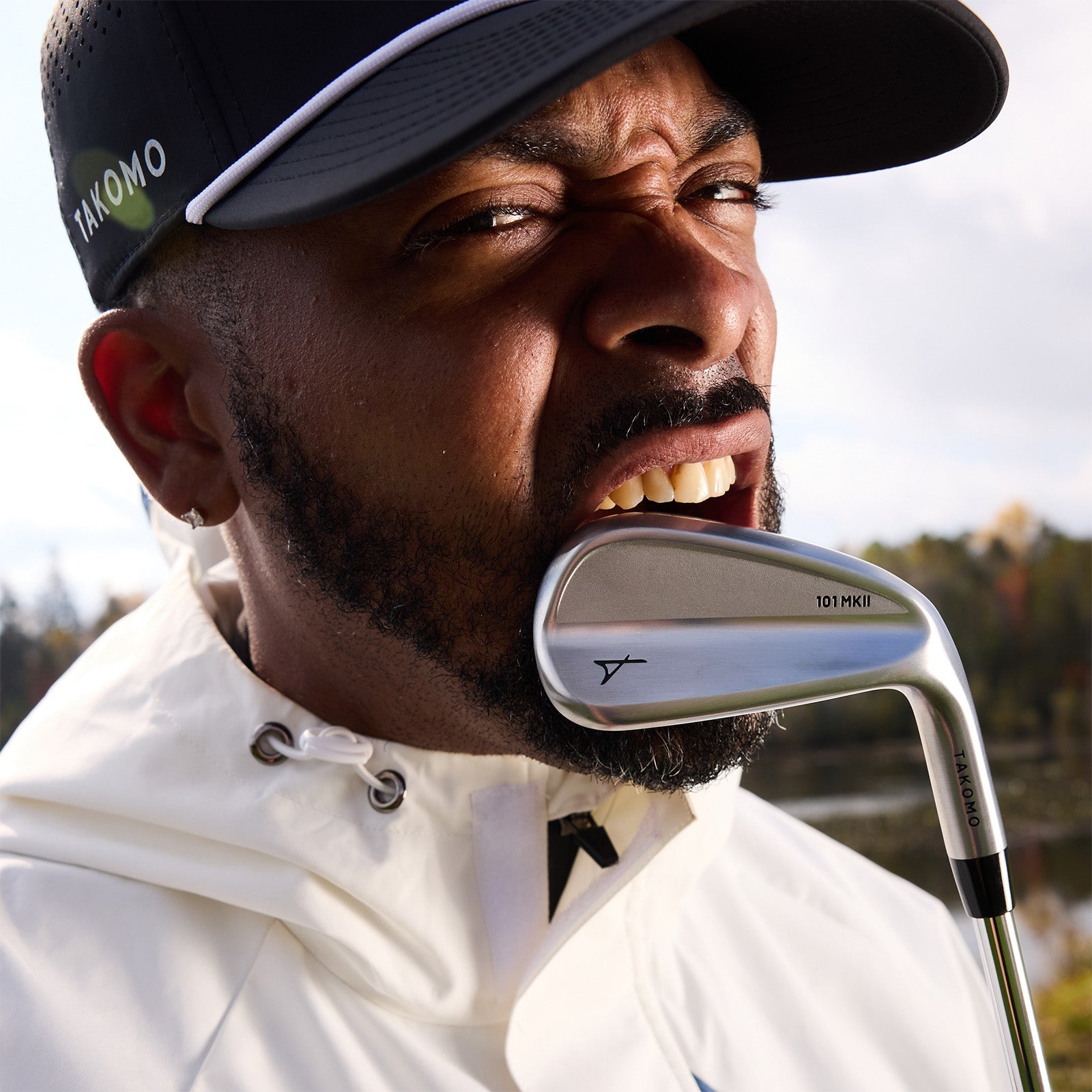
Takomo is the recent proof. Another brand with no rack space, no tour bags and no ad budget, and it got onto shortlists the same way — by performing in coverage that nobody paid for. The path exists. It is just narrow, and it only opens once a year.
What I would do with the money
I would shortlist it. That is the size of the claim I am making, and it is deliberately not "buy it". If you are in the market for super game-improvement irons, the current best-in-test set belongs on your list next to the two you were already going to try, and the burden should sit with the familiar clubs to beat it rather than with the unfamiliar one to earn a look.
On price, be careful and check the live page. Tour Edge's own listing has the 4-PW set at around $700, and the figure quoted in the test write-up is lower. I am not going to state one as the number when two exist. Whichever it is, it lands well under what the mainstream game-improvement sets on the same rack cost, in Aldila Ascent graphite or KBS Max MT85 steel, with individual clubs available if you only want the long end replaced.
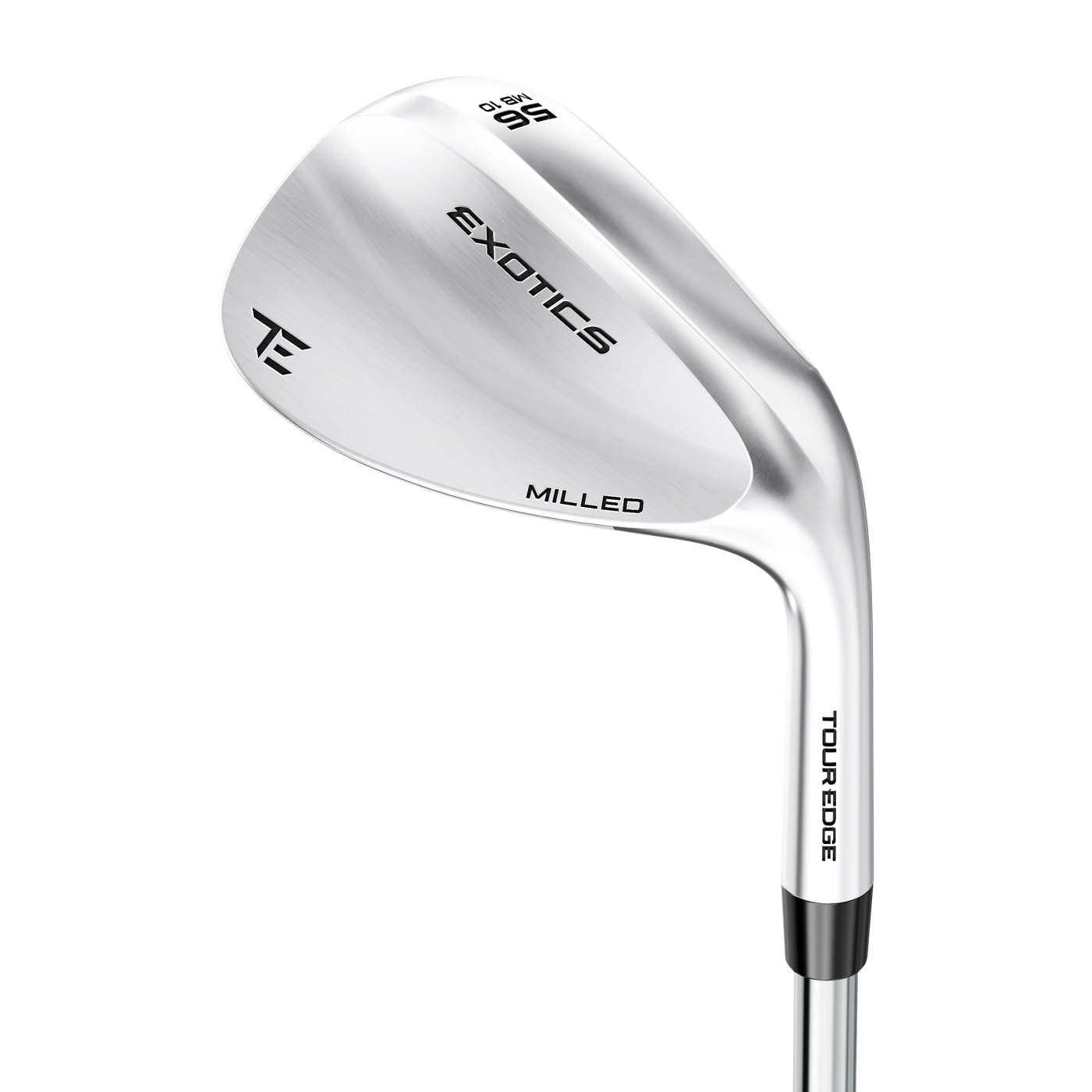
The brand's Exotics Milled Wedge reaches retail this month too, which is how a catalogue that held zero Tour Edge products in August holds two in September. That is not us being clever. That is us being late.
Who should ignore all of this
Anyone who needs a fitting more than a badge, which is most people reading. If you have never had a lie angle checked, the gap between a fitted mainstream set and an unfitted test winner is far bigger than the gap between any two heads in the test. Sort that first.
Anyone who trades irons on a two-year cycle and cares about the residual. Anyone who cannot get past the look of a hollow-body ironwood at address, which is a legitimate reason and not a shallow one, because a club you do not want to look at is a club you will steer. And anyone who is not in the super game-improvement category — a test win is category-specific, and buying up or down a category on the strength of an award is how people end up with clubs that flatter their bad shots and ruin their good ones.
For everyone else, the useful habit is small: put one name you have not heard of on every shortlist, and make the shop justify the familiar one. The rack is not a ranking. It never was.
Products mentioned in this article
Tour Edge
Tour Edge Hot Launch Max D Ironwoods
The 2026 Most Wanted winner in super game-improvement irons
ifrothgolf earns a commission on purchases made through these links, at no extra cost to you. It never changes what I recommend. Full disclosure.
Frequently asked
- Did Tour Edge win a 2026 Most Wanted award?
- Yes. The Tour Edge Hot Launch Max D Ironwoods won MyGolfSpy's 2026 Most Wanted title in the super game-improvement iron category, finishing best in test for accuracy and inside the top three for both distance and forgiveness.
- What is an ironwood?
- An ironwood is a hollow-bodied iron built more like a compact fairway wood than a traditional iron. The Hot Launch Max D uses a wide sculpted sole, perimeter weighting, an offset head, a low-profile face and full-face grooves. The trade-off is visual: the head sits noticeably thicker behind the ball than a conventional iron.
- Are super game-improvement irons right for me?
- They suit golfers who need help launching the ball and keeping mishits playable, typically higher handicaps and slower swing speeds. They are not aimed at players who want a thin topline, minimal offset and shot-shaping control. A category award only tells you a club is strong within its category, so pick the category first and the model second.
- Should I buy an iron set from a brand my local shop does not stock?
- It can be an excellent value decision, but get fitted first and buy to those specs. The main practical costs of an unfamiliar brand are fitting access, the ability to hit the club before you commit, and weaker resale value at trade-in. If those three do not bother you, performance data should carry more weight than shelf presence.
Read next
Review
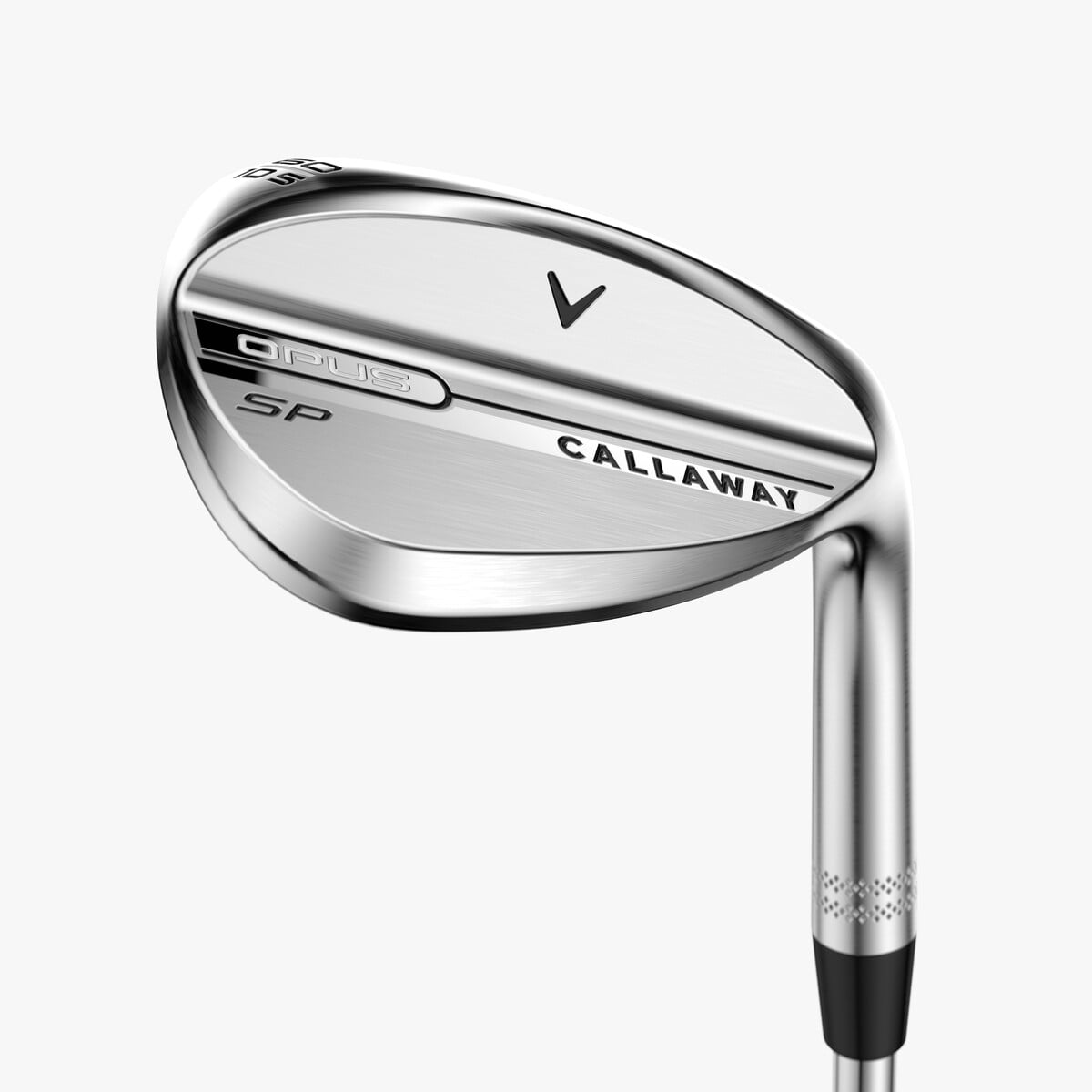
8.4/10Callaway Opus SP review: the wedge in four tour bags while everyone buys Vokey
Callaway's Spin Pocket wedge lands a lower, spinnier flight for about the same money as a Vokey. It is the one I would buy for firm turf and full shots, and the wrong call if your short game lives in soft sand.
Explained
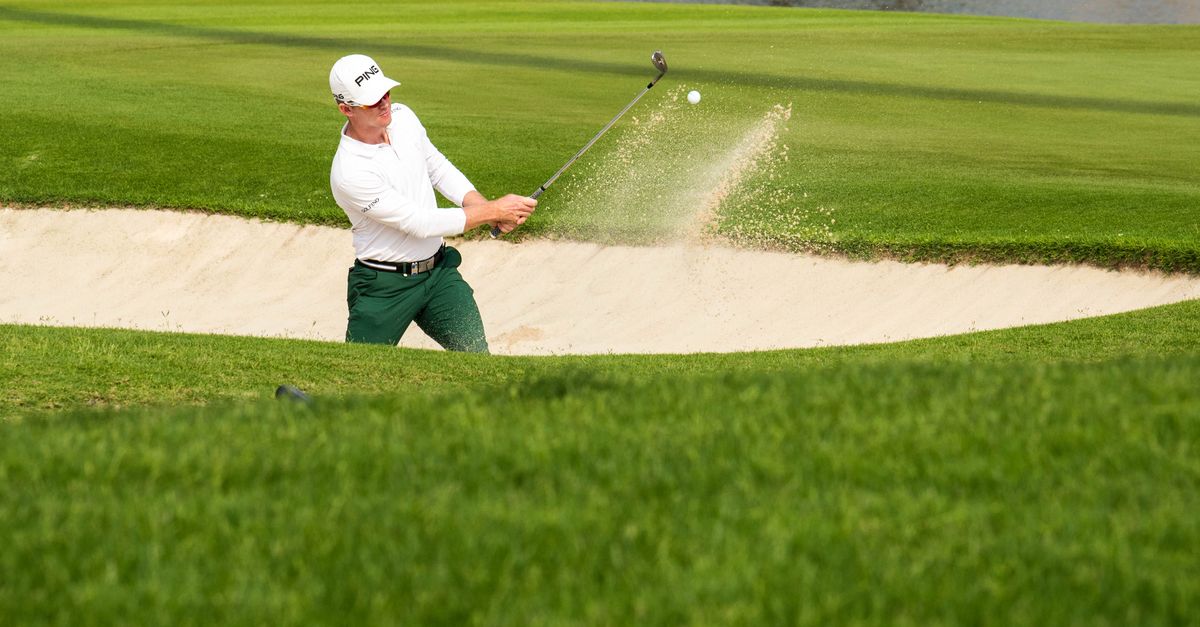
Wedge bounce and grind, explained
The two numbers that decide whether your wedge digs, glides or skips — in plain English, with how to pick yours.
Review
8.8/10Takomo 101 MKII review: the irons quietly embarrassing the big brands
Half the price of a name-brand set, and good enough that you'll feel a bit silly for not trying them sooner. The direct-to-consumer irons reviewed.