
Bettinardi HLX 6.0 review: a putter maker's forged wedge with two grinds where Vokey has six
Bettinardi's sixth-generation forged wedge brings more grooves, less offset in the lower lofts and some of the best milling detail in golf, at roughly Vokey money. The fitting matrix is eleven configurations deep, and that is the number to weigh before the looks.
By Ben Marsden · Reviews Editor
The verdict
Very good
What's great
- Real changes for this generation: re-engineered grooves with more of them, a squarer leading edge with less offset in the four lower lofts, and extra heel relief higher up
- Forged from 1020 carbon steel, with CNC-milled back and sole detailing that reviewers single out as the best-looking wedge on the wall
- Priced level with the tour benchmarks, and Bettinardi cut the price from the HLX 5.0
Watch out
- Two grinds and eleven loft and bounce configurations, against six grinds on a Vokey SM11 or MG5, so unusual deliveries and turf are poorly served
- Stiff-flex stock shafts only, and fitting is mostly online or at Bettinardi's Chicago studio rather than at your local rack
Bottom line — A properly good wedge, not a vanity project, for players whose delivery fits the C or RJ grind and who want the club to look as good as it plays. If you need a fitter to find you an unusual sole, buy a Vokey.
Bettinardi
Bettinardi HLX 6.0
In July, Bettinardi listed a three-wedge HLX 6.0 set in a British Championship finish. In September it was American football team colours, in a Diamond Blast finish. Each of those sets lists at somewhere between four and a half and six times the price of a single chrome HLX wedge. That is how a putter company sells clubs: limited drops, named finishes, collectors refreshing the page. It is the culture Bettinardi built in milled putters, applied to the most technical club in the bag.
Which is a fair reason to be suspicious of the ordinary version. The Bettinardi HLX 6.0 is the standard chrome forged wedge underneath all of that, and it is the current model: Bettinardi published it in January 2025, it is still the only HLX generation on Bettinardi's own store, and it sells for around $225. Bettinardi actually cut the price from the HLX 5.0. The question for this review is simple. Is it a serious wedge from a company known for putters, or a beautiful one?
What changed in the 6.0
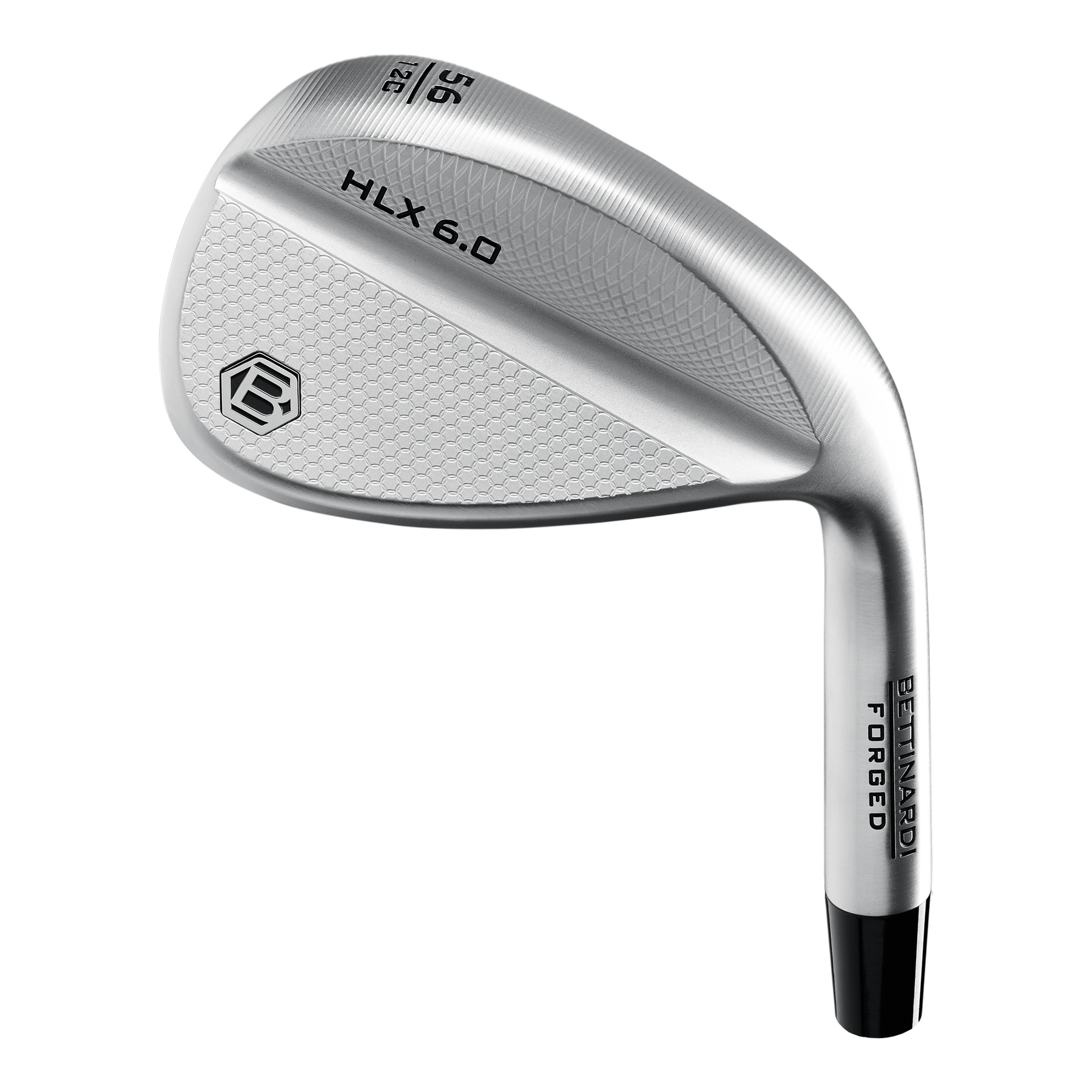
More than a finish. MyGolfSpy's launch coverage, which Bettinardi republished, describes the head as forged from 1020 carbon steel, with Bettinardi's helix groove pattern revised to add spin and the centre of gravity raised to bring the flight down. Bettinardi's own page lists the rest. The groove geometry is re-engineered and there are more grooves across the face. The four lower lofts get a refined, squarer leading edge with reduced offset, which is the change a full-swing player will notice first at address. The higher lofts get additional heel relief for opening the face around the green. The head is two grams lighter, the top line is thinner and bevelled, and a longer hosel and deeper back channel shift weight to lower the launch and add spin.
None of that is unusual on its own; it is the standard menu of modern wedge refinement. What is unusual is the craft layered on top. Golf Monthly's review singled out the CNC-milled detailing on the back and the milled sole, and Plugged In Golf described a circular milling pattern on the upper back and Bettinardi's hexagon pattern down on the sole. That is where the putter heritage shows, and it is why this wedge photographs the way it does.
Is it a serious wedge? The evidence says yes
The useful test is what people who hit a lot of wedges concluded. Golf Monthly's verdict praised the controlled, lower ball flight and the spin control around the greens, and named only one real downside: two grinds. Plugged In Golf rated its spin from full swings down to pitches as first tier and called the feel medium soft rather than the softest available. Golf Digest put the HLX 6.0 on its Hot List. The previous generation, the HLX 5.0, sat within a couple of hundred rpm of the big-brand field in the 20-wedge spin test we covered in why spin rate is the worst number to buy a wedge on, which is to say it was indistinguishable from them, which is the right result.
It also turns up in a tour bag. Our Bryson DeChambeau bag page lists a Bettinardi HLX at around 56 degrees next to a Ping lob wedge, with the caveat that sources disagree on the exact setup. A tinkerer's bag is not a recommendation, but it does tell you the club holds up under a tour player's scrutiny.
So this is not a putter company's vanity wedge. The performance is in line with the benchmarks, and the price is too. The limitation is elsewhere.
Two grinds, eleven ways to buy it
Here is the number that should decide whether you buy one. The right-handed chrome HLX 6.0 comes in eleven loft, grind and bounce configurations. The C grind is the full, classic sole for square-faced shots, offered from 48 to 60 degrees with bounce from 8 to 12 degrees. The RJ grind adds heel, toe and trailing-edge relief and more bounce, 12 to 16 degrees, in 54 to 60 degrees only. Lofts can be bent two degrees either way and lie set from 62 to 66 degrees, and the stock shafts are KBS Hi-Rev, True Temper Dynamic Gold S200 and S400, or Nippon Modus 115, all in stiff flex.
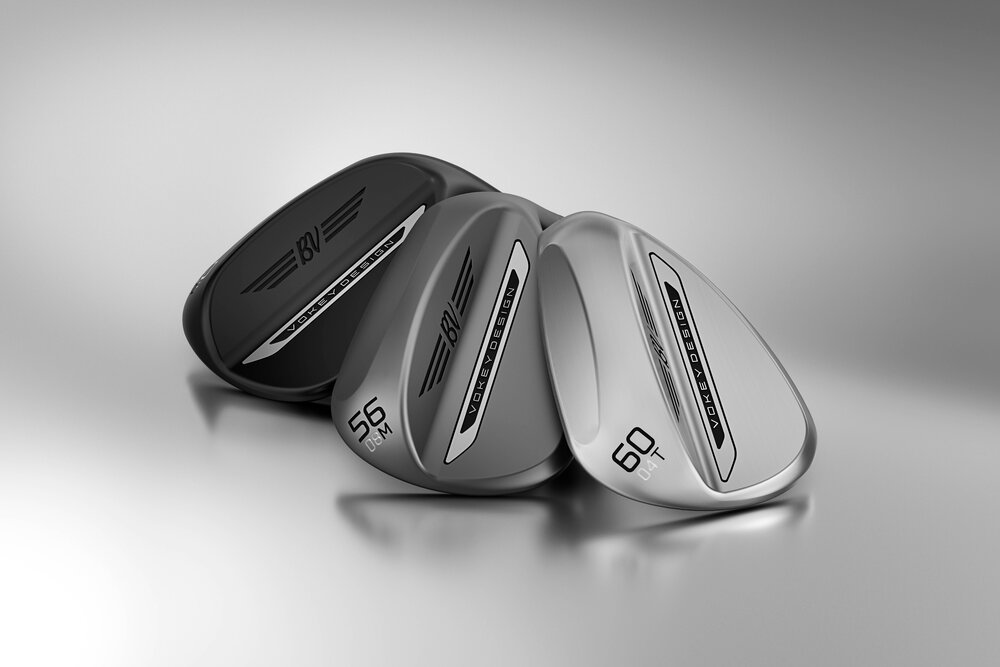
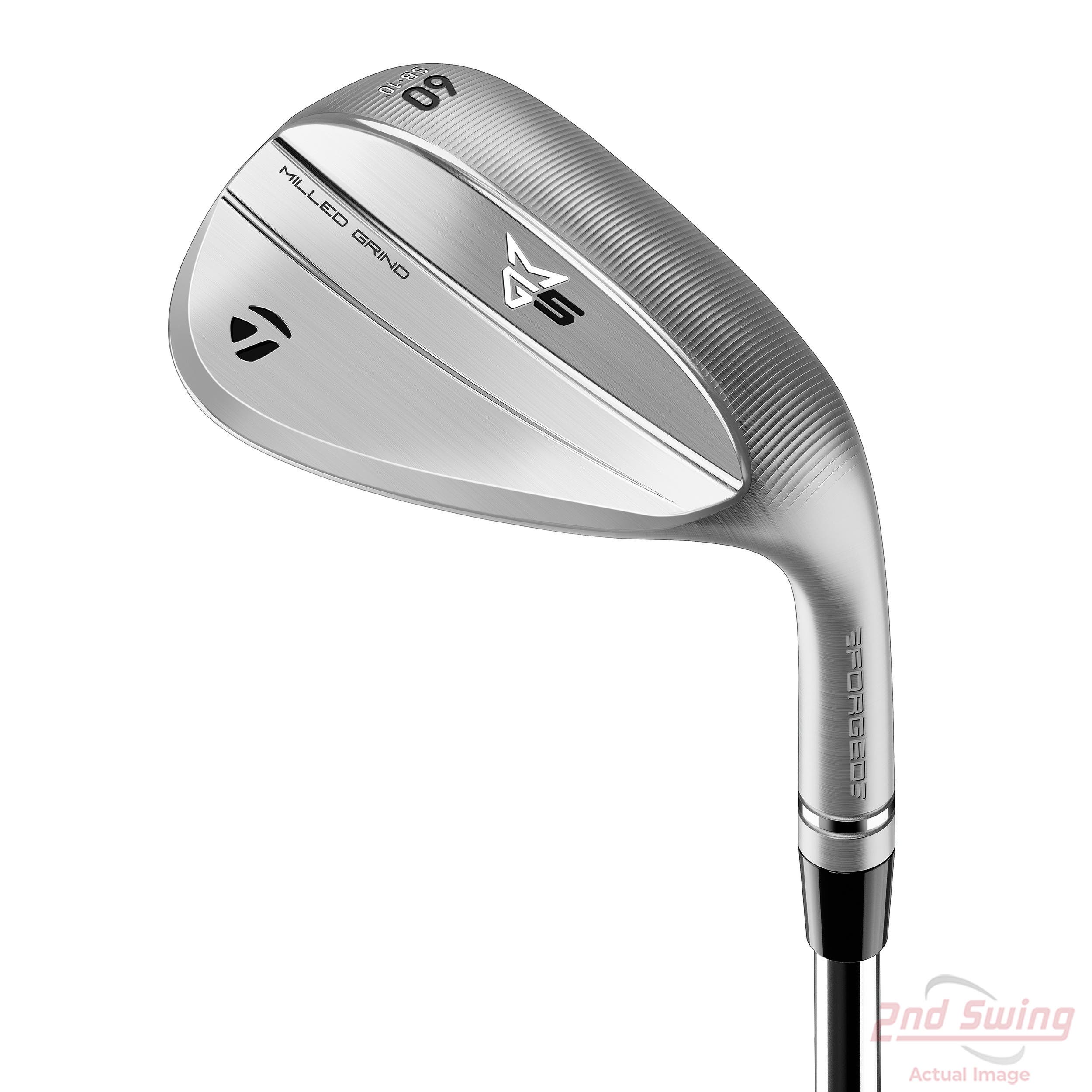
Set that against the market. The Titleist Vokey SM11 offers six grinds across twenty-seven loft and bounce combinations, the widest fitting range in golf, at around $225. The TaylorMade MG5 also runs six grinds, at a similar price, with a raw face built around spin in the wet. Both have a fitting cart at most decent golf shops. Bettinardi fits online and at its Studio B in Chicago.
That gap is not a flaw if your delivery is ordinary. Most club golfers with a neutral attack angle on average turf will find a home in the C grind at mid bounce, and players who like to open the face will find one in the RJ. What two grinds cannot do is serve the edges: the very low-bounce lob wedge for firm, tight links turf, or the wide, high-bounce sand wedge for a steep player in soft parkland. If you have ever been fitted into one of those, the HLX does not make one. Our bounce and grind explainer is the fastest way to find out whether you are one of those players before you spend anything.
Who should buy it
Golfers whose wedge game already fits a standard sole, who buy wedges one or two at a time, and who care how the club looks at address and in the bag. That last point is not frivolous. A wedge you enjoy looking at is a wedge you practise with, and at this price you are not paying extra for the milling; the HLX costs about what the benchmarks cost. If you were going to spend Vokey money anyway and the C or RJ sole suits your turf, I would happily take the Bettinardi for the craft alone.
It also suits the player who wants a slightly lower, more penetrating wedge flight, which is what Bettinardi engineered the 6.0 to do and what Golf Monthly's review found.
Who should buy a Vokey or an MG5 instead
Anyone who has needed an unusual grind in the past, or plays unusual turf, should buy the Vokey and get fitted on a proper cart; the twenty-seven combinations are the whole reason it is the benchmark. Anyone who plays a lot of wet, soft golf should look hard at the MG5, whose face is built for exactly that. And anyone who wants a regular-flex or lighter shaft without a custom order will find the HLX's stiff-only stock list a nuisance.
Skip the limited editions unless you collect. They are the same head in a different finish at several times the money, and the chrome one is the better golf club per pound by definition.
The verdict
The HLX 6.0 is a serious forged wedge with measurable changes over its predecessor, reviewed well by people who hit a lot of wedges, and priced in line with the clubs it competes with. The putter-house craft is a bonus, not a premium. Its one real weakness is range: two grinds and eleven configurations will fit most golfers and miss the ones who need a specialist sole. If your delivery is ordinary and you want the best-looking wedge on the rack, buy it. If you need a fitter to find your grind, buy the Vokey.
Products mentioned in this article
ifrothgolf earns a commission on purchases made through these links, at no extra cost to you. It never changes what I recommend. Full disclosure.
Frequently asked
- What is the latest Bettinardi HLX wedge?
- The HLX 6.0, released in early 2025 and still the current generation on Bettinardi's own store. It replaced the HLX 5.0 with revised grooves, a squarer leading edge and reduced offset in the lower lofts, more heel relief in the higher lofts and a slightly lighter head.
- What grinds does the Bettinardi HLX 6.0 come in?
- Two. The C grind is a fuller, classic sole for square-faced shots, offered from 48 to 60 degrees with 8 to 12 degrees of bounce. The RJ grind adds heel, toe and trailing-edge relief with 12 to 16 degrees of bounce, in 54 to 60 degrees only. That makes eleven right-handed loft, grind and bounce options.
- Is the Bettinardi HLX 6.0 forged?
- Yes. Bettinardi describes it as soft carbon steel, and MyGolfSpy's launch coverage specifies forged 1020 carbon steel. The back and sole carry CNC-milled detailing, which is where Bettinardi's putter-making background shows.
- Bettinardi HLX 6.0 or Titleist Vokey SM11?
- They cost about the same. The Vokey SM11 offers six grinds across twenty-seven loft and bounce combinations and is widely available to fit in shops, so it is the better choice for anyone who needs an unusual sole. The HLX 6.0 suits golfers whose delivery fits its C or RJ grind and who value its milled craftsmanship.
Read next
Review
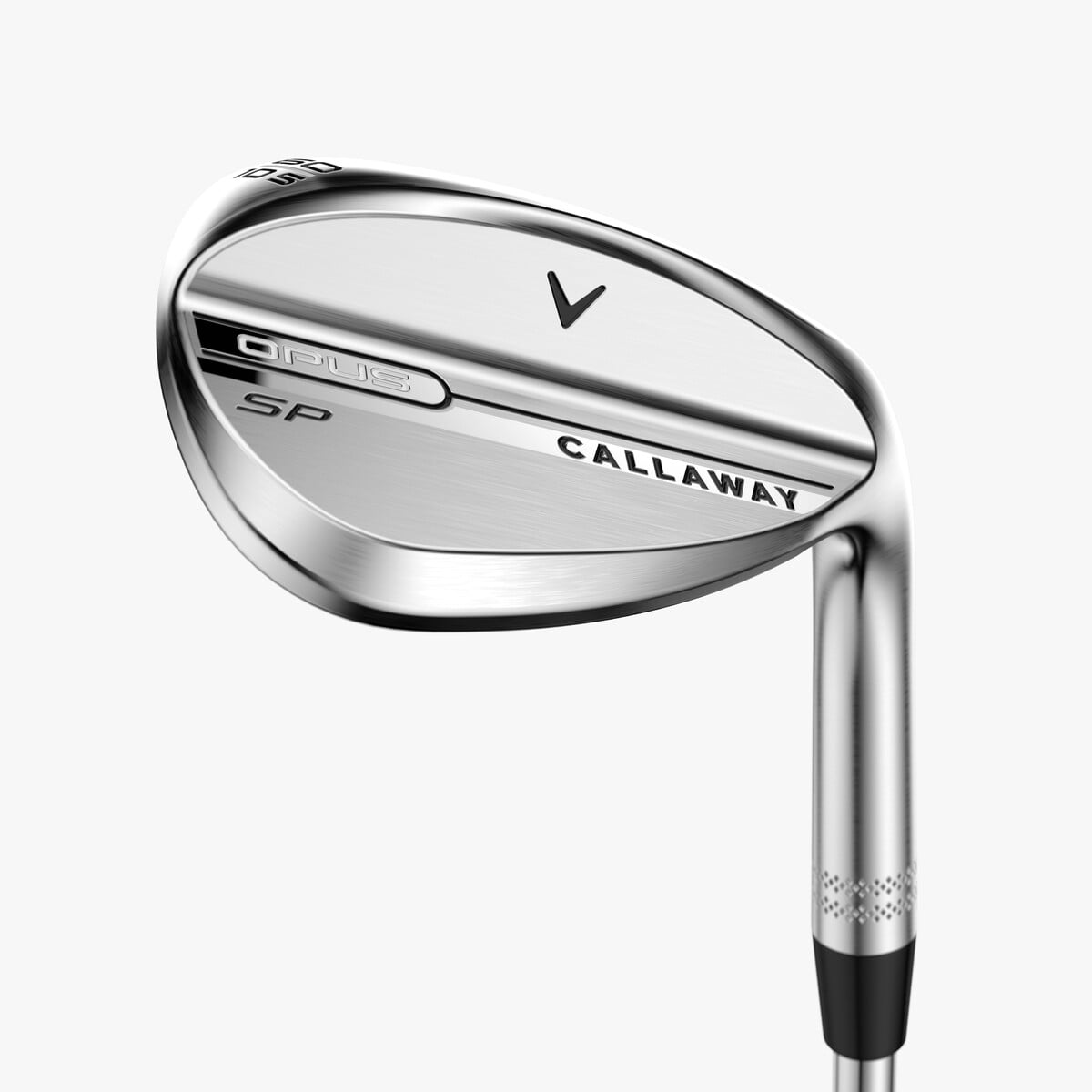
8.4/10Callaway Opus SP review: the wedge in four tour bags while everyone buys Vokey
Callaway's Spin Pocket wedge lands a lower, spinnier flight for about the same money as a Vokey. It is the one I would buy for firm turf and full shots, and the wrong call if your short game lives in soft sand.
Explained
Wedge bounce and grind, explained
The two numbers that decide whether your wedge digs, glides or skips — in plain English, with how to pick yours.
Review
8.8/10Takomo 101 MKII review: the irons quietly embarrassing the big brands
Half the price of a name-brand set, and good enough that you'll feel a bit silly for not trying them sooner. The direct-to-consumer irons reviewed.