
An ironwood is a hollow iron on a fairway wood's sole, and Tour Edge just won Most Wanted with one
No governing body defines the word, so three separate design dials get bundled under it: a hollow head, a wide cambered sole and a lot of offset. Here is what each one buys, where the line with hybrids and hollow players' irons genuinely blurs, and what you look down at as a result.
By Jordan Hale · Equipment Writer
Tour Edge
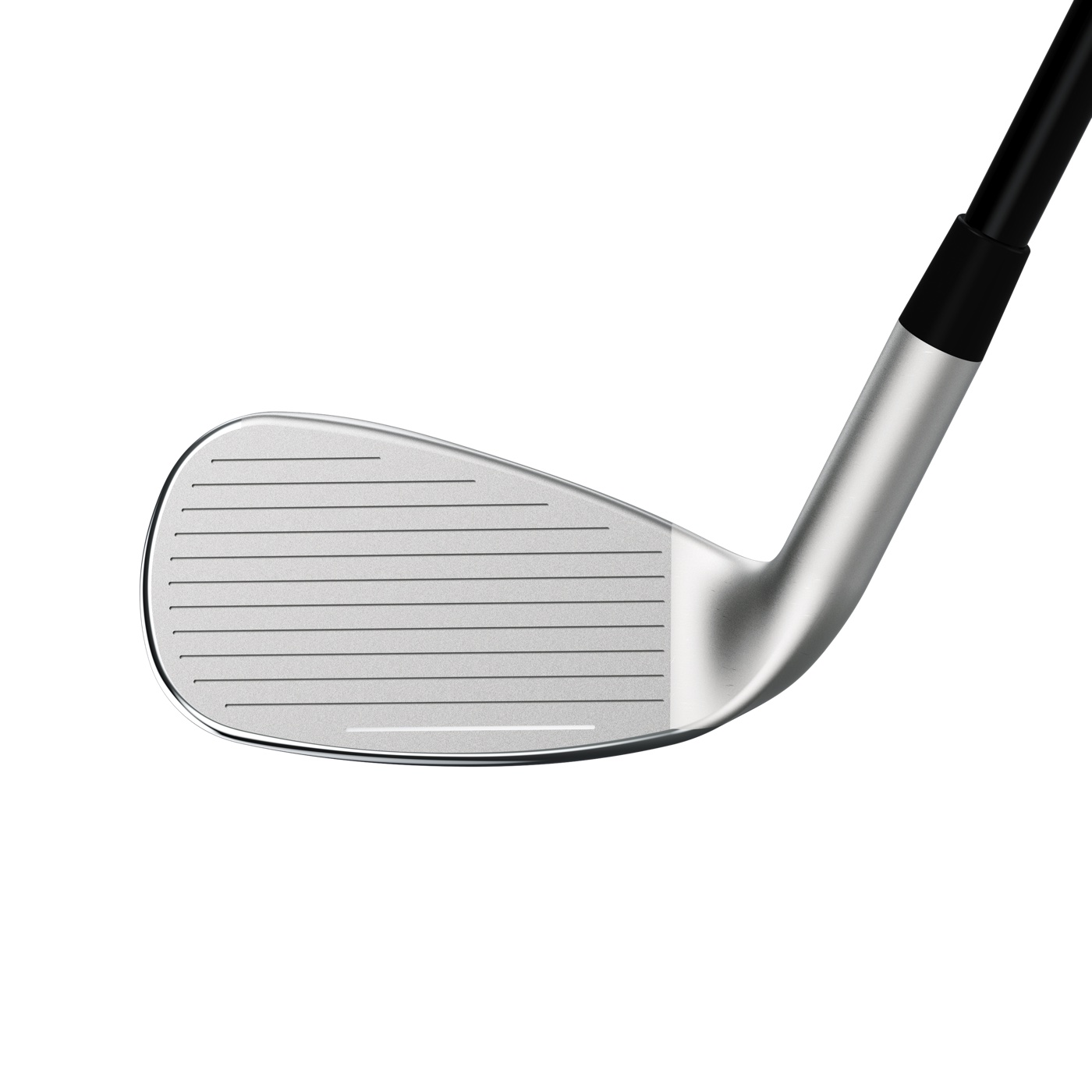
Tour Edge Hot Launch Max D Ironwoods
The Tour Edge Hot Launch Max D won MyGolfSpy's 2026 Most Wanted title in the super game-improvement iron category, taking accuracy outright and finishing top three for both distance and forgiveness. Tour Edge calls the clubs ironwoods. A lot of people reading the result will have got as far as that word and stopped, because it sounds like something invented in a marketing meeting.
It partly was. But there is a real object underneath it, the object is unusually well suited to a large group of golfers, and the reason the word exists at all is that the thing does not fit tidily into either of the two boxes we already had.
There is no official definition, and that is the first thing to understand
No governing body recognises an ironwood as a category. There is no specification you have to meet, no loft range you have to sit in, and no test you have to pass. It is a manufacturer's word, in the same family as players' distance iron, super game-improvement and utility wood — all of which are also marketing terms that describe real design decisions.
So the useful question is never whether a club is an ironwood. It is which of the design dials have been turned, and how far. There are three of them, they are independent, and almost all of the confusion in this corner of the market comes from people treating them as one.
Dial one: the head is hollow
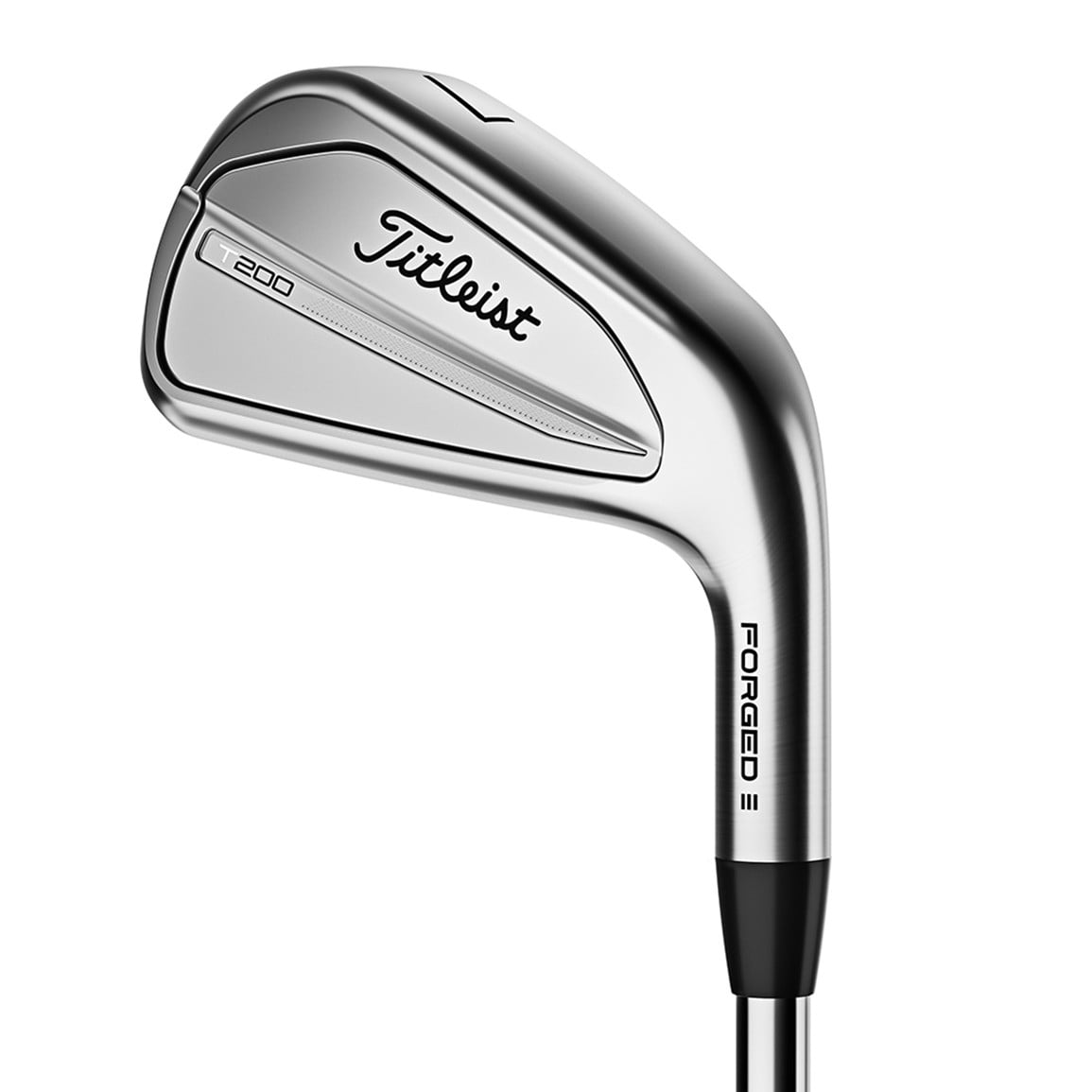
A hollow iron is a thin face welded or bonded to a shell, with air or a polymer filling inside instead of solid steel. Removing that mass from behind the face frees it up to be placed elsewhere — low in the sole, out in the toe, wherever the designer wants the centre of gravity to sit. The face itself gets thinner and flexes more, which adds ball speed.
The crucial point: hollow does not mean ironwood. The Titleist T200 is a hollow-bodied iron with a forged face insert and high-density tungsten inside it, and nobody has ever called it an ironwood. It is a players' distance iron, because the other two dials were left alone — compact head, modest sole, minimal offset. Same construction, entirely different club.
Dial two: the sole gets wide, and cambered
This is the dial that earns the wood half of the name. Widen the sole and you push the centre of gravity backwards, away from the face. A deeper CG launches the ball higher and makes the head more stable when you miss the middle, which is the same trick a fairway wood pulls and the reason a 5-wood is easier to hit than a 3-iron.
Camber matters as much as width. A sole that curves from leading edge to trailing edge, and from heel to toe, presents less of itself to the turf, so the club skids rather than digging when it arrives steep or fat. Combine a wide sole with camber and perimeter weighting and you have a head that survives bad lies, which is exactly what the Tour Edge Hot Launch Max D is built around.
The Max D adds a low-profile face — less height from sole to topline, so a greater share of the head's mass sits below the ball. Mass under the ball is the most direct launch lever there is. Full-face grooves mean the heel and toe strikes that a wide-soled club invites still carry some spin instead of coming off dead.
Dial three: the head is offset
Offset sets the leading edge behind the hosel, which gives the hands a fraction more time to rotate the face closed before impact. For a golfer who leaks shots right, it is one of the few design features that reliably does what the brochure says.
It is also the dial that costs the most visually, and the honest thing to say about the Max D is that the profile is thick behind the ball. You can see it in the product photographs. Wide sole plus offset plus a tall-ish blade length is a lot of clubhead to look down at, and no test result fixes that. If you cannot get past it, the category is not for you regardless of how well it performs.
Where the line genuinely blurs
Turn all three dials and you have an ironwood. Turn a different combination and you get something else, and the names the industry uses for those combinations are inconsistent enough that you should ignore them and read the construction.
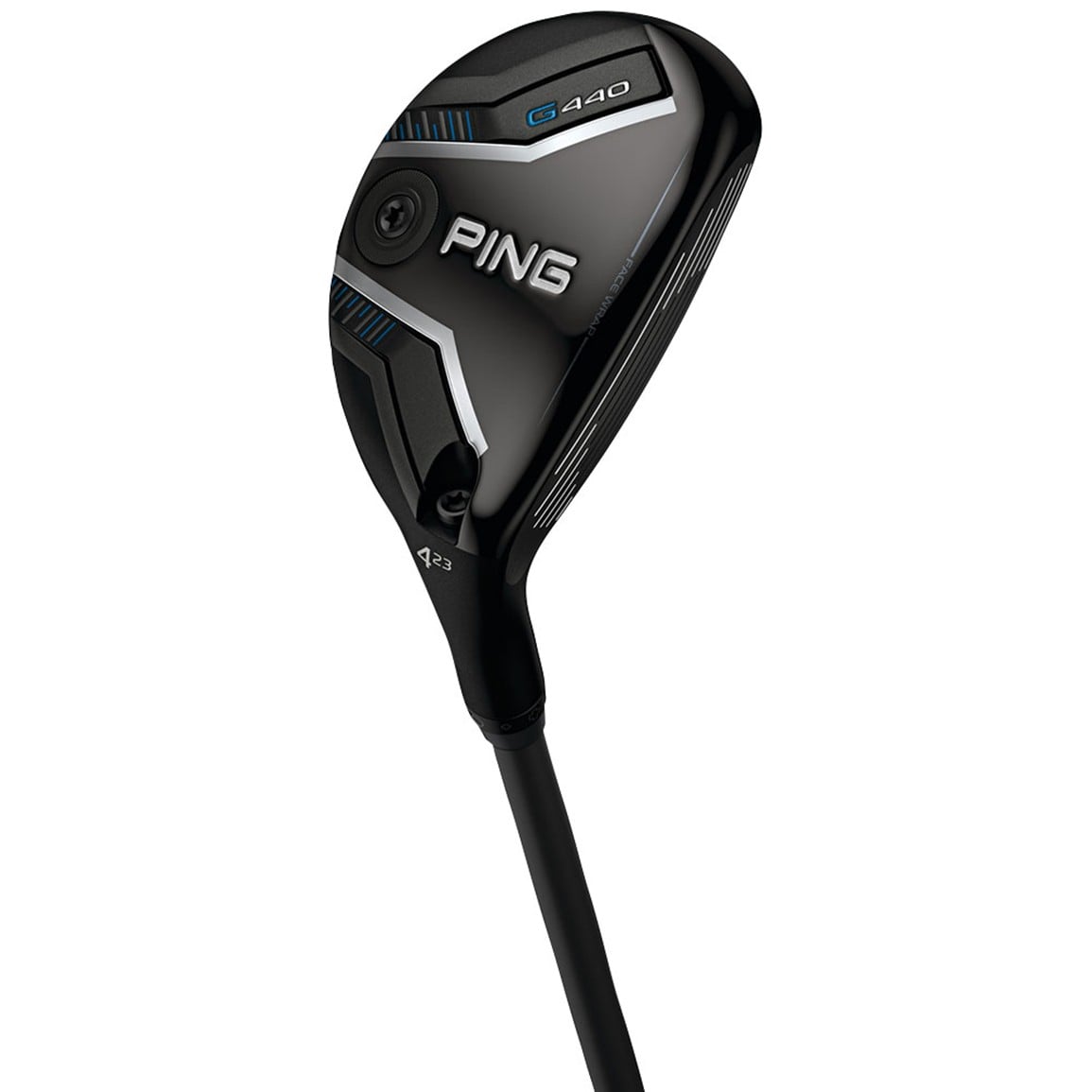
A hybrid is the club an ironwood set is really competing with. The Ping G440 hybrid is hollow, wide-soled and low-CG — dials one and two, hard over — but it is built on a wood-shaped head with a wood-length shaft and a rounded crown. That shape is easier to launch again and harder to control distance with, which is precisely the trade a golfer makes when they replace a 4-iron with a hybrid. An ironwood set is an attempt to give you a hybrid's forgiveness in an iron's shape and length, all the way down the bag rather than just at the top of it.
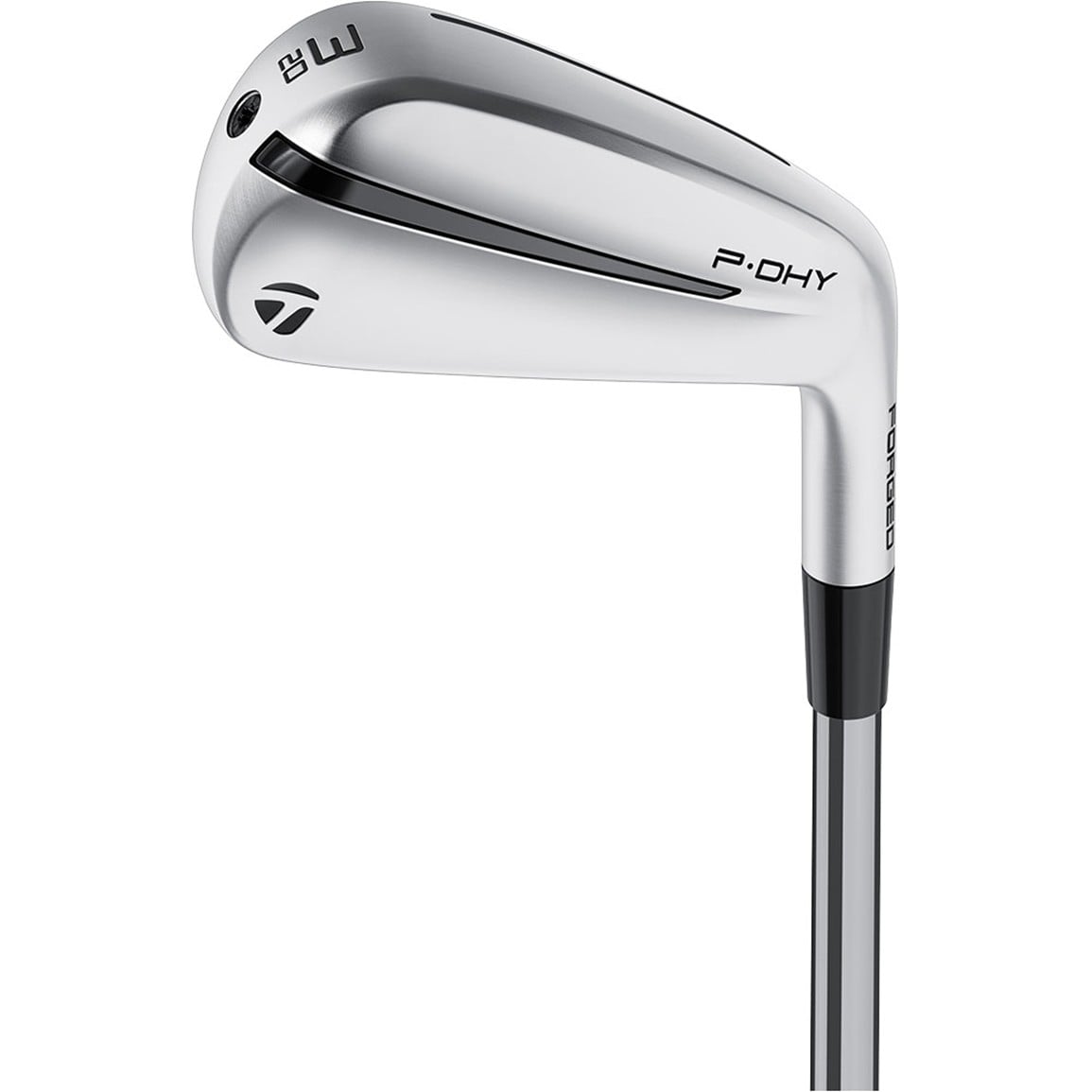
A driving iron or utility iron turns the same first dial for the opposite reason. The TaylorMade P-DHY is a forged hollow body with SpeedFoam Air and up to 26 grams of tungsten, and its design goal is a flight that stays down and bores through wind. Hollow, yes. Wide-soled and offset, no. Same construction, opposite intention, and it sits at 18, 20 and 22 degrees rather than through a full set.
A game-improvement iron chases the ironwood's outcome with different tools. The TaylorMade Qi Max HL goes after high launch by weakening lofts, fitting ultralight components and dropping the CG low and deep in the long irons. Not hollow throughout, not ironwood-shaped, aimed at the same golfer fighting a low, weak ball flight. Which of the two suits you is a fitting question, not a category question.
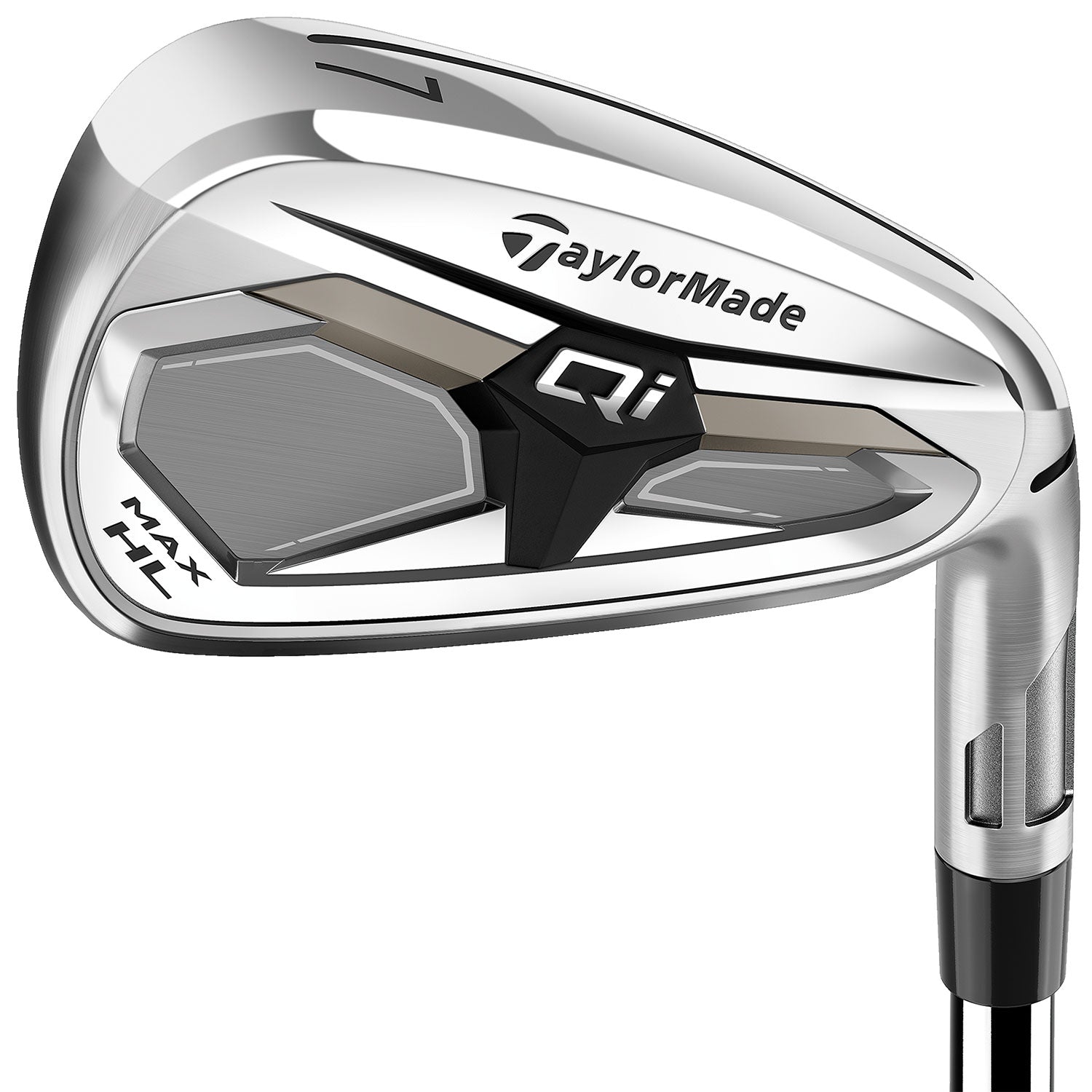
The blur is real, it is not going away, and the practical response is to stop reading the badge. Ask three things instead: is the head hollow, how wide and cambered is the sole, and how much offset is there. Those answers predict how a club behaves. The name on the box predicts nothing, in the same way the word forged stopped predicting anything about how an iron feels.
What it costs you
Four things, and they are all real.
Workability. A deep, low CG with a wide sole resists being manipulated. You will not hit a deliberate low cut with one, and if you currently shape shots on purpose, an ironwood removes control you actually use.
Turf feel. A wide cambered sole is forgiving on soft ground and can feel numb on firm ground, where it wants to bounce rather than take a divot. Links golfers and anyone playing baked summer fairways notice this more than the marketing allows.
The look. Thick topline, visible offset, a lot of metal behind the ball. Some golfers find that reassuring. Others cannot address the ball with it.
Gapping. High-launch sets tend to run strong lofts, and strong lofts at the bottom of the set are how a pitching wedge ends up stranded a long way from a gap wedge. If you buy into this category, get the lofts written down and fix the wedges to match. That is not optional, and it is where most sets of this kind quietly lose the strokes they gained.
Who this category is for
Golfers who have stopped pretending they want a players' iron, who lose most of their long irons to low, weak flight, and who play soft or ordinary turf rather than firm links. If you already carry three hybrids because your 4, 5 and 6 irons are unreliable, an ironwood set is the coherent version of the bag you have already assembled by accident.
It is not for good ball-strikers, it is not for players who work the ball on purpose, and it is not for anyone who will spend four hours looking at a topline they dislike. Those are three separate reasons to walk away and all of them are legitimate.
The Max D is here because a data-led test result is the only route a brand with no tour presence has onto a shortlist, and it earned one. But the category is the interesting part, not the trophy. Read the construction, not the name.
Products mentioned in this article
Tour Edge
Tour Edge Hot Launch Max D Ironwoods
The category's clearest example: hollow body, wide sculpted sole, offset head, low-profile face.
TaylorMade
TaylorMade Qi Max HL Irons
The neighbour on the iron side — a game-improvement iron chasing the same high launch by weakening lofts instead.
Ping
Ping G440 Hybrid
The neighbour on the wood side, and the club an ironwood set is really replacing four or five of.
TaylorMade
TaylorMade P-DHY
Hollow and iron-shaped, but built for a penetrating flight — the same construction aimed at the opposite outcome.
Titleist
Titleist T200
Hollow-bodied and full of tungsten, and nobody calls it an ironwood. Proof that hollow alone is not the definition.
ifrothgolf earns a commission on purchases made through these links, at no extra cost to you. It never changes what I recommend. Full disclosure.
Frequently asked
- What is an ironwood golf club?
- A hollow-bodied iron built with fairway-wood design features: a wide, cambered sole that moves the centre of gravity low and back, perimeter weighting for stability, a low-profile face and usually a noticeable amount of offset. It is a marketing term rather than a defined category, so read the construction rather than the name.
- What is the difference between an ironwood and a hybrid?
- Shape and shaft length, mostly. A hybrid uses a rounded, wood-style head on a longer shaft, which launches more easily but is harder to control for distance. An ironwood keeps an iron's shape and shaft length while borrowing the hybrid's hollow head and wide sole, and it is designed to run through a full set rather than to replace one or two long irons.
- Is a hollow-body iron the same thing as an ironwood?
- No. Plenty of hollow irons are not ironwoods. Players' distance irons like the Titleist T200 and utility irons like the TaylorMade P-DHY are both hollow, but they keep compact heads, modest soles and minimal offset. Hollow construction is one design decision out of three.
- What are the downsides of ironwoods?
- You lose the ability to work the ball deliberately, the wide cambered sole can feel numb on firm turf where it wants to bounce rather than dig, the head is thick behind the ball at address, and high-launch sets often carry strong lofts that leave a gap between the pitching wedge and the first specialist wedge. Check the lofts before you buy.
Read next
Review
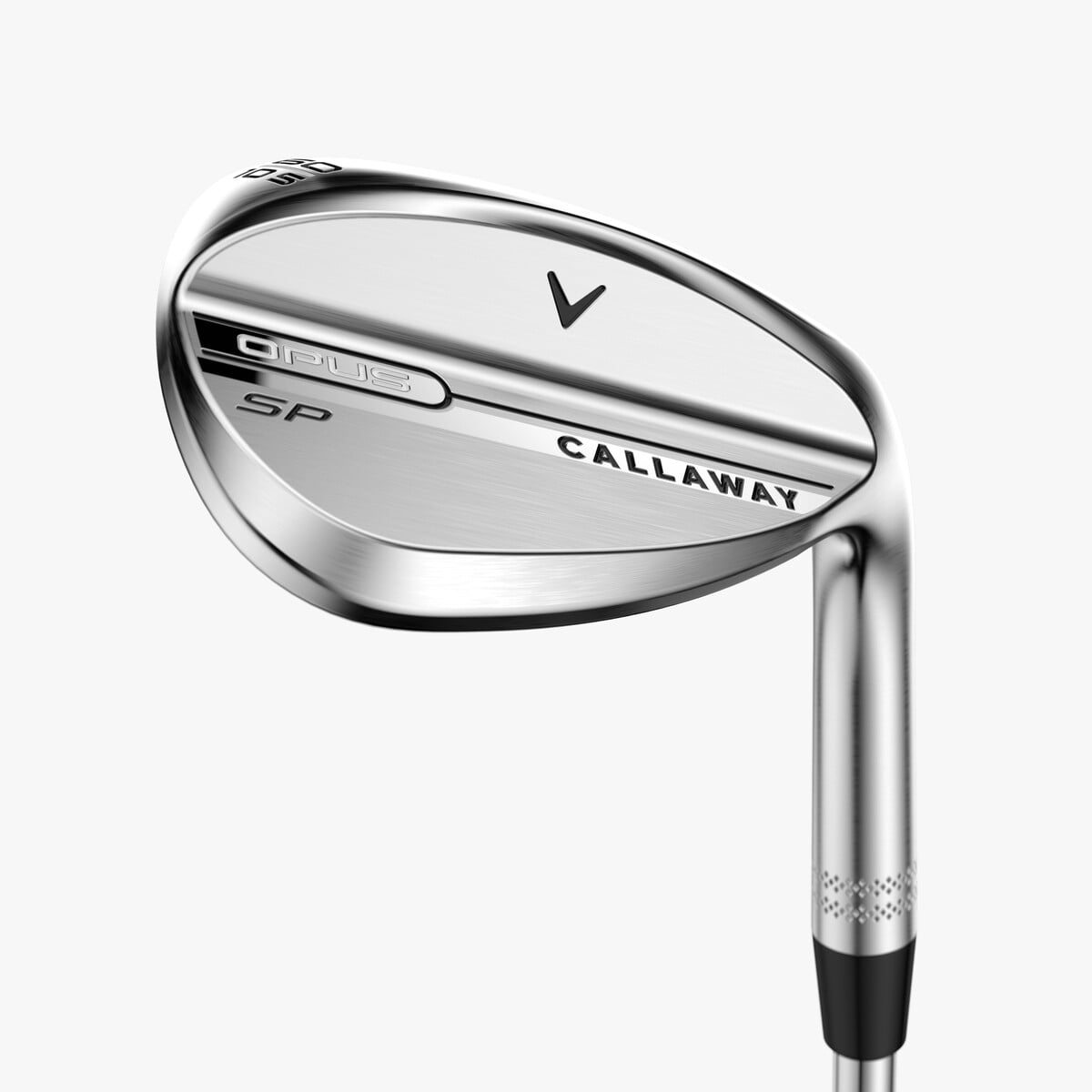
8.4/10Callaway Opus SP review: the wedge in four tour bags while everyone buys Vokey
Callaway's Spin Pocket wedge lands a lower, spinnier flight for about the same money as a Vokey. It is the one I would buy for firm turf and full shots, and the wrong call if your short game lives in soft sand.
Explained
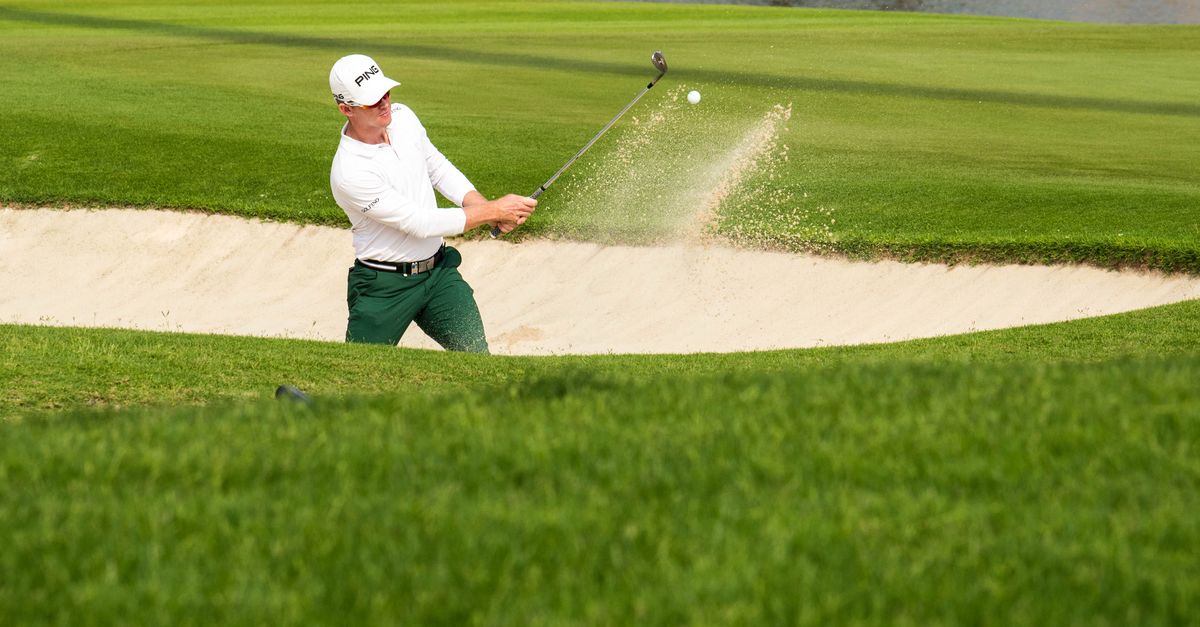
Wedge bounce and grind, explained
The two numbers that decide whether your wedge digs, glides or skips — in plain English, with how to pick yours.

Review
8.8/10Takomo 101 MKII review: the irons quietly embarrassing the big brands
Half the price of a name-brand set, and good enough that you'll feel a bit silly for not trying them sooner. The direct-to-consumer irons reviewed.