
The 2026 wedge tests ranked a Costco three-pack above the Vokey SM11: the premium is buying grinds, not spin
MyGolfSpy's 2026 Most Wanted wedge test put a members-only Costco set ahead of the tour benchmark. The winner is not the useful part. What matters is what the wedges we do stock are charging for, and whether you are actually short of it.
By Ben Marsden · Reviews Editor
Tour Edge
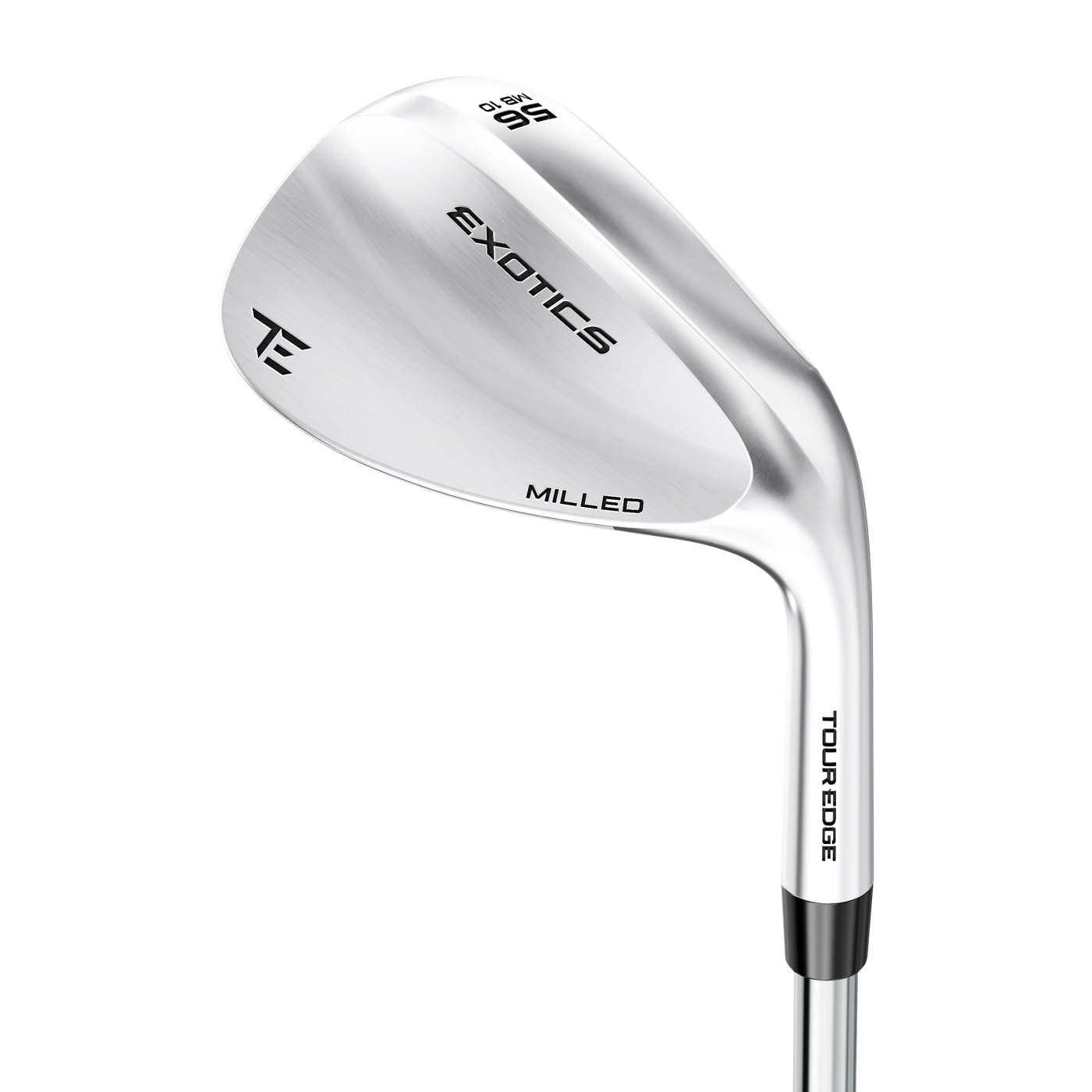
Tour Edge Exotics Milled Wedge
The wedge rack is the one corner of a golf shop where the pricing has never really had to explain itself. A short length of shaft, a head you could hide in a fist, and a tag that lands within a few notes of what people pay for a fairway wood. Nobody argues, because wedges are where scoring happens and nobody wants to be the person who cheaped out on scoring.
Then MyGolfSpy ran its 2026 Most Wanted wedge test across a fifteen-wedge field, and the thing that won was a three-club Costco set that costs about what one tour wedge costs. It finished ahead of the Titleist Vokey SM11, which is the club the entire category is benchmarked against. That is their test, not ours, and their numbers are behind their own paywalled scoring — so take the result, not a decimal place.
I am not going to tell you to go and buy the Costco wedges. We do not stock them, you need a membership to get near them, they sold out almost the moment they landed, and they come in exactly three lofts in exactly one hand. What the result is genuinely useful for is settling an argument about the wedges you can actually walk in and buy, which is that the money at the top of the wedge rack is not buying you spin. It is buying you fitting options, and most golfers are paying for a matrix they will never use a tenth of.
The gap between our cheapest and dearest wedge is smaller than you think
Run the wall. The Tour Edge Exotics Milled Wedge landed on 14 September at $120 a club. The PING S259 is $200. The TaylorMade Hi-Toe 5 is $200, the Cleveland RTZ $225, the Vokey SM11 $225. That is the whole spread, cheapest to dearest, and it is less than the difference between two driver shafts.
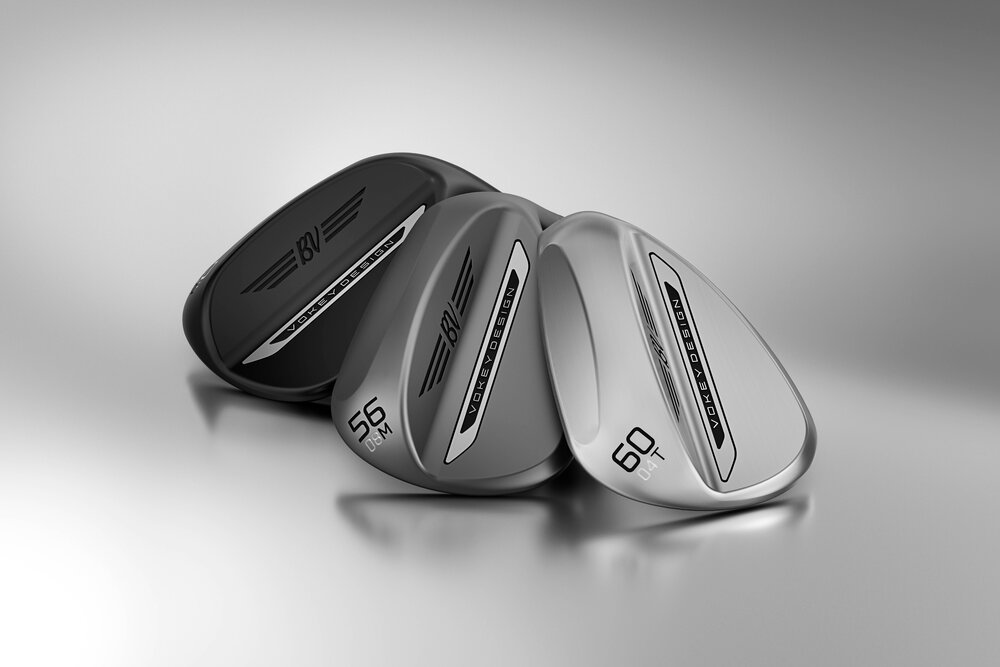
Now look at what sits inside that spread. The Exotics has a CNC-milled face, a KBS Hi-Rev 2.0 shaft and a Golf Pride grip — real components, not house-brand filler — across 17 loft and bounce configurations from 50 to 60 degrees. The Vokey has a milled face too, a new groove system with heat-treated edges Titleist says last twice as long, and 27 loft-and-bounce combinations across six grinds. Both are milled. Both have grooves that grip. The difference is not the face. It is the number of ways you can order it.
What the expensive wedge is actually selling
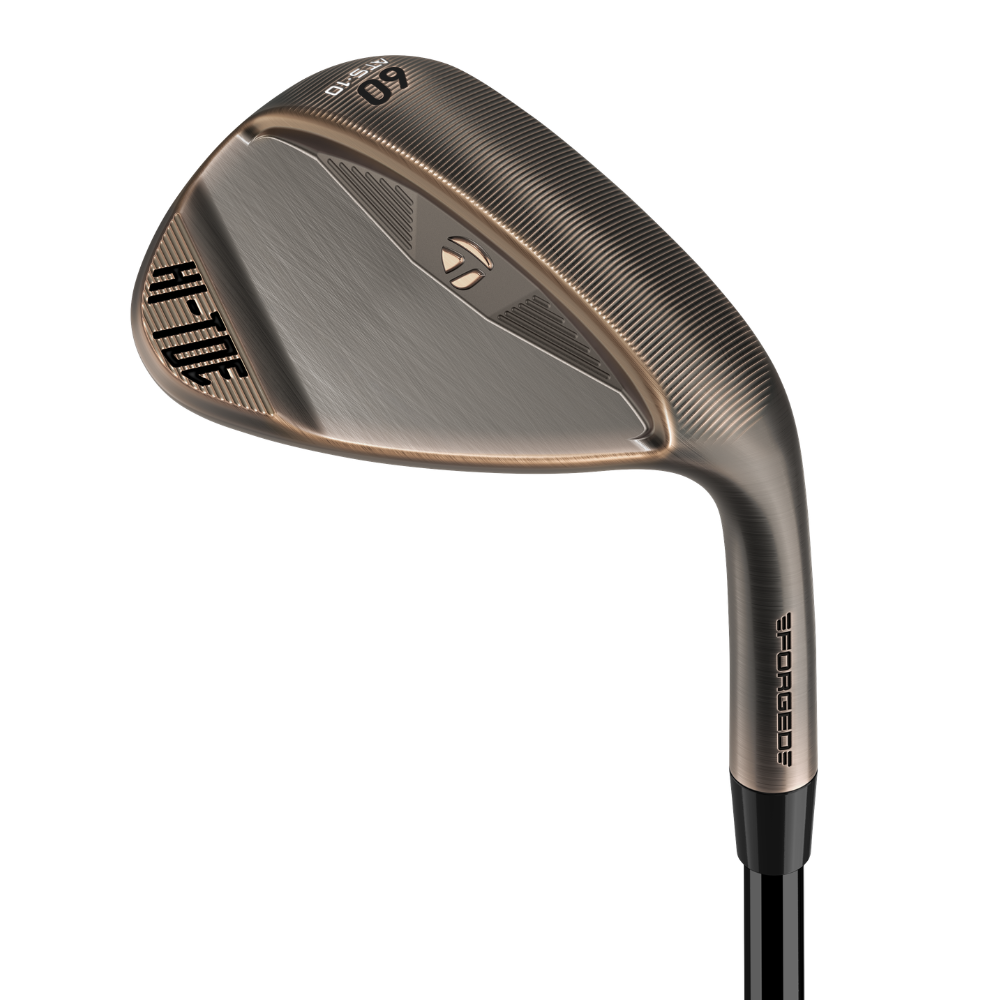
Here is the honest version of the premium pitch, and it is a better pitch than the marketing makes it. A tour wedge sells you a sole shape matched to your turf and your angle of attack. The SM11's real headline is that it standardises centre of gravity across the grinds, so changing grind no longer changes your launch — which is a fitter's feature, invisible to anyone buying off the shelf. The S259 runs six grinds and two finishes from 46 all the way to 62 degrees. The Hi-Toe 5 turned a single sole into five, because the tall full-face profile used to be take-it-or-leave-it.
None of that shows up in a robot test, because a robot test measures what a wedge does to a ball. It cannot measure what a wrong sole does to your turf interaction on a wet Tuesday, which is the thing that actually costs you shots. So a cheap wedge winning a test and a cheap wedge being right for you are two different claims, and the test only makes the first one.
The problem is that the industry has spent twenty years charging for the fitting as though it were the performance, and then selling the overwhelming majority of its wedges to people who order a 56 and a 60 in the standard grind off a website. If that is you, you paid for 27 combinations and used two of them.
Who should still buy the expensive set
Three groups, and I would pay up for all of them without blinking.
Anyone getting fitted. If someone is putting you on a launch monitor and watching your divots, the grind matrix is the entire point and a three-loft boxed set has nothing to offer you. Buy the Vokey, or buy the S259 if you want the same idea across a wider loft band — we put the S259 and the Tour Edge line side by side last week, and where the top of your wedge set sits decides that one too.
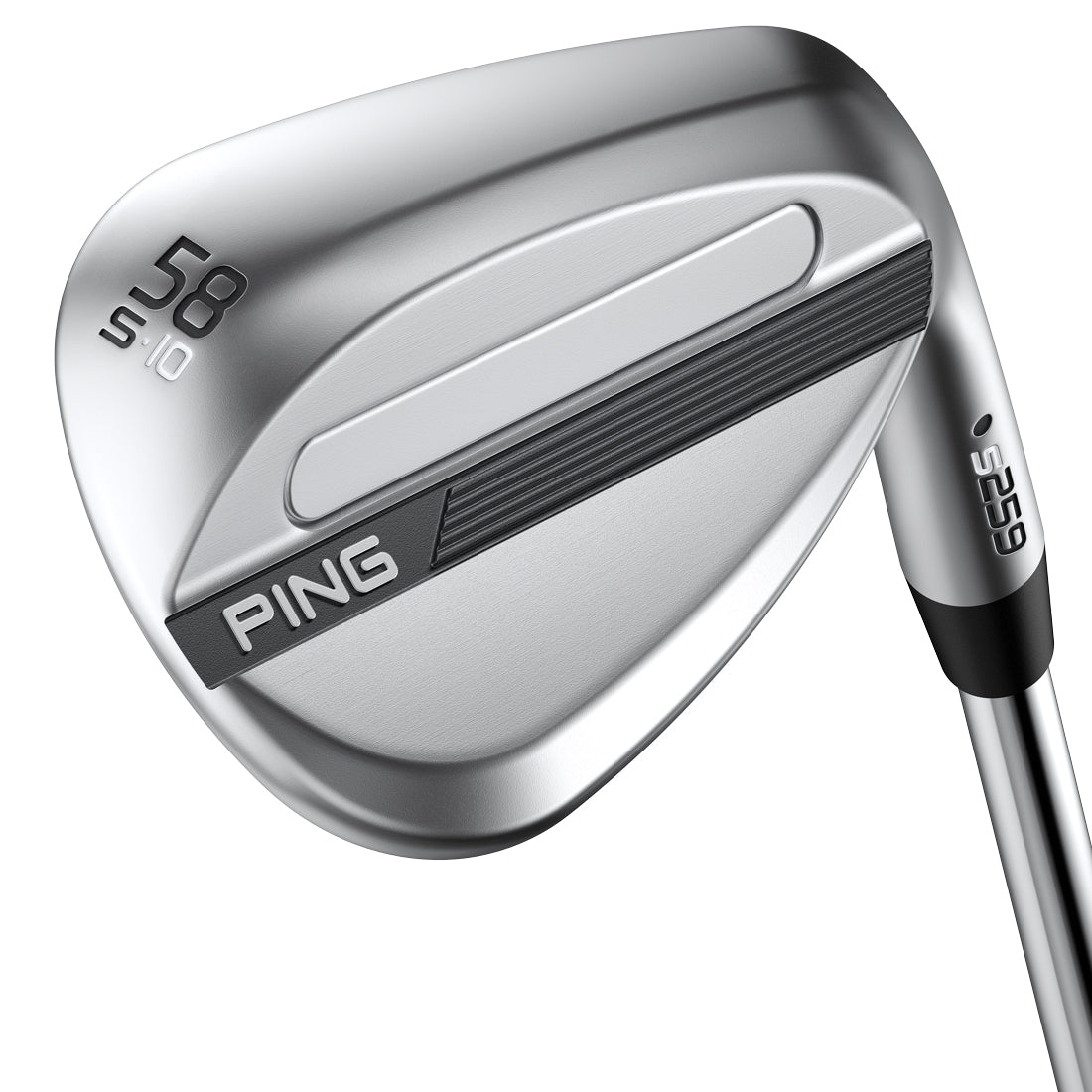
Anyone whose scoring clubs do not sit at 52, 56 and 60. The set that won the test is 52, 56 and 60, right-handed, full stop. If your gap wedge needs to be a 50 because of where your iron set finishes, or you are a left-hander, or you want a 46 as your first specialist wedge, the cheap answer is not an answer at all — and working out your own gapping is the step that tells you which camp you are in. That is the S259's whole territory.
And anyone who needs a shape rather than a loft. The Hi-Toe 5 exists because a conventional wedge runs out of face before it runs out of shot when the ball is sitting up in rough or the face is wide open on a short-sided pitch. No boxed three-piece set solves that, at any price, because the shape is the product.
Who should not, and what I would do instead
If you order standard grinds off a website, play ordinary parkland turf, and are replacing wedges because the grooves have gone smooth rather than because anything is wrong with the shapes — buy on groove wear and spend the smallest amount that gets you a milled face and a named shaft. Right now that is the Tour Edge, and it is not close. Three bounce profiles named Low, Mid and High is also a straightforwardly better way to sell sole shape than the grind alphabet everyone else stamps on the back.
If you want more spin specifically, the RTZ is the one I would look at before a tour wedge. Cleveland has built that line around greenside spin — UltiZip grooves and a rough face blast — and it sits a clear rung below the flagship money.
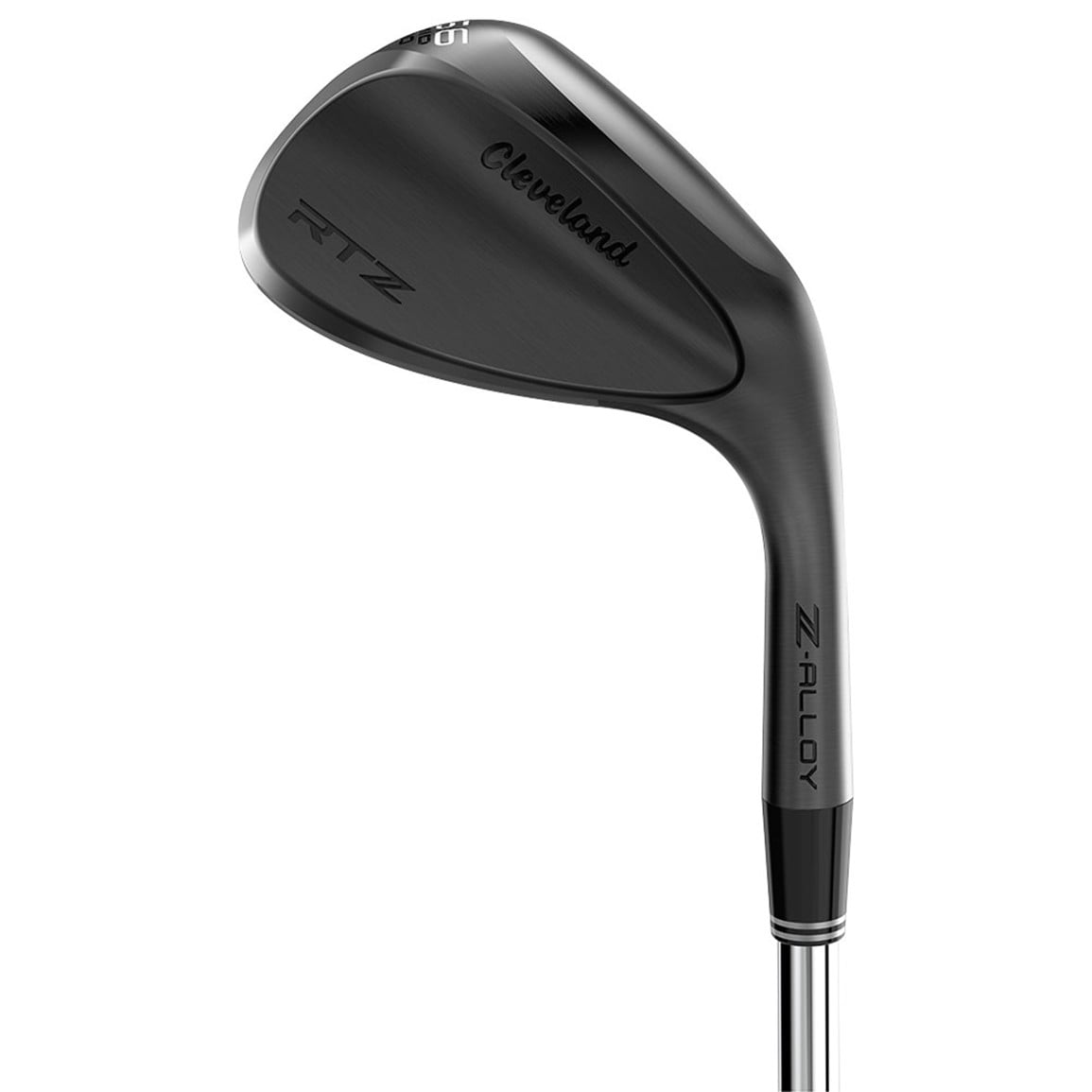
The bit nobody says out loud: grooves are consumable. A wedge you play three times a week is a worn wedge inside two seasons regardless of what you paid, and the expensive one does not wear more slowly in any way you will feel. That maths quietly favours the cheaper club, because replacing on schedule beats owning a beautiful set of blunt ones. It also means a 2026 test result has a shelf life — the winner is the winner of a field, on a day, and the more durable finding is the one about where your money goes.
The rule I would actually apply
Pay for a wedge fitting, not for a wedge. If you have had one, buy whatever the fitting says and do not flinch at the price, because the matrix is the thing you are buying and it works. If you have not had one and are not going to, the 2026 tests have handed you permission to stop paying for it, and the club to do that with is on the wall at roughly half the money.
The uncomfortable version, for the brands rather than for you: a members-only three-pack beating the tour benchmark in a public test is not a fluke of that test. It is what happens when the manufacturing floor of a category has been commoditised and the premium has quietly migrated from the club to the service around it. Everybody in the wedge business knows that. It is why the good ones now sell you a fitting appointment first.
Products mentioned in this article
Tour Edge
Tour Edge Exotics Milled Wedge
The cheapest milled face on the wall, and the club that makes this argument for you.
Titleist
Titleist Vokey SM11 Wedge
Still worth it if you are actually getting fitted — that is what the 27 combinations are for.
PING
PING S259 Wedge
Six grinds running from 46 to 62 degrees, which is range no three-club set can reach.
Cleveland
Cleveland RTZ
Spin-led and a rung below the tour wedges, if worn grooves are what you are replacing.
TaylorMade
TaylorMade Hi-Toe 5 Wedge
The one job a boxed set never does: full-face grooves for an open face out of thick rough.
ifrothgolf earns a commission on purchases made through these links, at no extra cost to you. It never changes what I recommend. Full disclosure.
Frequently asked
- Are expensive golf wedges worth the money?
- Only if you are being fitted. A premium wedge's real advantage is the breadth of loft, bounce and grind options and a sole shape matched to your turf and angle of attack — the Titleist Vokey SM11 offers 27 loft-and-bounce combinations across six grinds. Robot testing consistently shows that face and groove performance is far more even across price points than the pricing suggests. If you buy standard grinds off a website, you are paying for fitting options you will not use.
- Which wedge won MyGolfSpy's 2026 Most Wanted test?
- The Kirkland Signature Gen 3 Forged, a three-club Costco set covering 52, 56 and 60 degrees, finished first overall in a fifteen-wedge field, ahead of the Titleist Vokey SM11 and the New Level SPN V3. It is a Costco members-only product sold in right-handed configuration only, and stock has been intermittent since launch, so it is not a straightforward purchase for most golfers.
- How often should you replace your wedges?
- Buy on groove wear, not model year. Grooves are consumable and lose spin as the edges round off, and a wedge played two or three times a week will typically feel noticeably less grabby within two seasons. A more expensive wedge does not wear meaningfully more slowly, which is an argument for replacing cheaper clubs on schedule rather than protecting an expensive set past its useful life.
- What is bounce and how do I choose it?
- Bounce is the angle between the leading edge and the lowest point of the sole, and it controls how much the club resists digging into turf or sand. Steep swingers and soft turf want more bounce; shallow swingers and firm, tight lies want less. Tour Edge's Exotics Milled line simplifies this by selling three named profiles — Low, Mid and High — instead of the grind letters most manufacturers stamp on the sole, which is a clearer way to make the same decision.
Read next
Review
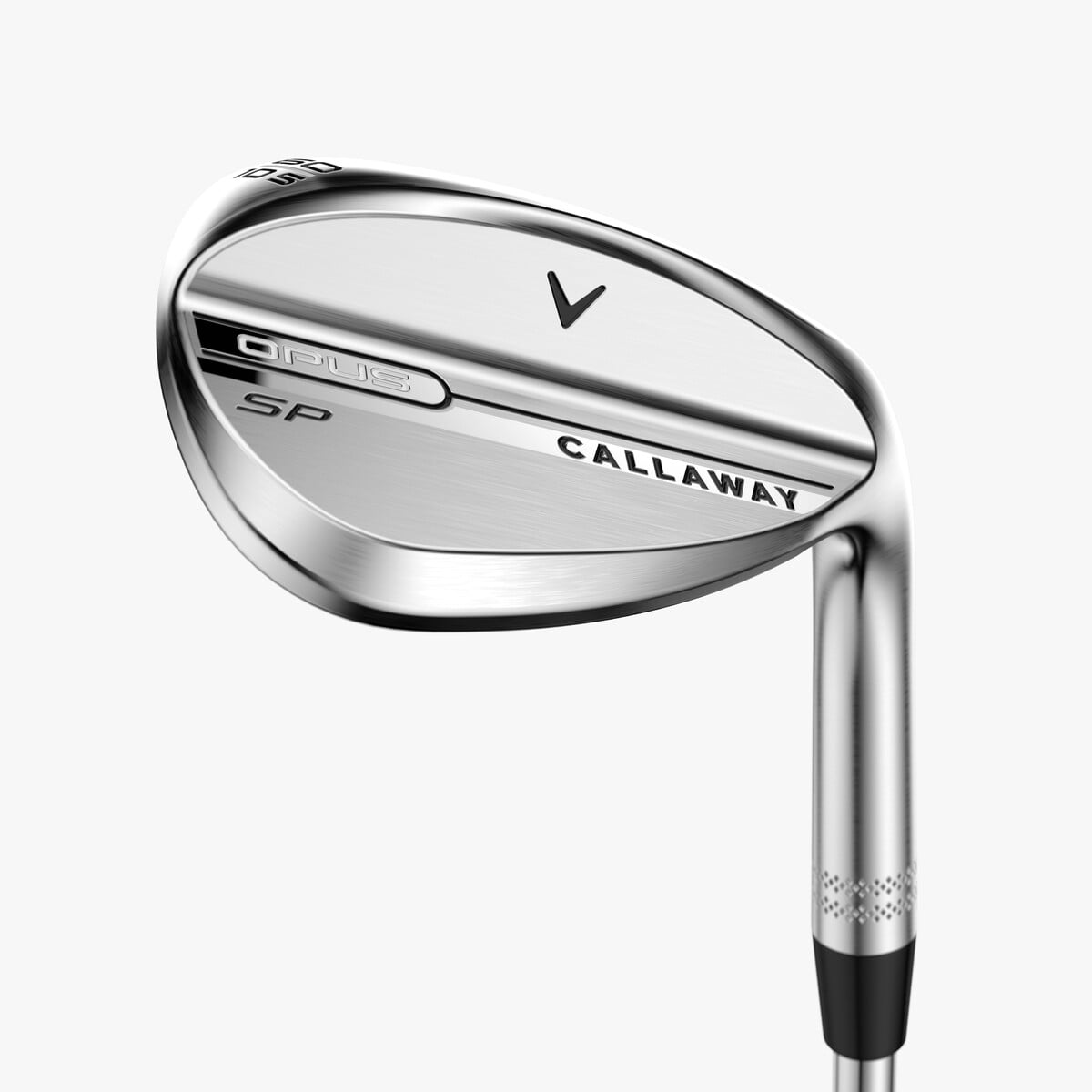
8.4/10Callaway Opus SP review: the wedge in four tour bags while everyone buys Vokey
Callaway's Spin Pocket wedge lands a lower, spinnier flight for about the same money as a Vokey. It is the one I would buy for firm turf and full shots, and the wrong call if your short game lives in soft sand.

Explained
Wedge bounce and grind, explained
The two numbers that decide whether your wedge digs, glides or skips — in plain English, with how to pick yours.

Review
8.8/10Takomo 101 MKII review: the irons quietly embarrassing the big brands
Half the price of a name-brand set, and good enough that you'll feel a bit silly for not trying them sooner. The direct-to-consumer irons reviewed.