
Titleist T100 vs Srixon ZXi7: one costs 27% more and the difference is not what you think
Neither of these goes further than the other. The honest split is turf interaction, shaping and whose fitting cart you can actually get into — and a lot of buyers at this tier are paying for a head when they never made a shaft decision.
By Jordan Hale · Equipment Writer
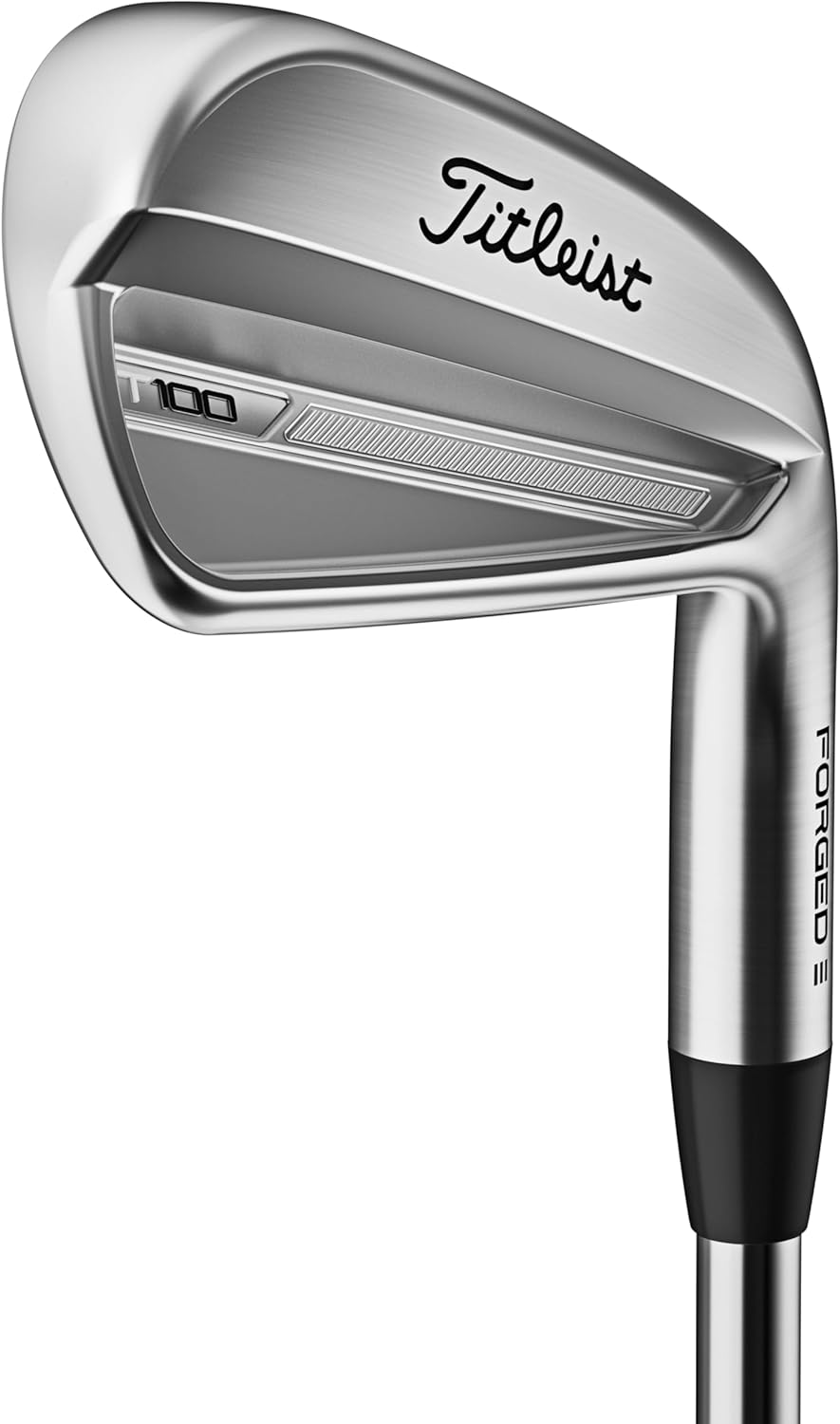
Titleist
Titleist T100 Irons
Dual forged, tour-proven, and backed by the deepest fitting network in golf.
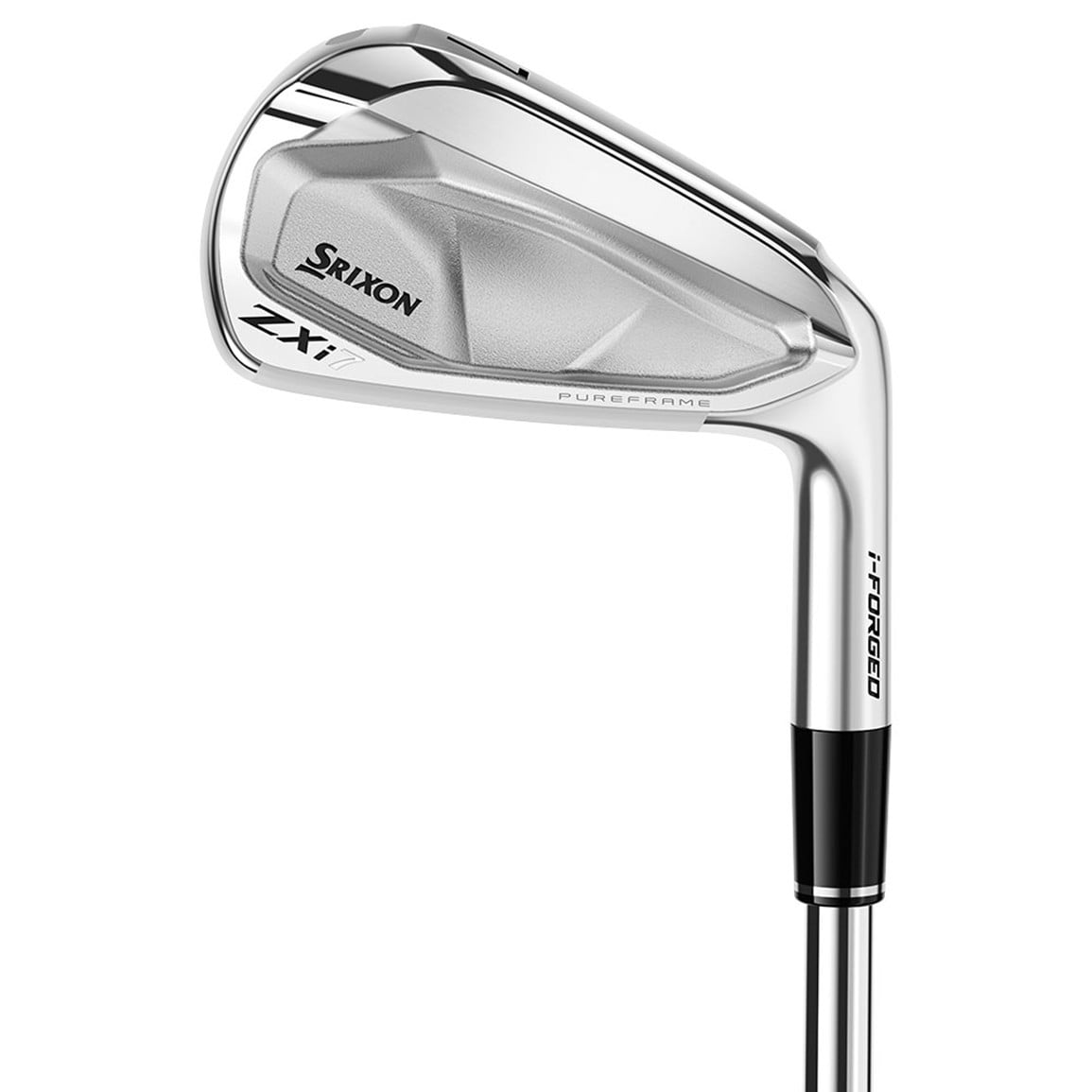
Srixon
Srixon ZXi7
Compact forged players' iron with a MainFrame face — the value case at this tier.
This model is no longer the current model. Remaining stock is often discounted, so it can still be the better buy — just know you're buying the outgoing model.
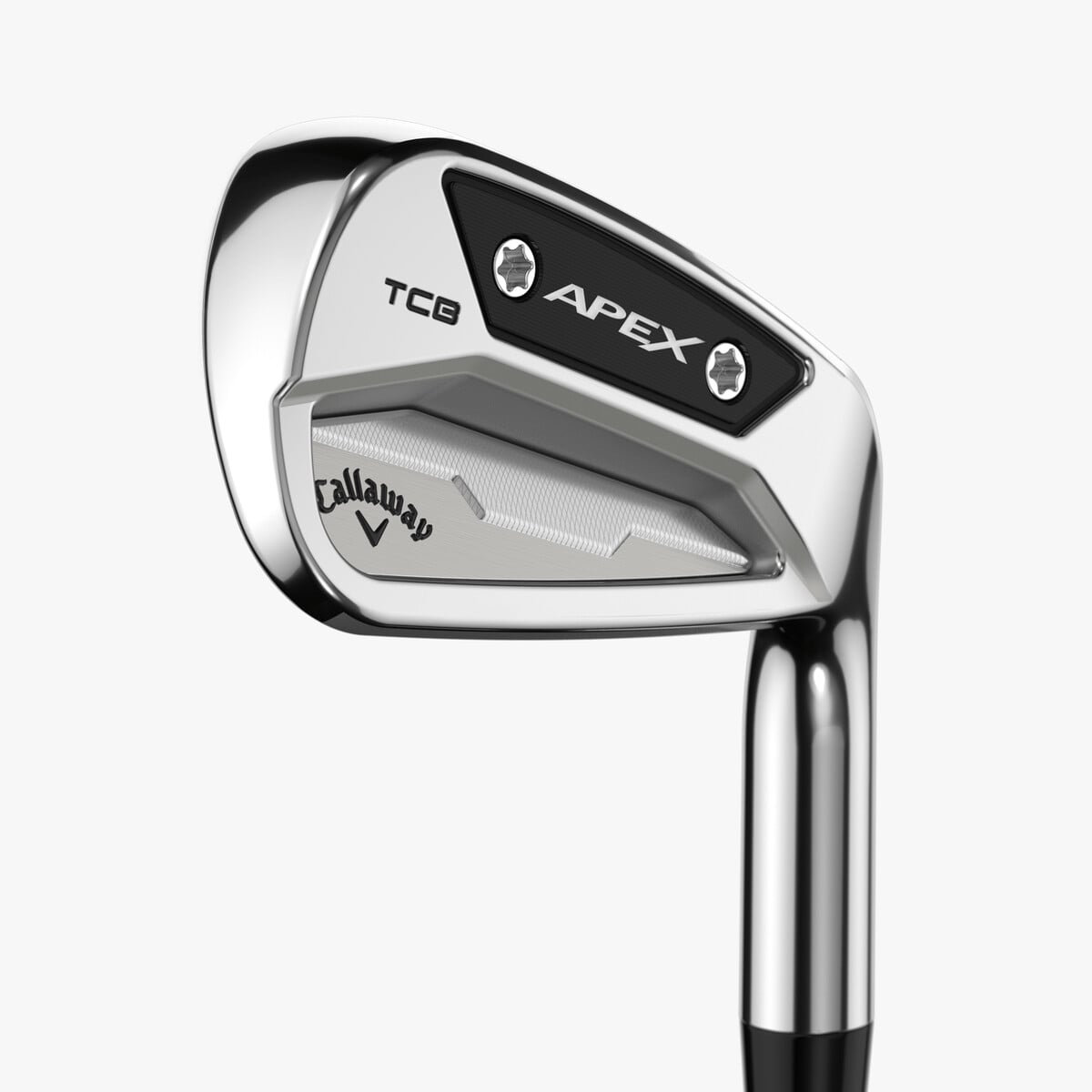
Callaway
Callaway Apex TCB
Tour cavity back shaped with direct tour input — the least forgiving of the four.
ifrothgolf earns a commission on purchases made through these links, at no extra cost to you. It never changes what I recommend. Full disclosure.
Part of our guide toBest Irons & Wedges 2026The Titleist T100 is $1,800 and the Srixon ZXi7 is $1,400, and the three hundred between them buys almost none of the things people assume it does. It does not buy distance — both are forged players' irons built to flight the ball at a controlled height, and any carry difference between them is a loft-and-shaft question, not a technology one. It does not buy forgiveness in a way you will feel from a good strike. What it buys, honestly, is a shaping preference, a sole that interacts with turf differently, and access to the deepest fitting network in golf. Whether that is worth the money depends entirely on which of those three you actually need.
Where they genuinely differ
The T100 is dual forged with a compact tour blade profile, sold in 4-PW and 5-PW sets, and it has spent years in the bags of players who get paid to hit greens. Its identity is precision over rescue: enough thickness to be playable, no more. The ZXi7 is a compact forged players' iron built around feel, feedback and shot control, with Srixon's MainFrame face pattern behind the hitting area to keep ball speed consistent when you miss the middle by a groove or two. Both are workable. Both give you the feedback a good ball-striker uses to self-correct. The head-to-head is not a ranking, and any review that hands you a winner without asking about your turf, your shaft and your dealer is selling you something.
One thing to know before you shop this, added in September 2026: Srixon announced a second-generation ZXi family on 8 September, and it reuses the same names. There is now a ZXi7 with PureFrame iQ arriving at retail on 16 October, alongside a new ZXi5+, which means the set described here has been superseded, even though nothing about the name says so. That matters more than a usual model refresh, because the box will not tell you which one you are holding — check for PureFrame iQ in the spec if you want the new one, and treat any sharp discount on a ZXi7 between now and the changeover as the old generation being cleared, which is a genuinely good way to buy it if you are happy with that.
Turf interaction is the real fork in the road
This is the difference that shows up on the course rather than the monitor. Srixon's players' irons are built around a V-shaped sole designed to enter and exit turf cleanly, and it has a real reputation for suiting a steeper, more descending strike and firmer ground — it glides rather than digging. Titleist's approach on the T100 is a narrower, tour-shaped sole with bounce varied through the set, which rewards a shallower, more sweeping delivery and gives a shot-maker more control to open the face and slide it. Neither is better. They are different answers to the same question, and the right one is decided by how you deliver the club and what the ground is like where you play. If you take a divot you could bury a hamster in on soft parkland, that is a very different brief from a steep striker on a dry links.
The thing most buyers are actually choosing
Here is the uncomfortable part. At this tier, a very large share of the performance difference between two sets sitting side by side is the shaft, not the head — weight, profile, tip stiffness and length change your delivery, launch and dispersion far more than a few grams of tungsten in a cavity. Yet the conversation in the shop is almost always about heads, because heads have logos and shafts have part numbers. If you buy a T100 with the stock shaft because the head appealed, and it does not fit your tempo, you have paid a premium for a worse outcome than a properly shafted ZXi7. Get fitted for the shaft first and let the head follow. That single reordering is worth more than the three hundred quid in question.
Why the fitting network is a legitimate reason to pay up
Which leads to the honest argument for the Titleist premium, and it has nothing to do with the metal. Titleist's fitting and dealer footprint is deeper than almost anyone's, which means more chance of hitting the actual head, in the actual shaft, on a lie board, with someone competent watching. Srixon builds superb irons and asks a lower price, but the fitting infrastructure is thinner in a lot of places, and an unfitted set of anything is a compromise. Our position: pay the premium when your fitter genuinely stocks and fits it, and do not pay it when the nearest T100 fitting is a two-hour round trip you will not make. The set you were fitted for is the better set, near enough every time.
The two alternates worth a swing
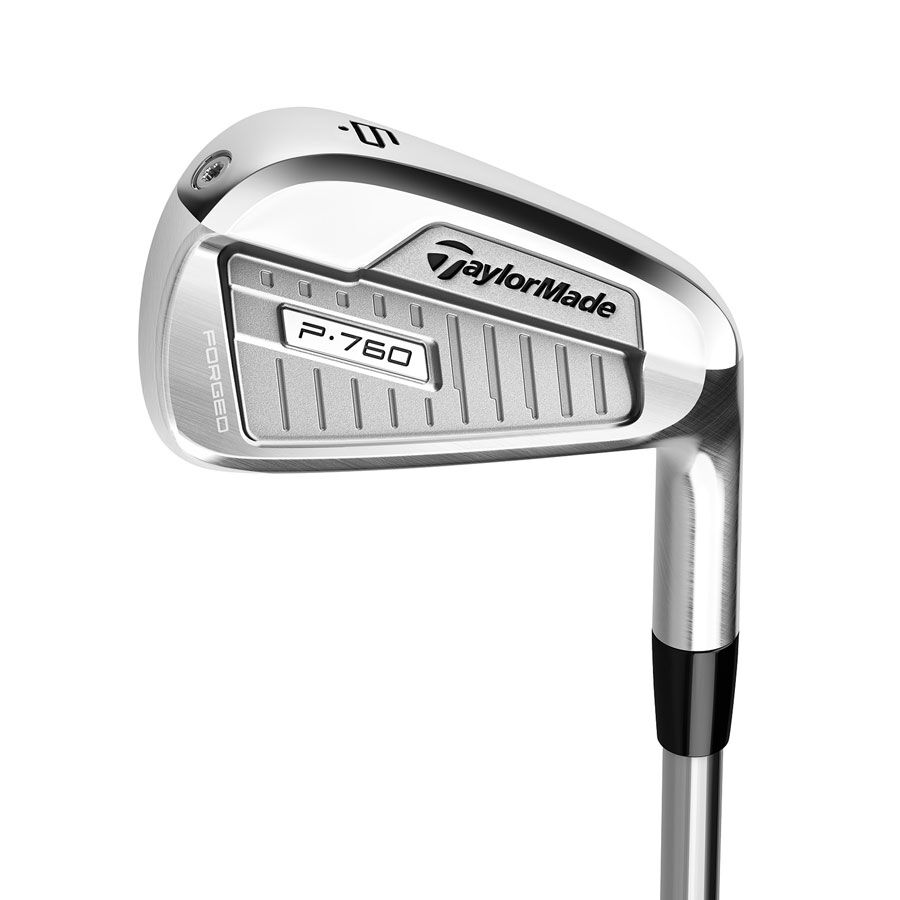
If you like the ZXi7 price but want help where good players actually lose shots, the TaylorMade P760 at $1,400 is a compact forged players' iron with hollow-body long irons using SpeedFoam and tungsten weighting for higher launch — the same look at address, more launch at the top of the set, which for most people is where the misses live.
Going the other way, the Callaway Apex TCB at $1,400 is a fully forged 1025 carbon-steel tour cavity back shaped with direct tour-player input, with precision tungsten weighting for CG control. It is the least forgiving of the four and the most demanding, and it belongs in the hands of a low-handicap shot-maker who wants a blade profile with a hint of stability rather than a players' iron with a hint of help. If that description makes you hesitate, it is not for you, and our blades vs cavity-back irons piece is the sanity check.
Who should not be in this aisle at all
Say it plainly: if you strike the ball inconsistently, none of these four are your irons. A players' iron is not a difficulty setting you overcome with effort — the smaller face and thinner sole mean your mishits go shorter and finish further from the target, so a set like this converts an average day into a bad one. The mid-handicapper who buys a T100 because it looks like what good players use is buying punishment and calling it aspiration. We have written the long version of that argument in should you play blades, and every word applies a rung down as well. Buy an iron that flatters your bad shots until your bad shots stop needing flattery.
The call
For the golfer who strikes it well, plays firm ground or comes into it steeply, and has a fitter who works with Srixon, the ZXi7 is the smarter money — you get forged feel, a workable head and consistent speed on the slight miss, and you keep three hundred for a shaft that actually fits. Pay up for the T100 if you want the specific tour-shaped sole and set bounce, you value the resale and the badge, or your nearest proper fitting cart is a Titleist one. Both are correct answers. The wrong answer is buying either without a fitting, which is how most sets at this price get bought. The rest of the players' iron field is in our best irons and wedges picks.
Frequently asked
- Is the Titleist T100 more forgiving than the Srixon ZXi7?
- Not in a way most players would feel. Both are compact forged players' irons with modest offset and thin soles. The ZXi7 uses a MainFrame face pattern to keep ball speed consistent on slight misses, while the T100 relies on its dual-forged tour profile. Neither is a game-improvement iron.
- Which one goes further?
- Neither, meaningfully. Both are built to flight the ball at a controlled height rather than chase distance, and any carry gap between them comes down to loft and shaft rather than head technology. If distance is your priority, you're shopping the wrong category.
- Is the extra 300 for the Titleist worth it?
- It's worth it if you prefer the tour-shaped sole and the way it interacts with your turf, or if your local fitter stocks and fits Titleist properly. It isn't worth it if the nearest fitting is a trip you won't make, in which case a well-fitted Srixon beats an unfitted Titleist every time.
- What handicap should be playing irons like these?
- Consistent ball-strikers, broadly low single figures to low teens with a repeating strike. The smaller face and thinner sole mean mishits fly shorter and finish further offline, so an inconsistent striker is buying punishment. Look at a players' distance or game-improvement iron instead.
Read next
Review
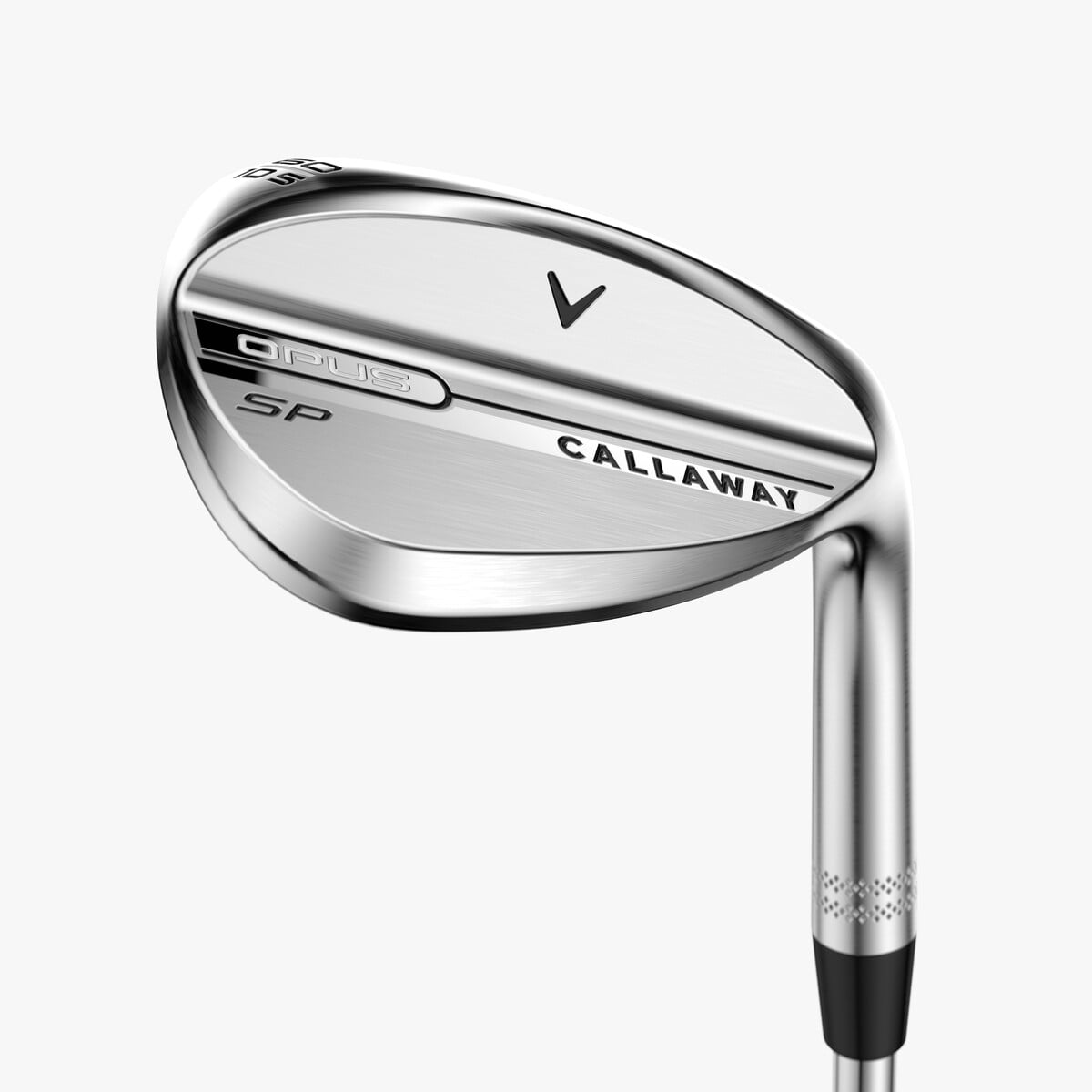
8.4/10Callaway Opus SP review: the wedge in four tour bags while everyone buys Vokey
Callaway's Spin Pocket wedge lands a lower, spinnier flight for about the same money as a Vokey. It is the one I would buy for firm turf and full shots, and the wrong call if your short game lives in soft sand.
Explained
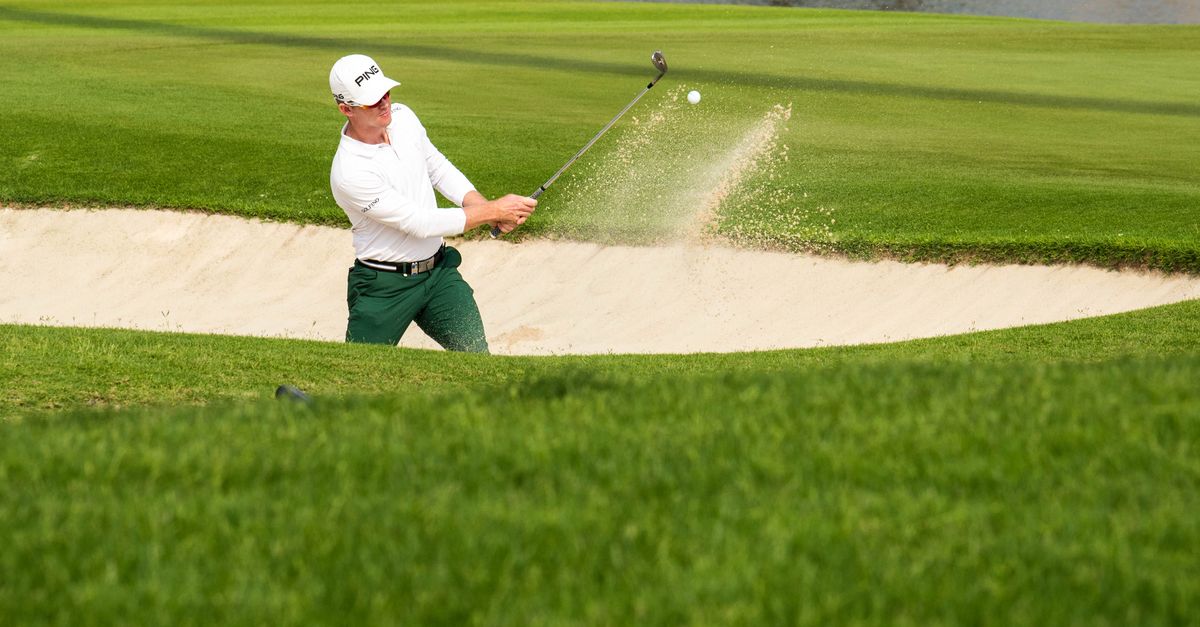
Wedge bounce and grind, explained
The two numbers that decide whether your wedge digs, glides or skips — in plain English, with how to pick yours.
Review
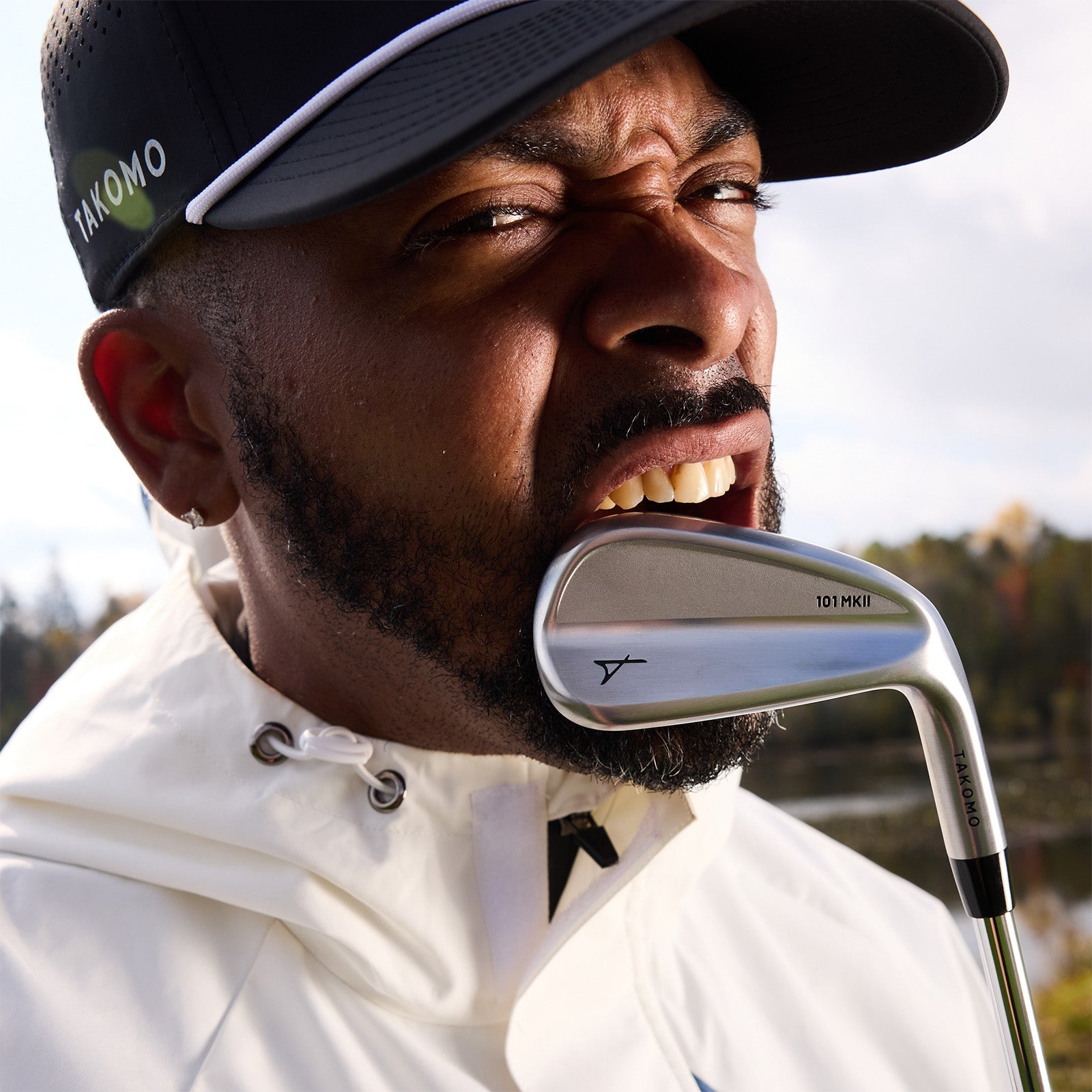
8.8/10Takomo 101 MKII review: the irons quietly embarrassing the big brands
Half the price of a name-brand set, and good enough that you'll feel a bit silly for not trying them sooner. The direct-to-consumer irons reviewed.