
Wet turf wants more bounce, wet sand wants less: the autumn wedge fix that isn't a fourth wedge
The low-bounce wedge that was perfect on firm July turf digs in November, and the 56 you rarely reach for is suddenly the better club. Most golfers buy bounce once and never revisit it, so here is what to actually do about it, short of buying a fourth wedge.
By Ross Hamilton · Staff Writer
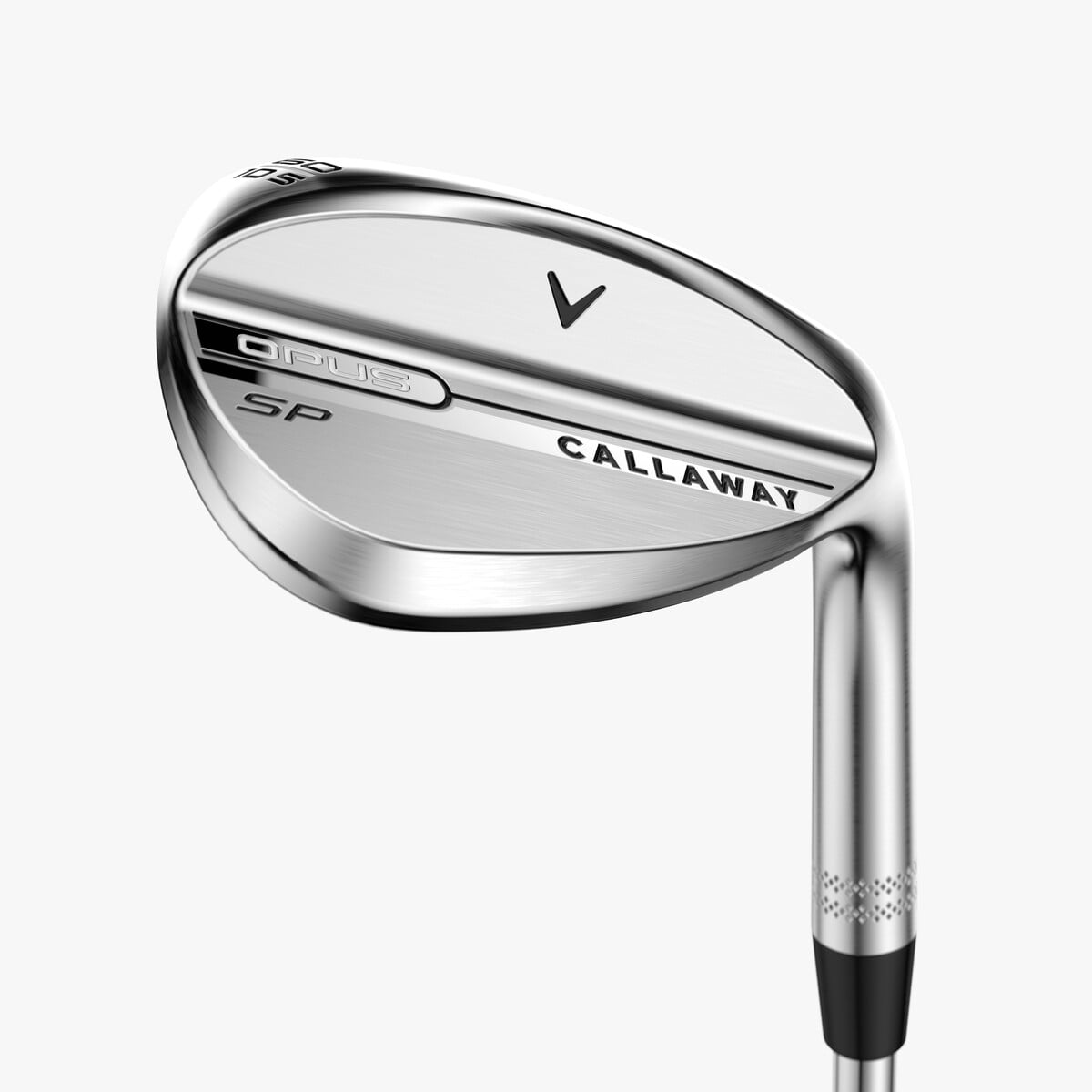
Callaway
Callaway Opus Wedge
Mid-October, first properly wet week. You are twenty yards short of the green off a soft lie, you make the same swing you have made all summer, and the club goes into the ground an inch behind the ball. Two holes later you are in a bunker that has had rain on it all night, you make the swing that has floated the ball out since April, and you thin it clean over the green.
Same golfer, same fortnight, same two wedges, opposite misses. Almost nobody connects those two shots, and they are the same problem viewed from either end.
Bounce is not a property of your wedge. It is a relationship between the sole of your wedge and the ground it meets, and one half of that relationship changes twice a year while the other half never changes at all. Most golfers buy bounce once, in a shop, in spring, and never think about it again. If you want the definitions — what the number on the hosel means, what a grind letter is doing — we have covered that ground in wedge bounce and grind, explained. This piece is about what happens to that decision six months later.
Soft ground does not want more bounce, it wants more sole
Here is the thing the number on the hosel hides: bounce angle is not comparable between models. Two wedges both stamped ten degrees can behave completely differently on the same wet lie, because the angle tells you nothing about how wide the sole is or how much camber is rolled into it. A narrow sole with ten degrees of bounce can dig more than a wide, cambered sole with eight, because width is what stops the club sinking once it is in.
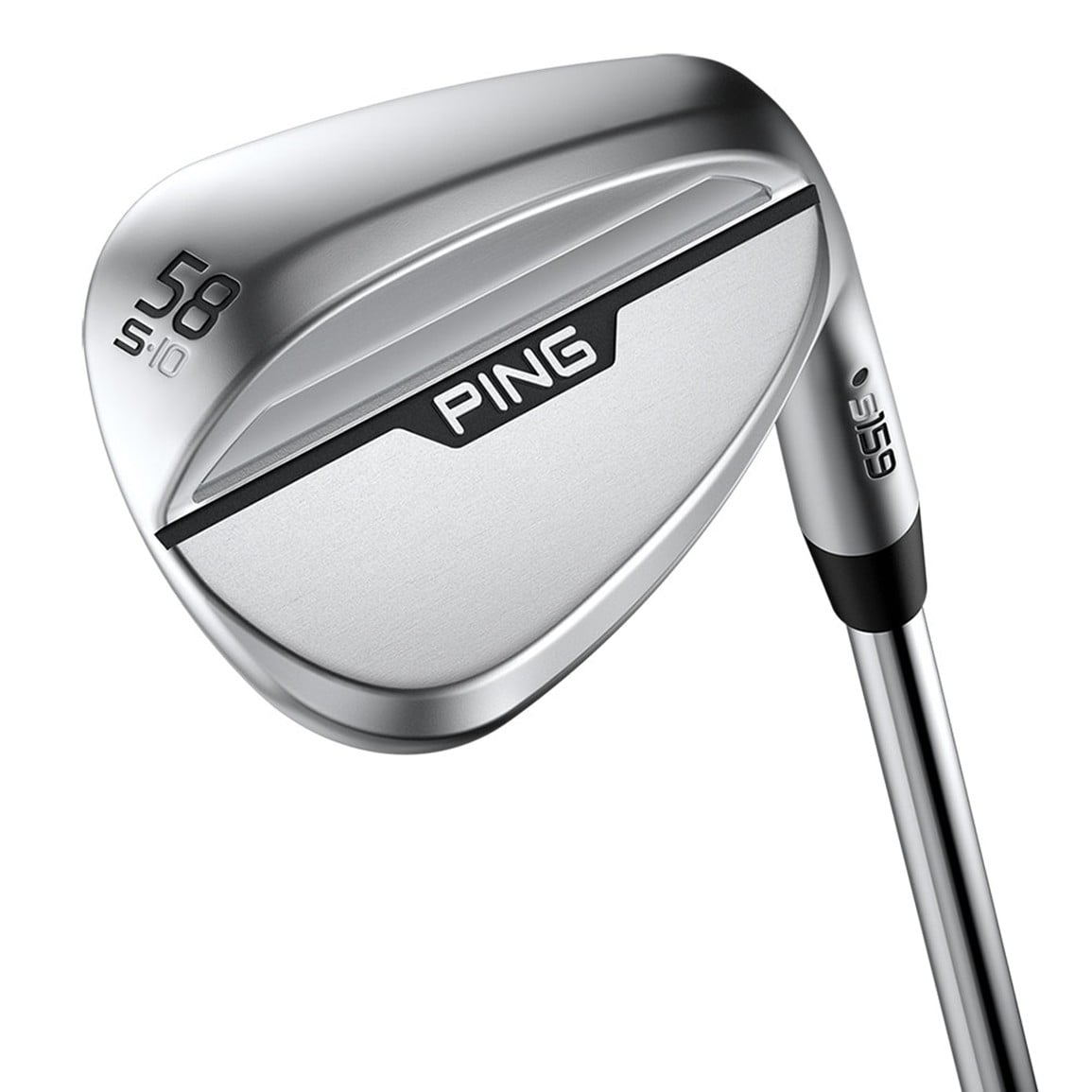
That is the whole reason grind letters exist, and it is why they matter more than the number in autumn. Callaway's Opus offers four — S, W, C and T — and the W is the wide one, built for exactly the soft turf and fluffy lies that arrive with the clocks going back. Ping's S159 goes further, with six grinds spread across 25 loft-and-grind combinations, including a half-moon H and a genuinely low-bounce B. Same loft, radically different sole. If you have only ever chosen a wedge by loft and price, that range is the thing to go and look at.
The bunker goes the other way, and this is the bit nobody says
Everybody understands that rain softens turf. Very few golfers have noticed that rain does the opposite to sand. Water fills the gaps between the grains, the sand compacts, and a wet bunker is a firm surface — closer in behaviour to a hard fairway than to the dry, fluffy stuff you have been splashing out of since June.
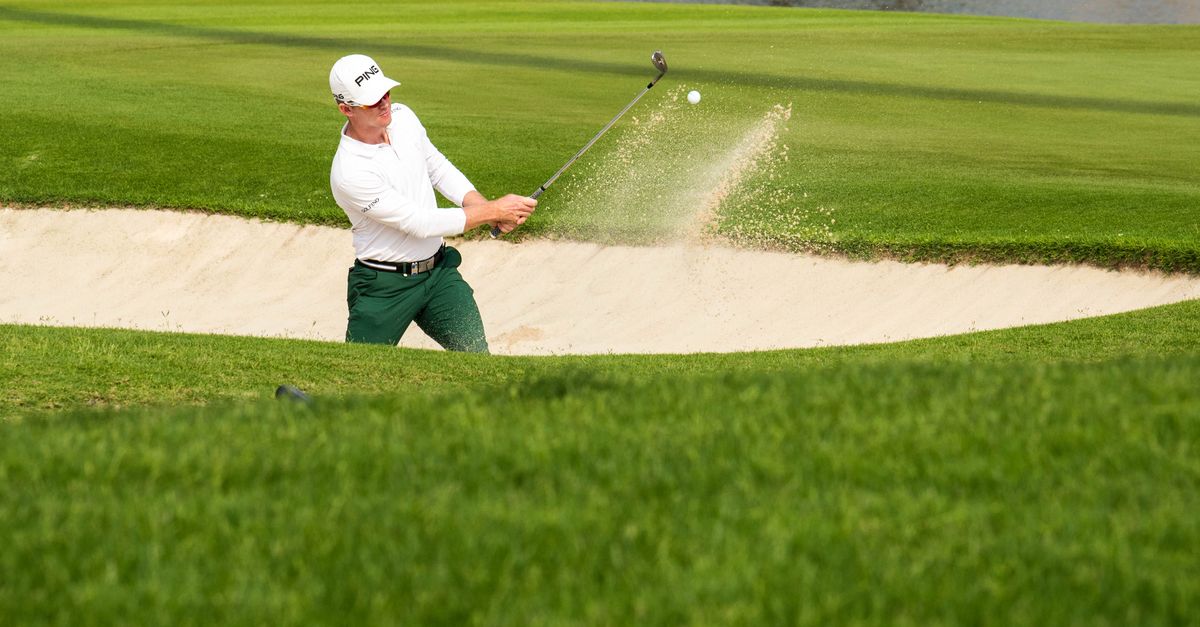
Which means the high-bounce sand wedge that carried you all summer is now the wrong tool in the one place you assumed it was safest. On compacted sand a wide, high-bounce sole does not dig in; it skids off the surface and the leading edge arrives at the equator of the ball. That is the thin bunker shot that screams over the green, and it is why golfers who never blade a bunker shot in August do it three times in November and conclude their technique has fallen apart. It has not. The sand changed.
The fix runs against instinct, because it is the opposite of the fix on the fairway. In wet, firm sand you want less effective bounce, not more: square the face up rather than laying it wide open, aim to enter the sand closer to the ball rather than two inches behind it, and accept a shallower, more nipped strike. Same rainfall, same round, opposite instruction from twenty yards away.
Effective bounce is something you deliver, not something you own
The good news for a mid-handicapper is that most of this is adjustable without buying anything, because the bounce that matters is the bounce at impact, and four things you control move it.
Forward shaft lean reduces it — hands ahead de-lofts the club and drives the leading edge down into the ground. Opening the face increases it, because rotating the face open effectively drops the trailing edge and raises the leading edge. Ball position back in the stance adds lean and therefore removes bounce; a touch further forward gives some back. And a steep angle of attack digs regardless of what the sole is doing.
Now put that next to the single most repeated instruction in golf, which is hit down on it. On firm July turf, a mid-handicapper leaning the shaft forward and hitting down gets a crisp strike and a nice divot. On soft November turf the same delivery turns a low-bounce wedge into a shovel. This is the honest reason so many golfers feel like their short game leaves in autumn: the instruction they finally learned is the exact instruction that stops working when the ground softens. Less lean, ball a fraction forward, face a touch open, shallower through. It is free, and it is the first thing to try.
What to do short of buying a fourth wedge
In order of what it costs you.
Change which wedge you reach for. Most mid-handicappers chip with the 60 because it is the one that looks like the shot on television. On soft turf the 54 or 56, with its wider sole and more bounce, is dramatically more forgiving for the same twenty-yard shot — you give up a little height and gain a lot of margin behind the ball. We have argued this one at length in your 60-degree wedge is costing you shots, and autumn is when the argument becomes obvious.
Change the delivery, as above. Free, and it fixes more shots than any purchase.
Buy one wedge, not a set. If something has to be bought, buy the loft you use most around the green in a wider, higher-bounce grind, and leave the others alone. You are not rebuilding a matched set — tour players do not own one either. A current six-grind line like the PING S259 lets you order a familiar loft on a completely different sole, which is a far cheaper intervention than replacing three clubs.
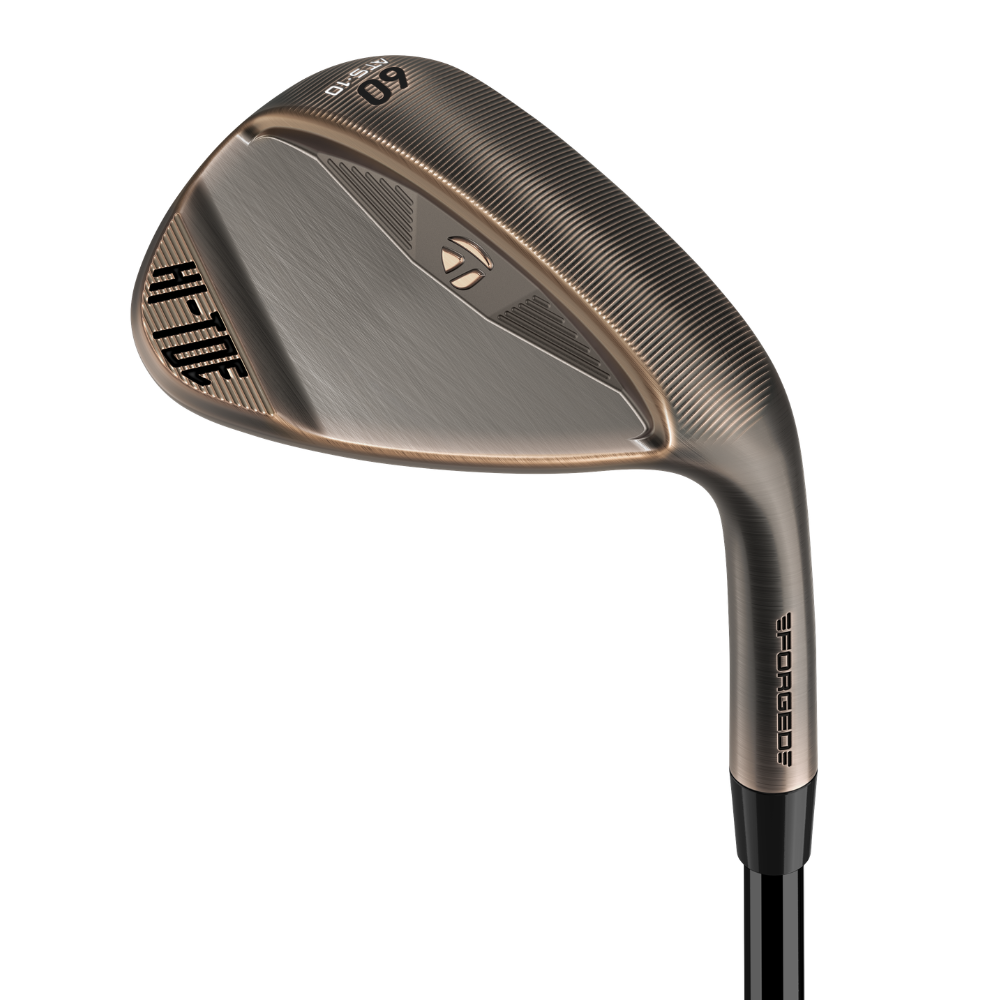
Deal with the water on the face. Wet grooves lose spin, and that is a bigger effect on a chip than most golfers assume — the ball comes off with less bite and runs out past the flag from a lie that looked fine. Raw and milled faces are the manufacturers' answer: TaylorMade's Hi-Toe 5 uses raw steel plus Spin Tread channelling specifically to shed water, and the Milled Grind 4 offers a raw face for the same reason. But the cheapest spin device you own between now and March is a dry towel, used before every wedge shot rather than every third one. Worth remembering too that grooves are consumable and go quietly — wedges wear out long before they look worn.
Who can ignore all of this
If you play links or a sand-based inland course, your ground barely softens, and the honest advice is the reverse — you may want less sole, not more, and your bunkers stay playable when everyone else's set solid. If you play a dozen rounds between October and March and none of them matter to you, do nothing; the technique tweak is enough. And if you already sweep the ball rather than digging, a low-bounce wedge in the wet may be exactly right for you, because you are not the golfer this article is about.
The point is not that you need a winter wedge. It is that bounce is a setting, not a purchase, and it is the only setting in your bag that the calendar changes on your behalf without telling you.
Products mentioned in this article
Callaway
Callaway Opus Wedge
Four grinds including the wide-soled W, which is the shape soft autumn turf actually wants.
Ping
Ping S159 Wedges
Six grinds across 25 loft-and-grind combinations, so the same loft comes in very different soles.
TaylorMade
TaylorMade Hi-Toe 5 Wedge
Raw face and Spin Tread channelling, aimed squarely at holding spin off a wet face.
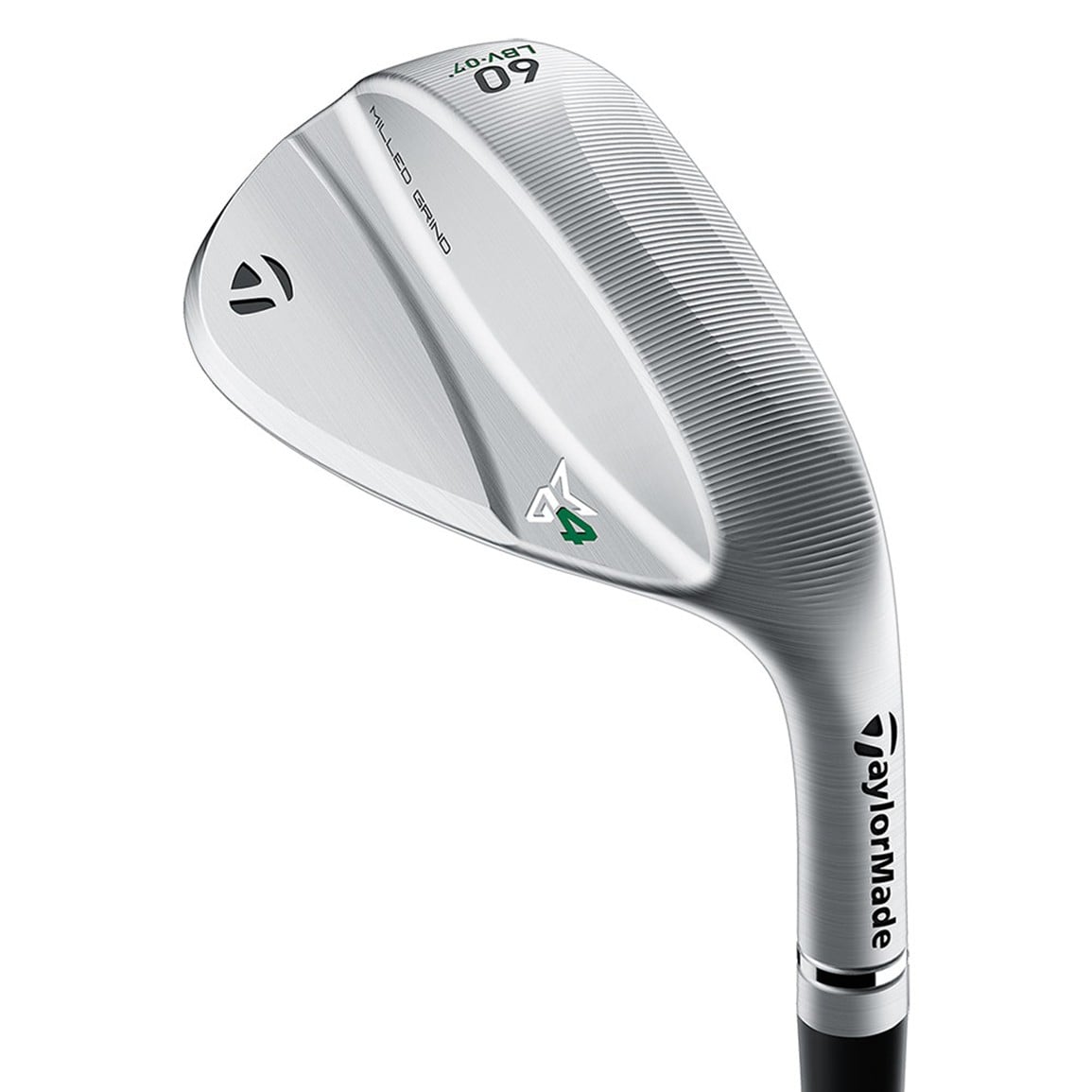
TaylorMade
TaylorMade Milled Grind 4 Wedge
The raw-face option for golfers who care most about spin surviving a wet winter.
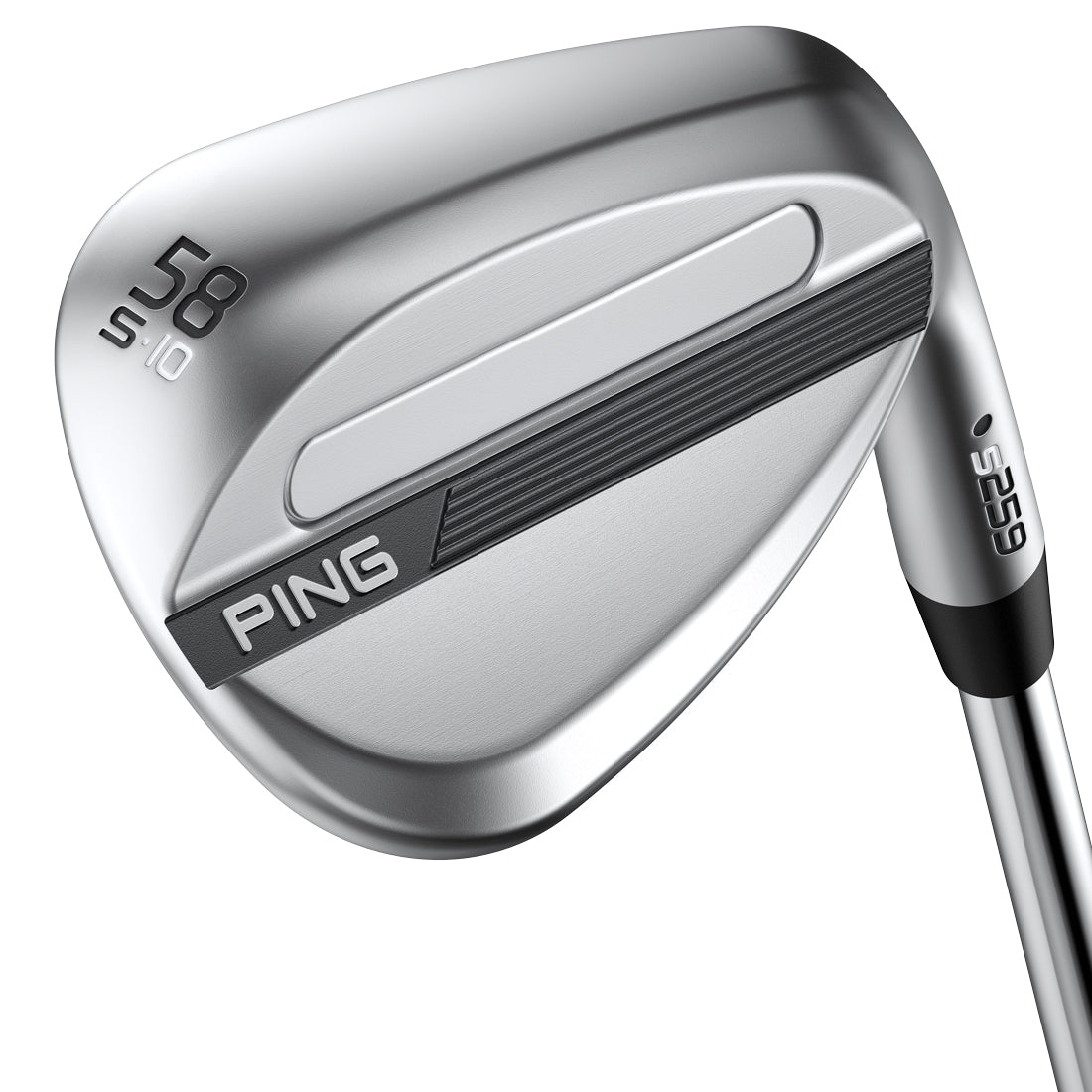
PING
PING S259 Wedge
If you are buying one wedge for the soft months, this is the current six-grind option to configure.
ifrothgolf earns a commission on purchases made through these links, at no extra cost to you. It never changes what I recommend. Full disclosure.
Frequently asked
- What wedge bounce is best for soft, wet turf?
- Higher bounce, but sole width matters as much as the angle. Look for a wide, cambered grind rather than fixating on the number — a wide sole at eight degrees can resist digging better than a narrow one at ten. In practical terms that means Callaway's W grind, a Ping half-moon H, or the equivalent full sole in whichever line you buy, typically in the 54 to 58 degree range you use most around the green.
- Why do I thin bunker shots in winter when I never do in summer?
- Because wet sand compacts. Water fills the space between grains and the bunker behaves like a firm surface, so a high-bounce sole skids off it instead of digging in and the leading edge reaches the ball's equator. Square the face up rather than opening it wide, enter the sand closer to the ball, and take less sand than you would in dry conditions.
- Can I change wedge bounce without buying a new wedge?
- Yes, within limits. Effective bounce at impact moves with delivery: forward shaft lean and a ball position back in the stance reduce it, while opening the face and moving the ball slightly forward increase it, and a shallower angle of attack helps on soft ground. Most mid-handicappers get more from those adjustments than from a purchase, because the standard hit-down-on-it instruction is what turns a low-bounce wedge into a digger once the turf softens.
- Should I buy a separate winter wedge?
- Rarely worth it as an extra club. If you are going to spend, replace the one wedge you use most around the green with a wider, higher-bounce grind in the same loft rather than adding a fourth. Modern lines sell one loft in several sole shapes for the same money, so it is a swap rather than an addition, and it keeps your gapping intact.
Read next
Review
8.4/10Callaway Opus SP review: the wedge in four tour bags while everyone buys Vokey
Callaway's Spin Pocket wedge lands a lower, spinnier flight for about the same money as a Vokey. It is the one I would buy for firm turf and full shots, and the wrong call if your short game lives in soft sand.
Explained
Wedge bounce and grind, explained
The two numbers that decide whether your wedge digs, glides or skips — in plain English, with how to pick yours.
Review
8.8/10Takomo 101 MKII review: the irons quietly embarrassing the big brands
Half the price of a name-brand set, and good enough that you'll feel a bit silly for not trying them sooner. The direct-to-consumer irons reviewed.