
Golfers replace wedges more than any other club — and almost nobody can tell you why theirs stopped working
A survey of 391 golfers this year put wedges among the highest-turnover clubs in the bag. The odd part is that the thing being replaced usually isn't the thing that's broken.
By Ross Hamilton · Staff Writer
 Explained
A marketplace study run in May this year by Buffalo Groupe — 504 golfers surveyed, 391 complete responses, 80 brands rated — found that balls, wedges and lessons lead both recent and planned purchases, with wedges showing the highest turnover of any club type.
That's a strange result when you sit with it. Wedges are the cheapest clubs in the bag to keep and the least dependent on technology cycles. Nobody replaces a wedge because a new one goes further. So what exactly is being bought?
Grooves don't fall off a cliff, they erode
The story golfers tell each other is that a wedge "goes" at some point — a moment where the grooves die and the spin disappears. That isn't how it works, and it's why so few people can name what changed.
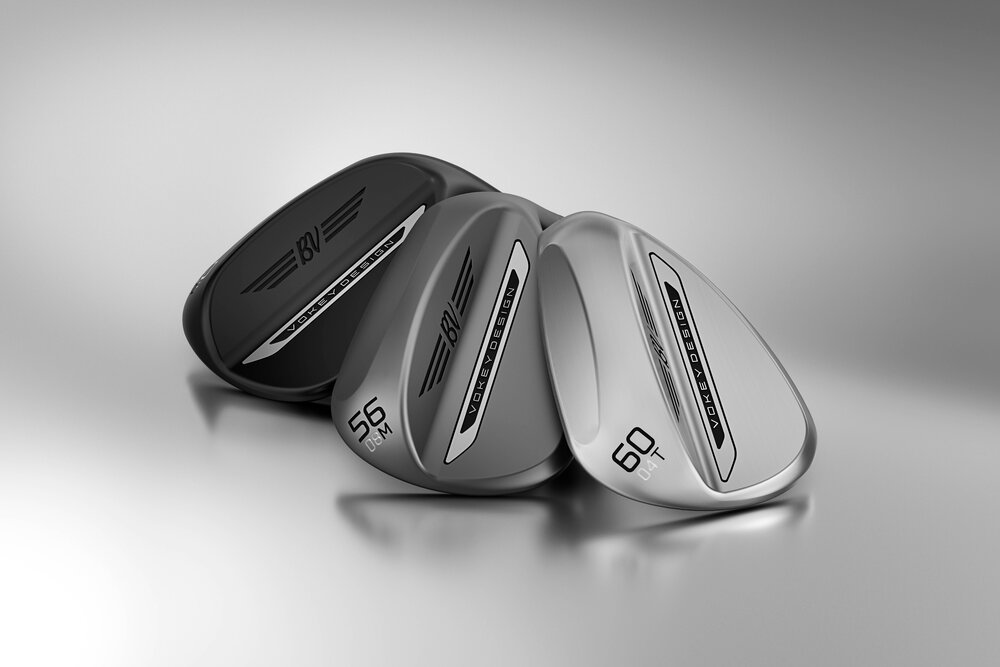
Groove wear is gradual and it starts immediately. Every shot off a range mat, every bunker shot, every wet chip drags abrasive material across the face. What degrades first isn't the depth of the groove but the sharpness of its edge and the roughness of the face between grooves, and both do quiet, steady work on your spin long before anything looks worn.
The practical consequence is that your wedge doesn't stop working on a Tuesday. It gets a little less grabby over two seasons, you unconsciously adjust by playing more release, and one day you hit a new one in a shop and think the new one is magic. It isn't magic. Yours just got old slowly enough that you never noticed.
The number that actually predicts wear
Rounds are the wrong unit. Range balls are the right one.
A golfer who plays twice a month and never practises will get years out of a wedge. A golfer who hits 60 wedge shots a week off a mat with range balls is doing something closer to accelerated laboratory wear testing — range balls have harder covers, mats are more abrasive than turf, and the volume is far higher than course play. The same wedge in those two hands has completely different lifespans, which is why "replace every two years" advice is useless.
If you want a genuine check rather than a rule of thumb, drag a fingernail across the face perpendicular to the grooves near the middle of the strike pattern, then do the same near the toe where you rarely make contact. If the centre feels noticeably smoother than the toe, you have measurable wear where it counts. That's a two-second test and it beats any mileage figure.
Four things that cost you more spin than an old wedge
Before you replace anything, these are worth more than a new club, and three of them are free.
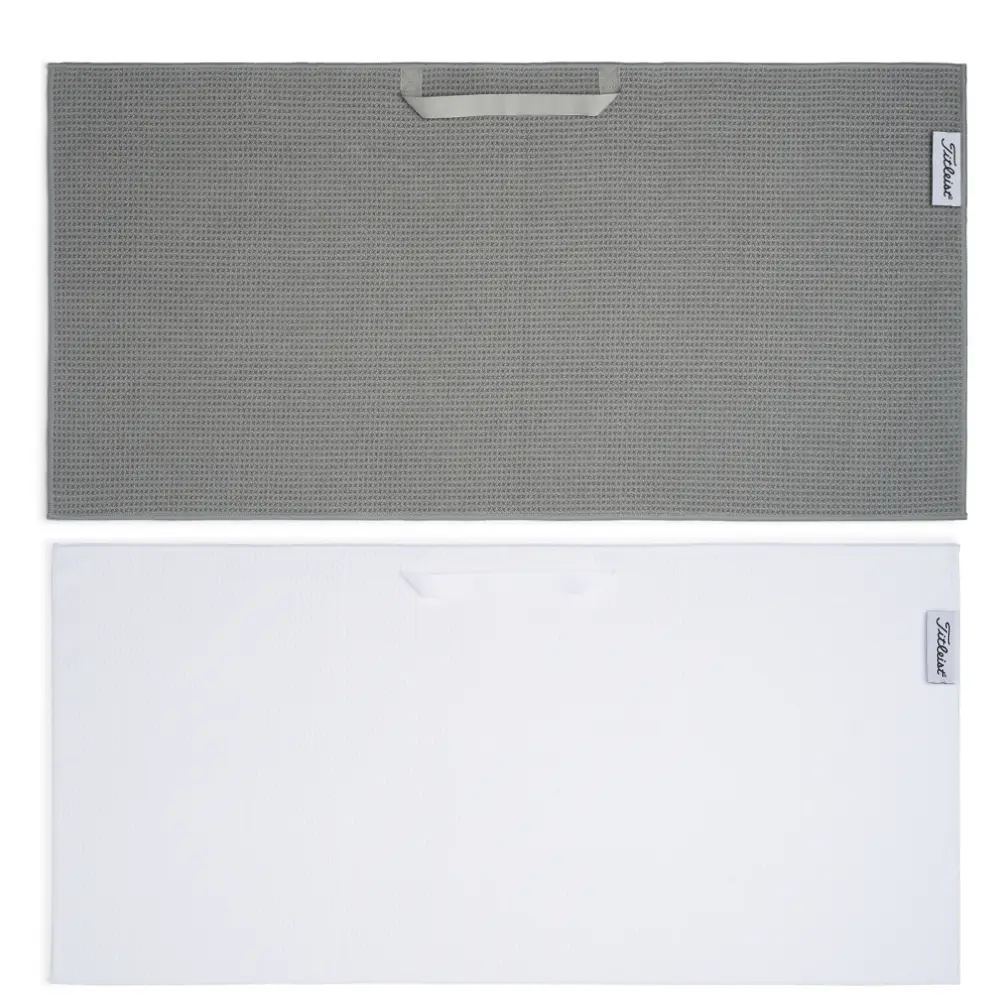
A wet or dirty face. Moisture between the face and the ball is the single largest spin killer in golf, far bigger than groove age. Grass in the grooves does the same job. A towel clipped where you can reach it and actually used before wedge shots recovers more spin than any purchase on this page.
The ball. A soft two-piece distance ball cannot generate wedge spin regardless of what you're swinging. If you play a firm ionomer ball and blame the wedge, you have diagnosed the wrong object.
The lie. Spin comes from clean contact. Out of light rough with grass between face and ball, no wedge in existence holds the green. Recognising that shot and playing for release is a skill, not an equipment problem.
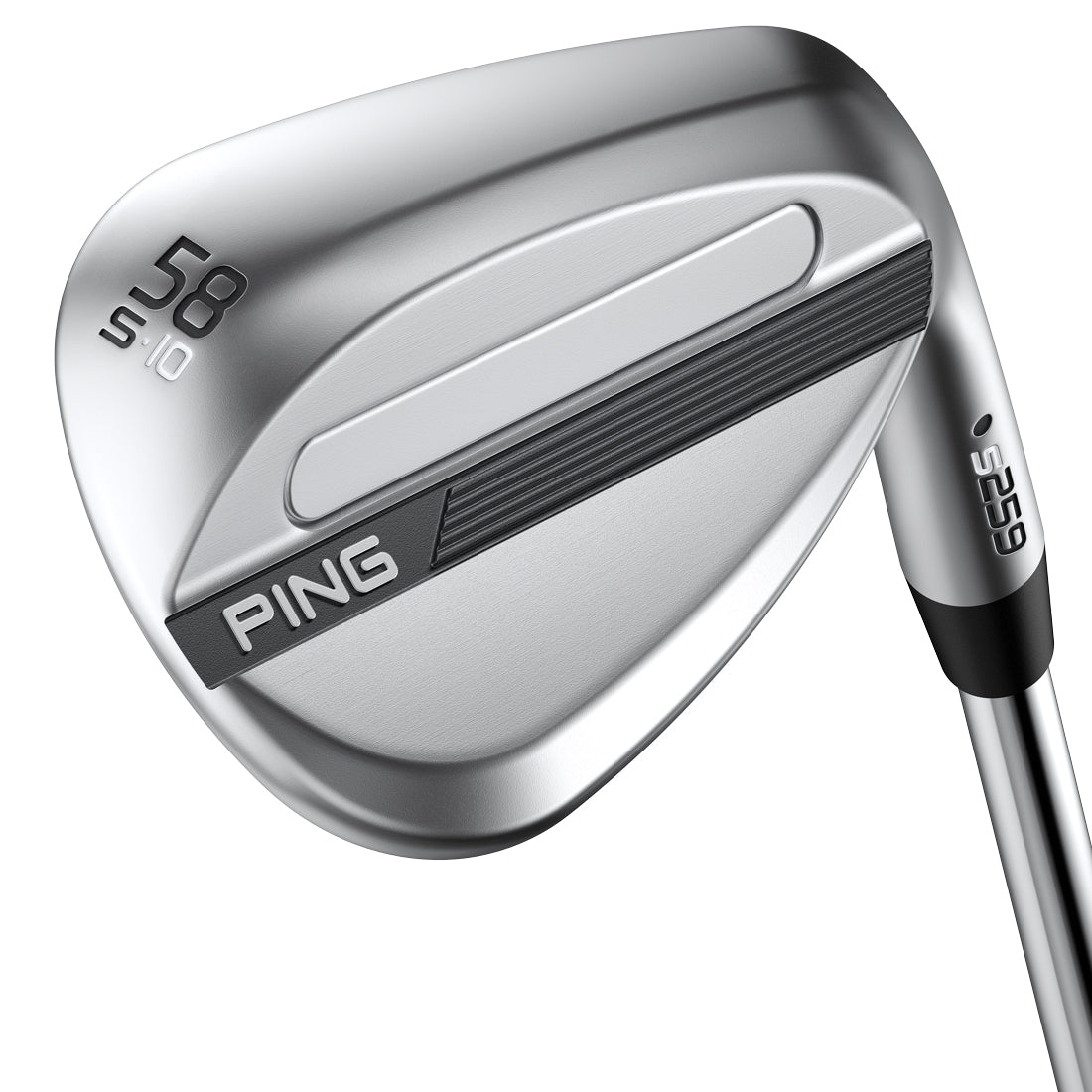
Your bounce. A wedge that doesn't match your turf and your attack angle will feel bad when it's new and worse when it's worn. This is the one a fitting genuinely solves, and it's why the S259 fitting-led approach suits people who don't know what grind they need.
When replacement is genuinely the answer
The scoring wedge first, and only that one. Your most-used wedge — usually the 56 or the 58 — does the overwhelming majority of the wear. Replacing a matched set of three when one is worn is the most common way golfers waste money in this category. Buy one.
When the face is visibly polished in the strike pattern. A shiny oval where the grooves have lost definition is real wear you can see, not a feeling.
When you've genuinely changed as a player. New turf conditions, a changed attack angle after lessons, or a move from mats to grass all change what bounce you need. That's a fitting question, not a wear question.
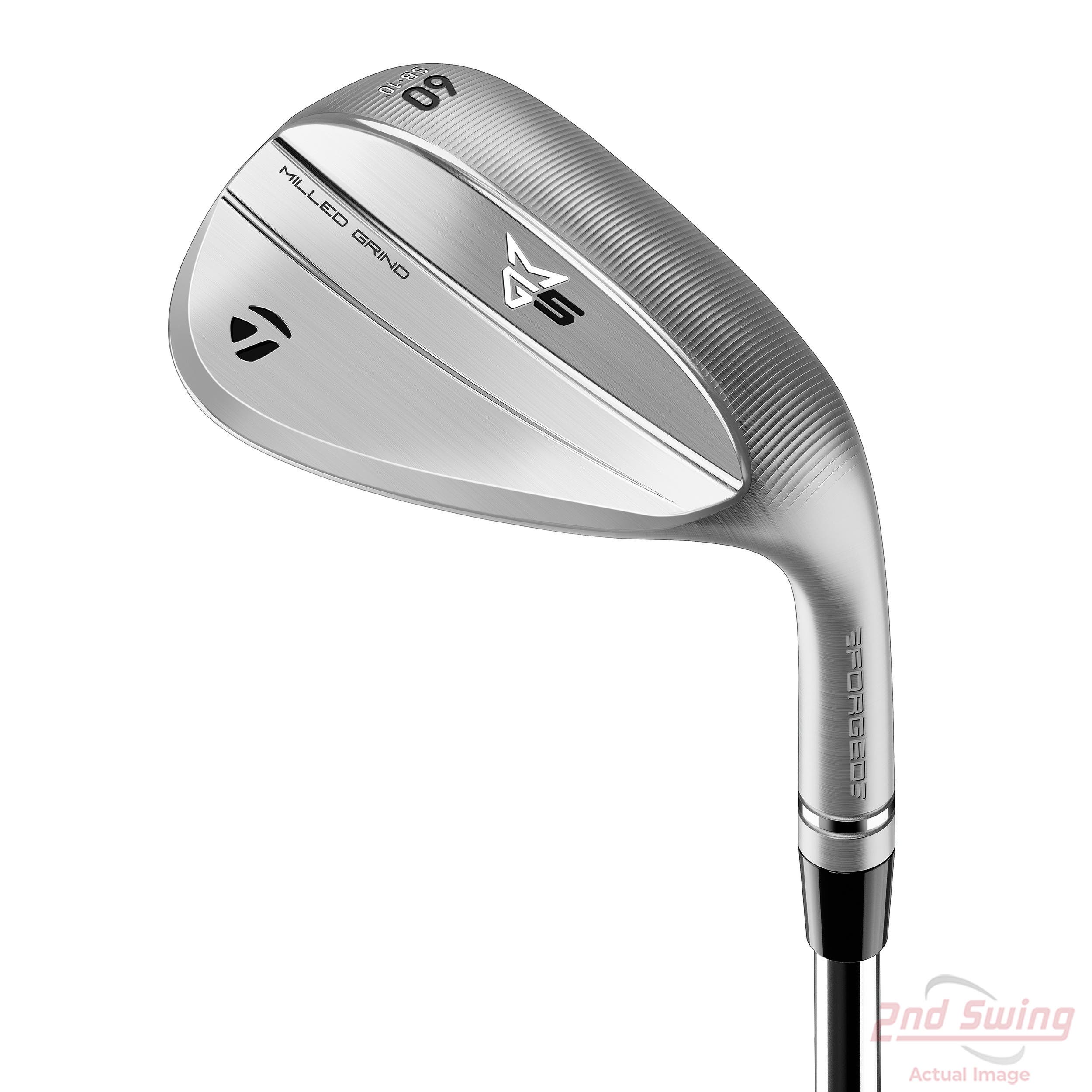
When spin is the thing you actually need. If your short-game misses are long, spin matters. If they're heavy and short, a new wedge fixes nothing. Raw-face options like the MG5 hold their spin longer through wear because there's no plating to break down first, which is a real advantage for high-volume practisers and irrelevant for everyone else.
The takeaway I'd give a mate
The survey finding is probably telling us something a bit unflattering: wedges are the club we replace most because they're cheap enough to buy on a hunch and impossible to hold accountable afterwards. Nobody measures whether the new one helped.
So measure it, roughly. Before you replace anything, play three rounds paying attention to where your short-game misses finish. If the misses are past the hole, you have a spin problem worth spending on. If they're short, heavy or thin, you have a technique problem that a new wedge will disguise for about four rounds and then hand straight back to you.
Products mentioned in this article
Titleist
Titleist Players Microfibre Golf Towel
A wet towel does more for wedge spin than a new wedge does
ifrothgolf earns a commission on purchases made through these links, at no extra cost to you. It never changes what I recommend. Full disclosure.
Frequently asked
- How often should I replace my wedges?
- There's no useful figure in rounds, because wear is driven by practice volume and surface rather than course play. A golfer hitting 60 wedge shots a week off a range mat wears a face out several times faster than someone playing twice a month. Check the face rather than the calendar.
- How can I tell if my wedge grooves are worn?
- Run a fingernail across the face perpendicular to the grooves in the middle of your strike pattern, then repeat near the toe where you rarely make contact. If the centre feels noticeably smoother than the toe, you have real wear in the area that matters. A visibly polished oval on the face is the same signal.
- Do raw-face wedges spin more?
- Not inherently when both are new, but they tend to hold their spin better through wear because there's no plating to break down — the face rusts instead. That's a genuine benefit if you practise heavily and largely irrelevant if you don't.
- Should I replace all my wedges at once?
- Usually not. Your most-used scoring wedge does most of the wear, so replacing that one alone is the sensible move. Buying a matched set because one is worn is the most common way money gets wasted in this category.
Read next
Review
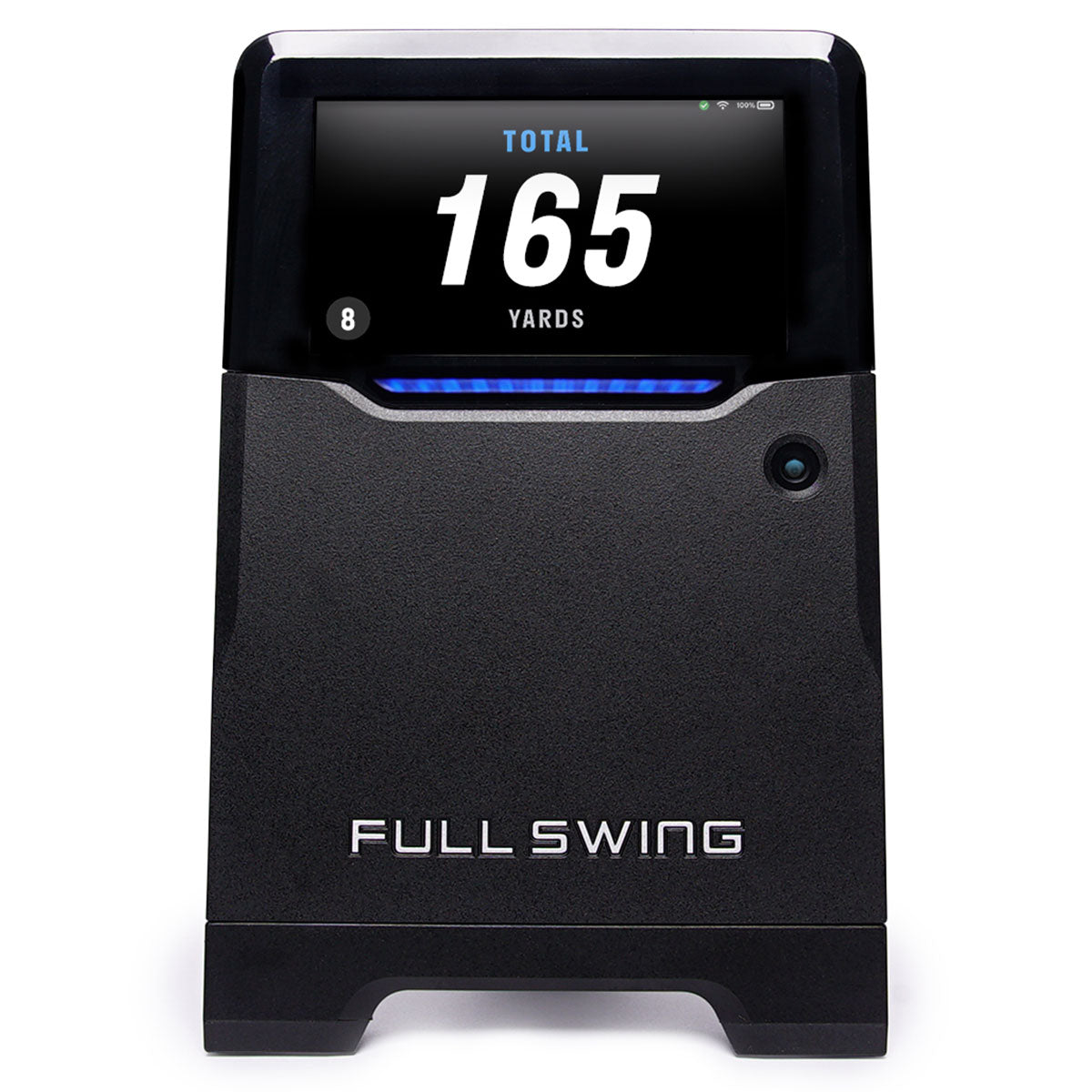
7.9/10Full Swing KIT review: the tape measure decides this, not Tiger
Tour pedigree, TGL on ESPN, and radar good enough to be checked against a Trackman outdoors. It also wants eighteen to twenty feet of room, which rules out most of the garages people buy it for.
Versus
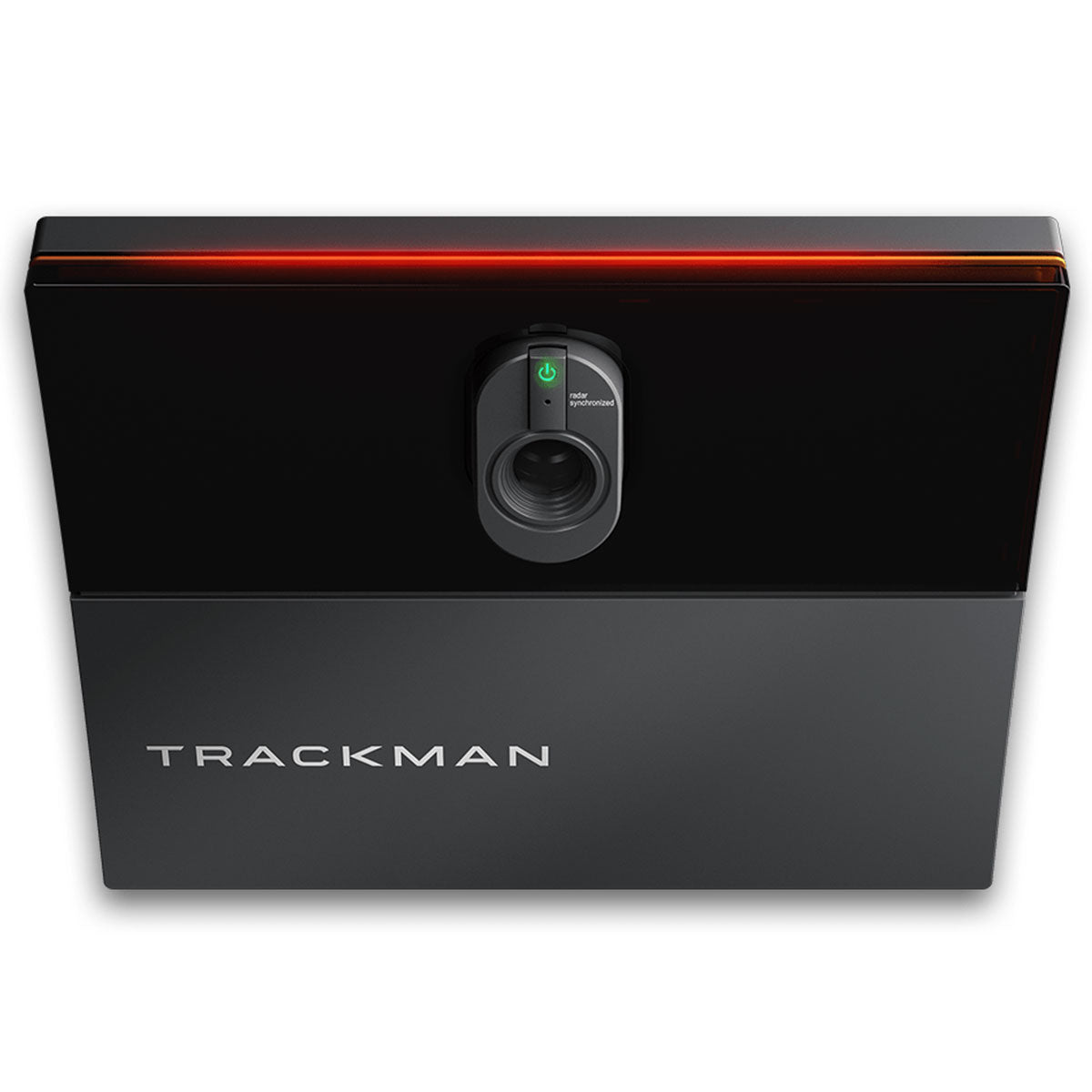
Trackman iO vs Uneekor EYE XO2: the year-one trap
Both mount overhead, both want ten feet of ceiling, and about $3,000 separates them on the shelf. Then Trackman's included first year runs out, and the gap starts growing by $1,100 a year.

Versus
Uneekor EYE XO2 vs Foresight GC3: ceiling or floor?
About $4,000 separates them, but they're not really rivals — one lives in your ceiling forever, the other sits on the floor and travels. The cheaper one is also the one with no subscription.