
The 200-yard 7-iron just landed, and it's the most overrated number in golf
Across 81 irons tested this year, one 7-iron carried 202.2 yards and finished about 10 yards clear of the field. That is a marketing triumph and a scoring problem, and the reason is stamped on the sole.
By Jordan Hale · Equipment Writer
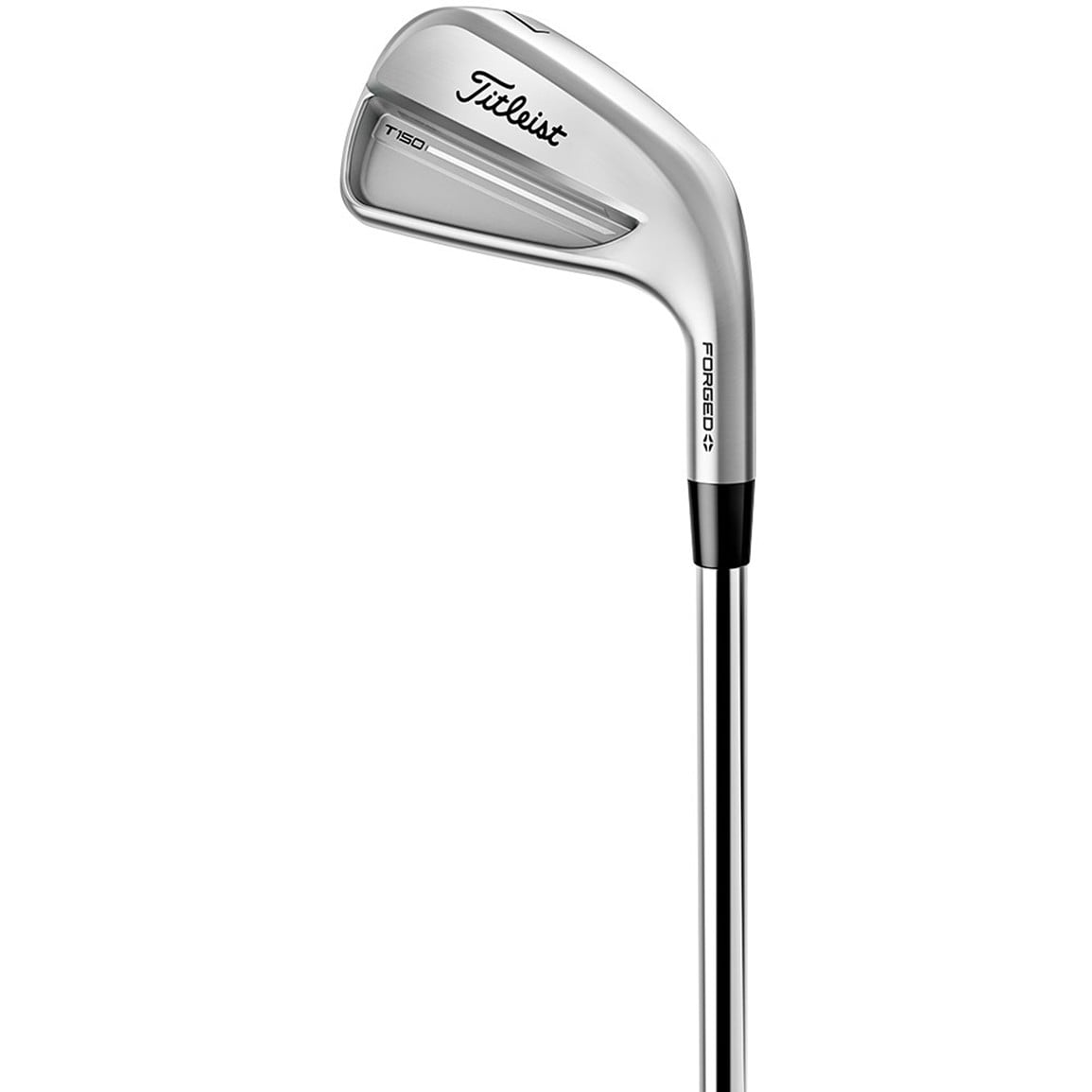
Titleist
Titleist T150 Irons
ifrothgolf earns a commission on purchases made through these links, at no extra cost to you. It never changes what I recommend. Full disclosure.
A 7-iron carried 202.2 yards this year. Today's Golfer put 81 irons through its 2026 test and the PXG 0311 Gen8 XP came out roughly 10 yards clear of everything else, with the fastest ball speed of the whole test at 133 mph, which they describe as the first 7-iron in their testing to break 200 yards. It is a genuinely impressive piece of engineering. It is also a warning label, because the number stamped on the sole of an iron is not a standard. It is a marketing variable, and the bill for a long 7-iron is paid at both ends of your bag.
That is the honest framing almost nobody uses: iron distance is a loft decision dressed up as a technology decision. Thin fast faces, low centres of gravity and longer shafts are all real and all contribute, but the single biggest lever any manufacturer has is simply printing a different number on the same piece of metal. Two 7-irons with the same shape and the same face can differ by several degrees of loft, and several degrees is worth a lot more than any face material.
The number on the sole means nothing on its own
Nothing in the rules of golf, and nothing in any manufacturing standard, defines what a 7-iron is. If a company wants its 7-iron to fly further than a rival's, it can strengthen the loft, lengthen the shaft by a fraction, lower the CG so the ball launches higher off a stronger loft, and add a face that flexes more. Do all four and you get a 200-yard 7-iron. What you do not get is a golfer who hits the ball further overall. You get the same set of distances with different numbers written on them.
This is why comparing your 7-iron to your playing partner's is one of the emptiest conversations in golf. It tells you which of you has the stronger lofts. That is all. The comparison that matters is the gap between consecutive clubs and how steeply each one comes down.
The top of the bag pays first
Strengthen every loft in a set and the problem does not appear at the 7-iron. It appears above it. A strong 5-iron becomes a club a lot of amateurs cannot launch, and a 4-iron becomes ornamental — carried for a season, hit twice, eventually swapped for a hybrid nobody planned for. Meanwhile the distances bunch: when the whole set is built for speed, the long irons run out of loft to separate themselves and you end up with three clubs covering the same 15 yards while a genuine hole opens at the top of the bag.
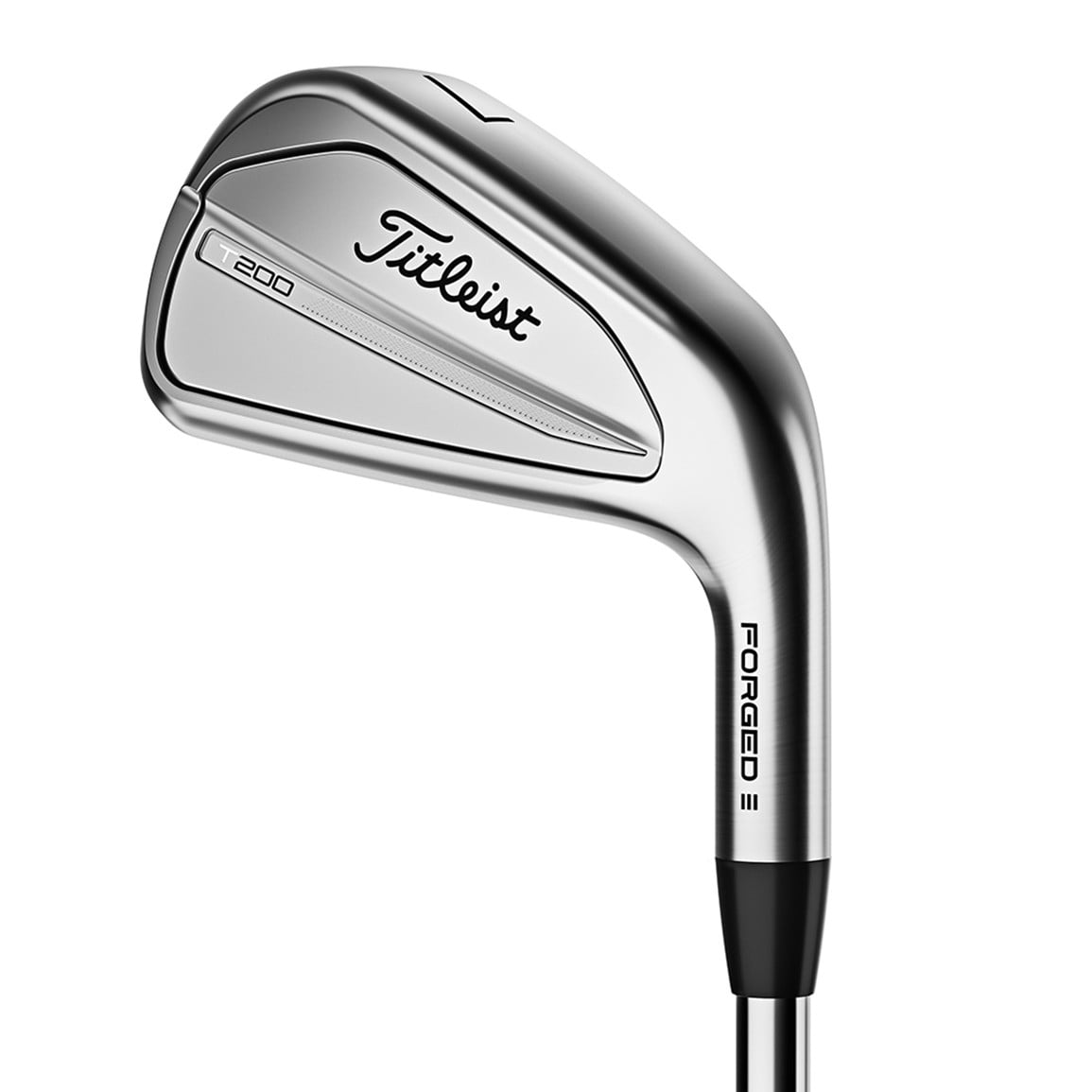
The fix is not a different iron model, it is a different top end. A distance-leaning long iron built for launch does that job properly. The Titleist T200 is a good example in 4-iron form: a hollow body with a forged face insert and high-density tungsten weighting, with Titleist's Max Impact core supporting ball speed on the low strikes that plague long irons. As the top of a combo set it earns its place, because it is solving a launch problem rather than winning a yardage argument.
The bottom of the bag pays too, and more expensively
Here is the part that costs strokes rather than convenience. An 8-iron that flies 180 yards is not automatically good news. Distance in an iron comes with a flatter descent angle, and a ball arriving flat does not stop. It lands hot, releases through the green, and turns a good approach into a chip back from the fringe. On a soft parkland course in spring you will barely notice. On a firm summer green with a back pin you will notice every time.
Which is why descent angle and carry gapping are the specs to shop on, and headline yardage is not. You want each iron to land steeply enough to hold the greens you actually play, and you want consistent carry gaps between them — even ones, comfortably inside a full swing's worth of variation, with no cluster and no chasm. If you have never written those numbers down, map your real carry gaps before you spend anything. It is completely normal to discover that two of your irons carry within four yards of each other and that a 20-yard hole is hiding somewhere in the middle of the bag.
Where each of these actually fits
Players' distance is the category doing the most interesting work right now, because it is where the speed technology goes into a head small enough not to embarrass a decent ball striker. The Titleist T150 is the sober version: slightly stronger lofts and more speed than a T100, but a compact shape, thin topline and minimal offset, with a forged L-face insert and internal tungsten for stability. It is the iron for the single-figure player who wants a modest amount of help and no visual compromise, and it blends cleanly into a mixed set.
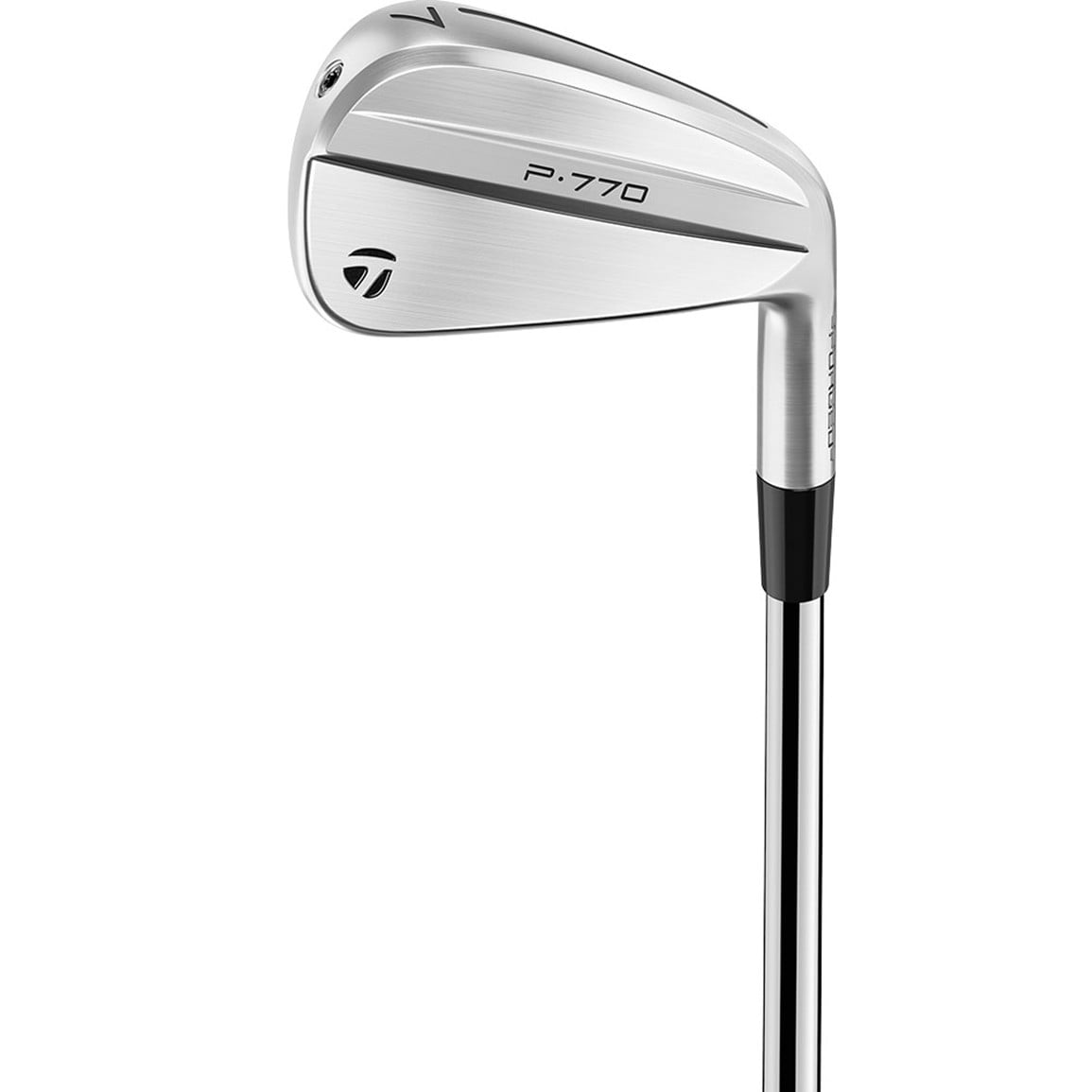
The TaylorMade P770 hides more technology in a similarly small package: a forged hollow body with SpeedFoam Air and a Thru-Slot Speed Pocket in the long irons, which is precisely where the extra launch is worth having. If you want compact looks and genuinely easier long irons, this is the most persuasive answer on this list, and it combines well with the more bladed P7-series irons if you want a set that changes character towards the bottom.
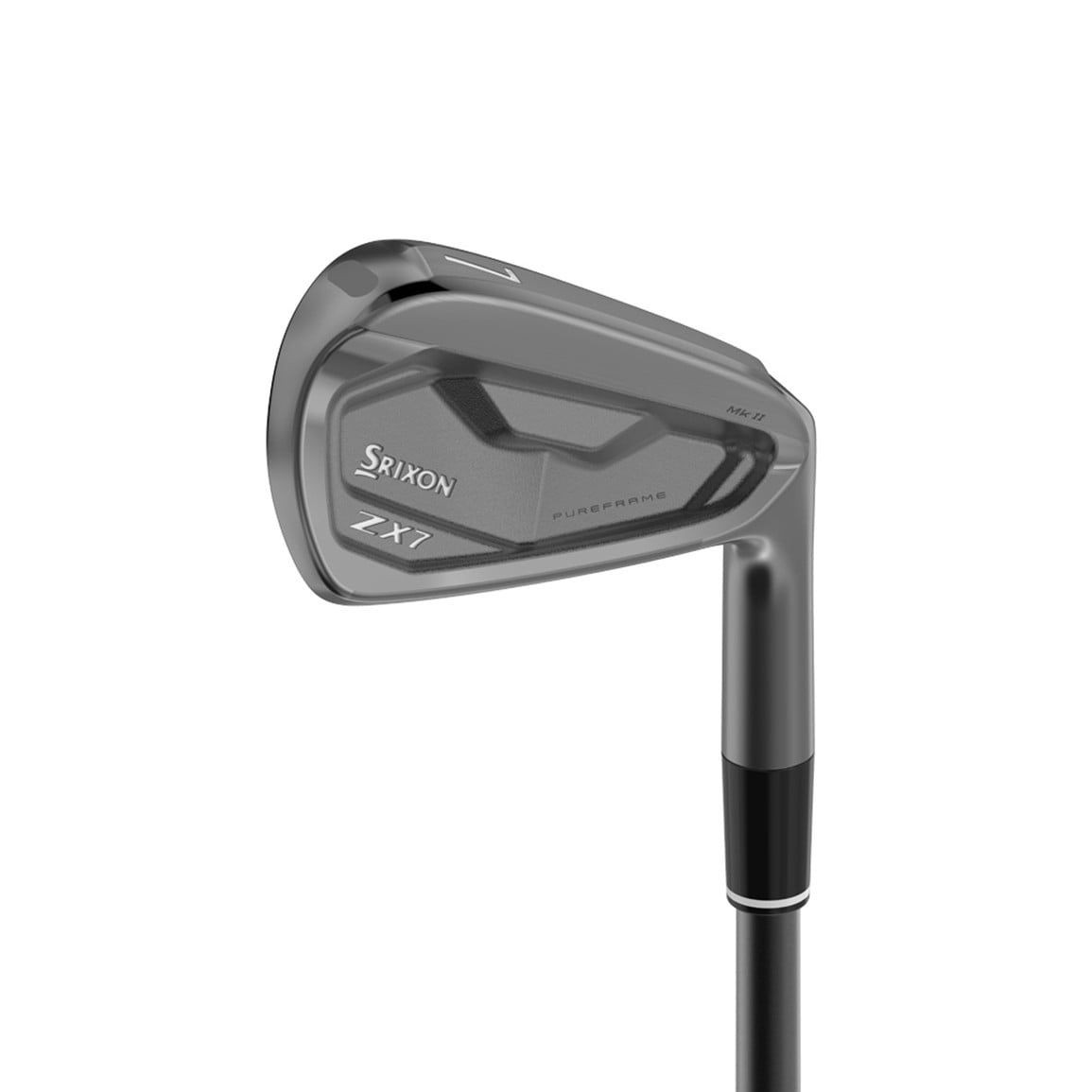
For the player who does not want the speed conversation at all, the Srixon ZX7 Mk II is single-piece forged 1020 carbon steel with a compact profile, a thin topline and Srixon's Tour V.T. Sole for turf interaction. There is no hollow body, no foam, no speed slot. What you get instead is a club that does the same thing every time and lets you move the ball on purpose. Low handicappers who value shot-shaping over yardage should start here.
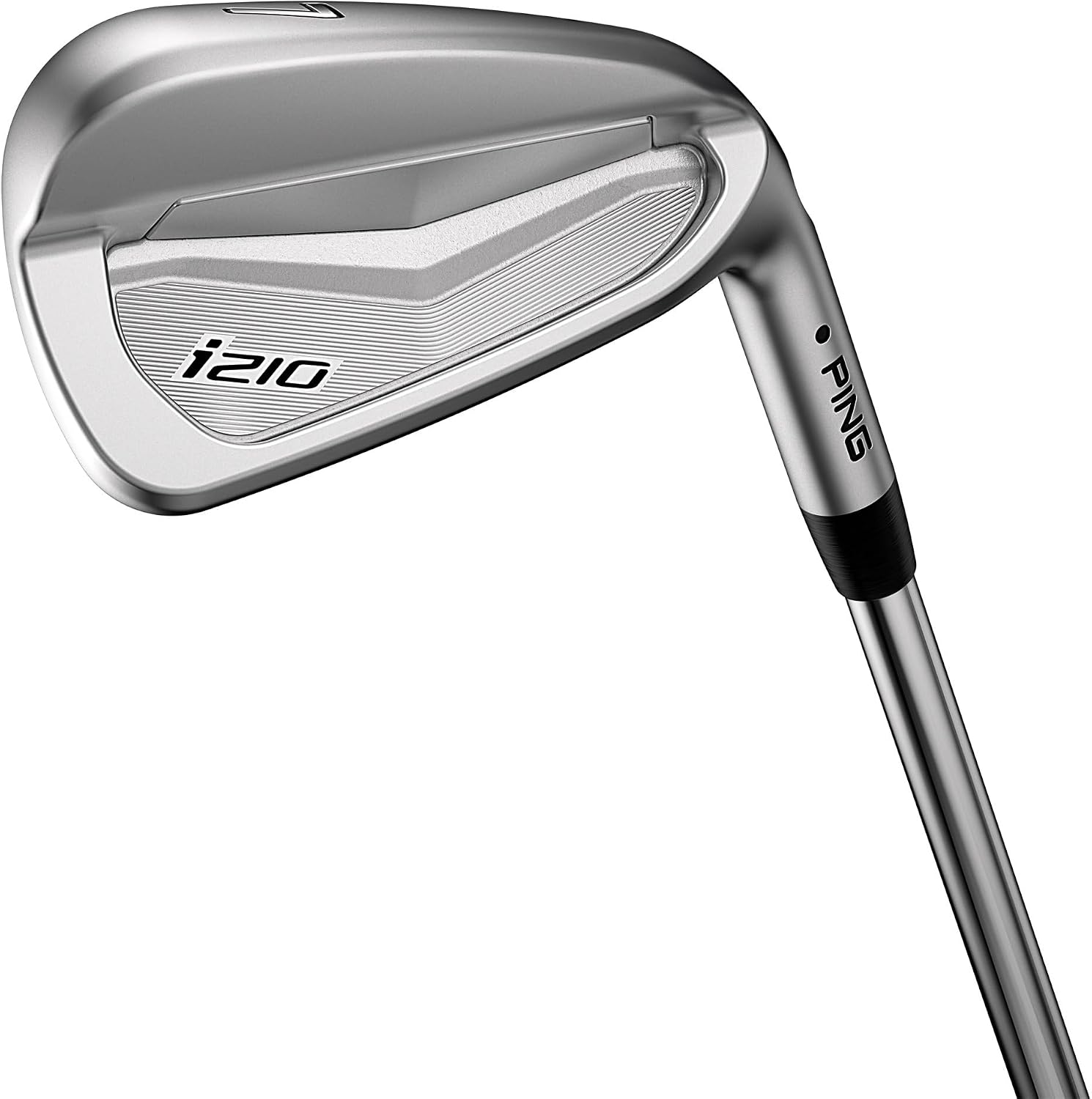
And for distance control above all else, the Ping i210 remains one of the great quiet answers: a players' cavity with an activated elastomer insert behind the face for a soft, muted feel and tight dispersion. It has been a tour favourite for years for an unglamorous reason. If your scoring problem is that you do not know exactly how far your 8-iron goes, an iron built around predictability beats an iron built around speed every single time.
Who should ignore the distance race entirely
Anyone whose approach shots miss long. If you regularly fly greens or watch balls bounce over the back, adding distance to your irons makes your golf measurably worse, and no fitting can undo a set of lofts that is wrong for you. Same if you play firm, fast courses in summer: you need descent angle, not carry. Same if you are building a set around holding greens rather than reaching them.
Who should chase it? Genuinely slower swingers who cannot get a long iron airborne, and players whose misses are consistently short of the flag. For them a fast, strong-lofted iron is not a marketing trick, it is the difference between reaching a par four in two and laying up. Everyone else should get fitted for gaps and descent, ignore the number on the sole, and take the 202-yard headline for what it is: an engineering flex that happens to be a poor buying signal. Our irons and wedges guide has the wider field if you are starting the set from scratch.
Products mentioned in this article
Titleist
Titleist T150 Irons
Tour-looking players' distance iron — a little more speed than a T100 without the bulk.
TaylorMade
TaylorMade P770
Hollow-body speed hidden in a small head; the best blend of compact and long.
Titleist
Titleist T200
The distance-leaning option, and a genuinely good long-iron replacement at the top of a set.
Srixon
Srixon ZX7 Mk II
One-piece forged 1020 carbon steel for players who want to move the ball, not the yardage chart.
ifrothgolf earns a commission on purchases made through these links, at no extra cost to you. It never changes what I recommend. Full disclosure.
Frequently asked
- Why does my friend's 7-iron go further than mine with a similar swing?
- Almost always because their 7-iron has a stronger loft, a longer shaft, or both. There is no standard defining what a 7-iron must be, so manufacturers set lofts to suit the category they are selling. The useful comparison is not club number against club number, it is how far apart each of your consecutive clubs carries and how steeply each one lands.
- Is a strong-lofted distance iron bad for my game?
- Not inherently. It is bad if your misses are already long or if you play firm greens, because a flatter descent angle means the ball lands hot and runs. It is genuinely useful if you struggle to launch longer irons or your approaches finish short. The decision should come from where your misses go, not from a distance chart.
- What actually matters more than iron distance?
- Carry gapping and descent angle. You want even, predictable carry gaps through the set with no two clubs doing the same job, and you want each iron landing steeply enough to stop on the greens you play. Measure carries rather than total distance, because total distance changes with the ground and carry does not.
- Should I build a combo set instead of buying one model?
- It is often the smartest move, and it is common on tour for exactly this reason. Use a more forgiving, higher-launching head in the long irons where getting the ball up is hard, and a more compact, control-oriented head in the short irons where feel and distance control matter. Just make sure the lofts and lengths are set so the gaps stay even through the changeover.
Read next
Review
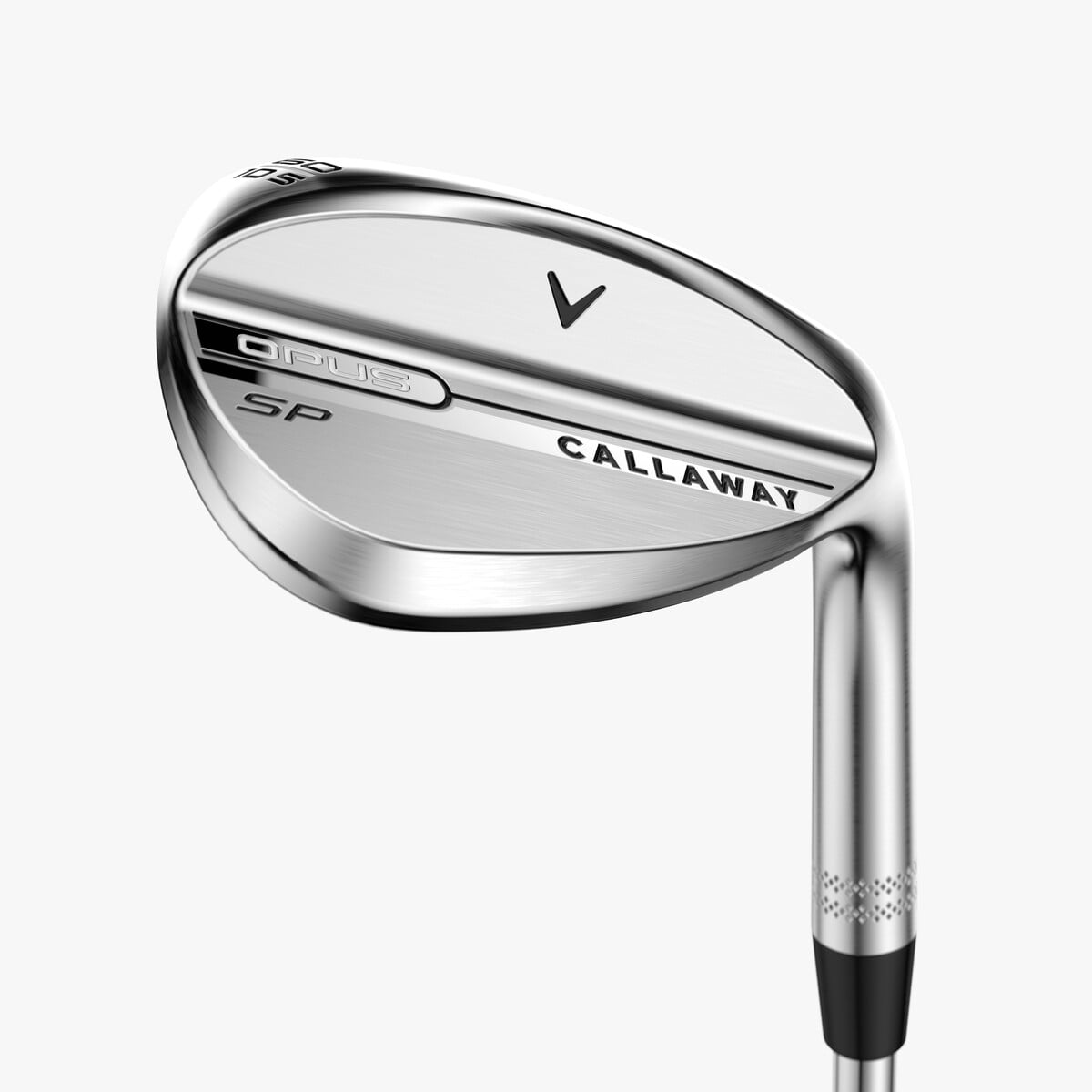
8.4/10Callaway Opus SP review: the wedge in four tour bags while everyone buys Vokey
Callaway's Spin Pocket wedge lands a lower, spinnier flight for about the same money as a Vokey. It is the one I would buy for firm turf and full shots, and the wrong call if your short game lives in soft sand.

Explained
Wedge bounce and grind, explained
The two numbers that decide whether your wedge digs, glides or skips — in plain English, with how to pick yours.

Review
8.8/10Takomo 101 MKII review: the irons quietly embarrassing the big brands
Half the price of a name-brand set, and good enough that you'll feel a bit silly for not trying them sooner. The direct-to-consumer irons reviewed.