
How long do golf balls last? (And when to actually bin one)
That ball in your bag from 2019 is probably fine. The scuffed one you played last week probably isn't. The honest guide to golf-ball lifespan.
By Ross Hamilton · Staff Writer
 Explained
Short answer: an unplayed golf ball lasts years in storage, and a ball in play lasts several full rounds — until the cover is visibly scuffed or cut, at which point retire it. Age isn't the enemy; damage is. That ball in your bag from 2019 is almost certainly fine; the scuffed one you played last week probably isn't. Here's what's actually going on, and when to bin one.
The two myths to kill
Myth one: balls 'go off' sitting in a cupboard. They don't. A modern solid-core ball stored at room temperature is good for years — realistically a decade or more — so that forgotten sleeve from the garage is perfectly playable. This isn't the 1990s wound-balata era, when liquid-centre balls really could degrade on the shelf; today's multi-layer balls are chemically stable. Myth two: a ball lasts until you lose it. Also wrong — performance dies from damage, not from rounds played. Both myths cost golfers something: the first has people binning perfectly good balls, the second has them playing scuffed ones and quietly losing shots.
What actually degrades a ball
The cover, almost entirely. Scuffs from cart paths, bunker rakes, tree trunks and the occasional bladed wedge strike roughen the surface and disrupt the dimple aerodynamics, so a visibly scuffed or cut ball can fly and spin unpredictably — exactly the kind of random result you don't want on a scoring shot. Premium urethane covers, like the Pro V1, are softer than firmer ionomer value covers and can scuff a little more easily, which is part of why losing or chewing them up stings, and part of why most golfers shouldn't play them. Firmer two-piece distance balls are generally the toughest of the lot. What does not meaningfully degrade in normal use is the core — you're not going to 'wear out' the bounce of a ball over a handful of rounds.
The heat-and-water question
Two real-world enemies beyond impacts. Sustained extreme heat — weeks baking in a car boot through summer — can, over time, affect a ball's materials, so don't store them in a hot car for months on end (a cupboard indoors is ideal). And water: a ball that's spent a long time submerged in a pond can take on a tiny amount of moisture, which is why 'lake balls' are a gamble — a fresh-looking one is usually fine for a knockabout, but it's not the same as a sleeve from the box. For your gamers, a cool, dry shelf is all the storage they need.
How to tell when a ball is done
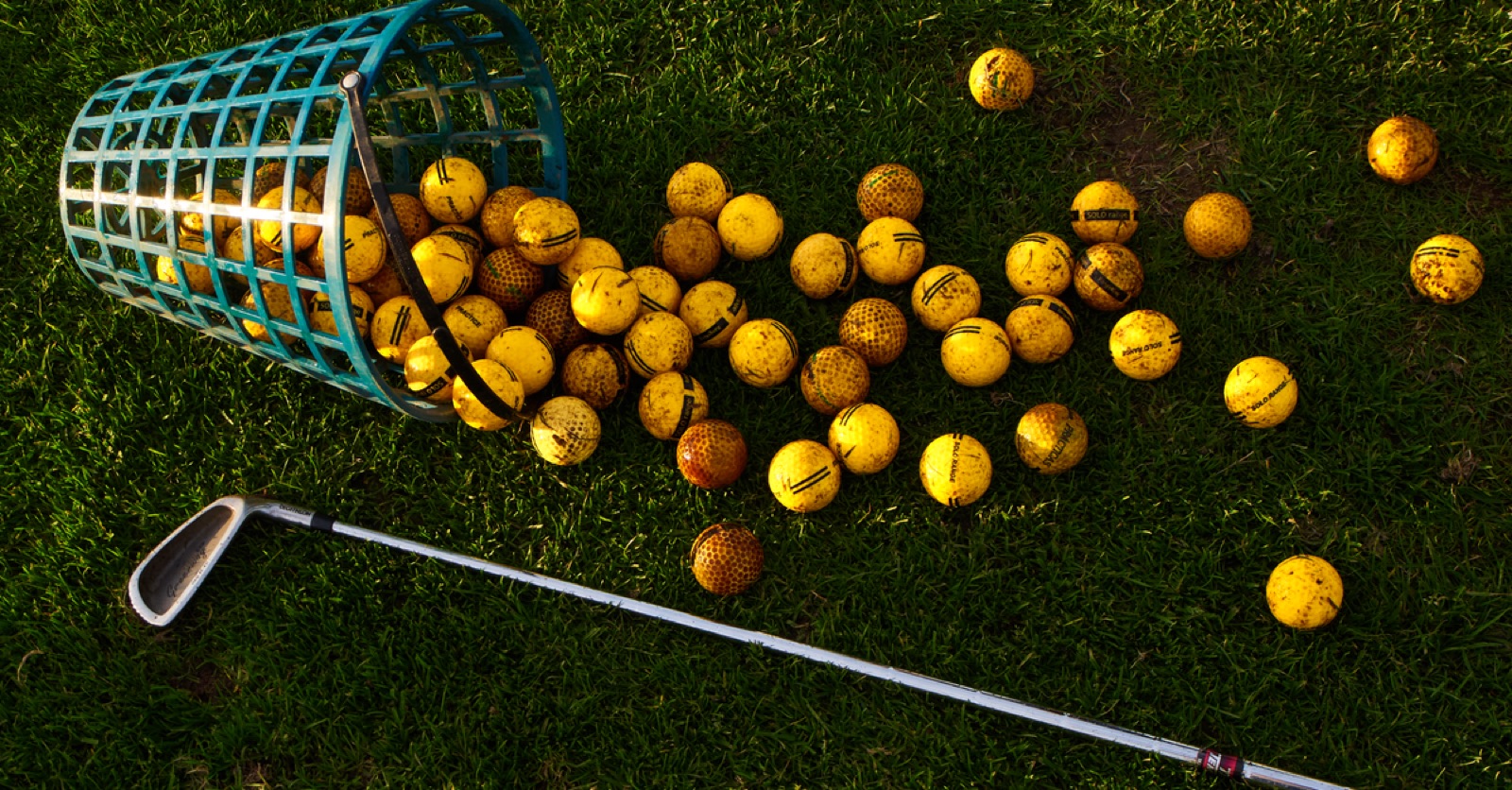
Forget round counts and use your eyes and a fingernail. Run a thumb over the cover: a smooth, glossy surface with crisp dimple edges is good to go. A ball is done when you can see or feel a scuff that's roughened the surface, a cut or gash deep enough to catch a fingernail, or a section where the paint and cover have been scraped away by a cart path or a thinned wedge. Hairline 'smiles' from a bladed shot are the classic killer — they look minor but disrupt spin and flight noticeably. A ball that's merely dirty, stained green from grass, or has a worn logo is perfectly fine; clean it and play on. The test is structural damage to the cover, not cosmetic wear. If you're ever unsure, the cheap insurance is simply to demote a doubtful ball to a throwaway lie — a tee shot over water or a forced carry — where a slightly unpredictable flight costs you nothing, rather than gambling it on an approach to a tucked pin that actually matters to your score.
Premium vs value: who wears out faster
Durability tracks the cover material. Firmer ionomer-covered value and distance balls — the kind a high-handicapper plays — are the most scuff-resistant, which is part of why they're such sensible everyday balls. Softer urethane tour balls trade a little durability for spin and feel, so they mark up sooner, though modern urethane is far tougher than its reputation and will still last several clean rounds. The practical takeaway: if you play firm, rocky, cart-path-heavy courses or tend to thin a few wedges, lean toward a firmer cover; if you keep the ball clean and on grass, a urethane ball will last you plenty long enough to be worth it.
The practical rules
Play a clean ball for several rounds — there's no need to retire one after 18 holes just because it's been round once. The moment you see a scuff, scrape or cut, demote it to a water-hole or range ball rather than trusting it on an approach. Give your balls a wash, too: dirt and mud caked in the dimples disrupts flight far more, and far sooner, than age ever will. And don't pull a frozen ball straight from a cold garage in winter — a cold ball is temporarily firmer and flies shorter, so let it come up to temperature first.
What to do
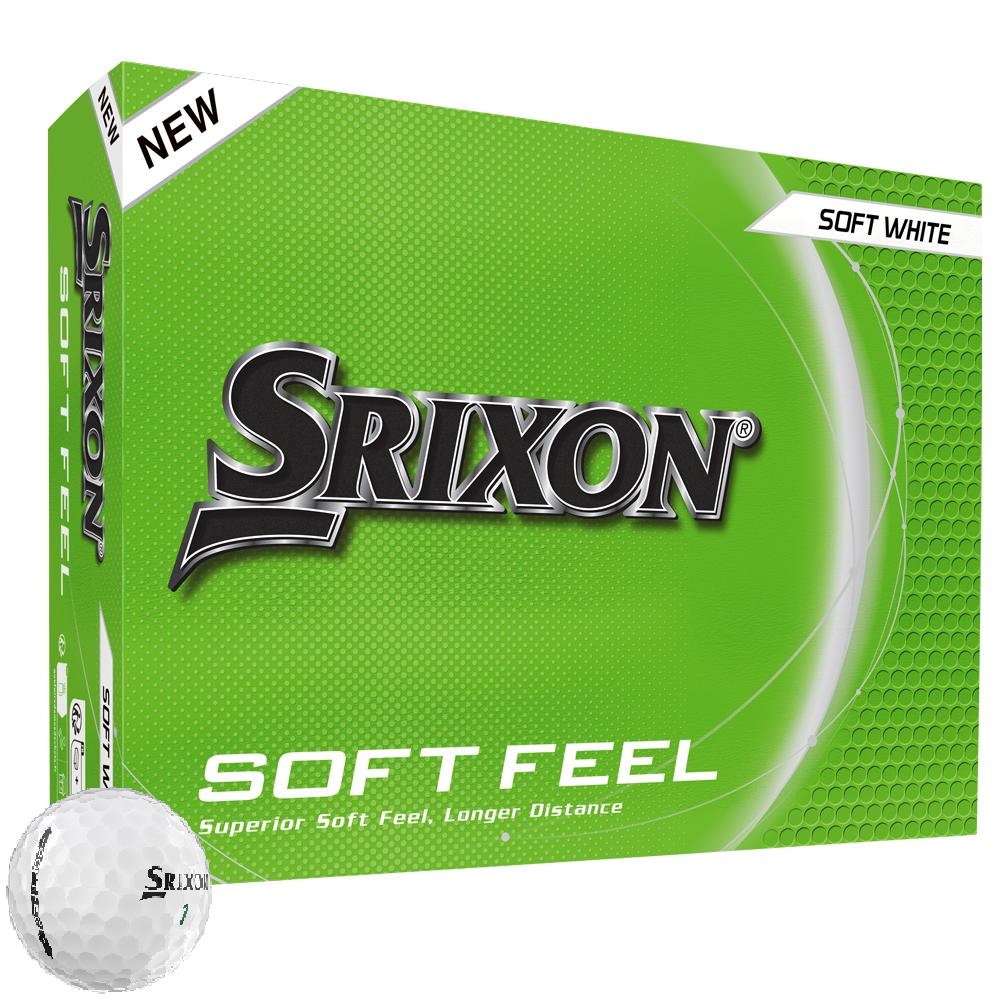
Store them as long as you like, play until visibly damaged, then retire. If you scuff balls often or play rocky, cart-path-heavy courses, a durable, firmer-covered value ball saves you money and worry — the Srixon Soft Feel at around $30 a dozen shrugs off abuse, and the urethane Kirkland is cheap enough to retire a scuffed one guilt-free. If you genuinely keep your ball in play, a premium ball lasts plenty long enough to justify itself — see the picks in our best premium golf balls guide, and the value case in do expensive balls make a difference.
Products mentioned in this article
Titleist
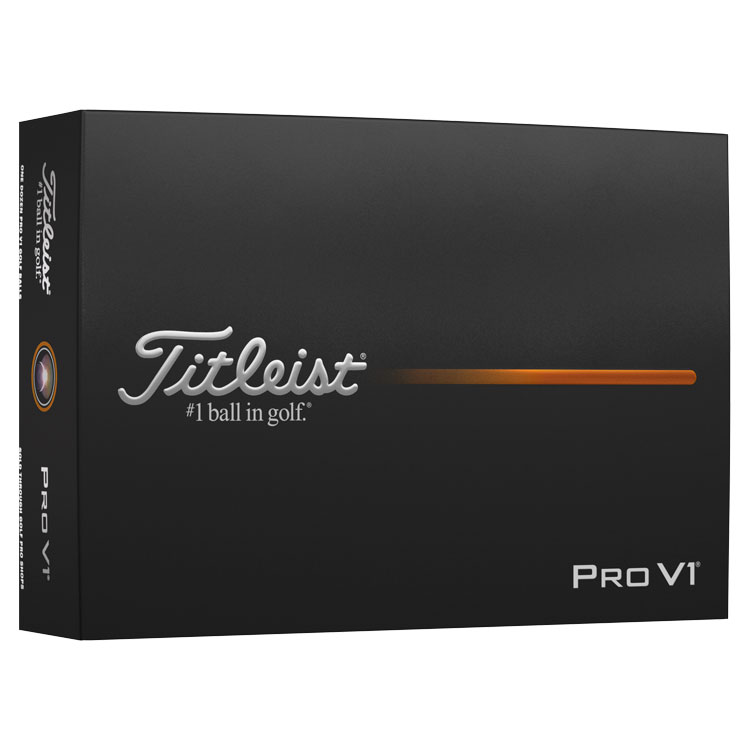
Titleist Pro V1 Golf Balls (Dozen)
Premium urethane — replace once the cover scuffs, not the box.
Kirkland Signature
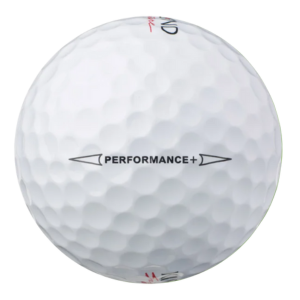
Kirkland Signature Performance+ Golf Balls (Dozen)
Value urethane — cheap enough to retire a scuffed one guilt-free.
ifrothgolf earns a commission on purchases made through these links, at no extra cost to you. It never changes what I recommend. Full disclosure.
Frequently asked
- Do golf balls expire or go off in storage?
- No — a modern solid-core ball kept at room temperature stays good for years, even a decade. Age in the box doesn't hurt performance. Only cover damage and prolonged extreme heat do; the old worry about balls degrading on the shelf dates to the wound-balata era, not today's multi-layer balls.
- How many rounds does a golf ball last?
- Several, as long as the cover stays unscuffed. There's no need to change after every 18 holes — play it until you see a scuff, scrape or cut, then retire it to water holes or the range.
- When should I throw a golf ball away?
- When the cover is visibly scuffed or cut, which disrupts the dimple aerodynamics and makes flight and spin unpredictable. Demote damaged balls to water holes or practice rather than playing them on scoring shots.
- Are lake balls or water-damaged balls any good?
- It's a gamble. A ball that's been submerged a long time can absorb a little moisture and lose some performance. A fresh-looking lake ball is fine for a casual knockabout, but for rounds that matter, use balls from the box.
- Does storing balls in a hot car ruin them?
- A weekend won't, but weeks of sustained extreme heat over a summer can affect a ball's materials over time. Keep them on a cool, dry indoor shelf rather than baking in a boot, and let a cold ball warm to temperature before you play it in winter.
Read next
Review
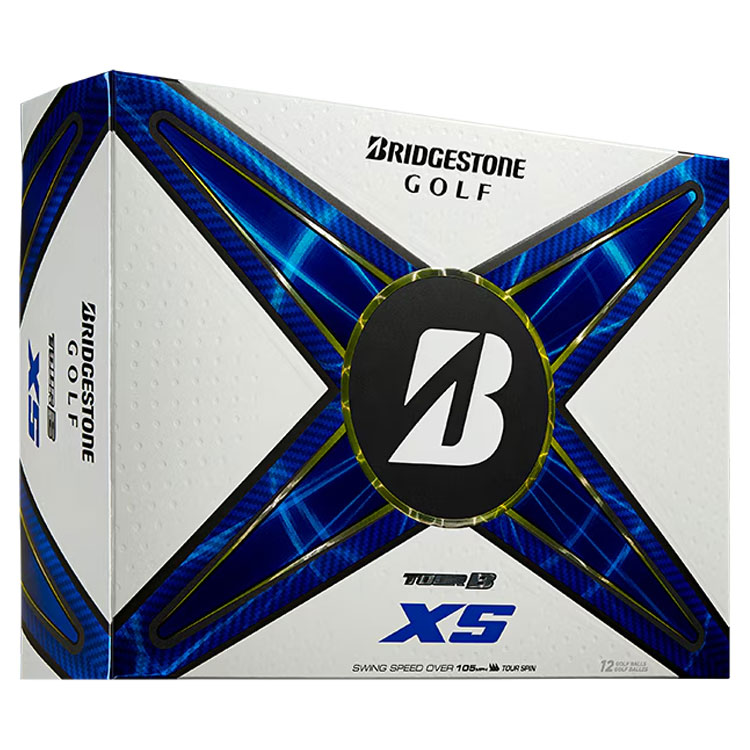
8.3/10Bridgestone Tour B XS review: the soft-feel tour ball for fast swingers
A three-piece urethane tour ball built around Bridgestone's fastest staffers, at the soft, spinny end of the line. Who should play it over a Pro V1 or TP5?
Review
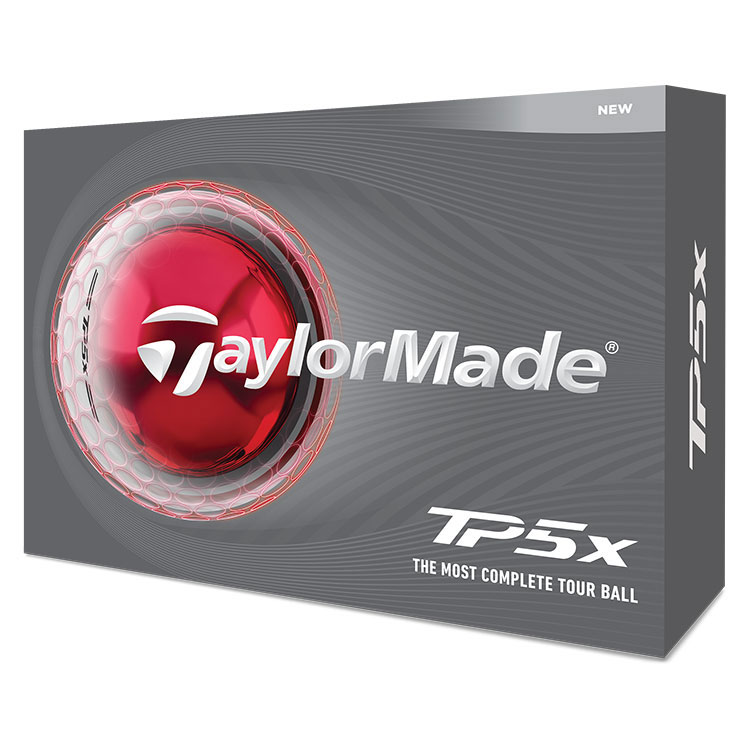
8.4/10TaylorMade TP5x review: the faster, firmer sibling — and who it's really for
Same five-layer tour pedigree as the TP5, tuned for speed and a flatter flight. The question isn't whether it's good — it's whether you're the swing it was built for.
Versus
Titleist Pro V1 vs TaylorMade TP5: which tour ball actually fits your game?
The two balls tour players genuinely cross-shop, and the difference isn't distance — off the tee they're within a yard of each other. It's feel, flight and greenside spin, and most golfers pick on the badge instead. Here's how to choose on the thing that matters.