
You don't have to pay tour-ball prices to play a tour ball, and these 2 win the argument on completely different grounds
One undercuts the premium tier on price and feel, the other beats it at its own game and happens to cost a little less. The right answer depends on whether you want to spend less or play the same ball a tour winner does.
By Ross Hamilton · Staff Writer
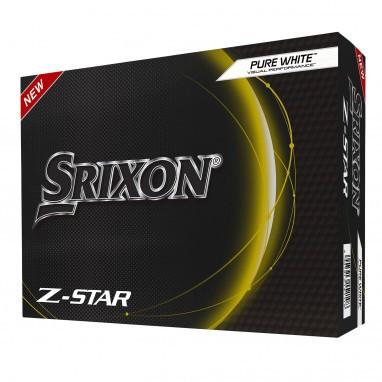
Srixon
Srixon Z-Star Golf Balls (Dozen)
The cheaper escape from tour-ball pricing — soft feel, serious greenside grab, least money per dozen.
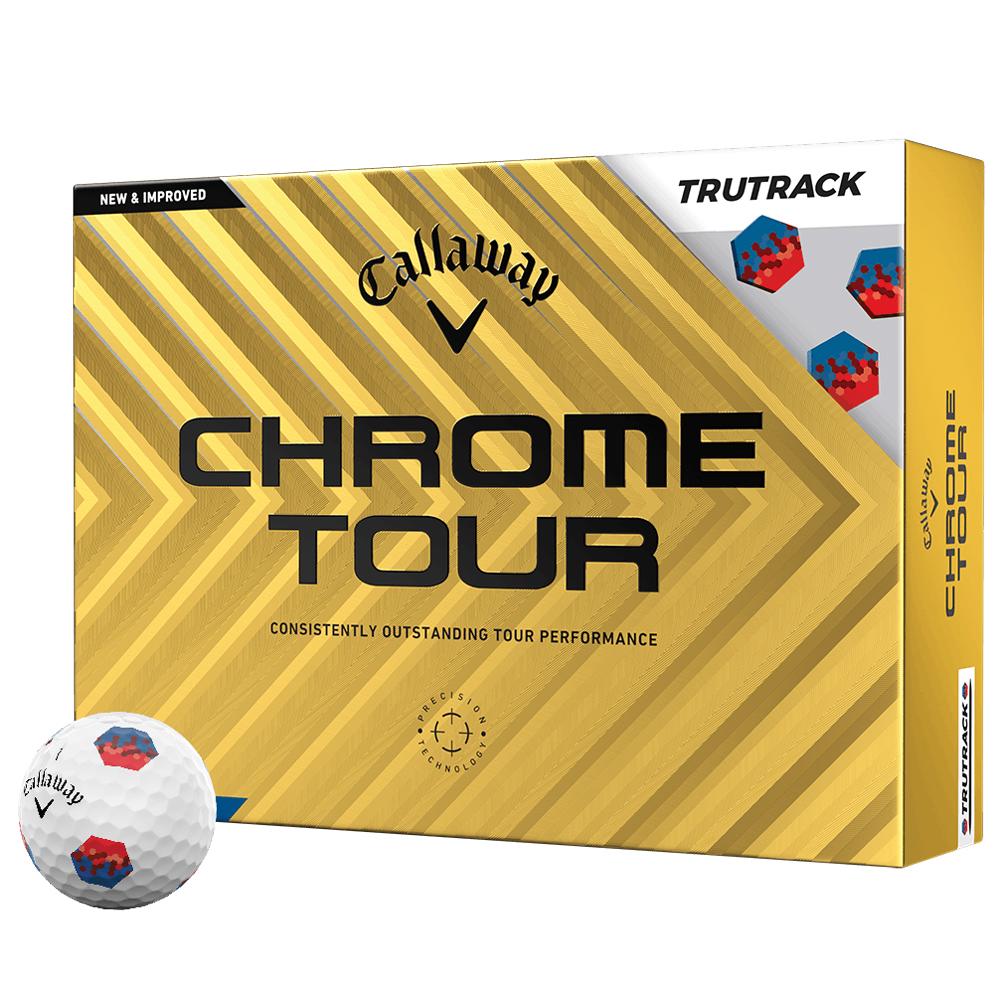
Callaway
Callaway Chrome Tour Golf Balls (Dozen)
The straight swap for a tour ball — firmer, faster, a penetrating flight and a genuine tour gamer.
ifrothgolf earns a commission on purchases made through these links, at no extra cost to you. It never changes what I recommend. Full disclosure.
Side by side
| Specification | SrixonSrixon Z-Star Golf Balls (Dozen) | CallawayCallaway Chrome Tour Golf Balls (Dozen) |
|---|---|---|
| Feel | softest-feeling tour ball, very soft | fast, firm feel |
| Spin profile | serious short-game control; bites into wedge and chip shots | tour-level greenside spin |
| Quantity | dozen | dozen |
Specs as published by each manufacturer. Rows in grey are where the two match.
If the goal is to stop paying top-of-the-market prices for a golf ball, these are the two serious ways out, and they are not variations on one idea. The Srixon Z-Star wins on money and feel. The Callaway Chrome Tour wins by being a tour ball that a major winner actually games, for slightly less than the obvious name. Which one is right for you comes down to which of those two things you were actually shopping for.
The Srixon argument: less money, softer ball
The Srixon Z-Star is a proper three-piece urethane tour ball at around $50 a dozen, which is the cheapest genuine tour construction in this conversation. The current version runs a reworked FastLayer DG Core 2.0 that starts soft in the middle and firms up towards the outside, under a thin urethane cover with a Spin Skin+ coating to bite into wedge shots. Compression sits around 88, which is properly soft for a ball pitched at better players.
That softness is the whole personality. It is the ball for a golfer who likes to feel the strike, particularly on short shots and putts, and who is not lying awake about the last yard off the tee. We went through it in detail in the Srixon Z-Star review, and the conclusion there holds: it is one of the most underrated premium balls on the market, and it is underrated mostly because people default to two brand names without ever putting a sleeve of this in the bag.
The Callaway argument: same tier, lower price
The Callaway Chrome Tour at around $60 is not trying to undercut the premium tier. It is trying to win it. Robot testing has measured it as one of the longest premium balls available, it delivers tour-level greenside spin, and Xander Schauffele games it — which is a materially different claim from 'competes with the big names'. The feel is firmer and faster with a more penetrating flight, and that combination is why big hitters gravitate to it.
The honest caveat, and it is one Callaway's own marketing skates over: longest in a robot's hands does not mean longest in yours. Launch, spin and strike quality vary far more between golfers than between top urethane balls, and the firmer feel will put some players off outright. We put it directly against the benchmark in Pro V1 vs Chrome Tour and in the Chrome Tour review, and the pattern in both is that fit beats brand.
Cover and durability
Both wear a thin urethane cover, which is the single feature that separates a tour ball from a mid-priced one, and both will scuff. Urethane is soft on purpose — that softness is what grips the grooves — and a bunker lip or a cart path will mark either. Anyone telling you a premium ball is durable is selling something.
Where they differ is in what the scuff does to your round. Srixon's Spin Skin+ is a coating on the cover, so a genuine gouge is taking something off the very layer doing the greenside work. The Chrome Tour's firmer overall construction tends to shrug off cosmetic marking a little better in normal play. Neither difference is large enough to decide a purchase. The larger durability variable, for almost everyone, is how many you lose.
Around the green
This is where the money is meant to justify itself, and both balls do the job. The Z-Star's calling card is short-game control: the soft core and the Spin Skin+ coating together give you a ball that checks and bites on a flighted wedge, and that combination is the reason low-to-mid handicappers who score with their short game keep coming back to it.
The Chrome Tour gets to tour-level spin from the other direction — a firmer ball with a more penetrating flight, which means it holds a green through wind rather than by floating. If you play links or exposed courses in a breeze, that flight is worth more than a soft feel. If you play parkland and want the ball to stop on a sixpence, the softer option is easier to control.
Can a mid-handicapper actually tell?
Yes, but not where they expect. The difference you will notice first is feel off the putter and on chips, and it is unmistakable — around 88 compression against a firm, fast ball is not a subtle gap. The difference you will almost certainly not notice is distance, because the gaps between top urethane balls off the driver are small enough to disappear inside your own strike variance.
The one that genuinely goes unused is greenside spin. If you flight a wedge and expect it to bite three or four times a round, you are buying that feature. If your approaches run out regardless, you are paying for a capability the shot is not asking for, and the honest advice is to spend less — a point made at length in the case against tour-ball pricing.
Who should buy which
Buy the Z-Star if you want to spend the least while still playing a real urethane tour ball, if you are a low-to-mid handicapper who scores with wedges and putts, or if you like a soft feel and always have. At around $50 against roughly $60, that is real money over a season of lost balls, and you are giving up nothing that most golfers use.
Buy the Chrome Tour if you swing hard, if you want speed and a flight that holds up in wind, or if the point of the exercise is to play the same ball as a tour winner rather than to save money. It is also the better answer for anyone who has tried a soft premium ball and found it mushy off the putter, which is a real and legitimate objection.
Buy neither if you lose more than a couple a round or your short game does not yet ask questions of a ball. A good ionomer ball will cost you a fraction of this and take away nothing you are currently using.
The verdict
On value the Z-Star wins, and it is not close — the cheapest genuine tour ball here, with the short-game control that justifies the tier. On performance credentials the Chrome Tour wins, because robot-measured distance and a tour gamer's endorsement are a harder set of facts than 'underrated'. The tie-breaker is feel, which is a preference and not a spec, and the only way to settle it is a sleeve of each on your own chipping green. That costs less than one dozen and it will tell you more than either of us can.
Frequently asked
- Is the Srixon Z-Star or the Callaway Chrome Tour softer?
- The Z-Star is clearly softer. It sits at around 88 compression, which is low for a ball aimed at better players, while the Chrome Tour is built around a firmer, faster feel and a more penetrating flight. The gap is obvious off the putter and on chip shots.
- Which one spins more around the green?
- Both deliver tour-level greenside spin, and the difference between them is smaller than most golfers assume. The Z-Star gets there with a soft core plus a Spin Skin+ coating on a thin urethane cover, which suits a flighted wedge that needs to check. The Chrome Tour gets there with a firmer construction and a flatter flight, which holds greens better in wind.
- Can a mid-handicapper tell the difference between these two balls?
- Feel, yes, immediately, especially on putts and short chips. Distance, almost certainly not, because the gaps between top urethane balls off the driver are smaller than the variation in your own strike. Greenside spin only matters if you regularly flight a wedge and expect it to stop.
- Are either of these balls durable enough for regular play?
- Both use a thin urethane cover, which is soft by design because that softness is what grips the grooves, so both will scuff on a cart path or a bunker lip. The Chrome Tour's firmer build shrugs off cosmetic marking slightly better, but for nearly everyone the real durability question is how many balls you lose rather than how they wear.
Read next
Review
8.3/10Bridgestone Tour B XS review: the soft-feel tour ball for fast swingers
A three-piece urethane tour ball built around Bridgestone's fastest staffers, at the soft, spinny end of the line. Who should play it over a Pro V1 or TP5?
Review
8.4/10TaylorMade TP5x review: the faster, firmer sibling — and who it's really for
Same five-layer tour pedigree as the TP5, tuned for speed and a flatter flight. The question isn't whether it's good — it's whether you're the swing it was built for.
Versus
Titleist Pro V1 vs TaylorMade TP5: which tour ball actually fits your game?
The two balls tour players genuinely cross-shop, and the difference isn't distance — off the tee they're within a yard of each other. It's feel, flight and greenside spin, and most golfers pick on the badge instead. Here's how to choose on the thing that matters.