
The ball rollback just got kicked to 2030 — and the USGA admitted it isn't enough
On 17 June the R&A and USGA backed off the distance rollback and pushed it to 2030 at the earliest. The delay is defensible. What replaces it should worry you more than the original rule ever did.
By Tom Whitaker · Staff Writer
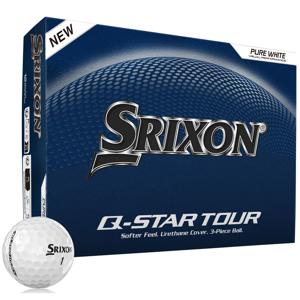
Srixon
Srixon Q-Star Tour Golf Balls (2026, Dozen)
ifrothgolf earns a commission on purchases made through these links, at no extra cost to you. It never changes what I recommend. Full disclosure.
"It's fair to critique whether or not it's enough. It probably isn't enough." That is USGA chief executive Mike Whan, on the record, about the governing bodies' own signature equipment reform. It is a remarkable thing for a rulemaker to say out loud, and it tells you more about where golf's distance debate has landed than any of the technical detail underneath it.
On 17 June 2026, as reported by Today's Golfer, the R&A and USGA backed off the golf ball rollback. The change to the ball testing standard is now delayed to January 2030 at the earliest, having previously been set for January 2028 for elite play and 2030 for everyone else. It will arrive on a single unified date with no bifurcation of the rollout. And the bodies agreed to explore alternative approaches rather than simply proceed with the original proposal.
Take the practical consequence first, because it is the only part that touches your golf. The recreational golfer was never going to be meaningfully affected by this rule, and has now been told so about as definitively as a governing body is capable of telling anyone anything. The stockpiling question is dead. Stop asking whether the dozen you are about to buy will survive a hypothetical rule change in a hypothetical 2030, and buy the ball that suits your game in July 2026. The full plain-English breakdown of what the rule does and doesn't cost you is in will your golf ball be banned; nothing in June's announcement made that piece less true, it made it more true.
What the original rule actually was
Worth restating, because the reporting on this has been uniformly awful. The proposal moved the Overall Distance Standard test speed from 120 mph to 125 mph while leaving the distance limit around 317 yards. It was estimated to take roughly 15 yards off elite driving. That is it. It was a calibration of a laboratory test, aimed at the top of the men's professional game, dressed up in headlines about balls being banned.
It was also, whatever you think of its ambition, clean. One test, one standard, one date, one game. The single most valuable property of the original proposal was not how much distance it clawed back. It was that everybody on earth would have been playing under the same equipment rule.
The part that should bother you
That is the property they have now traded away, and almost nobody has clocked it. Distance is still officially deemed a problem. Distance controls are still coming. And tour-level Model Local Rules, previously rejected, are back on the table.
Read that again. The governing bodies have parked a universal rule in favour of exploring alternatives, and the alternative sitting nearest to hand is a rule that applies to elite competition and not to you. That is bifurcation. It has been rebranded as a Model Local Rule, which sounds procedural and modest, but the outcome is the thing the entire unified-rollback project existed to avoid: professionals playing a materially different game with materially different equipment from the people who watch them.
You can hold two views about this and I hold both. As crisis management, the retreat is pragmatic and probably correct — Whan cited concern from elite male golfers and their organisations about whether the change would even achieve anything, and pushing ahead with a reform your own governed constituency thinks is pointless is how you burn the authority you will need later. Delay is cheap. Botched implementation is not.
But the framing has been cowardly, and Whan's candour is the proof. If the original proposal probably isn't enough, the honest response is a stronger rule, not a later one. What we got instead was a later, softer, vaguer version of an insufficient rule, with the messiest possible fix quietly returned to the menu. Golf's rulemakers spent three years arguing that bifurcation was unacceptable in principle. They have now made it the likeliest destination without ever conceding the principle. That is not pragmatism, that is the appearance of pragmatism doing the work of a decision nobody wants to defend in public.
The one real consequence for your bag
None. That is the point, and it is worth sitting with, because the last three years of ball marketing has traded on manufactured anxiety. There is no rollback-proof ball worth paying a premium for. There is no reason to buy in bulk. There is no reason to defer a ball switch you were otherwise going to make. The correct move, the same one it was in 2023, is to fit the ball to your swing speed and your short game.
If you swing driver under roughly 95 mph and pay for your own golf balls, the Srixon Q-Star Tour is the ball to beat. Proper urethane cover, a soft 74-compression core built for normal speeds rather than tour speeds, and genuine greenside check that ionomer balls at the price cannot produce. The honest catch is a feel so soft it can read as muted if you like feedback through the strike.
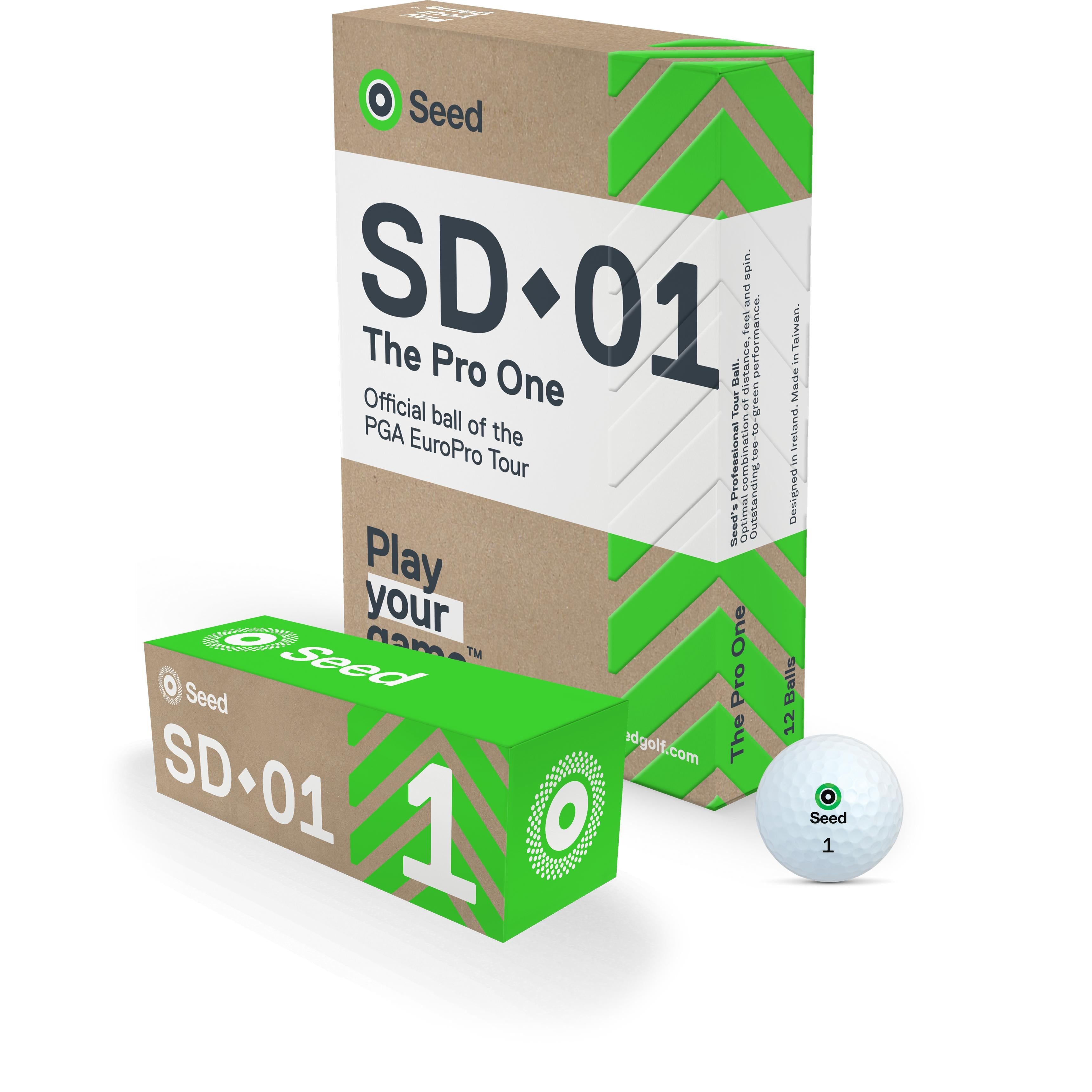
For value-per-quality, the direct-to-consumer end of the market is where the interesting balls now live. The Seed SD-01 is a three-piece tour build with a cast urethane cover thinner than a Pro V1's, and Today's Golfer named it the best direct-to-consumer tour ball in their big ball test. You can only buy it brand-direct, which is the trade.
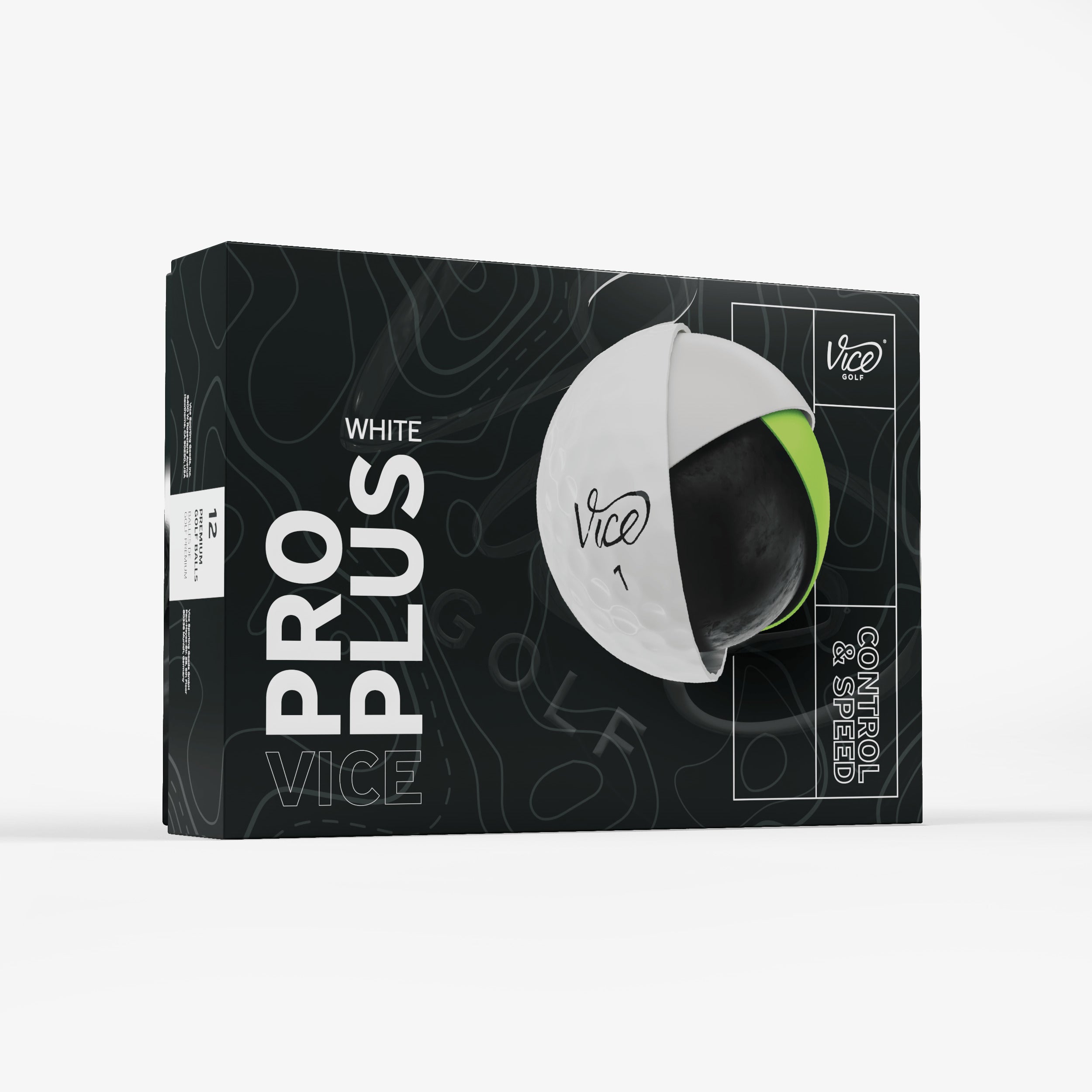
The Vice Pro Plus is the firmer, faster alternative in the same lane — robot testing put it among the very highest-spinning balls of any brand on short shots, across a field of more than sixty models. Online-only buying and a clicky feel are the costs.
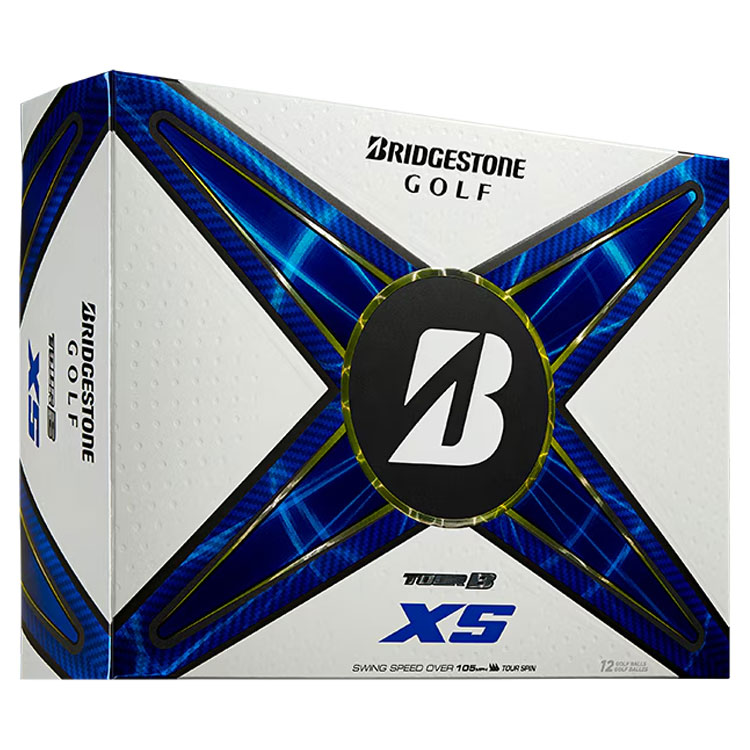
At the fast end, ball choice is genuinely about feel and spin preference rather than conformance politics. The Bridgestone Tour B XS is the soft, high-spin tour ball built around Bridgestone's quickest staff players and pitched at golfers north of 105 mph who can actually compress it.
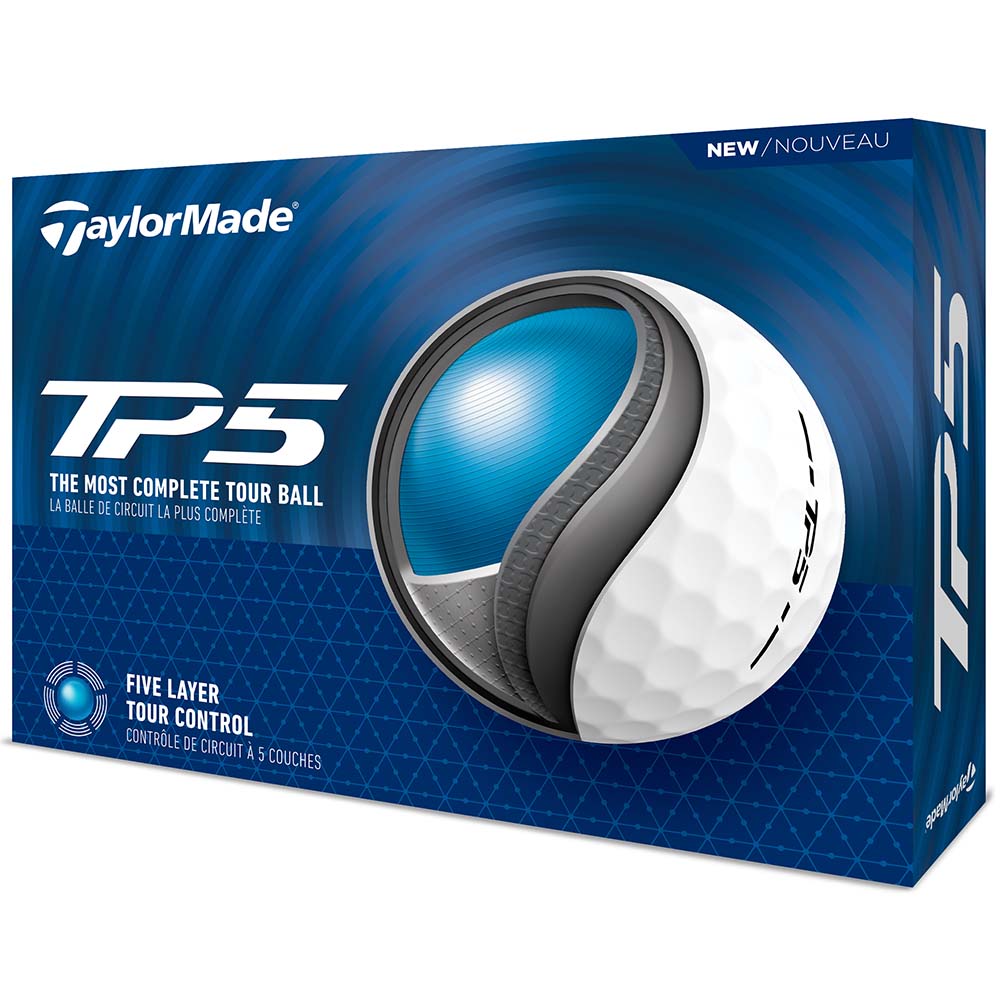
And the TaylorMade TP5 remains the five-layer answer for players whose scoring lives inside 100 yards, with the highest greenside and wedge spin in its family. The caveat is the same as it has always been: that extra spin punishes a driver miss you already own.
If you would rather not reason it out yourself, our golf ball finder turns swing speed and miss pattern into a shortlist in three questions, and the best value golf balls guide covers the field below premium money.
Who should care about this story
If you play elite amateur or professional competition, care a lot: a Model Local Rule regime means your competitive equipment could diverge from what you can buy, and that is a genuinely new problem for anyone who qualifies into events run by different bodies. If you follow golf's governance and architecture arguments, care, because the case for reining in distance was always about protecting courses and that case has not been answered, only postponed.
Everyone else should skip it entirely. Not skim it, skip it. The rollback has consumed an absurd share of golf's equipment conversation for a change that, for the club golfer, amounts to a laboratory test speed moving by five miles an hour some time after the end of this decade. The interesting equipment stories of 2026 are elsewhere, and the sensible response to June's climbdown is to spend zero further minutes on it and go pick a ball you can actually spin.
Products mentioned in this article
Srixon
Srixon Q-Star Tour Golf Balls (2026, Dozen)
Urethane spin at a club-ball price — the smart default for mid swing speeds
Seed
Seed SD-01 The Pro One Golf Balls (Dozen)
Direct-to-consumer tour ball, brand-direct only — best value-per-quality of the group
Vice
Vice Pro Plus Golf Balls (Dozen)
Firm, fast and among the highest short-game spin in robot testing
TaylorMade
TaylorMade TP5 Golf Balls (Dozen)
Five layers and the spinniest of TaylorMade's tour balls — for players who attack flags
ifrothgolf earns a commission on purchases made through these links, at no extra cost to you. It never changes what I recommend. Full disclosure.
Frequently asked
- When does the golf ball rollback take effect now?
- January 2030 at the earliest. The 17 June 2026 announcement delayed the change to the ball testing standard and confirmed it would arrive on a single unified date, replacing the earlier plan of January 2028 for elite play and 2030 for recreational golfers.
- Will professionals and amateurs play different balls?
- Possibly. The unified rollback has been delayed while the governing bodies explore alternative approaches, and tour-level Model Local Rules that were previously rejected are back under consideration. That would mean elite competition playing under a different equipment rule from everyone else.
- Should I stockpile golf balls before the rule changes?
- No. There is nothing to get ahead of, balls do not improve sitting in a garage, and the earliest any standard changes is 2030. Buy the ball that fits your swing speed and short game now.
- How much distance was the original rollback going to cost tour players?
- Around 15 yards off elite driving. The proposal moved the Overall Distance Standard test speed from 120 mph to 125 mph while keeping the distance limit at roughly 317 yards, which is why the effect scales with clubhead speed and lands hardest on the fastest players.
Read next
Review
8.3/10Bridgestone Tour B XS review: the soft-feel tour ball for fast swingers
A three-piece urethane tour ball built around Bridgestone's fastest staffers, at the soft, spinny end of the line. Who should play it over a Pro V1 or TP5?
Review
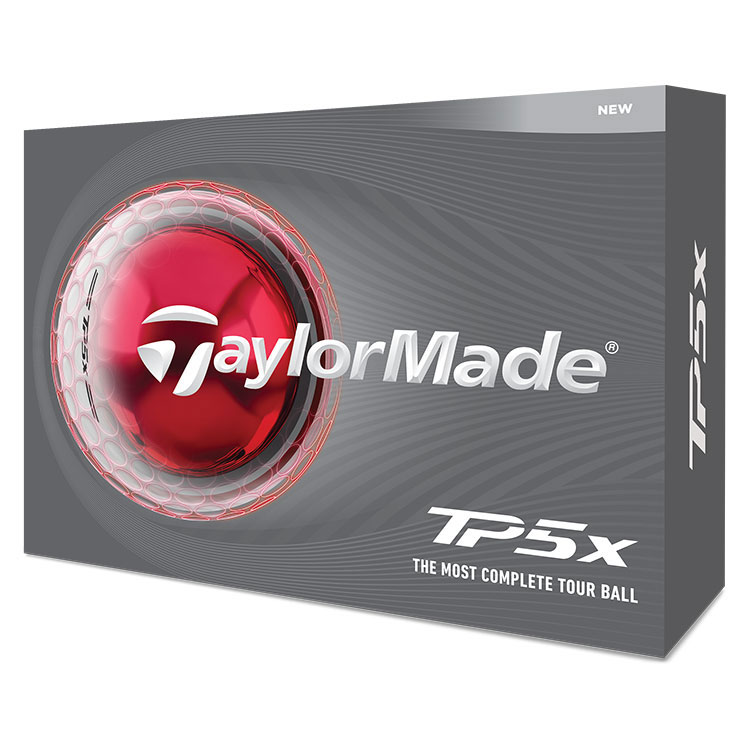
8.4/10TaylorMade TP5x review: the faster, firmer sibling — and who it's really for
Same five-layer tour pedigree as the TP5, tuned for speed and a flatter flight. The question isn't whether it's good — it's whether you're the swing it was built for.
Versus
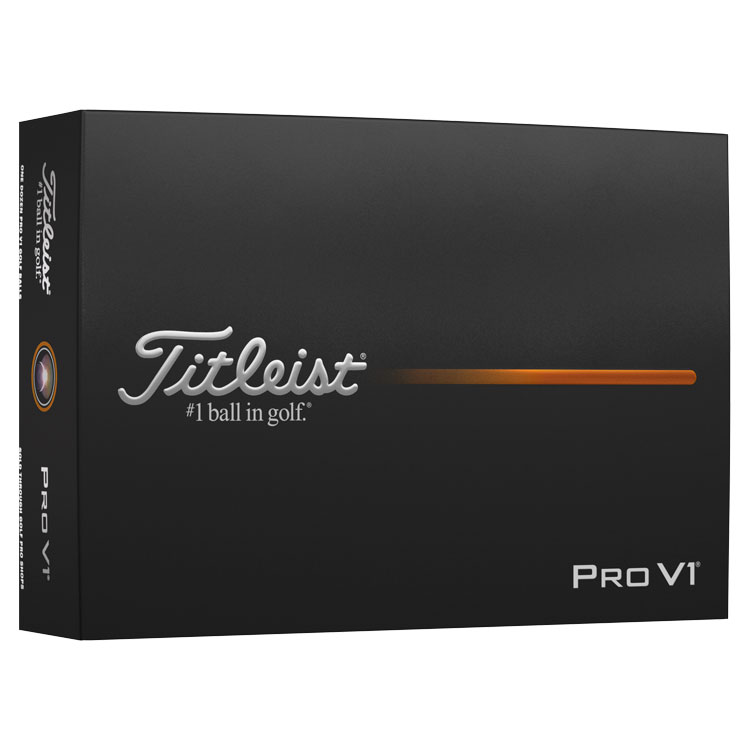
Titleist Pro V1 vs TaylorMade TP5: which tour ball actually fits your game?
The two balls tour players genuinely cross-shop, and the difference isn't distance — off the tee they're within a yard of each other. It's feel, flight and greenside spin, and most golfers pick on the badge instead. Here's how to choose on the thing that matters.