
The 2026 golf ball launches, decoded — does the new tech actually change anything?
Callaway's refreshed the Chrome Tour, XXIO's chasing easy speed, and every brand claims a breakthrough. The honest answer-first version: the year-on-year gains are tiny, and picking the right ball for your game matters far more than the model year.
By Ross Hamilton · Staff Writer
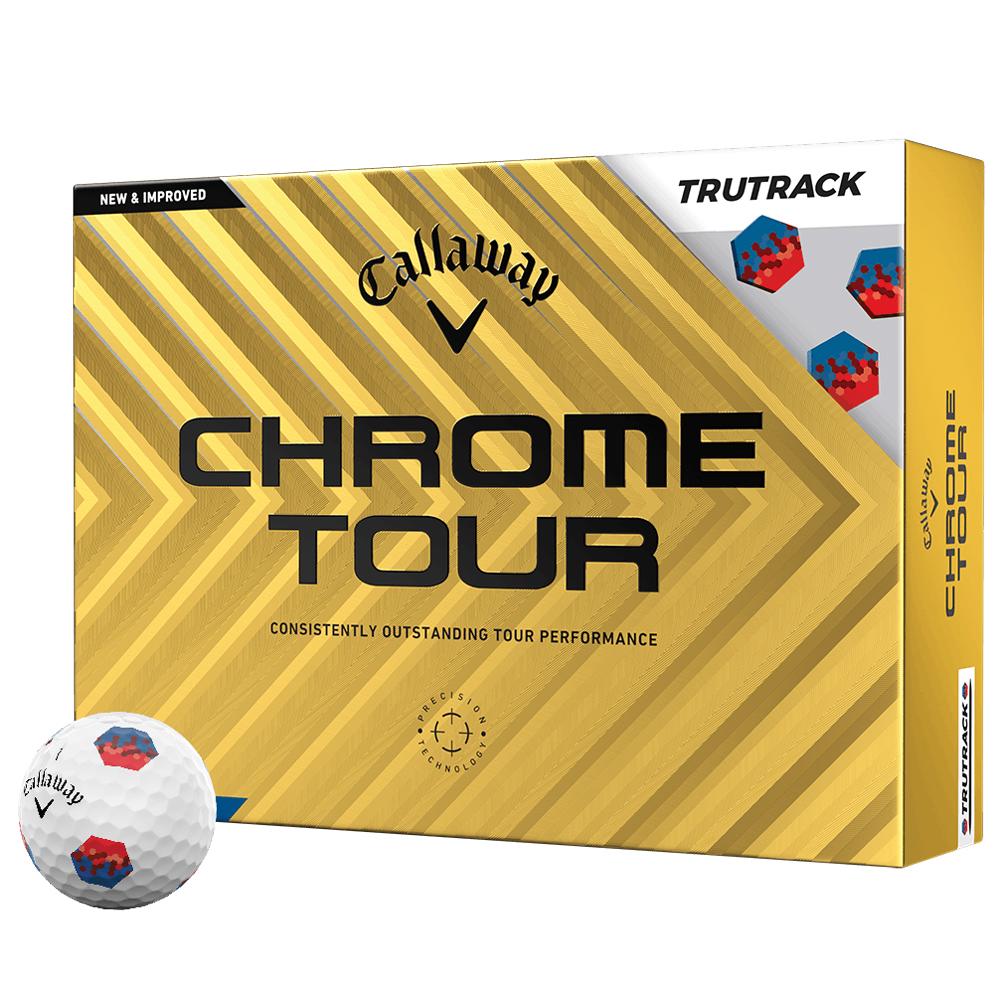
Callaway
Callaway Chrome Tour Golf Balls (Dozen)
ifrothgolf earns a commission on purchases made through these links, at no extra cost to you. It never changes what I recommend. Full disclosure.
Every summer the ball brands roll out a 'breakthrough', and 2026 is no different: Callaway has refreshed the Chrome Tour with a new 'Tour Fast Mantle' promising more speed and a more consistent flight, and XXIO's new HYPER RD is chasing long, stable carries with a soft feel for moderate swing speeds. So should you rush out and rebuy? The honest, answer-first version: for almost everyone, the year-on-year gain from a new ball model is tiny — far smaller than the difference between playing the right ball for your game and the wrong one. Here's what actually changed, and what actually matters.
What genuinely changed this year
The headline 2026 story is materials, not magic. Callaway's Tour Fast Mantle is a reworked inner layer designed to add ball speed off the driver while keeping flight tight — a real, measurable tweak, but one measured in a yard or two and a touch more consistency, not a new category. XXIO's HYPER RD leans the other way: it's built for golfers with moderate swing speeds who want easy carry and a soft feel, an audience the tour-ball arms race usually ignores. Both are legitimate. Neither will fix your slice.
Why the model year barely matters
Premium golf balls are a mature technology. The gap between this year's flagship and last year's is small enough that most golfers couldn't tell them apart blindfolded, and any gain is dwarfed by the stuff you control: whether the ball suits your swing speed, how it feels off the putter, and — bluntly — how many you lose. The Titleist Pro V1 has stayed the most-played ball in golf precisely because the fundamentals don't churn every year.
What actually matters instead
Three things decide whether a ball is right for you, and none is the launch date. First, swing speed — faster swings compress a firmer tour ball for spin and control; slower swings get more from a softer, lower-compression ball like the Srixon Soft Feel or XXIO's new one. Second, the short game — feel and greenside spin are personal, and the only real test is chipping and putting a sleeve yourself. Third, cost per round — if you lose two balls a round, a $60 dozen is an expensive habit, and a genuinely good value ball like the Kirkland Signature frees up the money for something that actually lowers scores.
So should you buy the new ball?
If you already play a premium ball you're happy with, the 2026 refresh is not a reason to switch — play down your current stock and try the new model when it's on offer. If you're a moderate swinger who's been forcing a firm tour ball because the pros play it, something like the HYPER RD or a soft-feel ball is a more useful change than any year-on-year upgrade. And if you've never actually matched your ball to your game, that's the real gain hiding in plain sight — our premium ball guide and our take on whether expensive balls make a difference are the place to start.
Products mentioned in this article
Callaway
Callaway Chrome Tour Golf Balls (Dozen)
The freshly-updated flagship: a new 'Tour Fast Mantle' aimed at more speed and a tighter, more consistent flight.
Titleist
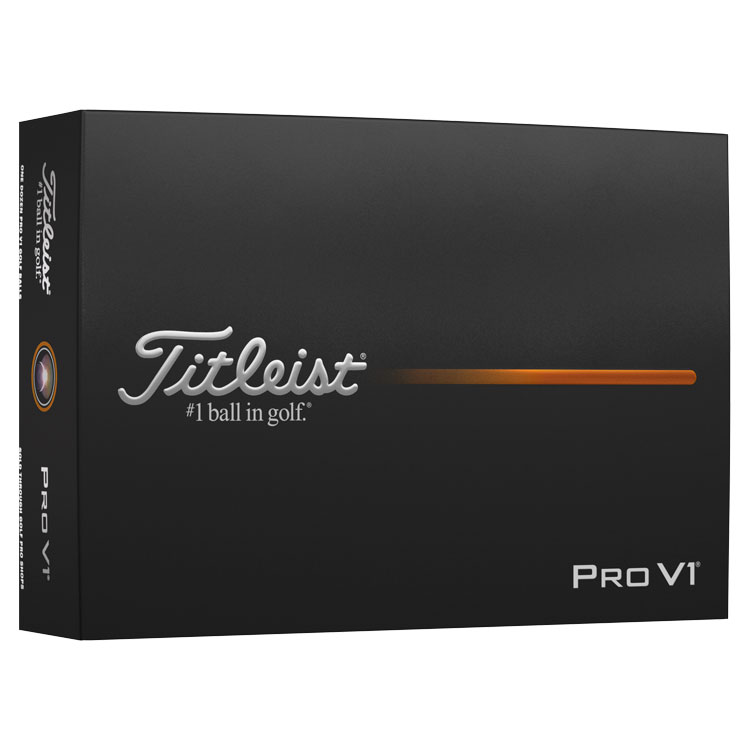
Titleist Pro V1 Golf Balls (Dozen)
The benchmark the others are measured against — the most-played ball in golf for a reason.
TaylorMade
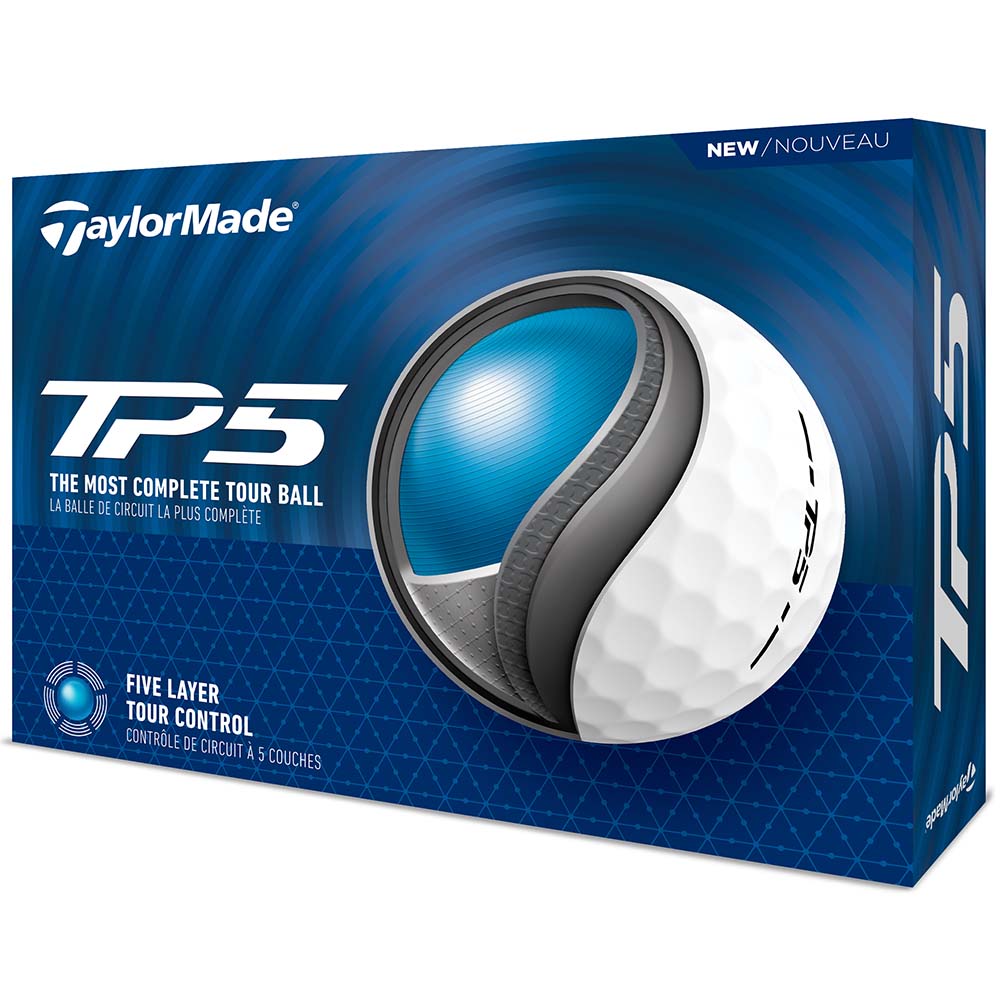
TaylorMade TP5 Golf Balls (Dozen)
Five layers chasing a bit more of everything; the pick if you want a busy, high-spin premium ball.
Srixon
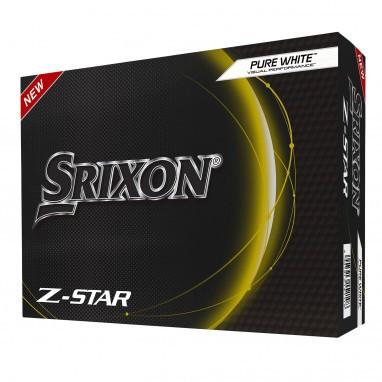
Srixon Z-Star Golf Balls (Dozen)
The quiet-value tour ball: most of the premium performance, usually a little cheaper.
Srixon
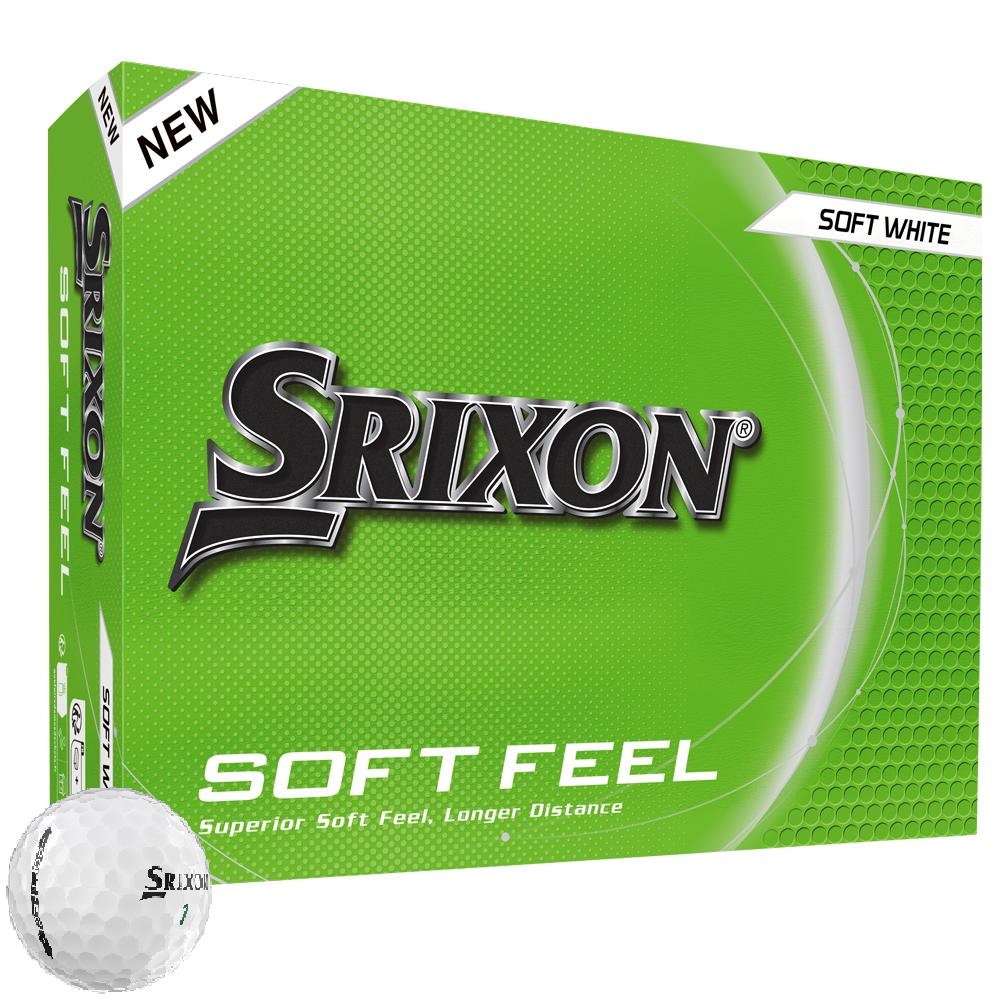
Srixon Soft Feel Golf Balls (Dozen)
The honest mid-tier: soft, straight and a fraction of the flagship price.
Kirkland Signature
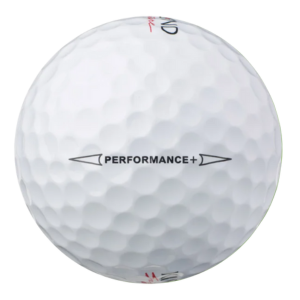
Kirkland Signature Performance+ Golf Balls (Dozen)
The cult value pick that keeps proving how little you have to spend to get a genuinely good ball.
ifrothgolf earns a commission on purchases made through these links, at no extra cost to you. It never changes what I recommend. Full disclosure.
Frequently asked
- Is the 2026 Callaway Chrome Tour worth upgrading to?
- Only if you're due new balls anyway. The refreshed 'Tour Fast Mantle' adds a little speed and flight consistency, but the year-on-year gain is small — if you already play and like the current Chrome Tour or another premium ball, there's no urgency to switch mid-supply.
- Do new golf balls really perform better each year?
- Marginally. Premium golf balls are mature technology, so the difference between this year's flagship and last year's is tiny — usually a yard or a touch of feel. It's far smaller than the difference between playing the right ball for your swing and the wrong one.
- What golf ball should a moderate swing speed use?
- A softer, lower-compression ball generally gives moderate swingers better carry and feel than a firm tour ball. Options like the Srixon Soft Feel — or newer moderate-speed balls like XXIO's HYPER RD — are designed exactly for this, rather than the firmer balls tour pros favour.
- Is an expensive golf ball worth it for an average golfer?
- If you lose several a round, probably not — a strong value ball like the Kirkland Signature performs well for a fraction of the cost. Premium balls earn their price mainly for players who control their ball flight and value greenside spin, and who don't donate a sleeve to the woods every nine.
Read next
Review
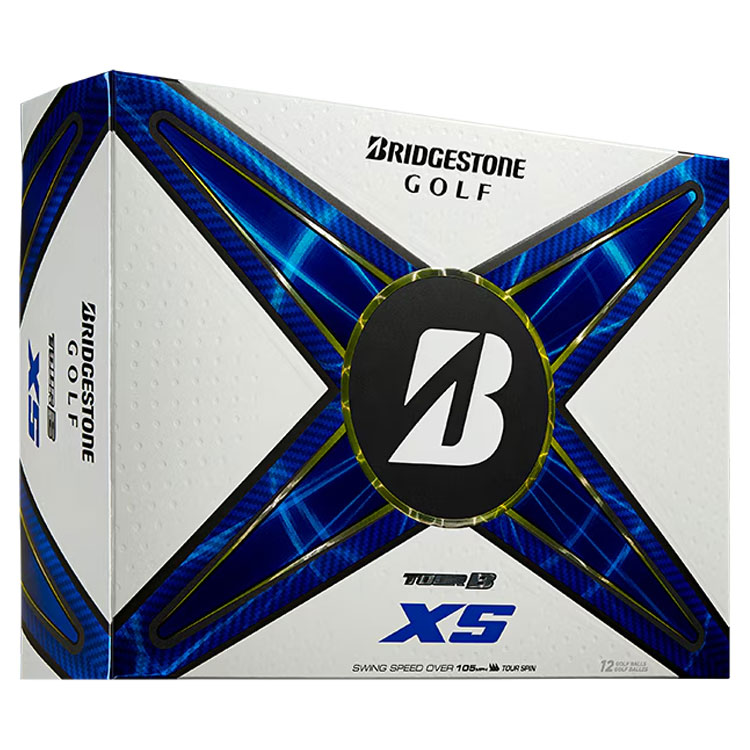
8.3/10Bridgestone Tour B XS review: the soft-feel tour ball for fast swingers
A three-piece urethane tour ball built around Bridgestone's fastest staffers, at the soft, spinny end of the line. Who should play it over a Pro V1 or TP5?
Review
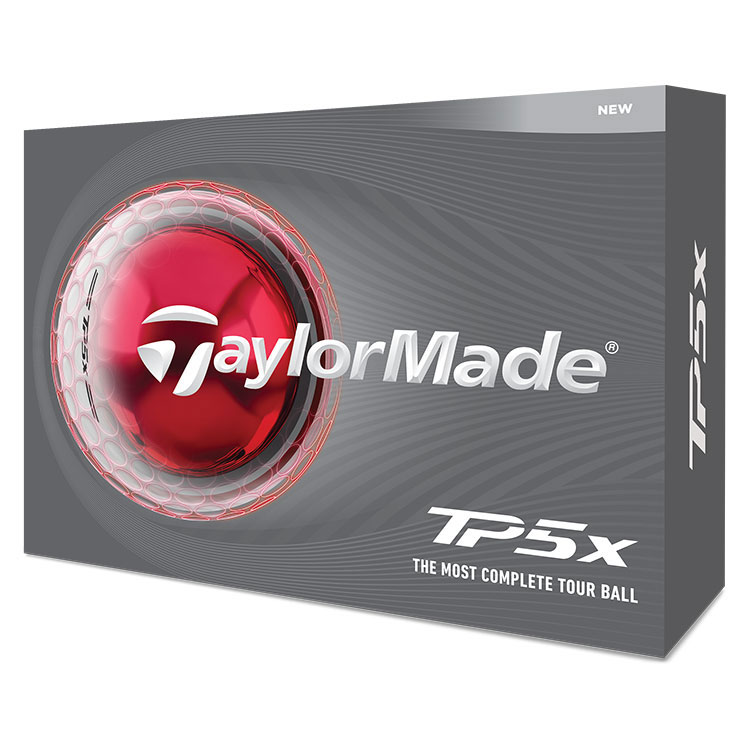
8.4/10TaylorMade TP5x review: the faster, firmer sibling — and who it's really for
Same five-layer tour pedigree as the TP5, tuned for speed and a flatter flight. The question isn't whether it's good — it's whether you're the swing it was built for.
Versus
Titleist Pro V1 vs TaylorMade TP5: which tour ball actually fits your game?
The two balls tour players genuinely cross-shop, and the difference isn't distance — off the tee they're within a yard of each other. It's feel, flight and greenside spin, and most golfers pick on the badge instead. Here's how to choose on the thing that matters.