
48 golf balls are headed for a robot — and the marketing should be nervous
MyGolfSpy is prepping its 2026 ball test: 48 models, one swing robot, every distance and spin claim on trial. Before the data lands, here's what published robot testing keeps agreeing on year after year — and the one buying mistake to avoid until the results drop.
By Ross Hamilton · Staff Writer
Srixon
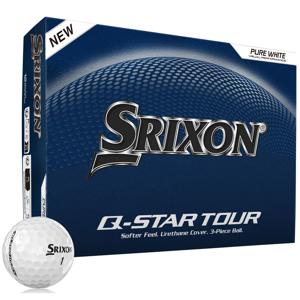
Srixon Q-Star Tour Golf Balls (2026, Dozen)
ifrothgolf earns a commission on purchases made through these links, at no extra cost to you. It never changes what I recommend. Full disclosure.
Somewhere in Scottsdale right now, 48 golf ball models are being lined up in front of a swing robot for MyGolfSpy's 2026 ball test — the biggest independent dataset the category gets all year. Here's the position to hold until it lands: don't restock premium dozens this month. Not because premium balls are bad, but because every major published robot test of the last few years has agreed on three things the marketing would rather you didn't dwell on — the gaps at the top are small, consistency matters more than headline distance, and the value tier keeps closing in.
What a robot settles that you can't
Human ball testing is mostly noise. Your strike moves more shot-to-shot than any ball design does, which is why 'it felt longer' is the least reliable sentence in golf. A robot removes the golfer: same club, same speed, same strike, hundreds of times, 48 models. That's the only environment where a one-yard difference means anything at all. It's also why brands get nervous in test season — a robot can't be flattered by a cover story about tour validation, and it has embarrassed big names before. When a dataset like this is weeks away, buying a year's supply of anything is paying full price to guess.
Lesson one: the premium cluster is tight
Line up the flagship urethane balls on a robot and the spread between them is consistently smaller than the marketing war suggests — a few yards of carry here, a few hundred rpm there, differences most golfers couldn't identify blind. The practical meaning isn't 'balls don't matter'; it's that once you're in the premium tier, paying more doesn't buy proportionally more. What separates balls for you is fit — compression against your swing speed, spin against your miss — not rank on a distance chart.
Lesson two: consistency is the real separator
The finding that keeps mattering most is the one nobody advertises: ball-to-ball consistency. A model that flies the same number every time beats a model that averages one yard longer with twice the spread — and robot tests have repeatedly caught balls, including expensive ones, with wide quality-control variance between samples. It's the least sexy metric in golf and the most valuable one, because you can't course-manage a ball that doesn't repeat. When the 2026 numbers drop, read the deviation columns before the distance ones.
Lesson three: the value-urethane creep is real
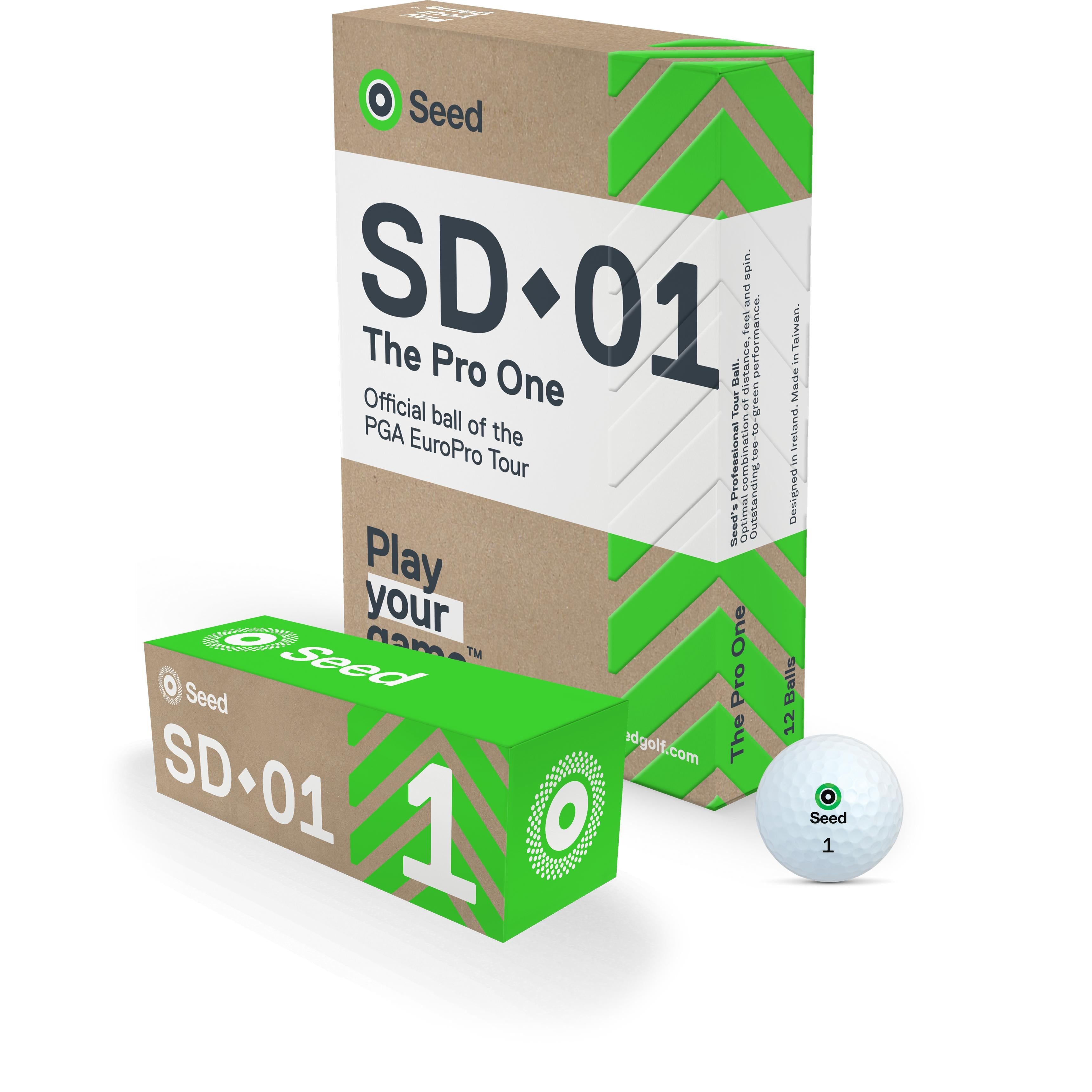
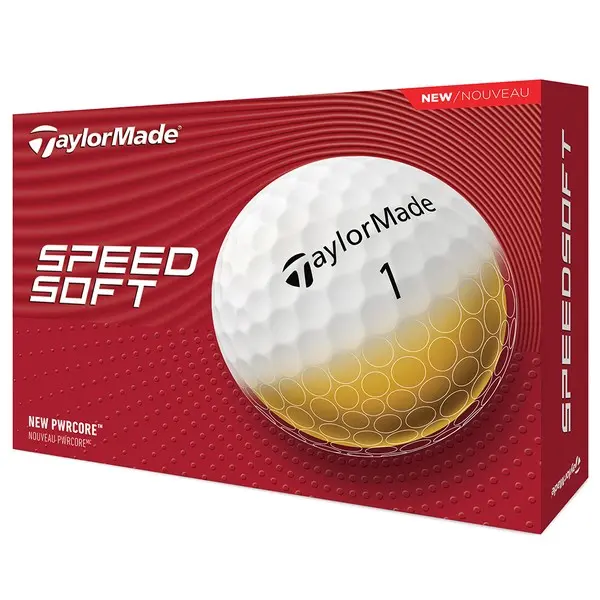
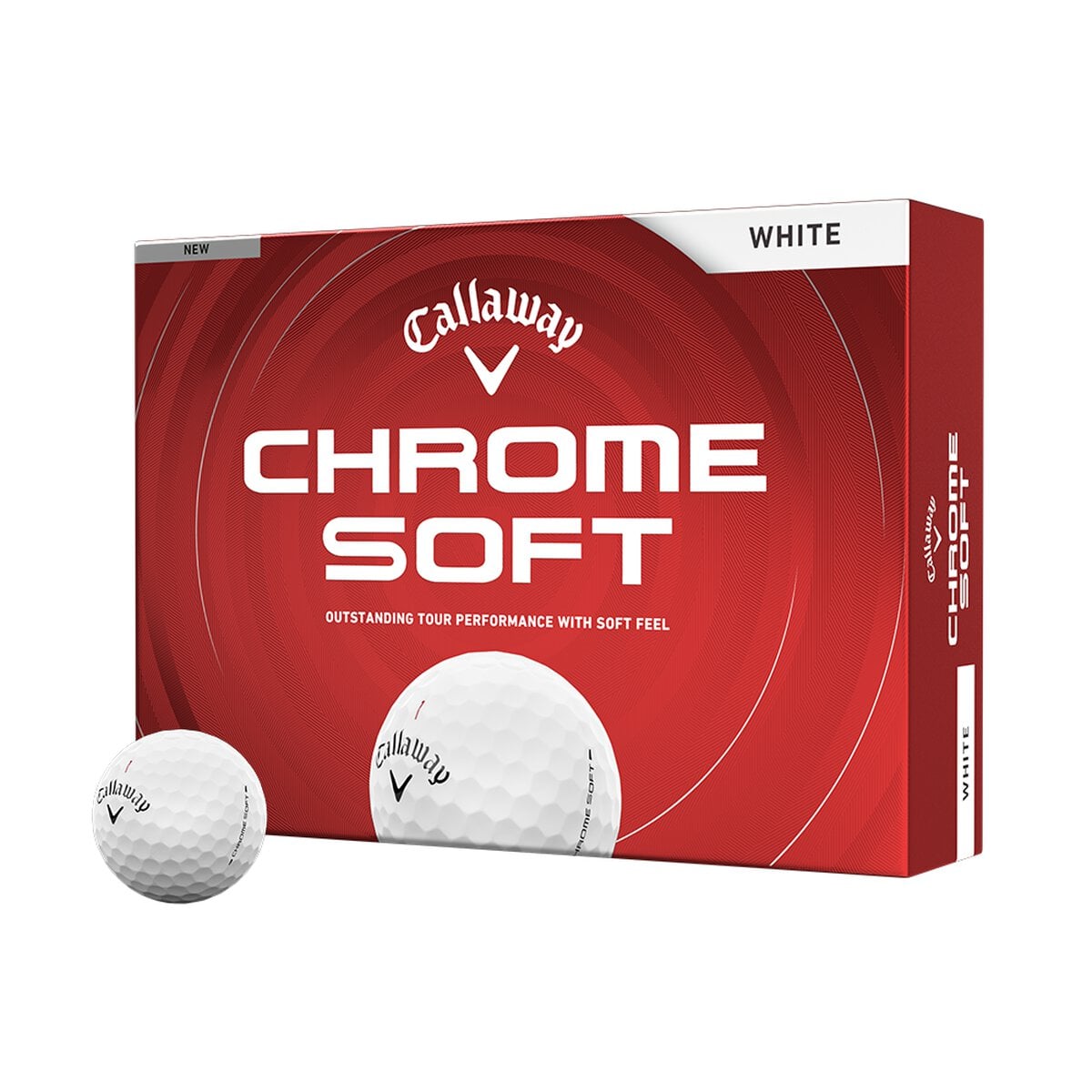
The most consistent trend across recent published testing is the shrinking gap between mid-price urethane and the flagships. The Srixon Q-Star Tour puts the same cover material as tour balls on a 74-compression core built for normal swing speeds. Direct-to-consumer brands like Seed sell genuine three-piece cast-urethane construction for the price of a mid-tier ball — and robot testing has praised the SD-01's consistency specifically, which is exactly the metric from lesson two. The Kirkland Signature remains the category's running joke at the big brands' expense. And at the soft end, balls like the TaylorMade SpeedSoft and Wilson Duo Soft keep showing up closer to the premiums off the tee than their prices imply, while softer flagships like the Callaway Chrome Soft are precisely the models the value tier is now measured against.
How to read the results like a gear desk
When the numbers land, most coverage will lead with a distance leaderboard, and the distance leaderboard is the least useful page in the report. Read it in this order instead. Start with consistency: the spread between the best and worst sample of the same model tells you whether the ball you buy will be the ball they tested. Then find your swing-speed band — a ball's ranking at tour speed tells a 90mph swinger almost nothing, and the better tests break results out by speed for exactly that reason. Then look at wedge spin, because greenside behaviour is where premium covers either earn their money or don't. Only then glance at total distance, where the top twenty will likely sit within a couple of yards of each other. And treat any ball that wins everything with suspicion — in mature categories, clean sweeps are usually a sign you're reading the marketing after all.
What to do until the data drops
Three moves. First, play down your current stock rather than restocking — if the test crowns a surprise, you want an empty shelf, and premium dozens never get cheaper the week after a big test validates a value ball. Second, spend the waiting weeks on the only test that's personal: chip and putt a sleeve of a value urethane ball against your usual gamer, because feel around the greens is the one thing no robot can decide for you. Third, work out what you actually need from a ball — our ball finder matches compression and spin to your swing in a minute, and our value-ball guide covers the tier the robot keeps vindicating. When the 48-ball numbers land, we'll read them properly here: deviation first, marketing last.
Products mentioned in this article
Srixon
Srixon Q-Star Tour Golf Balls (2026, Dozen)
The proof of the value-urethane creep: a real urethane cover at a mid-tier price, built for normal swing speeds.
Seed
Seed SD-01 The Pro One Golf Balls (Dozen)
The direct-to-consumer ball that robot testing keeps vindicating — tour construction, almost no marketing budget.
TaylorMade
TaylorMade SpeedSoft Golf Balls (Dozen)
Sub-50 compression and honest money — the kind of ball big tests keep telling slower swingers to try.
Wilson
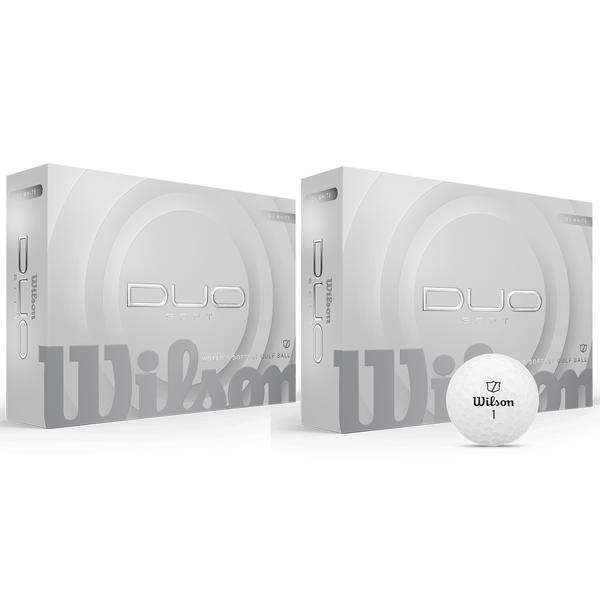
Wilson DUO Soft
The budget control group: two-piece, ultra-soft, and closer to the premiums off the tee than the price gap suggests.
ifrothgolf earns a commission on purchases made through these links, at no extra cost to you. It never changes what I recommend. Full disclosure.
Frequently asked
- What is the MyGolfSpy 2026 golf ball test?
- An independent robot test of 48 golf ball models being prepared in Scottsdale, Arizona — the largest published ball dataset of the year. A swing robot delivers identical strikes so differences in distance, spin and consistency come from the balls, not the golfer.
- Do robot golf ball tests really matter for average golfers?
- Yes, but read them the right way. The headline distance gaps between premium balls are usually tiny; the columns that matter are consistency and quality-control variance, plus how a ball's compression fits your swing speed. A ball that repeats beats a ball that averages a yard longer.
- Are value golf balls really as good as premium ones now?
- The gap has narrowed sharply. Mid-price urethane balls like the Srixon Q-Star Tour and DTC options like the Seed SD-01 deliver most of the premium performance for far less, and robot testing keeps confirming it. Premium still wins for high-speed swings that use the extra greenside spin.
- Should I wait for ball test results before buying?
- If you're about to bulk-buy dozens, yes — the results may crown a cheaper ball that suits you, and prices on validated value balls rarely rise. Keep playing your current ball in the meantime; switching mid-season without data is the worst of both worlds.
Read next
Versus
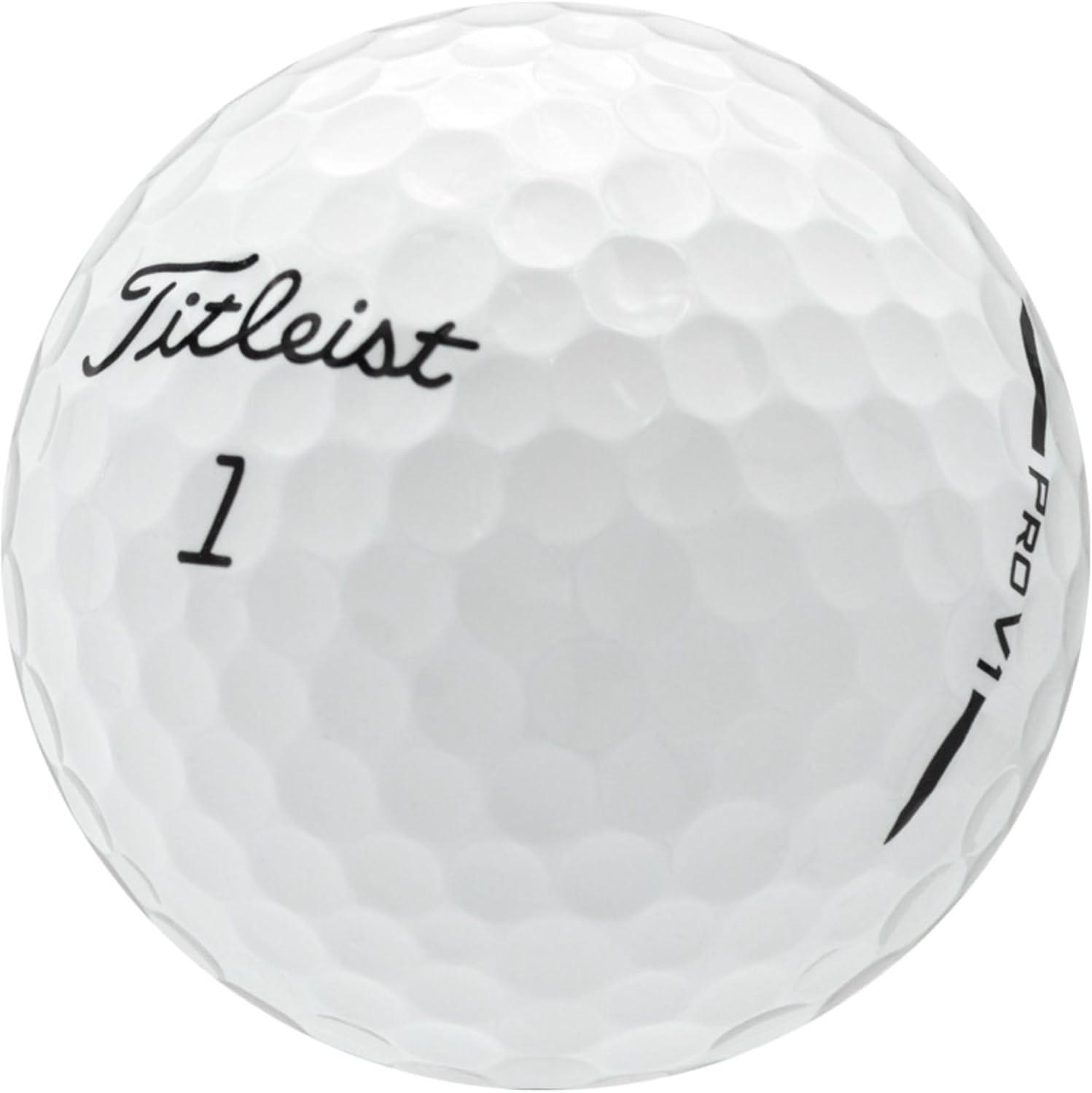
Kirkland Signature vs Titleist Pro V1: is the Costco ball really 90% of the Pro V1 for a third of the price?
The cult Costco ball has become the internet's favourite way to call out premium-ball pricing. The robot data says it's genuinely close — closer than the price gap has any right to allow. Here's exactly where it matches the Pro V1, where it doesn't, and who should stop paying full whack.
Explained
Are lake balls worth it? The honest answer
Grade-A lake balls give you most of a premium ball for a fraction of the cost — if you buy the right grade. Here's how to tell recovered from refinished, and who should bother.
Review
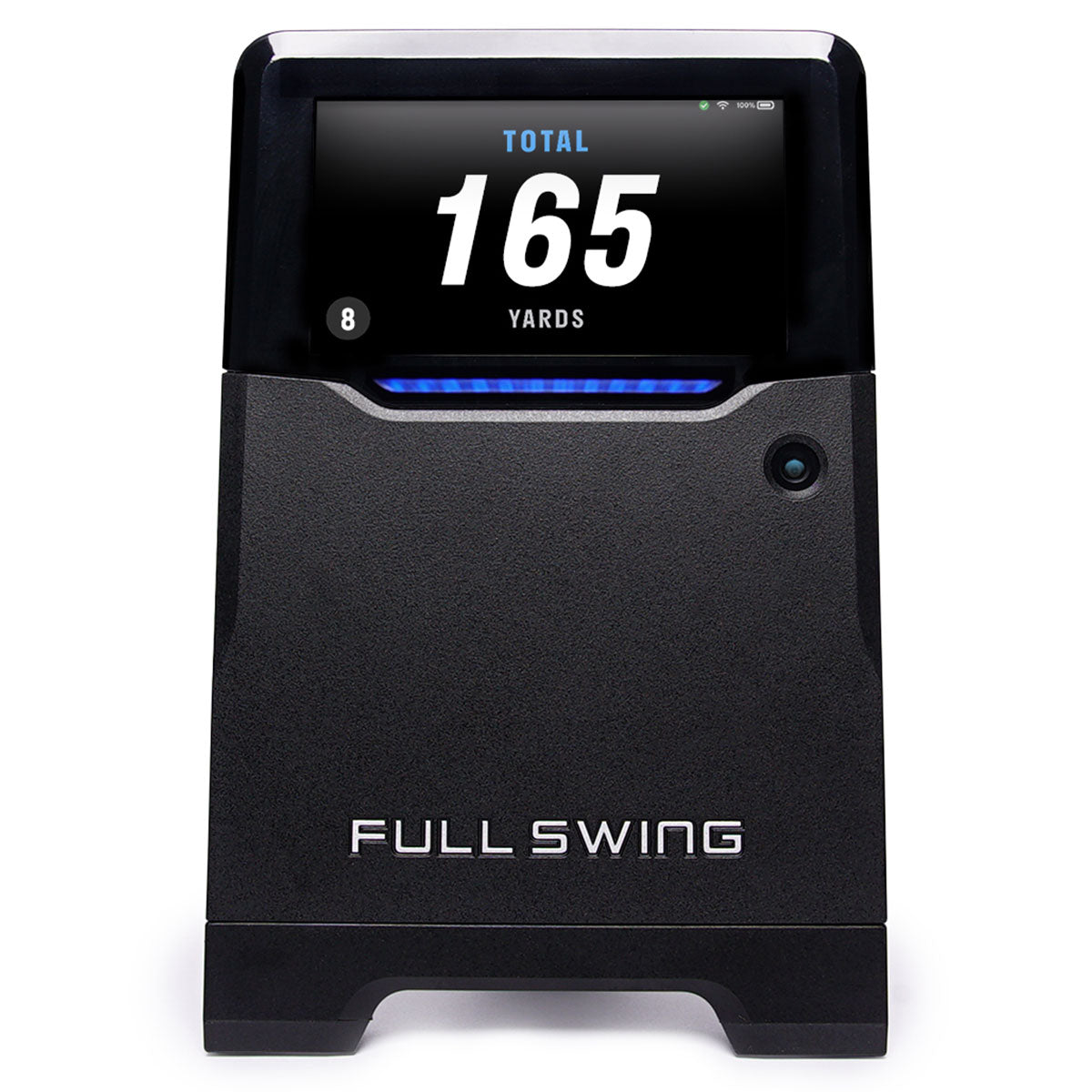
7.9/10Full Swing KIT review: the tape measure decides this, not Tiger
Tour pedigree, TGL on ESPN, and radar good enough to be checked against a Trackman outdoors. It also wants eighteen to twenty feet of room, which rules out most of the garages people buy it for.