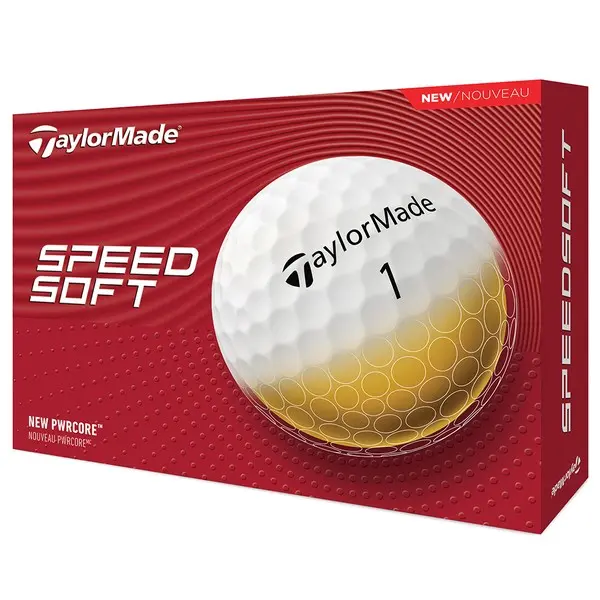
TaylorMade SpeedSoft review: the two-piece ball that still spins a wedge
Sub-50 compression and an ionomer cover, which is supposed to mean nothing happens around the green. Independent launch-monitor testing keeps putting it near 6,000 rpm off a wedge. Here is the golfer that actually helps.
By Ben Marsden · Reviews Editor
The verdict
Very good
What's great
- PWRCORE construction lands compression under 50, roughly a quarter below a TP5, so a moderate swing genuinely compresses it
- Wedge spin reported around 5,700 to 6,000 rpm in independent testing, which is high for an ionomer two-piece
- Soft enough off the putter to change how a long lag feels, which is where a lot of autumn scoring happens
- Cheap enough that a lost ball stops being a decision you make on the tee
Watch out
- Ionomer, not urethane — there is no full-shot check on a firm green and no pretending otherwise
- TaylorMade aims it under about 95mph, and faster players find it too soft and too willing to spin in wind
- The Ink splatter finish is divisive, and white is the only plain option
Bottom line — The best two-piece in the softness race because it is the one that did not throw the short game away to get there. If you swing under about 95mph and your greens are soft from October to March, this is the ball I would buy and stop thinking about.
TaylorMade
TaylorMade SpeedSoft Golf Balls (Dozen)
ifrothgolf earns a commission on purchases made through these links, at no extra cost to you. It never changes what I recommend. Full disclosure.
Mid-October, the greens have gone from glass to sponge, and a wedge that used to run eight feet past now sits down where it lands. Nothing about your swing changed. The golf course did. This is the part of the season where the most expensive thing in a tour ball — its ability to stop a shot on a firm green — is being handed to you free by the weather, and where a two-piece ball stops looking like a compromise.
The TaylorMade SpeedSoft is the one I would point at. Not because it is the softest ball in the shop, although it very nearly is, but because it is the only one in the softness race that did not gut the short game to win it.
What is actually in it
Two pieces. A new PWRCORE at the centre, which is the low-compression core TaylorMade built when it retired the old Soft Response, and an ionomer cover over the top. Compression comes in under 50 — the company's own framing is that it sits roughly a quarter below a TP5 — and a 322-dimple pattern does the flight work. It sells for around $30 a dozen in white, yellow, and the Ink splatter finishes in blue, red, green and pink.
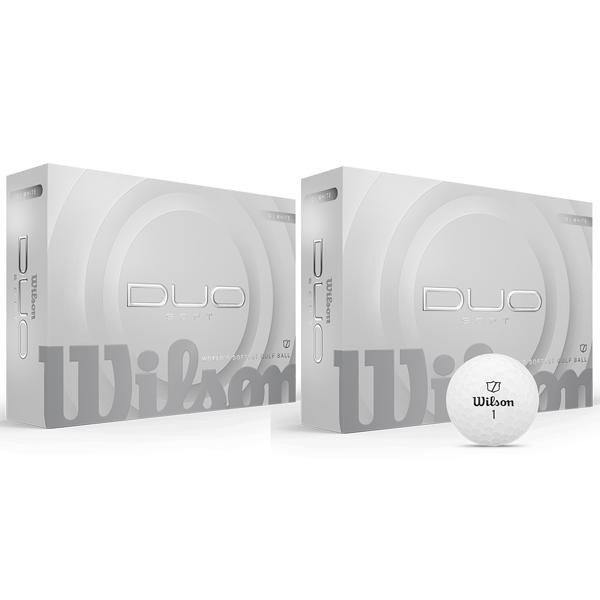
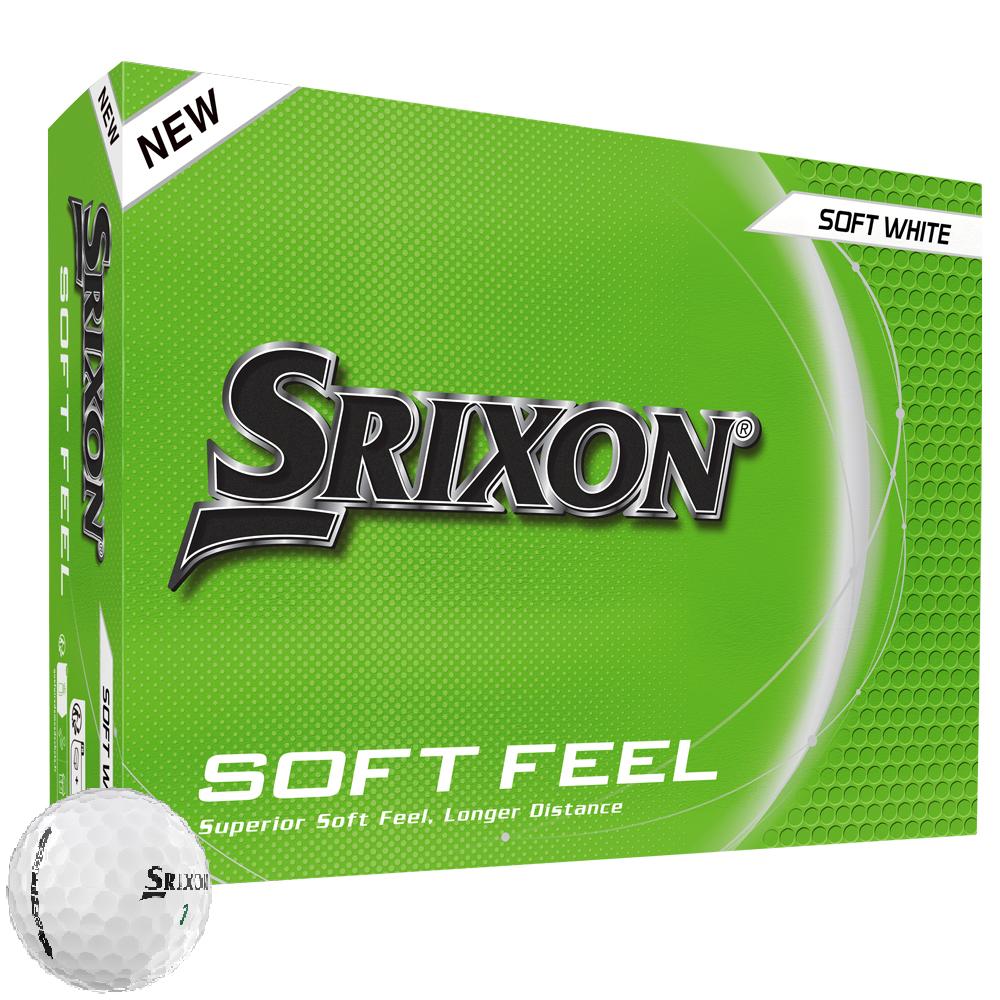
The category it lives in is crowded and it is all fighting over one number. The Wilson DUO Soft is down at 37 compression and has owned the softest-ball conversation for years. The Srixon Soft Feel is the default value answer and deserves to be. What separates the SpeedSoft is not the compression number at all.
The number that makes it interesting
Reviewers who have put it on a launch monitor keep reporting wedge spin in the region of 5,700 to 6,000 rpm, and around 6,100 with a seven iron, with driver spin kept low. National Club Golfer's testing landed there, and it is not where an ionomer two-piece is supposed to land. The whole reason the category gets dismissed is that a single cover and a single core tend to give you one spin answer for every club in the bag: low off the driver, which you want, and low off the wedge, which you do not.
I want to be careful here, because the gap to urethane is real and nobody should buy this expecting otherwise. Urethane grips the grooves differently, and on a full shot into a firm green a Pro V1 will check where this will take a hop and release. What the SpeedSoft buys you is not tour spin. It is the difference between a ball that does something around the green and a ball that does nothing — and for a very large number of golfers, that is the whole gap that ever mattered.
Why autumn is when it makes most sense
Here is the argument I would make to anyone still paying tour-ball money through the winter. The premium on a urethane ball is mostly bought with stopping power. Stopping power is worth a lot in July on a fast, firm green where a shot that lands past the pin is gone. It is worth much less in November, when the green is holding everything that lands on it, the wind has taken half your approaches off the pin anyway, and your scoring has migrated to bump-and-runs and forty-foot lag putts.
That is a judgement, not a measurement, and you should weigh it against your own course. But it is the reason I have never understood golfers who play the same ball for twelve months and treat it as a matter of principle. Five of those months, the course is doing the expensive part for you.
The related point, which I will keep short because we have made it before at greater length in stop paying tour ball prices: winter golf loses balls. Wet rough holds them, leaves hide them, and the light goes at four. A ball you flinch about is a ball that changes how you swing over water, and that costs more shots than a cover material ever saved.
Where it falls over
Speed. TaylorMade builds this for swings under about 95mph and the ceiling is real — take a genuinely fast player and the ball goes soft under them, the flight gets spinny, and the first serious crosswind makes the point emphatically. If you are carrying a driver 270 yards this is not your ball and no amount of value framing changes that.
Skill is the other limit. If you flight irons on purpose, if you use a wedge to spin a ball back rather than to stop it, if your short game is the part of your game you would defend in an argument, then urethane is doing something for you that this cannot. Buy the ball that matches the shots you actually hit, which is the point we laid out in match the ball to your game.
And the splatter. The Ink covers are genuinely easier to follow into a leaf-strewn rough than a white ball, which in October is not a trivial benefit. They also look, to a certain kind of golfer, like something that fell out of a party bag. You will know within one look which kind you are.
Who I would buy it for
Buy it if you swing under about 95mph, play a course that goes soft in autumn, lose more than a ball or two a round, and would rather have a putter that feels like something than a wedge that does something you cannot currently do. Buy it if you have been playing a distance rock and assumed the alternative was spending three times as much. Skip it if you are fast, skip it if your short game is genuinely sharp, and skip it if a splatter cover would put you off standing over it — because the cheapest ball in the world is no good if you do not want to look at it. The rest of the field sits in our soft feel balls guide.
Products mentioned in this article
ifrothgolf earns a commission on purchases made through these links, at no extra cost to you. It never changes what I recommend. Full disclosure.
Frequently asked
- What compression is the TaylorMade SpeedSoft?
- Under 50, which TaylorMade describes as roughly a quarter lower than its TP5 tour ball. It uses a two-piece construction with a low-compression PWRCORE and an ionomer cover, aimed at swing speeds below about 95mph.
- Does the SpeedSoft spin around the green?
- More than an ionomer two-piece usually does. Independent launch-monitor testing has reported wedge spin around 5,700 to 6,000 rpm and about 6,100 with a seven iron. That is still short of a urethane tour ball, which will check on a firm green where this one lands and releases, but it is well clear of a pure distance ball.
- Is the SpeedSoft good for fast swing speeds?
- No. It is built for moderate and slower swings, roughly under 95mph. Faster players tend to find it too soft, with a spinnier flight that suffers in wind. If you carry the ball a long way, a firmer three-piece or a tour ball will hold its shape better.
- What is the difference between SpeedSoft and SpeedSoft Ink?
- The ball is the same. Ink is the splatter-pattern finish, sold in blue, red, green and pink, and it is easier to track in flight and to find in autumn rough than a white ball. The trade-off is entirely cosmetic preference.
Read next
Opinion
August turf quietly changed your golf ball's job, and almost nobody adjusts
Firm summer fairways hand you roll you never had to buy, and firm greens refuse to hold. The 38-compression ball you sensibly chose in April is now optimised for the half of the shot the ground is already doing for you.
Versus
Bridgestone Tour B RX vs Callaway Chrome Soft: one is fitted to your swing speed, the other to your taste
Two premium urethane balls sold on softness, from two brands that decide what soft means in completely different ways. One asks how fast you swing. The other asks what you like.
Versus
TaylorMade SpeedSoft vs Callaway Supersoft: level off the driver, split by iron height and consistency
The two softest big-brand balls in the shop, a coin apart in price. Robot testing puts them within a fraction of a mile an hour off the driver, so the decision lives in the irons, around the green and inside the box.