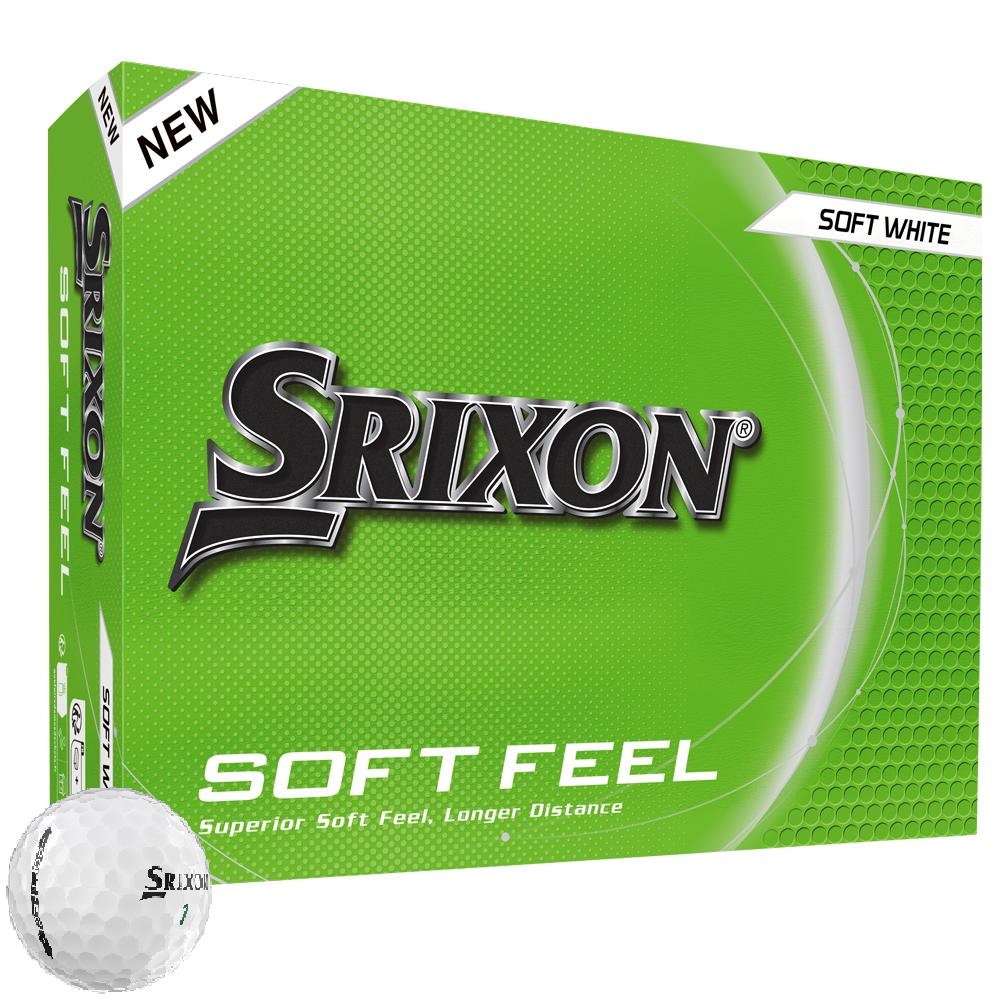
The Srixon Soft Feel is a low-compression, two-piece ionomer ball aimed at moderate swing speeds (think under 95mph), and it's pitched squarely at the weekend golfer who wants soft feel without paying premium-ball money.
Best Soft Feel Golf Balls 2026
Pillowy off the face, kind to slower swings.
The Srixon Soft Feel and Callaway Supersoft are the two soft-feel balls to beat — pillowy off the face, forgiving on off-centre hits and priced so anyone can play them. If you want that soft feel without giving up performance, the Callaway Chrome Soft delivers genuine tour spin in a soft package, just at a premium price. For most club golfers, one of the two budget heroes is the smart starting point.
The thing that makes a ball feel soft is low compression: the ball deforms more easily at the moderate swing speeds most of us actually have, which gives that pleasant, muted sensation off the face and especially off the putter. Lower compression can also flatten out sidespin a touch, so shots tend to fly a little straighter — a real benefit if you fight a slice. The decision comes down to budget and swing speed: if you swing fast and score with your wedges, a soft tour ball like the Chrome Soft is worth the spend; if you just want a forgiving, comfortable ball that won't punish a mishit, the sub-$30 options are all the ball you need.
These are the softest dozens that still hold up shot to shot, from value champions to a soft tour ball. Honest note: the very softest balls can come up a touch short for genuinely fast swingers, who'll get more from a firmer ball — but for the swing speeds most golfers have, the feel and forgiveness are well worth it.
ifrothgolf earns a commission on purchases made through these links, at no extra cost to you. It never changes what I recommend. Full disclosure.
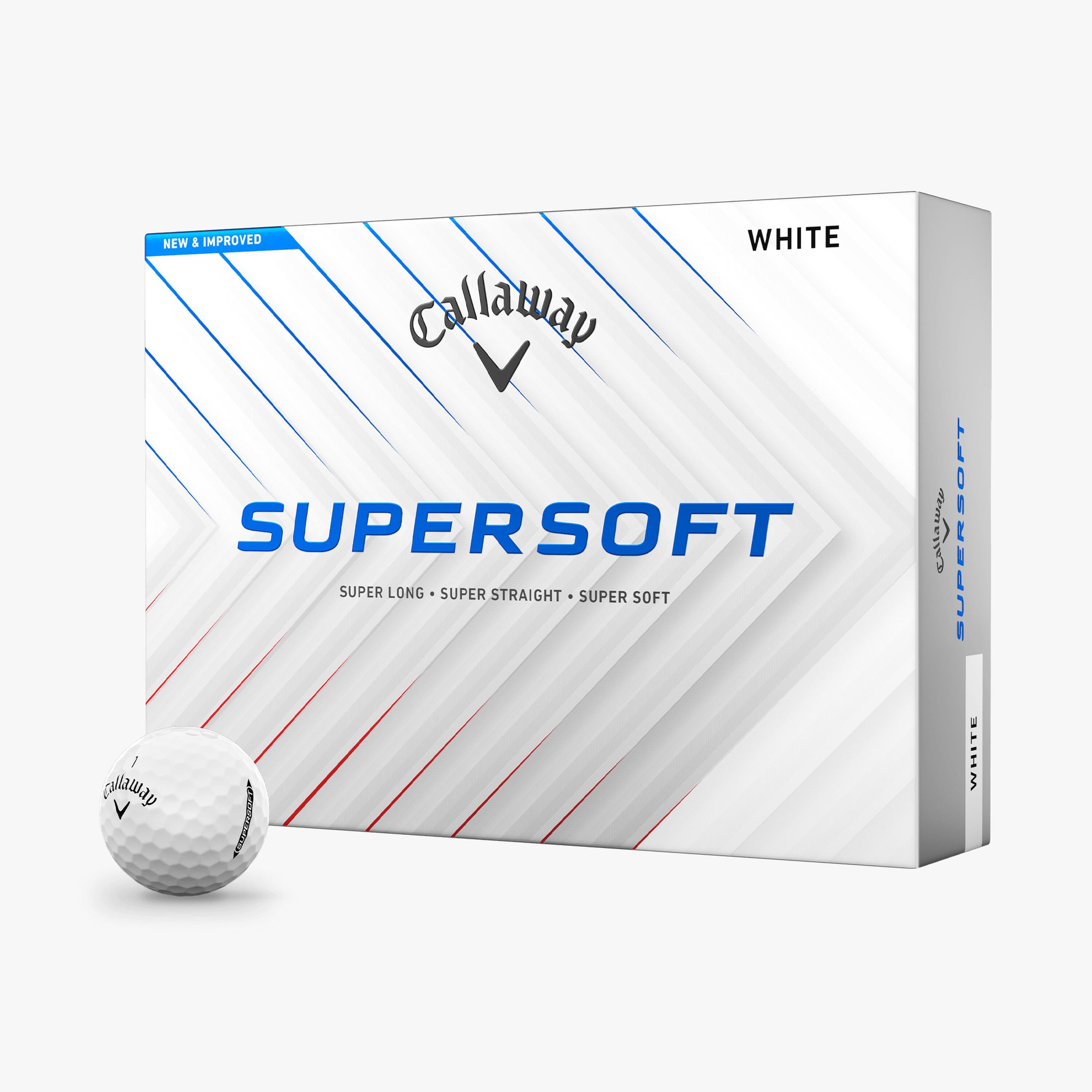
The Callaway Supersoft is a low-compression, two-piece ionomer ball built for slower swing speeds and soft feel, and it's been a best-seller for years (still one of the biggest sellers in the game in 2025). It's aimed at mid-to-high handicappers who want a forgiving, straight-flying ball without paying tour-ball money.
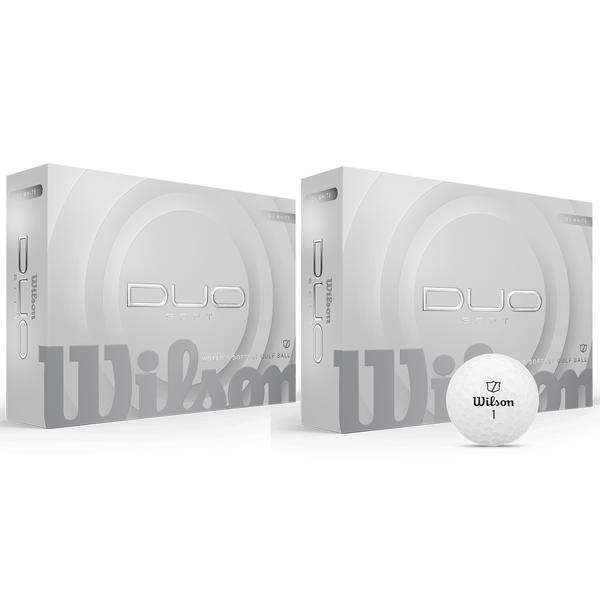
Wilson's entry-level distance ball: a two-piece design with a big, low-compression core wrapped in a tough ionomer cover. The 37 compression makes it one of the softest balls on the shelf, and the whole thing is engineered to fly high, fly straight and keep long-game spin low. There's a full alignment stripe running round it to help you line up putts and tee shots.
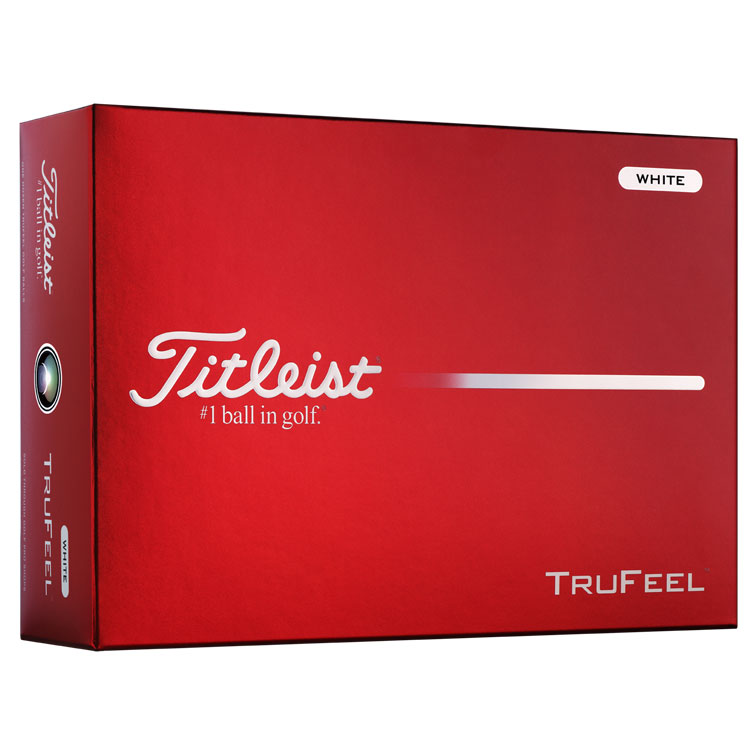
Titleist's entry-level ball and the softest in the range. It is a simple two-piece design built around the TruTouch core for speed and a soft 3.0 TruFlex cover for a bit of bite near the green, wrapped in a 376 tetrahedral dimple pattern that gives it a low, boring flight. Think of it as the honest workhorse of the Titleist lineup, not a Pro V1 in disguise.
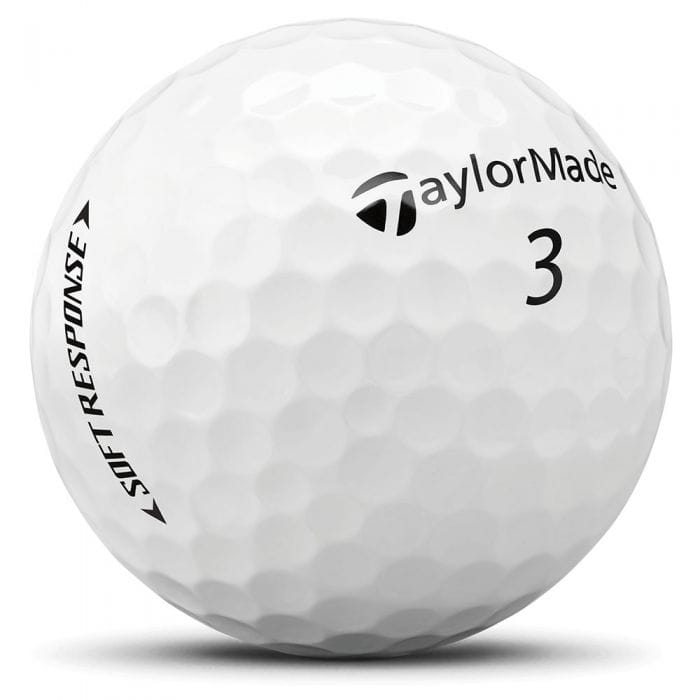
TaylorMade's value soft ball, sitting below the urethane Tour Response. It is a three-piece design with a very low compression core and a soft ionomer cover, engineered for moderate to slower swing speeds. The pitch is simple: a properly soft feel and a respectable short game at a price that undercuts the premium tour balls by a chunk.
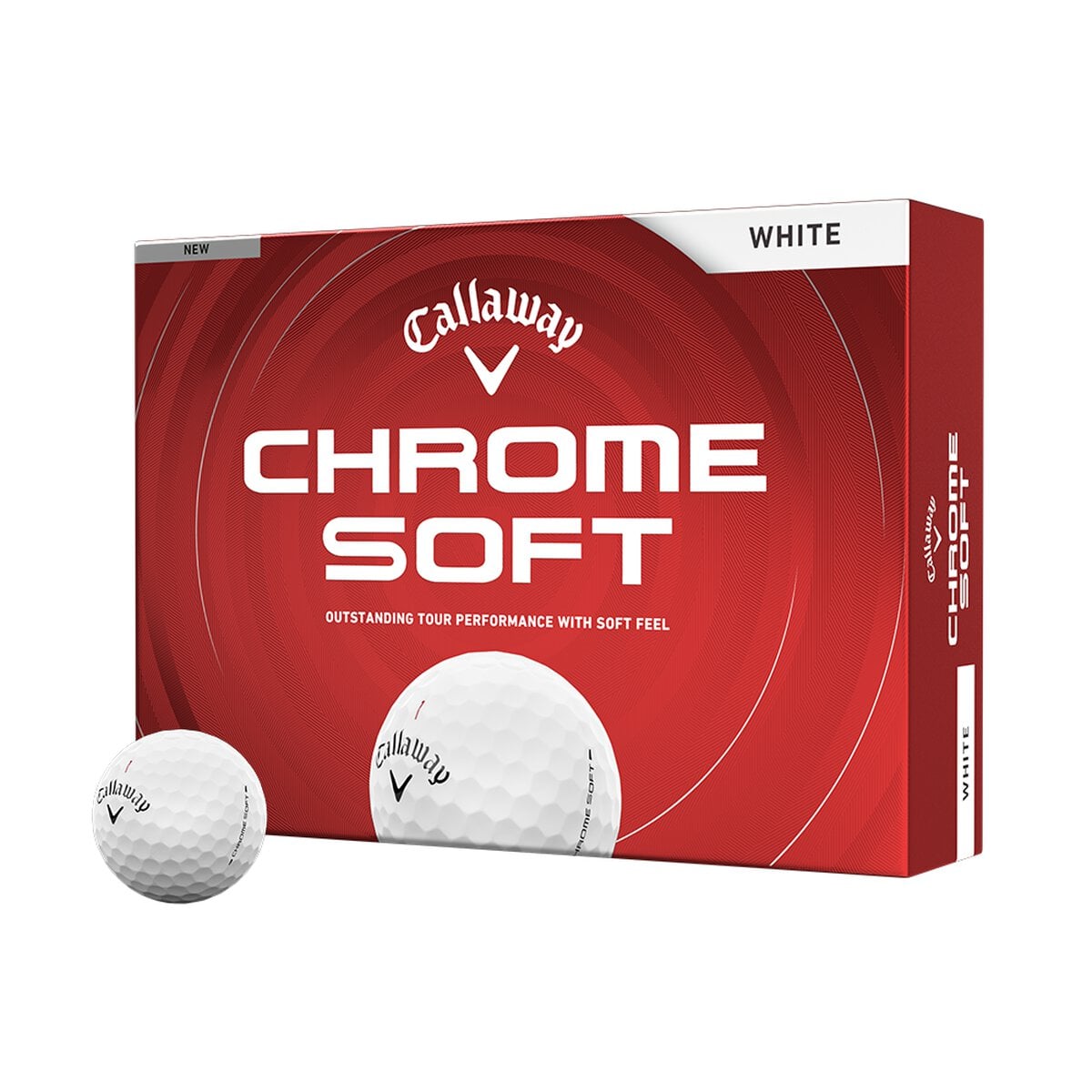
Callaway's softer-feeling premium ball, sitting just below the firmer, spinnier Chrome Tour in the lineup. It pairs a proper cast urethane cover with a low compression core, aimed at golfers who chase a soft feel and a forgiving, straighter flight rather than maximum greenside grab.
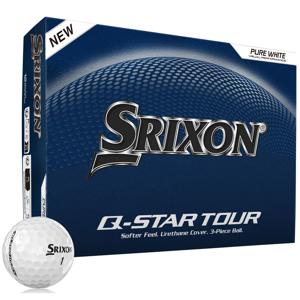
Srixon's sixth-generation soft-compression urethane ball, sitting between budget two-piece balls and full premium tour balls.
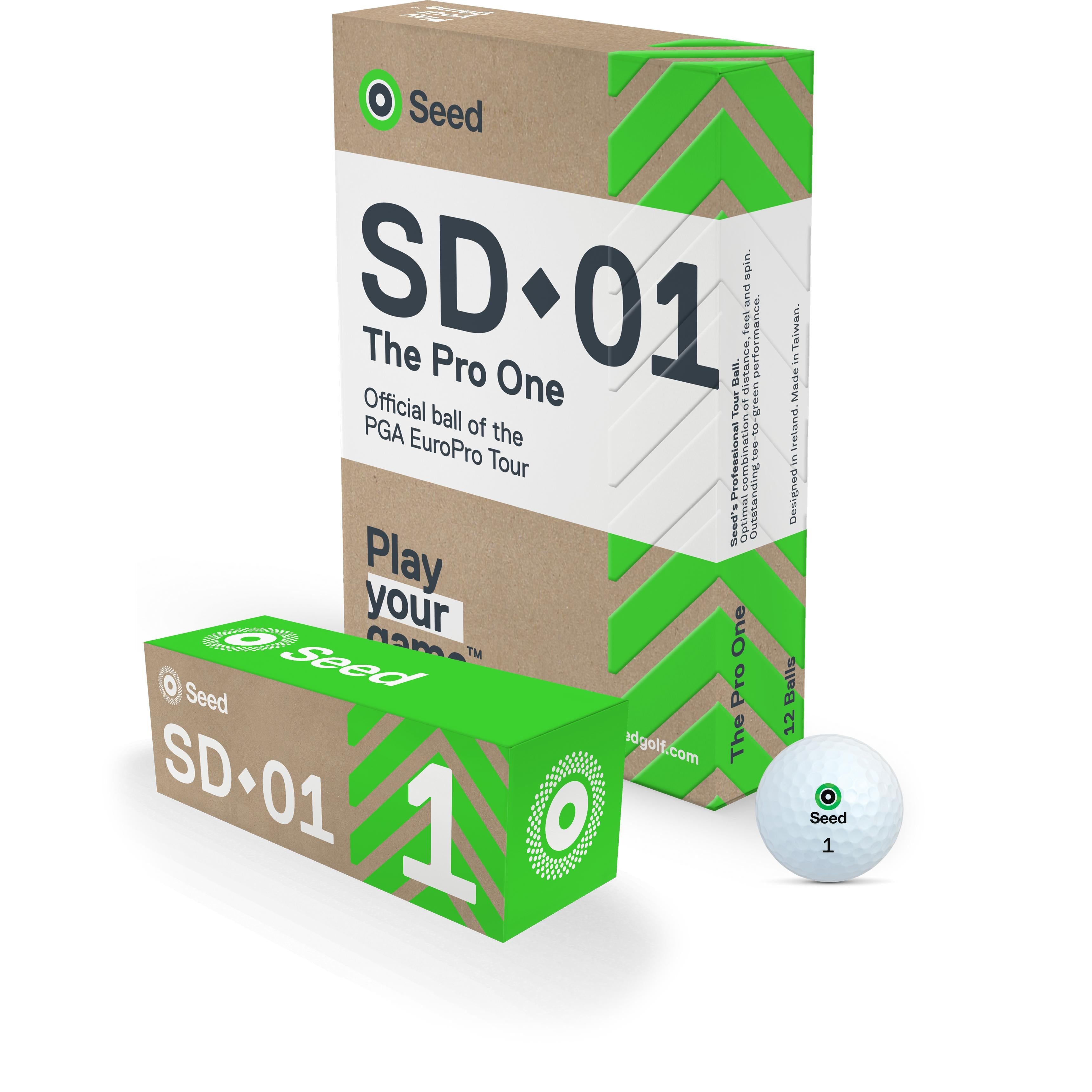
The flagship three-piece urethane tour ball from Seed, a direct-to-consumer brand selling premium-construction balls at mid-range prices.
Frequently asked
- What is the best soft feel golf ball?
- The Srixon Soft Feel and Callaway Supersoft are the go-to picks — soft, forgiving and inexpensive. For a soft ball that also performs at tour level around the greens, the Callaway Chrome Soft is the premium choice.
- Are soft golf balls better for slower swing speeds?
- Generally yes — low-compression soft balls compress more easily at moderate and slower speeds, giving better feel and often slightly straighter flight. Very fast swingers can leave a touch of distance on the table with the softest options.
- Does a soft golf ball cost you distance?
- For most golfers, no meaningful amount — and the soft feel and forgiveness offset it. Only high-speed players tend to see the firmest part of the market carry a little further, which is why ball choice should match your swing speed.
- What does golf ball compression actually mean?
- Compression is how much the ball deforms when struck — lower numbers mean a softer ball that squashes more easily. Low-compression balls feel softer and are easier to compress at moderate speeds, which is why they suit average and slower swingers, while fast swingers can use firmer, higher-compression balls.
- Can a soft ball still spin around the green?
- The premium ones can. A soft tour ball like the Callaway Chrome Soft pairs a low-compression core with a urethane cover that grips for greenside spin, so you get soft feel and control. The cheaper soft balls use firmer ionomer covers that feel great but spin less around the green.
Related reading
More on this from the desk
Opinion
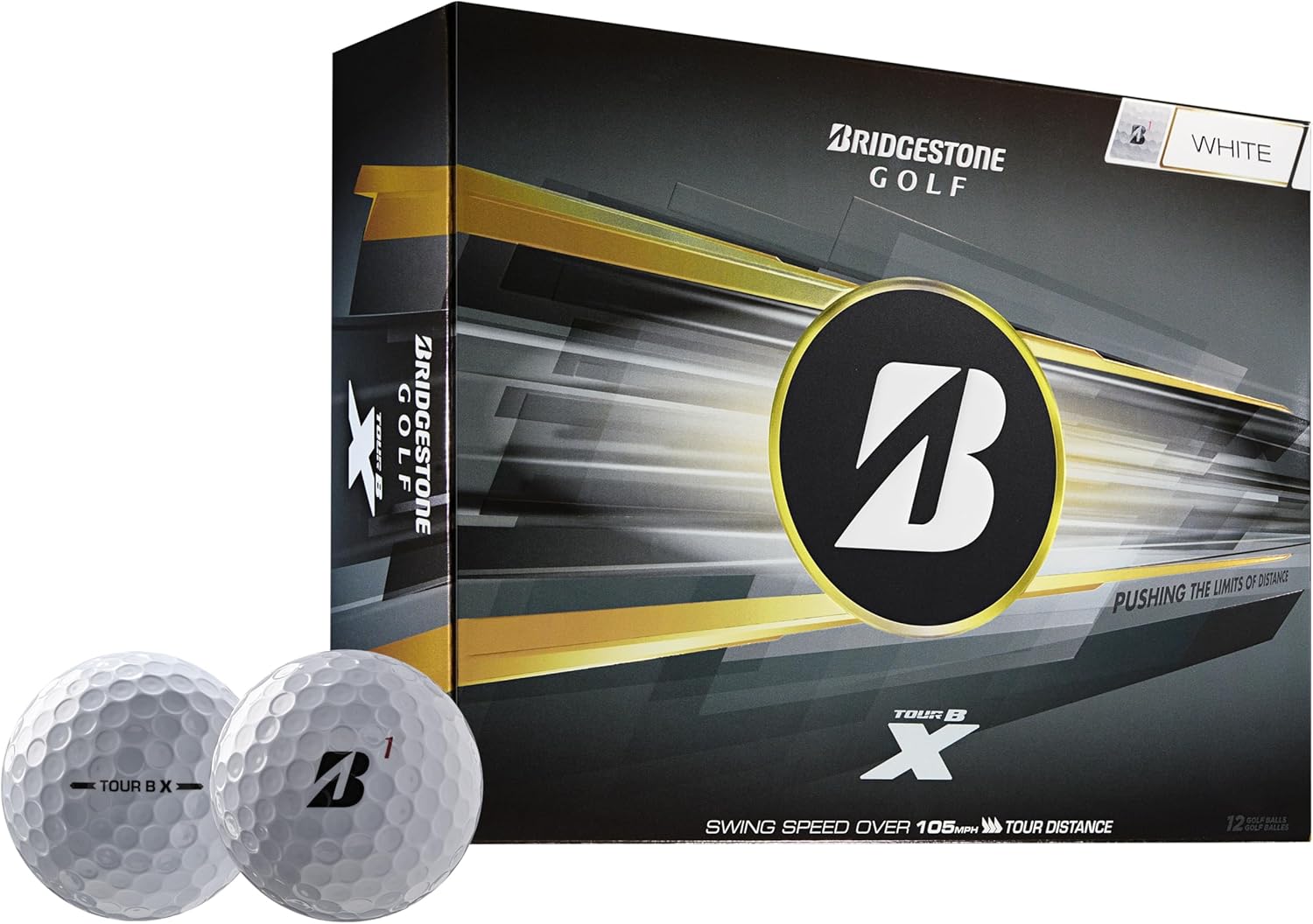
August turf quietly changed your golf ball's job, and almost nobody adjusts
Firm summer fairways hand you roll you never had to buy, and firm greens refuse to hold. The 38-compression ball you sensibly chose in April is now optimised for the half of the shot the ground is already doing for you.
Versus
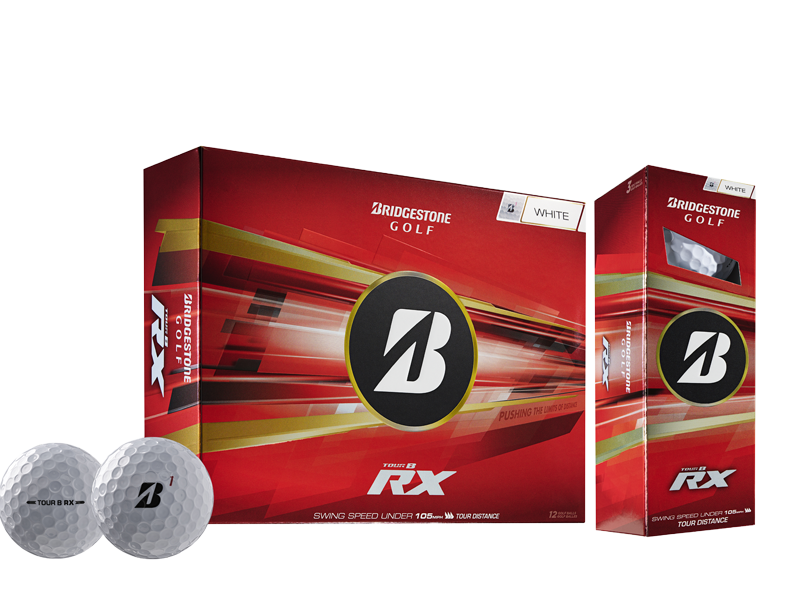
Bridgestone Tour B RX vs Callaway Chrome Soft: one is fitted to your swing speed, the other to your taste
Two premium urethane balls sold on softness, from two brands that decide what soft means in completely different ways. One asks how fast you swing. The other asks what you like.
Review
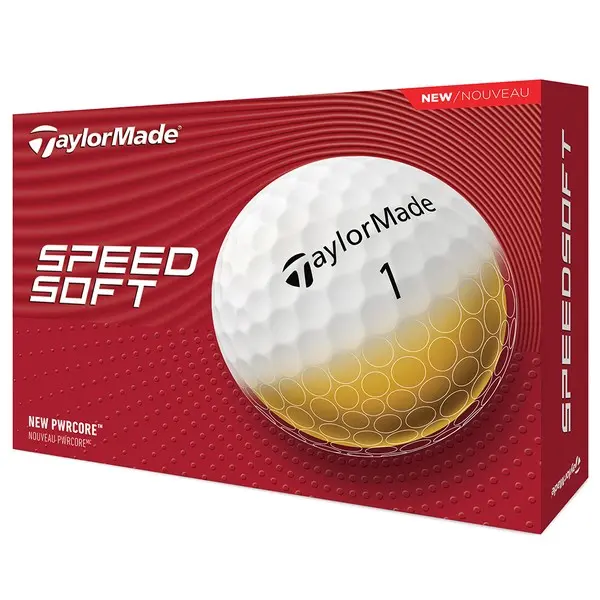
7.9/10TaylorMade SpeedSoft review: the two-piece ball that still spins a wedge
Sub-50 compression and an ionomer cover, which is supposed to mean nothing happens around the green. Independent launch-monitor testing keeps putting it near 6,000 rpm off a wedge. Here is the golfer that actually helps.