
Titleist TruFeel vs Srixon Soft Feel: one flies low, one mid-high, and a slower swing wants the higher one
Titleist's 2026 TruFeel and Srixon's Soft Feel cost the same and are both two-piece, so price isn't the difference. Flight is: Titleist builds the TruFeel to fly low and penetrating, Srixon builds the Soft Feel to fly mid-high at a published 58 compression, and that decides it for most golfers.
By Ross Hamilton · Staff Writer
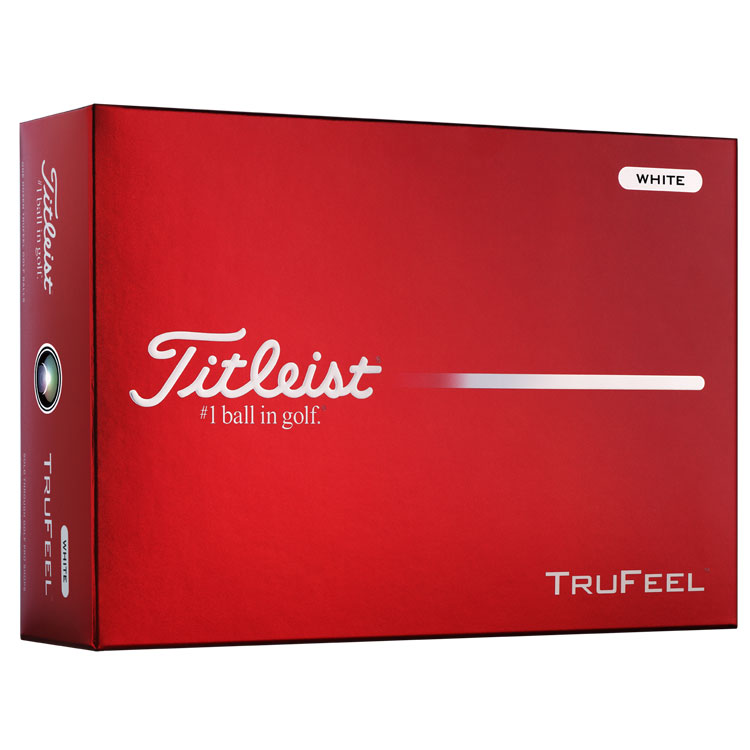
Titleist
Titleist TruFeel Golf Balls
Pick for a low, penetrating flight in wind, or if your swing already launches the ball high.
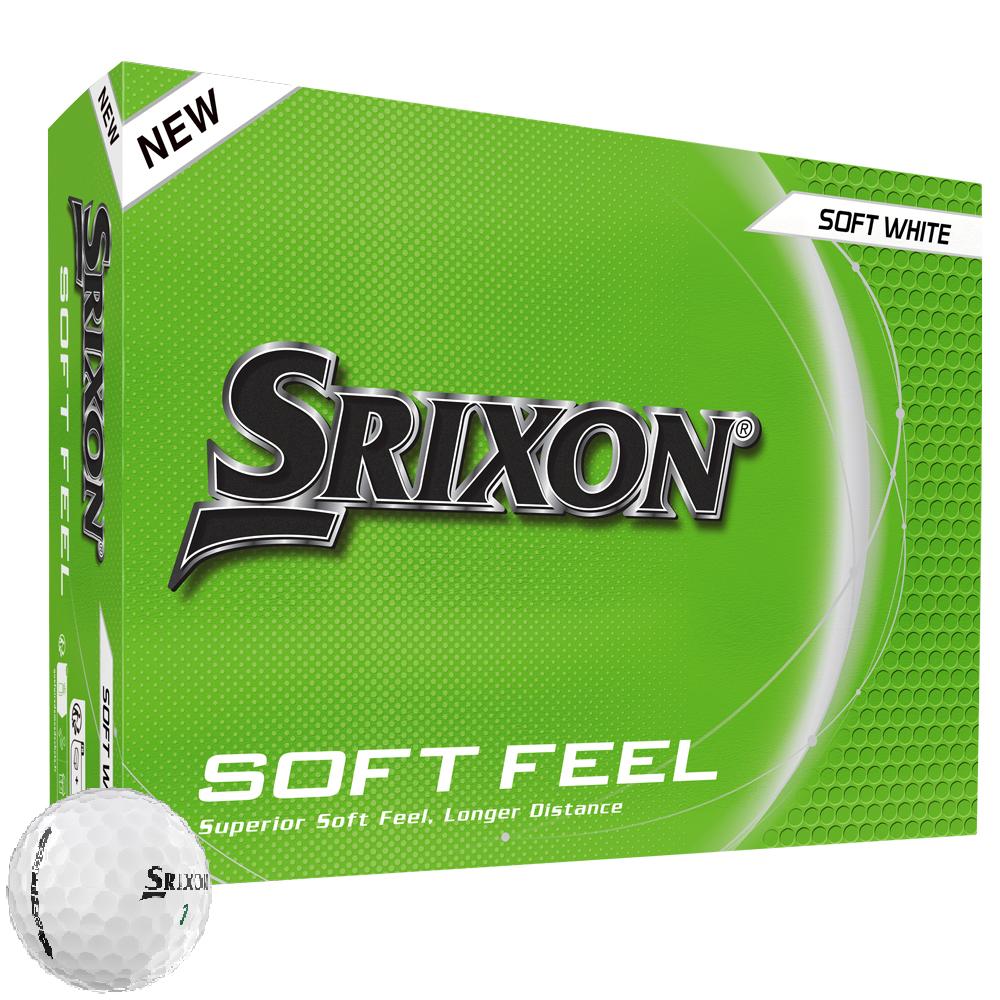
Srixon
Srixon Soft Feel Golf Balls (Dozen)
Pick for a slower swing: Srixon builds it for a mid-high flight and publishes a 58 compression.
ifrothgolf earns a commission on purchases made through these links, at no extra cost to you. It never changes what I recommend. Full disclosure.
Side by side
| Specification | TitleistTitleist TruFeel Golf Balls | SrixonSrixon Soft Feel Golf Balls (Dozen) |
|---|---|---|
| Construction | two-piece | two-piece |
| Feel | softest ball in the Titleist range | soft |
| Colours | white, yellow and red | white and matte colours |
Specs as published by each manufacturer. Rows in grey are where the two match.
Srixon prints a compression number on the Soft Feel's spec sheet: 58. Titleist does not print one for the TruFeel on any spec sheet we could find. That small asymmetry is a good way into a comparison where almost everything else is level. The Titleist TruFeel and the Srixon Soft Feel are the cheapest soft balls from the two brands, they cost the same, and both are two-piece. The real split is the flight each maker designs for, and it gives a clear answer: a slower swing should buy the Soft Feel, and a player who already hits it high or plays in wind should buy the TruFeel.
Same money, same construction class
Price will not decide this. Srixon's US store lists the Soft Feel at the same per-dozen price a US retailer charges for the 2026 TruFeel, and in the UK the two sit within a couple of pounds of each other. Both are two-piece balls with a soft core and a thin, durable cover rather than the cast urethane of a Pro V1 or Z-Star, which is what makes them cheap and also what limits them around the green.
This year's TruFeel is a 2026 model, and retailers carry Titleist's line that it is now longer with improved feel. It is also sold in an Aim 360 version with an alignment marking that runs around the ball, which matters if you line up putts with a printed line.
What is inside each one
The TruFeel pairs Titleist's TruTouch core with a soft TruFlex cover, and the retailer listing we link describes a 376-dimple tetrahedral pattern. Titleist's own description of the flight is a penetrating low one, and it pitches the TruFlex cover as giving greenside spin for short-game control.
The Soft Feel is built around Srixon's FastLayer core, which starts soft in the centre and firms toward the outside edge. That gradient is how Srixon gets a soft impact from a core that still produces ball speed. The cover is a thin ionomer, the dimple pattern is Srixon's 338 Speed Dimple design, and Srixon's own model chart lists the flight as mid-high and the compression as 58. The women's Soft Feel Lady is a touch softer at 56.
Flight is the whole decision
Here is the useful part. Each maker tells you what flight it designed for, and they designed for opposite ends. Titleist describes the TruFeel's dimple pattern as giving a penetrating low ball flight. Srixon's chart puts the Soft Feel at mid-high. Those are each brand's own descriptions rather than numbers off the same robot, but they point in different directions, and that is the honest basis for a choice.
A slower swing usually struggles for height, not for roll. If your driver speed sits in the 70s or low 80s, the ball comes off the face with less speed and less spin, it peaks early and it comes down short. A ball designed to fly low makes that worse. A ball designed to launch mid-high helps it, because carry is where a slower swing finds its distance.
That matters more now than in July. From late October, British fairways soften and the free run you got in summer disappears. A ball that lands and stops has to have carried. So for the slower swinger this winter, the higher-flying Soft Feel is the better buy, and the published 58 compression tells you Srixon has built it to be squeezed by a moderate swing.
Flip it round and the TruFeel makes sense. If you already launch it high, if your misses balloon into the wind, or you play somewhere exposed, a ball designed to bore through the air is the one you want. A moderate-speed player who hits a high, spinny ball will often gain more from taking flight off than from adding it.
The number only one brand publishes
Compression is not the same thing as feel, and our compression explainer goes through why. It is still a useful figure, because it tells you roughly how much force a swing needs to deform the ball, and it is printed on the box so you can compare. Srixon publishes 58 for the Soft Feel. Titleist does not publish a figure for the TruFeel, so anyone quoting you a precise TruFeel compression is quoting an estimate. We would rather leave that blank than guess.
If softness above all is what you want, there is a softer ball than either of these, and we put it up against the TruFeel in TruFeel vs Supersoft. This comparison is the next question along: between two softish balls at one price, which flight suits your swing.
Around the green
Both makers claim greenside spin from a soft cover, and both claims are reasonable for the category. Neither ball checks like urethane. Chips and short pitches will release more than they would with a tour ball, whichever box you open. If you are good enough around the green that you can feel that difference, you are probably also quick enough to be shopping for a three-piece urethane ball instead.
Who should buy which
Buy the Soft Feel if you have a slower swing, if you are a beginner or a senior losing carry, or if you play most of your golf on soft winter ground. Buy the TruFeel if you have a moderate swing that already gets the ball up, you play in wind, or you want the Aim 360 alignment marking and a Titleist badge for the same money.
Skip both if you lose a ball a hole, because a cheaper ball from the value golf balls list will cost you less per round. And skip both if you spin your wedges well on firm summer greens, because then a urethane ball will reward you for it.
Frequently asked
- Which is softer, the Titleist TruFeel or the Srixon Soft Feel?
- Only Srixon publishes a number. The Soft Feel is rated at 58 compression, and the Soft Feel Lady at 56. Titleist does not publish a compression figure for the TruFeel, so any precise TruFeel number you see is an estimate. Both are soft two-piece balls aimed at moderate and slower swing speeds.
- Does the TruFeel or the Soft Feel fly higher?
- By each maker's own description, the Soft Feel. Srixon's model chart lists its flight as mid-high. Titleist describes the TruFeel's dimple pattern as giving a penetrating low ball flight. Those are brand descriptions rather than robot-tested numbers, but they point in opposite directions.
- Which is better for a slow swing speed?
- The Srixon Soft Feel. A slower swing usually needs help with height and carry, and Srixon designs the Soft Feel for a mid-high flight with a published 58 compression. The TruFeel is built to fly low, which suits a swing that already launches the ball high or a player in windy conditions.
- Are the Titleist TruFeel and Srixon Soft Feel the same price?
- Close to it. In the US the Soft Feel on Srixon's store and the 2026 TruFeel at retail list at the same per-dozen price. In the UK they sit within a couple of pounds of each other, so price should not decide between them.
Read next
Opinion
August turf quietly changed your golf ball's job, and almost nobody adjusts
Firm summer fairways hand you roll you never had to buy, and firm greens refuse to hold. The 38-compression ball you sensibly chose in April is now optimised for the half of the shot the ground is already doing for you.
Versus
Bridgestone Tour B RX vs Callaway Chrome Soft: one is fitted to your swing speed, the other to your taste
Two premium urethane balls sold on softness, from two brands that decide what soft means in completely different ways. One asks how fast you swing. The other asks what you like.
Review
7.9/10TaylorMade SpeedSoft review: the two-piece ball that still spins a wedge
Sub-50 compression and an ionomer cover, which is supposed to mean nothing happens around the green. Independent launch-monitor testing keeps putting it near 6,000 rpm off a wedge. Here is the golfer that actually helps.