
August turf quietly changed your golf ball's job, and almost nobody adjusts
Firm summer fairways hand you roll you never had to buy, and firm greens refuse to hold. The 38-compression ball you sensibly chose in April is now optimised for the half of the shot the ground is already doing for you.
By Ross Hamilton · Staff Writer
 Opinion
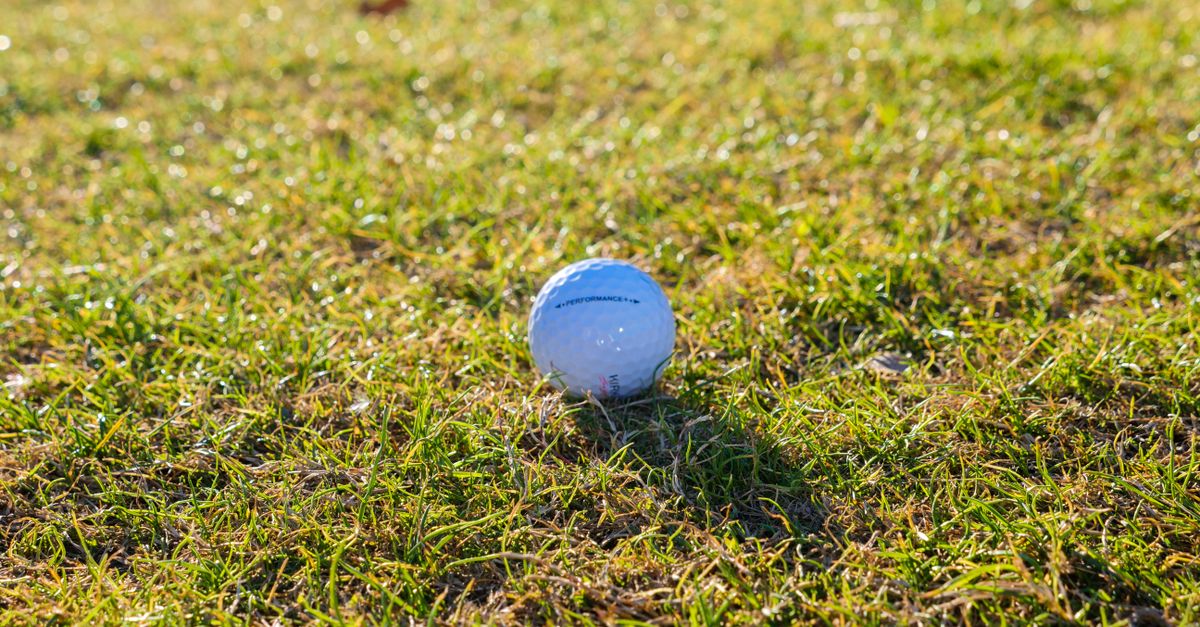
Walk your course this week and look at the pitch marks. There aren't any. The fairways have gone the colour of a digestive biscuit, tee shots land and keep running, and the greens are taking a full pitching wedge and spitting it out over the back. Then look in your bag, where you will almost certainly find the same ball you put there in April — chosen, sensibly, when the ground was soft, the fairways ate your run-out and every yard of carry was a yard you had to buy. That was the right call in April. It is quietly the wrong call now, and the reason it is wrong has nothing to do with the ball getting worse. The ground changed jobs, and almost nobody adjusts.
The ground is doing half your work now
Here is the argument in one line: in peak summer, distance gets cheap and stopping gets expensive. Firm fairways turn a decent drive into a very long one with no help from your equipment, so the thing you spent money optimising for — carry, low spin, a straighter flight — is being handed to you for free by the turf. Meanwhile the shot that actually decides the hole has flipped. In spring, a receptive green forgives an approach that arrives hot and flat. In August it does not: the ball pitches, refuses to bite and releases through the back, and you are chipping back into the grain from a spot you were never aiming at. Same swing, same ball, completely different outcome, and the variable that changed is one you cannot buy.
The player who wins in March is the player who loses in August
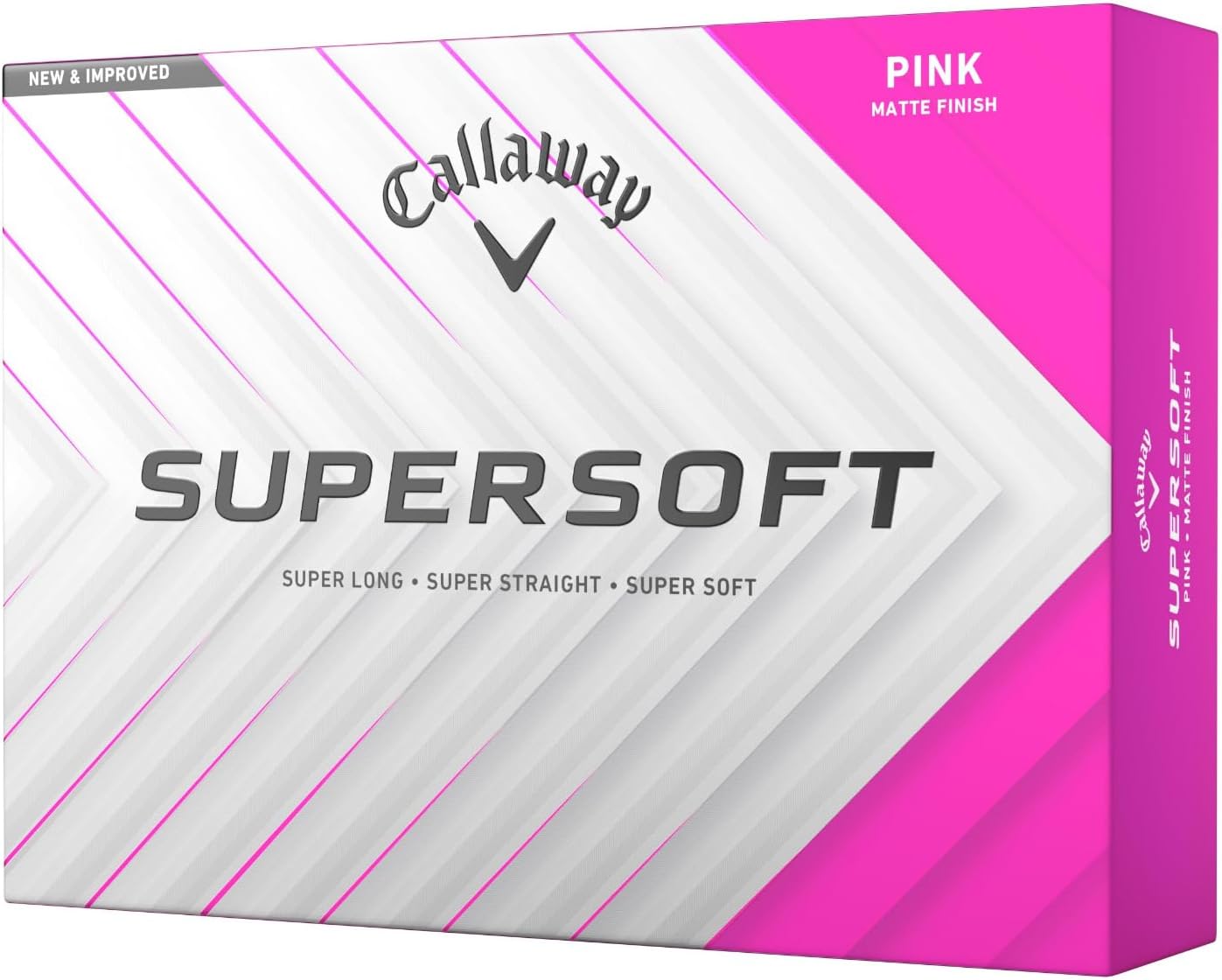
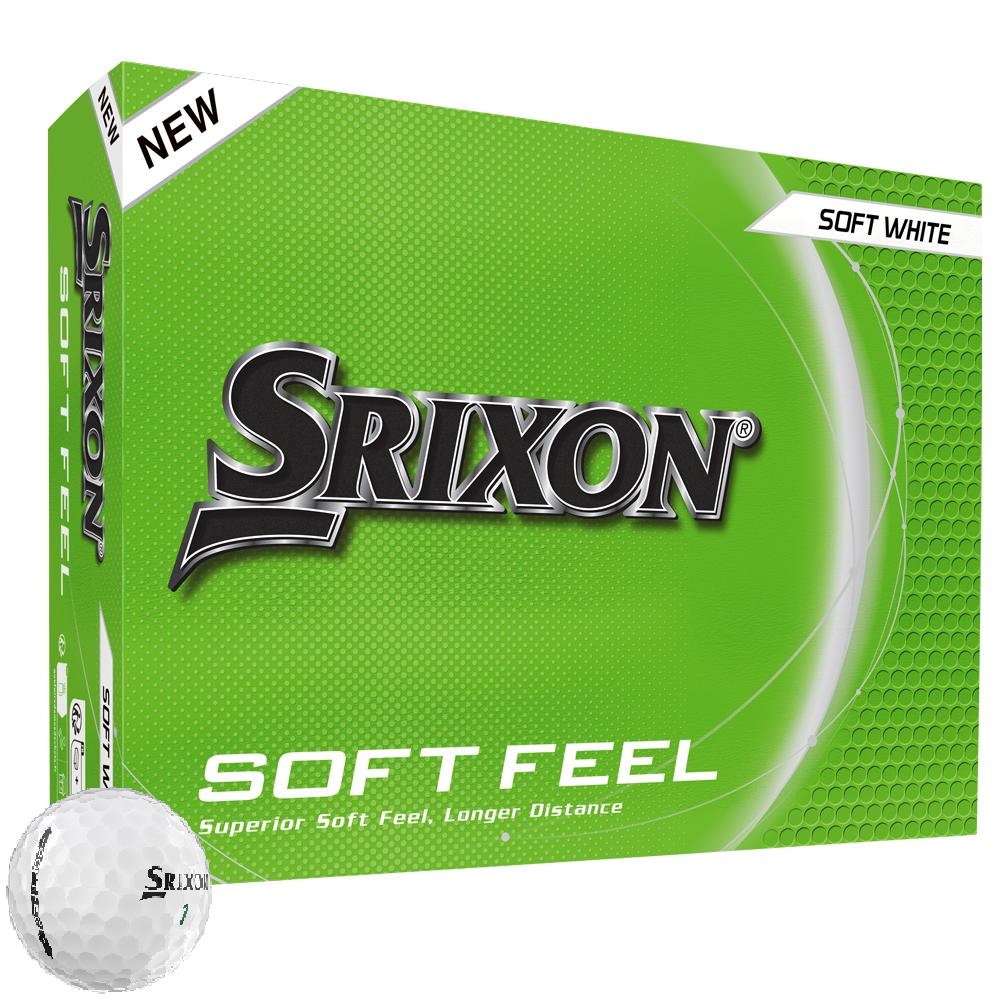
This is the uncomfortable bit. Low-compression distance balls are genuinely excellent products for the golfers they are aimed at. The Callaway Supersoft sits at around 38 compression with low spin for a straighter flight, aimed at slow and moderate swing speeds — and in the pink matte finish it is also the easiest ball in the world to follow when the rough has burnt out to straw. The Srixon Soft Feel is the same idea at its most sensible: a soft, low-compression two-piece, long, and cheap enough that losing one does not sting. Both do exactly what they promise.
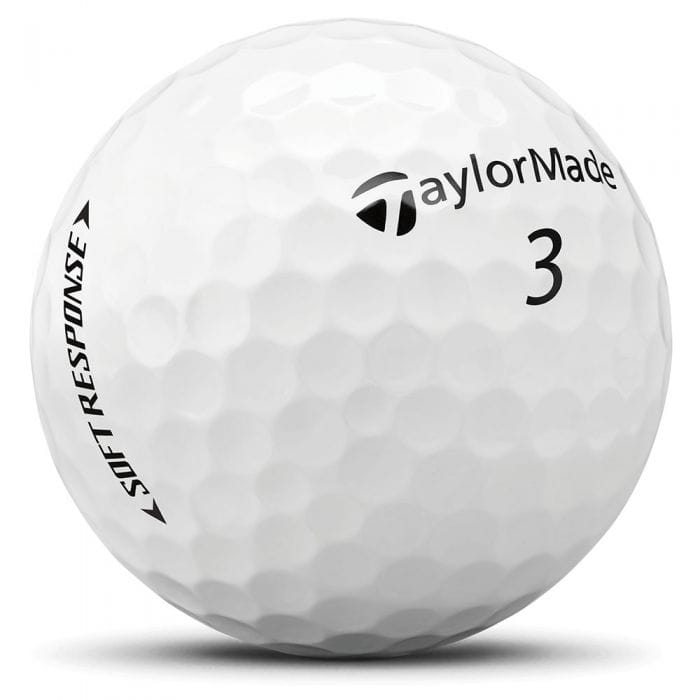
But read what they promise again, then read the conditions outside. Low spin, straighter flight, easy carry at moderate speed. Every one of those is a spring and autumn virtue. The TaylorMade Soft Response makes the tension even clearer — a three-piece with a core around 35 to 50 compression and a soft ionomer cover, with a dimple pattern specifically designed to hold distance at lower spin. That is a beautifully engineered answer to the question of how to get a moderate swing down the fairway. It is not an answer to the question of how to stop a wedge on a green that has not seen rain in three weeks. Ionomer covers are not urethane covers, and on firm greens that difference stops being academic.
What changing actually looks like
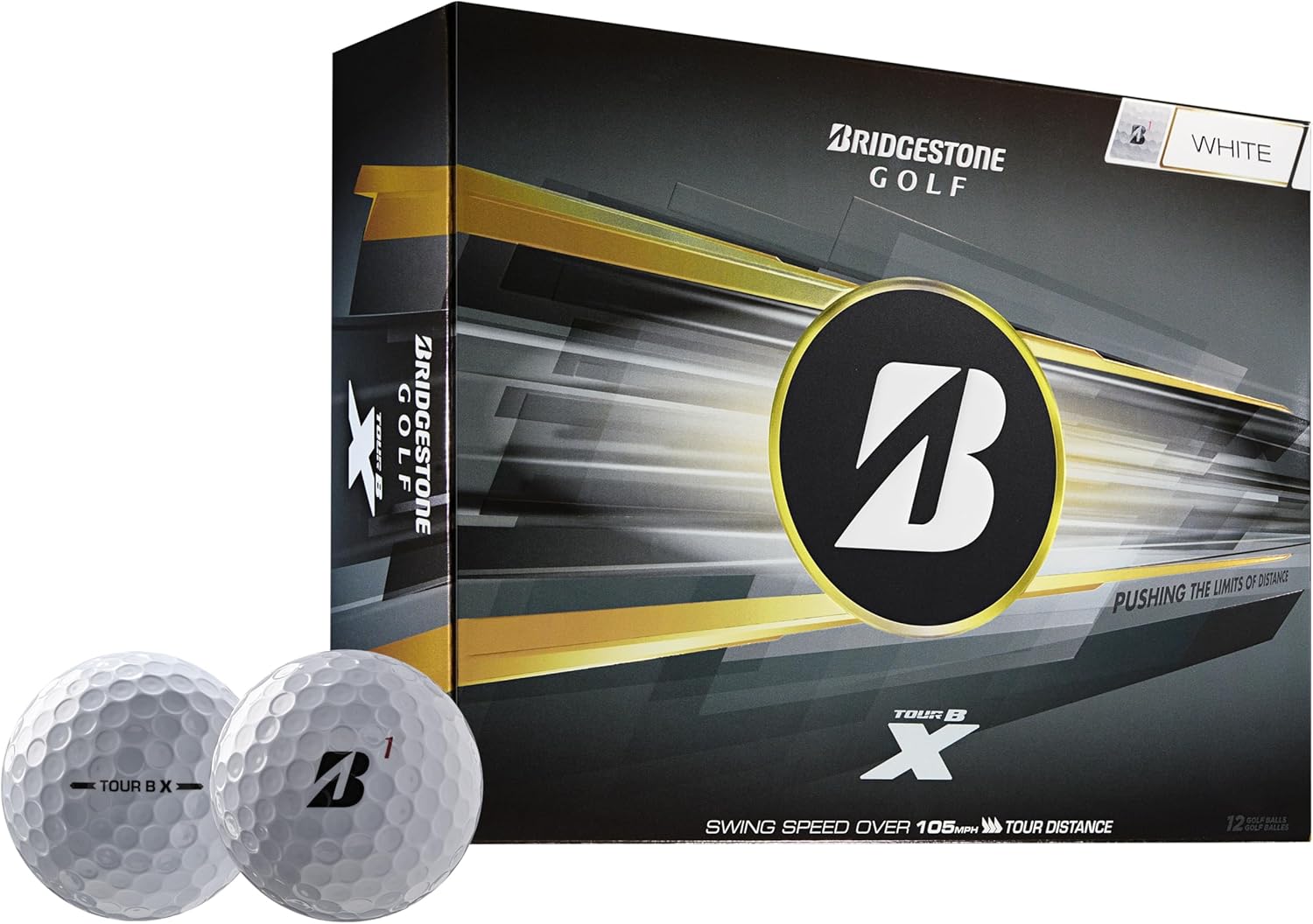
The move is not to buy the most expensive ball on the shelf and call it a strategy. It is to shift your priority from the first half of the shot to the second: a firmer, urethane-covered ball with real greenside bite, in a compression that suits the speed you actually swing at. For faster swingers that argument leads somewhere obvious. The Bridgestone Tour B X is a firmer tour ball with a REACTIV iQ cover built for speed and control, a penetrating flight and low driver spin paired with genuine greenside bite — and Bridgestone is explicit that it is built for swing speeds around 105 mph and above. That last clause matters more than the rest of the sentence. If you do not swing near that, do not buy the Tour B X on the strength of this article; buy the urethane ball that matches your own speed. The principle travels, the model does not.
Be honest about how big this effect is
Now the limits, because an opinion that will not name its own weak points is just advertising. This is a sleeve test, not a religion. Buy three balls, play them for a nine-hole evening, and judge it on the only shots that matter here — mid-iron approaches into a firm green and anything from 100 yards in. If the ball you already play stops well enough, you have your answer and you have saved yourself the switch. It also has to be said plainly that for a lot of high handicappers this entire argument rounds to nothing. If your approach shots are landing on the right green roughly half the time, the difference between an ionomer cover and a urethane one is noise next to where the ball is going. Dispersion beats spin every single time, and no ball fixes a slice. And there is a real cost the other way: firmer, higher-compression balls need speed to compress, and a moderate swinger who chases summer spin can end up feeling like they are hitting a stone and losing more off the tee than they gain into greens.
Who should ignore all of this
Ignore me if you play a course that stays soft through summer, or you live somewhere August means rain — the whole argument is conditional on firm turf, and if your greens are still receptive there is nothing to fix. Ignore me if you are a genuine high handicapper working on contact; spend the money on a lesson and keep playing the cheap soft ball, which is the right ball for you all year. Ignore me if you are a slow swinger who has finally found a ball you can compress and enjoy, because feel and confidence over the ball are worth more than a theoretical spin gain you will never notice. And ignore me if you lose four balls a round, because the correct summer ball for that golfer is whichever one is cheapest and easiest to see.
The point stands anyway
Everyone else: the seasons change the job description and your equipment should occasionally acknowledge it. Golfers happily swap a winter jumper for a polo, put the waterproofs in the loft and switch to a summer glove, then play the identical ball through a 30-degree swing in ground conditions. It is the one piece of kit that touches every single shot, it costs less than any other change you could make, and adjusting it takes one trip to the pro shop. Our take on picking one in the first place is in most golfers play the wrong ball, the soft shelf is ranked in best soft feel golf balls, the firm end in best premium golf balls, and there is more across the balls hub. Try one sleeve. Worst case, you learn your ball was right all along.
Products mentioned in this article
Bridgestone
Bridgestone Tour B X Golf Balls
The firm-conditions counter-argument: a REACTIV iQ cover with real greenside bite, built for swings around 105 mph and up.
TaylorMade
TaylorMade Soft Response Golf Balls (Dozen)
A properly soft three-piece at around 35-50 compression — brilliant in spring, working against you on baked greens.
Callaway
Callaway Supersoft Golf Balls (2025, Pink)
Around 38 compression, low spin and a straighter flight, in a matte pink you will not lose in burnt-out rough.
Srixon
Srixon Soft Feel Golf Balls (Dozen)
The sensible everyday two-piece: soft, long and cheap, and the ball most club golfers should still be playing in August.
ifrothgolf earns a commission on purchases made through these links, at no extra cost to you. It never changes what I recommend. Full disclosure.
Frequently asked
- Should you change golf ball in summer?
- It is worth testing. Firm summer fairways add roll, so the distance a low-compression ball was buying you is partly free, while firm greens make stopping the ball the harder job. A firmer, urethane-covered ball with more greenside bite often suits those conditions better, but only if the compression still matches your swing speed.
- Why do low-compression soft balls struggle on firm greens?
- They are built around low spin, a straighter flight and easy carry at moderate speed, usually with an ionomer rather than urethane cover. That combination is ideal when the ground is soft and forgiving, but on baked greens the ball arrives with less spin to bite with and releases through the back more often.
- Is the Bridgestone Tour B X the right summer ball for everyone?
- No. It is a firmer tour ball with a REACTIV iQ cover, penetrating flight and low driver spin, and Bridgestone builds it for swing speeds around 105 mph and above. If you do not swing near that you will struggle to compress it, so take the principle rather than the model and find a urethane ball suited to your own speed.
- Does the golf ball really matter for a high handicapper?
- Far less than where you hit it. If approach shots are missing greens regularly, dispersion swamps any difference between covers and compressions, and a soft, cheap, easy-to-see ball remains the sensible choice all year. Seasonal ball tuning is a refinement for golfers who are already finding greens.
Read next
Versus
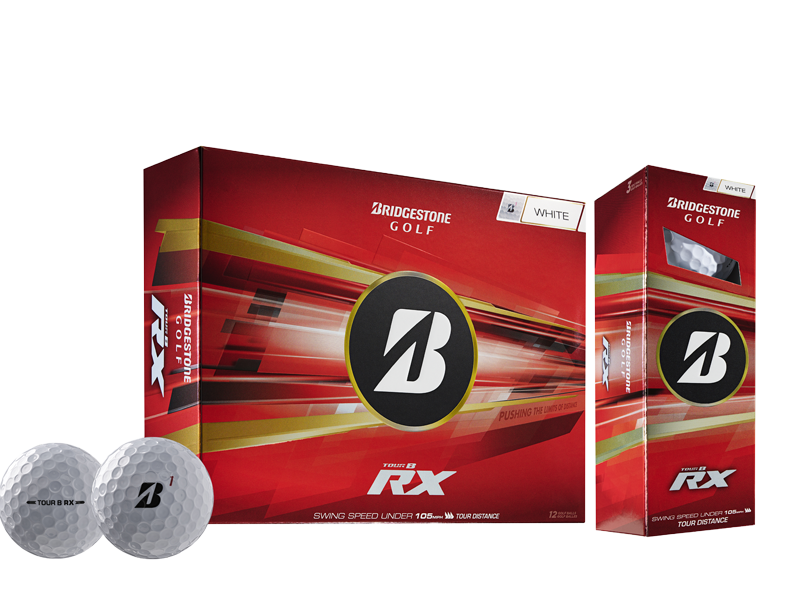
Bridgestone Tour B RX vs Callaway Chrome Soft: one is fitted to your swing speed, the other to your taste
Two premium urethane balls sold on softness, from two brands that decide what soft means in completely different ways. One asks how fast you swing. The other asks what you like.
Review
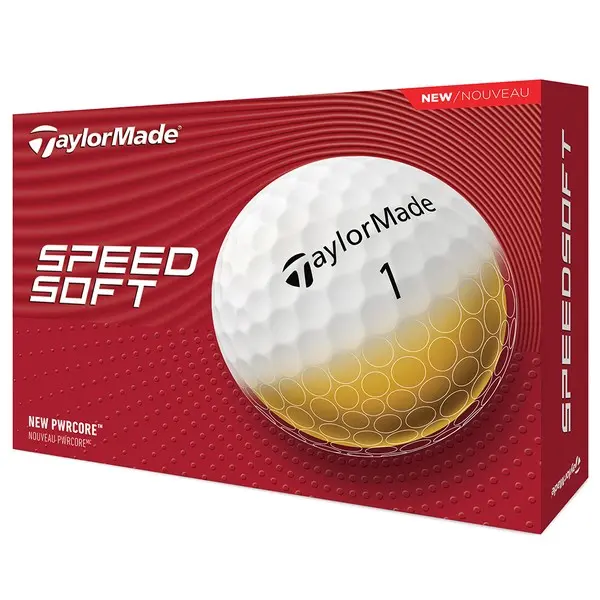
7.9/10TaylorMade SpeedSoft review: the two-piece ball that still spins a wedge
Sub-50 compression and an ionomer cover, which is supposed to mean nothing happens around the green. Independent launch-monitor testing keeps putting it near 6,000 rpm off a wedge. Here is the golfer that actually helps.
Review
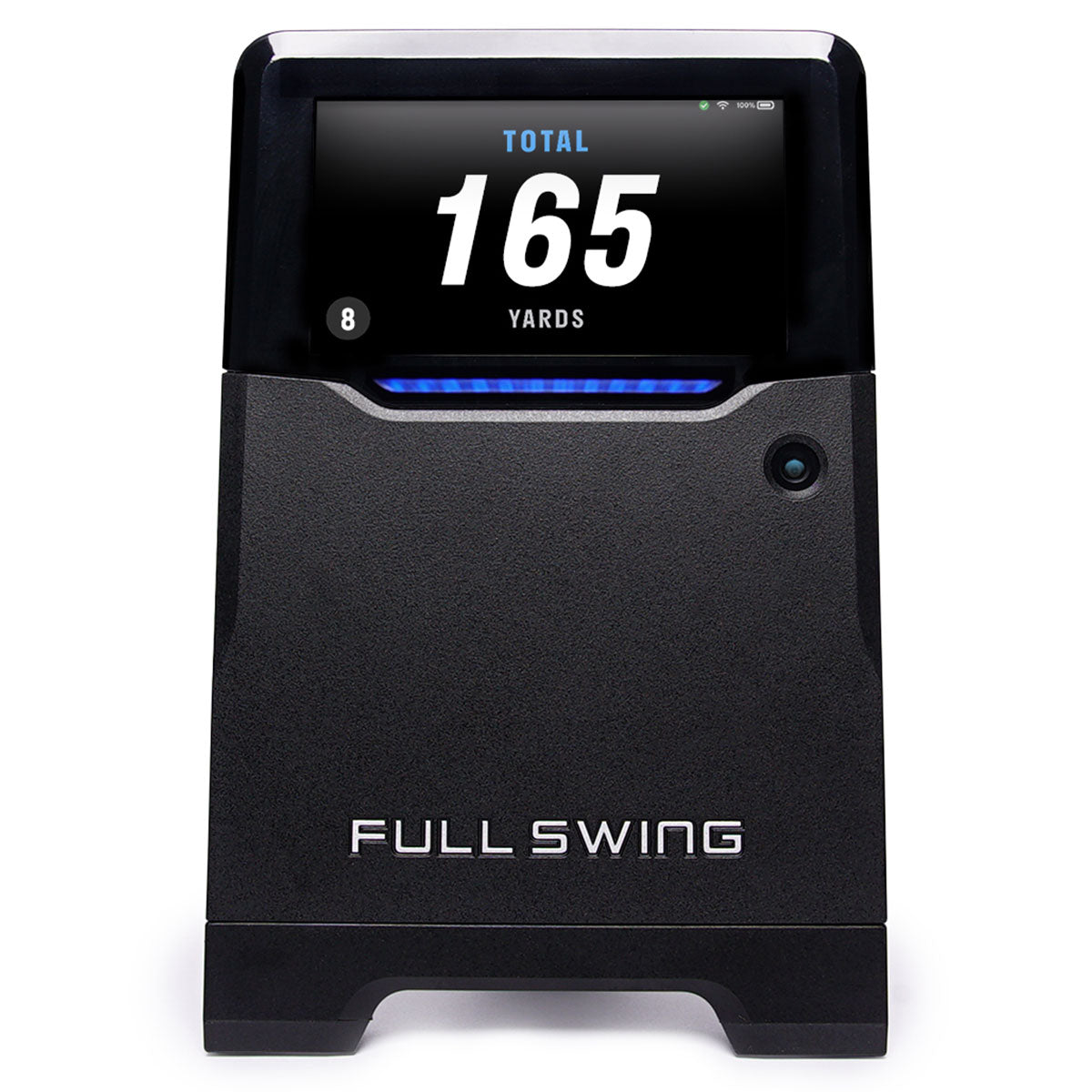
7.9/10Full Swing KIT review: the tape measure decides this, not Tiger
Tour pedigree, TGL on ESPN, and radar good enough to be checked against a Trackman outdoors. It also wants eighteen to twenty feet of room, which rules out most of the garages people buy it for.