
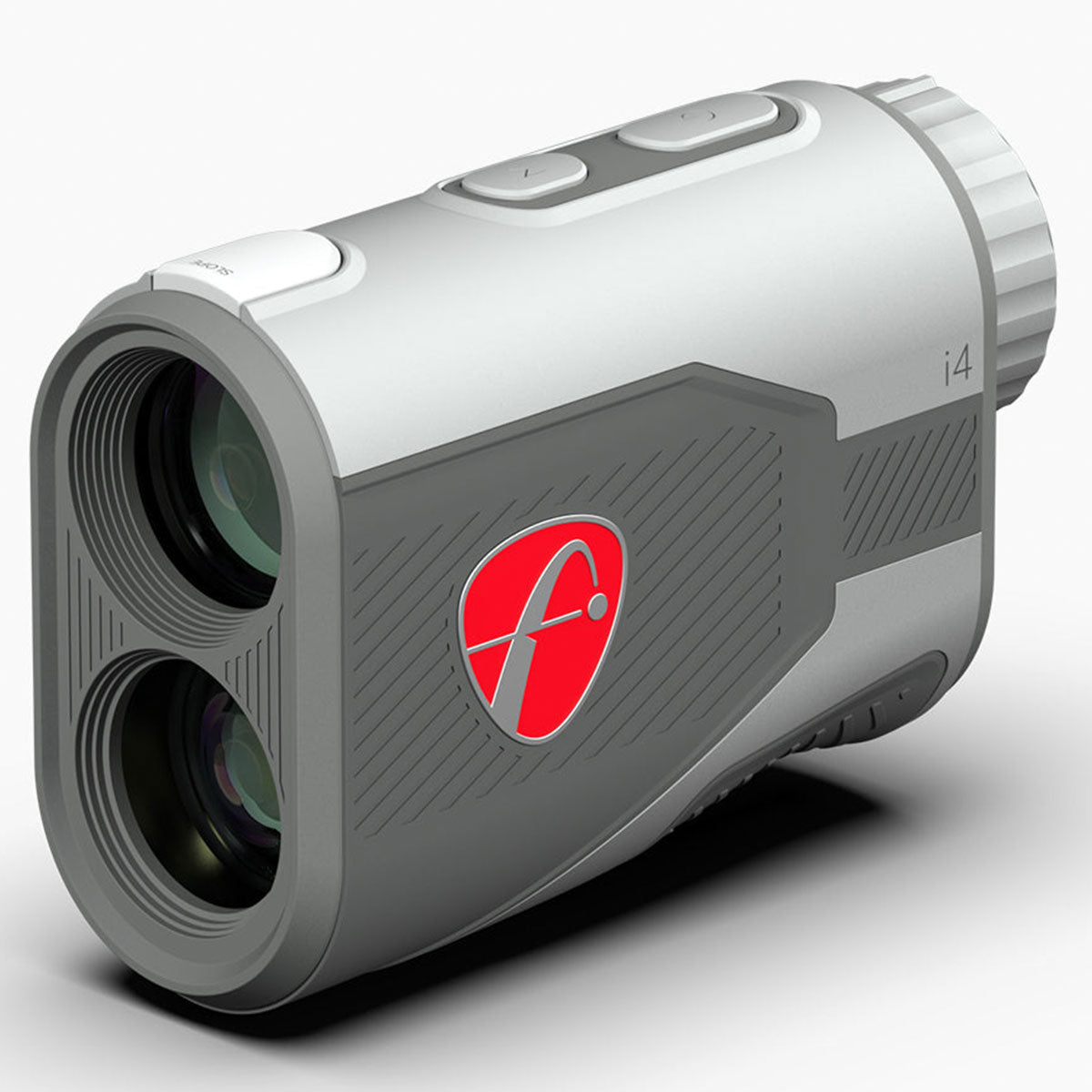
FlightScope has spent twenty years measuring what a golf ball does in the air, which makes it the most credible company in golf to attempt this particular trick. The i4 doesn't just tell you it's 163 yards; it applies real-time environmental data and ballistic calculation to tell you what that 163 actually plays as, given the air you're standing in. In principle that's the most useful thing a rangefinder could possibly do — temperature, altitude and wind move a mid-iron more than most amateurs credit, and everyone has stood on a cold, damp tee wondering whether to take one more club. Two honest caveats before you spend. First, an adjusted number is only ever as good as the model behind it, and 'AI' in this category is doing a lot of undefined work across every brand selling it — FlightScope's ballistics pedigree is the strongest reason to believe this one, but it's still a model. Second, adjusted distances are not tournament legal, so you'll be switching it off for anything with a card. Treat it as a very smart practice-round and social-golf tool from the company most likely to have got the physics right, and it's a genuinely interesting piece of kit.
Best AI Rangefinders 2026
Lasers that do more than measure — and the one caveat that applies to all of them.
A rangefinder used to do one thing: tell you how far away something is. In 2026 a new tier has appeared that claims to do considerably more — apply live weather and ballistics so the number reflects what the shot will actually play as, or hand the reading straight to your shot-tracking app so your statistics stop guessing where the pin was. The three units here are the credible attempts, and they're genuinely different products rather than the same idea rebadged.
Before any of it, the caveat that applies to all three and appears in almost no marketing: an adjusted distance is not tournament legal. Slope has been the well-known version of this for years, but wind and weather compensation is squarely in the same category — you'll be switching the clever features off for anything with a card, which means the intelligence is a practice-round, social-golf and course-management tool rather than something that helps you on medal day. That's still valuable. It's just not what the box implies.
The second thing to hold onto is that 'AI' is doing an enormous amount of undefined work across this category. Every brand uses the term and almost none of them explain the model. That's why the pedigree behind it matters more than the badge: FlightScope has spent twenty years measuring what golf balls actually do in the air, which is the strongest reason to trust its ballistics; Arccos has the largest shot database in amateur golf and uses it for something narrower and more defensible — closing the pin-position gap that makes tracking stats approximate. Mileseey's GenePro S1 is the most conventional of the three, leaning on green mapping and a long-range lock rather than prediction.
Who should ignore this category entirely? Anyone who mainly plays competition golf, and anyone whose honest need is a fast, accurate number — that's been solved for years at a third of these prices, and our best rangefinders guide covers it. Buy in here because you want your yardages to account for the wind you're standing in, or because you want your approach statistics to finally be right — not because a laser has the word intelligent on it.
ifrothgolf earns a commission on purchases made through these links, at no extra cost to you. It never changes what I recommend. Full disclosure.
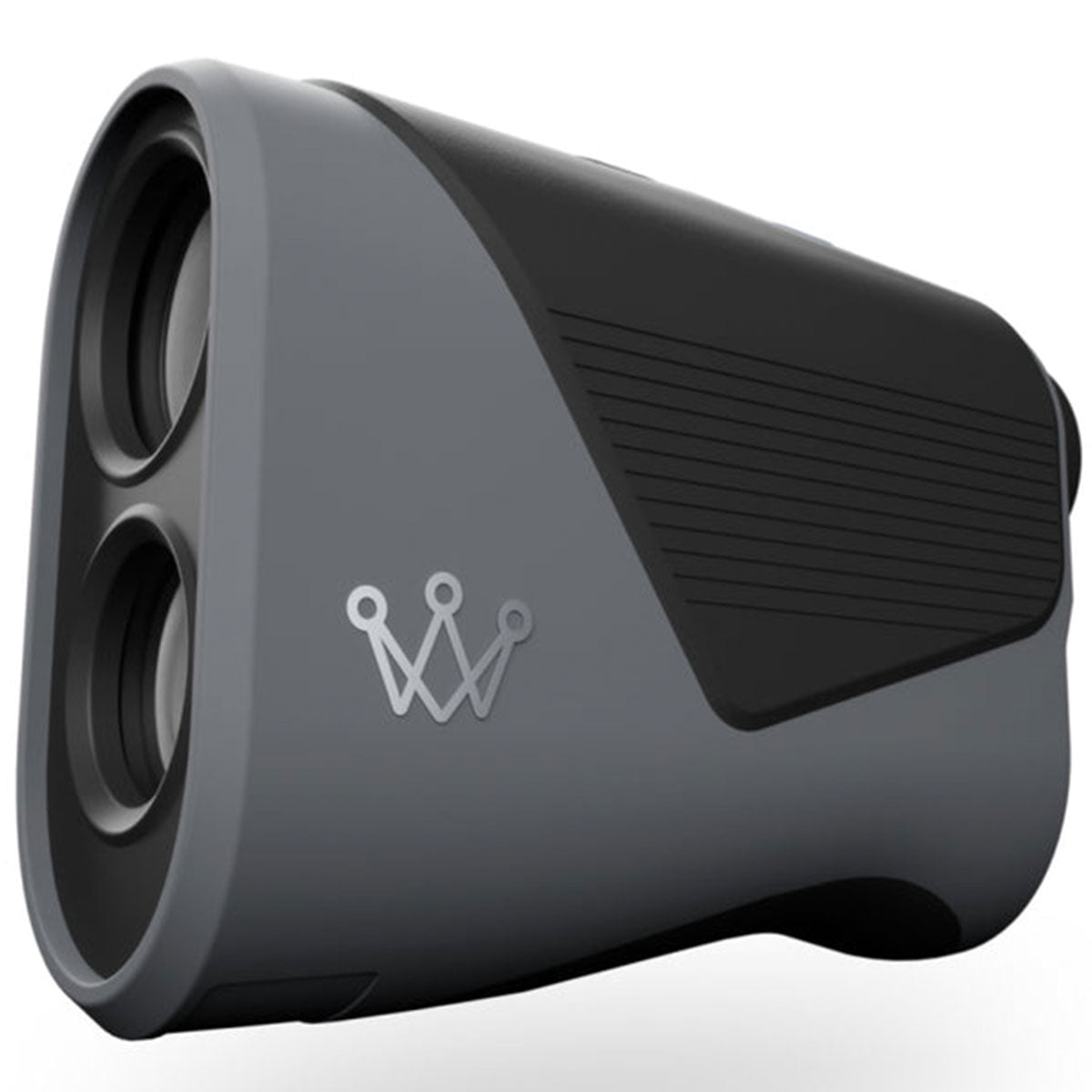
The clever idea here isn't the laser, it's the join. Anyone using automatic shot tracking knows the weak link is pin position: the app knows where you hit from and roughly where you finished, but the distance-to-hole maths leans on where the flag was that day, and it guesses. The Smart Laser closes that loop by auto-setting the pin every time you range it, which quietly makes your approach statistics genuinely accurate rather than approximately so. On top of that it adjusts yardages for wind, slope and weather in real time and — unusually for hardware — improves through software updates rather than being frozen at the spec it shipped with. The catch is the one that follows Arccos everywhere: a subscription. The laser carries its own Smart Laser Subscription, separate from Arccos Game Tracking, with the first year included and an annual renewal after that; it powers the live weather adjustments, full plays-like distances, AI Strategy and green maps. Since March 2026 Arccos has sold it as a standalone rangefinder that needs no sensors and no Game Tracking membership, though without them you get distances and strategy rather than shot tracking or strokes gained. So it works on its own, but it makes most sense alongside the Arccos sensors: priced against pure rangefinders it looks ordinary, and priced as the piece that makes your tracking data trustworthy, it's the most interesting thing in the category. Buy it if you're already in; look elsewhere if you just want a number and no renewal.
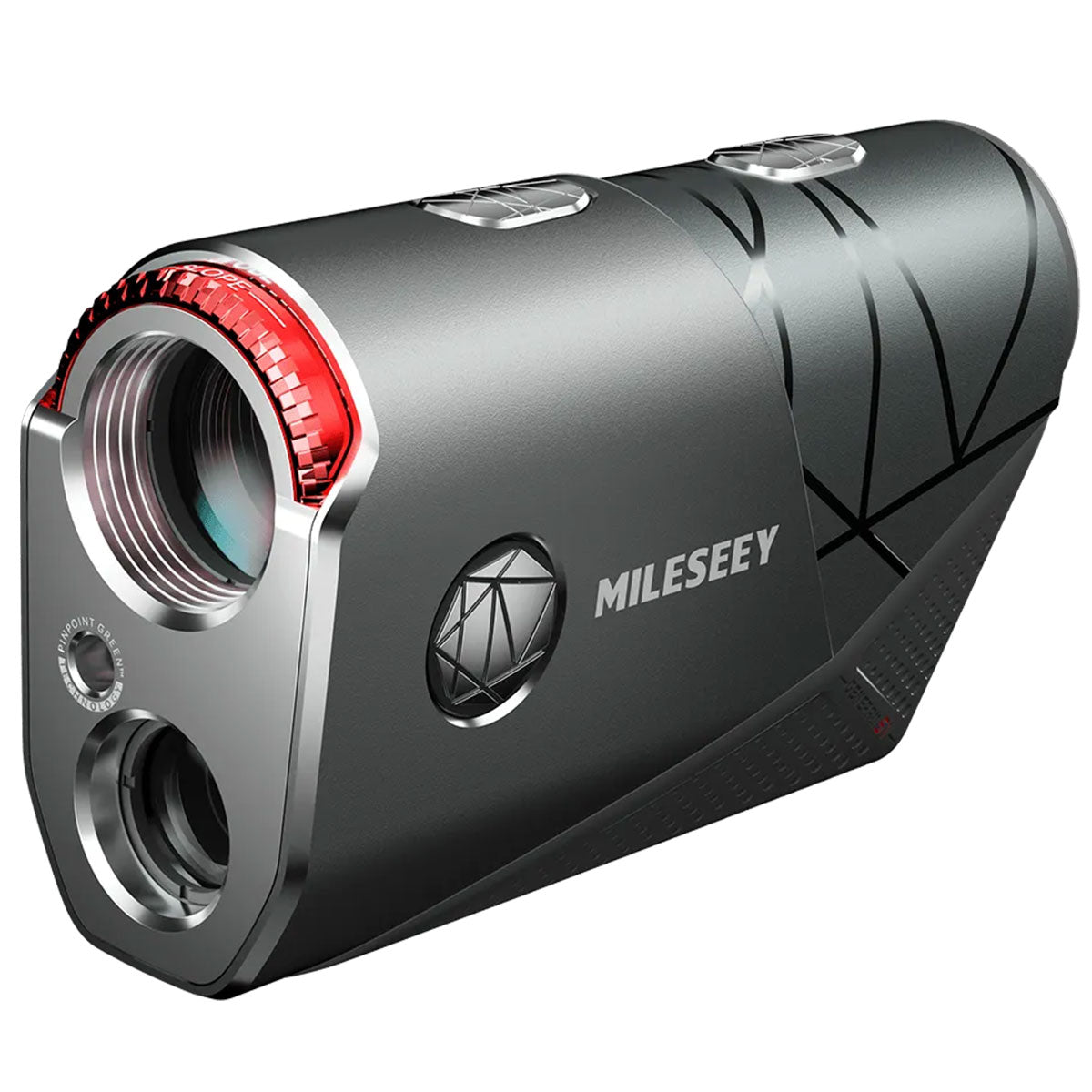
Mileseey made its name undercutting Bushnell by two-thirds, so a flagship at this price is a statement of intent rather than a value play. What you get for it is the fullest feature set the brand has built: PinPoint Green technology that maps the shape of the green rather than just ranging the stick, a flag lock that reaches out to 690 yards, SmartSlope compensation, point-to-point measuring for working out lay-ups and carries, and a dual-colour display that flips automatically for contrast against a dark treeline or a bright sky. The magnet is genuinely strong, which sounds trivial until you've watched a cheaper unit slide off a cart rail. The honest question is whether any golfer needs this much rangefinder: the accuracy that affects your score is available for a third of the money, and what you're buying above that is reading comfort, green detail and the confidence of a fast lock. If you want Mileseey's ceiling rather than its famous value corner, this is it — but check the Series 3 Max money first and be honest about whether you'll use the extra.
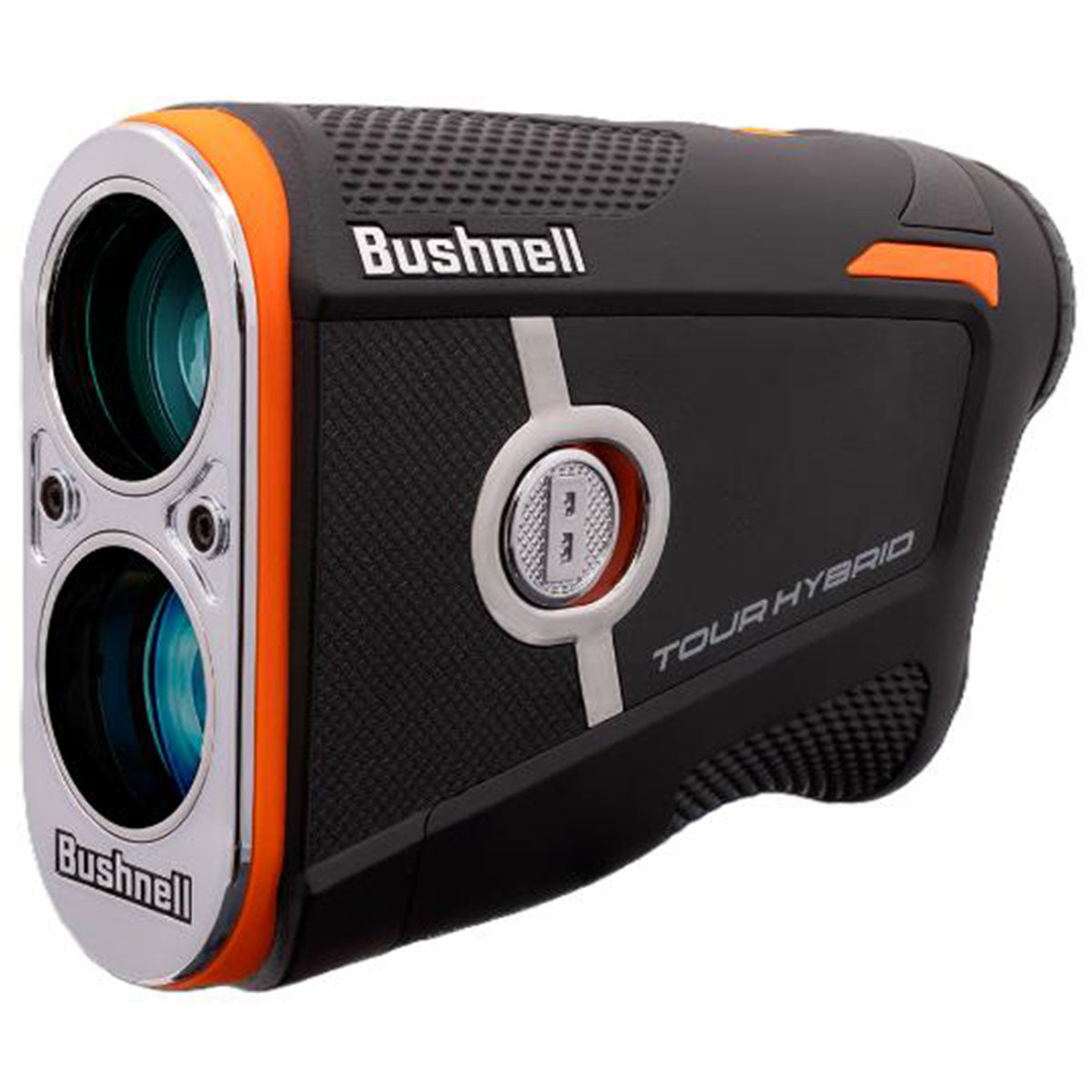
Most golfers who care about distance end up carrying two devices, and the reason is that lasers and GPS answer different questions. A laser gives you a precise number to something you can see; GPS gives you front, centre and back when the green is blind, or a carry over a bunker you can't range. The Tour Hybrid puts both in one body, with the GPS yardages displayed inside the viewfinder alongside the laser reading, so you get the full picture without lowering the unit and pulling out a watch or a phone. It's the same Bushnell fundamentals underneath — PinSeeker with Visual JOLT so you know you've hit the flag and not the tree behind it, 6x magnification, slope that switches off for competition, and a magnetic mount for the cart rail. The trade-off is size, and a price that needs checking rather than assuming: it's a chunkier unit than a pure laser, and depending on the market it sits anywhere from level with a flagship laser to a clear premium over one, so compare it on the day rather than trusting a rule of thumb. Either way the maths only works if you'd genuinely have bought both a laser and a GPS, which for a decent number of golfers is true. If you already wear a GPS watch you're comfortable with, buy a pure laser like the Tour V7 Shift instead — you'd be paying for the half you already own.
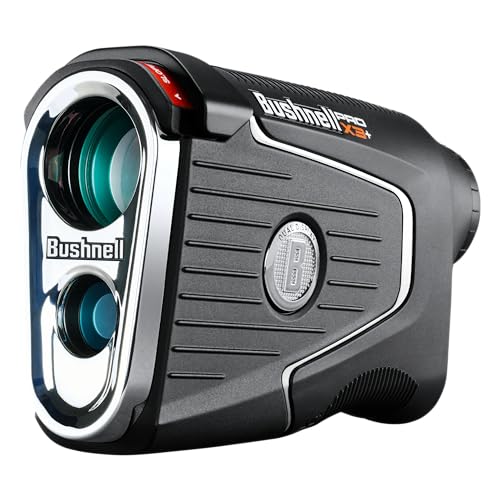
The Bushnell Pro X3+ is the top-of-the-range laser rangefinder, aimed at the golfer who wants every bell and whistle: slope, elevation, temperature, and now real-time wind data piped in from the app.
Frequently asked
- Are AI golf rangefinders legal in competition?
- Not with the adjustments switched on. Wind, weather and slope compensation all fall foul of the same rule, so you must disable those features for any round played to a card. The laser itself remains legal — it is only the adjusted number that is not.
- What does AI actually do in a rangefinder?
- Two different things depending on the unit. Some apply live environmental data and ballistic modelling so the yardage reflects what the shot will play as in current conditions. Others use it to identify the pin automatically and feed that position to a shot-tracking app so your statistics are accurate. The term is used loosely, so check which one a unit means.
- Is an AI rangefinder worth it over a normal one?
- Only for specific reasons. Accuracy and lock speed — the parts that affect your score — have been solved for years at a third of the price. Pay up if you play in genuinely windy or variable conditions and want that counted, or if you track your rounds and want your approach stats to stop guessing at pin position.
- Which AI rangefinder has the most credible technology?
- The FlightScope i4 has the strongest pedigree, because FlightScope has spent two decades measuring real ball flight and the ballistics behind the adjustment are its core business. The Arccos Smart Laser makes a narrower and arguably more defensible claim — using the pin position to make tracking data accurate rather than predicting flight.
- Do AI rangefinders need a subscription?
- Some do. The Arccos Smart Laser includes a first year and renews after that, because it is really a component of the Arccos ecosystem rather than a standalone laser. Check the ongoing cost before comparing sticker prices across this category.
Related reading
More on this from the desk
Opinion
Golf's new AI rangefinders are genuinely clever, and you'll be switching them off
A new tier of laser promises yardages adjusted for the wind you're actually standing in. The technology is real. The bit nobody prints on the box is that you can't use it in anything played to a card.
Review
7.2/10Arccos Smart Laser review: the auto-pin is the reason to buy it, and it sits behind a second subscription
Arccos's laser drops the pin into your shot-tracking app every time you range the flag, which fixes the one number tracking has always guessed. That feature runs on the laser's own annual subscription, not the one you already pay for tracking.