
Golf's new AI rangefinders are genuinely clever, and you'll be switching them off
A new tier of laser promises yardages adjusted for the wind you're actually standing in. The technology is real. The bit nobody prints on the box is that you can't use it in anything played to a card.
By Jordan Hale · Equipment Writer
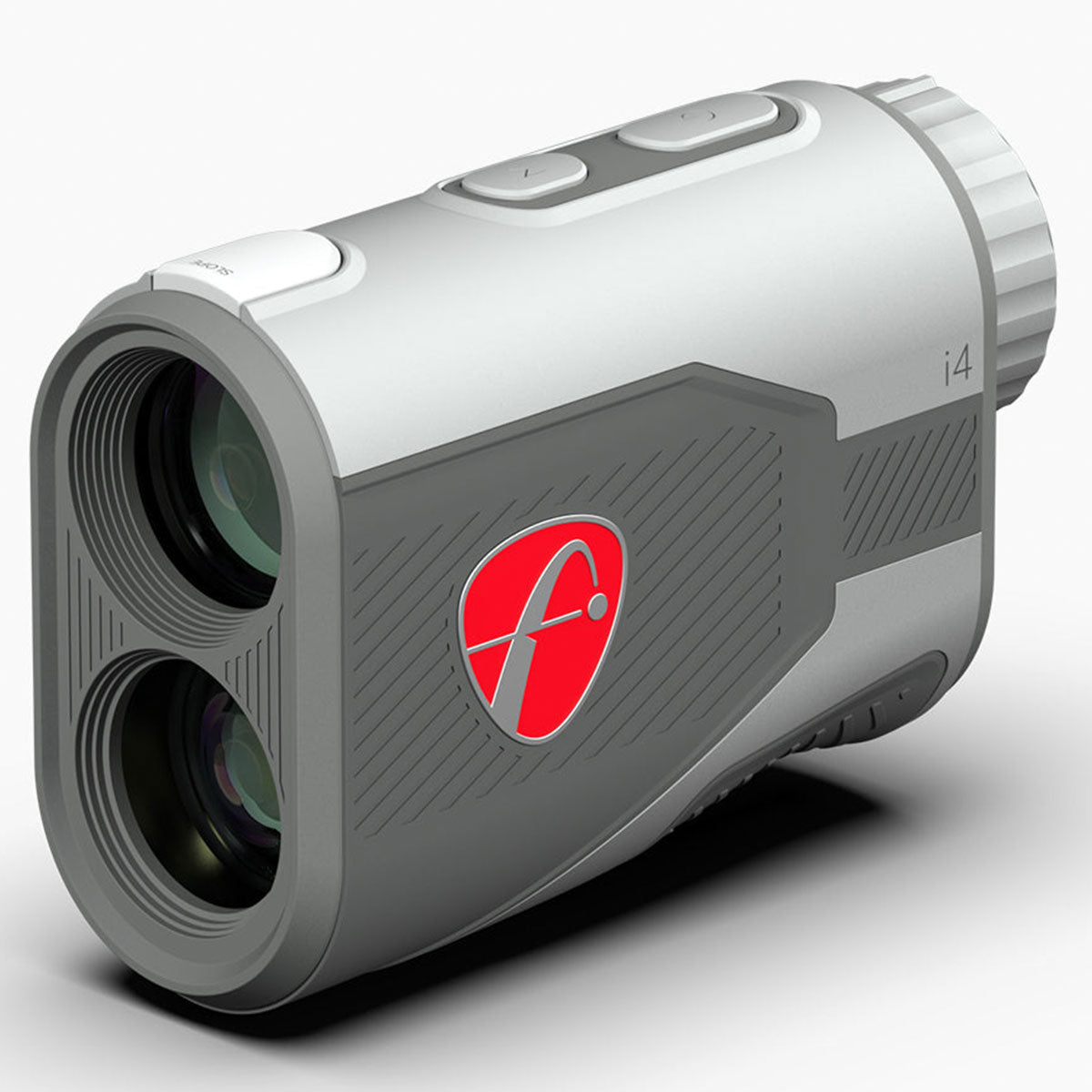
FlightScope
FlightScope i4 Smart AI
ifrothgolf earns a commission on purchases made through these links, at no extra cost to you. It never changes what I recommend. Full disclosure.
There's a new tier in the rangefinder market and it's the first genuinely interesting thing to happen to the category in a decade. Instead of telling you it's 163 yards, these units tell you what 163 yards plays as — adjusted for temperature, altitude, humidity and the wind currently blowing across the 7th. That's a real advance, because the gap between the measured number and the played number is where most amateurs lose approach shots. It's also, in competition, entirely illegal, and I've yet to see a single product page lead with that.
The rule hasn't changed, the marketing has
Slope-adjusted rangefinders have been non-conforming for years, which is why every decent unit ships with a physical switch and a visible indicator so a playing partner can see you've turned it off. Wind and weather compensation sits in exactly the same bucket: it's a distance measured and then modified by conditions, which is the precise thing the rule prohibits. So the FlightScope i4 and everything like it is a superb practice-round, casual-golf and course-management tool, and a normal laser the moment you sign for a card.
That's not a scandal — the manufacturers aren't hiding it, and the units are designed to switch modes. What bothers me is the framing. The advertising sells the intelligence as the product, while the legal reality is that the intelligence is the part you use least, in the rounds that matter least to your handicap. If you play mostly competition golf, this entire category is a very expensive way to own a normal rangefinder.
'AI' is doing an enormous amount of unexplained work
The second thing worth saying out loud: nobody defines the term. Every brand in this tier has put AI on the box and almost none of them will tell you what the model actually is, what it was trained on, or how the adjustment is derived. A yardage that has been modified by an undisclosed model is a strictly worse number than a raw measurement, unless you have a reason to trust the model.
Which is exactly why pedigree, not marketing, is how I'd choose here. FlightScope has spent twenty years measuring what golf balls really do in flight — the ballistics behind its adjustment are the company's core competence rather than a feature bolted on for a product cycle. That's the strongest reason to believe anyone in this category, and it's a reason grounded in what the company does rather than what it says.
The one that makes a narrower claim, and is better for it
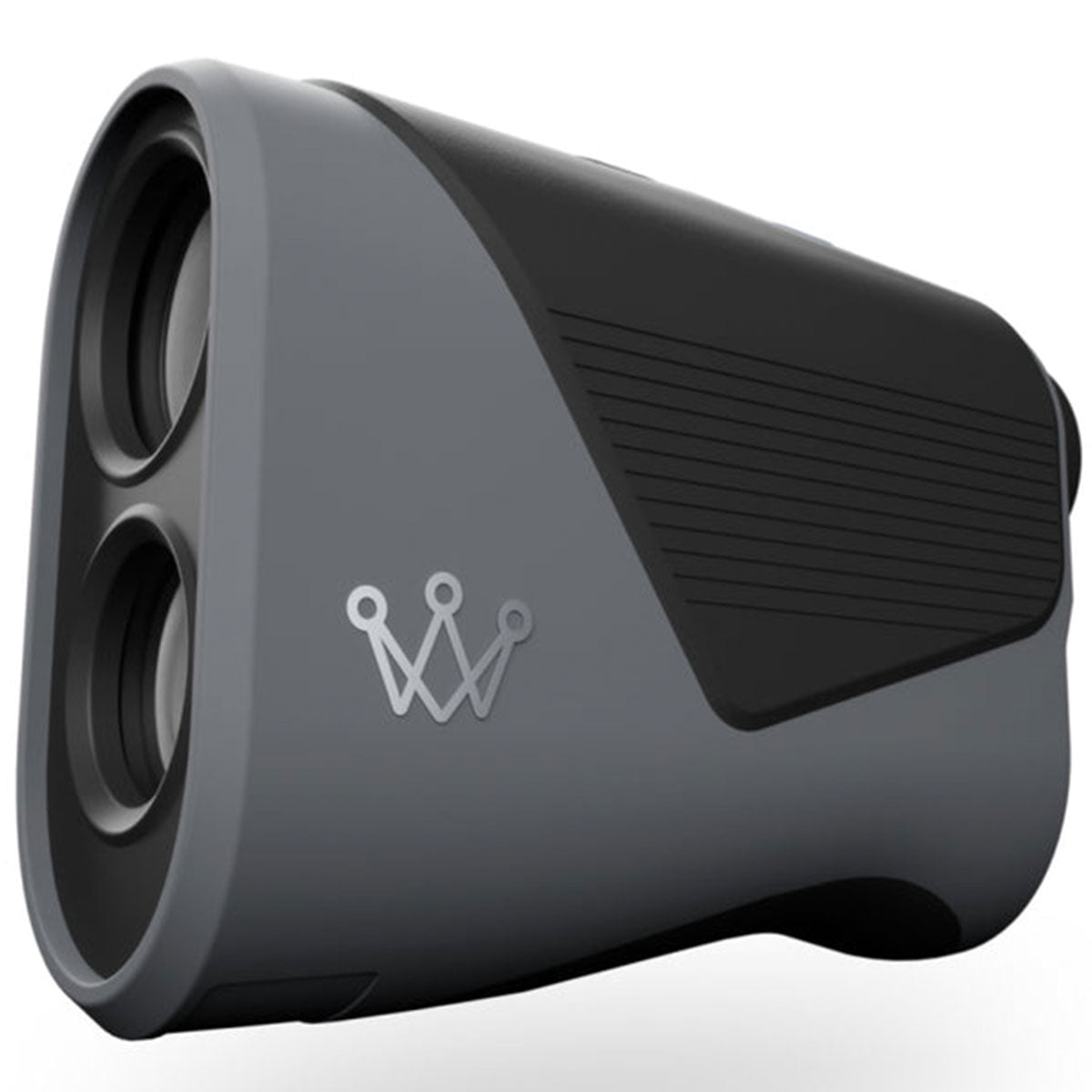
The Arccos Smart Laser interests me more than the prediction units, because it does something smaller and much harder to argue with. If you use automatic shot tracking, your approach statistics contain a hidden estimate: the app knows where you hit from and where you finished, but it doesn't know exactly where the flag was, so every distance-to-hole figure is slightly guessed. The Smart Laser auto-sets the pin when you range it, which turns those approximations into measurements.
That's not predicting the future, it's recording the present — and the difference matters when you're deciding whether to trust the output. It's also honest about being an ecosystem component rather than a standalone laser: it makes sense if you already run Arccos sensors, and looks ordinary against pure rangefinders if you don't. First year of subscription included, renewing after, which is the recurring Arccos caveat.
What the category is quietly competing against
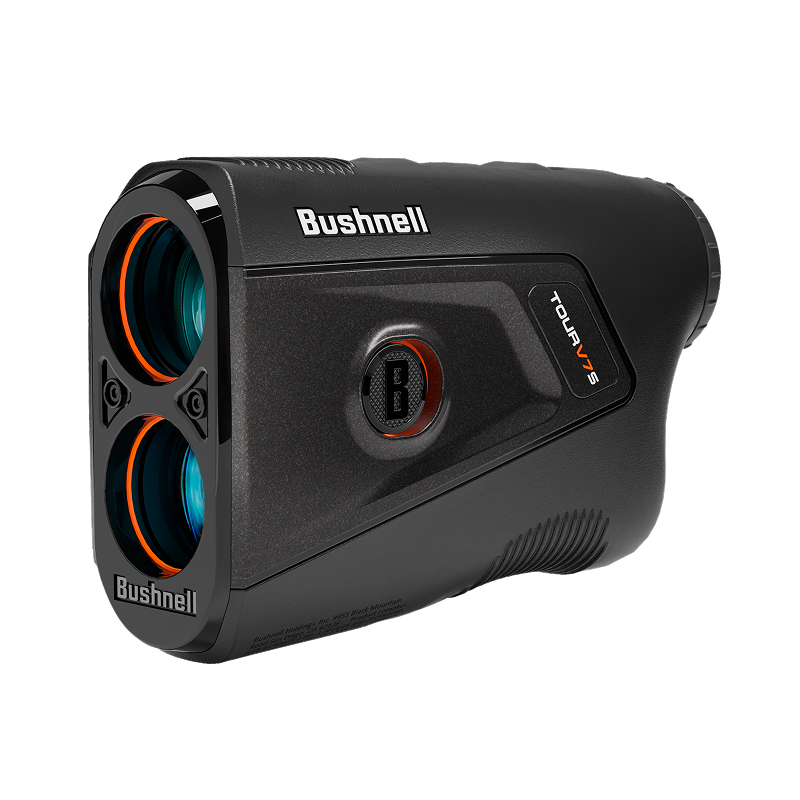
Here's the uncomfortable comparison. A Bushnell Tour V7 Shift locks a flag in under a second, is accurate to a yard, has a slope switch you can legally use in practice, and costs a fraction of a flagship AI unit. Everything in that sentence describes the part of a rangefinder that actually affects your score. The AI tier is not competing on accuracy, because accuracy was solved years ago — it's competing on interpretation, in rounds where interpretation is allowed.
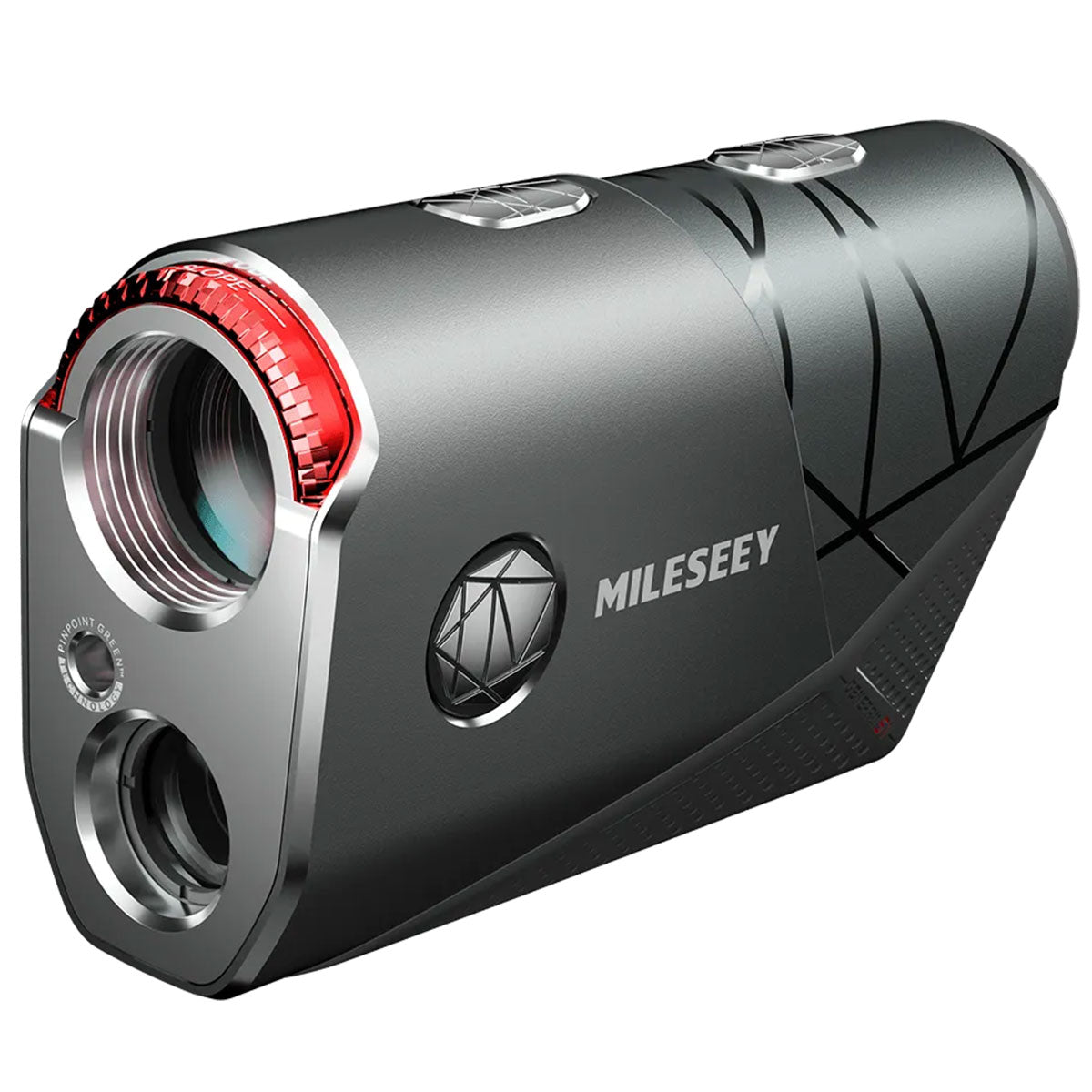
The Mileseey GenePro S1 is the interesting middle case here, and the most conventional of the three: it leans on green mapping and a 690-yard lock rather than prediction, which is a more traditional argument for a flagship price. Whether that's worth it over a mid-range laser is the same question the category has always asked, just at a higher number.
Who should actually buy in
Two groups, and neither is 'anyone who wants a rangefinder'. If you play a lot of social and practice golf in genuinely variable conditions — coastal wind, real elevation, big temperature swings — an adjusted number will teach you something a raw one can't, and you'll use it most rounds. And if you track your golf seriously, the Arccos unit fixes a real flaw in your data for a defensible reason.
Everyone else should buy a fast, accurate laser from our best rangefinders shelf and put the difference into wedges. I'd rather this category existed than didn't — it's the first genuine innovation in lasers for years, and the FlightScope physics deserves attention. Just go in knowing you're buying a practice tool with a competition switch, not a shortcut, and read the AI rangefinder shelf with the legality point front of mind rather than buried in a footnote.
Products mentioned in this article
FlightScope
FlightScope i4 Smart AI
The most credible ballistics in the category — from a company that measures ball flight for a living.
Arccos
Arccos Smart Laser
The narrowest and most defensible claim: it fixes your stats, not your yardage.
Mileseey
Mileseey GenePro S1 AI
The conventional flagship — green mapping and a 690-yard lock rather than prediction.
Bushnell
Bushnell Tour V7 Shift Laser Rangefinder
The reminder that the score-affecting part was solved years ago, for less.
ifrothgolf earns a commission on purchases made through these links, at no extra cost to you. It never changes what I recommend. Full disclosure.
Frequently asked
- Are AI rangefinders allowed in competition?
- Not with the adjustments active. Wind, weather and slope compensation are all non-conforming, so the clever features must be switched off for any round played to a card. The laser itself stays legal — it is only the adjusted number that is not.
- Do AI rangefinders actually work?
- The adjustment is only as good as the model behind it, and most brands do not disclose what that model is. FlightScope has the strongest claim because measuring real ball flight is its core business, so the ballistics behind its adjustment rest on two decades of data rather than a marketing term.
- What is the point of the Arccos Smart Laser?
- It auto-sets the pin position when you range the flag, which removes the estimate hidden inside automatic shot tracking. Your approach statistics become measurements rather than approximations. It makes most sense if you already use Arccos sensors.
- Is an AI rangefinder worth it over a normal laser?
- For most golfers, no. Accuracy and lock speed were solved years ago at a fraction of the price, and those are the parts that affect your score. The AI tier earns its money only if you play a lot of social golf in genuinely variable conditions, or you want your tracking data to be accurate.
- Which rangefinder should I buy instead?
- A fast, accurate mid-range laser with a proper slope switch. Something like the Bushnell Tour V7 Shift locks a flag in under a second and is accurate to a yard, which covers everything that changes your score, and leaves budget for the parts of your game that need it more.
Read next
Review
7.2/10Arccos Smart Laser review: the auto-pin is the reason to buy it, and it sits behind a second subscription
Arccos's laser drops the pin into your shot-tracking app every time you range the flag, which fixes the one number tracking has always guessed. That feature runs on the laser's own annual subscription, not the one you already pay for tracking.
Review
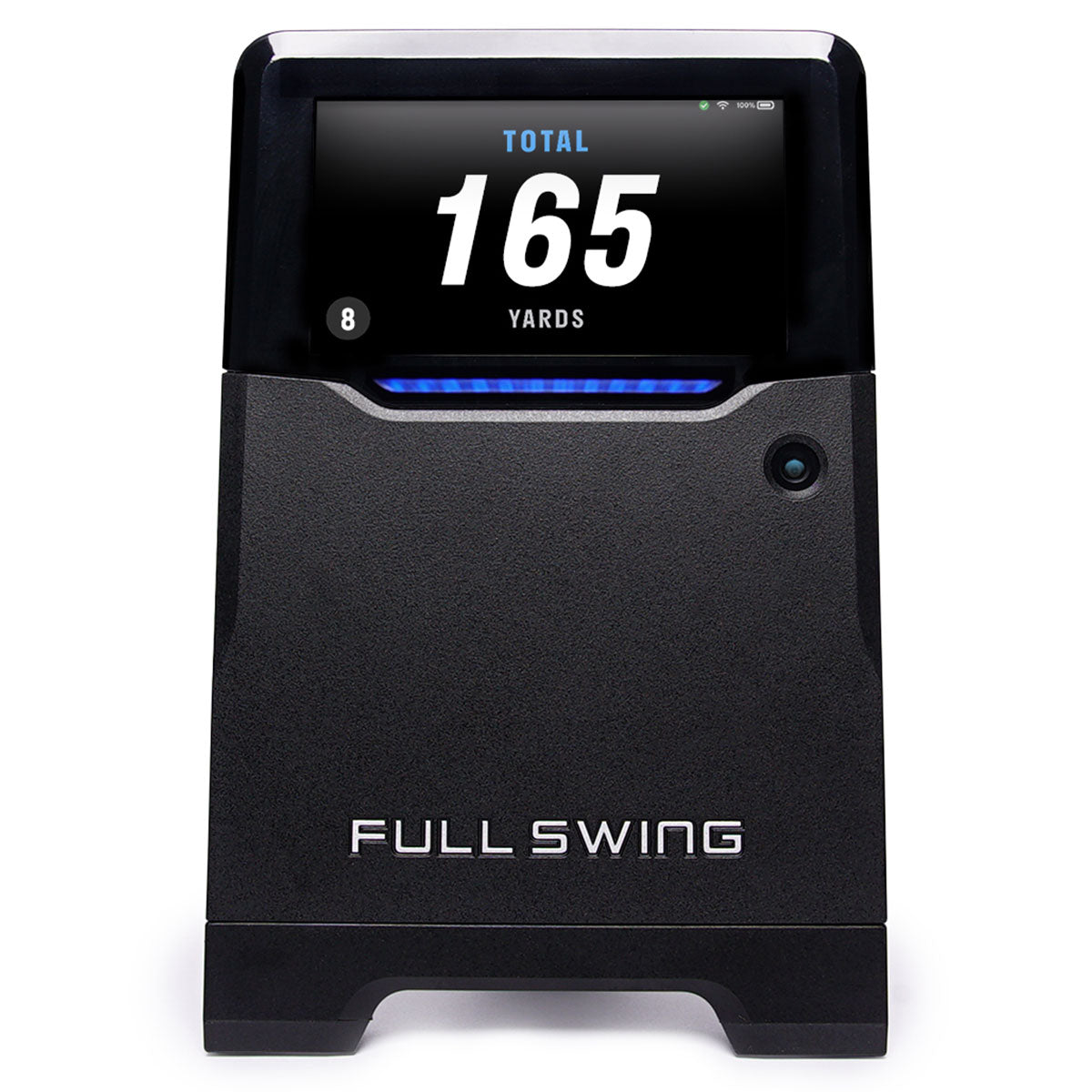
7.9/10Full Swing KIT review: the tape measure decides this, not Tiger
Tour pedigree, TGL on ESPN, and radar good enough to be checked against a Trackman outdoors. It also wants eighteen to twenty feet of room, which rules out most of the garages people buy it for.
Versus
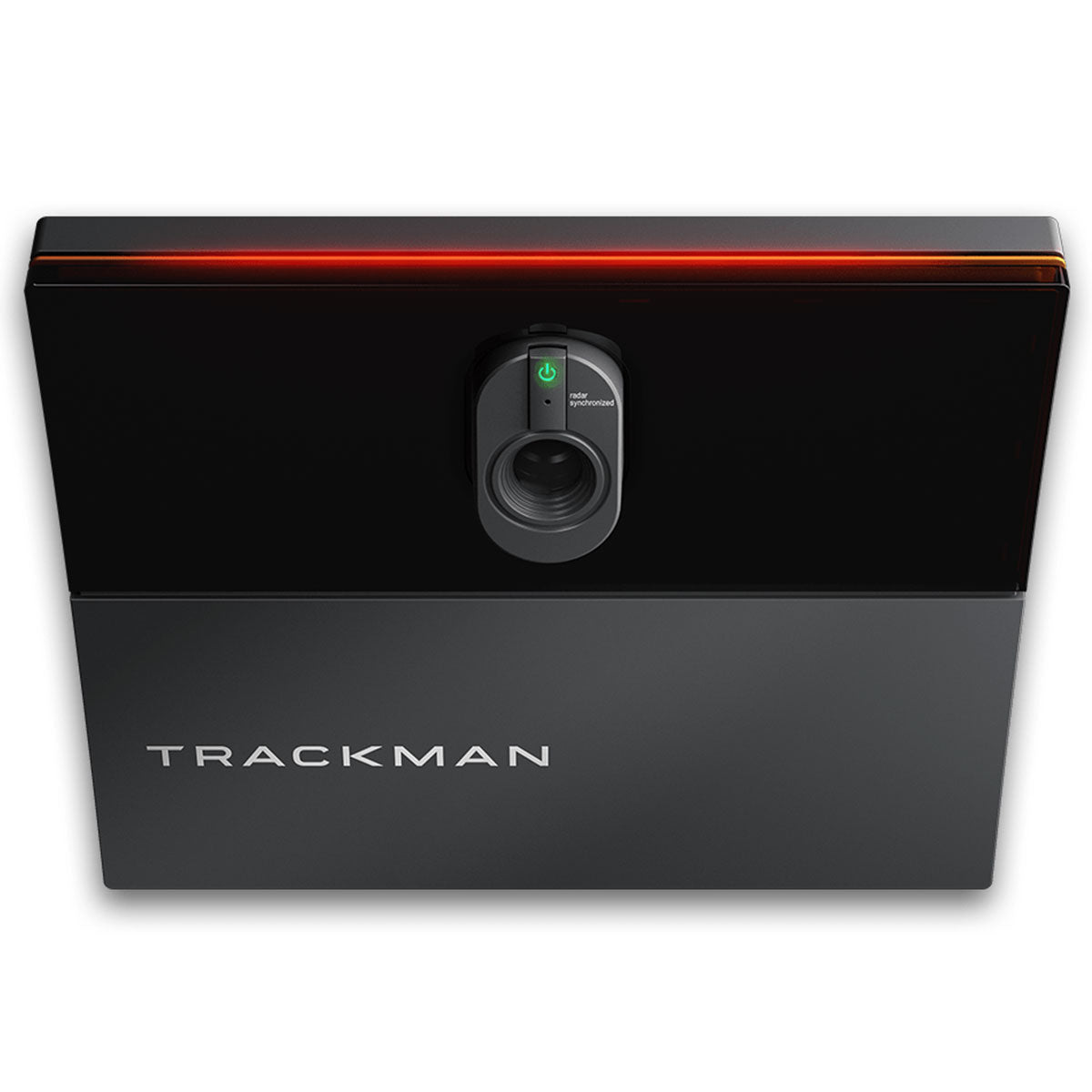
Trackman iO vs Uneekor EYE XO2: the year-one trap
Both mount overhead, both want ten feet of ceiling, and about $3,000 separates them on the shelf. Then Trackman's included first year runs out, and the gap starts growing by $1,100 a year.