
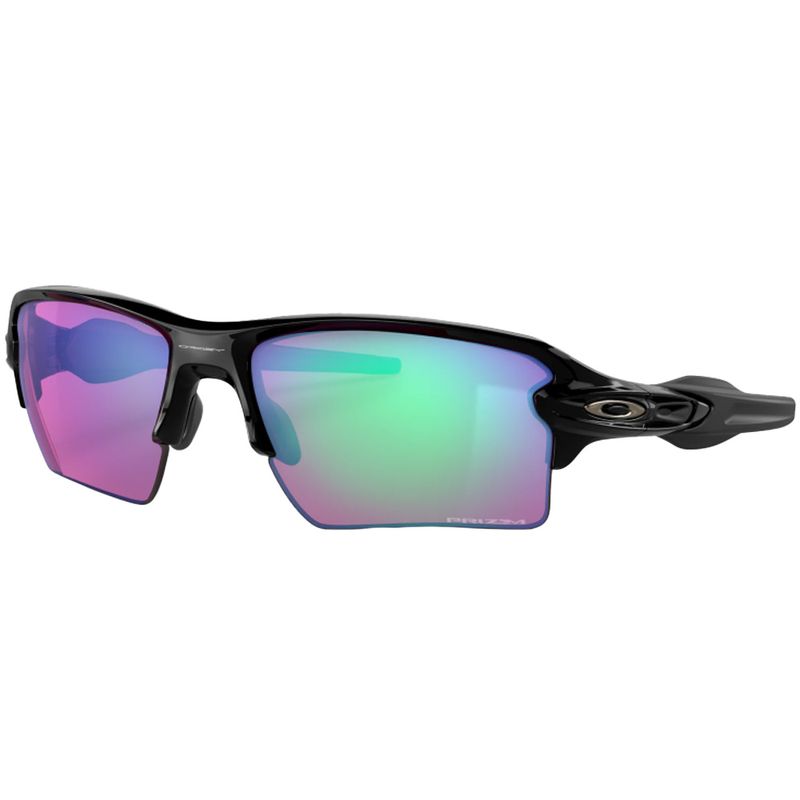
The Oakley Flak 2.0 XL is the workhorse half-frame golf sunnie, the bigger-lens version of the standard Flak, fitted with Oakley's Prizm Golf tint. It's aimed at golfers who want proper coverage and grip rather than a fashion statement.
Best Golf Sunglasses 2026
See the line, lose the glare
Oakley's Prizm Golf lenses are the benchmark — the Flak 2.0 XL is the do-everything pick that lifts the green off the background and helps you read slope and grain. The right lens does more than look good; we've picked frames that stay put through a full swing and tints made for genuine golf use, not just the car park.
The lens tint matters more than the badge. A golf-specific tint like Prizm Golf is tuned to boost the contrast between grass shades, so undulations, grain and the line stand out where a generic dark lens just dims everything evenly. The big decision is polarisation: it's superb for killing glare off water and wet ground, but it can flatten the very surface detail you use to read a putt and judge slope — which is why many golfers prefer a non-polarised contrast tint. We say where polarisation helps and where it hurts so you choose for how you play.
Fit is the other half. A frame that creeps or bounces during the swing is a distraction, so look for grippy nose and temple pads and a wrap that suits your face. Premium Oakley frames (Flak 2.0 XL, Radar EV, Sutro) lead on optics and lock-in, while value brands like Tifosi, SunGod and Under Armour deliver secure, contrast-friendly lenses for a fraction of the price — a smart pick if you're prone to sitting on or losing a pair.
ifrothgolf earns a commission on purchases made through these links, at no extra cost to you. It never changes what I recommend. Full disclosure.
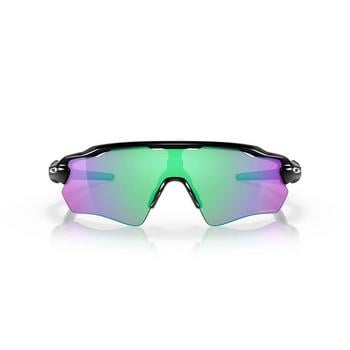
A single-lens sport sunglass from Oakley's long-running Radar line, fitted with the Prizm Golf lens. The Path lens shape sits taller than the older Radar to open up your upper peripheral vision, and the O Matter frame with Unobtainium grips is built to clamp on through a full swing rather than slide down your nose.
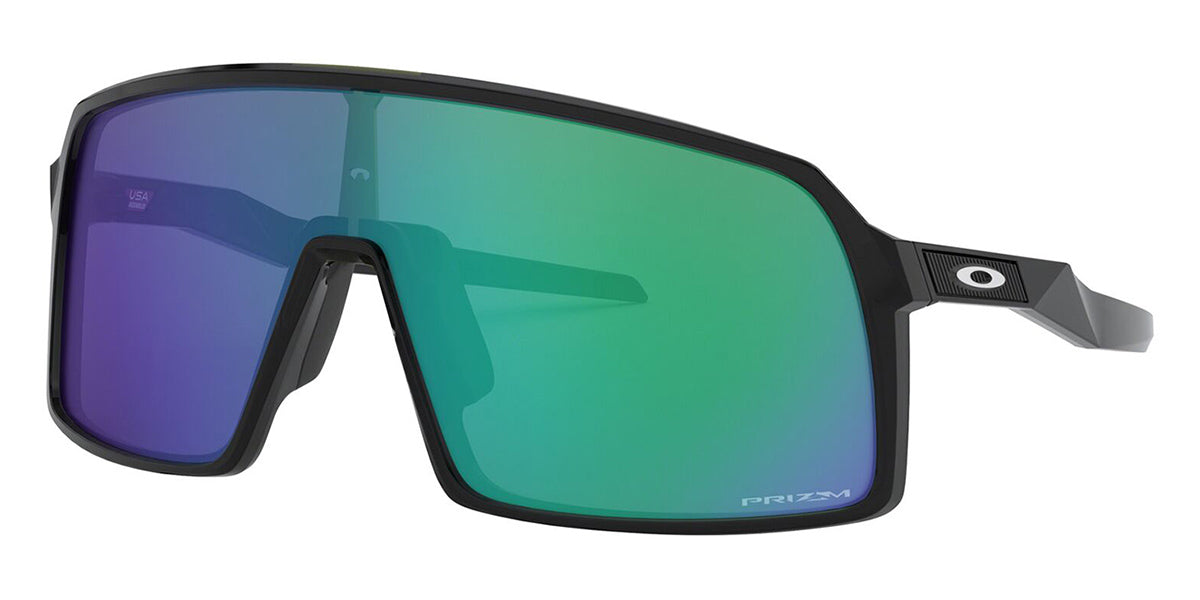
The Sutro is Oakley's oversized single-shield sunglass, originally pitched at cyclists but adopted widely on the golf course. One large Prizm lens wraps the whole front of your face inside a lightweight O Matter frame, with grippy Unobtainium nose pads and the option to swap lenses for different light. Prices vary heavily by colourway and lens; the standard models sit around 138 GBP at RRP, with specific frame and lens combinations often discounted well below that.
SunGod's flagship sports wraparound, built to order from a component customiser. You pick the frame, lens tint, bridge, logos and arm-tip colours, so no two pairs need look alike. The headline tech is the 8KO nylon lens, which is lighter and optically clearer than the polycarbonate most sports shades use, paired with an ultra-light screwless frame and swappable nosepads.
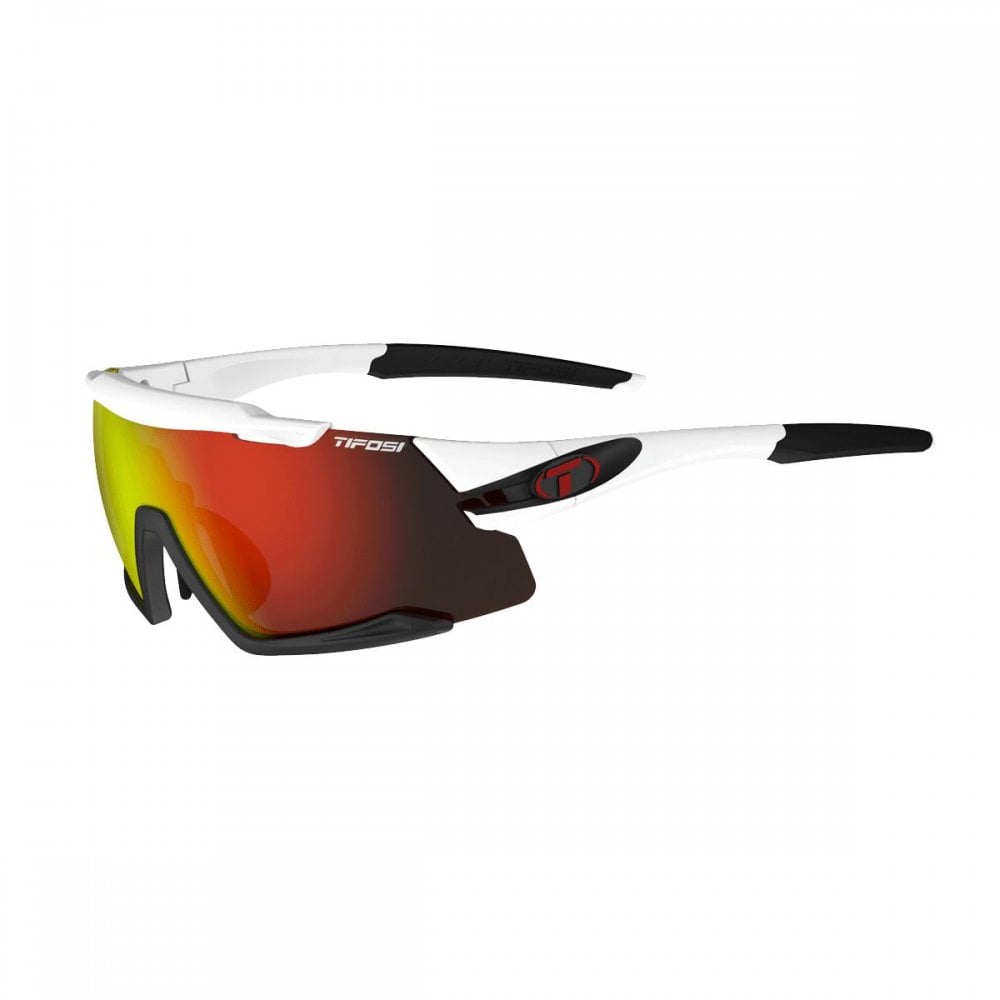
Tifosi's Aethon is a semi-rimless wraparound sport frame sold as a kit with three lenses you can swap: a mirrored Clarion lens for bright glare, an All-Conditions Red tint for overcast or flat light, and a clear lens for dawn or dusk. It is built from light Grilamid TR-90 nylon, weighs 35g, and has a removable brow bar plus hydrophilic rubber nose pads and arm tips that grip harder as they get damp. A zipped hardshell case and cleaning pouch come in the box.
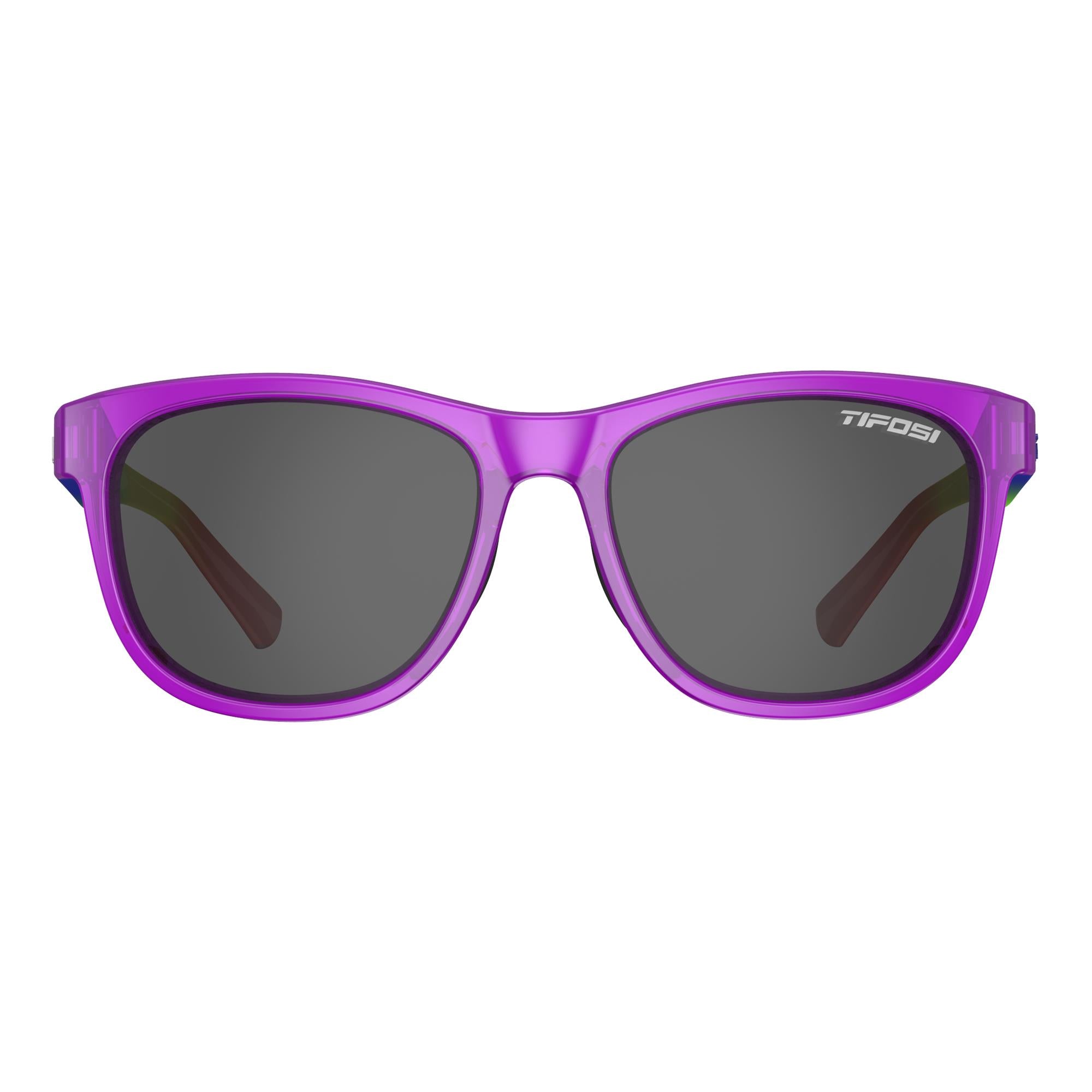
The Swank is Tifosi's everyday lifestyle frame: a low-profile single-lens design built on the brand's 23-gram plant-based Thrive frame with a shatterproof polycarbonate lens. It is pitched at casual wear but the no-slip nose pads and lightweight build make it perfectly usable for a round of golf, a walk, or a run.
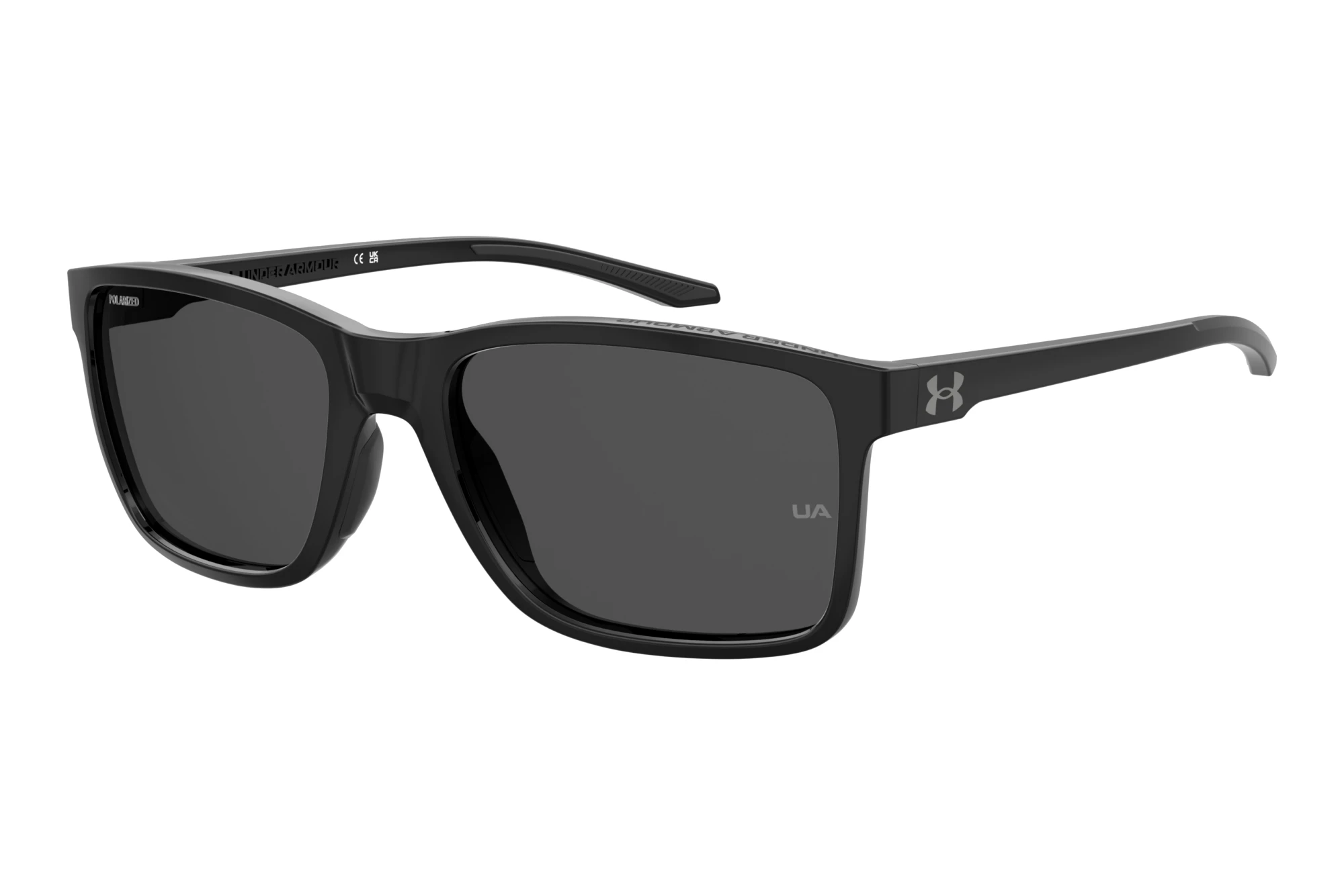
Under Armour's everyday sports sunglass: a lightweight TR-90 Grilamid wrap frame with polycarbonate lenses, available in standard and XL sizing with polarised lens options. It is built around grip and durability rather than fashion, with auto-lock temples and rubberised nose pads meant to lock onto your face during movement.
Frequently asked
- What are the best sunglasses for golf?
- Oakley's Prizm Golf range leads — the Flak 2.0 XL is the all-round pick, enhancing contrast so the green stands out from the rough. Look for a secure fit through a full swing and a golf-specific tint rather than a fashion lens.
- Should golf sunglasses be polarised?
- Not necessarily. Polarised lenses cut glare well but can flatten the surface detail you use to read greens and judge slope. Many golfers prefer a non-polarised contrast-enhancing tint; if you want polarisation, accept the trade-off on the greens.
- Do golf sunglasses help you play better?
- A good lens improves contrast so you pick out the line, slope and grain more easily, and reduces squinting and eye fatigue over a round. They won't fix your swing, but better visual clarity genuinely helps reading the course.
- What lens tint is best for golf?
- A contrast-enhancing tint tuned for grass, such as Oakley's Prizm Golf, is the most popular because it makes greens, slopes and the line pop rather than just dimming the whole scene. Rose, copper and amber-based tints work well in the same way. Avoid very dark, flat grey lenses, which cut brightness without sharpening detail.
- Do I need expensive golf sunglasses?
- Not necessarily. Premium Oakley frames win on optics, coatings and a locked-in fit, but value brands like Tifosi, SunGod and Under Armour offer secure, contrast-friendly lenses for far less. If you're prone to losing or sitting on a pair, a good-value option is the sensible buy.
Related reading
More on this from the desk
Explained
Why tour pros wear sunglasses all day — then take them off to putt
Golf lenses genuinely work: contrast tints pull the ball out of the sky and lift the slopes out of a green. But depth perception is personal, which is why some very good players pocket their glasses over the ball. The honest buying rule: treat sunglasses as health kit first, performance kit second — and buy the pair you'll actually keep on for five hours.
Explained
The cheapest edge in golf is the one nobody wears
Golfers will drop a mortgage payment on a driver that adds a spreadsheet's-width of distance, then spend four hours a round squinting into glare that flattens every green they try to read. Proper polarised sunglasses fix a real problem for coffee money — with one honest catch the marketing never mentions.