
Why tour pros wear sunglasses all day — then take them off to putt
Golf lenses genuinely work: contrast tints pull the ball out of the sky and lift the slopes out of a green. But depth perception is personal, which is why some very good players pocket their glasses over the ball. The honest buying rule: treat sunglasses as health kit first, performance kit second — and buy the pair you'll actually keep on for five hours.
By Ross Hamilton · Staff Writer
 Explained
Watch the practice range at any tour event this month and nearly every player is wearing sunglasses. Watch the same players an hour later on the course and a good number of them putt with the glasses parked on the hat brim or tucked in a pocket. Both halves of that habit are correct — and together they tell you almost everything about how to buy golf eyewear. The short version: sunglasses are health kit first and performance kit second. The contrast-lens technology is real, the eye-protection case is overwhelming, and the only honest reason to leave them in the bag is the one the pros demonstrate every week: some golfers genuinely see putts worse through a tint.
Golfers are finally treating summer kit as protective equipment rather than fashion — a January 2026 LifeLabs study found 84% of golfers now prioritise cooling technology when choosing apparel. Eyewear is the lagging piece of that same shift. A five-hour round in July sun is a serious, repeated dose of ultraviolet light, and unlike a sunburnt neck, the damage to your eyes doesn't announce itself the same evening. So before we get to lens tints and ball flight, park the idea that this is a performance purchase with a health bonus. It's the other way round.
What a contrast lens actually does
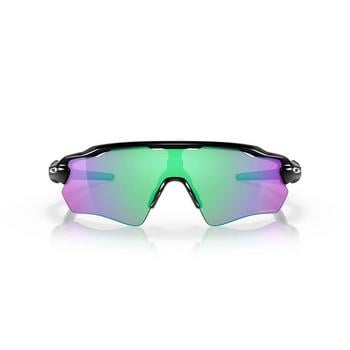
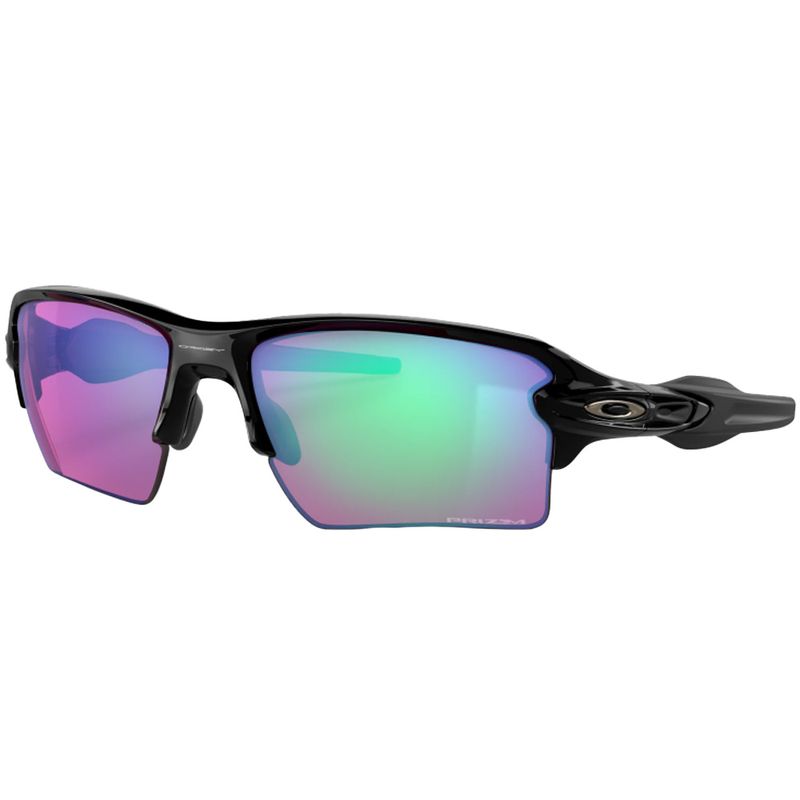
A golf-specific lens isn't just dark glass. Tints like Oakley's Prizm Golf are engineered to transmit some wavelengths and suppress others, exaggerating the difference between shades of green so the fairway, the first cut and the rough separate visually — and lifting a white ball out of a blue sky, which is where mid-round squinters lose it. The reference point is the Oakley Radar EV Path, a tall single-shield sport frame whose rose-amber Prizm Golf lens pulls undulations, the edge of the rough and the line of a green into clearer relief in bright sun, with grippy pads that clamp on through a full swing. It looks like a piece of sports equipment because it is one. If you want the same optics in a frame you can wear to dinner, the Oakley Flak 2.0 XL delivers the identical Prizm Golf tint in a semi-rimless shape that's far more discreet — our pick of the two for most golfers, and the better value.
Why some golfers can't putt in them
Here's the part the marketing skips. A strong contrast tint deliberately distorts colour — that's the mechanism — and for some players that shift interferes with the fine judgement putting runs on. Reading a green is a depth-perception task: you're judging subtle slope from tiny variations in shade and grain, and a lens that remaps those shades can make a break read differently than your brain has calibrated over years of bare-eyed golf. There's also light adaptation. Take glasses off over the ball and your pupils need a beat to adjust; do that thirty times a round and you're putting through a small visual reset every green. Neither effect is universal — plenty of golfers putt beautifully in a Prizm-style tint and swear it shows them more break, not less. But if you've tried and hated it, you're not imagining things, and the tour habit of pocketing the glasses on the green is a perfectly rational response. The fix isn't abandoning sunglasses; it's deciding your own protocol — on for the walk and the full shots, off for the putt — and buying a pair light enough that on-off all day isn't an irritation.
The five-hour UV problem
Now the unglamorous bit that should drive the purchase. Eye-care professionals have long linked cumulative UV exposure to cataracts and to growths like pterygium — and a golfer logging five hours of July sun, plus the reflected light bouncing off baked fairways and water, is collecting that exposure in bigger instalments than almost any other recreational athlete. Squinting all afternoon also just wears you out; there's a reason caddies and tour players treat eyewear like sunscreen. The good news is that full UV protection is no longer a premium feature — a UV400 rating comes standard even on genuinely cheap sport frames now. You do not need to spend flagship money to protect your eyes. You need to spend it only if you want the contrast-lens performance layer on top.
The budget brands closed the gap
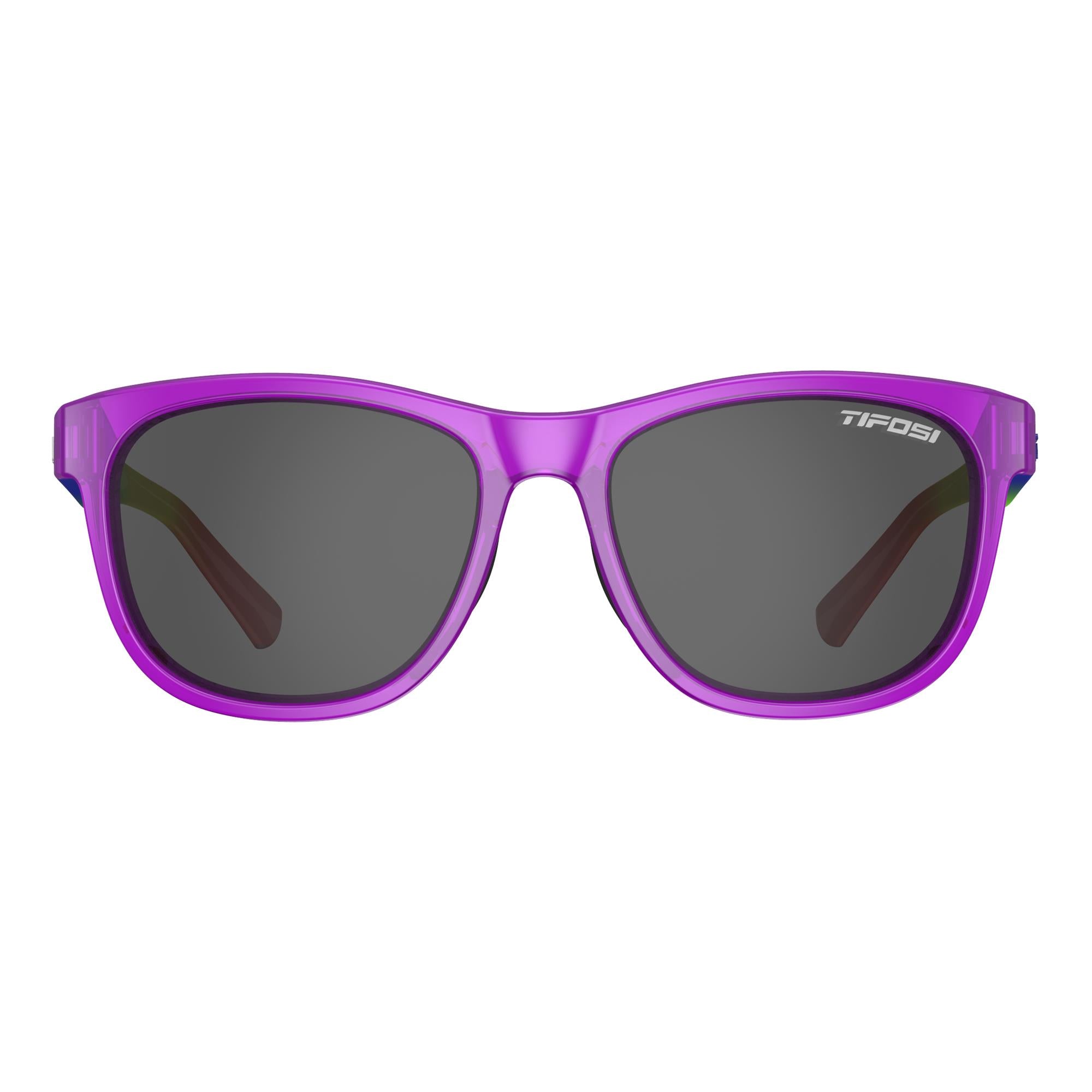
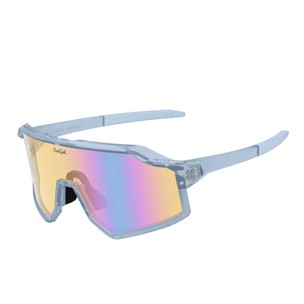
A decade ago cheap sunglasses meant sliding frames and murky optics. That's over. The Tifosi Swank weighs 23 grams, carries full UV protection and shatterproof lenses, and its hydrophilic nose pads actually grip harder as you sweat — for roughly the price of a couple of sleeves of premium balls. It has no golf-specific contrast tint and it's a small-to-medium fit, but as an honest, wear-everywhere pair that survives 18 holes it's absurd value. A step up, the Under Armour Hustle is the grip specialist: slip-proof pads and auto-lock temples that stay planted when you look down over a putt, with a polarised option that kills glare off water and bright fairways. And the SunGod Vulcans split the difference for the golfer who also runs or rides — 8KO nylon lenses that are optically clearer than the polycarbonate most sports shades use, a feather-light screwless frame, and a lifetime guarantee that quietly makes the price look better every season you own them. None of these is a dedicated golf optic. All of them do the health job completely.
Who should buy what — and who should skip
Nobody should skip sunglasses entirely — the UV case doesn't care whether you like how they look. But the buying logic splits three ways. If you want the genuine performance layer — the ball popping off a blue sky, the green reading in relief — buy a true contrast lens, and buy the Flak 2.0 XL unless you want the maximum-coverage shield of the Radar. If you're protection-first and budget-conscious, the Tifosi or the Under Armour cover the health job for a fraction of the money. And if you're a glasses-over-the-ball purist who putts bare-eyed, don't let that talk you out of the category: buy specifically for between-shots wear — the lightest, most comfortable, easiest on-off pair you can find, which is the Swank's whole argument. Whatever you pick, prioritise wear-all-round comfort over logos: the pair that protects your eyes is the one that stays on your face for five hours. The full field is ranked in our best golf sunglasses guide, and the rest of our hot-weather thinking lives in clothing.
Products mentioned in this article
Oakley
Oakley Flak 2.0 XL Prizm Golf Sunglasses
The best-value route to a true golf lens: Prizm Golf optics in a frame subtle enough to wear off the course.
Oakley
Oakley Radar EV Path Prizm Golf
The full commitment: a tall sport shield with the contrast lens that reads greens best, built to stay put through a swing.
Tifosi
Tifosi Swank Sunglasses
The budget answer: 23 grams, full UV protection and sweat-grippy pads for a couple-of-sleeves-of-balls outlay.
SunGod
SunGod Vulcans Sunglasses
The one-pair-for-every-sport pick: crisp 8KO nylon lenses and a lifetime guarantee that softens the price over years.
Under Armour
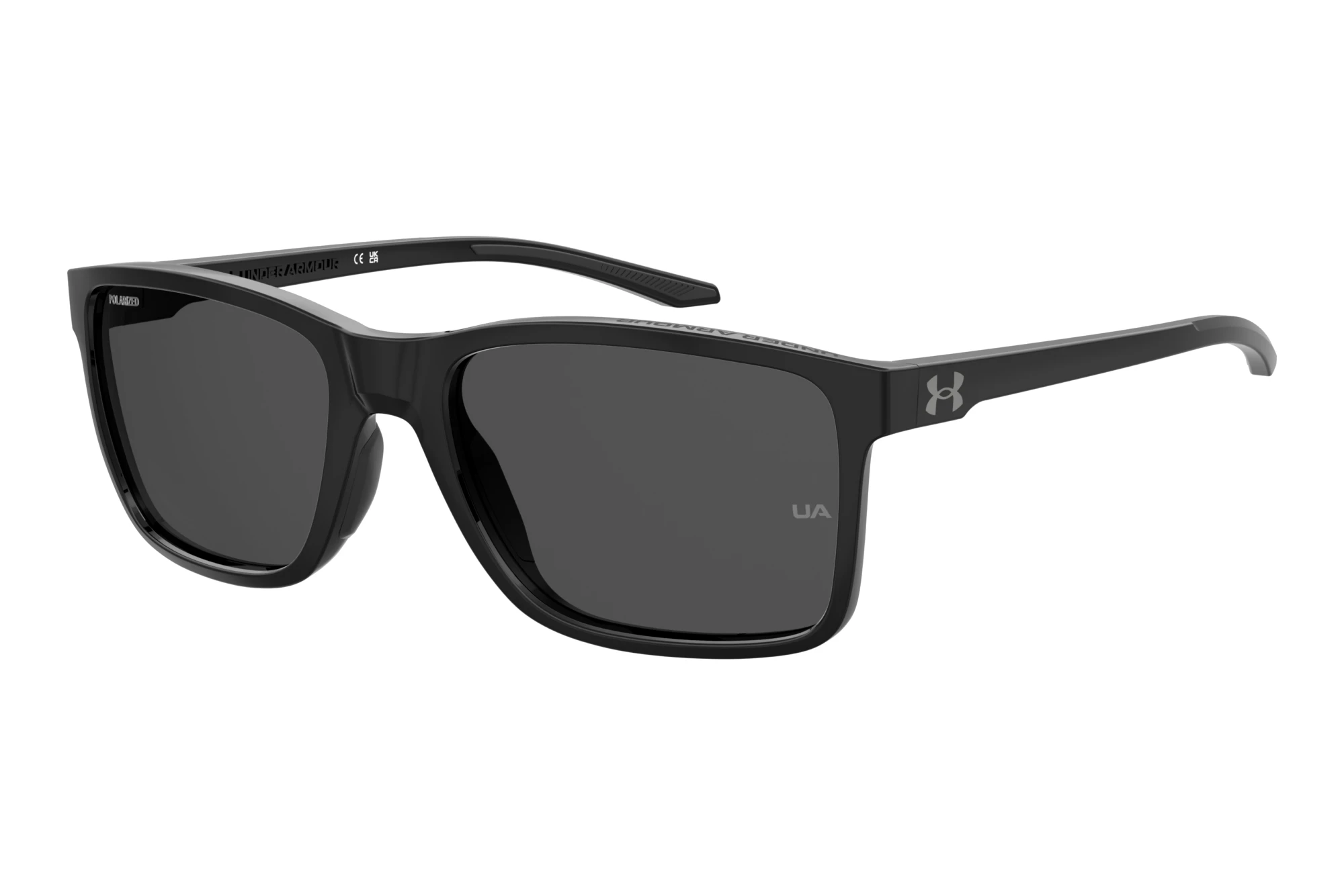
Under Armour Hustle Sunglasses
The no-nonsense mid-priced wrap: slip-proof grip and a polarised option that kills glare off water and baked fairways.
ifrothgolf earns a commission on purchases made through these links, at no extra cost to you. It never changes what I recommend. Full disclosure.
Frequently asked
- Do golf-specific sunglass lenses actually work?
- Yes, with a caveat. Contrast tints like Oakley's Prizm Golf filter wavelengths to exaggerate the differences between shades of green and make a white ball stand out against blue sky, and most wearers find the course genuinely easier to read in bright sun. The caveat is putting: the same colour-shifting mechanism bothers some players on the greens, which is personal and worth testing before you commit.
- Why do some tour pros take their sunglasses off to putt?
- Two reasons. A strong contrast tint remaps the subtle shade variations golfers use to judge slope and grain, which can make a break read differently from years of bare-eyed calibration. And repeatedly removing glasses forces the eyes through a small light-adaptation reset on every green. Players who notice either effect simply putt without them — a rational habit, not superstition.
- Are cheap golf sunglasses safe for your eyes?
- Generally yes, as long as they carry a proper UV400 or 100 percent UV protection rating, which is now standard even on budget sport frames like the Tifosi Swank. The premium you pay for flagship eyewear buys optical quality, contrast tints and build — not better UV protection. Never wear dark lenses without a UV rating, though, since a dark tint without UV filtering can be worse than nothing.
- Should golf sunglasses be polarised?
- It is a preference, not a rule. Polarisation cuts reflected glare off water, wet greens and baked fairways, which many golfers love on bright days. Some players feel polarised lenses flatten the subtle sheen they use to read grain on greens, which is partly why dedicated golf tints like Prizm Golf are typically not polarised. If you play lots of water-lined courses, a polarised option is worth having.
- What matters most when buying sunglasses for golf?
- Comfort and grip over five hours. A pair that slides down your nose when you sweat or pinches behind the ears ends up in the bag, protecting nothing. Look for a light frame, grippy nose pads that hold when damp, full UV protection, and only then decide whether you want a golf-specific contrast tint on top.
Read next
Explained
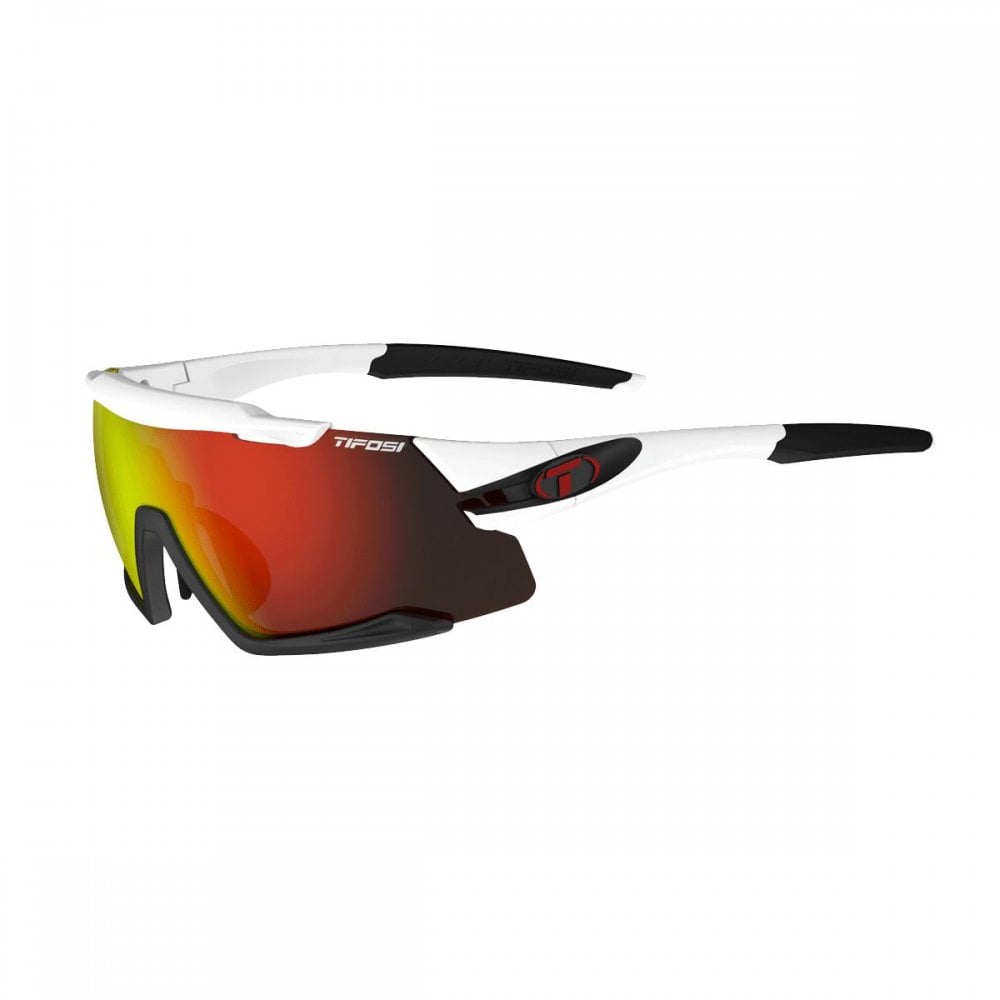
The cheapest edge in golf is the one nobody wears
Golfers will drop a mortgage payment on a driver that adds a spreadsheet's-width of distance, then spend four hours a round squinting into glare that flattens every green they try to read. Proper polarised sunglasses fix a real problem for coffee money — with one honest catch the marketing never mentions.
Review
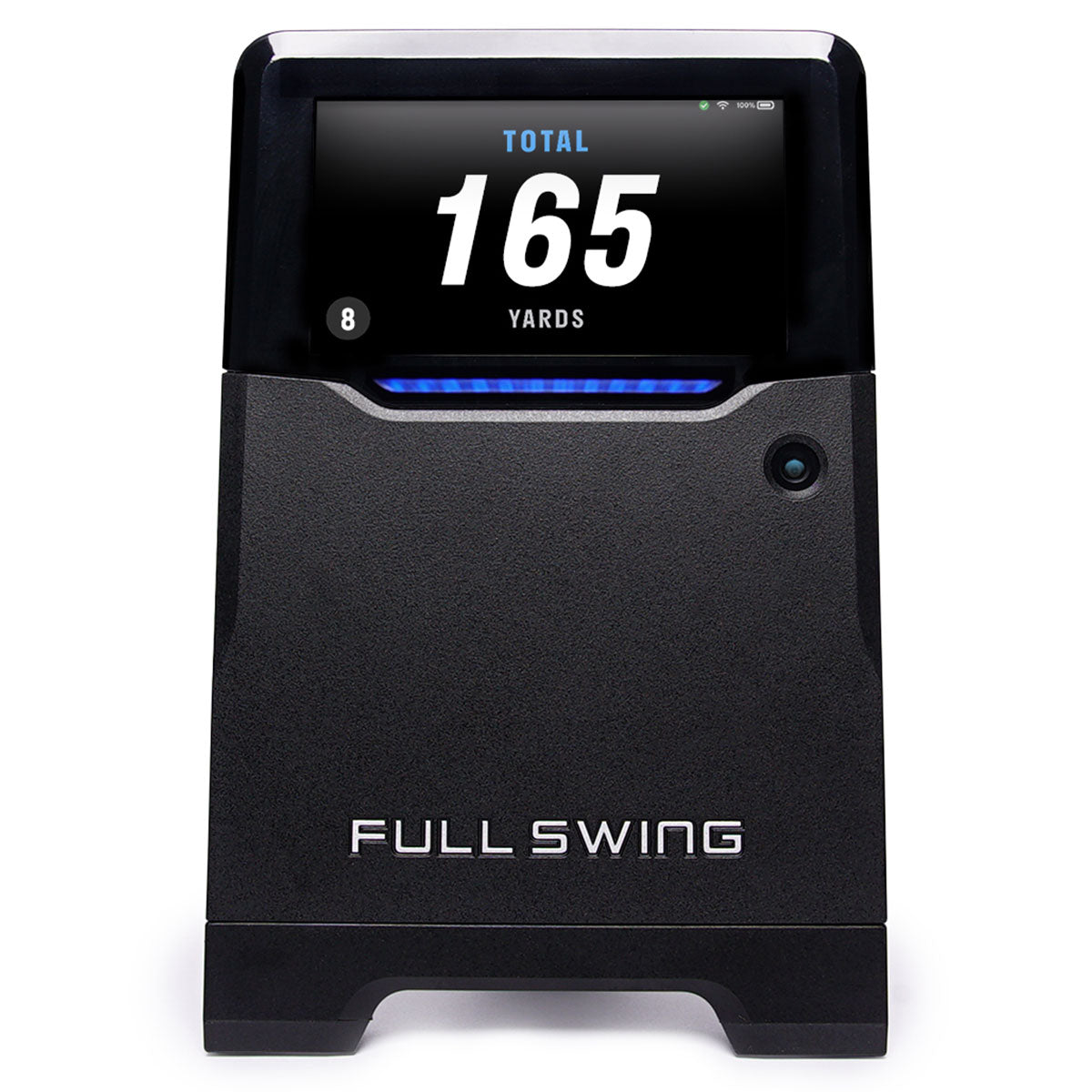
7.9/10Full Swing KIT review: the tape measure decides this, not Tiger
Tour pedigree, TGL on ESPN, and radar good enough to be checked against a Trackman outdoors. It also wants eighteen to twenty feet of room, which rules out most of the garages people buy it for.
Versus
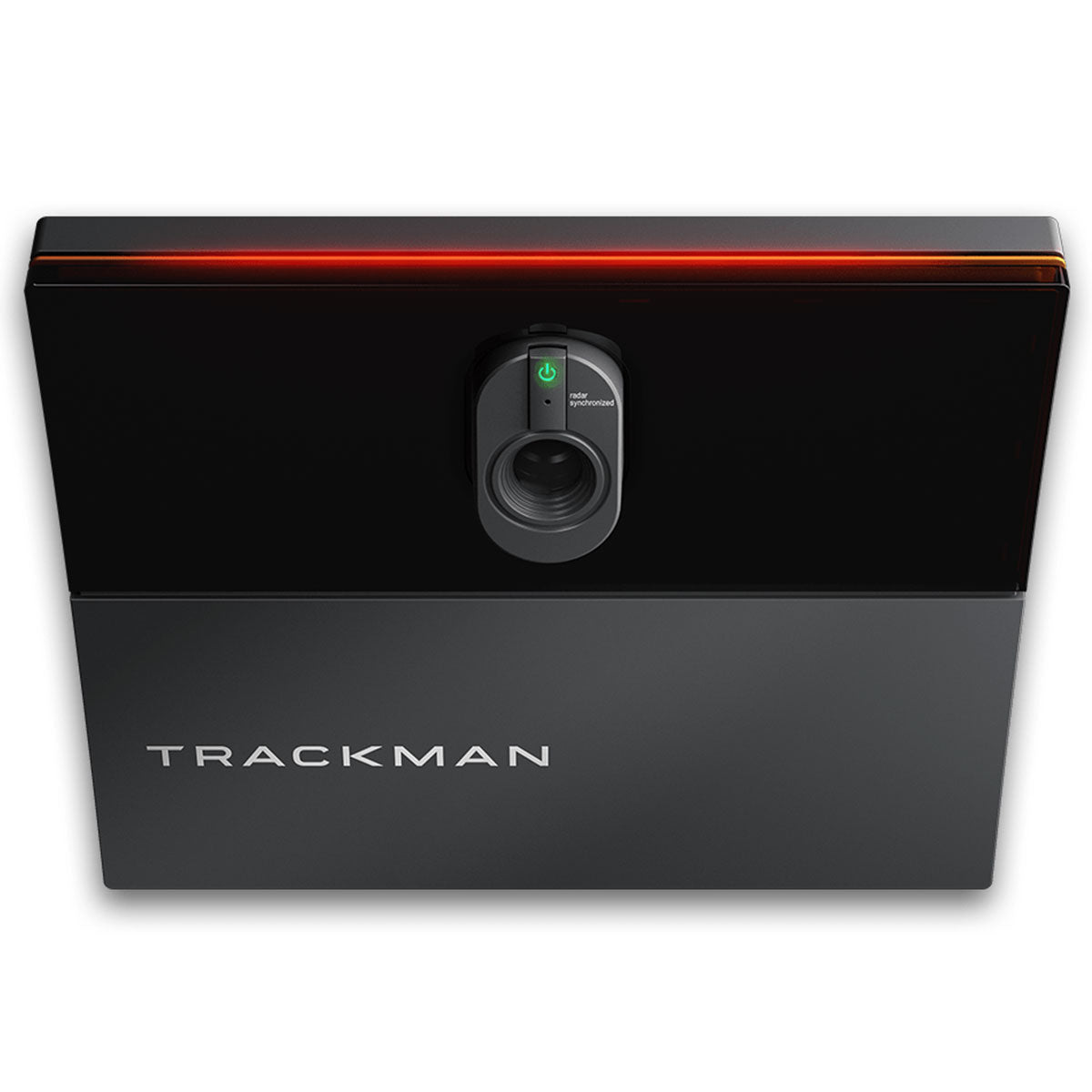
Trackman iO vs Uneekor EYE XO2: the year-one trap
Both mount overhead, both want ten feet of ceiling, and about $3,000 separates them on the shelf. Then Trackman's included first year runs out, and the gap starts growing by $1,100 a year.