
The cheapest edge in golf is the one nobody wears
Golfers will drop a mortgage payment on a driver that adds a spreadsheet's-width of distance, then spend four hours a round squinting into glare that flattens every green they try to read. Proper polarised sunglasses fix a real problem for coffee money — with one honest catch the marketing never mentions.
By Tom Whitaker · Staff Writer
 Explained
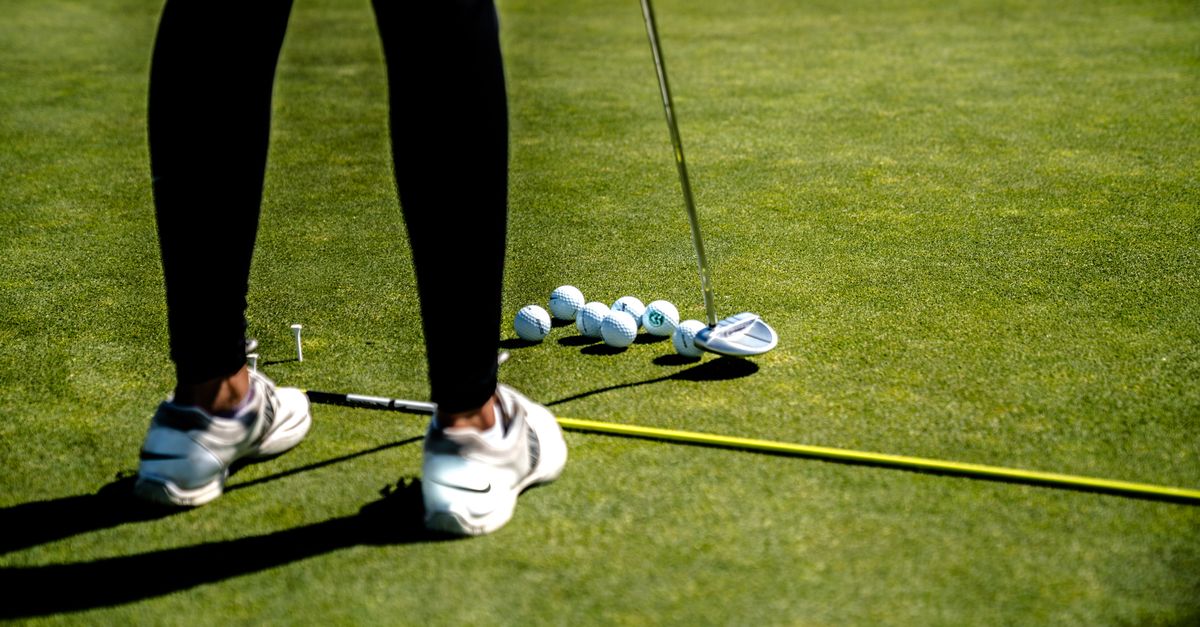
Watch a fourball on any bright July afternoon and count how many of them are squinting. Most of them. Then count how many are wearing sunglasses that were built for golf, or built for anything at all beyond looking good in the car park. Almost none. Golf is a sport played outdoors, for hours, mostly in the summer, in which the two most important acts — reading a green and picking a line into a low sun — are acts of vision. And yet the piece of kit that directly protects your vision is the one purchase golfers treat as optional. It's the cheapest edge in the game, and it's the one nobody buys.
The reason is partly vanity and partly value confusion. A pair of sport wraps costs less than three balls, so it doesn't feel like a serious performance purchase, so nobody researches it the way they'd agonise over a shaft. That's the inversion worth flagging: the driver is where the money goes and the marginal gains live; the sunglasses are where a genuine, everyday, all-summer improvement is hiding in plain sight for pocket change. Here's what the sunglasses aisle won't tell you straight — including the one real reason some golfers should think twice.
What glare actually costs you
Glare isn't just uncomfortable; it's information loss. Reflected light bouncing off grass, water and bright sky washes out contrast, and contrast is precisely what your eye uses to read a green's subtle slope, spot the darker band of a wet patch on a fairway, or track a ball against a hazy sky. Squint into that for four hours and two things happen: you literally see less of the course, and you finish the round with the low-grade headache and eye fatigue that quietly wrecks concentration over the closing holes. A decent lens restores the contrast you're losing and takes the strain off. That's the whole pitch — not a gimmick, just letting your eyes do their job.
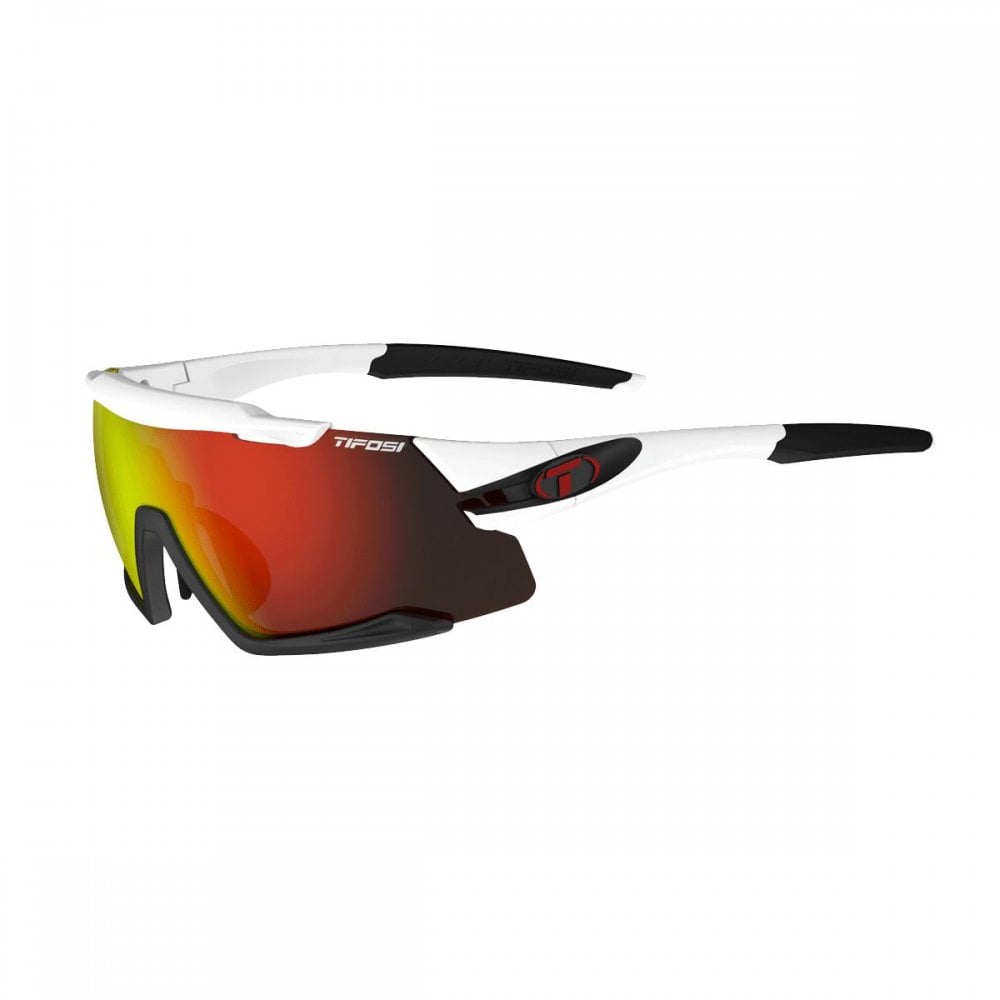
The Tifosi Aethon is the honest starting point here because it does the sport-sunglasses fundamentals without the badge tax: a wrap shape that blocks side glare, interchangeable lenses for bright and overcast days, and hydrophilic nose and temple grips that actually get tackier as you sweat. That last detail is the one that matters on a hot round — cheap glasses slide down your nose on the sweaty back nine and end up pushed onto your cap, which is the same as not owning them.
The polarisation catch nobody mentions
Now the honest part, because this is where most sunglasses advice quietly lies to you by omission. Polarised lenses are brilliant at killing glare off water and wet ground, which is why anglers swear by them. But polarisation works by filtering out horizontally reflected light — and some of the subtle sheen you read off a green's surface is exactly that kind of light. A number of good players find that heavy polarisation can flatten the visual cues they use to read break, and can hide the faint reflective difference that gives away a wet or grainy patch. It's not universal and it's not dramatic, but it's real, and no one selling you polarised lenses is going to bring it up.
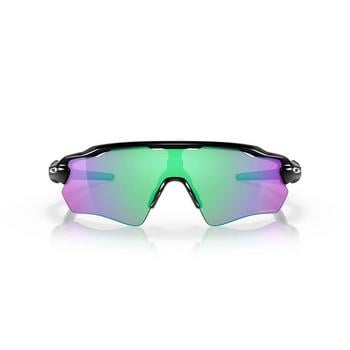
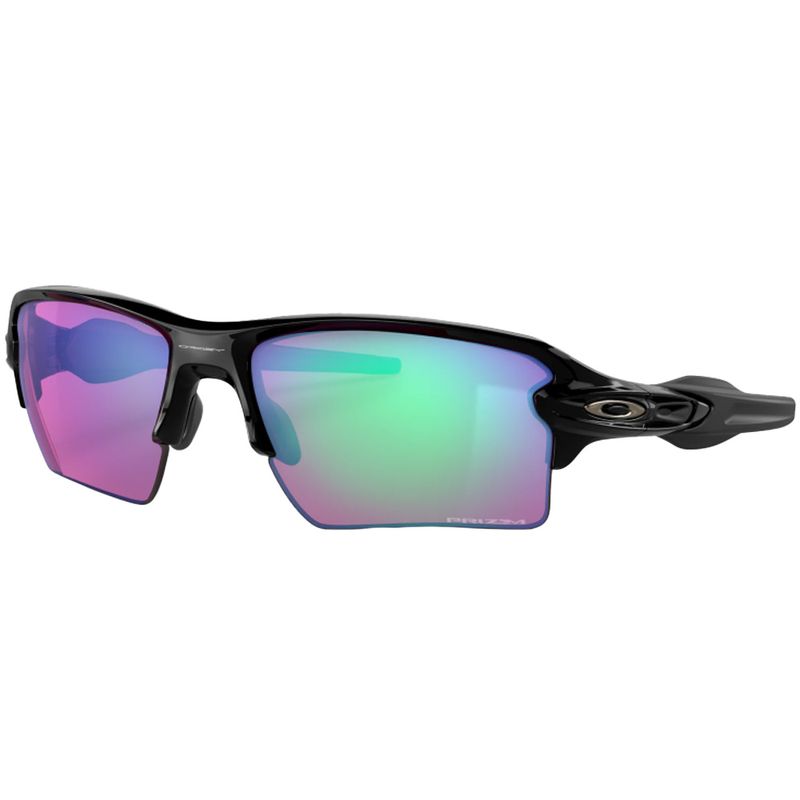
So the nuance is this: polarisation is a fantastic default for general comfort and for courses with water in play, but if you're a feel putter who reads greens off surface sheen, you may genuinely prefer a high-contrast non-polarised lens. Oakley's answer is the Radar EV Path with Prizm Golf, whose lens is tuned to lift the contrast between turf, rough and the ball rather than to polarise everything into a flat wash. It's the enthusiast pick for exactly the golfer who tried polarised lenses, felt something was off on the greens, and couldn't name it. This is the trade-off the aisle won't explain: glare-killing versus green-reading, and which one you weight depends on how you putt.
Light transmission and the tint trap
The other spec that gets buried is how much light the lens lets through — the category runs on a scale, and darker is not automatically better. A very dark lens is great at midday but leaves you under-lit on an overcast morning or a dusk nine, where you actually want a lighter, higher-contrast tint that brightens the picture. This is the real argument for interchangeable lenses or for owning two pairs: the golfer with one heavily-tinted lens plays half their rounds in the wrong glasses. Rose, amber and copper tints are the crowd-pleasers for golf because they enhance the green-versus-brown contrast the eye leans on, whatever the polarisation debate. A grey lens looks cool and is the worst choice for reading a course — it dims everything evenly and adds no contrast.
For the golfer who point-blank refuses to wear a sport wrap because they think it looks like they're about to cycle a time trial, the Tifosi Swank is the pragmatic compromise: a lifestyle-shaped frame light enough to forget, in tints that still do the contrast job, that you'll happily wear off the course too. It won't wrap out side glare like the Aethon, but the best sunglasses are the ones you'll actually keep on your face all round.
Fit that survives the swing
Here's the spec no one lists and everyone should: does the frame stay put through a full swing? A golf swing is a fast rotation with your head down and still, and glasses that shift, bounce or dig in at address are a distraction you'll take off after three holes. This is where fit beats brand. You want grippy nose pads and temple tips, a frame light enough to disappear, and a wrap that clears your cheeks when you tilt your head down over a putt. The SunGod Vulcans make the value case loudly here — genuinely light, customisable to your face and lens preference, and carrying a lifetime guarantee that turns the inevitable bunker face-plant or cart-seat crush from a write-off into a replacement. Kit you're not scared to actually use is kit that earns its place.
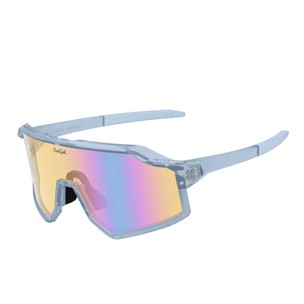
If even that feels like too much thought, the Under Armour Hustle is the workhorse answer: grippy, unfussy, cheap enough that you keep a second pair in the bag for when the first pair inevitably ends up sat on. There's a real case for owning a knockabout pair you'll never baby — the glasses you protect too carefully are the glasses you leave in the car.
Who should skip
Not everyone needs to spend here, and the honest list is short. If you already wear prescription glasses and can't be bothered with clip-ons or prescription sports lenses, a good wide-brim cap does a surprising amount of the glare-management job — start there. If you almost only play early morning or late evening, out of the harsh midday sun, the case is weaker and a light-tint lens or nothing at all is defensible. And the green-reading feel-putter we flagged above should test non-polarised before committing. Everyone else — which is most of you, playing summer rounds in real sun — is leaving the cheapest, most reliable improvement in golf sitting in the shop for the price of a sleeve of balls. Buy the glasses. More warm-weather kit lives in our apparel hub.
Products mentioned in this article
Tifosi
Tifosi Aethon Clarion Interchangeable Lens Sunglasses
Sport-wrap coverage with interchangeable lenses and hydrophilic grip that tightens when you sweat — the do-everything value pick.
SunGod
SunGod Vulcans Sunglasses
Customisable, featherlight and backed by a lifetime guarantee, so a face-plant into a bunker isn't a total loss.
Oakley
Oakley Radar EV Path Prizm Golf
Prizm Golf tuning boosts turf-versus-rough contrast without full polarisation — the enthusiast's answer to the break-reading problem.
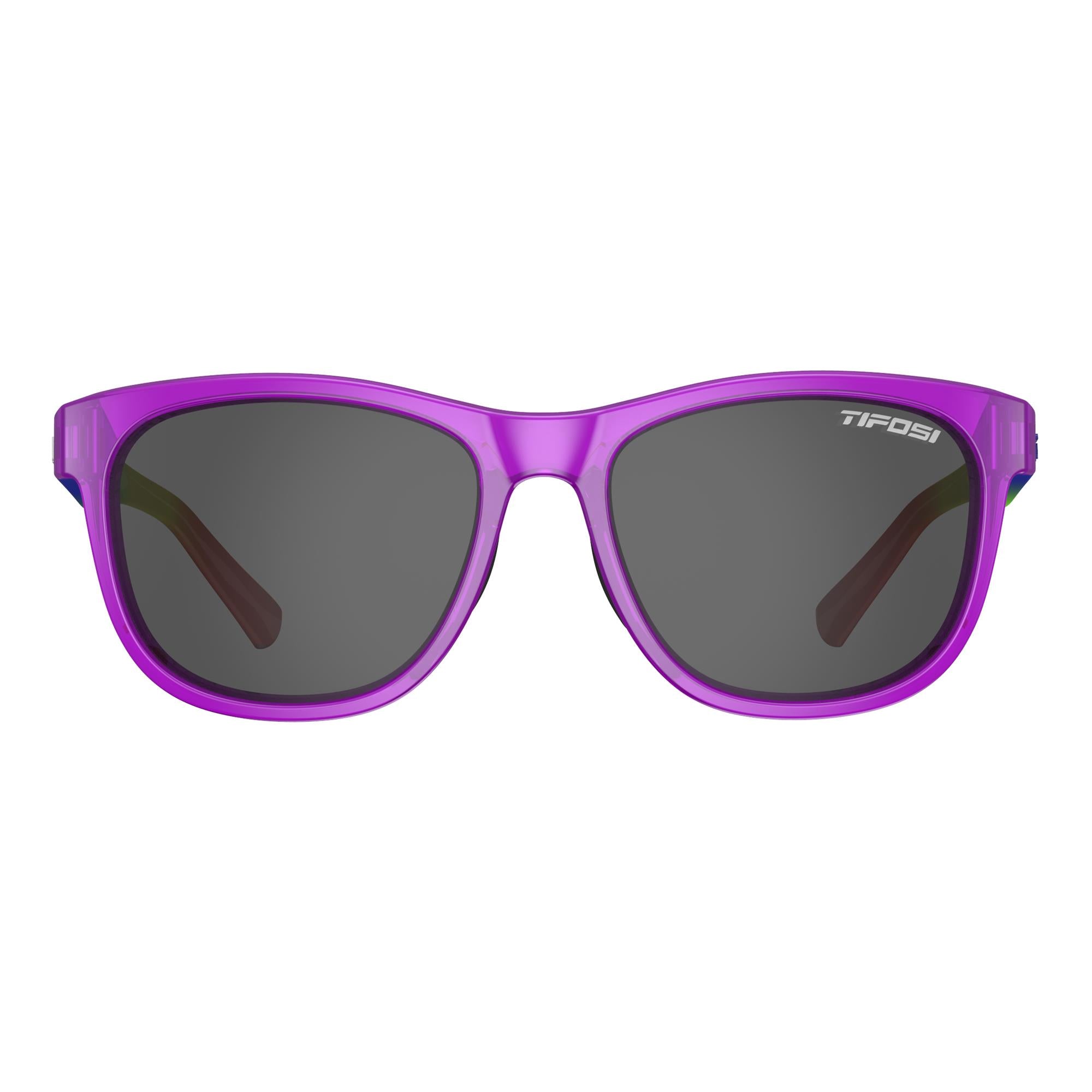
Tifosi
Tifosi Swank Sunglasses
A lifestyle-shaped frame light enough to forget you're wearing, for the golfer who won't wear a sport wrap.
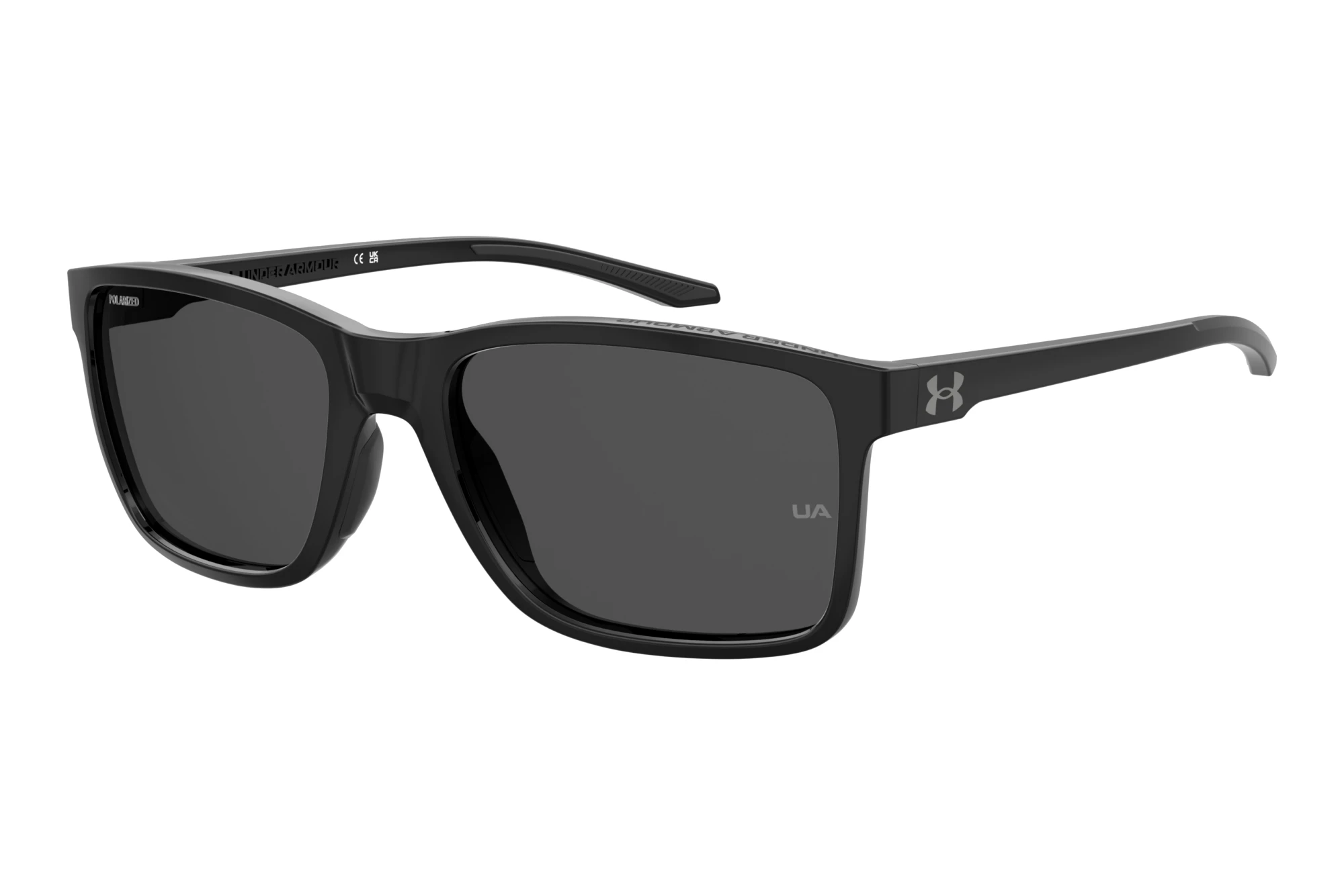
Under Armour
Under Armour Hustle Sunglasses
Grippy, unfussy and cheap enough to keep a spare pair in the bag — the honest workhorse.
ifrothgolf earns a commission on purchases made through these links, at no extra cost to you. It never changes what I recommend. Full disclosure.
Frequently asked
- Should golf sunglasses be polarised?
- For most golfers, polarised lenses are a great default — they kill glare off water and wet ground and cut eye fatigue over a long round. The exception is green reading: polarisation filters out some of the horizontally reflected light that feel putters use to read break and spot wet patches, so players who read greens off surface sheen sometimes prefer a high-contrast non-polarised lens.
- What lens tint is best for golf?
- Rose, amber and copper tints are the crowd favourites because they boost the contrast between green turf and brown ground, which helps you read the course. Grey lenses look good but add no contrast, so they are the weakest choice for golf. Match darkness to conditions — a very dark lens is great at midday but leaves you under-lit on overcast or dawn rounds, which is why interchangeable lenses are useful.
- Do sunglasses actually help you read greens?
- Indirectly, yes. Glare washes out the contrast your eye uses to read subtle slope and spot wet or grainy patches, so a good lens that restores that contrast helps you see the surface better. The caveat is that heavy polarisation can work against green reading for some players, so the benefit depends on the lens type and how you putt.
- What makes a good pair of golf sunglasses stay on during the swing?
- Fit, not brand. Look for grippy nose pads and temple tips — ideally hydrophilic ones that get tackier as you sweat — a lightweight frame you forget you are wearing, and a wrap that clears your cheeks when you tilt your head down over a putt. Glasses that shift or bounce through a swing get pushed onto your cap and stop doing their job.
Read next
Explained
Why tour pros wear sunglasses all day — then take them off to putt
Golf lenses genuinely work: contrast tints pull the ball out of the sky and lift the slopes out of a green. But depth perception is personal, which is why some very good players pocket their glasses over the ball. The honest buying rule: treat sunglasses as health kit first, performance kit second — and buy the pair you'll actually keep on for five hours.
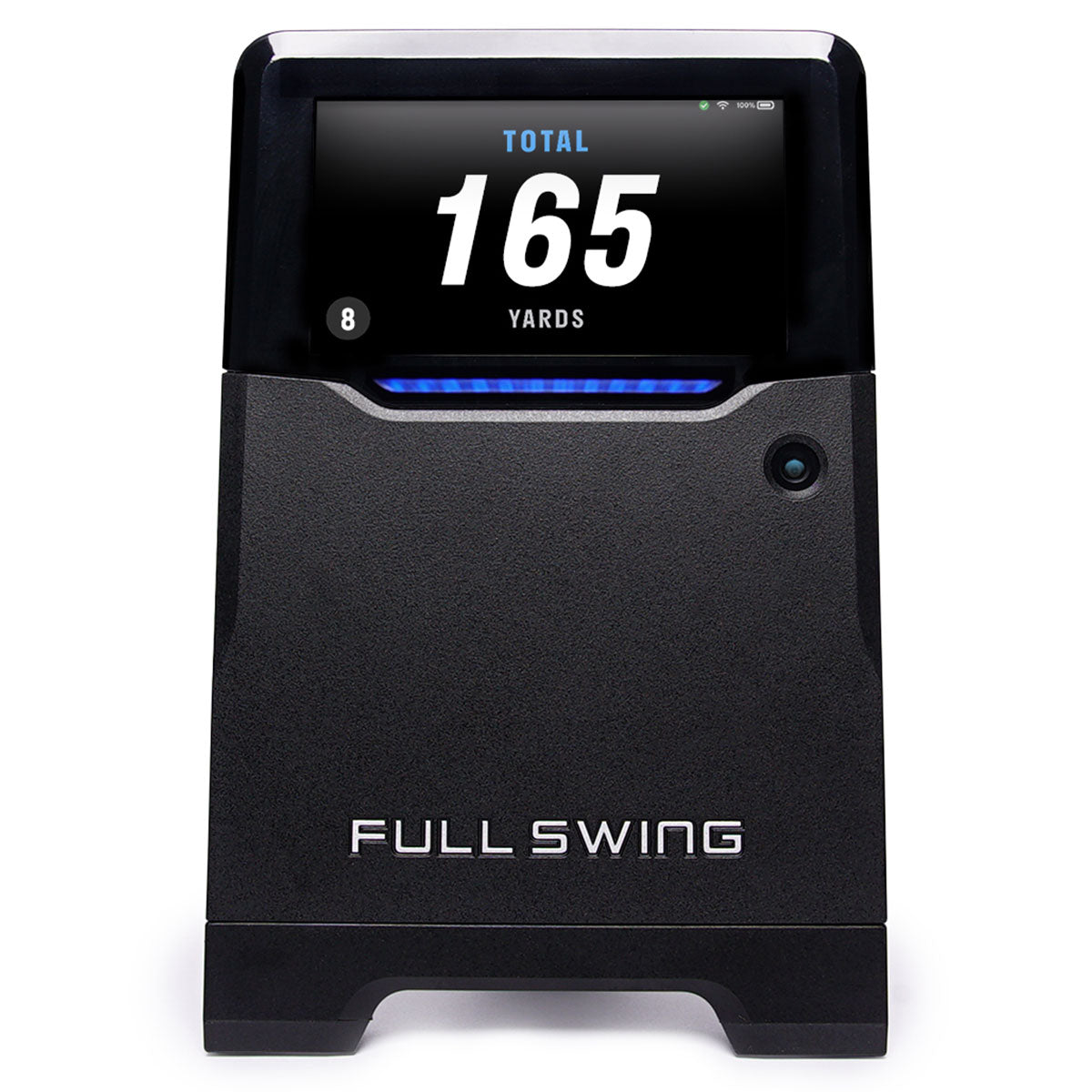
Review
7.9/10Full Swing KIT review: the tape measure decides this, not Tiger
Tour pedigree, TGL on ESPN, and radar good enough to be checked against a Trackman outdoors. It also wants eighteen to twenty feet of room, which rules out most of the garages people buy it for.
Versus
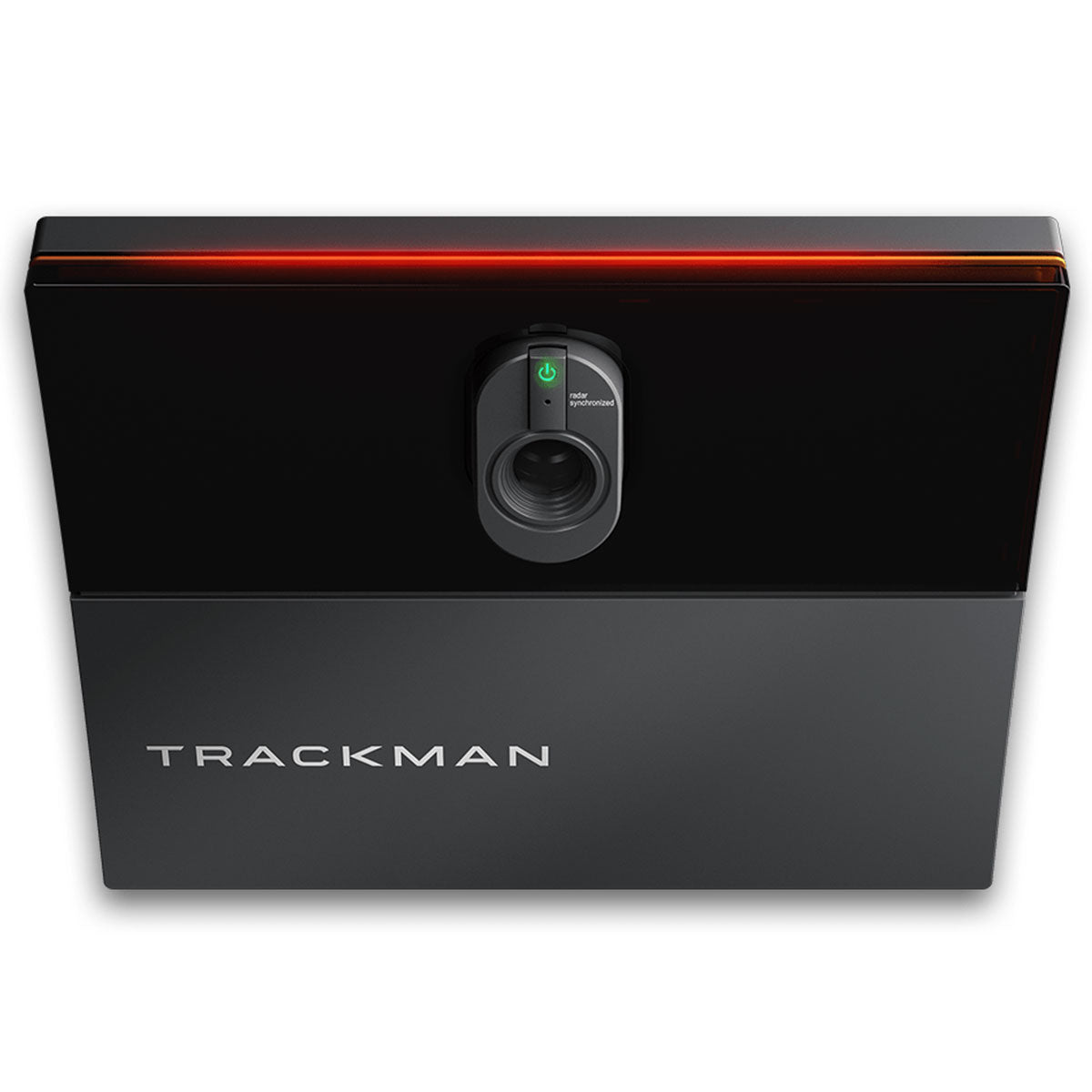
Trackman iO vs Uneekor EYE XO2: the year-one trap
Both mount overhead, both want ten feet of ceiling, and about $3,000 separates them on the shelf. Then Trackman's included first year runs out, and the gap starts growing by $1,100 a year.