
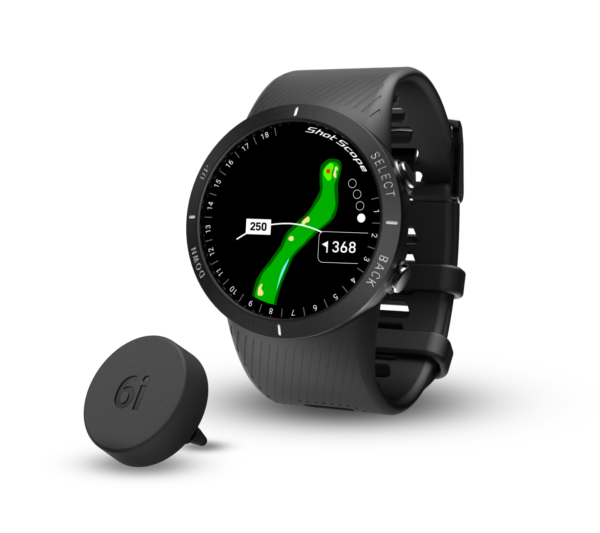
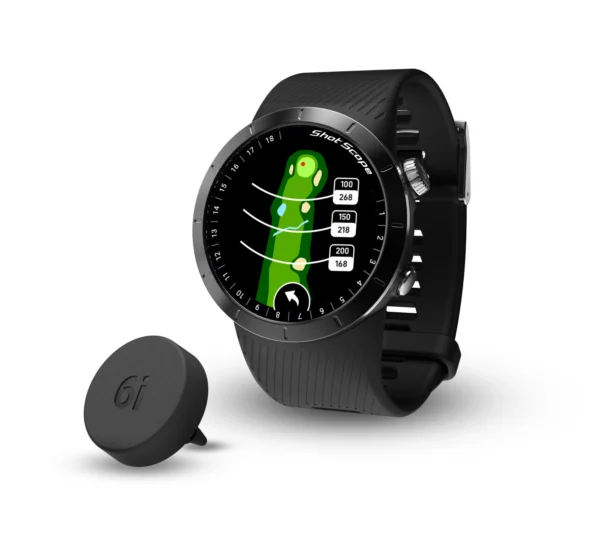
Shot Scope's flagship GPS watch with automatic shot tracking via grip tags, turning every round into strokes gained data with no subscription.
Rangefinders, GPS & Trackers
For when you'd rather know than guess.
For the golfer who wants the truth about their game, not a vibe. The flagship lasers and GPS the best players trust, the shot-tracking that tells you where your strokes really go, and the budget launch monitors that bring tour-level data to your garage.
Data beats gut feel because golfers are famously bad at self-diagnosis — most people 'know' their weakness and most people are wrong. A shot-tracking system logs every stroke and turns it into strokes-gained, the stat that compares you to a benchmark by area (driving, approach, short game, putting) so you can finally see where the shots actually leak. Add a personal launch monitor and you get carry, ball speed and club speed for real gapping and practice you can measure. Together they replace 'I think I'm a bad putter' with the truth, then point your practice at the thing that'll actually drop your handicap.
If you obsess over yardages and stats — or just want to stop guessing — this is your shelf. The picks span every budget, from a clip-on tracker to flagship lasers and home-sim-grade monitors.
ifrothgolf earns a commission on purchases made through these links, at no extra cost to you. It never changes what I recommend. Full disclosure.
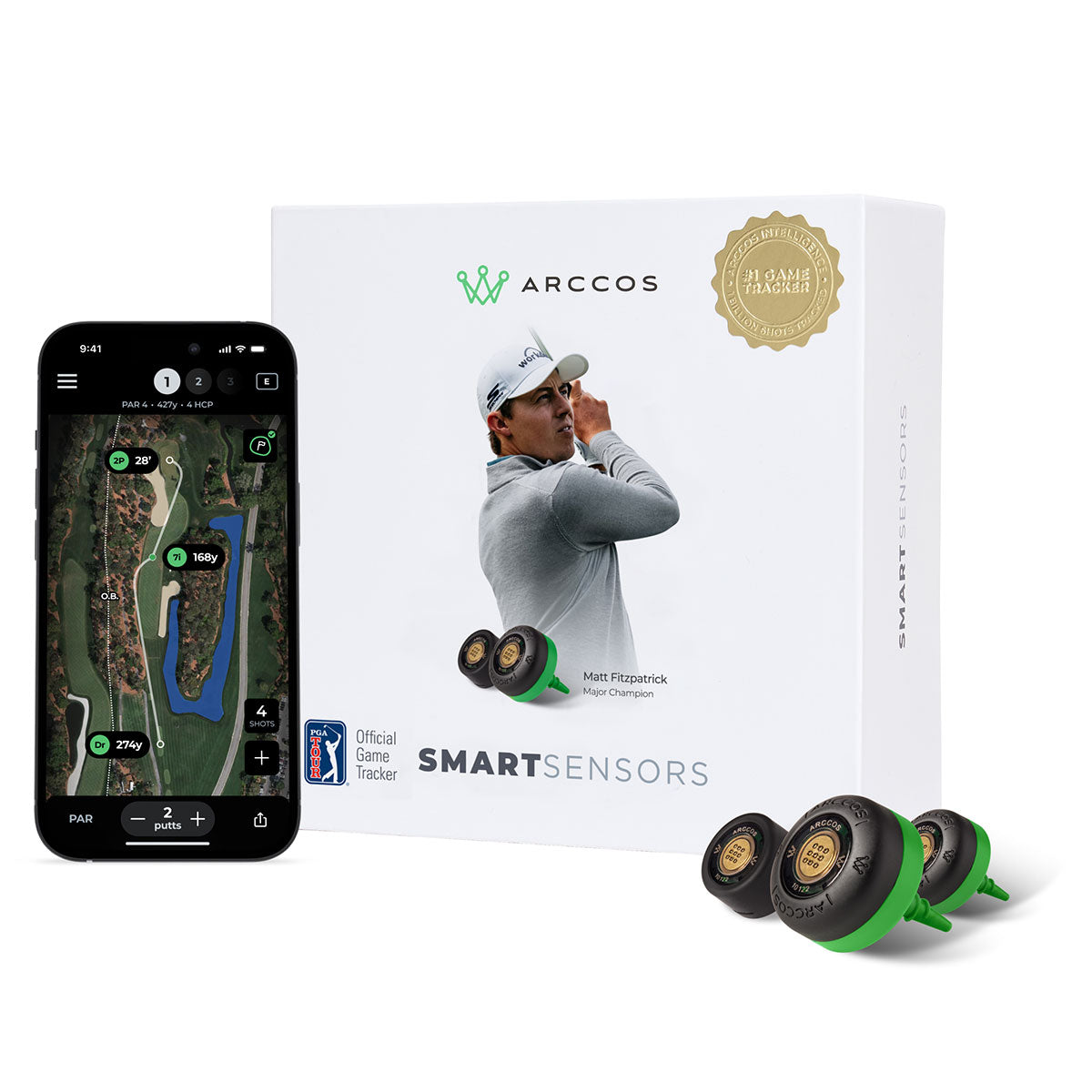
Shot tracking splits into two camps: systems you have to remember to use, and systems that just work. Arccos is firmly the second. Fifteen sensors screw into the grip end of your clubs — putter included — and from then on the round records itself; no tagging, no buttons, no stopping to log a shot in front of people waiting on the tee. What you get back is the part worth paying for. Strokes-gained analysis on your own rounds tells you, with actual arithmetic rather than vibes, whether those two shots a round are leaking from approach play or from wedges inside 100 yards. The A.I. caddie then turns that into club and target advice on the course, adjusted for conditions. Two caveats worth knowing: the automatic detection isn't perfect, so you'll occasionally edit a round afterwards, and the app membership is a recurring cost after the included first year. Play twenty-plus rounds a year and it remains the most useful £200 in golf tech.
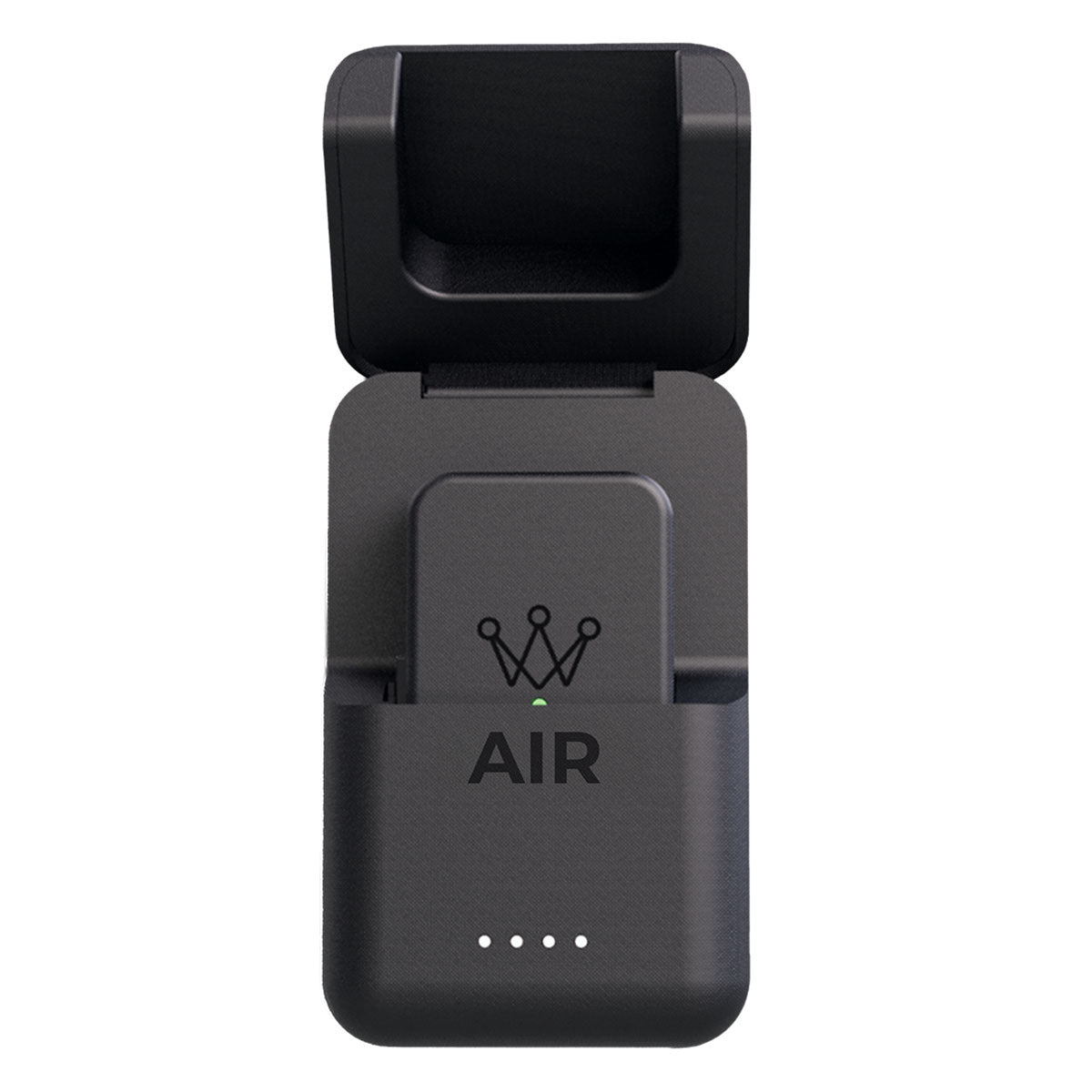
Air is Arccos rethinking its own product. The Gen 4 sensors work brilliantly but ask two things of you: screw a sensor into every grip, and carry your phone so the system can hear them. Air removes both. It's a single compact wearable using GPS and motion sensing, with the shot-detection model trained on Arccos's claimed 1.5 billion recorded shots doing the work that fifteen sensors used to. What that buys you is the thing that actually determines whether tracking survives a season — nothing to fit, nothing to remember, nothing to charge except one device. You still get the payoff: strokes gained, smart club distances, AI strategy and green maps, with a year of tracking subscription included. The trade-off is inherent to the approach: inferring which club you swung from motion is a harder problem than reading a sensor in that specific grip, so expect the occasional correction, particularly on partial wedges where the swing signature is ambiguous. If you've avoided shot tracking because fitting sensors to fourteen clubs sounded like admin, this is the version designed for you.
The clever idea here isn't the laser, it's the join. Anyone using automatic shot tracking knows the weak link is pin position: the app knows where you hit from and roughly where you finished, but the distance-to-hole maths leans on where the flag was that day, and it guesses. The Smart Laser closes that loop by auto-setting the pin every time you range it, which quietly makes your approach statistics genuinely accurate rather than approximately so. On top of that it adjusts yardages for wind, slope and weather in real time and — unusually for hardware — improves through software updates rather than being frozen at the spec it shipped with. The catch is the one that follows Arccos everywhere: a first year of subscription is included, and it renews after that. This is really a component of the Arccos ecosystem rather than a standalone laser, and priced against pure rangefinders it looks ordinary. Priced as the piece that makes your tracking data trustworthy, it's the most interesting thing in the category. Buy it if you're already in; look elsewhere if you just want a number.
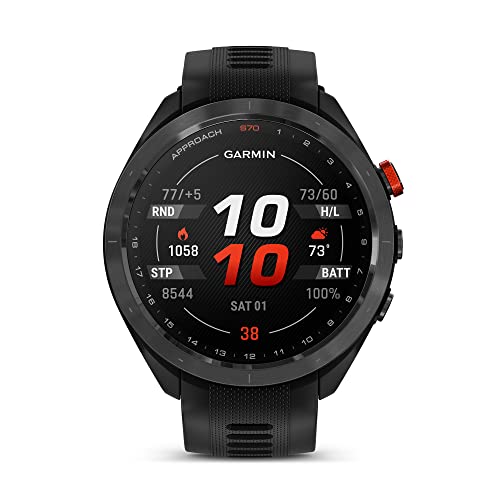
Garmin's flagship golf GPS watch with a big, gorgeous AMOLED touchscreen. It's aimed at the golfer who wants the absolute top-end Garmin and uses it as an everyday smartwatch too, not just on the course.
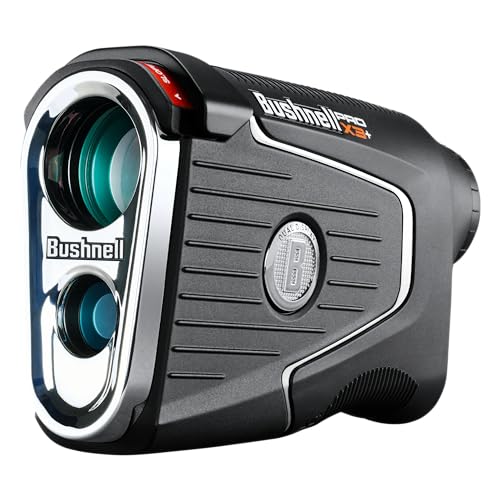
The Bushnell Pro X3+ is the top-of-the-range laser rangefinder, aimed at the golfer who wants every bell and whistle: slope, elevation, temperature, and now real-time wind data piped in from the app.
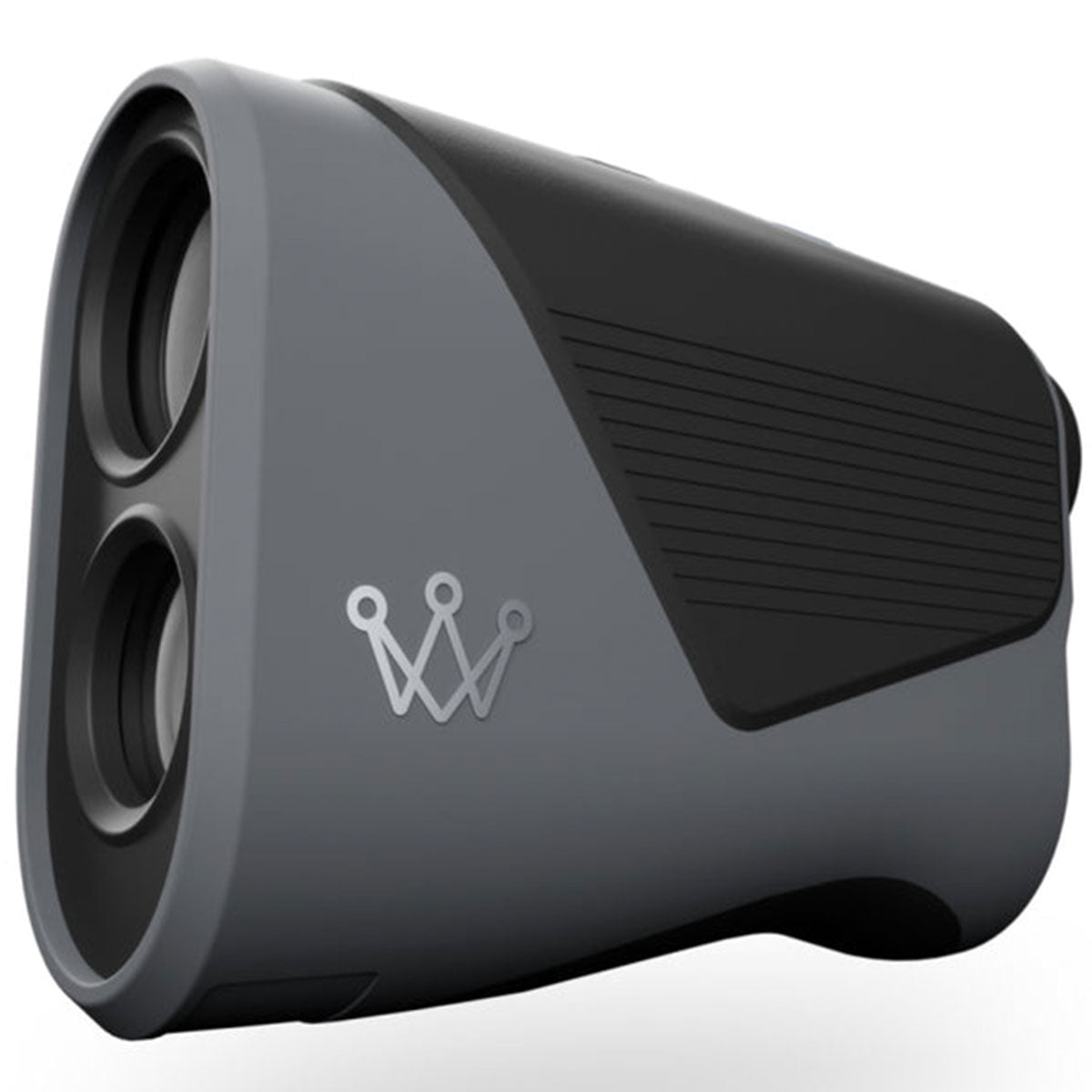
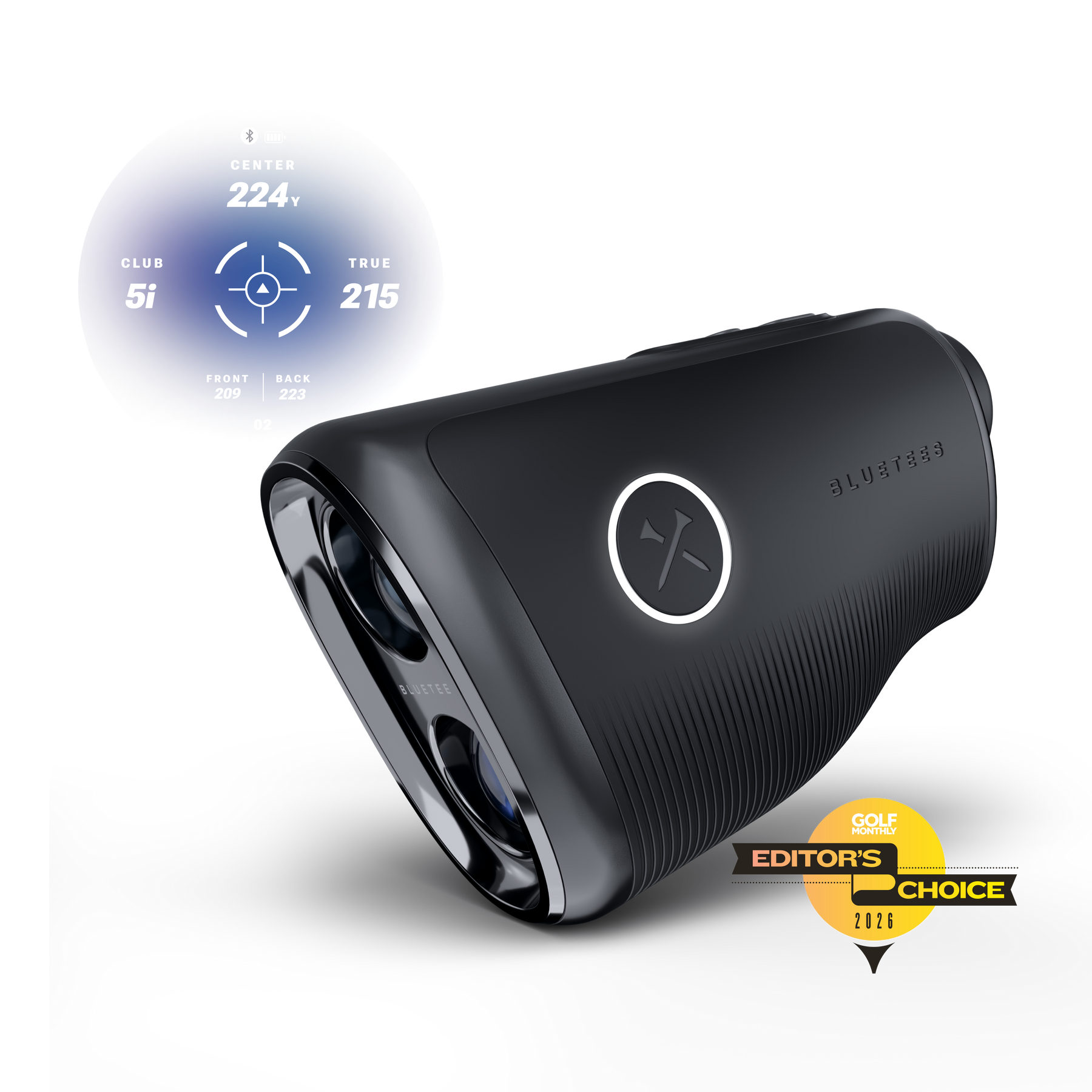
Blue Tees' 2026 flagship laser rangefinder with built-in GPS smarts, app-based shot tracking and AI-adjusted yardages.
A GPS golf watch with proper automatic shot tracking built in, aimed at stat nerds who want to know where their game actually leaks without paying a yearly subscription. You screw the included tags into your grips and it logs every shot hands-free.
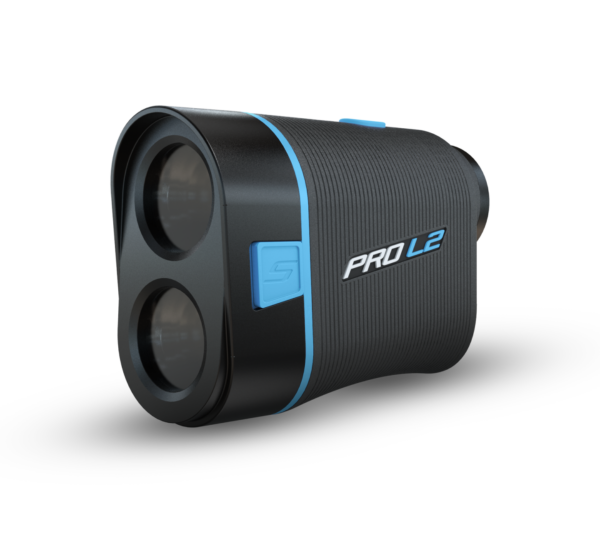
The Shot Scope Pro L2 is a budget laser rangefinder with slope, 6x zoom and a built-in cart magnet, aimed at golfers who want premium accuracy without the premium ticket.
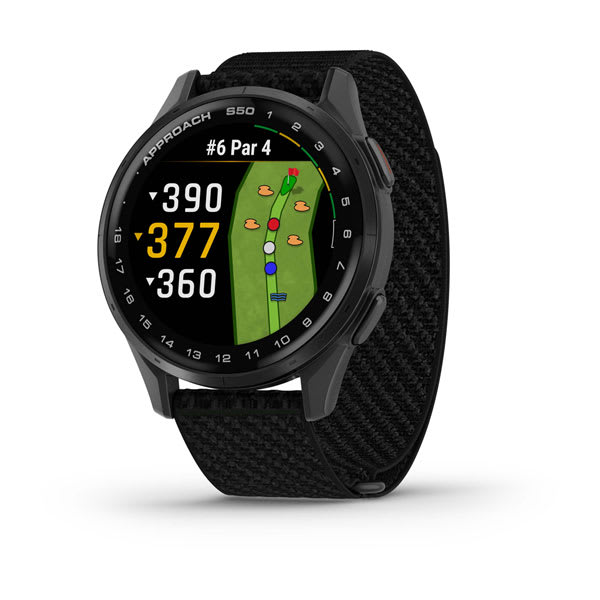
A premium AMOLED touchscreen golf GPS watch from Garmin that doubles as a proper everyday smartwatch, aimed at golfers who want yardages on their wrist and full health tracking off the course without strapping on a second device.
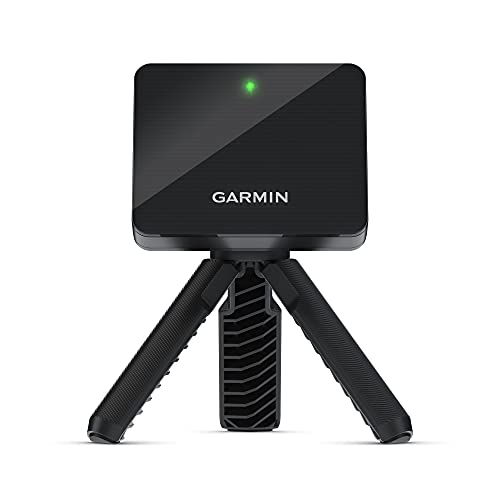
The Garmin Approach R10 is a pocket-sized radar launch monitor aimed at the golfer who wants real data, range practice, and a basic home sim setup without remortgaging the house.
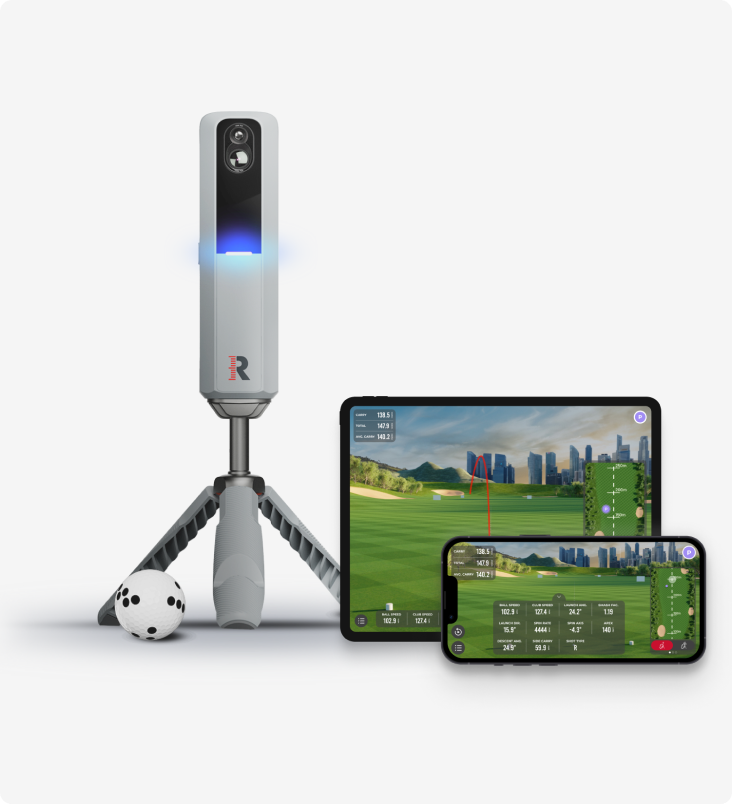
A portable camera-plus-radar launch monitor from Rapsodo that doubles as a home sim, aimed at golfers who want proper ball data without remortgaging the house for a Trackman or GCQuad.
A doppler radar launch monitor with a built-in screen and remote, aimed at the average club golfer who wants real numbers at the range or in the garage without a monthly subscription.
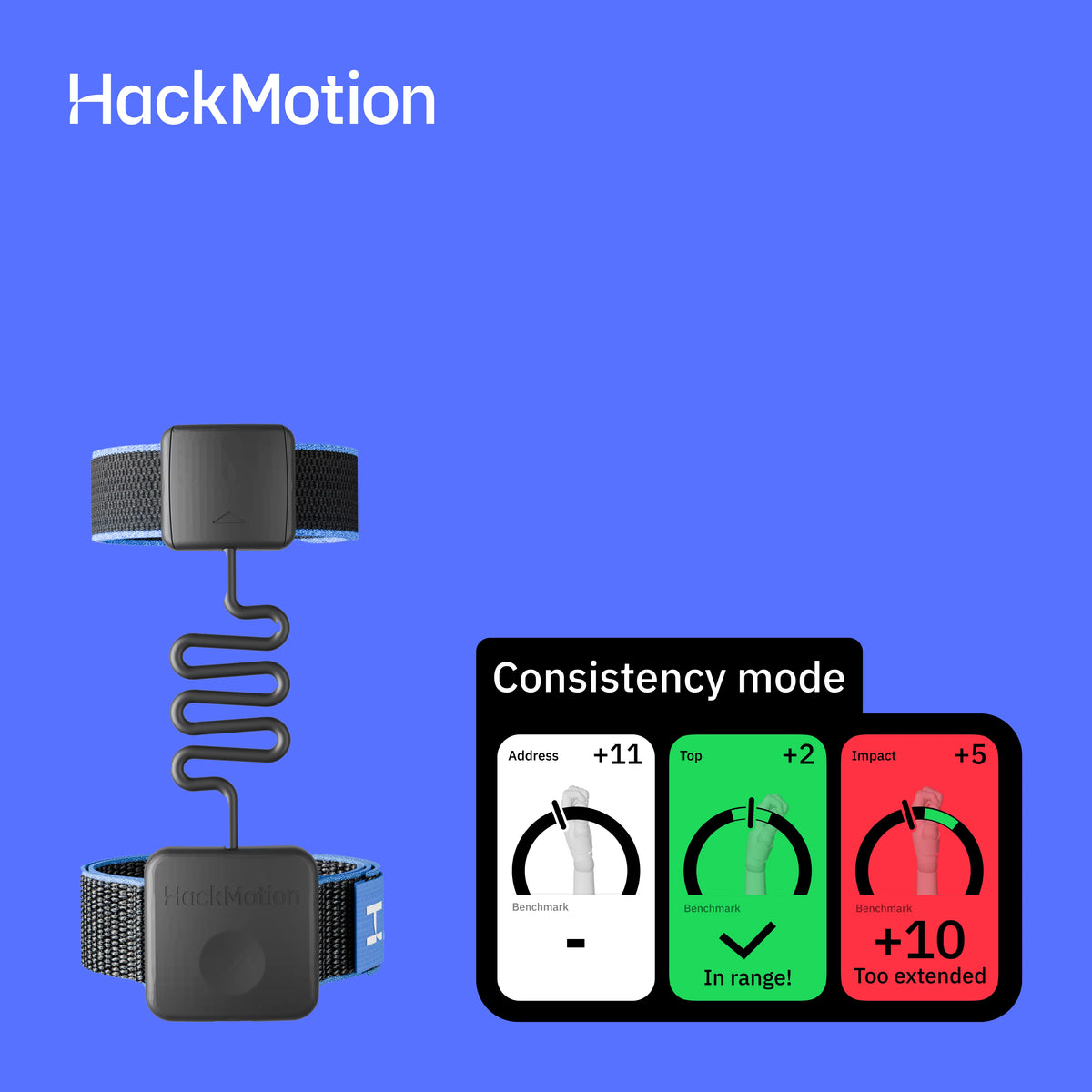
The HackMotion Core is a lightweight wrist sensor that clips to (or sits under) your golf glove and feeds back your wrist angles, mainly flexion and extension, in real time via an app. It's aimed at golfers who know their ball striking is inconsistent and want to fix the actual mechanics rather than guess.

Frequently asked
- What gear do I need to track my golf stats?
- A shot-tracking GPS watch or system like Shot Scope logs distances and strokes-gained automatically, and a personal launch monitor adds ball and club data for practice. Together they tell you where your strokes actually go rather than where you think they do.
- What is strokes-gained and do I need it?
- Strokes-gained compares your performance to a benchmark by area — driving, approach, short game, putting — so you can see exactly where you lose shots. If you want to practise the right things rather than guess, a system that tracks it is genuinely useful.
- Do I need an expensive launch monitor for data?
- No — a budget unit like the Garmin R10 gives carry, ball speed and club speed that are plenty accurate for tracking trends and gapping your bag. Save the premium photometric units for serious fitting or a home simulator you want to fully trust.
- How does automatic shot tracking work?
- Most systems use small sensors that screw into the grip end of each club, or a watch and GPS that detect each strike, then sync to an app that plots every shot on the hole. There's little to do during the round — you just play, and the data and strokes-gained breakdown are waiting for you afterwards.
- Will tracking my stats actually lower my scores?
- Only if you act on what it shows — the value is in pointing your practice at your real weakness instead of your assumed one. Golfers who use strokes-gained to decide what to work on tend to improve faster, because they stop wasting range time on the parts of the game that were already fine.
Related reading
More on this from the desk
Explained
Your yardages are fiction — and millions of tracked shots prove it
Ask a golfer how far he hits his 7-iron and you'll get a number. Ask a shot-tracking database and you'll get a different, shorter, truer one. The gap between the two is costing you more strokes than your swing is — and the fix costs a month of honesty, not a new set of irons.
Explained
How to get a golf handicap (and why it's cheaper and easier than you think)
You no longer need a pricey club membership or a stack of medal cards. Here's the fastest route to an official Handicap Index in 2026 — and the everyday rounds that now count towards it.
Opinion
The most useful data in golf doesn't come from a launch monitor
Home sims measure the shots you choose to hit, in a room with no wind, no lie and no consequences. The numbers that actually tell you where your handicap is leaking cost about $250 and screw into the end of your grips.
Versus
Arccos Air vs Gen 4 Sensors: the same data, two very different asks
One wants a sensor in every grip and your phone in your pocket. The other is a single clip that infers what you swung. The trade you're making isn't price — it's setup effort against how often it gets the club right.
Versus
Arccos Air vs Shot Scope V5: the subscription decides this one too
Both track every shot you hit and tell you where your strokes go. One asks for a payment every year forever, and over five seasons that gap is bigger than the hardware.