
How to get a golf handicap (and why it's cheaper and easier than you think)
You no longer need a pricey club membership or a stack of medal cards. Here's the fastest route to an official Handicap Index in 2026 — and the everyday rounds that now count towards it.
By Dan Mercer · Editor
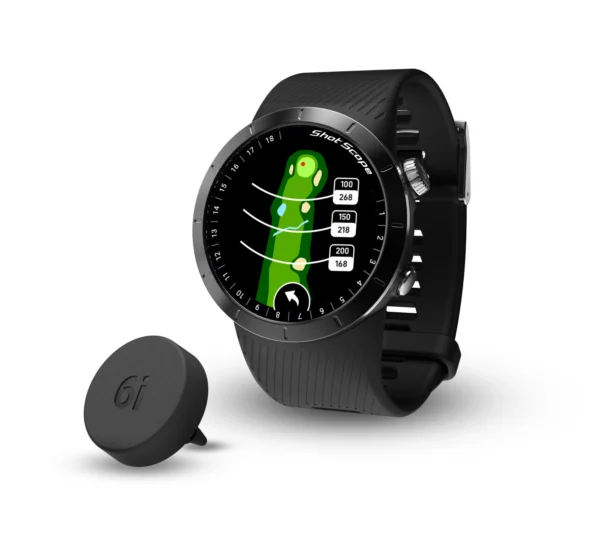
Shot Scope
Shot Scope X5
ifrothgolf earns a commission on purchases made through these links, at no extra cost to you. It never changes what I recommend. Full disclosure.
Quick answer: to get an official golf handicap you need a Handicap Index issued through the World Handicap System, and there are two steps — join a body that can give you one, then post enough scores (54 holes, usually three rounds) for the system to calculate your number. The part most people don't realise is how far the barrier has dropped. You no longer need a full club membership costing hundreds a year, and you no longer need to grind out competition cards — independent memberships now issue an official handicap for about the price of a dozen balls, and casual, everyday rounds count.
What a handicap actually is (30 seconds)
Your handicap starts as a Handicap Index — a single portable number, like 18.0, that measures your demonstrated ability and travels with you to any course in the world. It is not the number of shots you get on the day; that's your Course Handicap, which converts your Index to the specific tees using their slope and rating. Get your Index and our Handicap Calculator will do that conversion for you in seconds, including the format allowances competitions apply. If the three numbers — Index, Course and Playing — are a blur, we untangle them there.
Step one: get into the system
You can't just award yourself a handicap; it has to come from a body licensed to run the WHS, which is what makes it official and recognised everywhere. How you join depends on where you play.
In the United States you need a GHIN number, which comes from membership of a club affiliated to an Allied Golf Association under the USGA. Crucially, a "club" no longer means bricks, mortar and a five-figure joining fee — there are online and "club-without-real-estate" memberships that exist purely to give you a GHIN handicap, typically for around $40–$70 a year. In Great Britain and Ireland the equivalent is joining a club affiliated to England Golf, Golf Ireland, Scottish Golf or Wales Golf — or, if you don't want to join a club at all, England Golf's iGolf scheme (and its national equivalents) gives you a full, official WHS handicap as an independent golfer for roughly £40 a year.
Step two: post 54 holes
Once you're in the system, you need to submit scores totalling 54 holes before you get your first Index — three 18-hole rounds, or any combination of 18s and 9s that adds up. Here's the modern bit: under the WHS these don't have to be competition rounds. General-play scores count, so you can build your handicap from ordinary weekend golf. The process is simple — before you play, register your intent to submit a score (a tap in the app), play the round with a marker who verifies it, and enter your hole-by-hole scores afterwards. The system applies a net double-bogey maximum per hole, so one blow-up doesn't wreck the number.
After 54 holes the WHS calculates your initial Index from your score differentials. From then on it updates automatically as you post rounds, always using the best 8 of your most recent 20 — so it reflects your recent form, not a lifetime average, and a couple of bad days won't tank it.
The gear that makes posting scores painless
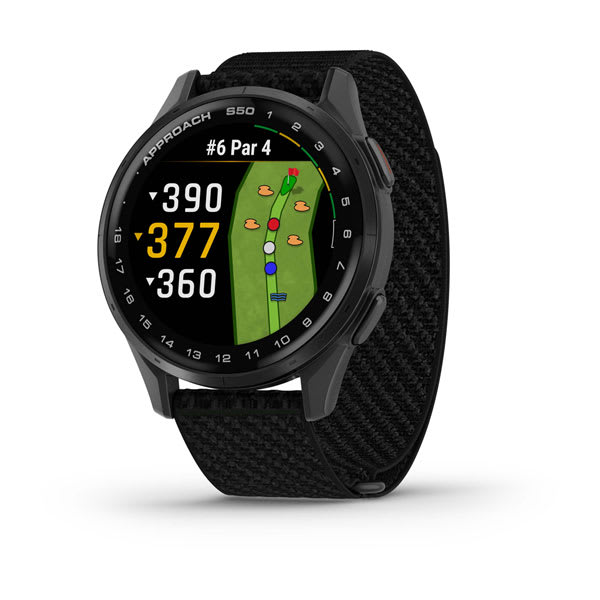
None of this requires kit — but the golfers who keep their handicap current are almost always the ones for whom logging a round is effortless. A shot-tracking system like the Shot Scope X5 records every shot and your full score automatically, so posting becomes a formality rather than a reconstruction on the drive home. If you'd rather keep it on your wrist, a GPS watch such as the Garmin Approach S50 keeps score and feeds you distances as you play — ideal for the general-play rounds that now build your Index.
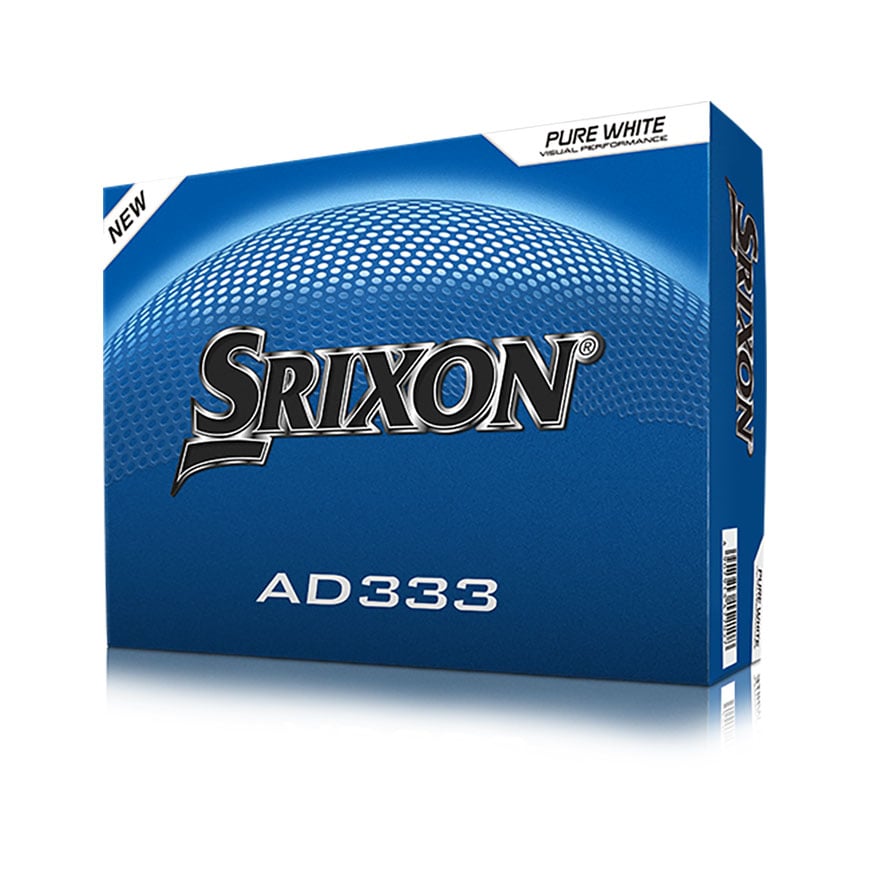
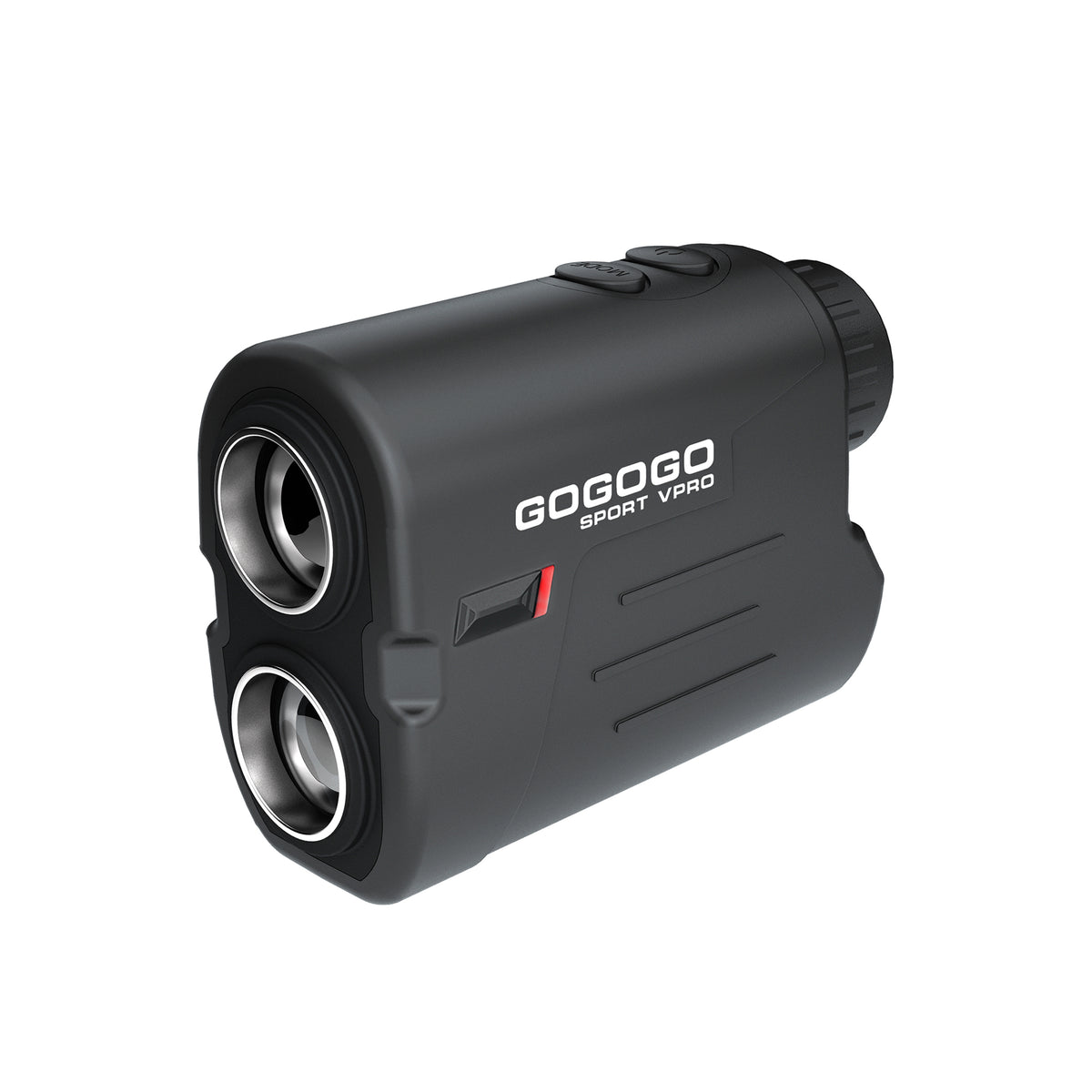
Two smaller things help the number reflect real golf. Accurate yardages mean you're scoring on judgement rather than guesswork, and a switchable-slope laser like the GoGoGo Vpro delivers them for under $130. And while your game settles, play a cheap, durable ball like the Srixon AD333 — you'll lose a few learning the ropes, and there's no sense feeding premium balls to the pond. If you want the fuller case for tracking your game properly, our data-driven golfer guide lays it out.
Who should bother — and who shouldn't
Get a handicap if you play more than a handful of times a year and any part of you wants to measure progress, enter a club competition, play a fair match against a better mate, or take a society or buddies trip where scores matter — the handicap allowances built into those formats only work if everyone has a number. At around £40 or $40 a year for an independent membership, it's the cheapest upgrade in golf. You can comfortably skip it if you play purely socially, never keep score, and have no interest in competing — a handicap you never use is just admin. But be honest: most people who say that quietly start caring about the number the day they get one.
The barrier that used to put people off — expensive membership, a wall of paperwork, medal cards only — is largely gone. An official handicap in 2026 costs about what you'd spend on a sleeve of premium balls, counts the golf you already play, and updates itself. If you've been meaning to get one, this is the year the excuses ran out.
Products mentioned in this article
Shot Scope
Shot Scope X5
Auto-logs every shot and round, so posting a score becomes a tap, not a memory test.
Garmin
Garmin Approach S50
A GPS watch that keeps your score and distances on your wrist — built for the general-play rounds that now count.
Srixon
Srixon AD333
A cheap, durable ball for the rounds you'll post while your game settles — losing one won't sting.
GoGoGo Sport
GoGoGo Sport Vpro Rangefinder
Accurate yardages to play to, so the scores you submit reflect real golf, not guesswork.
ifrothgolf earns a commission on purchases made through these links, at no extra cost to you. It never changes what I recommend. Full disclosure.
Frequently asked
- Can I get a golf handicap without joining a club?
- Yes. Independent WHS memberships now exist for exactly this — England Golf's iGolf and its equivalents in GB&I, and online GHIN clubs in the US — giving you a full official Handicap Index without traditional club membership, typically for around £40 or $40–$70 a year.
- How many rounds do I need to get a handicap?
- Scores totalling 54 holes — usually three 18-hole rounds, though any mix of 18s and 9s counts. Under the World Handicap System these can be general-play rounds, not just competitions, so you can build a handicap from ordinary golf.
- How is my Handicap Index calculated?
- After your first 54 holes the system works out an initial Index from your score differentials, then keeps it current using the best 8 of your most recent 20 rounds. That means it tracks recent form rather than a lifetime average, so a couple of bad rounds won't wreck it.
- What's the difference between my Handicap Index and the shots I get?
- Your Handicap Index is a portable measure of ability; the shots you actually receive are your Course Handicap, which converts the Index to the specific course and tees using their slope and rating. Our handicap calculator does that conversion, including competition format allowances.
Read next
Explained
Your yardages are fiction — and millions of tracked shots prove it
Ask a golfer how far he hits his 7-iron and you'll get a number. Ask a shot-tracking database and you'll get a different, shorter, truer one. The gap between the two is costing you more strokes than your swing is — and the fix costs a month of honesty, not a new set of irons.

Opinion
The most useful data in golf doesn't come from a launch monitor
Home sims measure the shots you choose to hit, in a room with no wind, no lie and no consequences. The numbers that actually tell you where your handicap is leaking cost about $250 and screw into the end of your grips.
Versus
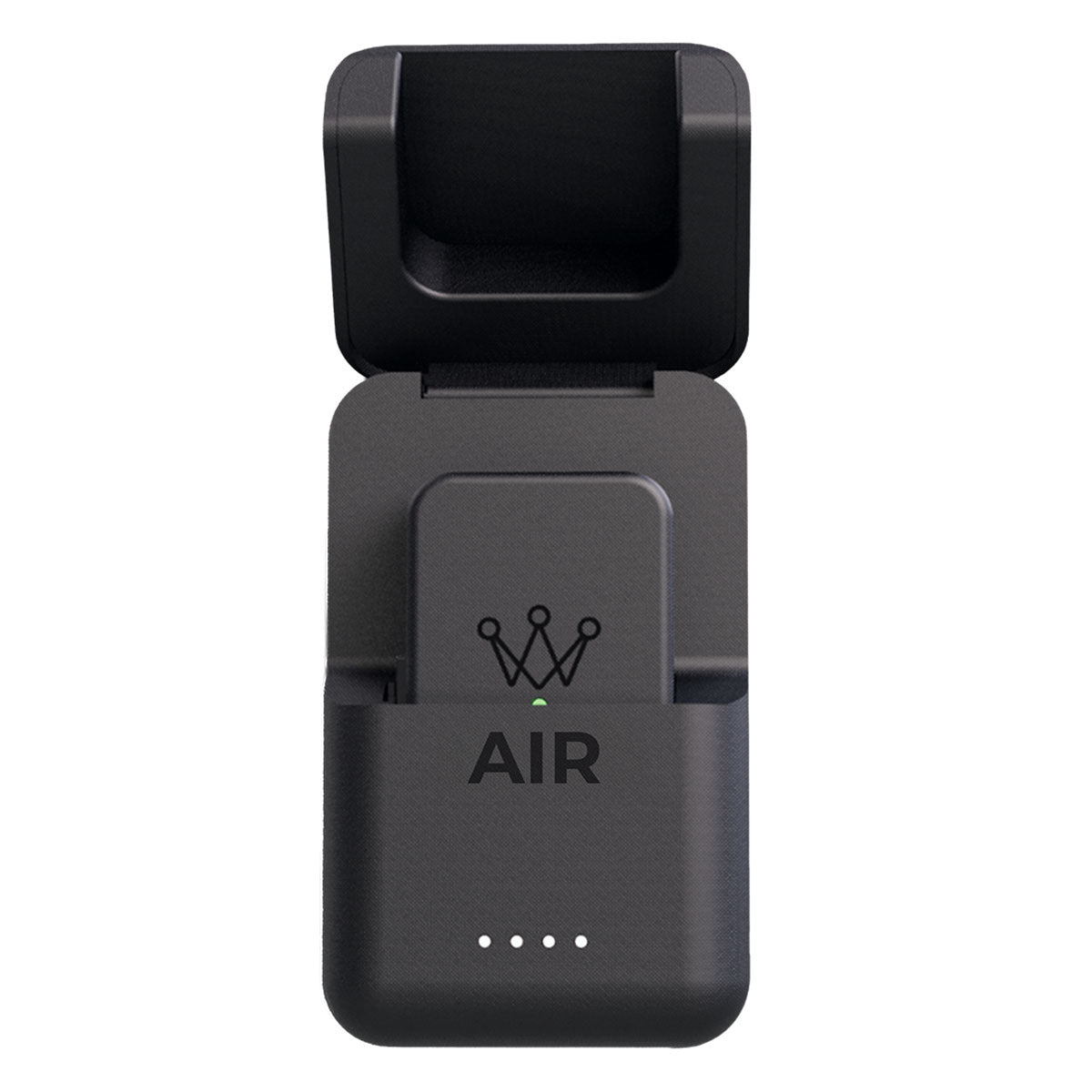
Arccos Air vs Gen 4 Sensors: the same data, two very different asks
One wants a sensor in every grip and your phone in your pocket. The other is a single clip that infers what you swung. The trade you're making isn't price — it's setup effort against how often it gets the club right.