
The most useful data in golf doesn't come from a launch monitor
Home sims measure the shots you choose to hit, in a room with no wind, no lie and no consequences. The numbers that actually tell you where your handicap is leaking cost about $250 and screw into the end of your grips.
By Tom Whitaker · Staff Writer
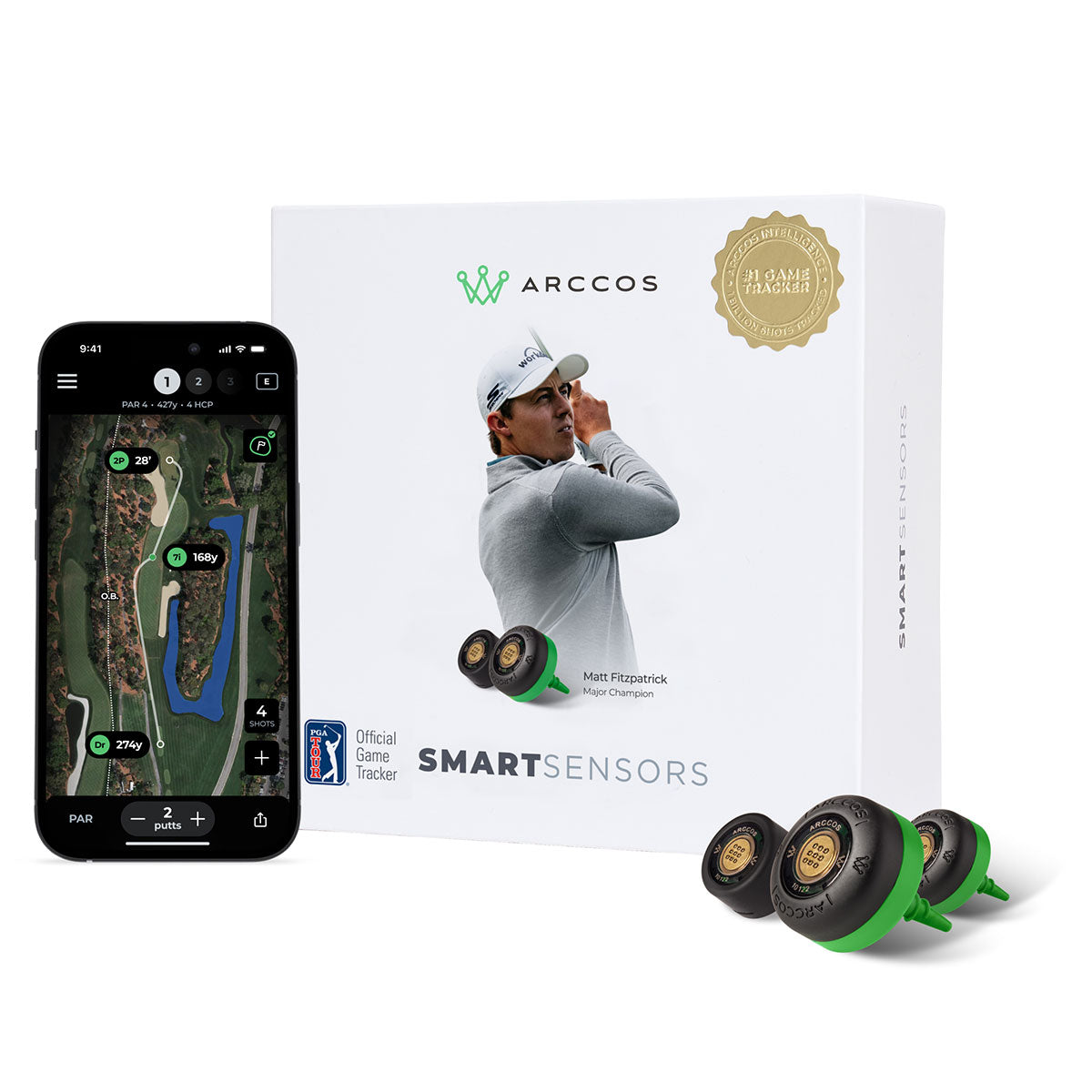
Arccos
Arccos Gen 4 Smart Sensors
ifrothgolf earns a commission on purchases made through these links, at no extra cost to you. It never changes what I recommend. Full disclosure.
I've spent a lot of this year writing about launch monitors, and I want to say something slightly against interest: for the average club golfer trying to shoot lower scores, a launch monitor is not the highest-value data purchase in golf. It's the most fun one, and it's genuinely transformative for gapping and swing work. But it measures a version of golf that doesn't exist — flat lie, no wind, no trees, no card, and crucially, only the shots you decided to hit. The data that tells you where your strokes are actually going is collected on the course, automatically, by something that costs a fraction as much.
What the bay can't see
Here's the gap in one example. Your Launch Pro will tell you, precisely, that your seven iron carries 158 yards with 6,400rpm of spin. Excellent. It cannot tell you that you hit seven iron eleven times last month, that four of those were from rough where you had no business taking it, that your average approach from 155–165 finishes 34 feet from the hole, or that this single distance band is costing you 1.9 shots a round against a scratch benchmark. One of those facts changes what you practise. The other is a number you already half knew.
This isn't a knock on launch monitors — I own one and I'd defend the spend. It's a knock on the assumption that more precise measurement of the swing automatically equals lower scores. Precision and relevance are different axes, and golf's improvement industry has spent a decade optimising the first while mostly ignoring the second.
Why automatic is the whole product
The reason Arccos Gen 4 works where a decade of shot-tracking apps failed is embarrassingly simple: it doesn't ask you to do anything. Fifteen sensors screw into the grip end of your clubs, putter included, and the round records itself. No tagging a shot on your phone. No pressing a button while three people wait on the tee. No remembering, on the 16th, that you've logged nothing since the 4th.
Every manual tracking system I've tried has died the same death — not because the data was bad but because logging is friction, and friction beats good intentions every single time. Automatic detection isn't a convenience feature bolted onto a stats product; it is the product. It's the difference between a season of data and three enthusiastic rounds in April.
What you get back
Strokes gained, on your own golf, is the payoff. Not the tour-broadcast version — the arithmetic applied to your rounds, telling you with actual numbers whether those shots are leaking from driving, approach play, the wedges inside 100 yards, or the putter. Almost every golfer I know is wrong about this. Ask someone where they lose shots and they'll say putting, because three-putts hurt and are memorable; the data usually says approach play, because a 40-foot first putt is the consequence of a mediocre nine iron and nobody remembers the nine iron. That inversion is worth more than any launch monitor number, because it redirects every hour of practice you'll do this year.
There's an on-course layer too — an A.I. caddie that turns your own distance data into club and target advice, adjusted for conditions — which is genuinely useful, though I'd file it under nice rather than transformative. The analysis is the reason to buy.
The honest caveats
Two, and they're real. Automatic detection is very good but not perfect: you'll occasionally edit a round afterwards where it's missed a shot or invented one in a bunker. Budget a few minutes a month, not zero. And the app membership renews annually at around $200 after the included first year, which over five years roughly doubles what you thought you were spending. That's the same second-price-tag problem we've written about across golf tech, and it applies here too.
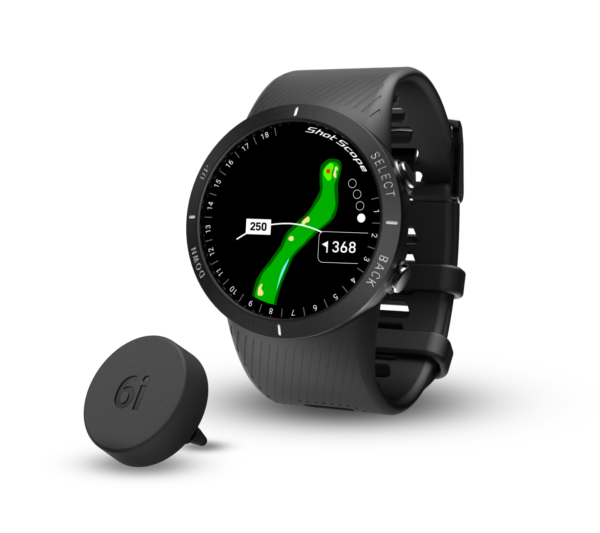
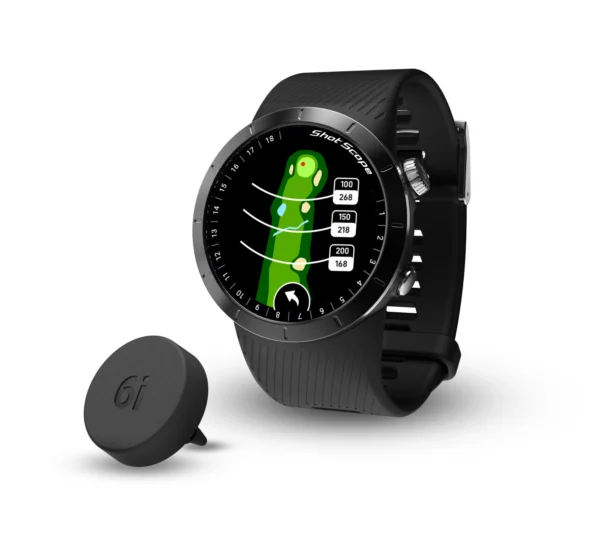
If that recurring cost is the dealbreaker — and for some people it should be — the Shot Scope V5 is the answer: automatic tracking through grip tags, over a hundred stats including strokes gained, and no subscription, ever. It's less polished than Arccos and the A.I. caddie layer isn't there, but the core insight is. Between the two, the question is simply whether you'd rather pay once or pay better.
What I'd actually tell someone with $3,050 to spend
If you have the budget for a premium launch monitor and nothing else, and you play more golf than you practise, I'd spend $250 on the sensors first and see what a season of real data says. There's a decent chance it tells you the money should go on wedges and a lesson rather than a launch monitor at all — and if it still says launch monitor, you'll at least know which part of your game you're buying it to fix. That's a better order of operations than the one the industry sells, which is to buy the expensive measuring device first and work out what to measure afterwards.
The pitch for a home sim is that it makes you better. Mostly it makes you practise more, which is a genuine and underrated thing. But practising more in the wrong area is just an efficient way to stay the same handicap. Find the leak, then buy the tool. Our data-driven golfer shelf has the rest of the kit for doing it in that order.
Products mentioned in this article
Arccos
Arccos Gen 4 Smart Sensors
Fifteen grip-end sensors that record the round without you doing anything.
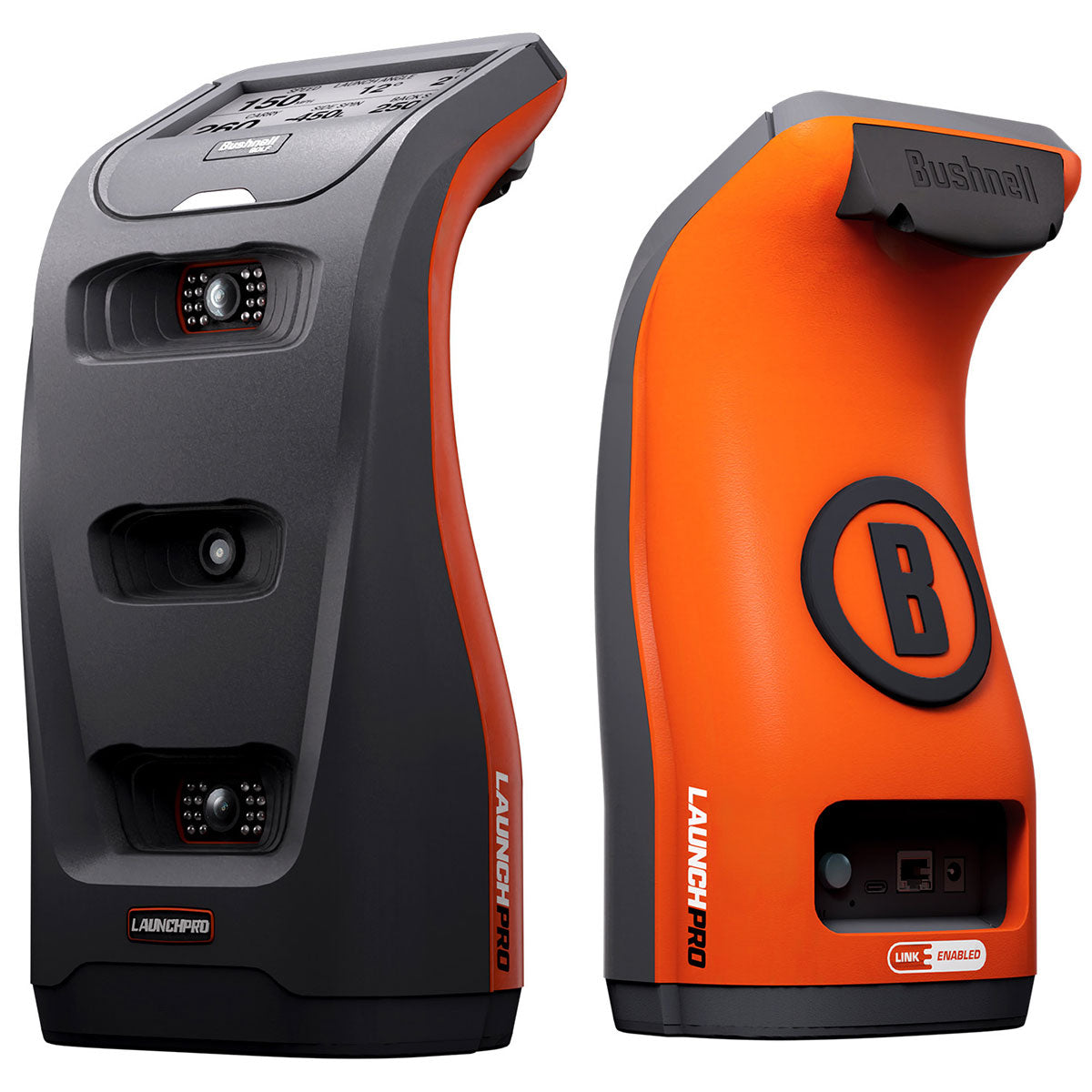
Bushnell
Bushnell Launch Pro Circle B
Brilliant at what it measures — which isn't the thing costing you shots.
ifrothgolf earns a commission on purchases made through these links, at no extra cost to you. It never changes what I recommend. Full disclosure.
Frequently asked
- Is a shot tracker more useful than a launch monitor?
- For lowering scores, often yes. A launch monitor measures the swing precisely in conditions that do not exist on a course, and only for shots you chose to hit. A shot tracker measures your real rounds and shows which part of your game is actually costing strokes, which is what should direct your practice.
- How much does Arccos cost after the first year?
- The sensors are around £195 and include a year of app membership. After that it renews annually at roughly £157, so over five years the true cost is close to double the sticker price. Factor that in before comparing it against a no-subscription rival.
- Is Arccos shot detection accurate?
- Very good, not perfect. It records the vast majority of shots automatically with nothing to press or tag, but you should expect to edit the occasional round where it has missed a shot or added a phantom one. That is a few minutes a month, not an ongoing chore.
- What is the best shot tracker without a subscription?
- The Shot Scope V5. It tracks automatically through grip tags and gives you over a hundred stats including strokes gained with no ongoing fee. It is less polished than Arccos and lacks the A.I. caddie layer, but the core strokes-gained insight is there.
- Where do most amateur golfers actually lose shots?
- Usually approach play, not putting. Three-putts are memorable so golfers blame the putter, but a long first putt is normally the consequence of a poor approach. Strokes-gained data on your own rounds is the only reliable way to find out which is true for you.
Read next
Explained
Your yardages are fiction — and millions of tracked shots prove it
Ask a golfer how far he hits his 7-iron and you'll get a number. Ask a shot-tracking database and you'll get a different, shorter, truer one. The gap between the two is costing you more strokes than your swing is — and the fix costs a month of honesty, not a new set of irons.
Explained
How to get a golf handicap (and why it's cheaper and easier than you think)
You no longer need a pricey club membership or a stack of medal cards. Here's the fastest route to an official Handicap Index in 2026 — and the everyday rounds that now count towards it.
Versus
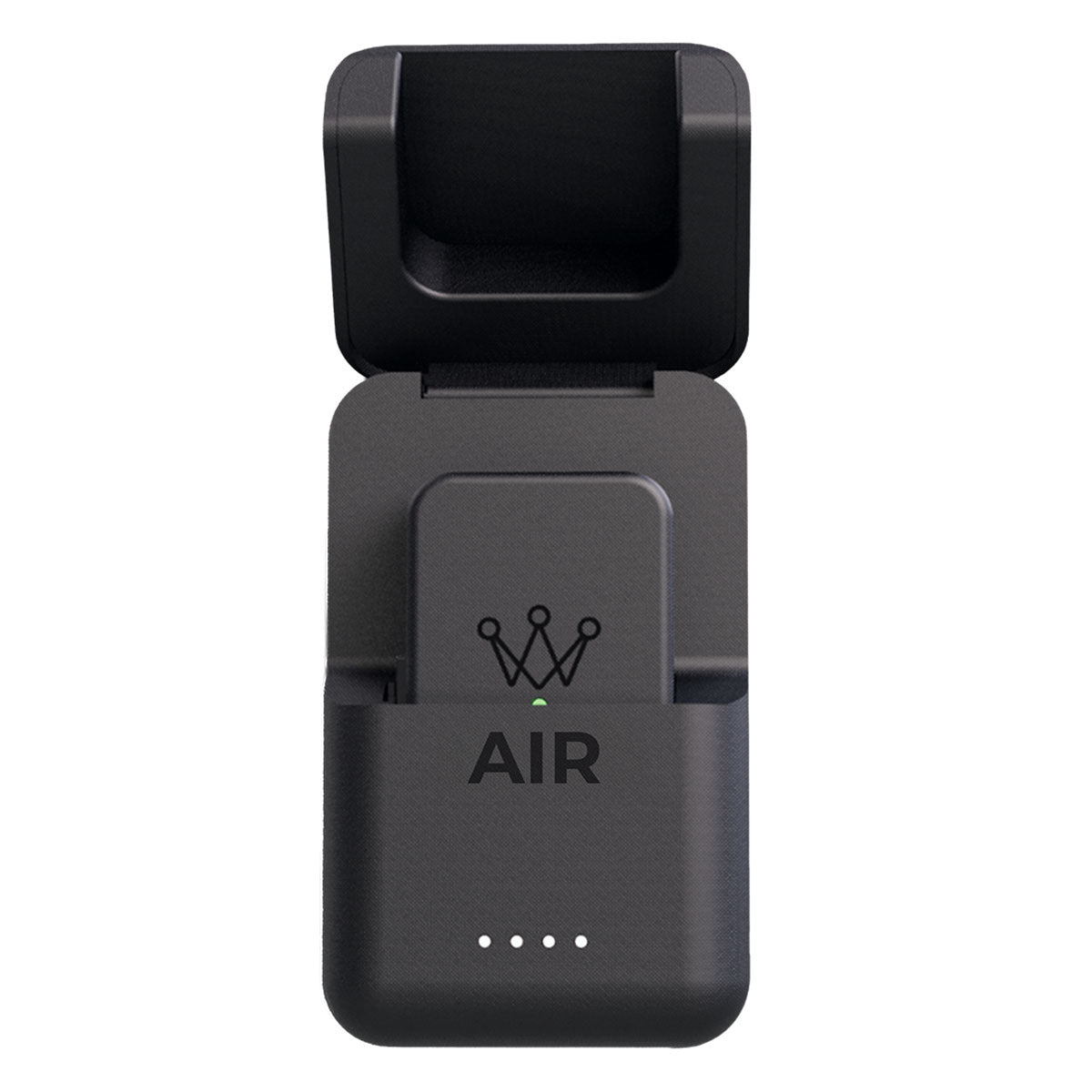
Arccos Air vs Gen 4 Sensors: the same data, two very different asks
One wants a sensor in every grip and your phone in your pocket. The other is a single clip that infers what you swung. The trade you're making isn't price — it's setup effort against how often it gets the club right.