
Arccos Air vs Gen 4 Sensors: the same data, two very different asks
One wants a sensor in every grip and your phone in your pocket. The other is a single clip that infers what you swung. The trade you're making isn't price — it's setup effort against how often it gets the club right.
By Tom Whitaker · Staff Writer
Arccos
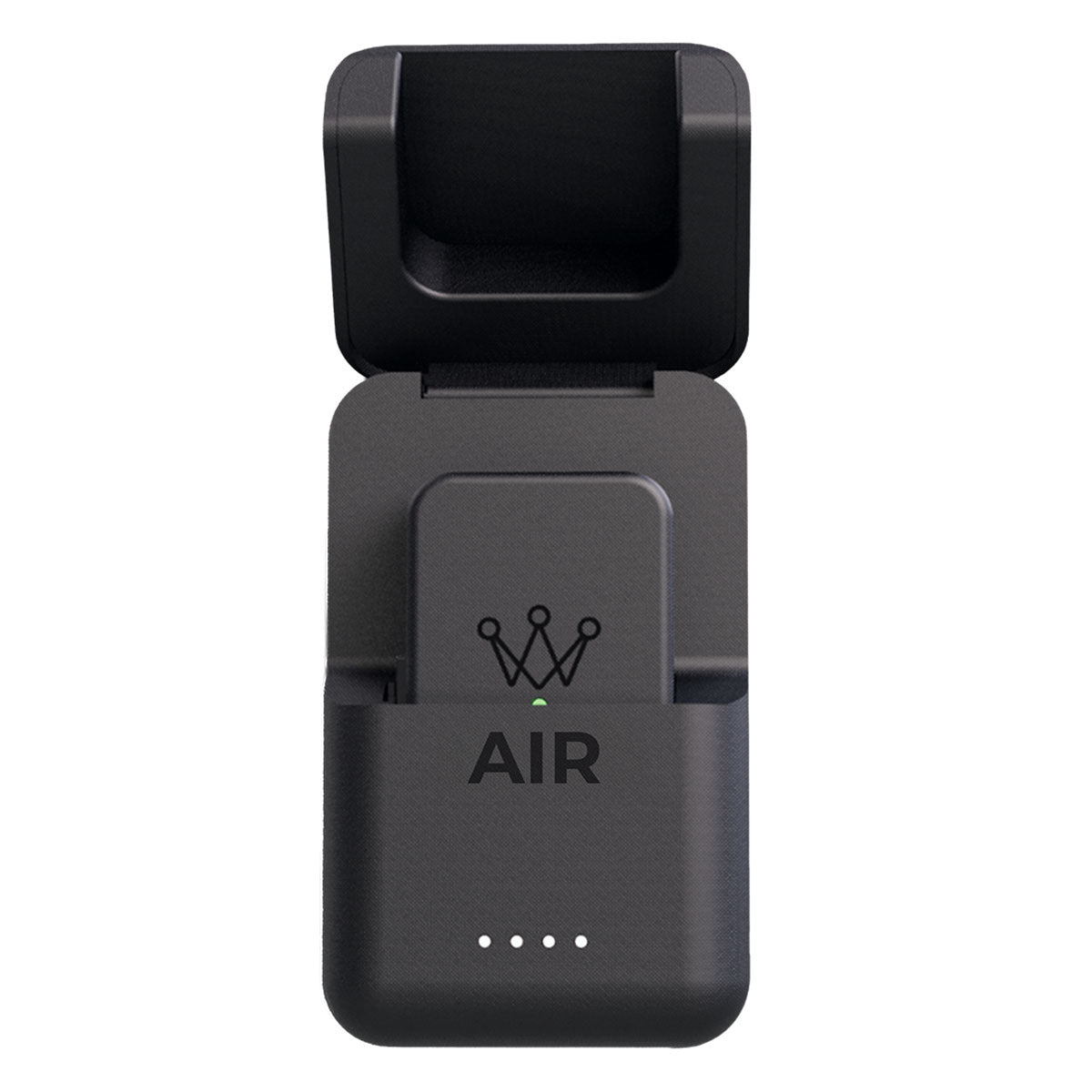
Arccos Air
Pick if fitting sensors to fourteen clubs is the reason you've never tracked a round.
Arccos
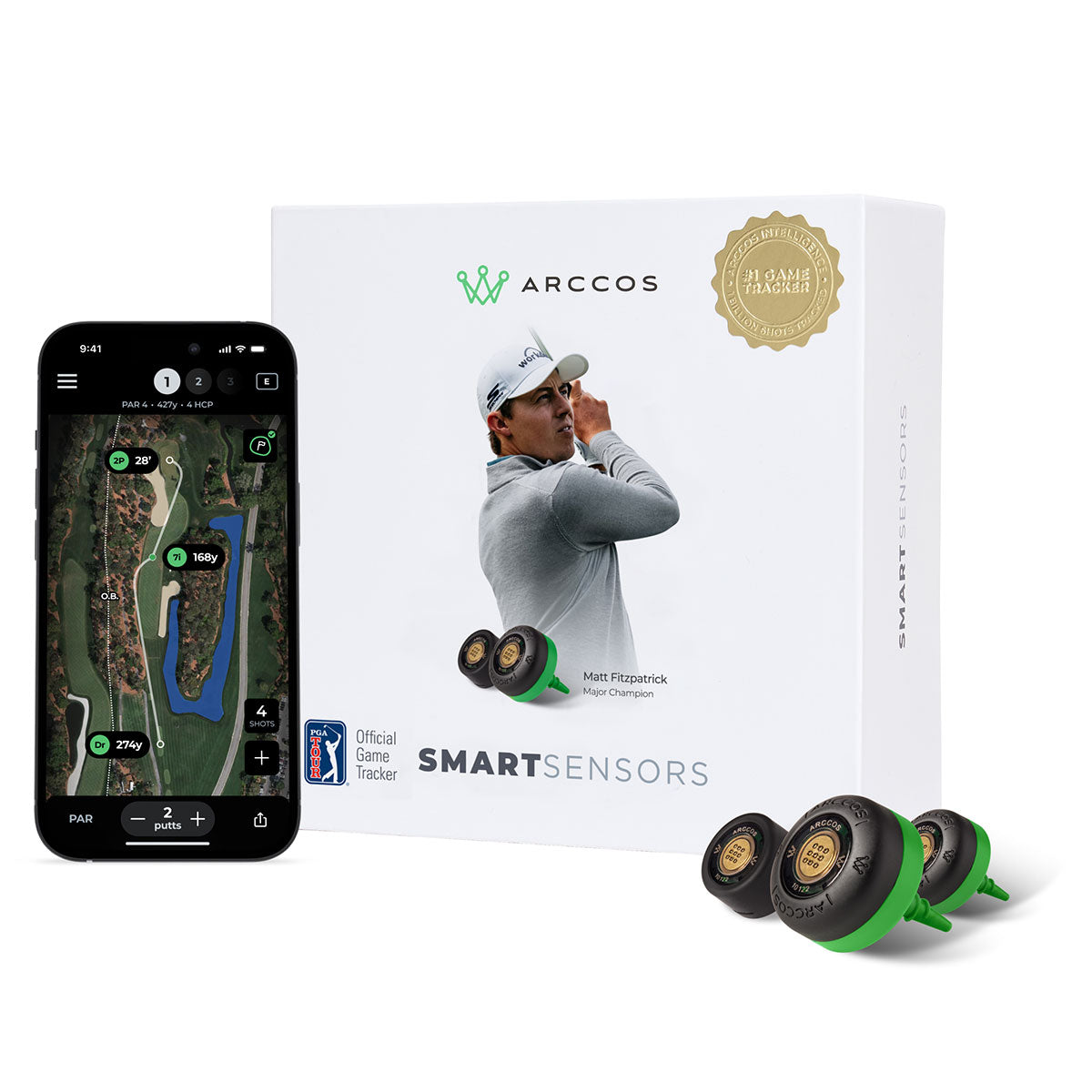
Arccos Gen 4 Smart Sensors
Pick if you want the most reliable club identification and don't mind the setup.
ifrothgolf earns a commission on purchases made through these links, at no extra cost to you. It never changes what I recommend. Full disclosure.
Side by side
| Specification | ArccosArccos Air | ArccosArccos Gen 4 Smart Sensors |
|---|---|---|
| Device type | shot tracker (single wearable) | shot tracker (grip-end sensors) |
| Stats | strokes gained, smart club distances, AI strategy, green maps | strokes-gained analysis on your own rounds |
| Shot detection | detection model trained on a claimed 1.5 billion shots | fully automatic shot detection — nothing to tag |
| Subscription required | one year of tracking subscription included, renews after | first year of app membership included, recurring after |
Specs as published by each manufacturer. Rows in grey are where the two match.
Arccos now sells two ways to record the same round, and the choice between them is unusually clean: Gen 4 Smart Sensors put a physical tag in every grip and read exactly which club you swung; Arccos Air is one wearable that works out which club you swung from GPS and motion. Same app, same strokes-gained analysis, same AI caddie. Different bargain. Air asks less of you up front and slightly more of you afterwards, and which side of that you land on has almost nothing to do with budget.
What each one actually asks
Gen 4 is fifteen sensors — fourteen clubs plus a putter tag — screwed into the grip ends. It's a twenty-minute job once, and then it's invisible. The catch is that the system needs your phone with you to hear the sensors, so a round with the phone left in the bag two holes back is a round with holes in it. Regripping means moving sensors. Lending a club to a mate means the shot lands in your data.
Air removes all of that: one compact device, no sensors, no phone required. The detection runs on GPS and motion, with Arccos's model trained on what the company puts at 1.5 billion recorded shots. If the reason you've never tracked your golf is that fitting hardware to fourteen clubs sounded like admin, Air is a straightforwardly better product for you, and the setup difference is not a small thing — most tracking systems die at the setup step, not the data step.
Where the difference shows up
Inference is a harder problem than reading a tag. A sensor in a seven iron knows it's a seven iron; a motion model watching your wrist has to decide between a seven and an eight from a swing that looks broadly similar, and it will occasionally be wrong. In my experience of motion-based detection generally, the ambiguity clusters exactly where you'd expect: partial wedges, punch shots, and anything where the swing signature departs from the full-swing template the model learned on.
How much that matters depends on what you're using the data for. If you want to know whether your strokes are leaking from approach play or from putting, an occasional misattributed wedge changes nothing — the picture is drawn from hundreds of shots and it's robust. If you're trying to dial precise gapping between a 52 and a 56, sensors are the more reliable instrument. Both let you correct a round afterwards; Air will simply ask a bit more often.
What's identical, and it's most of it
Worth being clear that this is not a good-and-better pair. Both give you strokes gained on your own rounds, smart club distances that learn your real carries, AI strategy on the course, and green maps. Both include a year of membership and renew annually afterwards — the recurring cost that follows all of golf tech and the thing to price over five years, not one, before you compare either against a no-subscription rival like the Shot Scope V5.
The prices sit close enough that money shouldn't decide this. Air asks a little more than the sensor set, which is initially counterintuitive — you're getting less hardware — until you realise you're paying for the inference model rather than the components.
Who should buy which
Buy Air if any of these is true: you've bounced off shot tracking before because of setup, you don't like carrying your phone while you play, you regrip often, or you share clubs. Convenience is the product, and the data it produces is more than good enough for the question most golfers are actually asking — where am I losing shots?
Buy Gen 4 if you're a gearhead who wants the most reliable club identification available, if you're doing precise gapping work, or if you're the sort of person who will find the occasional correction irritating rather than trivial. It's the more accurate instrument and it's been proven over several generations.
The verdict
This isn't a contest, it's a fork, and Arccos has judged it well — the same intelligence sold two ways, priced close enough that you choose on temperament rather than budget. If you already track your golf and it's working, there's no reason to switch. If you don't, Air is the version most likely to still be on your bag in October, and that matters far more than the last few percent of club-detection accuracy. Either way, collecting the data at all is the step that changes what you practise.
Frequently asked
- What is the difference between Arccos Air and Gen 4 sensors?
- Gen 4 uses fifteen physical sensors screwed into your grips and needs your phone with you to record. Air is a single wearable that infers which club you swung from GPS and motion, with no sensors to fit and no phone required. Both feed the same app and the same strokes-gained analysis.
- Is Arccos Air as accurate as the sensors?
- For club identification, slightly less. Reading a tag in a specific grip is more reliable than inferring the club from motion, and the ambiguity tends to show up on partial wedges and unusual swings. For the broader question of where your strokes are leaking, the difference is immaterial.
- Do you need your phone for Arccos Air?
- No, and that is one of its main advantages over the sensors. Gen 4 needs your phone with you so it can hear the grip sensors, whereas Air records independently.
- Does Arccos Air need a subscription?
- Yes, after the included first year. Both Air and the Gen 4 sensors come with a year of membership and renew annually, so price it over five years before comparing against a no-subscription tracker like the Shot Scope V5.
- Which Arccos should a beginner to shot tracking buy?
- Air, in most cases. The single biggest reason tracking systems go unused is the setup step, and Air removes it entirely — no sensors to fit, nothing to move when you regrip, no phone to remember. The data it produces easily answers the question most golfers have.
Read next
Explained
Your yardages are fiction — and millions of tracked shots prove it
Ask a golfer how far he hits his 7-iron and you'll get a number. Ask a shot-tracking database and you'll get a different, shorter, truer one. The gap between the two is costing you more strokes than your swing is — and the fix costs a month of honesty, not a new set of irons.
Explained
How to get a golf handicap (and why it's cheaper and easier than you think)
You no longer need a pricey club membership or a stack of medal cards. Here's the fastest route to an official Handicap Index in 2026 — and the everyday rounds that now count towards it.
Opinion
The most useful data in golf doesn't come from a launch monitor
Home sims measure the shots you choose to hit, in a room with no wind, no lie and no consequences. The numbers that actually tell you where your handicap is leaking cost about $250 and screw into the end of your grips.