
Your yardages are fiction — and millions of tracked shots prove it
Ask a golfer how far he hits his 7-iron and you'll get a number. Ask a shot-tracking database and you'll get a different, shorter, truer one. The gap between the two is costing you more strokes than your swing is — and the fix costs a month of honesty, not a new set of irons.
By Dan Mercer · Editor
 Explained
Ask a mid-handicapper how far he hits his 7-iron and he will give you a number without hesitating. Ask the tracking data and you will get a different, shorter, truer one. Nearly every yardage you believe about your own game is fiction — a story assembled from your best-ever strikes, warm summer afternoons and selective memory. We know this because the shot-tracking platforms have been quietly collecting the receipts: Shot Scope's published aggregate data, drawn from millions of real amateur shots logged by its users, has been showing the same uncomfortable patterns for years. Golfers think they hit it further than they do. They club themselves off their career-best strike rather than their average. And they miss approach shots short far more often than long. Your swing is probably fine. Your numbers are lying.
The three lies the data keeps exposing
The patterns in the aggregate tracking data are remarkably stubborn. First, the distance gap: the carry an amateur claims for a club and the carry that club actually averages on the course are two different numbers, and the real one is shorter. Second, the anchoring problem: golfers remember the one 7-iron that flew the green in August and quietly file it as 'what my 7-iron does', ignoring the dozens that came up a flag short. Third — and this is the killer — the miss pattern on approach shots is heavily lopsided. Amateurs miss short of the green far more often than long, which is exactly what you would expect from a population clubbing off its best-ever strike. The water, the false front and the bunkers live short of the green for a reason. Course architects read the same data you are ignoring.
Why your brain does this
None of this is stupidity; it is memory doing what memory does. A pured 7-iron is vivid and flattering, so it becomes the reference point. The thirty slightly heavy ones are forgettable, so they vanish. Add range balls that fly differently from your gamer, adrenaline on the tee, and the fact that nobody ever pacing off a chunked approach thinks 'I should update my averages', and you get a yardage book written by your ego. The result is systematic: you are not randomly wrong about your distances, you are wrong in one direction, on almost every club, on almost every hole. That is why it is worth fixing — a consistent bias is the easiest kind of error to correct.
The unglamorous fix
The fix is not a speed-training programme or new shafts. It is a month of honest bookkeeping: track every shot you hit on the course for four or five rounds, let the averages accumulate, then re-learn your bag from the numbers instead of the folklore. Most golfers who do this discover their real gaps are not the neat ten-to-fifteen-yard ladder they assumed — two clubs sit nearly on top of each other, another gap yawns twenty yards wide, and the honest 7-iron number is the one they used to call an 8-iron. Then the fix on the course is embarrassingly simple: take the club your average says, not the one your highlight reel says. More club, middle of the green, watch the lopsided short-miss pattern flatten out.
The gear that keeps score on the course
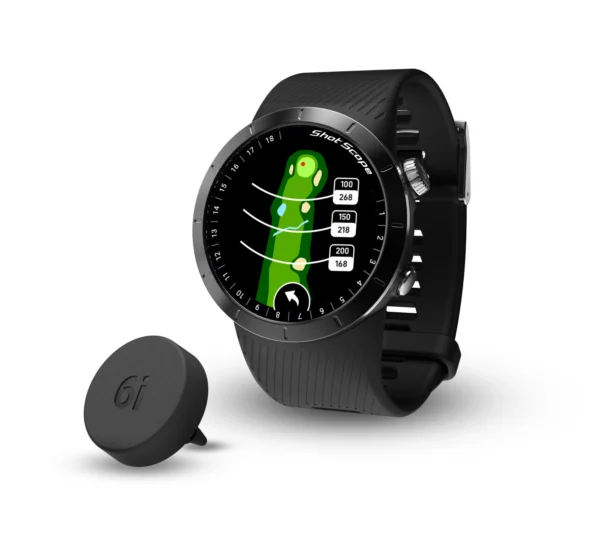
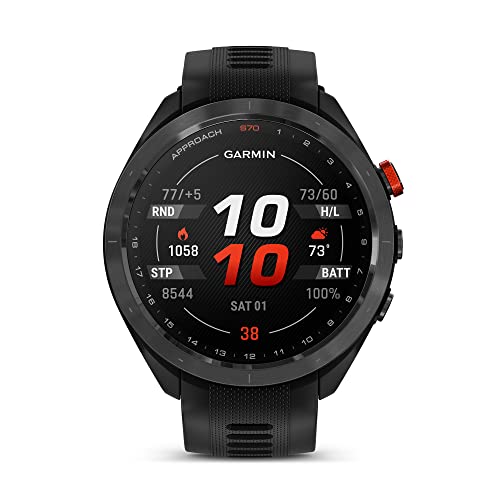
You could log shots in a notebook, but you won't, which is where automatic tracking earns its keep. The Shot Scope X5 is the purpose-built answer: sixteen little tags screw into your grips and log every shot automatically, feeding more than 100 performance metrics and proper Strokes Gained analysis through the app — real per-club averages included — with full-colour maps of 36,000-plus courses and zero subscription fees. Its automatic detection occasionally misses a shot and the battery is merely decent, but the stats depth at the price is unmatched. The Garmin Approach S70 attacks the same problem from the premium end: a gorgeous AMOLED everyday smartwatch whose Virtual Caddie learns how far you actually hit each club and then suggests one — an algorithm politely overruling your ego on every tee. It costs proper money, but it replaces a fitness watch too.
Verify the gaps at the range
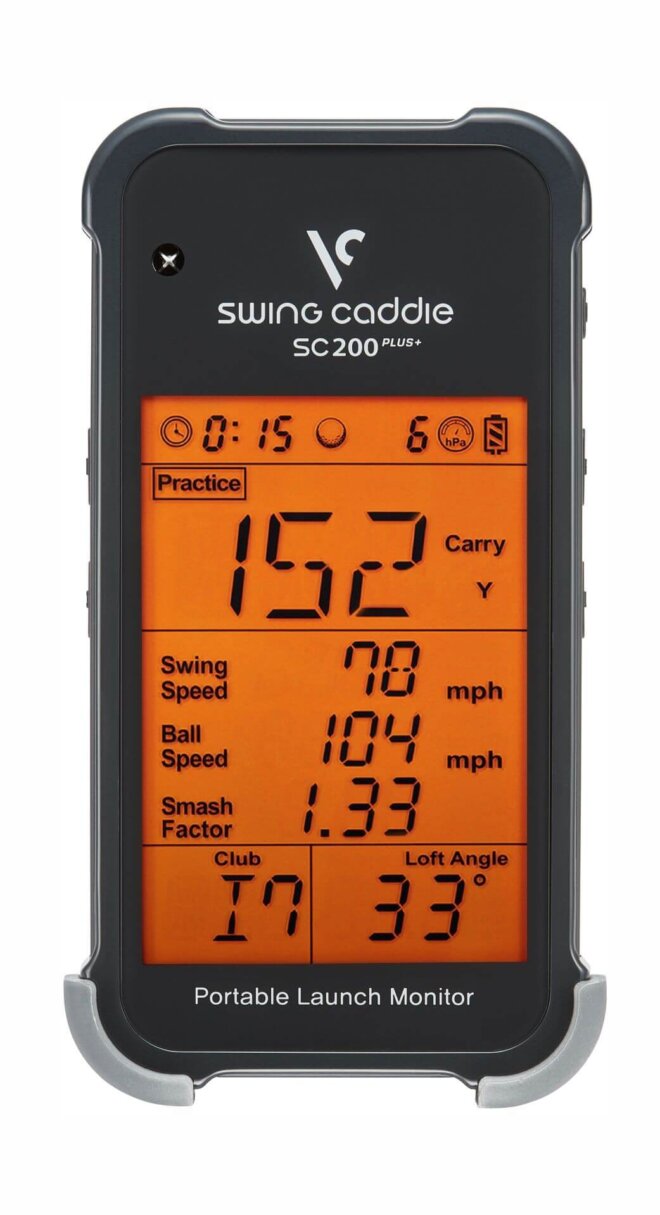
On-course averages tell you what your clubs do under real conditions; a launch monitor tells you why, and lets you re-check your gapping in one session instead of five rounds. The Swing Caddie SC200 Plus is the simplest honest tool here: a paperback-sized radar that sits behind you and reads your carry, ball speed and swing speed out loud after every shot, storing per-club averages as you work through the bag. No app, no fees, no shot shape — just the numbers that build a distance chart. The FlightScope Mevo adds spin, launch angle and apex to the picture across eight tracked parameters, all through a free app, which makes it the budget pick for anyone who wants a fuller flight story. Either way the session looks the same: ten balls per club, ignore the best one, write down the average. Then feed those honest numbers into our Club Distance Calculator — it maps your whole bag and flags the gaps that need fixing.
Who should bother — and who shouldn't
If you keep score, play most weeks and care about your handicap, a month of tracking is the highest-return purchase in this piece — it will outperform a new driver because it fixes a decision you make forty times a round. If you have already done a proper gapping session this year and you genuinely play to your averages, you are the rare exception; carry on. And if you play four times a summer for the beers, skip all of it — fiction is more fun anyway. For everyone in between, we have made the fuller argument that a launch monitor beats new clubs, and the complete kit list lives in our data-driven golfer guide, alongside the rest of our golf tech coverage.
Products mentioned in this article
Shot Scope
Shot Scope X5
The stats machine: automatic shot tracking, Strokes Gained and real per-club averages with no subscription.
Garmin
Garmin Approach S70 (47mm)
The premium everyday watch: Virtual Caddie learns your actual distances and suggests the club your ego wouldn't.
Voice Caddie
Swing Caddie SC200 Plus Portable Launch Monitor
The range truth-teller: reads your carry out loud after every ball, so gapping sessions actually stick.

FlightScope
FlightScope Mevo Portable Launch Monitor
The budget radar: eight real numbers including spin, enough to build an honest distance chart.
ifrothgolf earns a commission on purchases made through these links, at no extra cost to you. It never changes what I recommend. Full disclosure.
Frequently asked
- Do amateur golfers really overestimate their distances?
- Yes — aggregate data from shot-tracking platforms like Shot Scope, built from millions of real amateur shots, consistently shows golfers believe they hit each club further than their true average. The cause is anchoring on the best strike ever hit with a club rather than the typical one, and the visible symptom is missing approach shots short far more often than long.
- What is the difference between a shot-tracking watch and a launch monitor?
- A tracking system like the Shot Scope X5 logs every shot you hit on the course automatically and builds real per-club averages over many rounds. A personal launch monitor like the Swing Caddie SC200 Plus or FlightScope Mevo measures individual shots at the range, which is ideal for checking the distance gaps between your clubs in a single session. They answer different questions and pair well together.
- How long do you need to track shots before the averages are useful?
- About a month of regular play, or four to five full rounds, is enough for meaningful per-club averages on the clubs you use most. The more rounds you log, the more reliable the numbers get, and automatic tracking means there is no extra effort per shot.
- Why do amateurs miss approach shots short more than long?
- Because most golfers choose clubs based on their best-ever carry rather than their average carry, the typical strike comes up short of the number they planned for. Course design punishes this, since bunkers and water tend to sit short of greens. Taking one more club than instinct suggests is the simplest fix.
Read next
Explained
How to get a golf handicap (and why it's cheaper and easier than you think)
You no longer need a pricey club membership or a stack of medal cards. Here's the fastest route to an official Handicap Index in 2026 — and the everyday rounds that now count towards it.
Opinion
The most useful data in golf doesn't come from a launch monitor
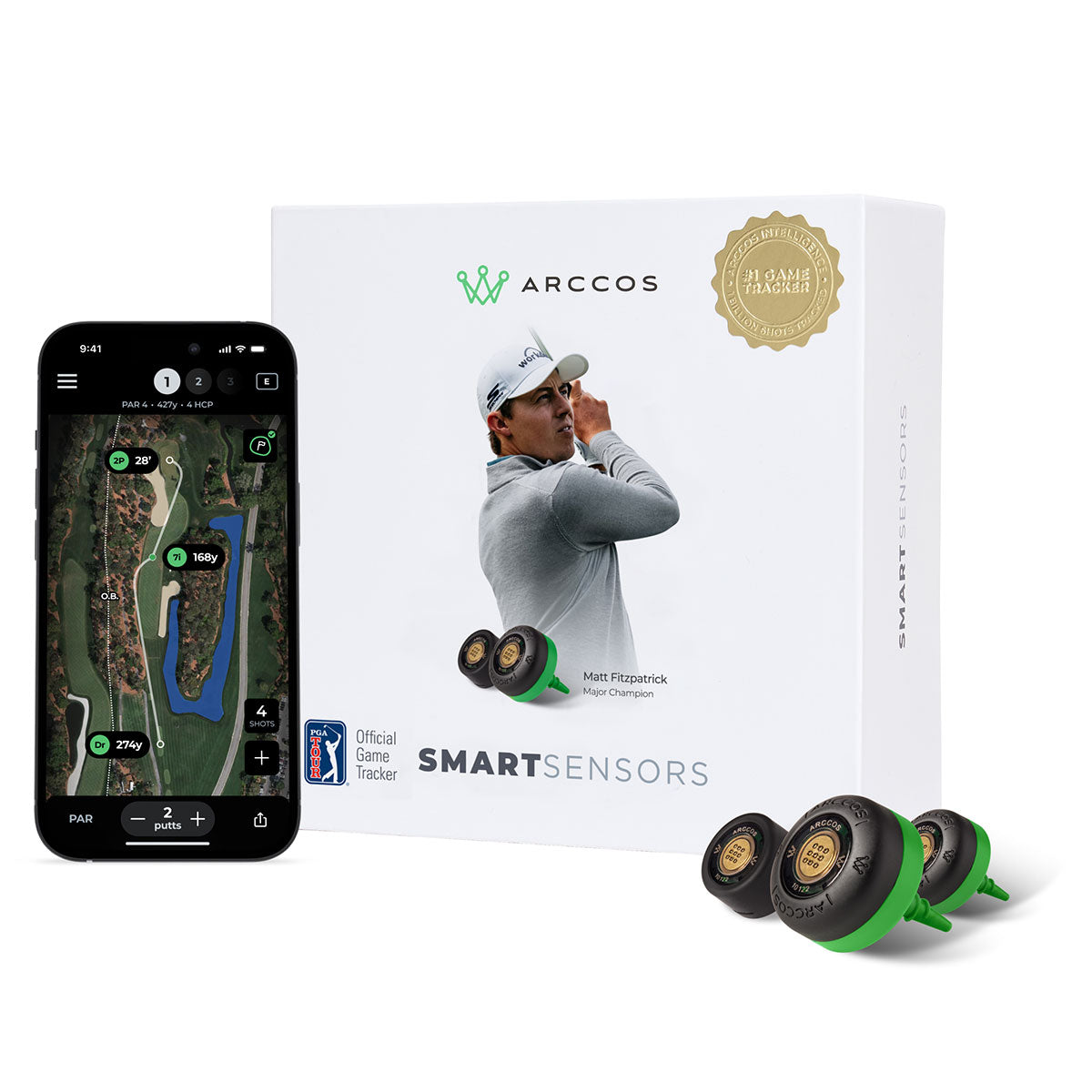
Home sims measure the shots you choose to hit, in a room with no wind, no lie and no consequences. The numbers that actually tell you where your handicap is leaking cost about $250 and screw into the end of your grips.
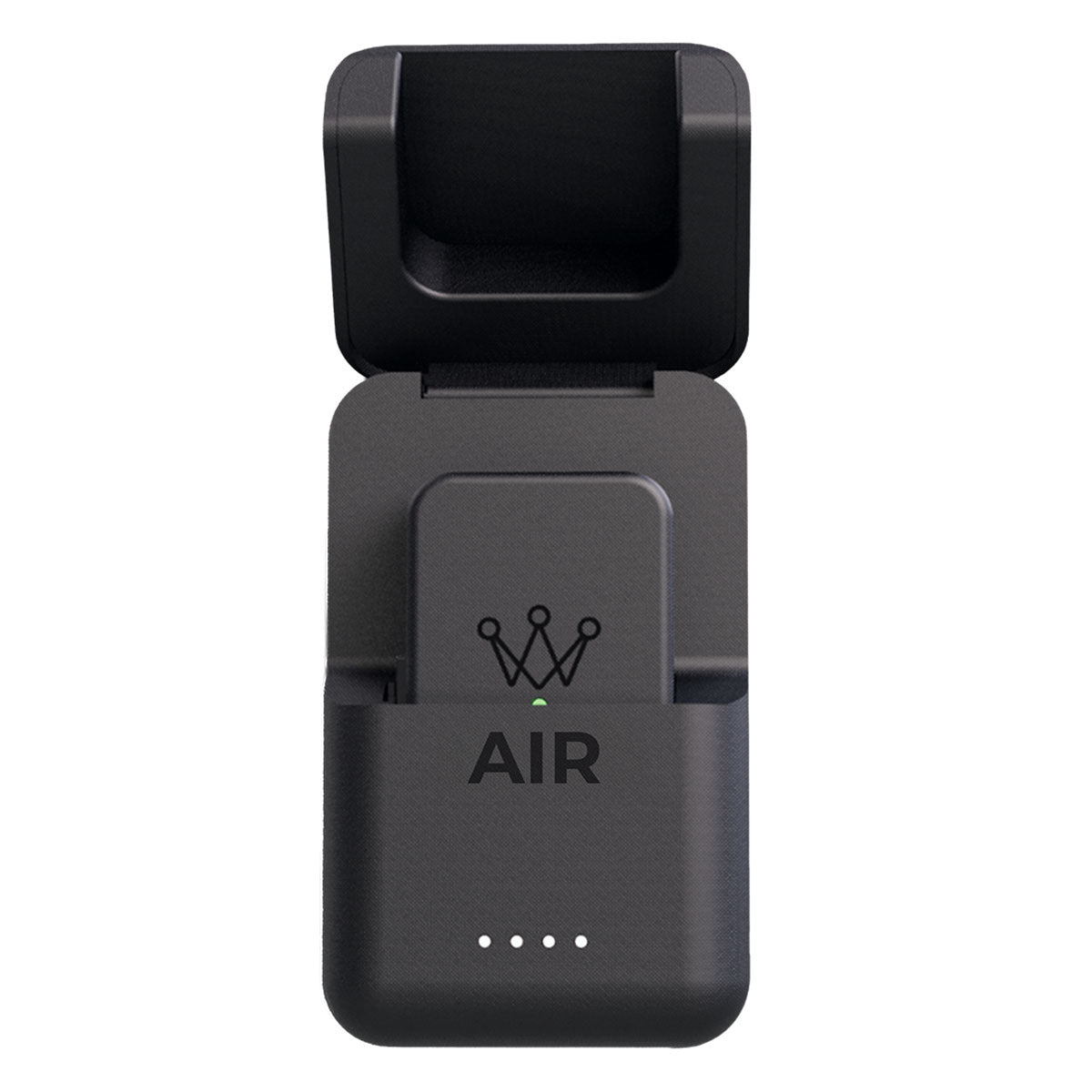
Versus
Arccos Air vs Gen 4 Sensors: the same data, two very different asks
One wants a sensor in every grip and your phone in your pocket. The other is a single clip that infers what you swung. The trade you're making isn't price — it's setup effort against how often it gets the club right.