You're told to buy 15 things to start golf. You need about 6.
The golf industry loves a beginner with a credit card. But most of the starter shopping list exists to sell you gear, not to get you playing — and half of it will actively slow your progress. Here's the honest list of what a new golfer actually needs, and the expensive stuff you should absolutely not buy yet.
By Dan Mercer · Editor
 Explained
Walk into a golf shop as a beginner and say so out loud, and you will leave with a shopping list of roughly fifteen items and a lighter bank balance. A rangefinder. A premium ball. A driver that costs more than a flight to Portugal. A glove for each hand, apparently. Here's the thing nobody selling it to you will say: a brand-new golfer needs about six things to get onto a course and start improving, and several of the items pushed hardest will actively slow you down while emptying your wallet. This is the honest starter list — what to buy, what to defer, and what to flatly refuse — written by someone with nothing to sell you a driver over.
The counterintuitive rule: cheaper is usually correct at the start
Golf inverts the normal logic of buying gear. With most equipment, spending more buys you performance you can immediately use. With beginner golf, spending more often buys you performance you cannot yet access and characteristics that make learning harder. A premium tour ball is engineered to reward a fast, consistent swing with spin control most beginners can't produce and will only use to slice more violently into the trees. A five-hundred-dollar driver is a precision instrument for a repeatable motion you don't have yet. The gear can't meet you where you are, so the money is simply wasted — or worse, it's actively unhelpful. Internalise this early and you'll save hundreds: at the start, the correct choice is very often the cheaper one, and that's not a compromise, it's the smart play.
What you actually need (the list of six)
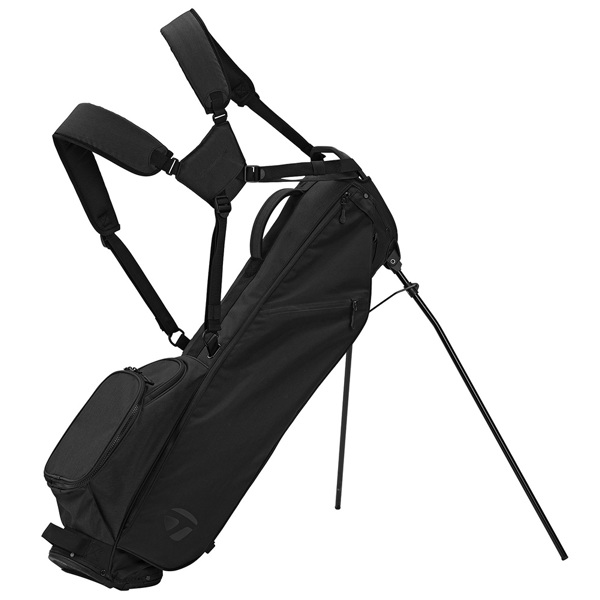
Six things get you playing. One: a set of clubs — a boxed or second-hand starter set is completely fine, and no beginner has ever been held back by their irons. Two: a bag to carry them, and this is the one place a small upgrade earns its keep. A light, comfortable stand bag like the TaylorMade FlexTech carry stand bag makes walking nine holes a pleasure rather than a chore, and comfort is what gets a beginner back for a second round. Three: shoes you'll actually wear. Four: balls you won't cry over losing. Five: a glove. Six: a few tees and a way to practise at home. That's the whole list. Everything else the shop suggested is deferrable, and deferring it is the correct decision.
Buy cheap balls, and buy two kinds
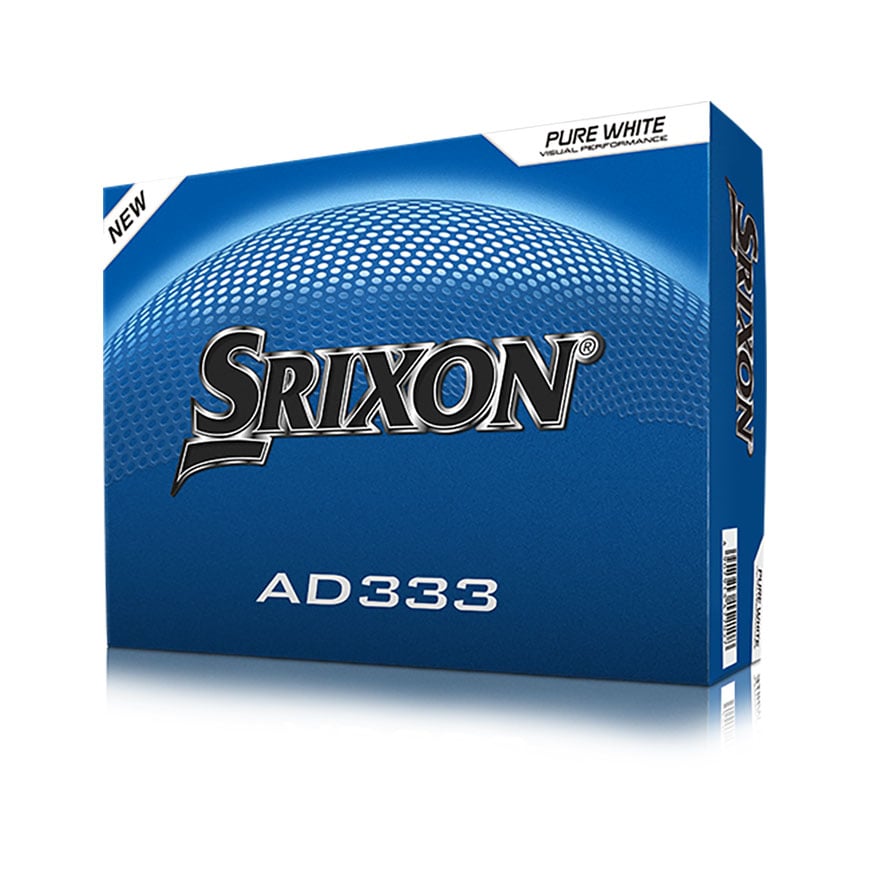
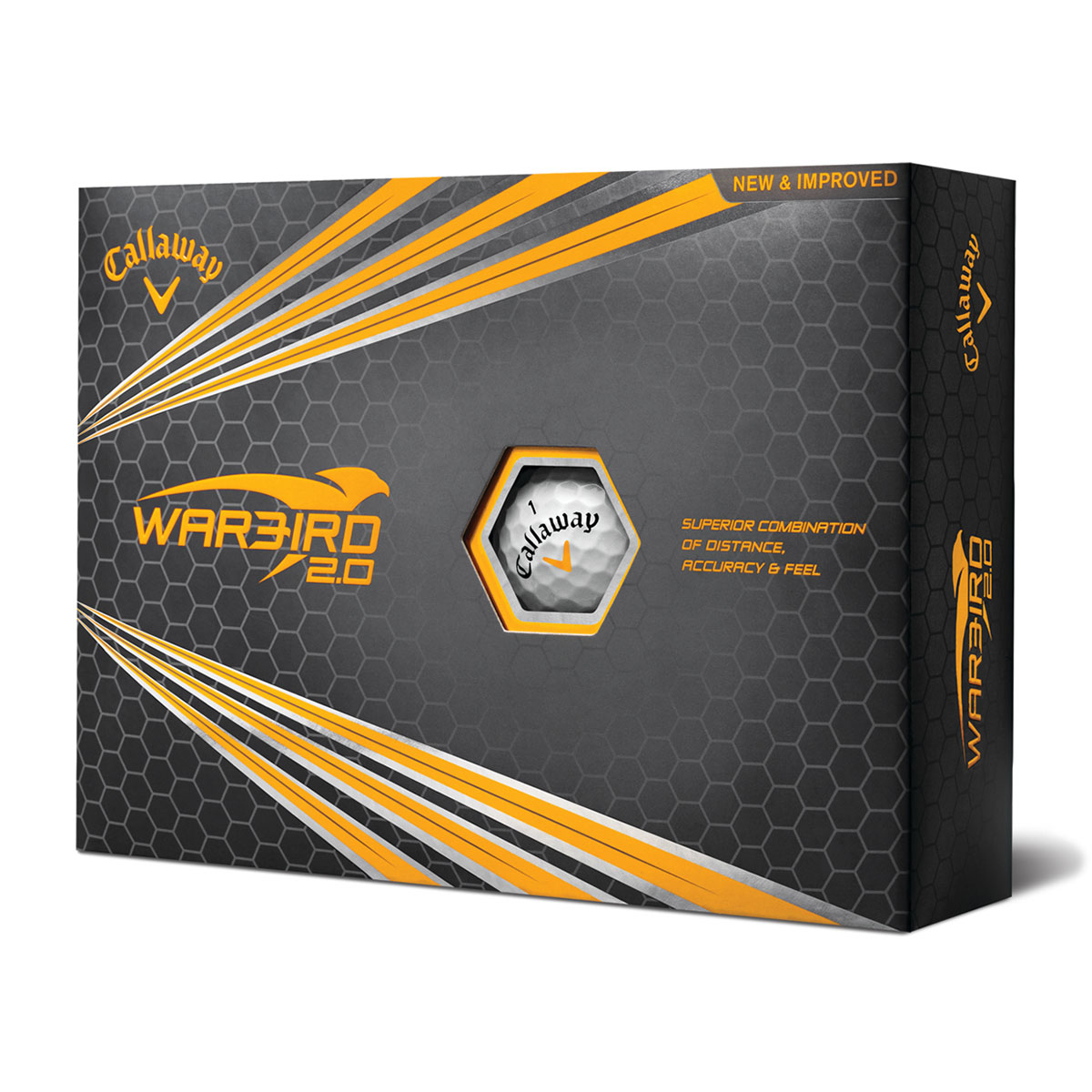
You will lose an astonishing number of golf balls in your first season — into water, into gorse, into the neighbouring fairway and occasionally into orbit. This is normal and it is not the time to be feeding premium urethane balls to a pond. Buy cheap and buy in bulk. The Callaway Warbird is a soft, long-flying, genuinely inexpensive ball that flies far enough to be fun and cheap enough that losing a handful stings not at all. When you've stopped losing a sleeve a round and want a step up that still doesn't cost tour money, the Srixon AD333 is one of the best value balls in the game — a proper performer at a price that lets you play it without flinching. That two-ball progression — Warbird while you're spraying it, AD333 once you're finding fairways — is all the ball strategy a beginner needs for a year.
The single best cheap purchase: foam balls
If there's one item on this list that punches wildly above its cost, it's a pack of foam practice balls. Here's the logic the industry would rather you didn't follow: the fastest way to improve is repetitions, and range balls and green fees make repetitions expensive. Foam balls let you take dozens of swings a day in a back garden or a hallway without breaking a window or a neighbour's patience — real, feel-building reps for the price of a couple of coffees. A beginner who takes twenty swings a day at foam balls for a month will arrive at their first proper round transformed compared to one who only touches a club when they pay to. This is the cheapest performance gain in all of golf, and almost nobody buys it because it isn't shiny.
Shoes: spikeless is plenty
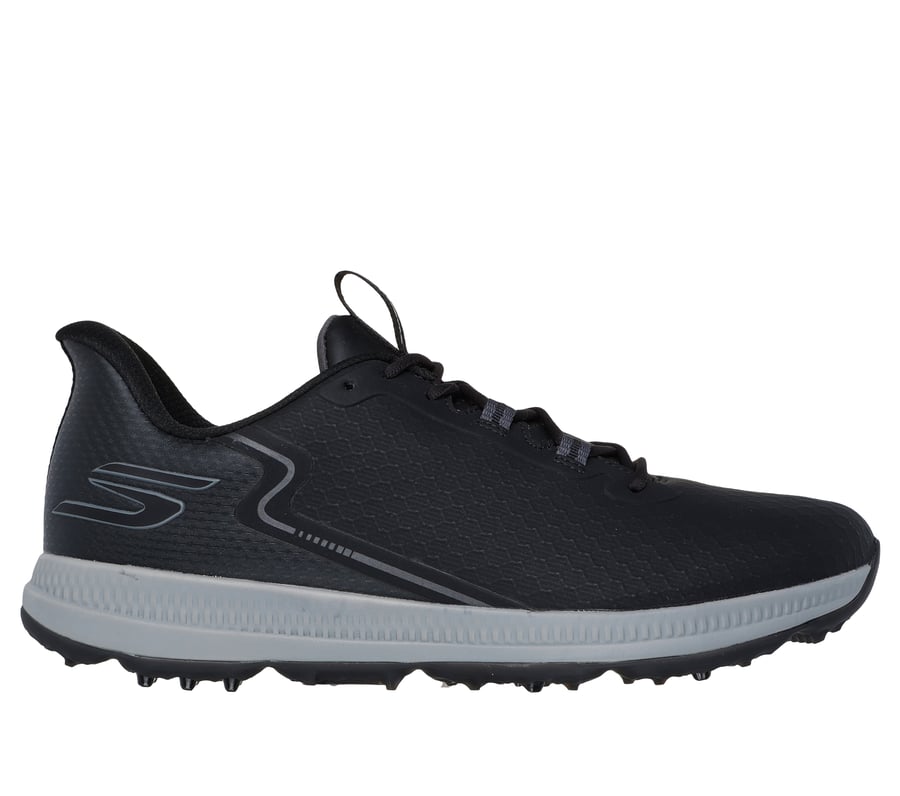
You do not need tour-grade waterproof spikes to start. A comfortable spikeless shoe like the Skechers GO GOLF Elite 6 gives you all the grip a beginner's swing generates, walks like a trainer, and can be worn from the car park to the course to the pub without a second pair. Golf footwear is a genuine rabbit hole of stability platforms and Gore-Tex memberships, and it's a fine one to fall down later. Early on, comfortable and spikeless is the entire specification. Save the money for green fees, which is where improvement actually happens.
The stuff to absolutely NOT buy yet
Now the refusal list, because it matters as much as the buying one. Do not buy a premium tour ball — you'll lose it and can't use its performance; it's money set on fire. Do not buy a five-hundred-dollar driver — a starter-set driver or a cheap second-hand one is more than your swing can currently exploit, and you can buy the good one in a year when you know what you actually need. And do not buy a rangefinder before you can reliably hit a target: knowing it's 147 yards to the pin is useless information when your dispersion is the width of the hole. A rangefinder is a tool for a golfer who has a repeatable distance for each club, which a beginner by definition does not. Every one of these is a purchase the industry pushes hard and a beginner should defer without guilt. More of the genuinely useful, genuinely cheap kit lives in our accessories hub.
The honest bottom line
The golf industry makes its money by convincing beginners that the barrier to entry is expensive gear. It isn't. The barrier is repetitions and time on the course, and the smartest starter budget spends as little as possible on hardware so there's more left for the green fees and foam-ball reps that actually make you better. Buy the six things, refuse the three, and put the difference toward playing. You'll improve faster and enjoy it more than the beginner who arrived with a tour bag full of gear they can't yet use — and you'll have the quiet satisfaction of having seen through the whole pitch.
Products mentioned in this article
Srixon
Srixon AD333
A genuinely good ball at a fraction of tour-ball money — the smart beginner's gamer, guilt-free to lose.
Callaway
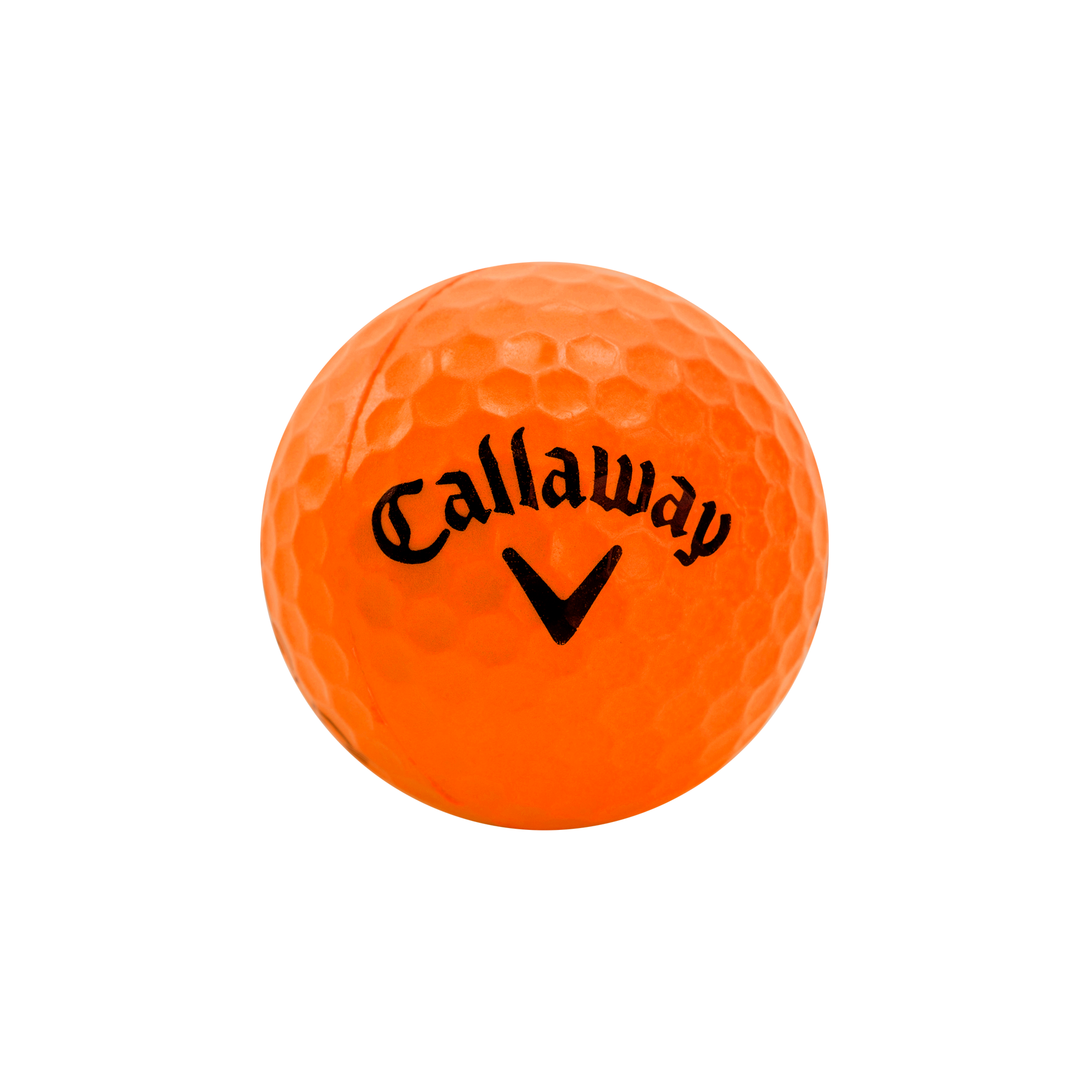
Callaway HX Soft Flight Foam Practice Balls (9 Pack)
Backyard reps without breaking a window — the cheapest way to actually get better before you ever pay a green fee.
Skechers
Skechers GO GOLF Elite 6 Golf Shoe
Spikeless, comfortable, walkable straight from the car — all the shoe a beginner needs and none of the cost they don't.
TaylorMade
TaylorMade FlexTech Carry Stand Bag
A light stand bag that carries a starter set comfortably — the one 'nice' purchase that's actually worth it early.
Callaway
Callaway Warbird (12 Ball Pack)
A soft, cheap, long-flying ball for when you're still finding the world's water hazards for it.
ifrothgolf earns a commission on purchases made through these links, at no extra cost to you. It never changes what I recommend. Full disclosure.
Frequently asked
- What golf equipment does a complete beginner actually need?
- About six things: a set of clubs (a boxed or second-hand starter set is fine), a light bag to carry them, comfortable shoes, inexpensive balls, a glove, and a way to practise at home such as foam balls. Everything else can wait.
- Should a beginner buy an expensive driver or premium golf balls?
- No. A premium tour ball is built to reward a fast, consistent swing a beginner doesn't yet have, and you'll lose plenty of balls early on, so cheap ones are the sensible choice. An expensive driver is a precision tool for a repeatable swing you have to develop first. Defer both without guilt.
- When should a beginner buy a rangefinder?
- Not until you can reliably hit a target and have a repeatable distance for each club. A precise yardage is useless information when your shot dispersion is very wide, so a rangefinder is a tool for a more established golfer, not a starter purchase.
- What's the cheapest way for a beginner to improve at golf?
- Repetitions. Foam practice balls let you take dozens of swings a day at home without breaking anything or paying for range balls, which builds feel far faster than only swinging when you pay for a round. It's the best value performance gain in golf and costs very little.
Read next
Review
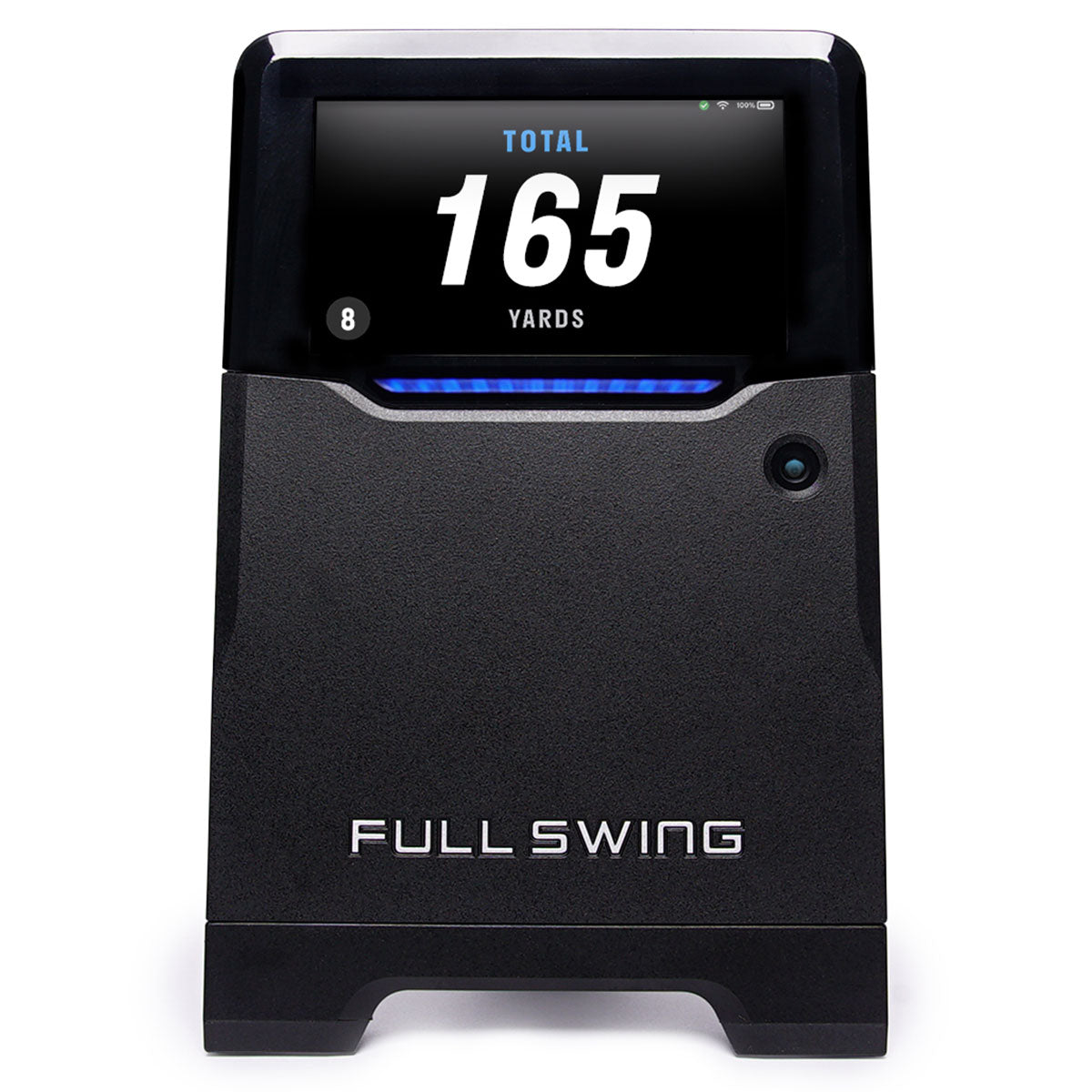
7.9/10Full Swing KIT review: the tape measure decides this, not Tiger
Tour pedigree, TGL on ESPN, and radar good enough to be checked against a Trackman outdoors. It also wants eighteen to twenty feet of room, which rules out most of the garages people buy it for.
Versus
Trackman iO vs Uneekor EYE XO2: the year-one trap
Both mount overhead, both want ten feet of ceiling, and about $3,000 separates them on the shelf. Then Trackman's included first year runs out, and the gap starts growing by $1,100 a year.
Versus
Uneekor EYE XO2 vs Foresight GC3: ceiling or floor?
About $4,000 separates them, but they're not really rivals — one lives in your ceiling forever, the other sits on the floor and travels. The cheaper one is also the one with no subscription.