
The cotton polo is why you play badly in the cold
Most golfers ruin a winter round before the first tee by dressing for warmth instead of movement. The fix is counterintuitive: fewer, thinner layers — and never the one fabric almost everyone reaches for.
By Ross Hamilton · Staff Writer
 Explained
Here is the uncomfortable truth about cold-weather golf: the round was lost in the car park, when you pulled a fleece over a cotton polo and zipped a big coat over the top. The verdict up front — the golfers who genuinely enjoy winter wear fewer, thinner layers than the people shivering next to them, never wear cotton against the skin, and treat warmth and a free swing as the same problem rather than rivals. Get that right and frosty, empty, off-season golf becomes some of the best you'll ever play. Get it wrong and you're either frozen or trussed up so tight you can't turn.
The mistake nearly everyone makes is treating winter as summer-plus-more. Start with a cotton polo and just keep piling on. It is exactly backwards. Cotton is the single worst fabric you can put against your body in the cold — it soaks up sweat, holds it against your skin like a cold compress, and chills you the instant you stop walking between shots. Mountaineers have a saying: cotton kills. On a golf course it only kills your card, but the physics is identical. The whole game in the cold is to move sweat away from your skin and keep your shoulders free, and almost everything most golfers instinctively do works against both.
Why your summer kit betrays you in the cold
Summer golf clothing is engineered to dump heat — loose weaves, breathable cotton, a single thin layer. In the cold those exact properties turn traitor. The cotton holds damp; the loose weave lets warm air escape; the single layer has no way to trap a buffer of warmth. So the obvious answer — one big, thick coat — becomes the worst answer of all, because a heavy shell locks your shoulders and turns a fluid swing into a stiff, armed lurch. Warmth and mobility pull in opposite directions, and a single garment can never serve both. The only solution is to split the job across a few thin layers that each do one thing well, which is why every cold-climate sport from skiing to hillwalking converged on the same three-layer idea decades ago.
Layer one: the bit nobody thinks of as warmth
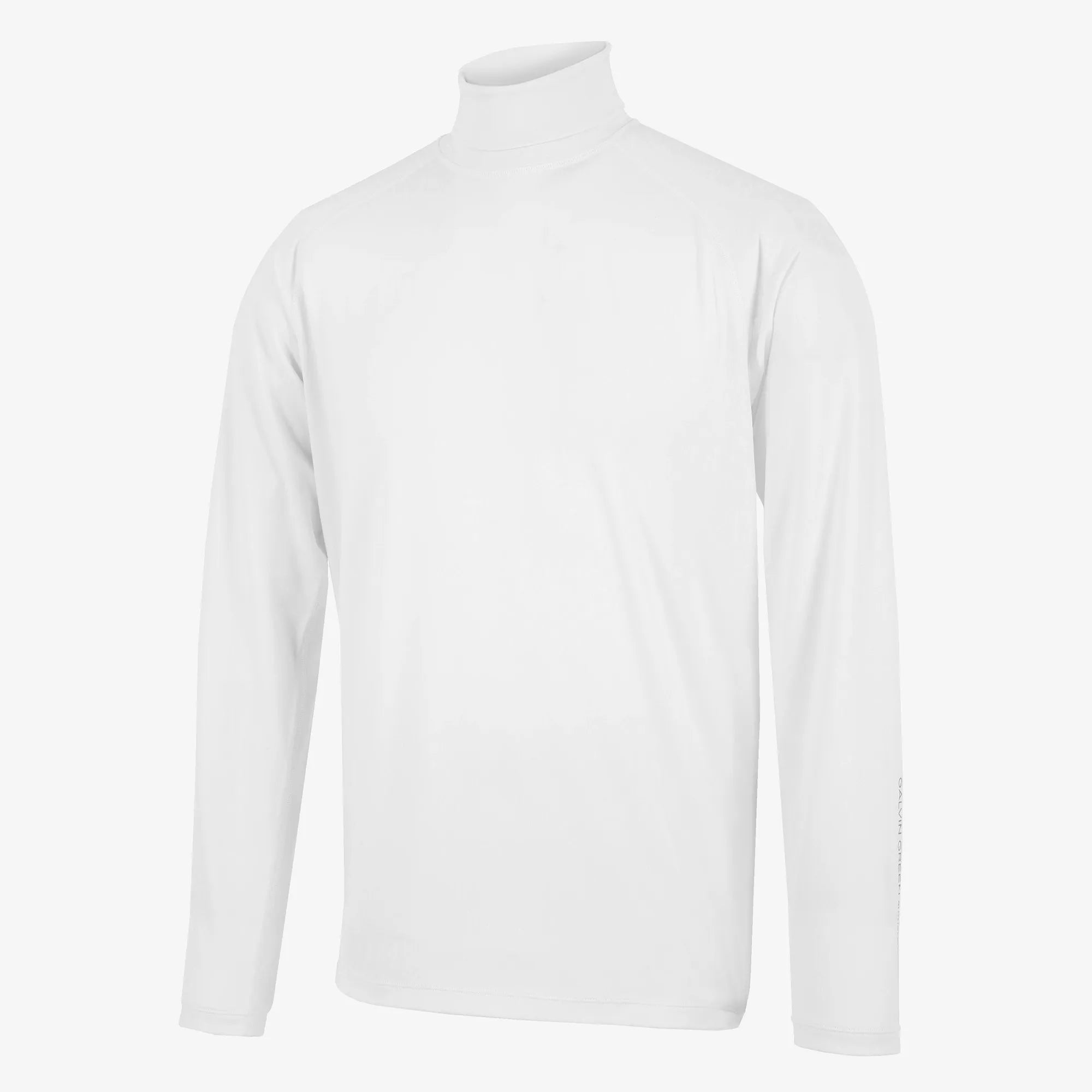
Everything starts against the skin, and it isn't about warmth at all — it's about staying dry. A thin technical base layer wicks sweat off your body and passes it outward to evaporate, and dry skin is warm skin. This is the most important and most ignored piece in the bag, because golfers file base layers under "insulation" when their real job is moisture management. Wear cotton here instead and no amount of expensive kit on top will save you — you'll be cold and clammy by the turn. It should fit like a second skin with no bunching at the shoulders, because anything that catches when you rotate has already failed its one test.
Layer two: where the actual heat lives
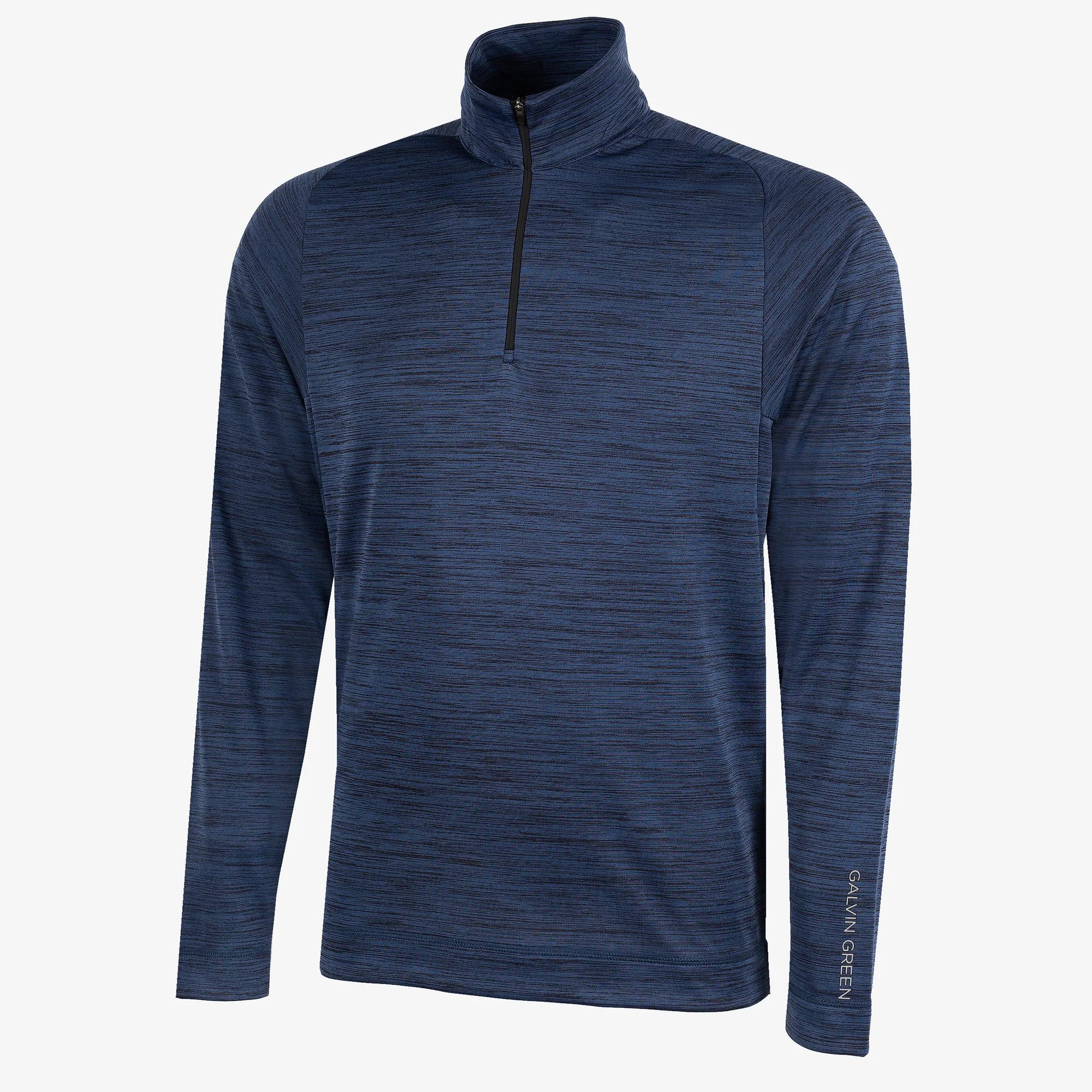
On top of the base goes the layer that does the insulating. A stretchy insulated half-zip traps a pocket of warm air without the dead weight of a heavy jumper, and the zip is the secret weapon: crack it open on the walk between shots when you're generating heat, seal it on a windy tee. The non-negotiable here is stretch, because this is the layer your swing physically moves through. A rigid, boxy mid-layer is where good swings go to die — you'll feel it grab across the back as you turn and you'll quietly shorten your backswing to escape it without ever noticing you've done it. Pick one with genuine give and a smooth face so it slides under a shell rather than snagging.
The edges go first — and they take your scorecard with them
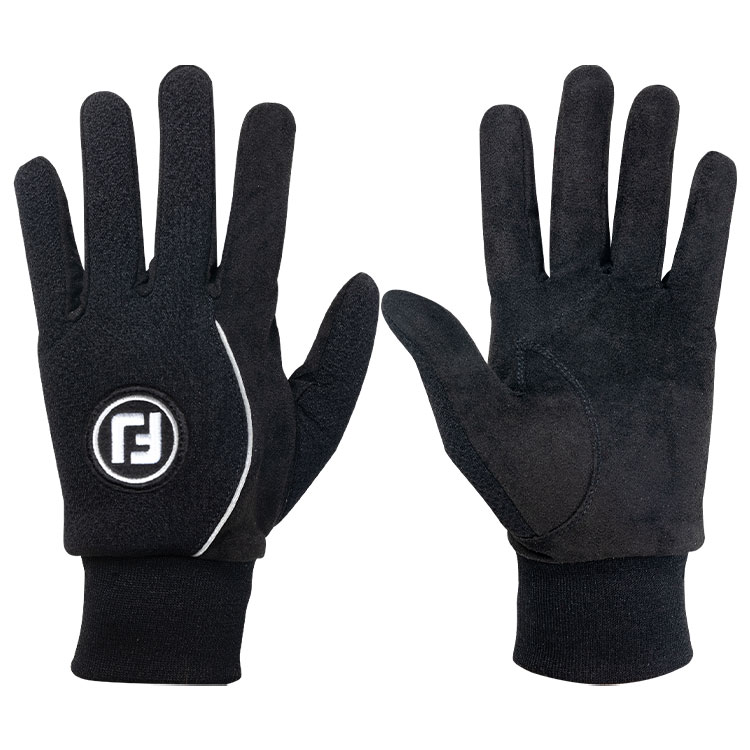
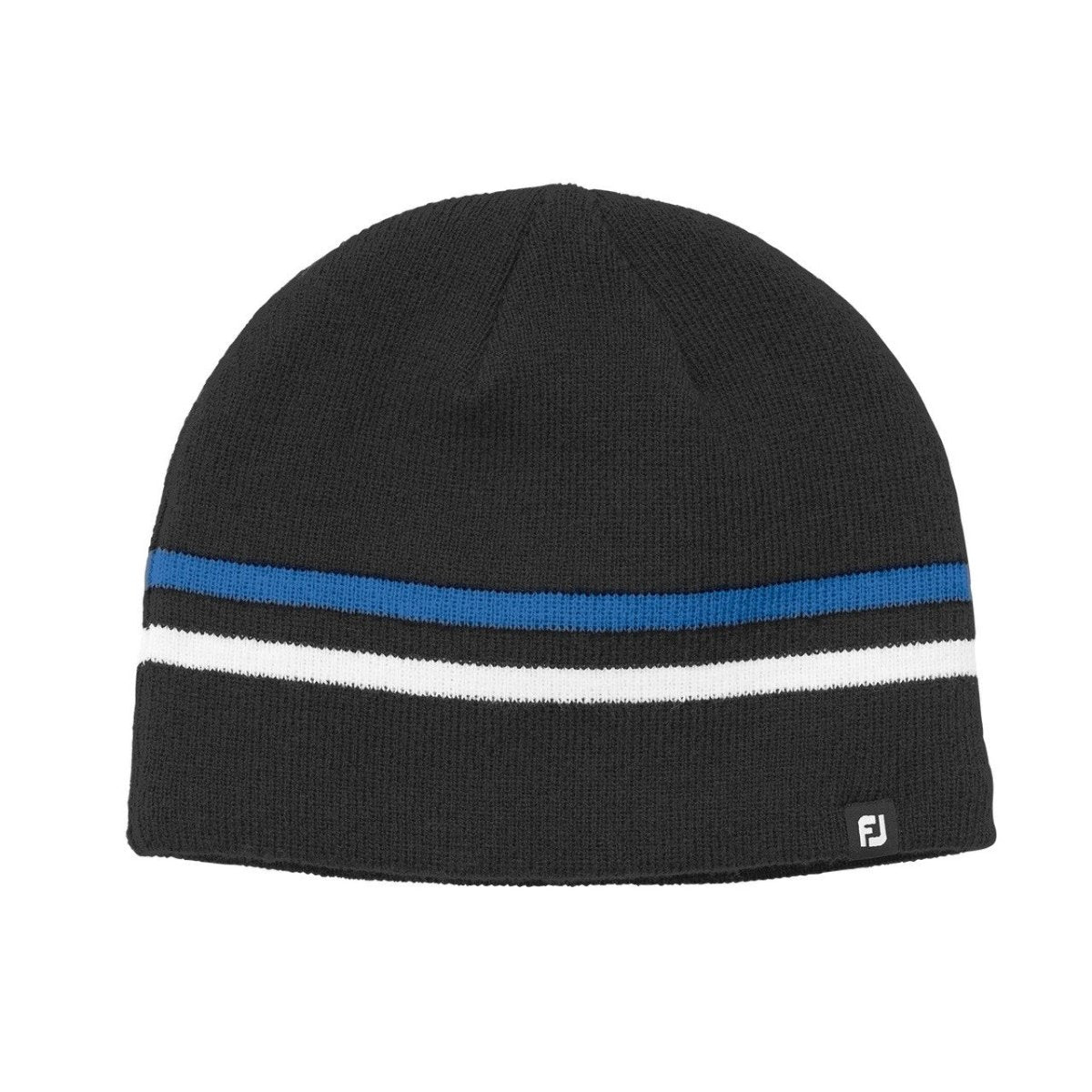
You feel cold first and worst at the extremities, and that's not just discomfort: cold hands and a cold head wreck your golf before the rest of you even registers the temperature. Hands are the priority because they're your only contact with the club, and stiff fingers strangle feel — the first thing to vanish is your touch on chips and putts, exactly the shots that decide a winter round. A pair of warm winter gloves worn on both hands between shots keeps that feel alive; slip the trailing one off to play. Carry a spare dry pair, because a damp glove stops insulating entirely. For the head, a close-fitting beanie is the highest-impact, lowest-cost item you'll pack — a cold head tricks your whole body into feeling colder than it is and tightens everything up. Two hand warmers in your pockets are the finishing touch the pros' caddies have carried for years.
The legs you forget, and the one rule that ties it together
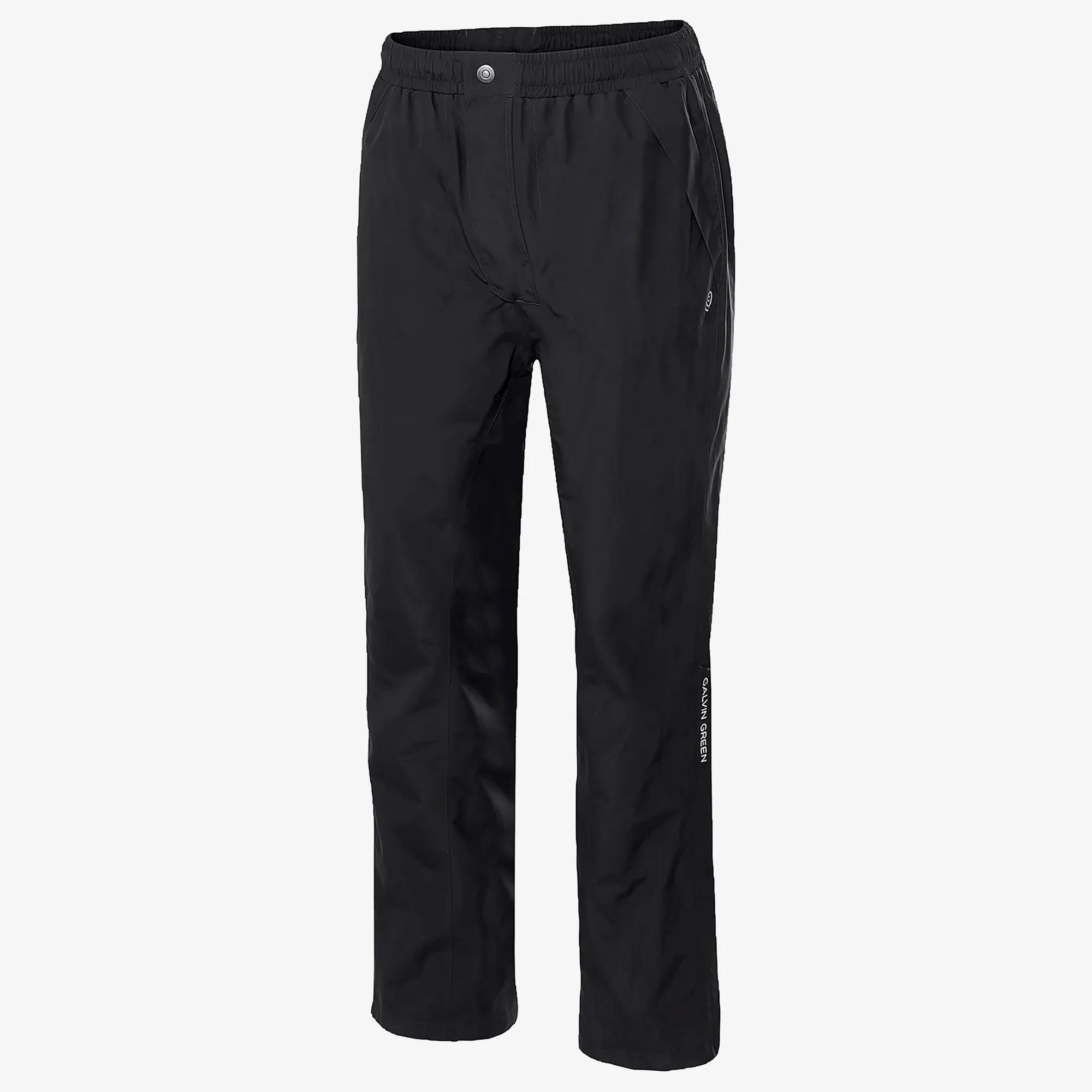
Legs get neglected because they don't shout like cold hands do, but cold legs quietly drain warmth from the whole system and stiffen the lower body that's meant to be your stable base. Lined, wind-resistant winter trousers fix it without the clammy plastic feel of waterproofs you don't need on a dry cold day, and a thicker pair of socks keeps your feet off frozen turf — numb feet mean a wobbly base and a swing built on sand. Underneath all of it is the one principle worth tattooing inside your bag: layer for mobility, not bulk. The target is the thinnest stack that keeps you warm, never the warmest possible. Every layer past "comfortable" is a layer stealing rotation, so stop dressing the moment you're comfortable, not the moment you're toasty. That single rule separates the golfers who shoot their number in November from the ones who blame the weather.
Warm up like it's the part that matters — because it is
Cold muscles are tight muscles, and tight muscles are how a casual winter round turns into a pulled back that costs you three weeks. The warm-up you'd happily skip in July becomes the round in January: arrive earlier, do gentle rotations and dynamic stretches before you touch a club, and hit a small bucket rather than swinging full-out cold off the first. Keep moving between shots, keep your hands tucked away, and treat the opening few holes as live warm-up rather than expecting your Sunday best off the bat. Your body takes longer to come online in the cold — respecting that is the whole difference between loosening up and seizing up.
The five-minute kit check before you travel
Lay it out the night before: a thin wicking base layer (never cotton), a stretchy insulating mid-layer your swing can move through, lined winter trousers, thick socks and weather-ready shoes, a beanie, two pairs of winter gloves and a couple of hand warmers. No big coat. Keep the whole stack lean enough to make your full turn in front of a mirror — if you can't, you've packed too much, not too little. Dressed for movement instead of for the school run, cold golf stops being an endurance test and becomes the quiet, empty, frost-on-the-fairway round that reminds you why you started.
Products mentioned in this article
Galvin Green
Galvin Green SKINTIGHT Thermal Base Layer
A wicking next-to-skin layer that moves sweat away — the foundation of staying warm without overheating.
Galvin Green
Galvin Green Dixon INSULA Half-Zip Mid-Layer
The mid-layer doing the actual insulating, with enough stretch to let you make a full turn.
FootJoy
FootJoy WinterSof Gloves (Pair)
A warm winter pair worn on both hands between shots — cold hands ruin feel before anything else.
FootJoy
FootJoy Winter Knit Golf Beanie
You lose real heat through your head; a close-fitting beanie is the cheapest comfort upgrade on the list.
Galvin Green
Galvin Green Andy Lined Winter Trousers
Lined, wind-resistant trousers keep the legs warm so the rest of the system can do its job.
ifrothgolf earns a commission on purchases made through these links, at no extra cost to you. It never changes what I recommend. Full disclosure.
Frequently asked
- Why shouldn't I wear a cotton polo or shirt under my layers in cold weather?
- Cotton soaks up sweat and holds it against your skin, then chills you the moment you stop moving between shots — it's the opposite of what you want. Start with a thin technical wicking base layer that pulls moisture away from the skin instead, because dry skin is what stays warm.
- How should I layer for golf in cold weather?
- Three thin layers, not one thick one: a wicking base layer against the skin, a stretchy insulating mid-layer that still lets you turn, and lined trousers, plus a beanie and warm gloves. The goal is the leanest combination that keeps you warm without restricting your swing.
- Why shouldn't I just wear a thick coat for winter golf?
- A single heavy coat locks up your shoulders and turns a fluid swing into a stiff lurch, so you quietly shorten your backswing without realising. Several thin layers keep you just as warm while letting you rotate fully, and you vent heat by opening a zip rather than overheating.
- Do I need special gloves for cold-weather golf?
- Yes. Warm winter gloves worn on both hands between shots keep the feel and grip that cold fingers quickly ruin, which matters most on the chips and putts that decide a winter round. Carry a spare dry pair, because a damp glove stops insulating.
- Does warming up matter more in cold weather?
- Much more. Cold muscles are tight and prone to injury, so arrive earlier, do gentle rotations and stretches, and treat the first few holes as part of the warm-up rather than expecting your best straight away.
Read next
Opinion
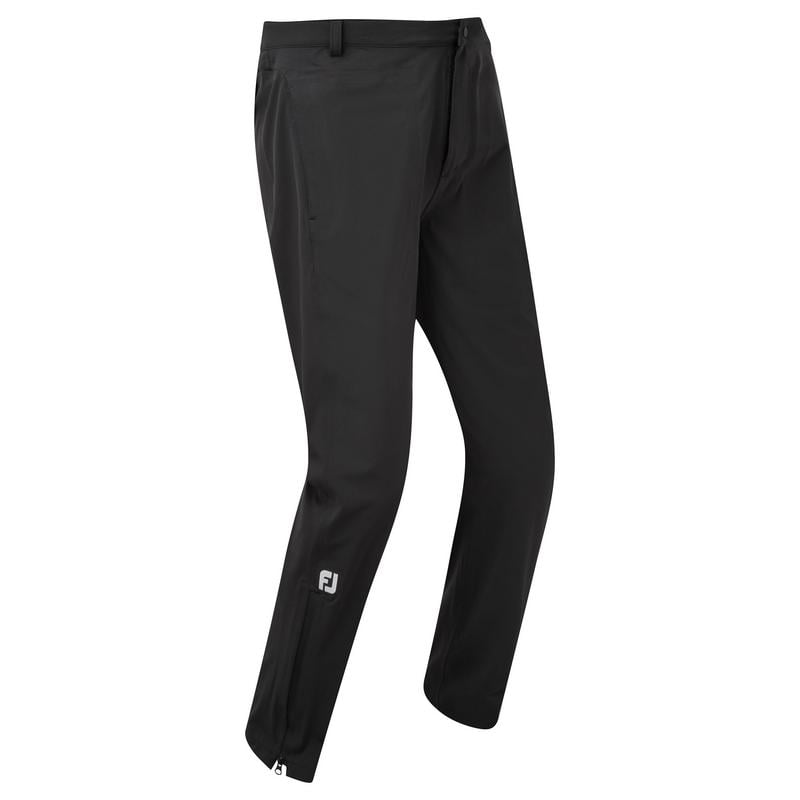
You bought half a waterproof, and it was the half people can see
Golfers spend serious money on a rain jacket and then walk eighteen holes in ordinary trousers. Legs are the biggest wet surface on a walking golfer, and no shell in the world covers for that.
Explained
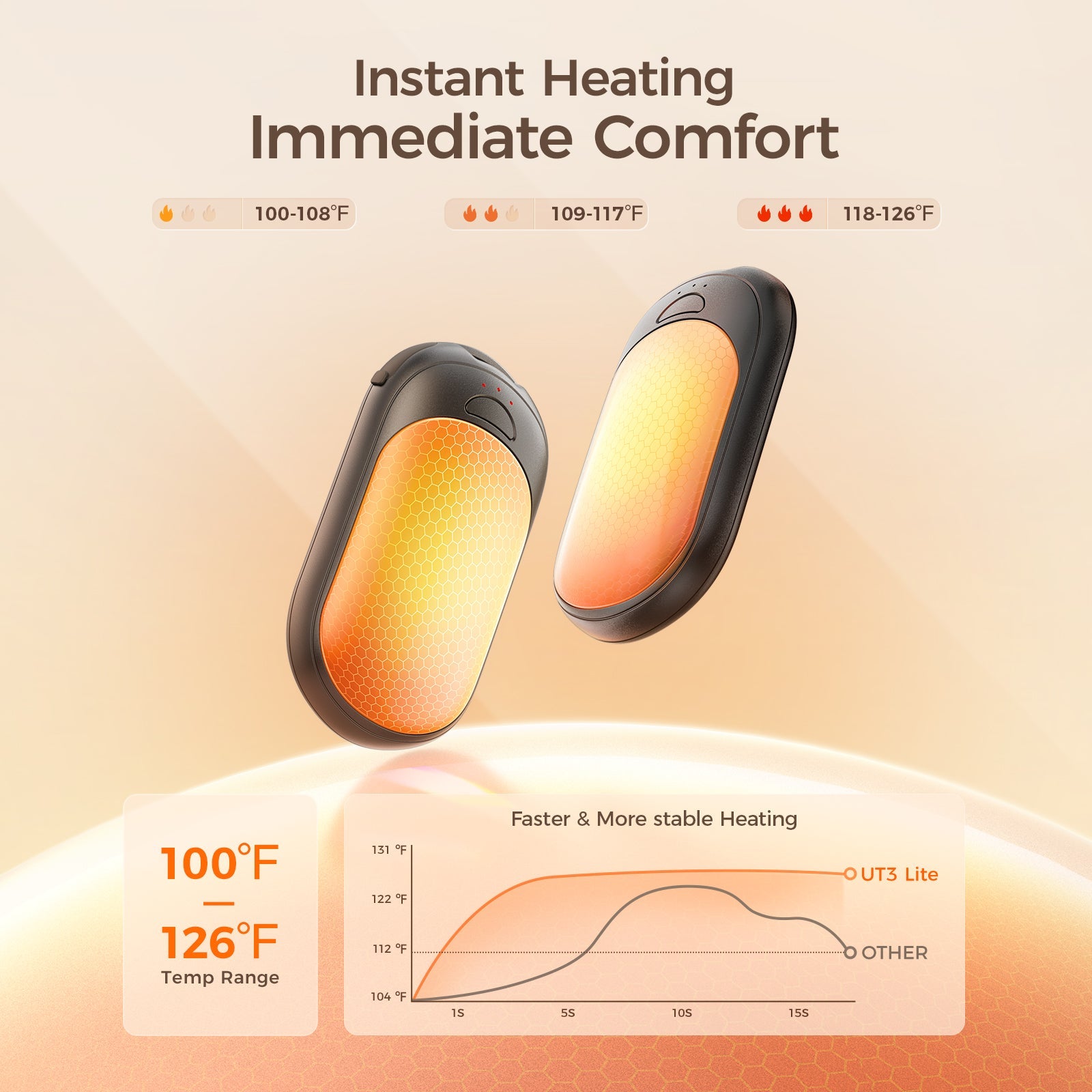
Hand warmers, cart mittens and a GPS speaker: six bits of kit that make October golf bearable
Nothing here will fix your slice. All of it makes the difference between a raw, dark, wet October round being a slog and being the best golf of the year.
Review
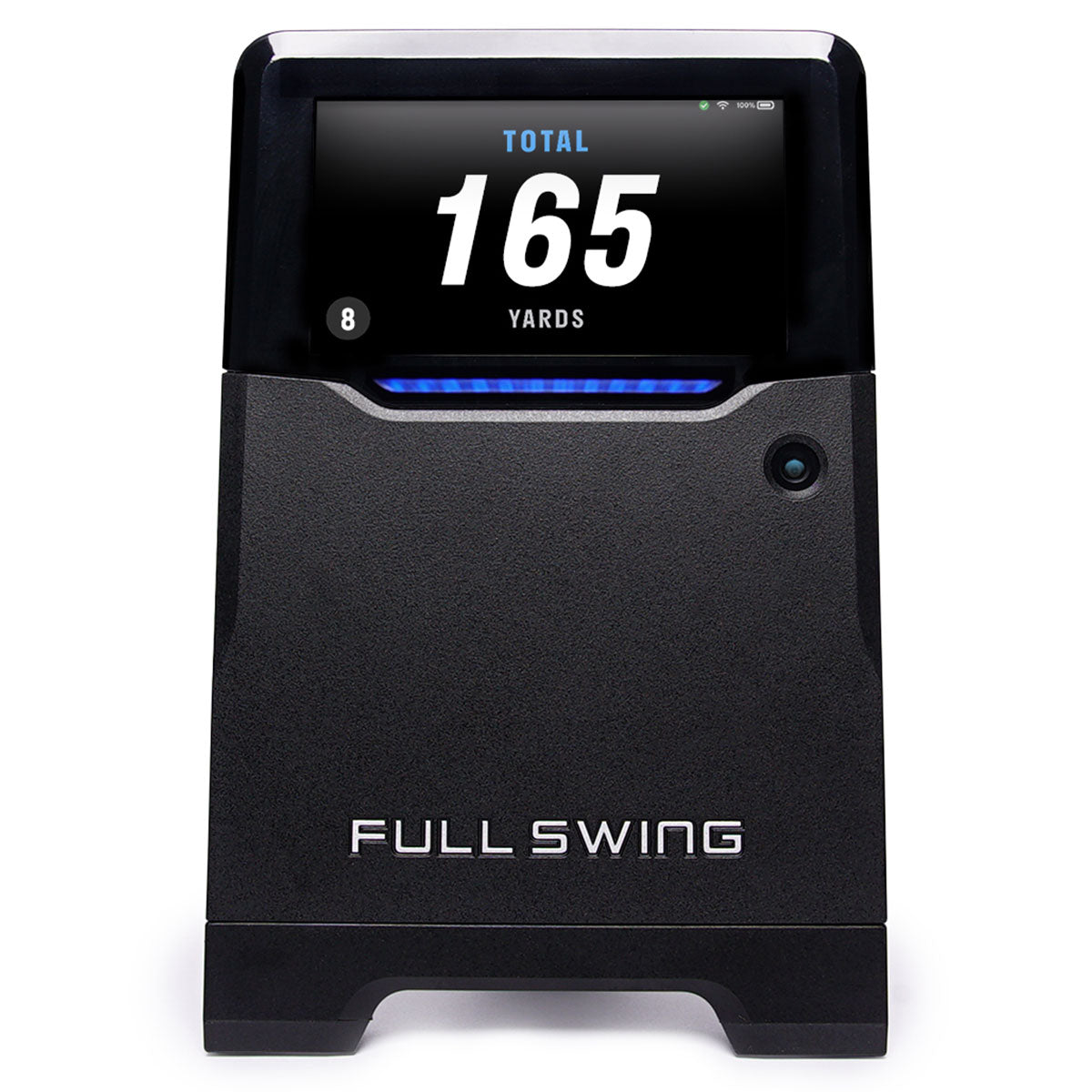
7.9/10Full Swing KIT review: the tape measure decides this, not Tiger
Tour pedigree, TGL on ESPN, and radar good enough to be checked against a Trackman outdoors. It also wants eighteen to twenty feet of room, which rules out most of the garages people buy it for.