
You bought half a waterproof, and it was the half people can see
Golfers spend serious money on a rain jacket and then walk eighteen holes in ordinary trousers. Legs are the biggest wet surface on a walking golfer, and no shell in the world covers for that.
By Ben Marsden · Reviews Editor
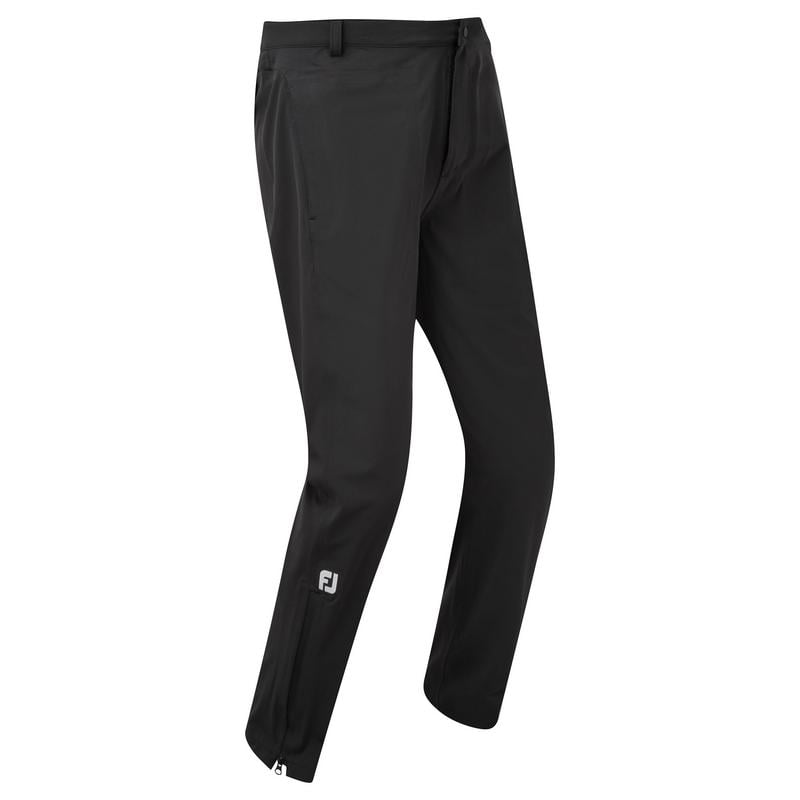
FootJoy
FootJoy HydroTour Waterproof Trousers
Fourth hole, the sky goes the colour of a car park, and eight people in a three-ball and a two-ball all do exactly the same thing. Bag zip, jacket out, jacket on, collar up. Not one of them has anything for the bottom half. By the seventh their thighs are soaked, by the ninth the wet fabric has gone cold and is sticking to the knee, and by the twelfth somebody says the round is a write-off and means it.
The jackets did their job. That is the annoying part.
The half you can see gets the money
A rain jacket is visible kit. It has a logo on the chest, it hangs on a shop rail at eye level, it looks like something. Waterproof trousers look like waterproof trousers, live on the bottom shelf, and nobody has ever admired a pair. So the money goes up top, and the golfer ends up with a very good shell over a pair of ordinary golf trousers that will hold water like a sponge.
I would rather cap the jacket and spend properly below the belt, and I would do that even if the jacket were the better-looking purchase. This is the piece of our own waterproof coverage that has been missing, incidentally. We have written about what the ratings mean, about when to buy, about the layer underneath. All of it is about the top half.
Legs are the biggest wet surface on a walking golfer
The reasoning is not complicated. Your torso is a compact, covered, largely stationary block. Your legs are a much larger surface area, they are the part that moves for four hours, and they are the part that walks through wet rough and gets rain driven into it at an angle. Once trouser fabric is saturated it sits against skin and pulls heat out of you continuously, and it keeps doing that whether or not your shoulders are dry.
Then there is the swing, which is where this stops being about comfort. Wet fabric grabs. Soaked trouser material clings across the thigh and behind the knee, and the first thing a golfer does when clothing restricts them is stop turning. You do not feel that as a rotation problem. You feel it as a bad back nine.
Why nobody buys them, said plainly
Three reasons, and all three are fair. They are awkward to get on in the middle of a round, usually while balancing on one leg on a wet tee box with a group waiting behind. They look bad, and a fair number of them look worse in motion. And the cheap ones rustle, which is a real objection rather than a fussy one: noise in the backswing genuinely bothers some players, and it is a trade-off that shows up even in good kit. Our own note on the Ping SensorDry Pro jacket flags fabric noise as its main catch, and that is a mid-tier shell rather than the cheap end of anything.
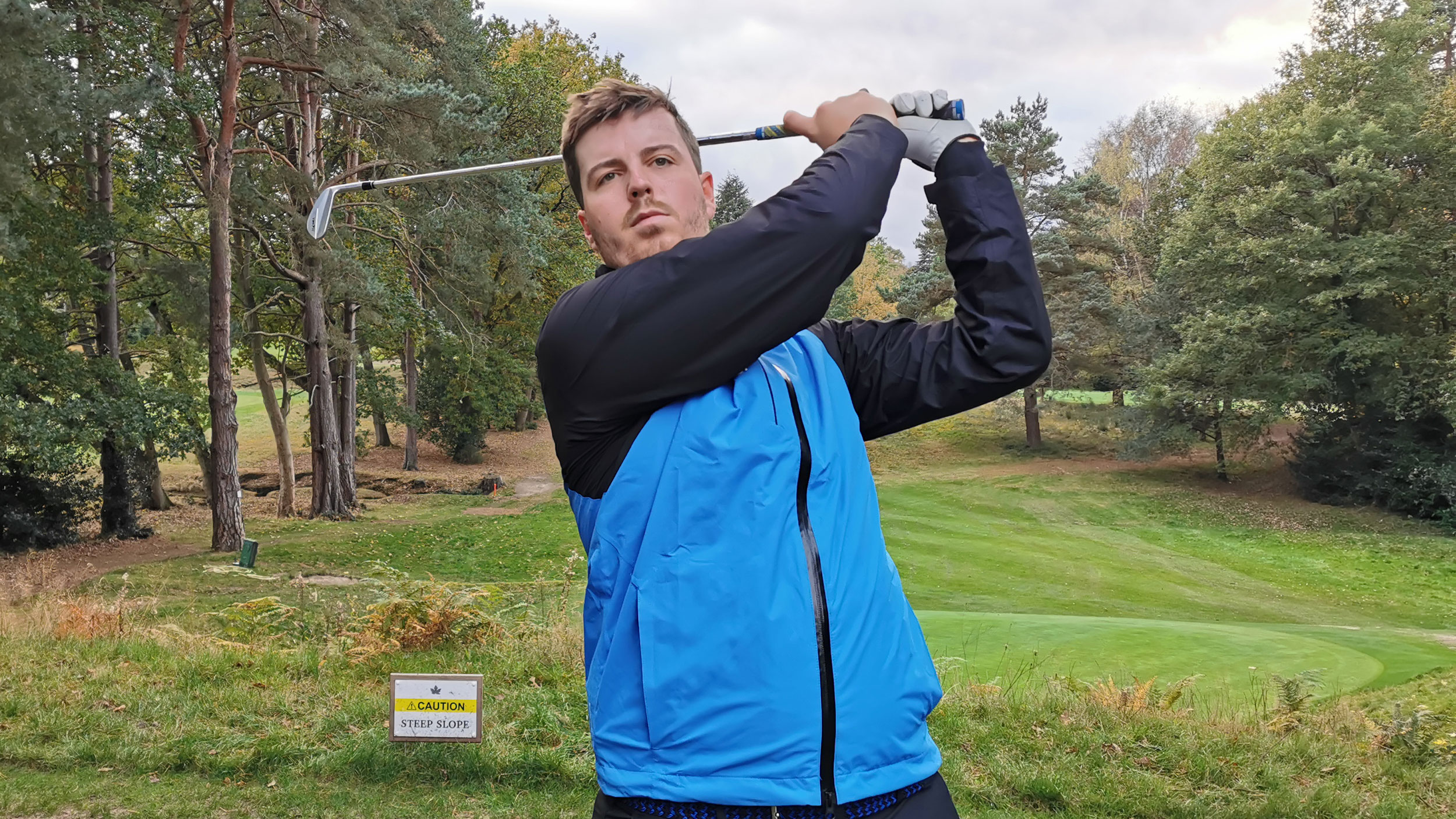
None of that is an argument against owning them. It is an argument about which pair to own, because the pair you can get on quickly, in silence, without sitting down, is the pair that will actually be on your legs when the rain arrives.
The tests that decide it
The pull-on-over-shoes test comes first. Can you get them on over golf shoes, standing up, without untying anything? That is a hardware question, not a fabric one, and it is answered by leg zips. The FootJoy HydroTour Waterproof Trousers list leg zips for getting them on and ankle zips for fit over shoes, which is exactly the right pair of features in the right order. Half-zip legs are the sensible middle ground for most people; a full-length zip is easier again but there is more of it to fail.
Waist next. You want elastic with a drawstring plus a zip fly, because that combination lets them go on over the trousers you are already wearing rather than in place of them. Then the noise test, which you do in the shop by making a full swing in them rather than by standing still in the mirror. Then, last, the numbers. The HydroTour pair are rated to 20,000mm on a three-layer stretch fabric with sealed seams and YKK Aquaguard zips, and if that string of specs means nothing to you, what waterproof actually means is the piece to read rather than this one.
When lined winter trousers replace the waterproof pair entirely
Here is the position most golfers have never had put to them. If your wet-weather golf is essentially November to February, you may not want a waterproof over-trouser at all. You want a lined one, and you want it to be the only thing you put on.
The Galvin Green Andy lined winter trousers are the shape of that argument: two-layer GORE-TEX, an inner lining, fleece-lined front pockets, an elastic waist with a drawstring and a zip fly so they pull on over normal trousers, and a hem you can adjust for width over a shoe. Waterproof, windproof and warm in one garment, which means one thing to carry and one thing to put on. The trade is that they are too much trouser for a mild, wet April, where an unlined pair is more comfortable and costs less.
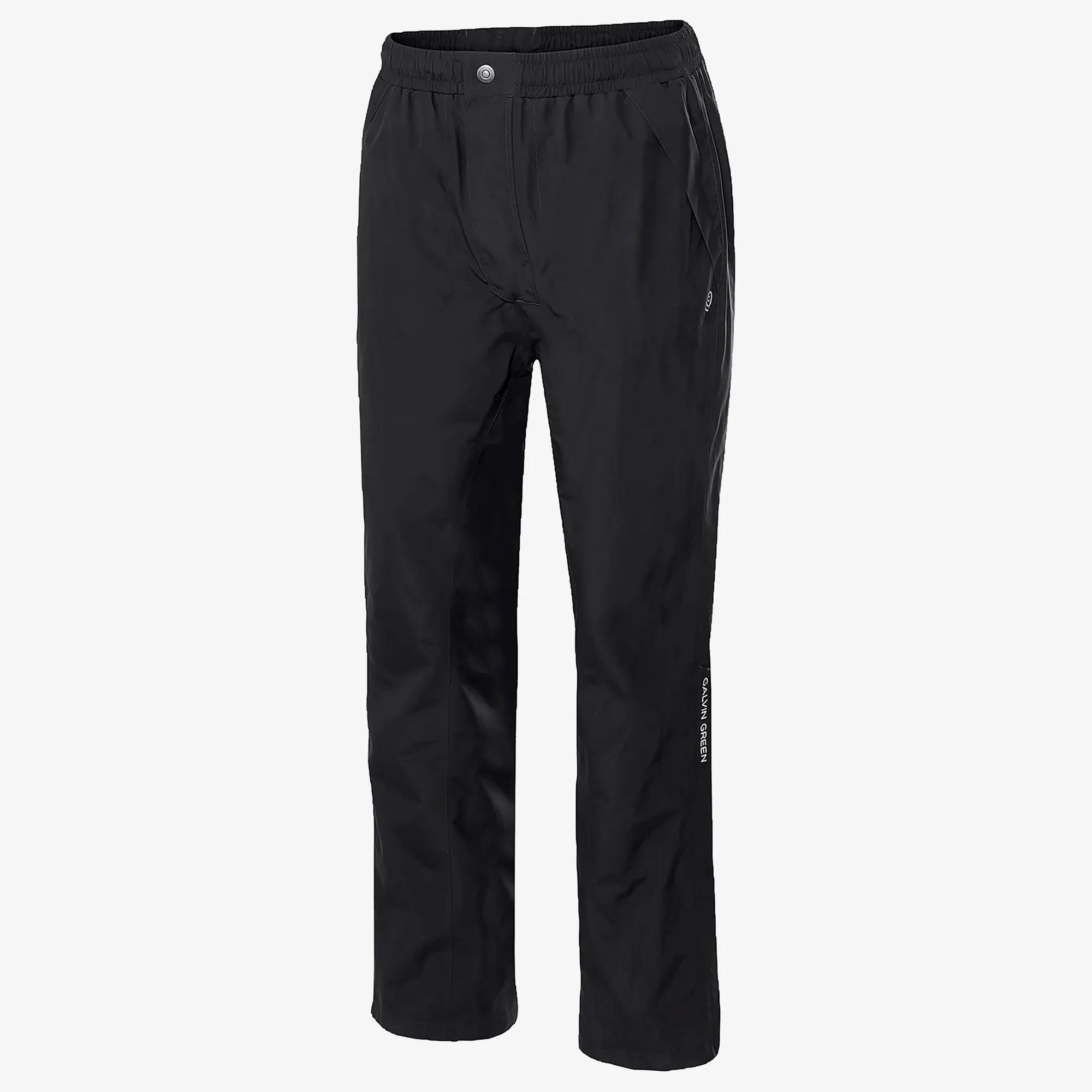
So the honest split is by season, not by budget. Winter golfer: lined pair, worn as the outer layer. Shoulder-season golfer: unlined waterproof pair, kept in the bag. Golfer who plays all twelve months: both, and the lined pair does not come out of the wardrobe until the clocks change.
What I would actually spend
If you already own a decent shell, do not upgrade it. Buy the trousers. That is the whole recommendation and it is worth more strokes and more comfort than any jacket upgrade available to you.
If you own nothing, I would build the set from the bottom up. A jacket at around $200 that keeps water out and does not fight the swing, plus the HydroTour trousers at $180, is a better wet-weather kit than a $350 jacket on its own or a $400 jacket on its own. Both of those premium shells are excellent, and that is precisely the trap. The FootJoy HydroTour jacket, with its three-layer 20,000mm fabric, DrySeal collar and underarm vents, is close to the best a golf shell gets.
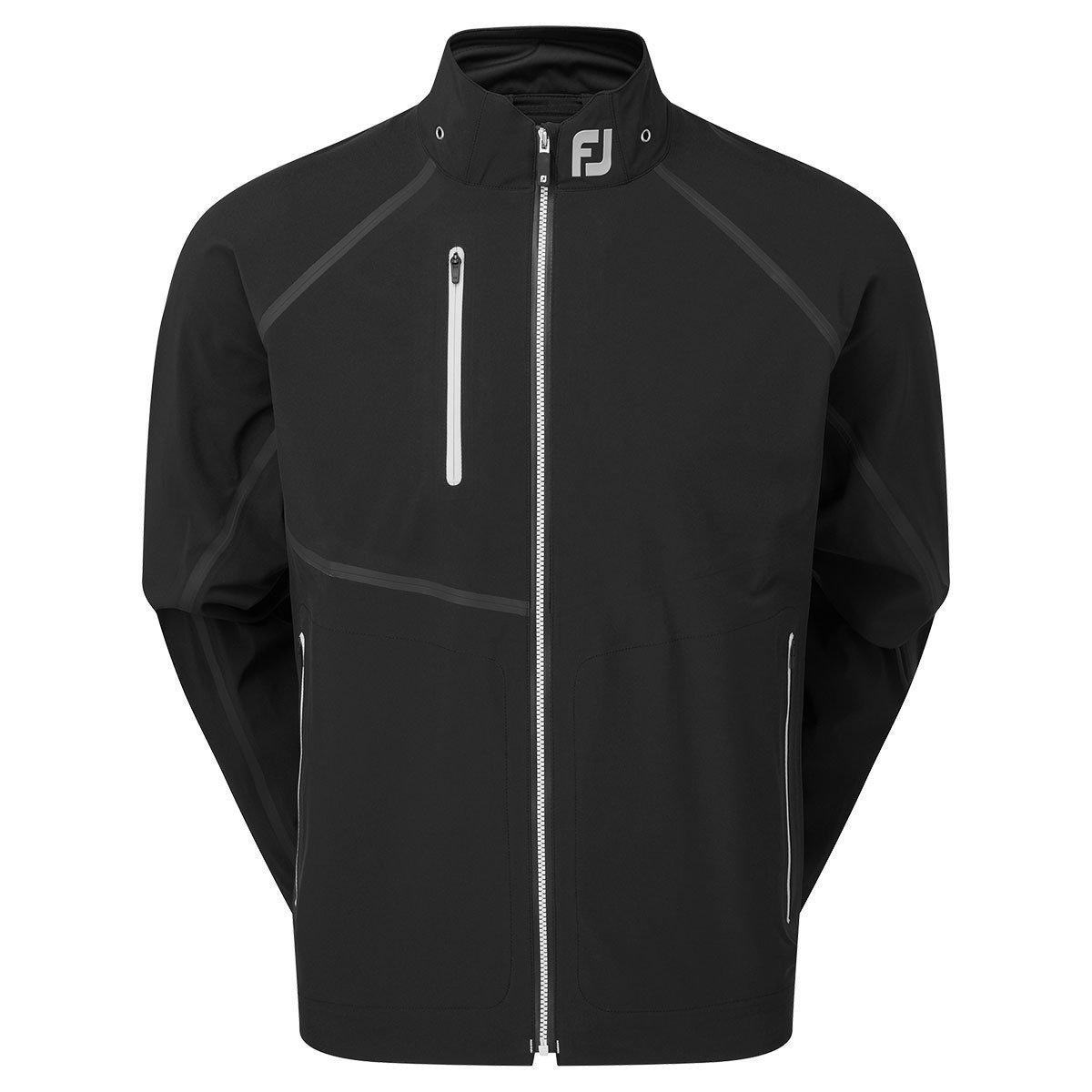
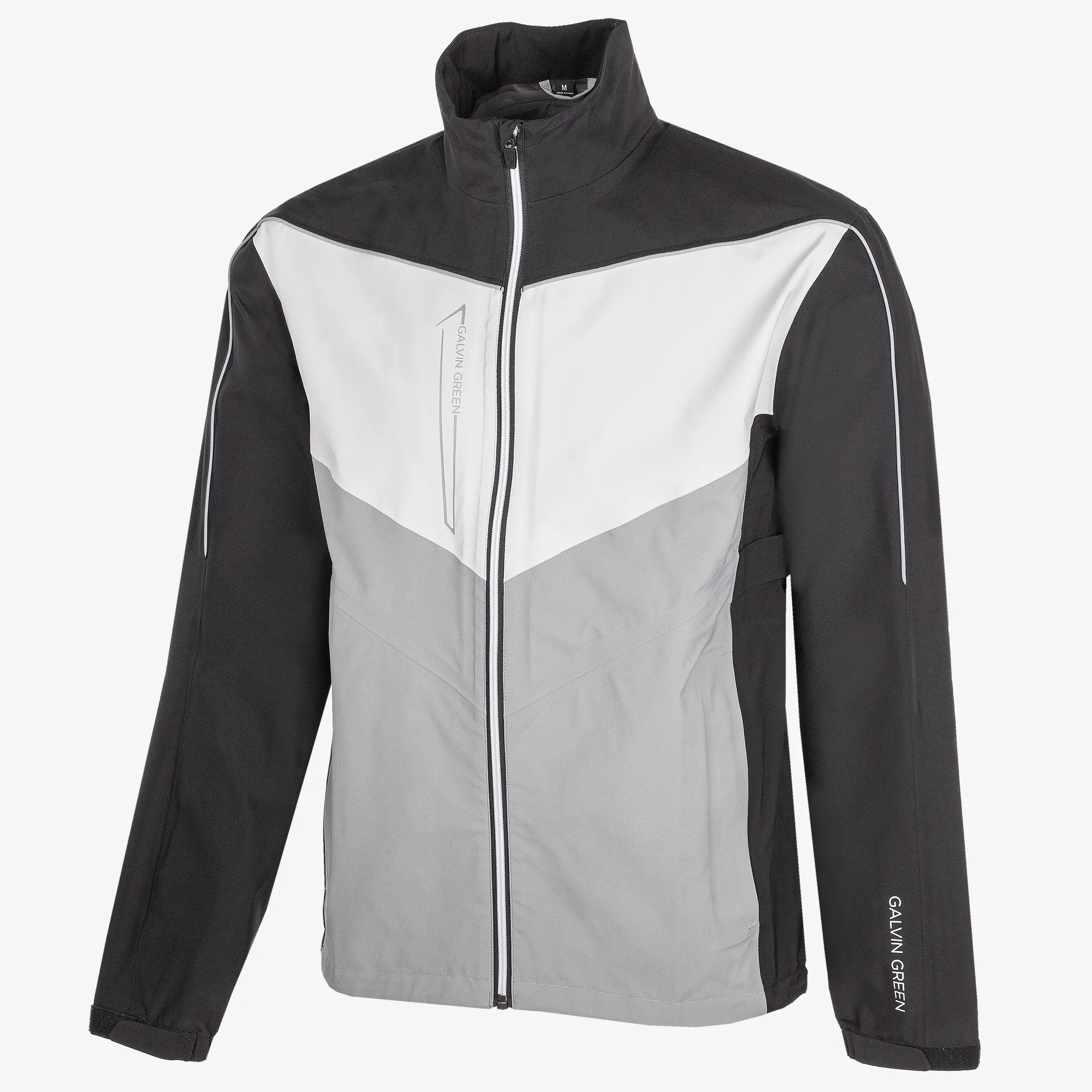
So is the Galvin Green Armstrong, a GORE-TEX Paclite Stretch shell light enough to forget about in the bag until it is needed. Buy either one and you have bought a superb top half. Buy either one instead of trousers and you have bought a superb top half over a pair of wet legs, which is where most golfers already are. If you are going premium up top, do it in the summer clearance window and put the saving below the belt, which is the argument in buy your waterproofs in July.
Who should ignore all of this
Buggy golfers, first. If you ride, with a canopy and a rain screen, your legs spend most of the round out of the weather and the jacket really is doing the work. A pair of waterproof trousers in the bag for the walk from the cart to the green is optional rather than necessary.
Second, anyone who stops playing when it rains. There is no shame in it and no gear solves it. If your honest answer is that you go in at the first proper shower, do not buy trousers you will never put on. Buy a better jacket for the drizzle and enjoy your summer golf.
And third, if your problem is cold rather than wet, the money goes somewhere else again. That is the case made in your midlayer is doing the jacket's job, and it is a different fix to this one.
Products mentioned in this article
FootJoy
FootJoy HydroTour Waterproof Trousers
The 20,000mm pair with leg and ankle zips, which is the spec that decides whether you put them on.
Galvin Green
Galvin Green Andy Lined Winter Trousers
Lined GORE-TEX over-trousers that replace a waterproof pair outright from November to February.
Ping
Ping SensorDry Pro Waterproof Jacket
The sensible ceiling for a jacket if the money is better spent below the belt.
FootJoy
FootJoy HydroTour Waterproof Jacket
Excellent shell, and the exact spend that leaves people with soaked legs.
Galvin Green
Galvin Green Armstrong GORE-TEX Paclite Stretch Jacket
Light, packable GORE-TEX, and the classic case of a great top half over nothing.
ifrothgolf earns a commission on purchases made through these links, at no extra cost to you. It never changes what I recommend. Full disclosure.
Frequently asked
- Are waterproof golf trousers worth it?
- For a golfer who walks and plays through wet weather, yes, and they are usually a better use of money than upgrading a jacket you already own. Legs are the largest wet surface area on a walking golfer, and saturated trouser fabric both pulls heat out of you and restricts your turn.
- How do you put waterproof trousers on over golf shoes?
- With leg zips. Look for trousers with zips up the leg for getting them on and ankle zips to close them over the shoe, plus an elastic waist with a drawstring and a zip fly. If you cannot get a pair on standing up, without untying your shoes, you will not put them on when the rain starts.
- Do I need lined winter trousers as well as waterproof ones?
- Not usually. If most of your wet golf is in the coldest months, a lined waterproof over-trouser does both jobs in one garment and is simpler to manage. If you mostly play mild, showery rounds, an unlined waterproof pair is more comfortable and cheaper.
- What waterproof rating do golf trousers need?
- Around 10,000mm is a reasonable floor for regular wet-weather golf and 20,000mm is the premium end. Ratings matter less than sealed seams, waterproof zips and a fabric that stretches, because a leaking seam defeats a high number and a stiff fabric stops you swinging.
Read next
Explained
The cotton polo is why you play badly in the cold
Most golfers ruin a winter round before the first tee by dressing for warmth instead of movement. The fix is counterintuitive: fewer, thinner layers — and never the one fabric almost everyone reaches for.
Explained
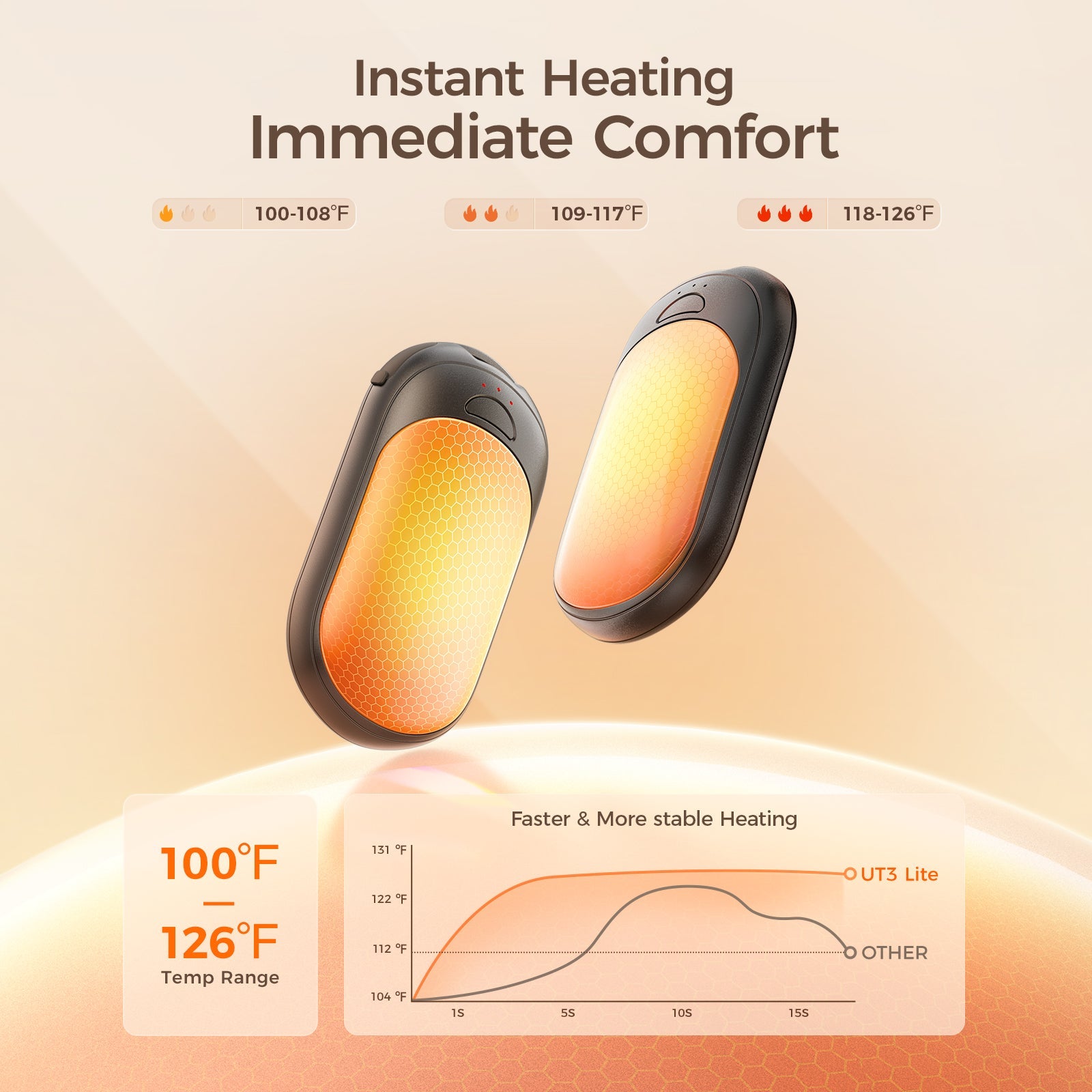
Hand warmers, cart mittens and a GPS speaker: six bits of kit that make October golf bearable
Nothing here will fix your slice. All of it makes the difference between a raw, dark, wet October round being a slog and being the best golf of the year.
Review
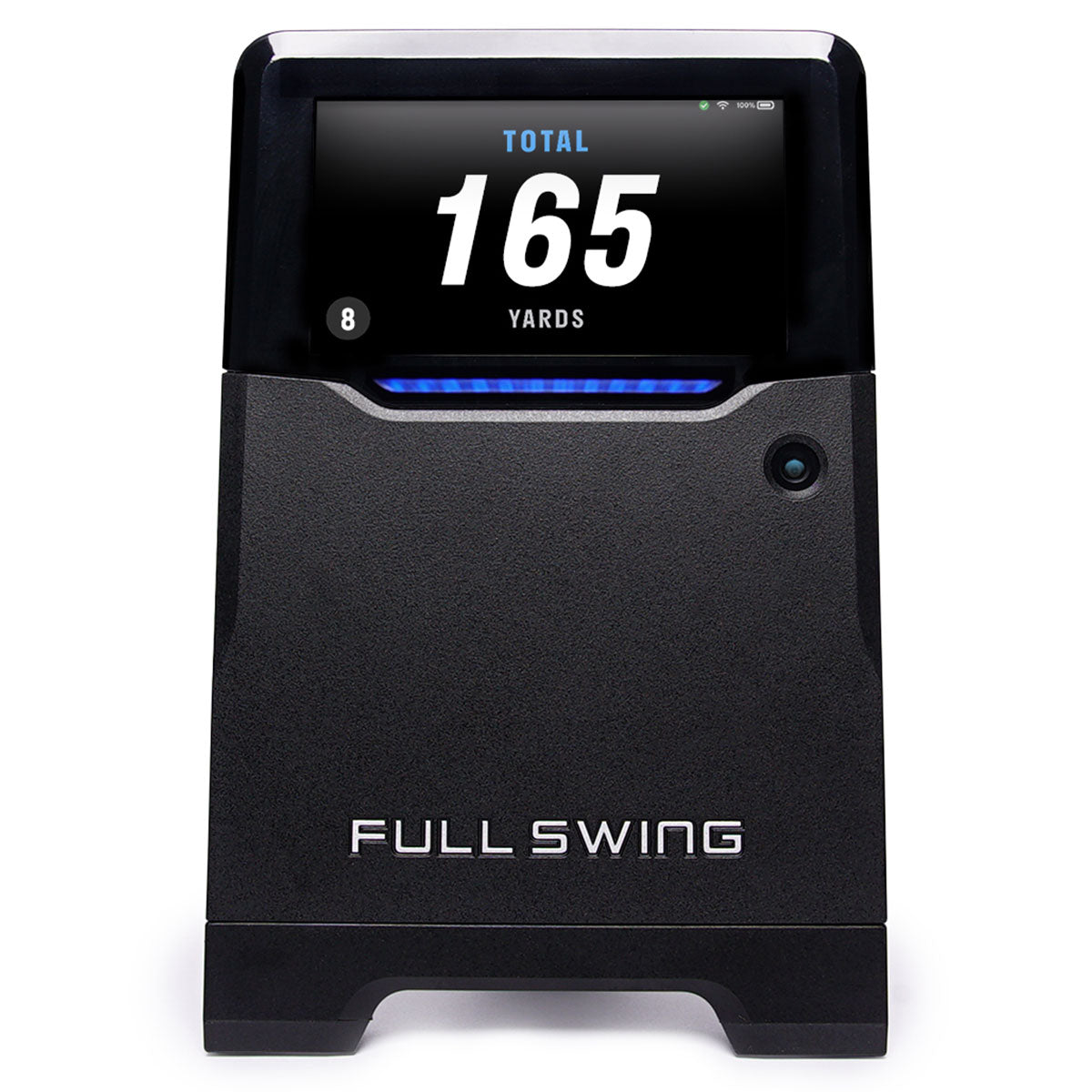
7.9/10Full Swing KIT review: the tape measure decides this, not Tiger
Tour pedigree, TGL on ESPN, and radar good enough to be checked against a Trackman outdoors. It also wants eighteen to twenty feet of room, which rules out most of the garages people buy it for.