
Your back-nine collapse isn't fatigue — it's dehydration, and it's costing you strokes
Sports science puts the threshold at around two per cent of body mass: lose that much to sweat and your fine motor control and decision-making measurably degrade. A four-hour round in July heat gets you there easily if you drink on autopilot. Here's the protocol — and the gear that makes it effortless.
By Dan Mercer · Editor
 Explained
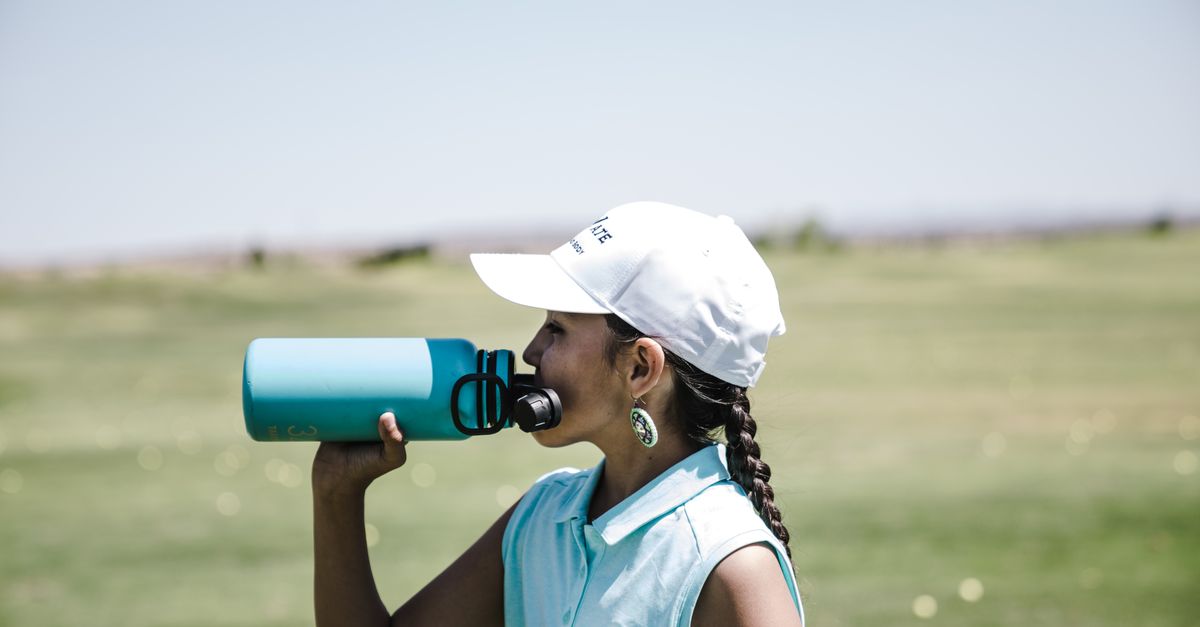
Every summer golfer knows the shape of the round: level through nine, wobbly by thirteen, and a card-wrecking stretch of three-putts and dumb decisions from fifteen home. The instinct is to blame fatigue, or the swing falling apart under pressure. The sports-science consensus points somewhere less flattering: you were dehydrated, and it was entirely preventable. Lose around two per cent of your body mass to sweat and the research shows fine motor control and decision-making measurably degrade — and a four-to-five-hour round in ninety-degree heat gets an average adult to that threshold easily if they're drinking on autopilot. This isn't a wellness lecture. It's course management, and it's worth real strokes in July.
The two per cent problem
Two per cent doesn't sound like much, which is exactly why it's dangerous. For an average adult that's roughly a litre and a half of sweat gone unreplaced — an amount a hot afternoon extracts without you feeling especially thirsty, because thirst lags the deficit. And the two systems that degrade first are, inconveniently, the two systems golf runs on. Fine motor control is your putting stroke, your wedge feel, your grip pressure on a half-swing. Decision-making is the judgement that says lay up, aim away from the pin, take the extra club. Nobody hits the ground and notices they're dehydrated; they notice a speed-control lapse on the greens and a baffling decision to take on a flag they'd never attack on the front nine. The cruellest part is that the deficit disguises itself as everything except what it is — a tired swing, a lost focus, a bad day — so golfers spend the drive home diagnosing a technical fault that was actually a fluid one. By the time you feel genuinely thirsty, you're already behind, and you cannot catch up with one big gulp at the turn.
Why a golf round is a perfect trap
Golf is uniquely engineered to dehydrate you without noticing. The round is long — four to five hours of low-grade exertion in direct sun, longer than almost any other recreational activity people attempt in summer heat. The drinking is ritualised rather than scheduled: a swig when the cart girl appears, a bottle at the turn, whatever's left on sixteen. And the default beverage culture works against you — a couple of beers off the first tee taste like summer but act as a diuretic, accelerating exactly the loss you need to be replacing. None of this requires abstinence. It requires treating hydration the way you treat club selection: deliberately, on a schedule, with the conditions in mind.
The protocol: sip per hole, not gulp per nine
The fix is boringly simple, which is why almost nobody does it. Start ahead: drink a solid half-litre in the hour before you tee off, so you begin the round topped up rather than level. Then sip every hole — a few mouthfuls walking off each green, not a heroic chug every sixth fairway. Small and constant beats big and occasional, because your body absorbs steady intake far better than periodic floods. On true scorchers, add electrolytes to one bottle: heavy sweating takes sodium with it, and plain water alone doesn't fully restore the balance on a ninety-degree day. And if you're drinking beer, run it one-for-one — every beer earns a matching round of water, and push the beers to the back half of the round rather than the first tee. One more habit worth stealing from endurance sport: don't stop when the round does. A recovery drink or another half-litre in the clubhouse restores what the scoreboard conversation makes you forget, and it's the difference between one hot round and a heavy-legged weekend. Follow all of that and the back nine stops feeling like a different, stupider golfer took over your body.
The gear that makes compliance effortless
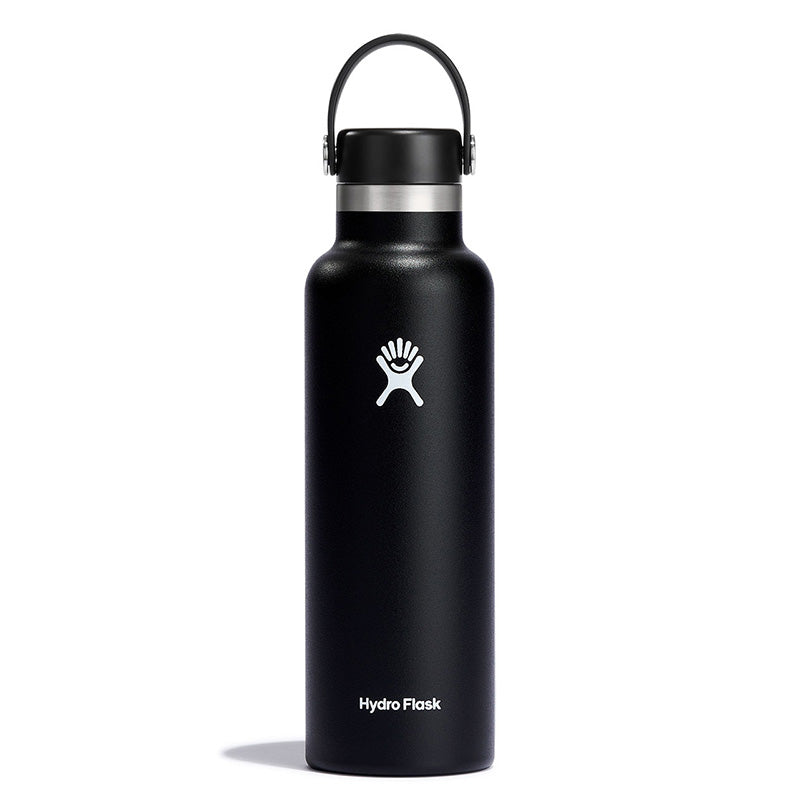
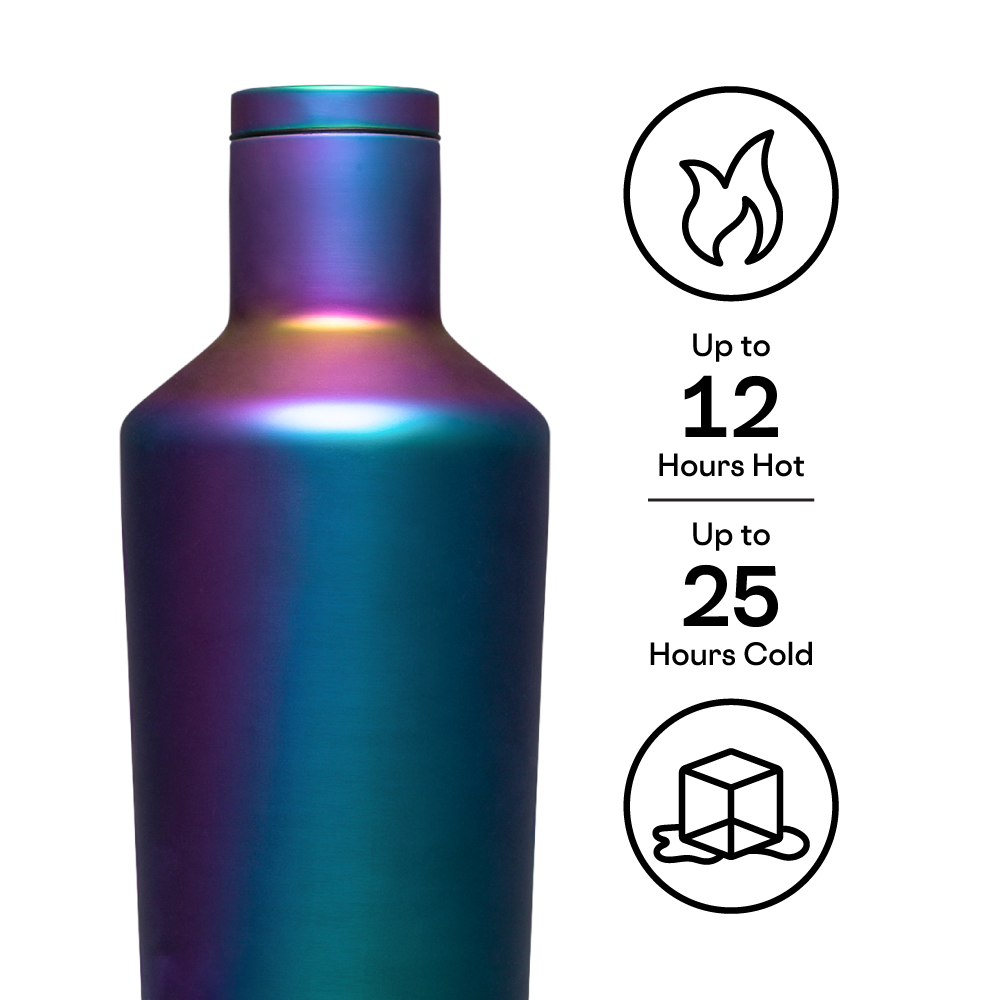
Here's the part most advice skips: the protocol only works if the water is cold, close, and there on every hole — warm plastic-bottle water gets ignored by the fourteenth. This is a solved equipment problem. For walkers, an insulated steel bottle like the Hydro Flask Standard Mouth keeps ice water genuinely cold through a full round in direct sun, and its leakproof cap means it lives in a bag pocket without soaking your glove. The Corkcicle Canteen does the same job with a flat-sided shape that sits flush in a bag pocket — though on a true scorcher its smaller size argues for sizing up or carrying a second bottle.
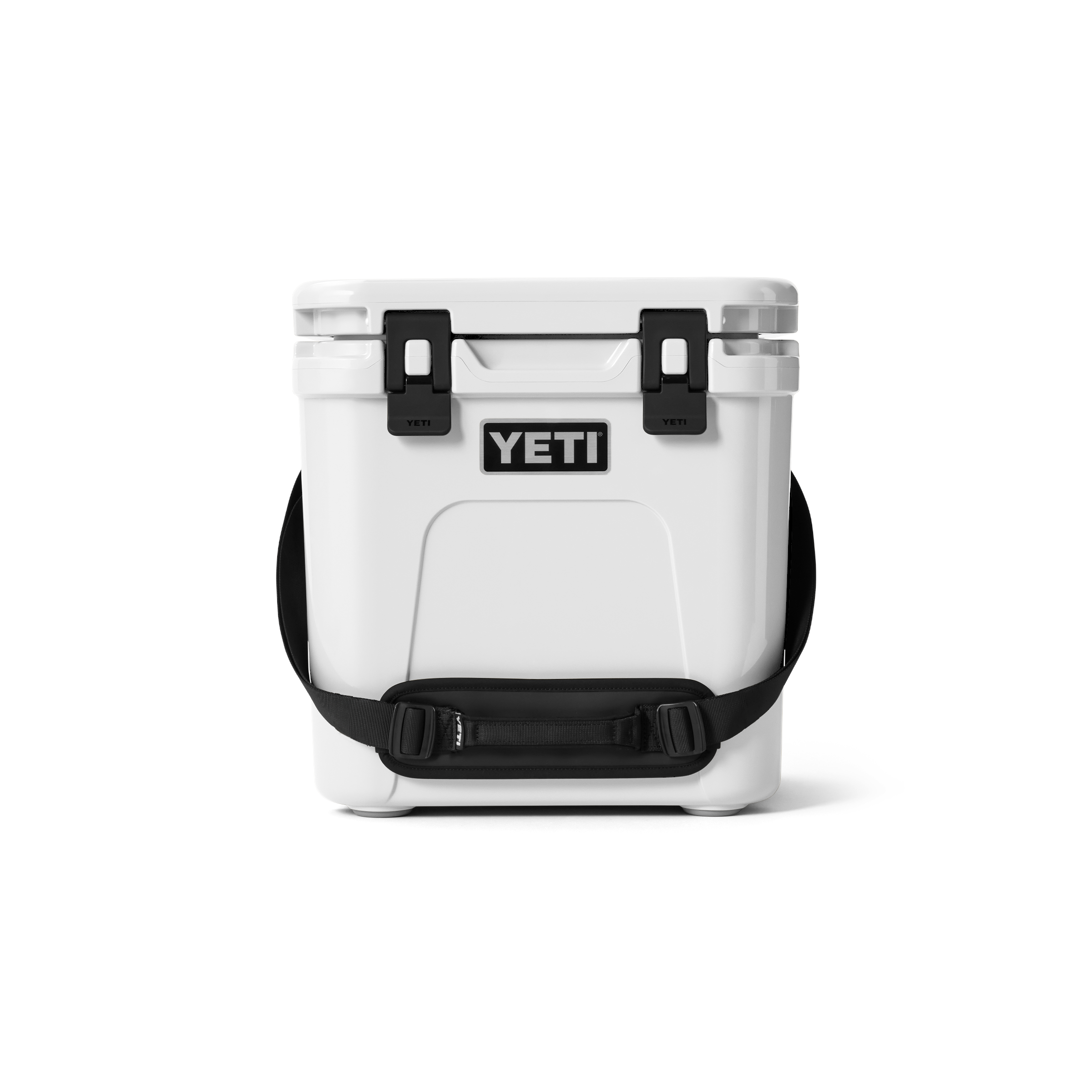
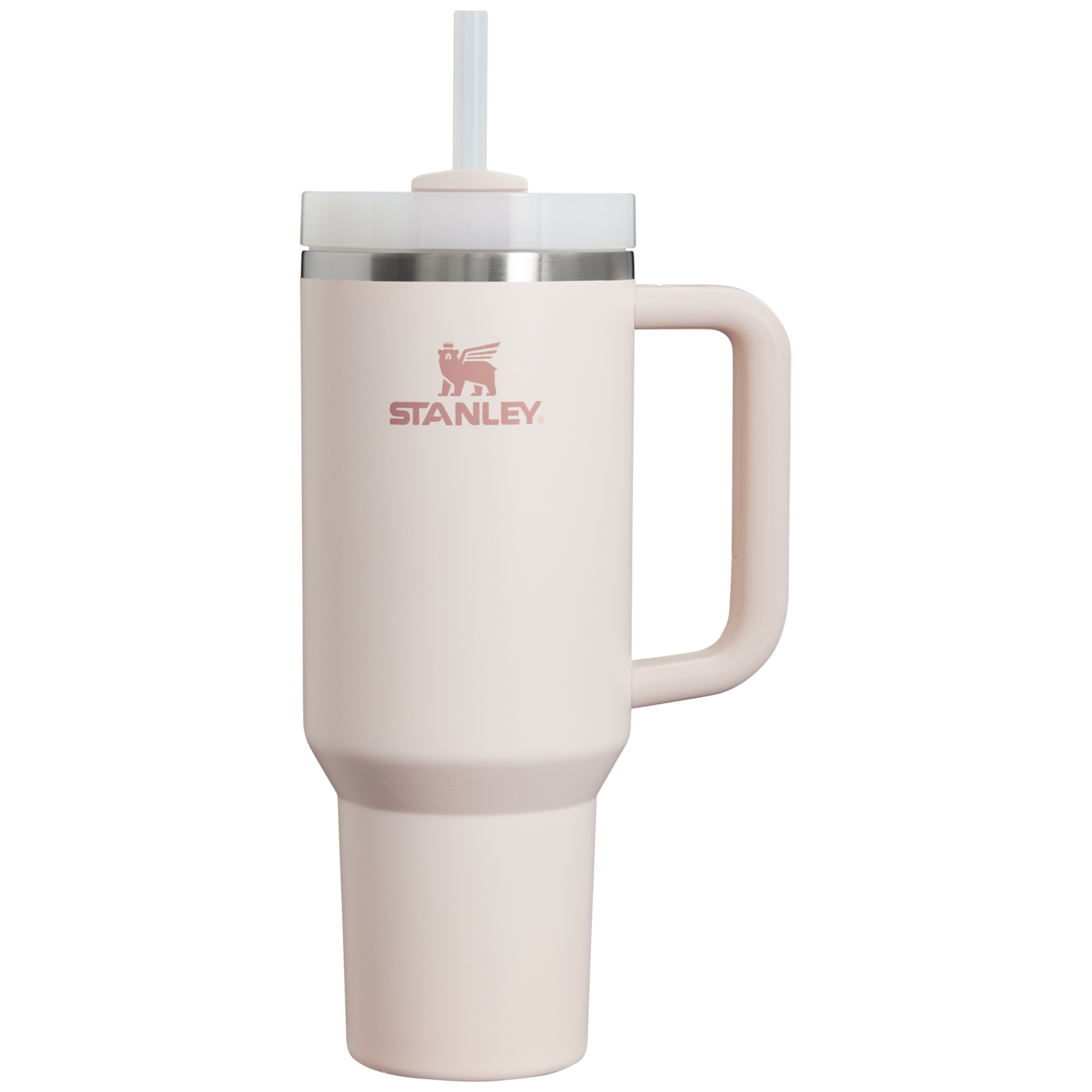
For cart golfers, capacity is the play. The Stanley Quencher FlowState holds well over a litre with a straw lid built for exactly the drink-without-thinking sipping the protocol demands — parked in the cupholder, it makes per-hole compliance the path of least resistance. It's a cart cup, not a walker's bottle: big, heavy when full, and not one to lay sideways in a bag. And for the group, a proper cooler changes the maths entirely: a YETI Roadie 24 strapped to the cart keeps a full round's water and recovery drinks ice-cold for the duration and then some, which means nobody rations, and the one-for-one beer rule actually gets followed. Our coolers and drinkware guide covers the full field.
Treat it like course management, because it is
You'd never play a round with three clubs missing from the bag, but plenty of golfers effectively play the last five holes with a degraded putting stroke and impaired judgement — the two things no equipment purchase can replace. The intervention costs less than a dozen premium balls, weighs under a kilo in the bag, and pays off precisely when the match is usually decided. Who should skip this advice? The dawn-patrol golfer walking nine in the cool of the morning can carry on as they were. Everyone teeing it up between June and September in real heat should treat the two per cent threshold like a hazard line on the card — because it plays like one. More summer-proofing lives in our accessories hub.
Products mentioned in this article
Hydro Flask
Hydro Flask Standard Mouth 21oz
The walker's bottle: bombproof steel that keeps water genuinely cold from the 1st to the 18th, with a leakproof cap.
Corkcicle
Corkcicle Classic Canteen Insulated Bottle (16oz)
The bag-pocket pick: flat-sided so it sits flush against your gear, with cold retention that outlasts the round.
Stanley
Quencher H2.0 FlowState Tumbler 40oz
The cart-golfer's answer: over a litre of ice-cold water in the cupholder means per-hole sips happen by default.
YETI
YETI Roadie 24 Hard Cooler
The cart cooler: ice for days, near-indestructible, and tall enough to stand bottles upright for a full group.
ifrothgolf earns a commission on purchases made through these links, at no extra cost to you. It never changes what I recommend. Full disclosure.
Frequently asked
- How much should I drink during a round of golf in the heat?
- Start with about half a litre in the hour before you tee off, then take a few mouthfuls every hole rather than large amounts every few holes. Steady sipping keeps you ahead of sweat loss, which is the goal — by the time you feel properly thirsty you are already in deficit.
- Does dehydration really affect golf performance?
- Yes. The sports-science consensus is that losing around two per cent of body mass to sweat measurably impairs fine motor control and decision-making — in golf terms, putting touch, wedge feel and course-management judgement. A four-to-five-hour round in hot weather can reach that threshold easily without deliberate drinking.
- Do I need electrolytes on the golf course?
- On genuinely hot days with heavy sweating, yes — sweat takes sodium with it, and plain water alone does not fully restore the balance. An electrolyte tablet or mix in one bottle on true scorchers is enough; on mild days plain water is fine.
- Is it fine to drink beer during a summer round?
- In moderation, but alcohol is a diuretic, so it accelerates fluid loss exactly when heat is already draining you. A sensible rule is one-for-one: match every beer with an equivalent amount of water, and keep the beer to the back half of the round rather than the first tee.
Read next
Review
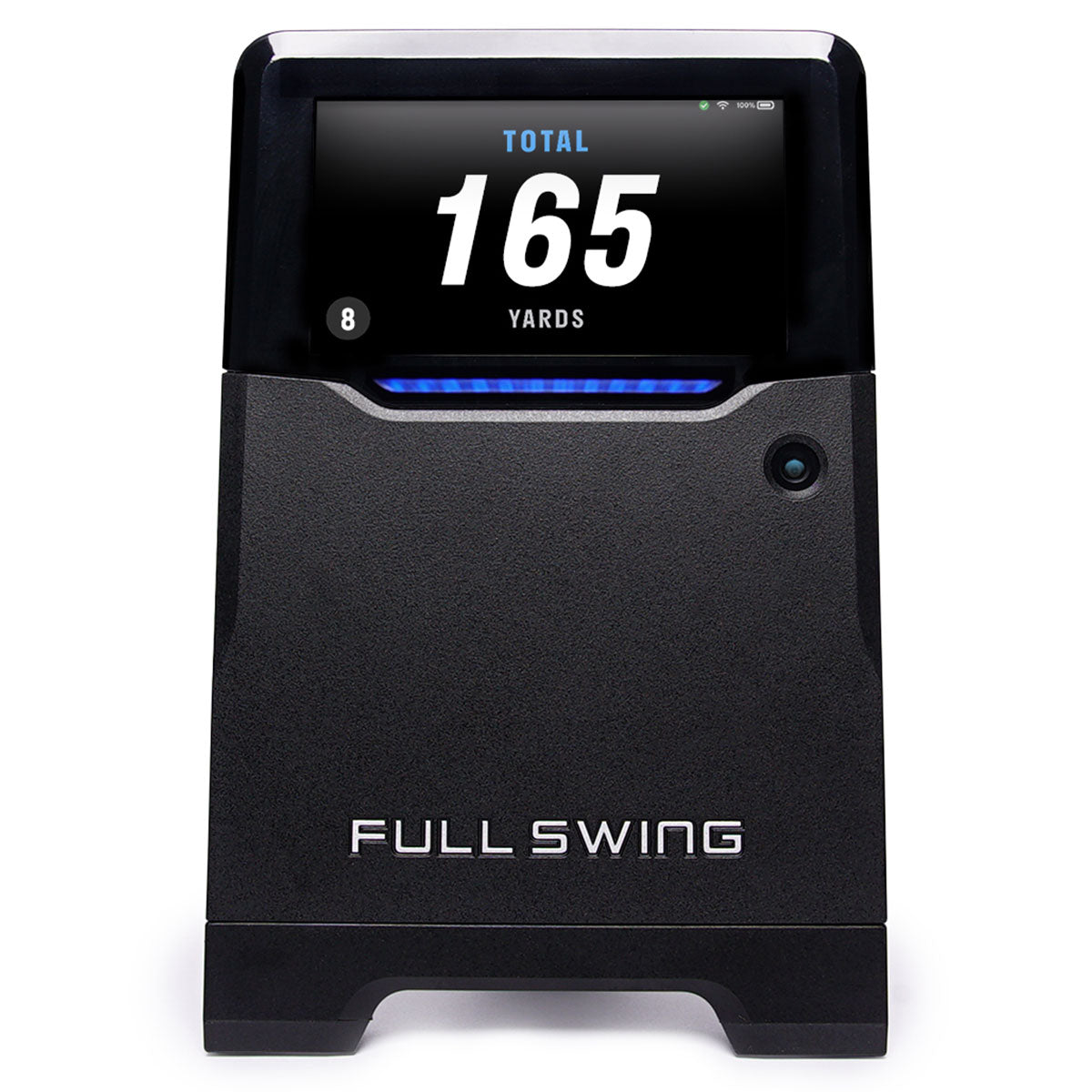
7.9/10Full Swing KIT review: the tape measure decides this, not Tiger
Tour pedigree, TGL on ESPN, and radar good enough to be checked against a Trackman outdoors. It also wants eighteen to twenty feet of room, which rules out most of the garages people buy it for.
Versus
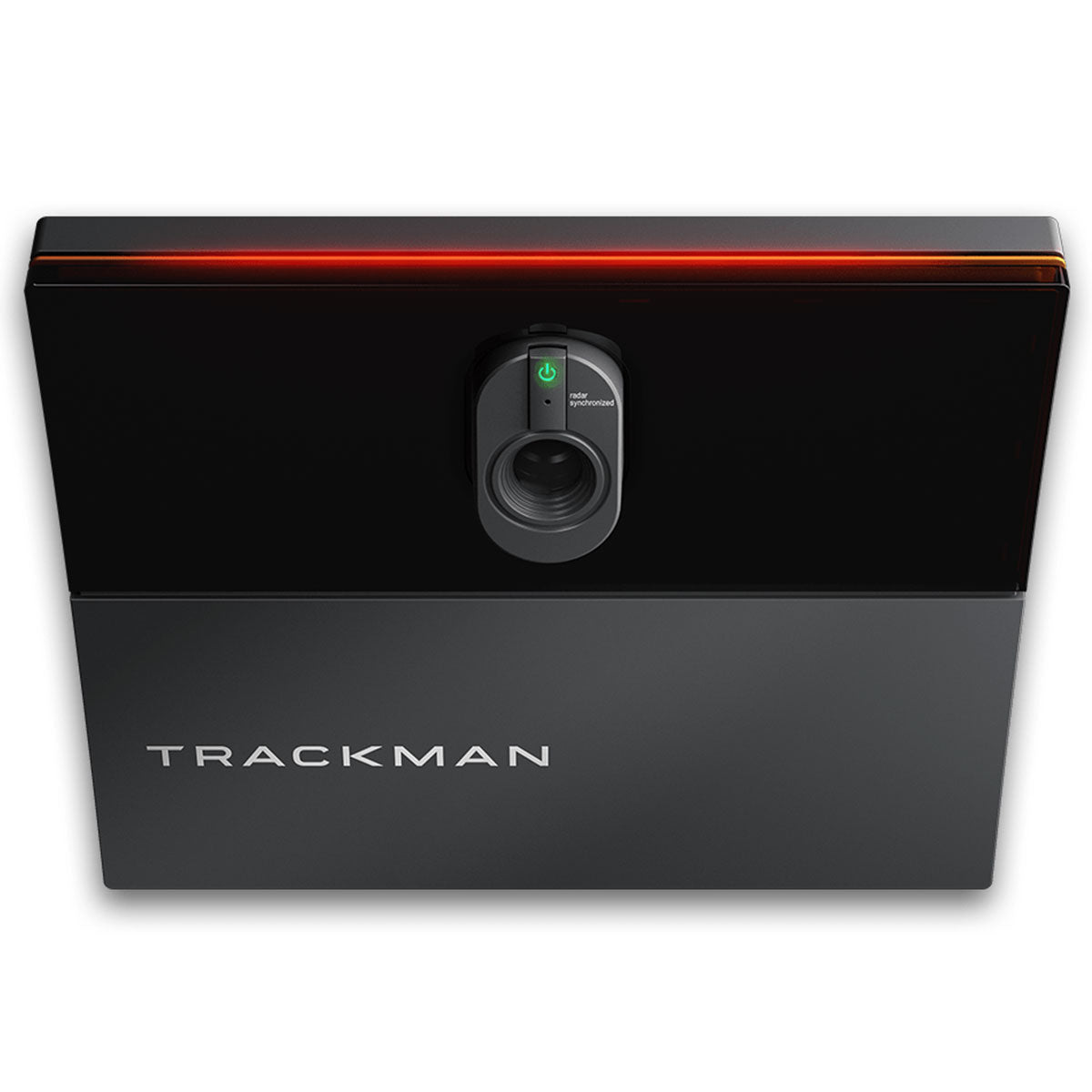
Trackman iO vs Uneekor EYE XO2: the year-one trap
Both mount overhead, both want ten feet of ceiling, and about $3,000 separates them on the shelf. Then Trackman's included first year runs out, and the gap starts growing by $1,100 a year.

Versus
Uneekor EYE XO2 vs Foresight GC3: ceiling or floor?
About $4,000 separates them, but they're not really rivals — one lives in your ceiling forever, the other sits on the floor and travels. The cheaper one is also the one with no subscription.